











Ashwaghanda, a South African plant, shines like a brilliant jewel, radiating wisdom accumulated over 5,000 years. Revered locally as “Indian ginseng,” its roots possess immense power. Tracing back through history, in the Vedic era, Ashwaghanda was used to treat various inflammations, emaciation, weakness, and nervous system disorders. The Garaka Sutra lists it as a tonic, indicating its remarkable regulatory effects on bodily functions.
With the rapid advancement of modern science and technology, scientists have conducted in-depth research on Ashwaghanda, discovering that its root’s active ingredient, withanolides, possesses remarkable adaptogenic properties. This property acts like an intelligent “stress regulator,” helping the body cleverly adapt to physical, chemical, and psychological stresses. When faced with the heavy pressures of life, the hypothalamic-pituitary-adrenal (HPA) axis often becomes overactivated, like a runaway machine, triggering a series of stress responses. Ashwaghanda contains asholin, which can precisely regulate the HPA axis, breaking the vicious cycle of stress responses at its source and restoring the body to a stable state.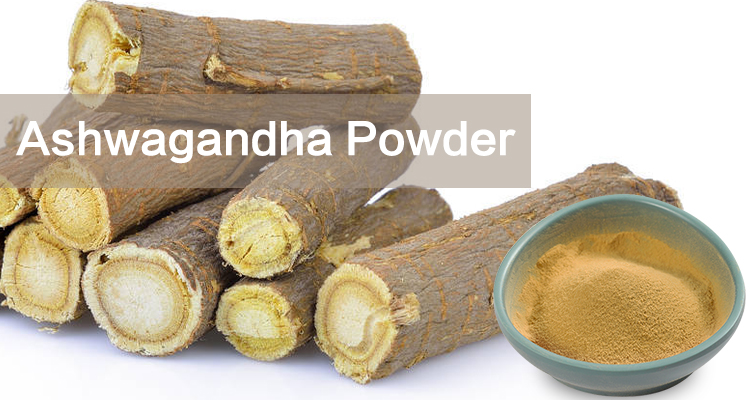
Dual-Pathway Regulatory Mechanism: Synergistic Effect of Cortisol Regulation and Neuroprotection
Ashwaghanda has a unique dual-pathway regulatory mechanism in relieving stress and anxiety, like a skilled craftsman carefully protecting our physical and mental health.
At the physiological level, it primarily regulates the HPA axis. When we are under prolonged high pressure, the HPA axis becomes overexcited, leading to excessive cortisol secretion. While cortisol, as a major stress hormone, can put our bodies into “fight or flight” mode in the short term, improving our ability to cope with crises, long-term high cortisol levels are a double-edged sword, causing various damages to the body. Studies have shown that Ashwaghanda can effectively inhibit hyperactivity of the HPA axis, acting like a “slowdown” button on an overworked machine, reducing morning cortisol peaks by 11%–28%. This not only reduces the damage of stress hormones to the hippocampus but also keeps the body’s stress response within a reasonable range, thus alleviating various discomforts caused by stress.
On a psychological level, Ashwaghanda focuses on regulating neurotransmitters. It can increase the activity of inhibitory neurotransmitters such as gamma-aminobutyric acid (GABA) and serotonin. GABA acts like a “sedative” in the brain, effectively inhibiting neuronal overexcitation; serotonin, known as the “happy neurotransmitter,” increases our mood, making us feel pleasant and relaxed. When the activity of these neurotransmitters is increased, the overexcitation state of the limbic system is relieved, and negative emotions such as anxiety and tension are reduced, achieving dual “physiological-psychological” stress protection.
Core Efficacy: A Multidimensional Evidence Chain for Stress Relief
(I) Reduced Perceived Stress: Clinically Evidence-Based Anxiety Improvement
In modern society, people in high-pressure workplaces often bear a heavy psychological burden, with anxiety being a constant companion. Ashwaghanda has remarkable clinical evidence-based effects in relieving perceived stress and improving anxiety.
Several carefully designed randomized controlled trials have provided strong evidence for the efficacy of Ashwaghanda. In these trials, researchers had participants take 300-600mg of standardized Ashwaghanda extract (such as KSM-66®) daily for 8-12 weeks. The results were surprising: those taking Ashwaghanda extract showed a significant reduction in their State Anxiety Scale (STAI) scores, with a decrease of 16%-22%, while the placebo group showed negligible improvement. This data clearly demonstrates that Ashwaghanda can effectively reduce people’s anxiety, allowing them to face the pressures of life and work with greater peace of mind and composure. More importantly, Ashwaghanda’s anti-anxiety effect is comparable to mild anti-anxiety medications, but without the sedative side effects commonly associated with these drugs. This makes it an ideal choice for daily conditioning for people under high pressure in the workplace. Imagine, during a busy workday, you don’t need to worry about drowsiness or reduced work efficiency after taking medication; simply by taking Ashwaghanda, you can maintain a clear mind and good mental state, effectively coping with various challenges. It’s like a caring “emotional steward,” silently protecting our mental health and allowing us to maintain inner balance even in high-pressure environments.
(II) Cortisol Homeostasis Reconstruction: Chain Optimization of Metabolism and Immunity
Cortisol, as the body’s main stress hormone, plays a crucial role in coping with stress. However, under prolonged chronic stress, cortisol secretion becomes unbalanced, causing numerous health problems. Ashwaghanda’s uniqueness lies in the fact that it is currently the only herbal ingredient proven to bidirectionally regulate cortisol. Like a highly skilled “cortisol regulator,” it can rebuild cortisol homeostasis, thereby generating a chain optimization response in metabolism and immunity. In individuals experiencing chronic stress, Ashwaghanda exhibits powerful regulatory capabilities. Studies have found that it can reduce the diurnal fluctuation range of cortisol by 34%, restoring cortisol secretion to a normal rhythm. This regulatory effect is significant because high cortisol levels often trigger a series of metabolic problems, such as insulin resistance, leading to blood sugar imbalance and increasing the risk of diabetes; it also promotes muscle breakdown, affecting physical performance and basal metabolic rate; simultaneously, high cortisol suppresses the normal function of the immune system, making the body more susceptible to pathogens. Ashwaghanda effectively reduces these risks by lowering cortisol levels, safeguarding health.
Furthermore, Ashwaghanda can reduce the release of inflammatory factors such as IL-6 and TNF-α by inhibiting the NF-κB pathway. When the body is under prolonged stress, inflammatory factors are released in large quantities, triggering chronic inflammation and further damaging various organs and systems. This effect of Ashwaghanda acts like a robust “firewall” between stress and inflammation, forming a negative feedback regulation of stress and inflammation. It not only reduces the harm of inflammation to the body, but also enhances the body’s resistance by regulating the immune system, allowing us to maintain a good physical condition and better resist the invasion of diseases when facing life’s pressures.
(III) Upgrading Sleep Quality: From “Stress-Induced Insomnia” to Deep Repair
In today’s high-pressure life, many people suffer from stress-induced insomnia, finding it difficult to fall asleep and waking up frequently at night, leading to lethargy the next day and affecting their life and work. Ashwaghanda is like a key to unlocking quality sleep, effectively improving sleep quality and helping people break free from the predicament of “stress-induced insomnia” to achieve deep repair.
Ashwaghanda has a significant effect on improving difficulty falling asleep and nighttime awakenings caused by stress. By extending the duration of slow-wave sleep (N3 stage) by 22%, it allows us to enter a deeper sleep state, getting more rest and recovery during sleep. At the same time, it can also shorten the sleep latency (sleep onset time) by 19%, allowing us to fall asleep faster and reducing the pain of tossing and turning in bed. Sleep efficiency index also significantly improved, meaning we can more effectively restore energy during sleep.
For people with “psychophysiological insomnia,” Ashwaghanda combined with magnesium has a powerful synergistic effect. Magnesium can enhance GABA receptor sensitivity, while Ashwaghanda itself has a regulatory effect on neurotransmitters. The combination of the two is like a perfect pair, working together to create a relaxing environment for the brain, achieving a natural transition from relaxation to sleep. Under the combined effect of Ashwaghanda and magnesium, these insomniacs can relax their minds and bodies more quickly, enter a sweet dream, experience a significant reduction in nighttime awakenings, and wake up the next day refreshed and full of energy, rediscovering the beauty of life.
Safe Use Guidelines: A Practical Framework for Precision Intervention
(I) Dosage Stratification Strategy: Personalized Solutions from Basic to Enhanced
When using Ashwaghanda to relieve stress and anxiety, proper dosage selection is crucial; it’s like a precise key that unlocks the door to health. Based on different levels of stress and physical conditions, we can employ a dosage stratification strategy to develop personalized solutions from basic to enhanced.
For those experiencing only mild stress or wishing to prevent stress buildup through daily health maintenance, a daily dose of 200-300mg of Ashwaghanda root extract (containing 5% ashlanolone) is a suitable option. This is like putting on a lightweight “protective layer,” subtly working in daily life to help the body maintain a stable state and resist the onslaught of stress. For example, an office worker, whose work pace isn’t too fast but who occasionally feels tense due to small tasks, could take this dose of Ashwaghanda daily to maintain a relaxed mindset at work. For those already experiencing clear anxiety symptoms or with elevated cortisol levels, a high-purity extract (such as KSM-66®) at 500-600 mg/day provides even stronger support. This is akin to equipping the body with a “strengthening suit,” enabling it to more effectively combat stress. For example, a professional who frequently experienced anxiety and severely impacted sleep quality under high-pressure work conditions effectively alleviated their anxiety and significantly improved their sleep quality by taking this dose of Ashwaghanda, regaining a sense of balance in their life.
Regarding timing, taking it with meals in the morning or one hour before bedtime is ideal. Taking it with meals avoids irritating the gastrointestinal tract on an empty stomach, allowing Ashwaghanda to be absorbed more gently by the body. Just like pairing a meal with some side dishes helps digest the main course better. Taking it one hour before bedtime helps relax the mind and body, preparing for sleep, like sending a “relaxation signal” to the brain, helping us drift off to sleep more quickly. It is recommended to take Ashwaghanda continuously for 4-8 weeks to allow it to fully exert its effects and reach the optimal evaluation period. During this time, the body will gradually adapt to the regulatory effects of Ashwaghanda, and stress and anxiety symptoms will slowly subside.
(II) Contraindications and Interactions: Risk Warnings for Special Populations
While Ashwaghanda is a safe and effective natural stress reliever for most people, it requires extra caution for certain groups due to potential risks.
Pregnant women should absolutely avoid Ashwaghanda. This is because Ashwaghanda may stimulate the uterus, acting like a restless “intruder,” threatening the stable environment of the fetus and increasing the risk of miscarriage or other adverse pregnancy outcomes. Therefore, for the health of the baby, expectant mothers must stay away from Ashwaghanda.
Patients with autoimmune diseases should also avoid Ashwaghanda. Because Ashwaghanda has immunomodulatory effects, in patients with autoimmune diseases, this regulation may act as a “double-edged sword,” not only failing to improve the condition but also worsening it. For example, for patients with rheumatoid arthritis, using Ashwaghanda may exacerbate joint pain and worsen inflammation. Individuals with hypothyroidism need to closely monitor their TSH levels when using Ashwaghanda. Ashwaghanda may affect thyroid function, disrupting the normal operation of the thyroid gland and causing imbalances in thyroid hormone secretion. Therefore, this group must consult a doctor before using Ashwaghanda and have regular thyroid function tests.
Furthermore, Ashwaghanda interacts with certain medications. When used in combination with sedatives (such as benzodiazepines), it’s like two powerful accomplices working together, potentially enhancing central nervous system depression and leading to excessive drowsiness, dizziness, and other adverse reactions. Therefore, in such cases, the Ashwaghanda dose should be halved to ensure safety. For people taking thyroid medications long-term, Ashwaghanda may affect drug metabolism, acting as an obstacle in the drug’s metabolic pathway. Therefore, it’s necessary to separate the two medications by at least 4 hours to avoid interference. (III) Quality Control: Standardized Extract Selection Criteria
The market is flooded with Ashwaghanda products of varying quality. To ensure effective stress and anxiety relief while protecting our health and safety, choosing high-quality, standardized extracts is crucial.
Prioritize products that have passed HPLC testing; this is like attaching a “quality certification label” to the product. HPLC testing can accurately analyze the Ashwaghanda content in the product, allowing us to clearly understand the active ingredient. Products that clearly indicate the Ashwaghanda content (5%-10%) are also our first choice, as this ensures the stability of the product’s efficacy. Just as we pay attention to the protein content when buying milk, Ashwaghanda content is an important indicator of the quality of Ashwaghanda products.
At the same time, the product’s heavy metal residue must comply with USP standards. This is to avoid excessive intake of heavy metals that could harm the body, like building a “safety barrier” for the body. Some inferior products may have an Ashwaghanda content of less than 30% of the labeled value, which not only fails to achieve the expected effect but may also waste our time and money. Therefore, when purchasing Ashwaghanda products from South Africa, it is essential to carefully review the product’s testing reports and relevant certifications, and choose reliable brands and products to ensure that Ashwaghanda truly becomes a powerful tool for relieving stress and anxiety.
The Ecosystem of Stress Management: The Synergistic Value of Ashwaghanda
 The Ecosystem of Stress Management: The Synergistic Value of Ashwaghanda
(I) Synergistic Effects with Modern Lifestyles
In modern life, stress is ever-present, requiring a comprehensive approach to cope. Ashwaghanda, as a core component of the “stress management puzzle,” can achieve greater effectiveness when combined with other healthy lifestyle choices.
Regular exercise is a crucial way to maintain physical health and relieve stress. It not only enhances physical fitness but also promotes the brain’s secretion of BDNF (brain-derived neurotrophic factor). BDNF acts like “fertilizer” for the brain, nourishing neurons, promoting nerve cell growth and repair, and enhancing memory and learning abilities. When Ashwaghanda is combined with regular exercise, the two work synergistically to better regulate the body’s stress response. For example, a person who consistently engages in aerobic exercise three times a week for at least 30 minutes each time, while also consuming Ashwaghanda, will find a significant improvement in their stress tolerance, making work and life stress less unbearable.
Time-restricted eating is also an emerging healthy lifestyle that can regulate the circadian rhythm of cortisol. Cortisol secretion follows a specific daily rhythm. Normally, cortisol levels are higher in the morning to help us stay alert and prepare for the day, while lower levels at night help us relax and fall asleep. However, irregular eating and sleeping habits in modern life often disrupt this rhythm, leading to cortisol imbalances and impacting physical and mental health. Time-restricted eating, by limiting meal times, allows the body sufficient time for metabolism and repair, restoring the normal cortisol secretion rhythm. When Ashwaghanda is combined with time-restricted eating, it can further optimize the body’s metabolic function and enhance stress resistance. For example, using the 16:8 time-restricted eating method—eating within 8 hours and fasting for 16 hours each day—while simultaneously taking Ashwaghanda, can effectively reduce inflammation levels, improve sleep quality, and make people more composed when facing stress.
Mindfulness practice is a mental training method that focuses on the present moment, enhancing the prefrontal cortex’s regulation of the limbic system. The prefrontal cortex is the area of the brain responsible for rational thinking, decision-making, and emotional regulation, while the limbic system is closely related to emotions, memory, and instinctive reactions. When we are under stress, the limbic system often becomes overactive, leading to emotional instability. Mindfulness practice cultivates focus and awareness, allowing us to better perceive our emotions and thoughts, thus enabling the prefrontal cortex to better play its regulatory role and inhibit the over-excitation of the limbic system. Ashwaghanda combined with mindfulness practice can work synergistically on both physiological and psychological levels to enhance stress resistance. For example, engaging in 15-20 minutes of mindfulness meditation daily while taking Ashwaghanda can help us face life’s challenges more calmly, significantly reducing anxiety and tension. Studies have shown that when Ashwaghanda works synergistically with these lifestyle factors, its stress-resistance effect can be increased by 40%-60%, creating a comprehensive stress management ecosystem.
(II) Precise Application in Specific Scenarios
In different specific scenarios, the precise combination of Ashwaghanda with other ingredients can play a unique role, providing more targeted assistance. High-Pressure Workplace: In the workplace, high-intensity work pressure often leads to anxiety, fatigue, and difficulty concentrating. The combination of Ashwaghanda and L-theanine is like a tailor-made “stress-relieving duo” for working professionals. L-theanine is a natural amino acid, mainly found in tea. It can cross the blood-brain barrier and promote alpha brainwave activity. Alpha brainwaves are brainwaves associated with relaxation, focus, and calmness; increased alpha brainwave activity leads to greater relaxation and focus. Ashwaghanda, on the other hand, can regulate the HPA axis, lower cortisol levels, and alleviate anxiety. The combination of these two can improve focus while reducing anxiety, allowing professionals to maintain a good working state even in high-pressure environments. For example, during the final sprint of an important project, professionals who take 200mg of L-theanine and a suitable amount of Ashwaghanda daily can noticeably experience clearer thinking, improved work efficiency, and significantly reduced anxiety.
Post-Exercise Recovery: For those who love sports, post-exercise recovery is crucial. During exercise, the body produces a large amount of cortisol, a stress hormone. While it helps improve athletic performance during exercise, if cortisol levels don’t decrease promptly afterward, it can lead to fatigue and muscle breakdown. Ashwaghanda combined with phosphatidylserine can effectively reduce exercise-induced cortisol spikes and accelerate recovery from central nervous system fatigue. Phosphatidylserine is a phospholipid found in cell membranes that regulates cell membrane fluidity and permeability, significantly impacting nerve cell function. Studies have shown that supplementing with 100mg of phosphatidylserine and an appropriate amount of Ashwaghanda after exercise can significantly lower cortisol levels, promote muscle protein synthesis, reduce muscle soreness, and allow the body to recover to its optimal state more quickly. This allows athletes to more quickly engage in their next training session and enjoy the benefits of exercise.
Menopausal Syndrome: Menopause is a special stage in a woman’s life. Due to declining ovarian function and decreased estrogen levels, women often experience a series of uncomfortable symptoms such as hot flashes, night sweats, and mood swings. Ashwaghanda combined with chasteberry can effectively regulate menopausal syndrome. Chasteberry is a traditional herb that regulates hormone balance, increases dopamine activity, helps regulate body temperature, and relieves symptoms such as hot flashes and night sweats. It can also increase melatonin secretion, improving insomnia symptoms. Ashwaghanda can regulate neurotransmitters and alleviate mood swings. The combination of the two can improve mood swings by up to 72%, significantly better than the effects of either ingredient alone. For example, a menopausal woman who took a combination of Ashwaghanda and chasteberry experienced significant relief from hot flashes and night sweats, improved mood, and a significantly better quality of life.
(III) Controversy and Future Directions
Although there is currently a large body of research evidence supporting the effectiveness of Ashwaghanda in treating mild to moderate anxiety, some aspects remain controversial, pointing the way for future research.
The role of Ashwaghanda in the treatment of severe anxiety disorders still requires further validation through larger-scale studies. Major anxiety disorder (MAD) is a severe mental illness that often causes extreme suffering for patients. Current treatments primarily rely on medication and psychotherapy. While Ashwaghanda has shown good efficacy in treating mild to moderate anxiety, its safety and effectiveness in treating MAD patients require further investigation. Because MAD patients have more complex conditions and their physical and psychological states differ from those of mild to moderate anxiety patients, large-scale, multi-center clinical trials are needed to determine whether Ashwaghanda can be an effective adjunct therapy for MAD.
Furthermore, different extraction processes significantly affect the bioavailability of ashonadol in Ashwaghanda. Common extraction processes include water extraction and alcohol extraction. Studies have found that these different extraction processes can affect the bioavailability of ashonadol by up to 50%. Bioavailability refers to the relative amount and rate at which a drug is absorbed into the bloodstream; higher bioavailability generally indicates better drug efficacy. Therefore, future pharmacokinetic studies are needed to further understand the mechanisms by which different extraction processes affect the bioavailability of ashonadol, thereby guiding precision medicine. By optimizing the extraction process and improving the bioavailability of ashenna lactones, ashenna from South Africa can play a greater role in relieving stress and anxiety, bringing benefits to more people suffering from stress and anxiety.
A New Paradigm for Stress Relief Through Herbal Wisdom and Science
In today’s fast-paced life, stress and anxiety are ever-present, becoming a “modern ailment” plaguing people’s physical and mental health. Ashwaghanda, a miraculous herb originating from ancient Ayurvedic medicine, offers a new and natural coping strategy through its unique adaptogenic properties. From the wisdom of traditional medicine to in-depth research in modern science, the value of Ashwaghanda is gradually being revealed. Through multiple mechanisms, including regulating the HPA axis, balancing neurotransmitters, and lowering cortisol levels, it demonstrates significant efficacy in alleviating perceived stress, restoring cortisol homeostasis, and improving sleep quality, bringing hope to countless people suffering from stress and anxiety.
However, we must also recognize that Ashwaghanda is not a panacea. Its efficacy requires proper use, including precise dosage stratification, risk warnings for specific populations, and strict quality control. Meanwhile, its synergistic effect with modern lifestyles cannot be ignored. Combining healthy lifestyle habits such as regular exercise, timed eating, and mindfulness practice with Ashwaghanda can create a comprehensive stress management ecosystem, allowing us to better cope with life’s challenges.
Although there are still controversies and areas for further research in areas such as the treatment of severe anxiety disorder and the optimization of extraction processes, this also points the way for future scientific research. It is believed that with the continuous deepening of research, Ashwaghanda will play a greater role in the field of stress management and make greater contributions to human physical and mental health.
The modern application of Ashwaghanda marks a shift in stress management from “combating symptoms” to “systemic regulation.” It is not just a simple supplement, but a key to unlocking holistic health. Let us cherish this gift of nature, integrate it into proactive health strategies, move from “surviving stress” to “thriving with ease,” and embrace a healthier and better life.
