










NAD+, short for nicotinamide adenine dinucleotide, is a coenzyme naturally present in human cells. Due to its crucial role in life processes, scientists consider it the “energy code” of life. It participates in over 300 enzymatic reactions within cells, playing an indispensable role in maintaining normal cell function and metabolic balance.
From a chemical structure perspective, NAD+ is composed of nicotinamide, adenine, ribose, and phosphate. This unique molecular structure allows it to play a key role in cellular energy metabolism and signal transduction. In terms of cellular energy metabolism, NAD+ is an essential coenzyme in the process of ATP (adenosine triphosphate, the cell’s main energy currency) production in mitochondria. Taking the tricarboxylic acid cycle (TCA cycle) as an example, a crucial part of cellular aerobic respiration, NAD+ accepts hydrogen atoms from metabolites such as pyruvate and α-ketoglutarate, and is reduced to NADH. NADH then enters the electron transport chain, producing a large amount of ATP through oxidative phosphorylation, providing energy for various cellular life activities. To use an analogy, if a cell is like a factory, then NAD+ is like the energy dispatcher in the factory, ensuring that the production lines (various metabolic pathways) have enough power (ATP) to continue operating.
In addition to energy metabolism, NAD+ also plays a vital role in DNA repair. DNA, as the carrier of genetic information, is constantly threatened by damage from endogenous (such as free radicals produced by cell metabolism) and exogenous (such as ultraviolet radiation and chemical substances) factors. When DNA is damaged, various repair pathways within the cell, such as base excision repair and nucleotide exchange repair, are activated, and NAD+ is a substrate for key enzymes in these repair processes. For example, the poly(ADP-ribose) polymerase family (PARPs) requires NAD+ as a substrate to synthesize poly(ADP-ribose) (PAR), which recruits other repair proteins, thereby promoting DNA repair. This is like NAD+ being the “logistical support” for the DNA repair team, providing the necessary “materials” for the repair work, ensuring the accuracy and stability of genetic information, and reducing the risk of gene mutations and cancer.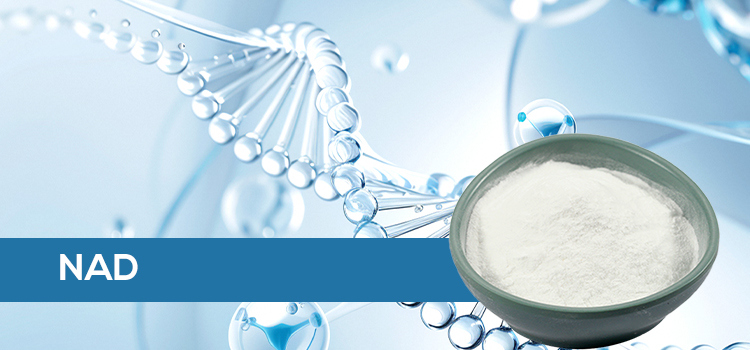
Those Who Urgently Need NAD+
(I) Middle-aged and Elderly People Affected by Age
Aging is a natural physiological process, and as people age, their bodily functions gradually decline, with a significant decrease in NAD+ levels being a key manifestation. Studies show that from around age 25, the body’s NAD+ levels decrease by approximately 5%-10% per year, and by age 60, the body’s NAD+ content may be less than a quarter of what it was in youth. This is because, with increasing age, the activity of key enzymes involved in NAD+ synthesis, such as NAMPT (nicotinamide phosphoribosyltransferase), decreases, causing the rate of NAD+ synthesis to lag behind the rate of consumption. Furthermore, the large number of free radicals produced by cellular metabolism during aging also attack NAD+, accelerating its depletion.
The decrease in NAD+ levels brings many problems to the bodies of middle-aged and elderly people. Firstly, there is a significant decline in physical strength and endurance. Simple daily activities, such as climbing stairs or taking a walk, can leave them breathless and exhausted because the cellular energy supply is insufficient to meet the body’s activity needs. Memory loss is also a common problem, often leading to forgetfulness and difficulty remembering things just said or done, causing numerous inconveniences in daily life. Joint health is also at risk, with a decrease in NAD+ in joint cartilage cells, resulting in weakened cartilage repair capabilities, stiffness, pain, and limited mobility in the joints. Supplementing with NAD+ can inject new vitality into the bodies of middle-aged and elderly people. It can enhance cellular energy metabolism, improve physical strength and endurance, giving them more energy in daily activities; it can also promote the repair and regeneration of nerve cells, improve memory, and delay cognitive decline; in terms of joint health, NAD+ helps maintain the integrity of joint cartilage, reduces inflammation, relieves joint pain and stiffness, and improves quality of life.
(II) High-Pressure, Busy Office Workers
In the fast-paced modern life, office workers face long-term high-intensity work pressure, frequent overtime and late nights, and irregular eating and sleeping habits. Sitting at a desk for long periods, lack of exercise, and high levels of mental stress easily lead to a sub-healthy state. Staying up late disrupts the body’s biological clock, affecting the normal metabolism and repair functions of cells, leading to a continuous accumulation of fatigue. Stress stimulates the body to secrete stress hormones such as adrenaline. The metabolism of these hormones requires a large amount of NAD+, further exacerbating the decline in NAD+ levels in the body.
When NAD+ is insufficient, office workers often feel exhausted. Even after a night’s rest, they still lack energy the next day, resulting in low work efficiency. Chronic sleep problems also plague them, including difficulty falling asleep, frequent dreams, and waking up easily, leaving them feeling groggy in the morning. These health issues not only affect work performance but can also trigger psychological problems such as anxiety and depression. Supplementing with NAD+ can help relieve fatigue, enhance cellular energy supply, and quickly restore the body’s vitality. Simultaneously, NAD+ can regulate the biological clock, improve sleep quality, allowing them to get sufficient rest at night and approach work with renewed energy the next day, improving work efficiency and better coping with the challenges of work and life.
(III) Skincare Enthusiasts Pursuing Beauty
As the largest organ in the human body, the skin is an important window for people to showcase their external beauty. As we age and are affected by environmental factors such as UV radiation and air pollution, our skin gradually develops problems like dryness, sagging, increased fine lines, and dullness. This is closely related to a decrease in NAD+ levels within skin cells. During skin metabolism, NAD+ plays a crucial role in maintaining the normal function and structure of skin cells. When NAD+ is sufficient, it promotes the synthesis of collagen and elastin fibers by dermal fibroblasts. These fibers act like the “steel bars” and “springs” of the skin, giving it firmness and elasticity. Conversely, when NAD+ levels decline, fibroblast activity decreases, and the synthesis of collagen and elastin fibers reduces, causing the skin to gradually lose elasticity, become loose, and develop wrinkles.
Furthermore, NAD+ plays a key role in the skin’s antioxidant defense and repair mechanisms. External stimuli such as UV radiation cause the skin to produce a large number of free radicals. These free radicals attack the lipids, proteins, and DNA of skin cells, leading to cell damage and aging, manifesting as dry skin, dullness, and age spots. NAD+ can activate intracellular antioxidant enzyme systems, such as superoxide dismutase (SOD) and glutathione peroxidase (GSH-Px), to scavenge free radicals, reduce oxidative stress damage to the skin, and promote the repair and regeneration of damaged cells. This improves dry skin, restoring its hydration and radiance, achieving a beautifying effect from the inside out.
(IV) Fitness Enthusiasts
Exercise is an important way to maintain health and achieve a good physique. However, during exercise, especially high-intensity, long-duration exercise, the body’s energy metabolism increases significantly, and the cells’ energy demand rises sharply. This requires a large amount of NAD+ to participate in the energy conversion process. Taking aerobic exercise as an example, during running and swimming, muscle cells need to continuously perform aerobic respiration to provide the energy required for exercise. In this process, NAD+ acts as a coenzyme, accepting hydrogen atoms removed from metabolites to generate NADH. NADH enters the electron transport chain in the mitochondria, ultimately producing ATP. High-intensity strength training also consumes a significant amount of NAD+. Muscles require energy during contraction and relaxation, and the micro-damage to muscles generated during training also requires cellular repair, all of which depend on a sufficient supply of NAD+.
If NAD+ is not replenished promptly after exercise, fitness enthusiasts may experience decreased exercise endurance and slow muscle fatigue recovery. During subsequent workouts, they may feel powerless and unable to achieve the expected training intensity and results. In the long run, this may also increase the risk of sports injuries. Supplementing with NAD+ can improve the efficiency of ATP production during exercise, providing muscles with more energy, extending exercise time, and improving exercise endurance. Simultaneously, NAD+ can promote the repair and regeneration of muscle cells, reduce lactic acid buildup, and accelerate the elimination of muscle fatigue, allowing fitness enthusiasts to recover faster after training, prepare for the next challenge, break through exercise plateaus, and achieve better training results.
(V) Patients Suffering from Chronic Diseases
Chronic diseases, such as cardiovascular disease, diabetes, and neurodegenerative diseases, seriously affect patients’ quality of life and health. Studies have found that the development of these chronic diseases is closely related to abnormal cellular energy metabolism and oxidative stress, with NAD+ playing a crucial role.
In the cardiovascular system, NAD+ is essential for maintaining the health and normal function of vascular endothelial cells. As a layer of cells lining the inner wall of blood vessels, vascular endothelial cells play important roles in regulating vascular tone, preventing thrombosis, and reducing inflammation. When NAD+ levels decrease, vascular endothelial cell function is impaired, nitric oxide (NO) synthesis decreases, leading to impaired vasodilation and elevated blood pressure; simultaneously, inflammatory responses increase, platelets are more prone to aggregation and thrombus formation, increasing the risk of cardiovascular disease. Supplementing with NAD+ can enhance vascular endothelial cell function, promote NO synthesis, improve vasodilation, lower blood pressure, and reduce the risk of cardiovascular disease; for patients already suffering from cardiovascular disease, NAD+ can also help repair damaged cardiomyocytes, improve cardiac function, and promote recovery.
Diabetes is a common metabolic disease characterized by elevated blood glucose levels. NAD+ participates in insulin signaling pathways and the cellular uptake and utilization of glucose. When NAD+ is insufficient, insulin resistance increases, and the cells’ ability to take up and utilize glucose decreases, leading to elevated blood sugar. Supplementing with NAD+ can improve insulin sensitivity, promote cellular glucose uptake and metabolism, help regulate blood sugar levels, and assist in the treatment of diabetes. Simultaneously, it can reduce oxidative stress and inflammatory responses caused by diabetes, preventing and delaying the onset of diabetic complications such as diabetic nephropathy and retinopathy.
Neurodegenerative diseases, such as Alzheimer’s disease and Parkinson’s disease, are a group of diseases caused by the progressive degeneration and death of nerve cells. In these diseases, decreased NAD+ levels affect the energy metabolism and DNA repair capacity of nerve cells, leading to impaired nerve cell function and symptoms such as cognitive impairment and motor dysfunction. Supplementing with NAD+ can provide energy support to nerve cells, enhance DNA repair capacity, reduce nerve cell damage and death, protect the nervous system, improve patients’ cognitive and motor functions, and slow disease progression.
Correct Methods for Supplementing NAD+
(I) Dietary Supplementation: NAD+ Treasure Trove in Natural Foods
In our daily diet, we can supplement NAD+ by consuming foods rich in NAD+ precursors. Milk is a convenient source of NAD+ precursors. It contains nicotinamide nucleoside, which can be directly converted into NAD+. Drinking 200-300 ml of whole milk daily can supplement the body with a certain amount of NAD+. Those with lactose intolerance can choose low-lactose milk or yogurt instead. Deep-sea fish such as salmon and tuna contain about 10-15 mg of niacin per 100 grams. Eating them 2-3 times a week allows you to enjoy delicious food while supplementing the raw materials for NAD+ synthesis. Steaming or low-temperature baking can also minimize nutrient loss. Brown rice and oats, members of the whole grain family, are rich in niacin and dietary fiber. Consuming 50-100 grams daily can provide the body with approximately 5-8 mg of niacin, making them excellent choices for supplementing NAD+ in staple foods. It is recommended to replace some refined rice and flour with them for added health benefits. Mushrooms are also a powerful aid in supplementing NAD+. Shiitake and button mushrooms, for example, contain approximately 3-5 mg of niacin precursors per 100 grams of fresh mushrooms. The ergothioneine in these mushrooms can also activate NAD+ synthase. Consuming them 3-4 times a week, cooked with oil, can improve the absorption rate of fat-soluble nutrients, allowing the body to utilize them more effectively.
However, dietary supplementation of NAD+ also has certain limitations. On the one hand, the content of NAD+ precursors in food is relatively low, making it difficult to meet the body’s large needs for NAD+ solely through diet. This is especially true for those who urgently need to increase their NAD+ levels; dietary supplementation may only be insufficient. For example, due to declining bodily functions, the ability to synthesize NAD+ decreases in middle-aged and elderly people, making it difficult to achieve the desired supplementation effect by relying solely on precursors from food. On the other hand, NAD+ precursors in food may be destroyed during cooking and digestion, reducing their bioavailability. For instance, high-temperature, prolonged cooking can cause the loss of nutrients in food, affecting the content of NAD+ precursors. Even if foods rich in precursors are consumed, it may not effectively increase NAD+ levels in the body.
(II) Dietary Supplements: A Highly Effective Choice
To more effectively increase NAD+ levels, dietary supplements have become a popular choice. Currently, common NAD+ supplements on the market include NMN (nicotinamide mononucleotide), NR (nicotinamide ribose), and NADH (reduced coenzyme I). NMN, as a direct precursor of NAD+, can enter cells through the NMN transporter in the small intestine and is converted into NAD+ with high efficiency. It has received considerable attention in recent years and shows great potential in the anti-aging field. NR molecules are small and can directly enter cells, but they must first be converted into NMN before further generating NAD+. Research on NR started early and has yielded some results supporting its role in NAD+ supplementation. NADH not only supplements NAD+ but also has antioxidant properties, directly participating in cellular respiration and providing energy to cells.
When choosing an NAD+ supplement, several key points should be considered. First, pay attention to the product’s ingredients and purity. High-quality supplements should contain high-purity active ingredients with few impurities and additives to ensure effectiveness and safety. For example, some NMN products using advanced production processes can achieve a purity of over 99%, making them more efficient and reliable for NAD+ supplementation. Second, brand reputation and word-of-mouth are also crucial. Choosing brands with a good market reputation and extensive user validation reduces the risk of purchasing inferior products. Well-known brands have strict standards in research and development, production, and quality control, making their products more trustworthy. In addition, checking product certifications and testing reports is essential. Products certified by authoritative organizations (such as FDA, GMP, etc.) offer greater assurance in terms of quality and safety, allowing consumers to purchase and use them with confidence.
(III) Lifestyle Interventions: Boosting NAD+
Besides diet and supplements, a healthy lifestyle can also play a positive role in increasing NAD+ levels. Regular exercise is one of the effective ways to boost NAD+ levels. During exercise, the body experiences energy stress, which activates related pathways and upregulates NAD+ synthesis. Resistance training, in particular, enhances NAD+ levels in muscle cells, promotes metabolism, and improves the body’s energy utilization efficiency. Performing resistance training 3-4 times a week, such as weightlifting or push-ups, for at least 30 minutes each time, and maintaining this consistently will result in improved energy and vitality.
Calorie restriction is also an effective intervention. Intermittent fasting or moderate calorie restriction can activate the AMPK pathway, promoting the activity of NAD+ synthases, thereby increasing NAD+ synthesis. For example, the 16:8 intermittent fasting method, which involves eating within 8 hours and fasting for 16 hours each day, allows the body to activate its self-repair mechanisms under a state of hunger, increasing NAD+ levels. However, when implementing calorie restriction, it’s important to ensure a balanced diet and avoid excessive dieting that can harm the body.
Maintaining a regular sleep schedule is equally important. Good sleep allows the body to rest and repair adequately, maintaining a normal circadian rhythm, which helps stabilize NAD+ levels. Long-term sleep deprivation disrupts the circadian rhythm, affecting NAD+ synthesis and metabolism, leading to a decrease in NAD+ levels. Ensuring 7-8 hours of high-quality sleep each night, and trying to fall asleep before 11 pm, creates favorable conditions for the body to maintain normal NAD+ levels.
Precautions for NAD+ Supplementation
(I) Individual Differences: What Works for Others May Not Work for You
Different individuals respond significantly to NAD+ supplements due to a combination of factors including genes, lifestyle, and health status. At the genetic level, the expression levels of genes involved in NAD+ synthesis and metabolism differ in each person, affecting the efficiency of NAD+ synthesis and metabolism. For example, some individuals carry specific mutations in the NAMPT gene, resulting in lower activity of the encoded nicotinamide phosphoribosyltransferase. These individuals may not be able to convert supplements into active NAD+ as effectively as others, thus affecting the supplementation’s effectiveness. Lifestyle also plays a crucial role. People who chronically stay up late, drink excessively, and lack exercise have poor metabolic function and cellular health. Even with NAD+ supplementation, their absorption and utilization efficiency may be lower than that of people with regular and healthy lifestyles.
Therefore, when supplementing with NAD+, one should not blindly follow others’ dosages and methods but rather adjust according to their own individual circumstances. For example, those trying NAD+ supplementation for the first time can start with a lower dose and observe their body’s response, such as whether any discomfort occurs, or if there are any improvements in energy and sleep. The dosage can then be gradually adjusted based on the actual situation.
(II) Potential Risks: Proceed with Caution
For individuals with impaired liver or kidney function, NAD+ supplementation may pose significant risks. The liver and kidneys are key organs for NAD+ metabolism. When liver and kidney function is impaired, the activity of related enzymes decreases, affecting the conversion of NAD+ precursors and the excretion of metabolites. Unconverted precursors accumulate in the liver and may be broken down into nicotinamide. Excessive nicotinamide can inhibit the activity of the SIRT1 longevity protein, weakening the normal function of NAD+, and also increasing the burden on hepatocytes, leading to elevated transaminase levels and further liver damage. In the kidneys, NAD+ and its metabolites cannot be excreted in time, accumulating in the blood, stimulating the renal tubules, triggering an inflammatory response, interfering with water and sodium metabolism regulation, leading to problems such as edema and electrolyte imbalance, and accelerating kidney function decline.
Persons currently taking immunosuppressants should also exercise caution when supplementing with NAD+. Immunosuppressants work by suppressing an overactive immune system, while NAD+ activates immune cell activity and enhances the immune response; their effects are conflicting. Supplementing with NAD+ may weaken the therapeutic effect of immunosuppressants, increase the risk of rejection in organ transplant patients, and lead to relapses in patients with autoimmune diseases. Furthermore, NAD+ and immunosuppressants have partially overlapping targets; simultaneous use may prevent the proper repair of DNA damage in immune cells, leading to abnormal immune cell function, increased risk of infection, and, in the long term, may induce immune cell mutations, increasing the risk of hematological diseases such as lymphoma.
Adolescents (under 18 years old) are in their prime growth and development period, with already peak NAD+ levels and a strong capacity for synthesizing their own NAD+. Blindly supplementing with exogenous NAD+ may interfere with normal cell differentiation, inhibiting bone cell differentiation and affecting bone density growth and height development; key steps in brain maturation may also be disrupted, increasing the risk of cognitive developmental abnormalities. Simultaneously, it may disrupt endocrine balance, leading to growth hormone secretion disorders, resulting in growth retardation or precocious puberty; disrupted sex hormone balance increases the probability of problems such as adolescent acne and menstrual irregularities.
(III) Consult a Professional: Safety First
Given the individual differences and potential risks associated with NAD+ supplementation, it is essential to consult a doctor or healthcare professional before supplementation. A doctor can conduct a comprehensive assessment based on factors such as individual health status, family medical history, and current medications to determine suitability for NAD+ supplementation and the appropriate dosage and method. For example, for patients with chronic diseases (such as diabetes or cardiovascular disease), a doctor can comprehensively consider the interaction between NAD+ and disease treatment, providing scientifically sound advice to avoid adverse interference with disease treatment. Healthcare professionals can also guide consumers in correctly selecting NAD+ supplements, identifying product quality and safety, avoiding the purchase of inferior or falsely advertised products, and protecting their health and rights.
Outlook: The Future of NAD+ and Human Health

NAD+ plays a central role in life activities and is of undeniable importance to various groups, including middle-aged and elderly people, office workers, skincare enthusiasts, fitness enthusiasts, and patients with chronic diseases. It is not only a key coenzyme in cellular energy metabolism, participating in DNA repair and maintaining normal cell function, but also shows immense potential in delaying aging, improving health, and enhancing quality of life.
With the continuous deepening of scientific research, the application prospects of NAD+ in the health field are extremely broad. In the field of anti-aging, NAD+ is expected to become a key intervention method for slowing down the aging process and extending healthy lifespan. By increasing NAD+ levels, we may be able to alleviate various physiological declines caused by aging, allowing people to maintain abundant energy and a good quality of life in their later years. In terms of disease treatment, NAD+ brings new hope for the treatment of chronic diseases such as cardiovascular diseases, diabetes, and neurodegenerative diseases. In the future, NAD+-based treatment plans may become an important part of the comprehensive treatment of these diseases, helping patients better control their conditions and improve their quality of life.
Furthermore, with continuous technological advancements, the safety and effectiveness of NAD+ supplements will continue to improve, and costs are expected to decrease, making them more accessible and benefiting more people. At the same time, combined with the development trend of personalized medicine, it will become possible to develop precise NAD+ supplementation plans based on individual genes and health status, achieving truly personalized health management.
