









In the pursuit of health and beauty, bovine collagen acts like a mysterious key, quietly unlocking a door to bodily rejuvenation. Widely present in the skin and bones of cattle, and scientifically extracted and processed, it becomes a precious nutrient that safeguards human health. It plays a crucial role in maintaining skin elasticity, strengthening bone resilience, and protecting joint health, and is closely linked to overall well-being. Therefore, its suitability for different groups of people is a matter of great interest. Let’s explore together who can benefit most from consuming bovine collagen.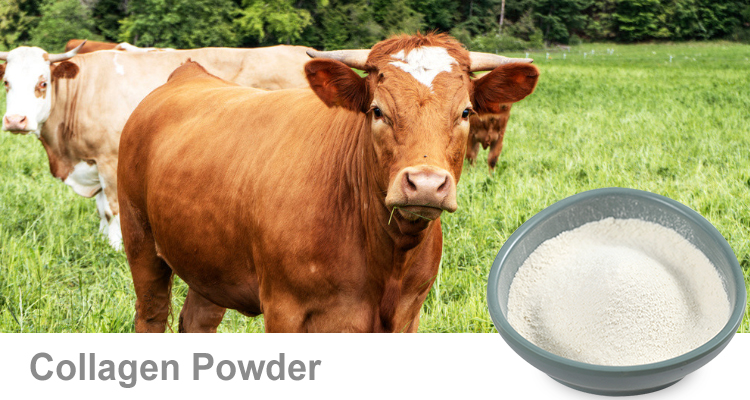
A Boon for Those Seeking Beauty and Anti-Aging Solutions
For those dedicated to the pursuit of beauty and anti-aging, bovine collagen is undoubtedly a precious gift. From around the age of 25, the body’s ability to synthesize collagen declines year by year, decreasing by approximately 1%-1.5% annually. By age 35, the collagen content in the skin may be only about 65% of what it was in youth, and after menopause, the rate of loss accelerates dramatically. Furthermore, “youth killers” such as UV radiation, lack of sleep, stress, and sugar consumption lurk in the background, accelerating collagen loss and leading to sagging skin and the appearance of wrinkles.
Bovine collagen is rich in type I and type III collagen, which act like the “steel” and “cement” of the skin, working together to support its structure. It can penetrate deep into the skin’s layers, increasing skin thickness and elasticity, as if injecting a powerful force into sagging skin, restoring its firmness and radiance. Studies show that continuous supplementation with bovine collagen can significantly increase skin moisture content and enhance the skin’s ability to retain water, keeping the skin hydrated and plump, thus eliminating dryness and fine lines. Many people who have taken bovine collagen products for a long time report that after a period of time, their facial skin’s radiance significantly improves, and previously prominent nasolabial folds and crow’s feet become much less noticeable. Their skin becomes finer and smoother, and they look younger and more vibrant.
A Powerful Ally for Sports Enthusiasts
While sports enthusiasts enjoy the exhilaration of exercise and pursue vitality and health, their bodies face numerous challenges. During running, the knee joints bear pressure up to three times their body weight; during badminton, the rapid movements create friction on the joints ten times greater than normal. Long-term, frequent exercise makes their joints and muscles highly susceptible to injury, and cartilage nutrition is lost unknowingly. Studies show that people who exercise regularly have a 2-3 times higher risk of joint wear and tear than the general population, and 72% of regular exercisers have a joint nutrient deficiency.
Bovine collagen is a powerful ally for sports enthusiasts. As a crucial component of cartilage and ligaments, it maintains the elasticity of joint cartilage, slows down joint wear and tear, and builds a solid “shock-absorbing layer” for the joints, allowing sports enthusiasts to have more flexible joints during exercise and reducing the risk of injury. Bovine collagen contains various amino acids such as glycine, proline, and hydroxyproline, which participate in the body’s tissue repair process and significantly promote muscle recovery. Just like professional athletes who supplement with bovine collagen after high-intensity training or competitions to accelerate recovery, helping muscles recover from fatigue faster and regain strength. Many fitness enthusiasts also report that after consistently supplementing with bovine collagen, post-exercise muscle soreness is significantly reduced, recovery time is greatly shortened, allowing them to more efficiently engage in their next training session, and their athletic performance is significantly improved.
A Health Shield for Middle-Aged and Elderly People
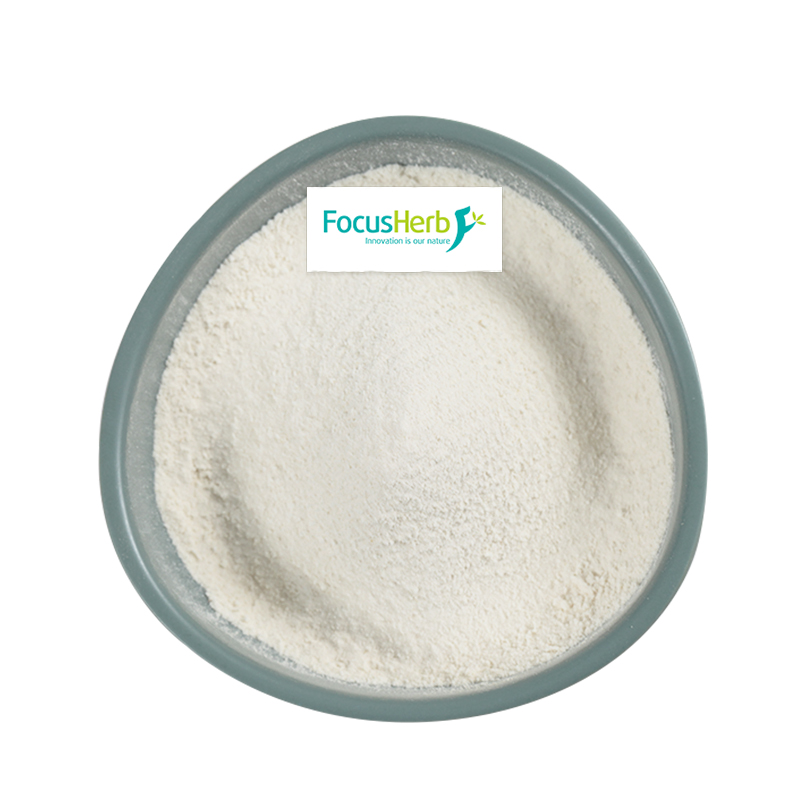
As middle-aged and elderly people age, their bodies are like machines that have been running for many years, with various functions gradually declining, and the rate of collagen loss accelerating. All parts of the body are affected. The reduced collagen content in bones leads to decreased bone toughness, making them fragile and easily fractured, significantly increasing the risk of osteoporosis. According to statistics, the prevalence of osteoporosis in my country among people over 50 years old is 20.7% for women and 14.4% for men, and the prevalence among people over 65 years old is as high as 32.0%, with 51.6% for women and 10.7% for men. Due to insufficient collagen, the cartilage in the joints loses lubrication and elasticity, leading to increased wear and tear, and subsequently, problems such as arthritis and joint pain, severely impacting the daily activities and quality of life of middle-aged and elderly people.
Bovine collagen is like a health shield tailor-made for middle-aged and elderly people, providing comprehensive care for their bodies. Bovine collagen is rich in minerals such as calcium, phosphorus, and magnesium, which are key components of bones. These minerals work synergistically with collagen to enhance bone toughness, effectively reducing the risk of fractures and building a strong foundation for the bone health of middle-aged and elderly people. Many middle-aged and elderly individuals have reported improved bone density and reduced bone pain after consistently consuming foods or supplements rich in bovine collagen. Bovine collagen also plays a crucial role in the repair and maintenance of joint cartilage. It can replenish and repair damaged cartilage tissue, reduce friction between joints, and enhance joint flexibility, allowing middle-aged and elderly people to regain their freedom of movement. Many elderly people with arthritis have reported that after taking bovine collagen for a period of time, their joint pain has significantly decreased, and daily activities such as climbing stairs and walking have become much easier, allowing them to regain vitality in their lives.
Effective Recovery Strategies for Post-Surgery Patients
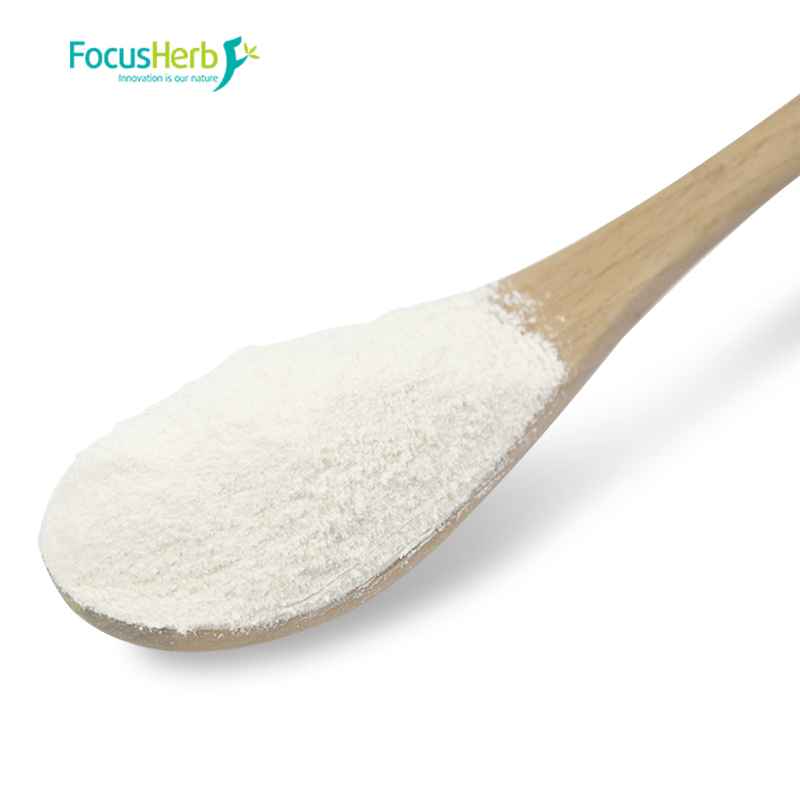
Surgery is undoubtedly a major physical challenge for patients. After surgery, the body is significantly weakened, and tissue repair becomes a crucial task. Whether it’s skin wounds from surgical procedures or damage to internal organs, a large amount of nutrients are needed to support the healing process. Bovine collagen, with its unique structure and rich amino acid composition, plays an irreplaceable role in post-operative recovery. It participates in tissue repair and reconstruction, providing necessary nutritional support to damaged tissues, promoting cell growth and proliferation, accelerating wound healing, and reducing the risk of scar formation. For example, in some fracture surgeries, bovine collagen can work synergistically with minerals such as calcium to promote bone healing and help patients recover limb function faster. Clinical studies have shown that patients who supplement with bovine collagen after surgery experience an average reduction of 2-3 days in wound healing time, a significantly lower risk of infection, and a faster recovery of various bodily functions, allowing them to return to normal life more quickly.
Cautionary Choices for Special Populations
While bovine collagen is a healthy and beneficial supplement for most people, it is not an ideal choice for certain special populations and requires careful consideration. Patients with gout and hyperuricemia should avoid consuming bovine collagen as much as possible. After digestion and decomposition in the body, bovine collagen produces a certain amount of purines, which are further metabolized into uric acid, thus increasing blood uric acid levels and the risk of gout attacks. Some studies indicate that every 100 grams of bovine collagen may contain a certain amount of purines. For gout patients, this undoubtedly exacerbates the condition, potentially leading to frequent episodes of joint redness, swelling, heat, and pain, severely impacting their quality of life.
Patients with renal insufficiency should also avoid bovine collagen. Their kidneys have impaired excretion and metabolic functions, and bovine collagen is rich in protein. Ingestion of bovine collagen increases the burden on the kidneys, which is detrimental to the stability and recovery of their condition. When the kidneys cannot effectively metabolize these proteins, it may lead to the accumulation of toxins in the body, resulting in symptoms such as edema and oliguria, and even further damage to kidney function. People with weak gastrointestinal function, such as those suffering from gastric ulcers, duodenal ulcers, or gastritis, are not suitable for consuming bovine collagen. These individuals have poor digestion and absorption capabilities, and bovine collagen, as a large-molecule protein, is relatively difficult to digest. Consuming it may increase the burden on the gastrointestinal tract, leading to digestive problems such as abdominal pain, bloating, and diarrhea, thus affecting overall health.
Scientific Consumption for a Healthy Life
Bovine collagen, with its unique benefits, offers hope for health to those seeking beauty and anti-aging effects, sports enthusiasts, middle-aged and elderly people, and those recovering from surgery, becoming a powerful ally in protecting their health. However, people with gout, hyperuricemia, kidney dysfunction, and weak gastrointestinal function should avoid bovine collagen to prevent harm to their bodies.
On the path to health, everyone’s physical condition is unique. While bovine collagen is beneficial, it is not suitable for everyone. When deciding whether to consume bovine collagen, it is crucial to fully understand your own physical condition and make a rational decision. If necessary, seek advice from a professional doctor or nutritionist. They are like guiding lights on the path to health, illuminating the way forward and providing the most scientific and thoughtful guidance, allowing you to enjoy the health benefits of bovine collagen while avoiding potential risks, truly achieving scientific consumption and a healthy life.
Previous: Hydroxytyrosol: Who needs it the most?
