











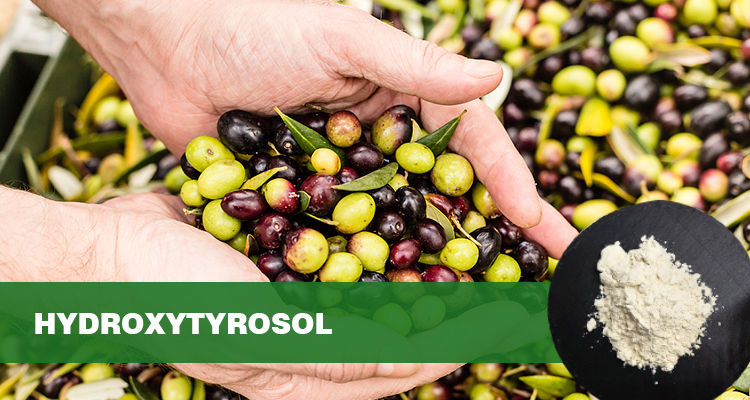
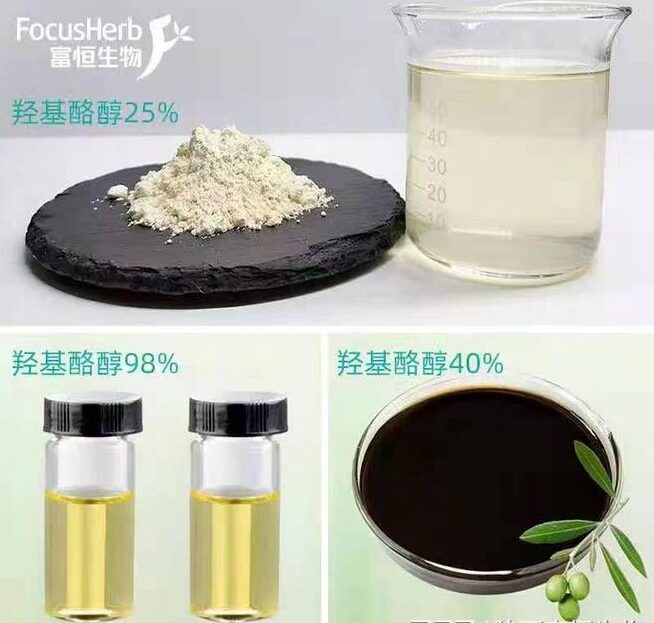
In the pursuit of health and well-being, people are constantly searching for miraculous substances that can positively impact the body. Hydroxytyrosol, a naturally occurring active ingredient found in olive fruits and leaves, has recently gained prominence, attracting the attention of numerous researchers and health enthusiasts. This natural polyphenolic compound, like a “health guardian” hidden within olives, exhibits remarkable biological activity due to its unique chemical structure, particularly its powerful antioxidant properties. It plays a significant role in maintaining human health and is considered a promising new star in the health field. This naturally leads to the question: which groups of people can benefit most from hydroxytyrosol intake?
 People Suitable for Hydroxytyrosol Supplementation
 People Suitable for Hydroxytyrosol Supplementation
People with Hypertension-Related Conditions
People with Prehypertension
Prehypertension is a stage that should not be ignored in the development of hypertension. During this period, people’s systolic blood pressure is usually between 120 and 139 mmHg, and diastolic blood pressure is between 80 and 89 mmHg. Although it has not yet reached the diagnostic criteria for hypertension, the blood vessel walls are already beginning to bear extra pressure, and the heart is gradually working under increased load. Studies have shown that if prehypertension is not intervened, the risk of developing into full-blown hypertension increases significantly. Hydroxytyrosol, with its excellent antioxidant properties, can effectively combat the damage caused by free radicals to vascular endothelial cells. Free radicals are like “troublemakers” that disrupt the integrity of the vascular endothelium, causing inflammatory responses, which in turn lead to thickening of the blood vessel walls, narrowing of the lumen, and elevated blood pressure. Hydroxytyrosol acts like a “scavenger,” promptly removing these free radicals, protecting the normal function of vascular endothelial cells, and maintaining good elasticity and dilation of blood vessels, thus helping to maintain normal blood pressure levels. Clinical studies have shown that in some people with prehypertension, consistent supplementation with a certain amount of hydroxytyrosol significantly alleviates the upward trend of blood pressure and improves vascular endothelial function. This indicates that for people with prehypertension, supplementing with hydroxytyrosol is a beneficial lifestyle intervention.
Patients with Mild Hypertension
When systolic blood pressure is between 140 and 159 mmHg, and diastolic blood pressure is between 90 and 99 mmHg, it falls into the category of mild hypertension. For these patients, in addition to following the doctor’s advice on lifestyle adjustments, such as a healthy diet, moderate exercise, quitting smoking and limiting alcohol consumption, supplementing with hydroxytyrosol can also bring many benefits. Hydroxytyrosol, when used in conjunction with these non-drug treatments, can have a synergistic effect. On the one hand, it reduces vascular inflammation through its antioxidant effect, lowering the level of inflammatory factors in the blood and preventing further damage to blood vessels; on the other hand, hydroxytyrosol can regulate the function of vascular smooth muscle cells, keeping the vascular smooth muscle moderately relaxed, reducing peripheral vascular resistance, and thus lowering blood pressure to a certain extent. A study on patients with mild hypertension found that those who supplemented with hydroxytyrosol, in addition to conventional non-drug treatment, achieved better blood pressure control, significantly reduced blood pressure fluctuations, and experienced overall improved health. This provides new ideas and options for the treatment of mild hypertension.
High-Risk Groups for Hypertension
High-risk groups for hypertension include obese individuals, people with diabetes, and those with a family history of hypertension. Obese individuals have a large accumulation of fat in their bodies, leading to a series of metabolic disorders such as dyslipidemia and insulin resistance. These factors significantly increase the risk of elevated blood pressure. Diabetic patients, due to persistently high blood sugar levels, suffer damage to blood vessels and nerves, affecting the normal regulatory function of blood vessels and leading to abnormal blood pressure. Individuals with a family history of hypertension carry certain susceptible genes that increase blood pressure due to genetic factors, resulting in a higher risk of developing the condition.
Hydroxytyrosol plays a key role in preventing hypertension. In obese individuals, it can regulate fat metabolism, inhibit excessive fat accumulation in the body, and reduce the pressure on blood vessels and the heart caused by obesity; in diabetic patients, hydroxytyrosol can improve insulin resistance, enhance insulin sensitivity, stabilize blood sugar levels, thereby reducing the damage to blood vessels caused by blood sugar fluctuations and lowering the risk of elevated blood pressure; for individuals with a family history of hypertension, hydroxytyrosol can regulate gene expression at the molecular level, reducing the adverse effects of susceptible genes on blood pressure, and simultaneously protect blood vessels through its antioxidant effects, delaying the onset of hypertension. Therefore, for these high-risk groups for hypertension, supplementing with hydroxytyrosol in advance is an effective preventive measure.
People who need liver care:
People prone to alcoholic liver disease:
Alcoholic liver disease is a liver disease caused by long-term heavy drinking and is highly prevalent among chronic alcoholics. According to relevant research data, the incidence of alcoholic liver disease significantly increases in people who consume more than 40 grams of alcohol per day for men and 20 grams for women. After alcohol enters the body, it is mainly metabolized in the liver. Its metabolite, acetaldehyde, is highly toxic to liver cells, leading to liver cell damage and fat accumulation. Long-term accumulation can trigger alcoholic liver disease. Hydroxytyrosol plays a unique role in maintaining liver health. It can work synergistically with glutathione in the liver. Glutathione is an important antioxidant in the liver, and hydroxytyrosol can enhance the activity of glutathione, improving its ability to remove harmful substances such as acetaldehyde. For people prone to alcoholic liver disease, supplementing with hydroxytyrosol can accelerate the metabolism and decomposition of alcohol in the liver, reduce the damage of acetaldehyde to liver cells, promote the repair and regeneration of liver cells, thereby reducing the risk of alcoholic liver disease and protecting liver health.
Patients with fatty liver disease:
With the improvement of living standards and changes in lifestyle, the incidence of fatty liver disease is rising. According to statistics, the global incidence of fatty liver disease is approximately between 14% and 31%, while in China, this proportion is about 20% to 30%. Fatty liver disease is mainly caused by the abnormal accumulation of fat in the liver, exceeding 5% of the liver’s weight. When the liver is occupied by too much fat, the normal function of liver cells will be affected, leading to a series of health problems. Hydroxytyrosol is significantly effective in improving fatty liver conditions. It can regulate lipid metabolism in the liver, inhibit the activity of enzymes related to fat synthesis, and reduce the synthesis and accumulation of fat in the liver; at the same time, hydroxytyrosol can also enhance the antioxidant capacity of liver cells, repair damaged liver cells, improve liver metabolic function, and promote the decomposition and excretion of fat. Clinical studies have shown that many fatty liver patients, after supplementing with hydroxytyrosol and combining it with a reasonable diet and exercise, have significantly reduced liver fat content, improved liver function, and effectively reversed the fatty liver condition, bringing new hope for recovery to fatty liver patients.
People seeking healthy skin
People with early signs of aging skin
From the age of 20, the skin gradually begins its aging journey. During this stage, collagen and hyaluronic acid in the skin begin to deplete at an accelerated rate. The once firm and plump skin gradually loses its elasticity, becoming loose, and fine wrinkles begin to subtly appear. Hydroxytyrosol has unique advantages in combating skin aging. Its powerful antioxidant capacity can eliminate excess free radicals in the body. Free radicals are one of the important factors leading to skin aging; they attack skin cells, destroying cell structure and function, and accelerating the loss of collagen and hyaluronic acid. Hydroxytyrosol can effectively prevent the destructive behavior of free radicals, protecting the integrity of skin cells. At the same time, hydroxytyrosol can stimulate the metabolism of skin cells, promote the synthesis of collagen and hyaluronic acid, increase skin elasticity and moisture content, allowing early aging skin to regain its firmness and smoothness, restoring a youthful appearance.
People suffering from UV damage
Ultraviolet (UV) radiation is a major enemy of skin health, and its damage to the skin is multifaceted. When the skin is exposed to UV light, the UVA and UVB wavelengths penetrate the skin’s surface and directly affect skin cells. UVA can penetrate deep into the dermis, destroying collagen and elastic fibers, leading to skin sagging and deepening wrinkles; UVB mainly acts on the epidermis, causing sunburn, redness, and peeling, and also activating melanocytes, leading to the formation of age spots. Hydroxytyrosol can effectively resist the damage of UV radiation to the skin. It can absorb some of the energy from UV light, converting it into harmless heat energy and releasing it, reducing the direct damage of UV radiation to skin cells; at the same time, hydroxytyrosol’s powerful antioxidant capacity can quickly eliminate a large number of free radicals produced by UV irradiation, reducing oxidative stress on the skin, alleviating symptoms such as sunburn and redness, preventing the formation of age spots and wrinkles, and helping those suffering from UV damage to protect their skin health.
People Concerned About Brain Health
Middle-aged and Elderly Individuals
As age increases, the brain function of middle-aged and elderly individuals gradually declines, and problems such as memory loss, difficulty concentrating, and slow reaction times become increasingly prominent. This is mainly due to the aging of brain cells and imbalances in neurotransmitters. Hydroxytyrosol plays a positive role in maintaining brain health. Studies have shown that long-term consumption of foods rich in hydroxytyrosol can provide sufficient antioxidant protection for the brain. It can scavenge free radicals in the brain, reduce free radical damage to nerve cells, and maintain the normal structure and function of nerve cells; at the same time, hydroxytyrosol can also regulate the synthesis and release of neurotransmitters, improve the transmission of nerve signals, and enhance cognitive function. Some studies have found that elderly people who consistently consume foods rich in hydroxytyrosol show significant improvements in memory and psychomotor speed, a delay in the progression of cognitive decline, and a significant improvement in their quality of life.
Children with Mitochondrial Diseases
Mitochondria are the “energy factories” within cells, responsible for producing the energy needed for cellular activity. Children with mitochondrial diseases have defective mitochondrial function, leading to insufficient energy supply in the body, which in turn affects the normal development and function of various organs and systems, especially the brain. As a high-energy-demanding organ, the brain is more sensitive to abnormal mitochondrial function. Mitochondrial diseases often lead to symptoms such as intellectual disability, motor disorders, and epilepsy in these children, severely affecting their quality of life. Hydroxytyrosol supplements offer new hope for these children. Studies have found that hydroxytyrosol can enter cells and act on mitochondria, enhancing mitochondrial function. It can improve the efficiency of energy production by mitochondria, provide sufficient energy supply to the brain, and improve the metabolism and function of nerve cells; at the same time, the antioxidant effect of hydroxytyrosol can also reduce oxidative stress damage caused by mitochondrial diseases and protect nerve cells from free radical attack. Relevant studies have shown that after giving hydroxytyrosol supplements to children with mitochondrial diseases, some of their symptoms were relieved to varying degrees, and their quality of life improved significantly, providing a new direction and possibility for the treatment and rehabilitation of children with mitochondrial diseases.
Individuals for whom hydroxytyrosol intake is not suitable:
Individuals with special physiological conditions
Pregnant women
Pregnant women are a special group, whose bodies are in a unique physiological period. Their physiological functions and metabolic processes differ from those of ordinary people, and the intake of any external substances may affect their own health and the health of the fetus. Therefore, they need to be extra cautious in terms of diet and nutritional supplements. Currently, although there is no conclusive research evidence showing that hydroxytyrosol causes serious harm to pregnant women and fetuses, hydroxytyrosol is a substance with strong biological activity, and its metabolic process in pregnant women and its potential impact on fetal development are not yet fully understood. During pregnancy, a pregnant woman’s tolerance and reactivity to various substances may change, and the fetus’s various organs and systems are also in a critical stage of rapid development and differentiation, making them more sensitive to external factors. Therefore, to ensure the healthy development of the fetus, pregnant women should be cautious when considering hydroxytyrosol intake and must do so under the strict guidance of a professional doctor, and should not blindly supplement it on their own.
Breastfeeding women
Breastfeeding women also need to pay close attention to their diet and nutritional supplements, because the substances they ingest not only affect their own health but may also be transmitted to the baby through breast milk. The baby’s bodily functions are not yet fully developed, and their ability to metabolize and tolerate these substances is very limited. Although there is currently no direct evidence that hydroxytyrosol is harmful to breastfeeding women and infants, given the special nature of the infant’s body, to maximize the protection of the baby’s health, breastfeeding women should not arbitrarily ingest hydroxytyrosol. During breastfeeding, the mother’s diet should be based on the principles of safety, nutrition, and easy digestion, avoiding foods or supplements that may pose potential risks to the baby. If breastfeeding women have questions about hydroxytyrosol intake, they should consult a doctor or a professional nutritionist in a timely manner and make a decision after receiving clear advice.
Infants and young children (children under 3 years old)
Infants and young children (children under 3 years old) are in a critical period of rapid physical growth and development. Their various organs and systems, such as metabolic organs like the liver and kidneys, and digestive and absorption organs like the gastrointestinal tract, are not yet fully mature. These organs are still relatively weak, with limited metabolic and detoxification capabilities, making it difficult for them to effectively process relatively complex bioactive substances like hydroxytyrosol. If infants and young children ingest hydroxytyrosol, it may exceed their body’s metabolic and tolerance capacity, leading to a series of adverse effects such as metabolic disorders and gastrointestinal discomfort, which can then affect their normal growth and development. Therefore, to ensure the healthy growth of infants and young children, they should avoid ingesting hydroxytyrosol. Their diet should follow scientific and reasonable principles, primarily consisting of breast milk or formula milk, with the gradual introduction of appropriate complementary foods according to age, ensuring a balanced and safe diet.
Individuals with Specific Diseases or Constitutions
Individuals Allergic to Hydroxytyrosol
In individuals allergic to hydroxytyrosol, the immune system recognizes hydroxytyrosol as a foreign “invader” upon contact, triggering an immune response. This immune response can cause a range of allergic symptoms, the most common of which is a skin rash, appearing as small red bumps on the skin accompanied by itching, which may merge into larger patches in severe cases; skin itching is also a common symptom, leading patients to scratch, potentially causing skin damage and infection; in more severe cases, difficulty breathing may occur, due to allergic reactions causing edema of the respiratory mucosa and narrowing of the airways, affecting gas exchange and potentially endangering life. Therefore, individuals with a confirmed allergy to hydroxytyrosol should be particularly careful to avoid contact with products containing hydroxytyrosol in their daily lives, whether food, health supplements, or cosmetics. When purchasing related products, it is essential to carefully check the ingredient list to confirm whether it contains hydroxytyrosol to prevent allergic reactions caused by accidental ingestion or use. If accidental contact occurs and allergic symptoms appear, stop contact immediately and seek medical attention promptly for professional treatment.
Individuals Taking Specific Medications
Individuals currently taking specific antihypertensive medications such as angiotensin-converting enzyme inhibitors (ACEIs) and angiotensin II receptor blockers (ARBs) need to be extra cautious when considering hydroxytyrosol intake. This is because hydroxytyrosol itself has a certain blood pressure-lowering effect, and when used in combination with these antihypertensive drugs, it may produce a synergistic effect, leading to excessive lowering of blood pressure. Low blood pressure can cause a series of uncomfortable symptoms, such as dizziness, fatigue, and blurred vision, and in severe cases, it may lead to insufficient blood supply to vital organs, affecting the normal function of the heart, brain, kidneys, and other organs. Therefore, individuals currently taking these specific antihypertensive medications who wish to supplement with hydroxytyrosol must do so under strict medical supervision. The doctor will comprehensively assess whether hydroxytyrosol supplementation is suitable based on the patient’s specific condition, blood pressure control, and overall health, and adjust the dosage and treatment plan to ensure medication safety and stable blood pressure control.
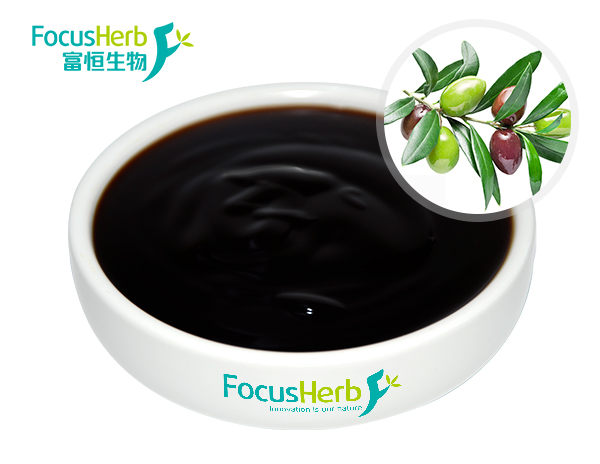 Hydroxytyrosol, a natural substance with powerful antioxidant and diverse biological activities, offers significant benefits to many health-conscious individuals. For those with hypertension, those seeking liver protection, those concerned about skin health, and those focusing on brain health, appropriate supplementation with hydroxytyrosol can, to some extent, maintain and improve overall health. However, individuals with specific physiological conditions, diseases, or constitutions should exercise caution to avoid adverse effects from inappropriate intake. When supplementing with hydroxytyrosol, it is best to prioritize natural food sources and follow scientific dosage recommendations to ensure safe and effective health benefits.
With continued scientific research, the application prospects of hydroxytyrosol in the health field will become even broader. In the future, researchers are expected to further uncover its mechanisms of action and develop more efficient and safe hydroxytyrosol products, allowing it to play a greater role in preventing and treating chronic diseases and slowing down aging. Simultaneously, as people’s health awareness continues to rise, it is believed that hydroxytyrosol will gradually become a part of more people’s lives, contributing significantly to human health and becoming a valuable aid in the pursuit of a healthy lifestyle.
