









Hydroxytyrosol, CAS number 10597-60-1, is a natural polyhydroxyphenolic compound and a derivative of phenylethanol. Its molecular formula is C₈H₁₀O₃, and its molecular weight is 154.16. Structurally, hydroxytyrosol exhibits unique amphiphilicity, giving it both good lipid solubility and decent water solubility. This property allows it to freely move through different tissue environments in the human body, fully exerting its biological effects. Notably, hydroxytyrosol is also a product of dopamine metabolism, and some studies speculate that it may further stimulate a series of beneficial biological activities by regulating dopamine metabolic pathways. In terms of purity, according to HPLC testing standards, high-purity hydroxytyrosol can reach over 97%, meeting the stringent requirements of various scientific research and industrial production.
Natural Sources and Extraction Methods
In nature, hydroxytyrosol is mainly found in plants of the Burseraceae family. Extra virgin olive oil, olive branches and leaves, and pomace, a byproduct of olive oil processing, are all important habitats for hydroxytyrosol, with extra virgin olive oil containing a relatively high amount.
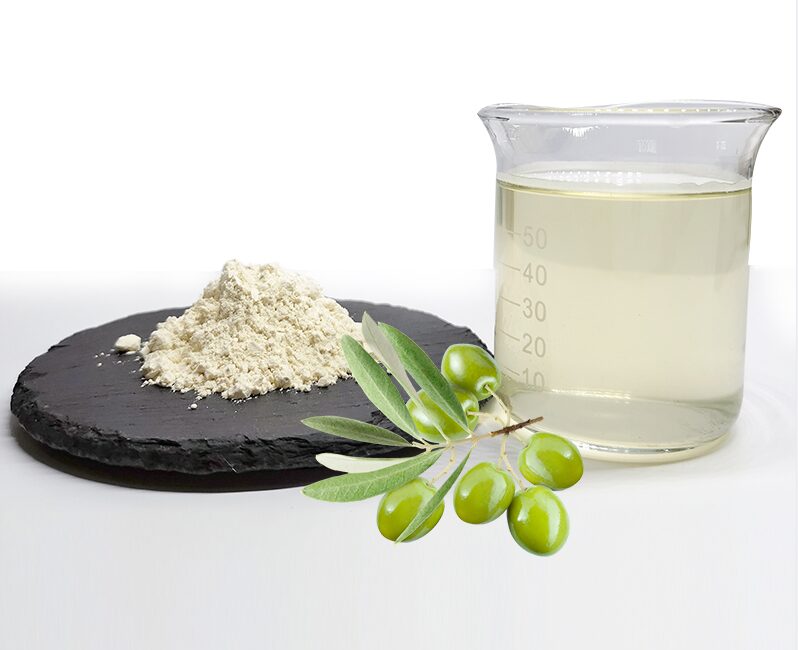
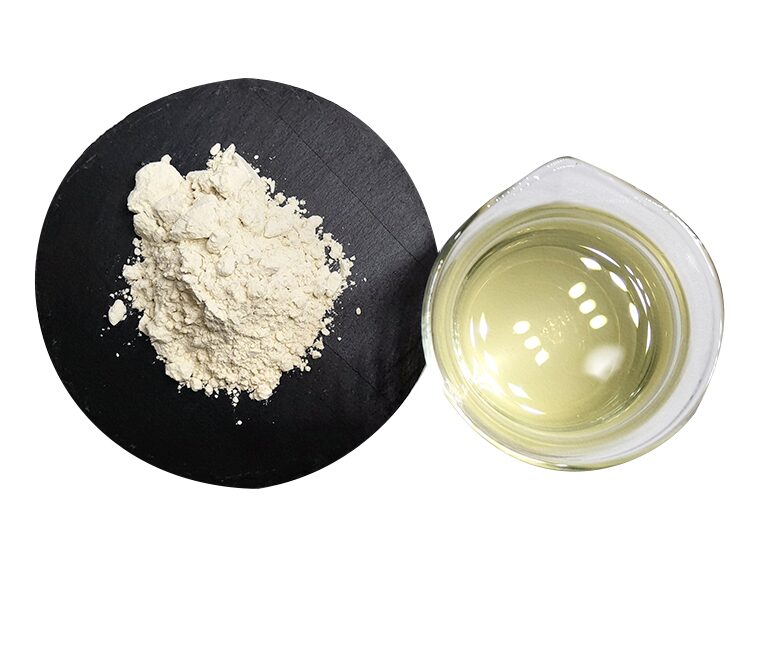
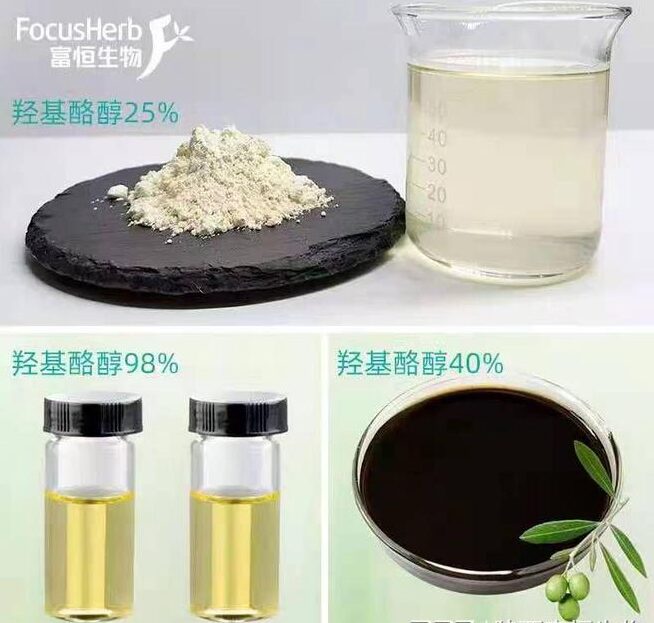
Currently, industrially, hydroxytyrosol is mainly obtained from olive leaf extracts or olive pomace. A series of complex and sophisticated separation and purification techniques are used to extract the hydroxytyrosol from these raw materials. The appearance of the processed hydroxytyrosol product varies depending on its purity, ranging from brown to white powder; at high concentrations, it will appear as an oily liquid. Because hydroxytyrosol is sensitive to environmental factors, it needs to be sealed and stored in a dark, dry, and cool environment to ensure its quality and activity. This will maximize its effectiveness in subsequent applications.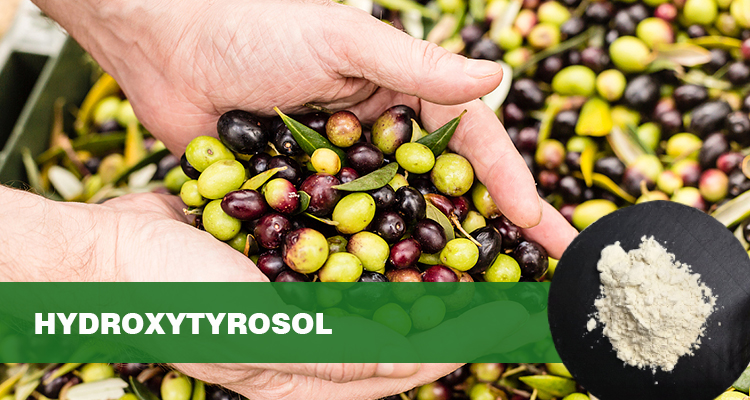
Core Efficacy: The Powerful Antioxidant Mechanism and Advantages of Hydroxytyrosol
1 Superior Free Radical Scavenging Ability to Vitamin E
On the “battlefield” of antioxidation, hydroxytyrosol is a formidable force. Its antioxidant activity far surpasses that of the well-known Vitamin E, making it an undisputed free radical “killer.” When the body metabolizes or suffers adverse external stimuli, harmful free radicals such as superoxide anion free radicals and hydroxyl free radicals are produced. These free radicals are extremely active, like rampaging “little devils,” frantically attacking lipids, proteins, and DNA within cells, severely damaging cell structure and function. Hydroxytyrosol’s molecular structure contains two phenolic hydroxyl groups, like two “secret weapons,” allowing it to actively provide hydrogen atoms to free radicals, transforming these restless free radicals into relatively stable substances and successfully interrupting the oxidation chain reaction. To put it simply, free radicals are like burning “flames,” constantly igniting oxidative “fires,” while hydroxytyrosol is the timely “firefighter,” quickly extinguishing the flames and preventing the fire from spreading. Through its highly efficient free radical scavenging ability, hydroxytyrosol can effectively reduce free radical damage to cells, thereby mitigating the aging risks caused by oxidative stress at the source. It also significantly reduces the incidence of various oxidative stress-related diseases, becoming a reliable “guardian” against endogenous oxidative damage.
2 Dual Actions Targeting Skin Photoaging
Among the many “enemies” of the skin, ultraviolet radiation is arguably the number one enemy, causing photoaging that severely impacts skin health and appearance. Hydroxytyrosol acts as a dedicated “guardian” for the skin, addressing photoaging from two key directions simultaneously.
On the one hand, when the skin is attacked by UVA rays, dermal fibroblasts are severely affected, leading to a significant increase in the activity of the aging marker SA-β-galactosidase. Simultaneously, pro-inflammatory factors such as IL-1β and IL-6 are released in large quantities, accelerating the photoaging process of the skin. Hydroxytyrosol acts like a “valiant warrior,” precisely inhibiting the activity of SA-β-galactosidase, effectively reducing the expression of pro-inflammatory factors, alleviating the damage of photoaging to the skin, and revitalizing skin cells.
On the other hand, ultraviolet radiation also activates matrix metalloproteinases (MMPs). These enzymes act like “scissors,” ruthlessly cutting collagen and elastin fibers in the skin, causing loss of elasticity, sagging, and deepening wrinkles. Hydroxytyrosol steps in to block the activity of MMPs, rendering these “scissors” ineffective and reducing the degradation of collagen and elastin fibers. Furthermore, it acts like a “production instruction” to skin cells, directly stimulating fibroblasts to synthesize more collagen, increasing skin firmness, and restoring a youthful glow. Clinical trials have provided strong evidence for the remarkable efficacy of hydroxytyrosol: In a double-blind trial involving healthy volunteers, subjects supplemented daily with olive leaf extract containing hydroxytyrosol for eight weeks. Surprising results emerged: skin elasticity improved by 28%, and wrinkle depth decreased by 15%. This significant change vividly demonstrates hydroxytyrosol’s outstanding ability to combat photoaging and highlights its immense potential in skincare.
3 Synergistic Mechanism of Antioxidant and Anti-inflammatory Effects
The power of hydroxytyrosol lies not only in its excellent antioxidant capacity but also in its ability to perfectly combine these two important functions, producing a unique synergistic effect. In the body’s physiological processes, oxidative stress and inflammatory responses are like two inseparable companions, often influencing and promoting each other. When the body suffers oxidative damage, an inflammatory response often follows; and the persistence of chronic inflammation further exacerbates oxidative stress, creating a vicious cycle that causes serious damage to the body.
Hydroxytyrosol acts like a “mediator,” skillfully regulating the nuclear factor-κB (NF-κB) signaling pathway. NF-κB is a key regulator in inflammatory responses; once activated, it triggers the release of inflammatory factors such as TNF-α, IL-1β, and IL-6, leading to an inflammatory response. Hydroxytyrosol precisely inhibits NF-κB activation, reducing the release of inflammatory factors at its source and effectively mitigating the damage of chronic inflammation to tissues and organs. This synergistic effect of antioxidation and anti-inflammation makes hydroxytyrosol particularly effective in addressing skin problems. For example, when skin exhibits redness, swelling, acne, or other inflammatory issues, hydroxytyrosol can scavenge free radicals through its antioxidant properties, reducing oxidative damage, while simultaneously lowering the inflammatory response through its anti-inflammatory effects, working in tandem to restore the skin to a healthy state. From a broader perspective, it can also reduce the risk of developing inflammation-related chronic diseases such as cardiovascular disease and diabetes. Compared to single antioxidants, hydroxytyrosol’s multi-functional properties give it an unparalleled advantage in maintaining human health, providing more comprehensive and in-depth care for our bodies.
Extended Antioxidant Benefits: The Multifaceted Health Benefits of Hydroxytyrosol
1 A Protective Barrier for the Cardiovascular System
Cardiovascular disease has become the leading cause of death worldwide, and hydroxytyrosol, with its outstanding antioxidant and anti-inflammatory properties, builds a robust protective barrier for the cardiovascular system.
Hypertension is a significant risk factor for cardiovascular disease. Long-term hypertension increases the burden on the heart, damages blood vessel walls, and leads to a series of serious cardiovascular problems. Hydroxytyrosol can precisely target these risks by inhibiting the activity of angiotensin-converting enzyme (ACE), reducing the production of angiotensin II, a potent vasoconstrictor, thereby effectively dilating blood vessels, reducing peripheral resistance, and lowering blood pressure. Simultaneously, it promotes the synthesis and release of nitric oxide (NO) in endothelial cells. NO acts like a vascular relaxant, relaxing vascular smooth muscle and further helping to lower blood pressure. Clinical studies provide strong evidence for this effect: In a randomized controlled trial in a prehypertensive population, daily supplementation with 10 mg of hydroxytyrosol (derived from olive leaf extract) for 8 weeks resulted in an average reduction of 5.3 mmHg in systolic blood pressure and 2.8 mmHg in diastolic blood pressure, significantly superior to the placebo group.
Besides lowering blood pressure, hydroxytyrosol also excels in improving blood lipid levels. It can reduce the levels of total cholesterol (TC), triglycerides (TG), and low-density lipoprotein cholesterol (LDL-C) in the blood, while increasing the level of high-density lipoprotein cholesterol (HDL-C). HDL-C acts like a “scavenger” in blood vessels, transporting excess cholesterol back to the liver for metabolism, reducing cholesterol deposition on the blood vessel walls, thereby lowering the risk of atherosclerosis. Inflammation plays a crucial role in the formation of atherosclerosis, and hydroxytyrosol’s powerful anti-inflammatory properties can inhibit the release of inflammatory factors, reduce the erosion of blood vessel walls by inflammation, and prevent the formation and development of atherosclerotic plaques.
From a practical application perspective, hydroxytyrosol has enormous potential in the prevention and adjuvant treatment of cardiovascular diseases. For patients already suffering from cardiovascular diseases such as hypertension, heart disease, and cerebral hemorrhage, it can serve as an adjuvant therapy to help stabilize their condition and improve their quality of life. For healthy individuals, it is an ideal cardiovascular health supplement; through daily diet or supplementation, it can effectively prevent the occurrence of cardiovascular diseases. Compared with some similar cardiovascular health products, hydroxytyrosol, as a natural ingredient, has the advantages of high safety and few side effects, minimizing adverse effects on the body while maintaining cardiovascular health, thus safeguarding the health of the cardiovascular system.
2 Potential Anti-cancer and Neuroprotective Value
In the field of anti-cancer research, hydroxytyrosol is like a rising star, demonstrating remarkable potential. The development of cancer is a complex process involving multiple stages such as abnormal cell proliferation, differentiation, and inhibited apoptosis. Hydroxytyrosol, with its powerful antioxidant and anti-proliferative effects, can exert anti-cancer efficacy at multiple levels.
Oxidative stress plays a crucial role in the development and progression of cancer, causing cellular DNA damage and gene mutations, thus increasing the risk of cancer. Hydroxytyrosol, as a highly effective antioxidant, can eliminate excess free radicals in the body, reducing oxidative stress damage to cells and lowering the likelihood of cancer at its source. Numerous in vitro cell and animal experiments have demonstrated that hydroxytyrosol has a significant inhibitory effect on various cancer cells, including lung cancer, breast cancer, and prostate cancer. It can regulate the expression of cell cycle-related proteins, arresting cancer cells at specific cell cycle stages and preventing their proliferation; it can also induce apoptosis in cancer cells, causing them to “self-destruct,” thereby inhibiting tumor growth and spread. For cancer patients, hydroxytyrosol also helps promote postoperative recovery and enhances the effectiveness of chemotherapy. While chemotherapy kills cancer cells, it also damages normal cells, producing a series of side effects. The antioxidant and anti-inflammatory properties of hydroxytyrosol can reduce the damage caused by chemotherapy drugs, enhance the body’s resistance, allow patients to better tolerate the chemotherapy process, and improve the success rate of treatment.
In the field of neuroprotection, with the increasing aging of the population, the incidence of neurodegenerative diseases such as Alzheimer’s disease and Parkinson’s disease is rising year by year, placing a heavy burden on patients and their families. The occurrence of these diseases is closely related to factors such as oxidative damage to nerve cells, inflammatory responses, and protein misfolding. Hydroxytyrosol’s antioxidant capacity plays a crucial role here again; it can reduce oxidative damage to nerve cells, protect the integrity of nerve cell membranes, and maintain normal nerve cell function. Simultaneously, hydroxytyrosol may also provide comprehensive protection to nerve cells through mechanisms such as regulating neurotransmitter metabolism and inhibiting inflammatory responses, thereby reducing the risk of neurodegenerative diseases. Although research on the neuroprotective effects of hydroxytyrosol is still in its early stages, existing research results have already demonstrated its enormous potential in the prevention and treatment of neurodegenerative diseases, providing new ideas and directions for the future development of novel neuroprotective drugs.
3 Bone Health and Metabolic Regulation
Bones are a vital structural support for the human body. With age, especially in postmenopausal women, calcium loss from bones accelerates, bone density gradually decreases, and the risk of osteoporosis increases significantly. Hydroxytyrosol has unique benefits in maintaining bone health; it acts as a “guardian” of bones, helping the body maintain good bone density without the need for additional calcium supplementation.
Hydroxytyrosol promotes osteoblast activity, enabling these cells to continuously synthesize new bone matrix and increase bone tissue formation. Simultaneously, it inhibits osteoclast activity, reducing bone resorption and preventing excessive bone damage. This balance between these two processes maintains bone metabolism, effectively reducing the probability of osteoporosis. Furthermore, hydroxytyrosol can regulate calcium ion balance, promoting intestinal calcium absorption and utilization, allowing calcium to be better deposited into bones, further enhancing bone strength. For children and adolescents in their growth and development stage, adequate intake of hydroxytyrosol helps improve bone density, laying a solid foundation for lifelong bone health. For middle-aged and elderly people, it is a powerful aid in preventing and improving osteoporosis.
Hydroxytyrosol also performs excellently in regulating metabolism. It acts like a “coordinator” within the body, enhancing the function of the endocrine system and promoting normal metabolism. When the body is injured, hydroxytyrosol can accelerate wound healing, allowing damaged tissue to recover quickly. This is because it can activate relevant cell signaling pathways, promote cell proliferation and differentiation, and accelerate collagen synthesis, thus enabling wounds to heal faster and better. Simultaneously, hydroxytyrosol’s powerful antioxidant capacity can continuously eliminate free radicals in the body, reducing free radical damage to internal organs and helping to restore their healthy state. From a macroscopic perspective, it’s like giving all the body’s “parts” a comprehensive maintenance check, keeping all bodily functions in good condition, slowing down the overall aging process, and maintaining abundant energy and vitality.
4 Reducing Smoking-Related Damage to the Body
Smoking is an extremely harmful behavior to health. The combustion of tobacco produces a large number of harmful substances, such as nicotine, tar, carbon monoxide, and various carcinogens. Once these harmful substances enter the body, they act like “destructive molecules,” triggering a series of oxidative stress and inflammatory responses, causing serious damage to multiple tissues and organs, including the lungs, cardiovascular system, and immune system, significantly increasing the risk of lung cancer, chronic obstructive pulmonary disease, cardiovascular disease, and many other diseases.
Hydroxytyrosol acts like a “protector” specifically for smokers, effectively reducing these harms caused by smoking. Its powerful antioxidant properties can quickly eliminate the large number of free radicals produced by smoking, reducing the attack and damage of free radicals on cells, and mitigating the adverse effects of oxidative stress on the body. Studies have found that hydroxytyrosol can significantly increase the activity of superoxide dismutase (SOD) in the serum of smokers. SOD is an important antioxidant enzyme in the human body, and increased SOD activity indicates enhanced antioxidant capacity. Simultaneously, hydroxytyrosol can reduce the level of malondialdehyde (MDA), a product of oxidative stress; a decrease in MDA indicates a reduction in oxidative damage.
Regarding anti-inflammation, smoking stimulates a strong inflammatory response in the lungs. Long-term accumulation of inflammation can lead to lung tissue damage and serious diseases such as chronic obstructive pulmonary disease (COPD). Hydroxytyrosol can inhibit the production and release of inflammatory factors, reduce the white blood cell count and neutrophil ratio in the bronchoalveolar lavage fluid of smokers, effectively reducing the degree of lung inflammation and protecting lung tissue. Furthermore, hydroxytyrosol can improve vascular function, reduce the risk of smoking-induced endothelial cell damage, and decrease the incidence of cardiovascular disease; its anti-tumor effects can also inhibit smoking-induced cell carcinogenesis to some extent, reducing the risk of lung cancer and other cancers. For smokers, supplementing their diet with foods rich in hydroxytyrosol or taking related health products provides a natural way to protect their health. While this cannot completely eliminate the harm of smoking, it can reduce the damage caused by smoking to some extent and provide an extra layer of protection for their health.
Practical Applications: The Multi-Sector Transformation of Hydroxytyrosol
1 A Leading Anti-Aging Ingredient in the Beauty and Skincare Industry
In the beauty and skincare industry, hydroxytyrosol is a shining “star ingredient,” having become a core component of many high-end skincare products. Its superior antioxidant, anti-inflammatory, whitening, moisturizing, and antibacterial effects have secured it a significant place in the skincare market.
From a mechanism of action perspective, the antioxidant capacity of hydroxytyrosol is the “cornerstone” of its skincare efficacy. Like a “guardian,” it effectively eliminates free radicals in the skin. These free radicals are major culprits in skin aging, attacking skin cells and damaging their structure and function. The presence of hydroxytyrosol effectively reduces the damage of free radicals to skin cells, thereby slowing down the skin aging process and preventing the appearance of wrinkles, sagging, and other signs of aging. In terms of anti-inflammation, it can regulate inflammation-related signaling pathways, inhibit the activation of inflammatory signaling molecules such as nuclear factor κB (NF-κB), and reduce the release of inflammatory factors such as interleukin-1β (IL-1β), interleukin-8 (IL-8), and prostaglandin E2 (PGE2), showing significant improvement effects on inflammatory skin diseases such as acne and seborrheic dermatitis.
In terms of skin whitening, hydroxytyrosol can reduce melanin production at its source by inhibiting tyrosinase activity, gradually eliminating dullness and pigmentation, resulting in a brighter, more radiant complexion. Its small molecular structure allows it to easily penetrate the skin’s deeper layers, increasing the moisture content of the stratum corneum and keeping the skin hydrated and radiant, achieving excellent moisturizing effects. Simultaneously, hydroxytyrosol has an inhibitory effect on bacteria associated with skin infections, such as Propionibacterium acnes and Staphylococcus aureus, disrupting bacterial cell membranes, interfering with bacterial metabolic processes, and preventing and improving skin problems caused by bacterial infections.
In practical skincare applications, hydroxytyrosol is widely found in various products. In serums, its high concentration and activity allow it to penetrate deeply into the skin, providing intensive antioxidant and anti-inflammatory care. Serums typically contain around 0.5% to 2% hydroxytyrosol. Adding hydroxytyrosol to face creams forms a protective film on the skin’s surface, preventing moisture loss while slowly releasing the hydroxytyrosol for sustained skincare benefits; the concentration is usually between 0.3% and 1.5%. Face mask liquids generally contain around 0.2% to 1%, quickly replenishing the skin with abundant nutrients and moisture. The occlusive effect of the mask allows for better absorption of the hydroxytyrosol, enhancing the skincare effect.
For consumers, when choosing skincare products containing hydroxytyrosol, it is recommended to select products with a concentration of ≥0.5% to better ensure skincare efficacy. Simultaneously, when combined with sun protection and healthy lifestyle habits, such as quitting smoking and maintaining a balanced diet, skin aging can be further delayed, keeping the skin healthy and youthful, and maximizing the remarkable anti-photoaging effects of hydroxytyrosol.
2 Functional Raw Materials in the Health and Wellness Field
In the health and wellness field, hydroxytyrosol also demonstrates significant application value, becoming an indispensable functional raw material in many health products. Its powerful antioxidant, cardiovascular protection, and bone health maintenance effects make it highly favored by consumers, especially the middle-aged and elderly, those in a sub-healthy state under long-term high pressure, and smokers. Hydroxytyrosol is an ideal choice for them to protect their health.
Currently, hydroxytyrosol is mainly produced in the form of capsules, oral liquids, and other nutritional supplements. These products emphasize antioxidant, cardiovascular protection, and bone health maintenance effects, meeting the health needs of different groups. For the middle-aged and elderly, as they age, various bodily functions gradually decline, oxidative stress levels increase, and problems such as cardiovascular disease and osteoporosis follow. Hydroxytyrosol’s antioxidant properties help eliminate excess free radicals in the body and reduce oxidative damage. Its protective effects on the cardiovascular system, such as lowering blood pressure, regulating blood lipids, and inhibiting atherosclerosis, can effectively reduce the risk of cardiovascular disease. In maintaining bone health, its properties of promoting osteoblast activity and inhibiting osteoclast activity can help middle-aged and elderly people maintain bone density and prevent and improve osteoporosis.
For sub-healthy individuals who are under long-term high-intensity work and life stress, they often face problems such as decreased immunity, fatigue, and poor sleep quality. Hydroxytyrosol’s powerful antioxidant and anti-inflammatory capabilities can help them relieve fatigue, enhance immunity, and improve their sub-health state. For smokers, as mentioned earlier, hydroxytyrosol can effectively reduce the harm caused by smoking, reduce oxidative stress and inflammatory responses, protect lung, cardiovascular, and other tissues and organs, and to some extent reduce the damage caused by smoking.
In addition to being a nutritional supplement, hydroxytyrosol can also be used as a functional food additive, added to various beverages, meal replacement foods, dairy products, and other products. Adding hydroxytyrosol to beverages not only provides consumers with healthier drink options but also allows them to easily ingest antioxidants through daily drinking, satisfying modern people’s dual pursuit of health and convenience. Adding hydroxytyrosol to meal replacement products enhances their nutritional value, enabling them to meet people’s needs for controlled calorie intake while supplementing the body with beneficial nutrients, aiding in healthy weight loss and overall health maintenance. This innovative application further expands the categories of health foods, providing consumers with more diverse healthy dietary choices and integrating health into every detail of daily life.
3 Innovative Applications in the Pharmaceutical and Agricultural Fields
In the pharmaceutical field, the potential of hydroxytyrosol is gradually being explored, demonstrating broad application prospects. Its excellent antioxidant, anti-inflammatory, and antibacterial properties make it an important raw material for developing new drugs, bringing new hope for solving some medical challenges.
In the development of anti-inflammatory drugs, traditional anti-inflammatory drugs often have certain side effects, and long-term use may cause adverse effects on the body. Hydroxytyrosol, as a natural anti-inflammatory ingredient, has the advantages of high safety and few side effects. Hydroxytyrosol can alleviate inflammatory responses by regulating inflammatory signaling pathways and inhibiting the release of inflammatory factors, providing a new direction for developing safer and more effective anti-inflammatory drugs. For example, in the treatment of chronic inflammatory diseases such as rheumatoid arthritis and inflammatory bowel disease, drugs developed using hydroxytyrosol as a raw material are expected to relieve inflammatory symptoms while reducing damage to other organs and improving patients’ quality of life.
In the field of antibacterial drugs, with the increasing severity of antibiotic resistance, the search for novel antibacterial drugs is urgent. Hydroxytyrosol has inhibitory effects on a variety of bacteria, and its mechanism of action differs from traditional antibiotics. It inhibits bacterial growth and reproduction by disrupting bacterial cell membranes and interfering with bacterial metabolic processes, making it less likely to induce resistance. This gives it a unique advantage in developing novel antibacterial drugs and it may become a key “weapon” in solving the problem of antibiotic resistance in the future.
Furthermore, hydroxytyrosol also plays an important role in cardiovascular drug development. It can lower blood pressure, regulate blood lipids, and inhibit the formation of atherosclerosis. These effects provide a rich theoretical basis and practical evidence for the development of drugs to treat cardiovascular diseases. Cardiovascular drugs developed with hydroxytyrosol as the core ingredient hold promise for providing more effective treatment options for cardiovascular disease patients, reducing mortality and disability rates.
Hydroxytyrosol also plays a vital role in agriculture. With increasing public concern for food safety and environmental protection, green and environmentally friendly agricultural production methods have become an inevitable trend. Hydroxytyrosol, as a natural antibacterial, antiviral, and fungicidal agent, perfectly aligns with this trend. It can be used to develop biopesticides, replacing some chemical pesticides and achieving green pest control.
In fruit preservation, applying hydroxytyrosol to fruit preservation technology can effectively extend the shelf life of fruits and reduce spoilage during storage and transportation. This not only helps improve fruit quality and market competitiveness but also reduces economic losses in agricultural production, bringing tangible benefits to fruit farmers. The innovative applications of hydroxytyrosol in medicine and agriculture not only provide new solutions for human health and sustainable agricultural development but also fully demonstrate the unique value and unlimited potential of this natural ingredient. With continued research and technological advancements, it is believed that hydroxytyrosol will play an even greater role in these two fields.
Rational Choice: Precautions for Hydroxytyrosol Application
1 Dosage Control and Contraindications
While hydroxytyrosol offers numerous health benefits, dosage control is crucial. Generally, healthy individuals can meet their basic needs by obtaining hydroxytyrosol through their daily diet, consuming natural foods rich in hydroxytyrosol such as olive oil, without requiring additional supplementation. This is because dietary intake is relatively stable and matches the body’s normal metabolic requirements, providing necessary nutritional support without overburdening the body.
However, the situation is different for those who wish to obtain more benefits through hydroxytyrosol supplements. In this case, supplementation must be done under the guidance of a professional medical practitioner. This is because individual differences exist; everyone’s health status, metabolic capacity, and potential health problems are different, and blind supplementation may lead to adverse consequences. For example, excessive intake of hydroxytyrosol may cause gastrointestinal discomfort, such as nausea, vomiting, and diarrhea; for individuals with chronic diseases or taking other medications, it may interact with these medications, affecting their efficacy or causing adverse reactions.
It is particularly important to note that pregnant women and breastfeeding women must exercise extreme caution when using hydroxytyrosol-related products. Pregnant women are in a special physiological state, and the fetus requires a stable and safe internal environment for growth and development. The intake of any external substance may have potential effects on the fetus. Currently, research on the safety of hydroxytyrosol for the fetus is insufficient, so pregnant women should avoid using it. The same applies to breastfeeding women, as hydroxytyrosol can be passed to the infant through breast milk. Since the infant’s bodily functions are not yet fully developed, their metabolism and tolerance to hydroxytyrosol are unknown. To ensure the infant’s health, breastfeeding women also need to carefully weigh the risks and benefits under the strict guidance of a doctor before deciding whether to use it. For individuals with specific medical conditions, such as severe liver or kidney dysfunction, or allergies to hydroxytyrosol, it is even more crucial to strictly follow the doctor’s advice and avoid self-medicating with hydroxytyrosol products to prevent worsening of their condition or triggering allergic reactions, which could cause serious harm.
2 Selection Criteria for High-Quality Products
With the vast array of hydroxytyrosol-related products on the market, how to select high-quality products is a key concern for consumers.
First, it’s crucial to focus on the purity of the product’s ingredients. High-purity hydroxytyrosol products are more effective at delivering their benefits. Currently, the purity of hydroxytyrosol products on the market varies greatly. Generally, it’s recommended to prioritize products that have undergone HPLC testing and show a purity of ≥90%. Such high-purity products have sufficient active ingredient content, providing more reliable protection for the body during use, and achieving better results whether for skincare, health maintenance, or other purposes.
Second, the source of raw materials is also a key factor in judging product quality. High-quality hydroxytyrosol products typically use olive leaf extract or extra virgin olive oil extract. Olive leaves and extra virgin olive oil are excellent natural sources of hydroxytyrosol. Hydroxytyrosol extracted from these raw materials is not only highly pure but also retains the natural nutrients and bioactivity of olives, offering greater assurance in terms of safety and efficacy. In contrast, some hydroxytyrosol products from unknown sources or extracted using inferior raw materials may have more impurities and unstable active ingredient content, resulting in poor efficacy and potential harm to the body.
Furthermore, brand compliance is equally important. Products from reputable brands strictly adhere to relevant quality standards and production specifications during the manufacturing process. From raw material procurement and processing to quality testing, every step is rigorously controlled to ensure product quality and safety. When choosing a product, check for relevant certification marks such as GMP (Good Manufacturing Practice) and ISO (International Organization for Standardization) certifications. These certifications provide authoritative recognition of product quality and production processes, giving consumers greater confidence. Additionally, checking brand reputation and user reviews can help understand the product’s actual performance and user feedback, leading to a more informed choice.
Besides the above, storage conditions also affect the product’s quality and efficacy. Hydroxytyrosol is sensitive to environmental factors such as light and humidity. Prolonged exposure to light or humidity can reduce its activity, affecting the product’s effectiveness. Therefore, when purchasing, check that the packaging is well-sealed and has a light-protective design. Store the product in a cool, dry, and dark place, avoiding high temperatures and humidity to extend its shelf life and ensure optimal efficacy during use.
