











Hydroxytyrosol, a natural polyhydroxyphenolic compound, plays a vital role in the bioactive substance arena. Chemically, it belongs to the phenylethyl alcohol derivative family, with the molecular formula C8H10O3 and CAS number 10597-60-1. This unique molecular structure endows hydroxytyrosol with a series of extraordinary properties. It is not only lipid-soluble, allowing it to easily penetrate biological membranes and reach deep into cells to exert its effects, but also water-soluble, enabling it to freely move between intracellular and extracellular aquatic environments and participate in various biochemical reactions. This amphiphilic molecular structure acts like a universal key, allowing hydroxytyrosol to move freely within organisms and laying a solid foundation for its diverse physiological functions.
One of the most remarkable properties of hydroxytyrosol is its extremely strong antioxidant activity. In its molecular structure, hydroxytyrosol contains a catechol group, which gives it a powerful hydrogen-donating capacity. When attacked by free radicals, hydroxytyrosol can rapidly donate hydrogen atoms to combine with free radicals, transforming them into stable substances. This interrupts the oxidation chain reaction, effectively scavenging free radicals in the body and reducing oxidative stress damage to cells and tissues. This antioxidant capacity not only plays a crucial role in maintaining cell health and delaying aging but also provides strong support for the prevention and treatment of various oxidation-related diseases, such as cardiovascular disease and cancer.
It is worth mentioning that hydroxytyrosol is also one of the metabolites of dopamine in the body. Dopamine, as an important neurotransmitter, plays a central role in regulating mood, cognition, and movement. Hydroxytyrosol indirectly participates in the physiological activities of the nervous system by regulating dopamine metabolism, providing a theoretical basis for its potential applications in neuroprotection and improving cognitive function. Studies have found that in some models of neurodegenerative diseases, hydroxytyrosol can regulate dopamine levels, reduce nerve cell damage, and exhibit good neuroprotective effects. This discovery opens up new directions for the application of hydroxytyrosol in the medical field and deepens our understanding of this natural compound.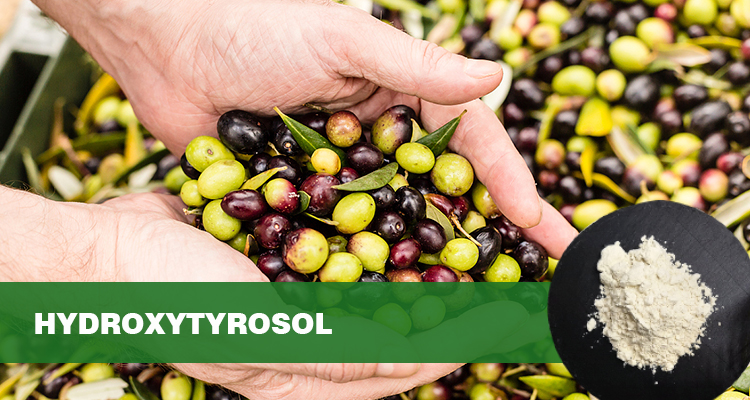
Natural Sources and Extraction Routes of Hydroxytyrosol
Hydroxytyrosol is mainly found naturally in olive branches, leaves, and fruits, making it a shining jewel in the olive family. During olive growth, hydroxytyrosol participates in various physiological processes, not only helping olives resist environmental stresses but also endowing them with unique flavor and nutritional value. Extra virgin olive oil, as the most natural and purest extract of olive fruit, has become an important carrier for obtaining hydroxytyrosol in people’s daily diet. During the cold-pressing process of extra virgin olive oil, hydroxytyrosol is preserved to the maximum extent, bringing rich health benefits. Every drop of extra virgin olive oil contains nature’s gifts and the antioxidant, anti-inflammatory, and other bioactive properties of hydroxytyrosol.
Besides olive oil, olive pomace and olive leaf extracts are also important sources of hydroxytyrosol. The production process of olive oil generates a large amount of pomace and wastewater. These substances, once considered waste, have now become a treasure trove for extracting hydroxytyrosol. Through advanced extraction technology, high-purity hydroxytyrosol can be recovered from pomace and wastewater, achieving resource recycling. Olive leaves also contain a certain amount of hydroxytyrosol, although the content is usually lower than that of olive oil. However, due to the abundance and ease of access to olive leaves, they have become an important raw material for the production of hydroxytyrosol. Extracting hydroxytyrosol from olive leaves not only makes full use of the resources of olive trees but also provides new impetus for the sustainable development of the olive industry.
In industrial production, to meet the market demand for high-purity hydroxytyrosol, plant extraction processes are often used. These processes typically include solvent extraction, supercritical fluid extraction, and enzymatic extraction, each with its unique advantages and applicable scope. Solvent extraction is one of the most commonly used methods. By selecting a suitable solvent, such as methanol or ethanol, hydroxytyrosol can be efficiently extracted from olive raw materials. Supercritical fluid extraction utilizes the special properties of supercritical fluids to extract hydroxytyrosol under mild conditions, offering advantages such as high extraction efficiency, high product purity, and no solvent residue. Enzymatic extraction utilizes the specific catalytic action of enzymes to release hydroxytyrosol from its bound state in olives, featuring mild conditions, high selectivity, and environmental friendliness.
After extraction and purification, hydroxytyrosol is commonly used as a pharmaceutical intermediate, a raw material for health supplements, and an additive in skincare products. In the pharmaceutical field, hydroxytyrosol’s antioxidant, anti-inflammatory, and antibacterial bioactivities make it an important raw material for developing drugs to treat cardiovascular diseases, liver diseases, and cancer. In the health supplement field, hydroxytyrosol, as a natural antioxidant and nutritional supplement, helps boost immunity, prevent chronic diseases, and delay aging, making it popular among consumers. In the skincare field, hydroxytyrosol’s antioxidant, anti-inflammatory, and collagen-synthesizing effects make it a core ingredient in many high-end skincare products, effectively improving skin quality, delaying skin aging, and enhancing skin elasticity.
 Multidimensional Effect: The Core Mechanism of Hydroxytyrosol in Protecting Cardiovascular Health
 Multidimensional Effect: The Core Mechanism of Hydroxytyrosol in Protecting Cardiovascular Health
The positive impact of hydroxytyrosol on cardiovascular health is not accidental, but stems from its multidimensional mechanism of action. These mechanisms work synergistically to build a robust defense for the cardiovascular system.
1 Powerful Antioxidant: Scavenging Free Radicals and Reducing Oxidative Stress in Blood Vessels
During normal physiological metabolism, the human body constantly produces free radicals, such as superoxide anions and hydroxyl radicals. These free radicals are like double-edged swords; when present in appropriate amounts, they participate in some normal physiological reactions, such as immune defense and cell signaling. However, when the production of free radicals exceeds the body’s own ability to eliminate them, oxidative stress is triggered. Oxidative stress is like a “biochemical war”—excessive free radicals attack cells and tissues, leading to a series of problems such as cell membrane damage, protein denaturation, and DNA breakage.
As the core of the human circulatory system, the cardiovascular system is constantly subjected to the pressure of blood flow and the impact of various metabolic products, making it a “hotspot” for oxidative stress. In the cardiovascular system, oxidative stress can cause severe damage to the blood vessel walls. Free radicals attack vascular endothelial cells, disrupting their cell membrane integrity and leading to abnormal cell function. They also trigger lipid peroxidation, oxidizing low-density lipoprotein (LDL) in the blood to form oxidized LDL (ox-LDL). ox-LDL is highly cytotoxic and is massively engulfed by macrophages, gradually forming foam cells. These foam cells accumulate in the blood vessel walls, acting like “time bombs,” ultimately leading to the formation of atherosclerotic plaques. As these plaques grow larger and more unstable, they gradually block blood vessels, affecting normal blood flow and increasing the risk of cardiovascular diseases such as myocardial infarction and stroke.
Hydroxytyrosol, as a potent antioxidant, acts like a “super guardian” of the cardiovascular system, precisely scavenging free radicals and reducing the damage of oxidative stress to the blood vessel walls. Its catechol group in its molecular structure gives it a strong hydrogen-donating capacity. When encountering free radicals, hydroxytyrosol can rapidly donate hydrogen atoms to combine with them, converting them into stable substances and thus interrupting the oxidation chain reaction. Studies have shown that hydroxytyrosol’s ability to scavenge free radicals is several times, even tens of times, greater than that of vitamin E. It can effectively reduce free radical levels in the blood and tissues, decreasing the production of lipid peroxidation products such as malondialdehyde (MDA). By alleviating oxidative stress, hydroxytyrosol not only protects the integrity and function of vascular endothelial cells but also inhibits the formation and development of atherosclerotic plaques, reducing the risk of cardiovascular disease.
In addition to its protective effect on blood vessel walls, hydroxytyrosol’s antioxidant properties can also protect cardiomyocytes from oxidative damage and maintain normal myocardial function. Cardiomyocytes consume a large amount of energy during continuous contraction and relaxation, making them highly sensitive to oxidative stress. Under pathological conditions such as myocardial ischemia and hypoxia, a large number of free radicals are generated, leading to cardiomyocyte damage and apoptosis, thereby affecting the heart’s pumping function. Hydroxytyrosol can effectively prevent and treat cardiovascular diseases related to myocardial injury, such as myocardial infarction and heart failure, by scavenging free radicals within cardiomyocytes, reducing oxidative stress damage to cardiomyocytes, protecting mitochondrial function, and maintaining the energy metabolic balance of cardiomyocytes.
2 Regulating Lipid Metabolism: Lowering “Bad Cholesterol” and Maintaining Lipid Balance
Dyslipidemia is a significant risk factor for cardiovascular disease. Hypercholesterolemia, especially high levels of low-density lipoprotein cholesterol (LDL-C), commonly known as “bad cholesterol,” plays a crucial role in the development of atherosclerosis. When LDL-C levels in the blood are elevated, it is easily oxidized, forming ox-LDL. This ox-LDL is recognized and taken up by receptors on the surface of vascular endothelial cells, leading to impaired endothelial cell function. Simultaneously, ox-LDL attracts monocytes into the subendothelial space of blood vessels, where they differentiate into macrophages. After engulfing large amounts of ox-LDL, macrophages transform into foam cells. These foam cells accumulate, gradually forming the core of atherosclerotic plaques. As the plaque gradually enlarges, it leads to vascular narrowing, affecting normal blood flow. When the plaque ruptures, it triggers platelet aggregation and thrombus formation, leading to acute cardiovascular events such as myocardial infarction and stroke.
Hydroxytyrosol plays a crucial role in regulating lipid metabolism. It can lower total cholesterol and LDL-C levels in the blood through multiple pathways, reducing lipid accumulation in the vascular endothelium and effectively preventing the formation and development of atherosclerotic plaques. Studies have shown that hydroxytyrosol can inhibit intestinal cholesterol absorption. In the intestines, hydroxytyrosol binds to cholesterol, forming a complex that is poorly absorbed, thus reducing cholesterol entering the bloodstream. Hydroxytyrosol can also regulate cholesterol synthesis in the liver. It can inhibit the activity of key enzymes in cholesterol synthesis, such as 3-hydroxy-3-methylglutaryl-CoA (HMG-CoA) reductase, reducing cholesterol synthesis. Through these two mechanisms, hydroxytyrosol can effectively lower blood cholesterol levels, especially LDL-C.
In addition to lowering cholesterol levels, hydroxytyrosol also has a positive impact on other lipid indicators. It can increase the level of high-density lipoprotein cholesterol (HDL-C), or “good cholesterol.” HDL-C acts like a “scavenger” in blood vessels, transporting cholesterol from the arterial walls to the liver for metabolism and excretion, thereby reducing cholesterol deposition on the blood vessel walls and playing a role in preventing atherosclerosis. Hydroxytyrosol can also regulate triglyceride metabolism, lowering blood triglyceride levels. Triglycerides are an important component of blood lipids, and high triglyceride levels are closely related to an increased risk of cardiovascular disease. Hydroxytyrosol reduces triglyceride synthesis by promoting fat breakdown and oxidation, thus lowering blood triglyceride levels.
3 Protecting the Vascular Endothelium: Repairing Endothelial Damage and Maintaining Vascular Elasticity
The vascular endothelium is a single layer of flattened epithelial cells lining the inner surface of blood vessels. Despite being only a thin layer of cells, it plays a crucial role in maintaining the health of the cardiovascular system, acting as a “loyal guardian” of cardiovascular health. Vascular endothelial cells are like “guardians” of the blood vessel walls; their tightly packed arrangement forms a natural barrier that effectively prevents harmful substances in the blood, such as bacteria, viruses, and lipids, from invading the blood vessel walls, protecting them from damage. Vascular endothelial cells also play a crucial role in regulating vascular tone and permeability. They secrete a series of bioactive substances, such as nitric oxide (NO) and endothelin-1 (ET-1), which work together to maintain normal vascular tone. Damage to vascular endothelial cells leads to endothelial dysfunction, a critical early stage in the development of cardiovascular disease. Endothelial dysfunction triggers a series of pathophysiological changes, such as impaired vasodilation leading to vasoconstriction and elevated blood pressure; increased vascular permeability allowing lipids and inflammatory cells to more easily enter the vessel wall, triggering inflammation and atherosclerosis; and the secretion of procoagulant substances, increasing the risk of thrombosis.
Hydroxytyrosol has a significant protective effect on vascular endothelial cells, acting as a “repairman” and “guardian” of the endothelium. It promotes endothelial cell growth and proliferation, enhances their anti-apoptotic capacity, inhibits the damage to endothelial cells caused by oxidative stress and inflammatory factors, and maintains normal vascular tone and permeability. Studies have found that hydroxytyrosol can promote the proliferation and migration of vascular endothelial cells and accelerate the repair of damaged endothelial cells by activating related intracellular signaling pathways. Under oxidative stress, hydroxytyrosol can scavenge free radicals, reduce the impact of oxidative damage on endothelial cells, and protect their normal function. It can also inhibit the release of inflammatory factors, such as tumor necrosis factor-α (TNF-α) and interleukin-6 (IL-6), reducing the stimulation of vascular endothelium by inflammatory responses and maintaining its integrity.
The protective effect of hydroxytyrosol on vascular endothelial cells is also reflected in its ability to promote the synthesis and release of nitric oxide. Nitric oxide is an important vasodilator that can activate guanylate cyclase in vascular smooth muscle cells, increasing intracellular cyclic guanosine monophosphate (cGMP) levels, thereby leading to vasodilation, reducing vascular resistance, and maintaining normal blood pressure levels. Hydroxytyrosol further enhances the function of vascular endothelial cells and protects the normal tension and elasticity of blood vessels by activating nitric oxide synthase (eNOS) and increasing nitric oxide production.
4 Vasodilation + Antithrombotic Effect: A Two-Pronged Approach to Reduce Cardiovascular Event Risk
In the cardiovascular system, normal vasodilation and vasoconstriction are crucial for maintaining stable blood pressure and blood circulation. Excessive vasoconstriction or impaired vasodilation leads to elevated blood pressure, increasing the burden on the heart and triggering a series of cardiovascular diseases. Thrombosis is another important factor in the development of cardiovascular disease; once a thrombus forms, it can block blood vessels, leading to serious cardiovascular events such as myocardial infarction and stroke.
Hydroxytyrosol has a unique dual role in maintaining cardiovascular health. It can both dilate blood vessels and prevent thrombosis, working synergistically to safeguard the health of the cardiovascular system. Regarding vasodilation, hydroxytyrosol activates nitric oxide synthase, promoting the production of the vasodilator nitric oxide. Nitric oxide is a potent vasodilator that rapidly diffuses into vascular smooth muscle cells, activating guanylate cyclase and increasing intracellular cyclic guanosine monophosphate (cGMP) levels, thereby causing vascular smooth muscle relaxation and vasodilation. Through this mechanism, hydroxytyrosol can effectively reduce vascular resistance, lower blood pressure, improve blood circulation, and reduce the burden on the heart. Studies have shown that in hypertensive animal models, intervention with hydroxytyrosol significantly reduced blood pressure and significantly improved vasodilatory function.
In addition to vasodilation, hydroxytyrosol also has a significant antithrombotic effect. Platelet aggregation and coagulation are key steps in thrombus formation, and hydroxytyrosol can inhibit platelet activation and aggregation. It can inhibit platelet aggregation by suppressing intraplatelet signaling pathways and reducing the concentration of calcium ions within platelets. Hydroxytyrosol can also inhibit the synthesis of thromboxane A2 (TXA2), a potent platelet aggregation inducer and vasoconstrictor. Inhibiting TXA2 synthesis can effectively reduce platelet aggregation and vasoconstriction, lowering the risk of thrombosis. In in vitro experiments, the addition of hydroxytyrosol significantly reduced platelet aggregation; in animal experiments, animals given hydroxytyrosol showed a significantly lower incidence of thrombosis.
5 Anti-inflammatory effects: Relieving vascular inflammation and blocking disease progression
Chronic inflammation plays a crucial role in the development of cardiovascular diseases, acting as a “silent killer” that silently erodes vascular health. When the vascular endothelium is damaged or stimulated by external factors, an inflammatory response is triggered. Inflammatory cells, such as monocytes and macrophages, aggregate at the damaged site, releasing large amounts of inflammatory factors, such as tumor necrosis factor-α (TNF-α), interleukin-1β (IL-1β), and interleukin-6 (IL-6). These inflammatory factors further activate inflammatory cells, creating a vicious cycle that exacerbates the inflammatory response. The inflammatory response not only directly damages vascular endothelial cells, disrupting the normal structure and function of blood vessels, but also promotes lipid deposition in the vessel wall, accelerating the formation and development of atherosclerotic plaques. When plaques rupture, an acute inflammatory response is triggered, leading to thrombosis and serious cardiovascular events such as myocardial infarction and stroke.
Hydroxytyrosol possesses significant anti-inflammatory properties, acting as a “brake” on the inflammatory response. It effectively inhibits cardiovascular inflammation, reduces the stimulation of blood vessels by inflammatory factors, blocks inflammation-mediated vascular damage, and slows the progression of diseases such as atherosclerosis. Studies have shown that hydroxytyrosol exerts its anti-inflammatory effects through multiple pathways. It can inhibit the activation of inflammation-related signaling pathways, such as the nuclear factor-κB (NF-κB) signaling pathway. NF-κB is an important transcription factor that plays a crucial regulatory role in inflammatory responses. When cells are stimulated by inflammation, NF-κB is activated, enters the cell nucleus, and initiates the transcription of a series of inflammatory factor genes, leading to the excessive expression of inflammatory factors. Hydroxytyrosol can inhibit NF-κB activation, thereby reducing the synthesis and release of inflammatory factors.
Hydroxytyrosol can also regulate the function of immune cells, reducing the infiltration and activation of inflammatory cells. In inflammatory responses, excessive activation of immune cells exacerbates inflammatory damage. Hydroxytyrosol can inhibit the activation of inflammatory cells such as macrophages and neutrophils, reducing their release of inflammatory mediators, such as nitric oxide (NO) and prostaglandin E2 (PGE2), thereby alleviating the severity of the inflammatory response. Hydroxytyrosol can also promote the production of anti-inflammatory cytokines, such as interleukin-10 (IL-10). IL-10 is an important anti-inflammatory cytokine that can inhibit the function of inflammatory cells, regulate the balance of the inflammatory response, and reduce vascular damage caused by inflammation.
Scientific Intake: Effective Ways to Obtain Hydroxytyrosol
1 Daily Dietary Intake: Easily Obtain from Olive Products
In our daily diet, we can obtain this cardiovascular-healthy active ingredient by consuming foods rich in hydroxytyrosol. Extra virgin olive oil is one of the most common and abundant sources of hydroxytyrosol. It is not only an important part of the Mediterranean diet but is also considered a model of healthy eating by modern nutritionists. During the cold-pressing process, the nutrients in olives are preserved to the maximum extent, including hydroxytyrosol. Studies have shown that every 100 grams of extra virgin olive oil can contain 50-200 mg of hydroxytyrosol, with the specific content varying depending on the olive variety, origin, harvest time, and processing method. For example, some extra virgin olive oils from Andalusia, Spain, are particularly rich in hydroxytyrosol due to their unique climate and soil conditions, as well as the traditional cold-pressing process.
Besides extra virgin olive oil, fresh olives and olive juice are also excellent choices for obtaining hydroxytyrosol. Fresh olives have a unique flavor and can be eaten directly or processed into various delicious olive products through pickling and other methods. When eating fresh olives, we can not only enjoy their freshness but also ingest nutrients such as hydroxytyrosol. Olive juice, made by pressing fresh olives, retains the original flavor of the olives and is also rich in hydroxytyrosol. A 200ml glass of olive juice contains approximately 10-30mg of hydroxytyrosol, making it a refreshing and healthy beverage.
It’s important to note that while olive oil is an important source of hydroxytyrosol, its high content of unsaturated fatty acids makes it prone to oxidation and polymerization reactions during high-temperature cooking, producing substances that are harmful to health. Furthermore, improper storage can easily lead to oxidation and spoilage of olive oil, resulting in nutrient loss. Therefore, it is recommended to use olive oil for cold dishes and low-temperature cooking to minimize nutrient loss. When storing olive oil, it should be placed in a cool, dry, and dark place, avoiding direct sunlight and high temperatures. Once opened, olive oil should be consumed as soon as possible and stored in an airtight container to prevent oxidation and spoilage.
According to the “Dietary Guidelines for Chinese Residents,” adults should limit their daily intake of cooking oil to 25-30 grams. When choosing cooking oil, olive oil can be used as one of the main sources, and it can be combined with other cooking oils such as flaxseed oil and corn oil to ensure a balanced intake of nutrients. When consuming olive oil, different grades and flavors can be chosen according to personal taste and cooking needs. For example, extra virgin olive oil is suitable for cold dishes and low-temperature cooking, while refined olive oil is more suitable for general stir-frying and pan-frying.
2 Health Supplements: Rational Choices, Following Professional Guidance
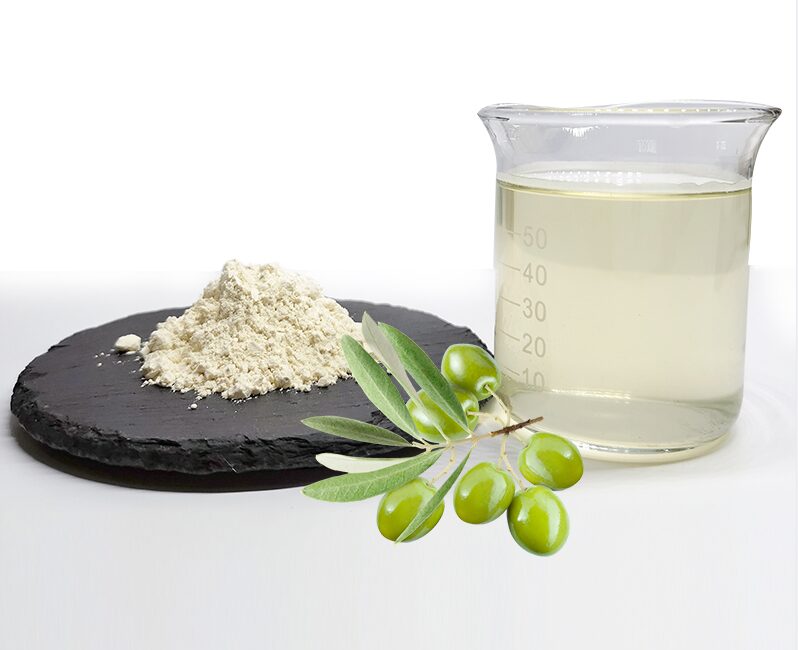
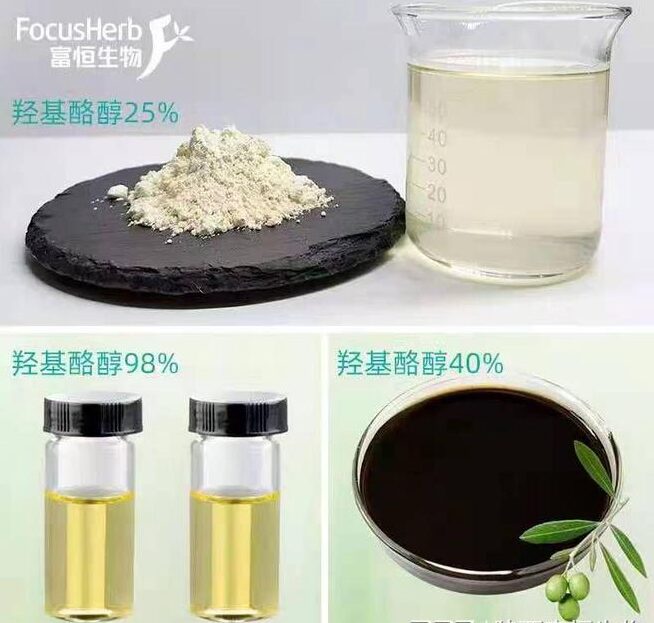
For individuals who cannot obtain sufficient hydroxytyrosol from their daily diet, or those who wish to enhance their cardiovascular health through supplementation, choosing appropriate health supplements is a viable option. Currently, there are many health supplements on the market with hydroxytyrosol as the main ingredient, commonly available in capsules, soft capsules, and oral liquids. These health supplements typically extract high-purity hydroxytyrosol from raw materials such as olive leaf extract and olive oil pomace extract, and are scientifically formulated and processed for convenient consumer use.
When choosing hydroxytyrosol supplements, several factors need careful consideration. Pay attention to product quality and safety. Choose well-known brands and products with a good reputation, ensuring their production processes meet strict quality standards, and avoid purchasing counterfeit or substandard products containing harmful substances. Check the product’s ingredient list and nutrition label to understand the hydroxytyrosol content and other added ingredients, avoiding excessive intake of unnecessary additives and excipients. Also, pay attention to the product’s shelf life and storage conditions, ensuring proper storage and use within the expiration date to guarantee the product’s effectiveness and safety.
It is important to emphasize that health supplements cannot replace medication or serve as a substitute for a healthy lifestyle. Before deciding to use hydroxytyrosol supplements, especially for individuals with chronic diseases such as high blood pressure, heart disease, or diabetes, or those currently taking other medications, it is essential to consult a doctor or professional nutritionist. They can comprehensively assess whether hydroxytyrosol supplementation is suitable based on individual health conditions, dietary habits, medication use, and other factors, and provide reasonable dosage recommendations and usage precautions. Because individual tolerance and requirements for hydroxytyrosol may vary, excessive intake may pose potential risks, such as gastrointestinal discomfort and allergic reactions. Only under professional guidance and with proper use of hydroxytyrosol supplements can its protective effects on cardiovascular health be maximized, while avoiding potential adverse reactions.
Beyond Cardiovascular Health: The Diverse Health Benefits of Hydroxytyrosol
1 Anti-Cancer Potential: Inhibiting Cancer Cell Proliferation and Aiding in Improved Prognosis
Besides its remarkable efficacy in cardiovascular health, hydroxytyrosol’s potential in anti-cancer treatment is increasingly attracting scientific attention. Studies have shown that hydroxytyrosol, with its powerful dual antioxidant and anti-proliferative effects, can inhibit the growth and spread of various cancer cells. In breast cancer cell studies, hydroxytyrosol can interfere with the metabolic processes of cancer cells, inhibit their proliferation, and induce apoptosis, thereby effectively controlling tumor growth. In prostate cancer cell experiments, hydroxytyrosol can regulate the expression of related genes, block cancer cell signaling pathways, and inhibit the invasion and metastasis of cancer cells. For digestive tract cancers, such as stomach and colon cancer, hydroxytyrosol can reduce the risk of cancer by inhibiting inflammatory responses and reducing damage to the digestive tract mucosa from carcinogens.
Hydroxytyrosol can also play an adjunctive role in cancer treatment, enhancing the effectiveness of chemotherapy, reducing the side effects of chemotherapy drugs, and promoting the recovery of cancer patients in the later stages. Chemotherapy is currently one of the important methods for cancer treatment. However, while chemotherapy drugs kill cancer cells, they also damage normal cells, leading to a series of side effects such as nausea, vomiting, hair loss, and decreased immunity. Hydroxytyrosol’s antioxidant and anti-inflammatory properties can reduce oxidative stress and inflammatory responses caused by chemotherapy drugs, protecting normal cells from damage and improving patients’ tolerance to chemotherapy. Hydroxytyrosol can also enhance the killing power of chemotherapy drugs against cancer cells, improving the efficacy of chemotherapy. In some clinical studies, the combined use of hydroxytyrosol and chemotherapy drugs has shown more significant tumor shrinkage and prolonged survival in patients.
Although hydroxytyrosol shows encouraging prospects in anti-cancer applications, its clinical application is still in the research stage, requiring more large-scale, multi-center clinical trials to further verify its safety and efficacy. In the future, with continued research, hydroxytyrosol is expected to become an important adjunct in cancer prevention and treatment, bringing new hope to cancer patients.
2 Other Health Benefits: Beauty, Bone and Neuroprotection
Hydroxytyrosol also performs excellently in the field of beauty and skincare, earning the title of “guardian angel” for the skin. As we age and are affected by external environmental factors such as UV radiation and air pollution, our skin gradually experiences oxidative damage, collagen loss, and inflammation, leading to signs of aging such as sagging skin, increased wrinkles, age spots, dryness, and roughness. Hydroxytyrosol, with its powerful antioxidant capabilities, can penetrate deep into skin cells, scavenging free radicals and reducing oxidative stress damage, thus delaying skin aging. It can inhibit the activity of matrix metalloproteinases (MMPs), reducing the degradation of collagen and elastin fibers, maintaining skin elasticity and firmness. Simultaneously, hydroxytyrosol promotes skin cell metabolism, enhancing the skin’s self-repair ability, resulting in smoother and more delicate skin. It also has anti-inflammatory effects, reducing skin inflammation and improving symptoms of inflammatory skin conditions such as acne and seborrheic dermatitis. Hydroxytyrosol can also inhibit tyrosinase activity, reducing melanin synthesis, achieving a whitening and spot-removing effect, making the skin brighter and more radiant. Adding hydroxytyrosol to skincare products provides comprehensive care for the skin, giving it a healthy glow.
Hydroxytyrosol also plays a vital role in bone health, acting as a “strong guardian” of bones. Osteoporosis is a common bone disease characterized by decreased bone density and bone structure deterioration, leading to fragile bones and a high risk of fractures. The incidence of osteoporosis increases significantly with age, especially in postmenopausal women. Hydroxytyrosol can promote bone health by regulating bone metabolism balance. It inhibits osteoclast activity, reducing bone resorption, while promoting osteoblast proliferation and differentiation, increasing bone formation, and thus maintaining bone density. Hydroxytyrosol can also regulate calcium ion absorption and metabolism, promoting calcium deposition in bones and enhancing bone strength. Studies have shown that adequate intake of hydroxytyrosol can reduce the risk of osteoporosis and has positive implications for its prevention and treatment. For older adults and postmenopausal women, consuming hydroxytyrosol through diet or supplements can help maintain bone health and improve quality of life.
Hydroxytyrosol has a significant protective effect on nerve cells and holds promise as a new hope for the prevention and treatment of neurodegenerative diseases, acting as a “protector” of the nervous system. Neurodegenerative diseases, such as Alzheimer’s disease and Parkinson’s disease, are a group of diseases that seriously affect human health and quality of life. Their pathogenesis is closely related to factors such as nerve cell damage, apoptosis, and neuroinflammation. Hydroxytyrosol’s antioxidant and anti-inflammatory properties enable it to effectively protect nerve cells from oxidative stress and inflammatory damage. It can scavenge free radicals within nerve cells, reduce lipid peroxidation, and protect the integrity and function of nerve cell membranes. Hydroxytyrosol can also inhibit the release of inflammatory factors, regulate neuroinflammatory responses, and reduce nerve cell damage and apoptosis. Studies have found that hydroxytyrosol can regulate neurotransmitter metabolism, improve nerve signal transduction, and has a certain improving effect on cognitive and motor functions. In animal models of Alzheimer’s disease, intervention with hydroxytyrosol significantly improved cognitive abilities and reduced amyloid plaque deposition in the brain. In Parkinson’s disease studies, hydroxytyrosol can protect dopaminergic neurons and alleviate motor dysfunction symptoms. Although research on hydroxytyrosol in the field of neuroprotection is still in its early stages, these research findings provide new ideas and directions for the treatment of neurodegenerative diseases.
The Promising Applications of Natural Active Ingredients in Cardiovascular Health
Hydroxytyrosol, a natural gift of active ingredients, has demonstrated remarkable efficacy in protecting cardiovascular health. From its powerful antioxidant properties, scavenging free radicals and reducing oxidative stress in blood vessels, to regulating lipid metabolism, lowering “bad cholesterol,” and maintaining lipid balance; from protecting vascular endothelium, repairing endothelial damage, and maintaining vascular elasticity, to dilating blood vessels and preventing thrombosis, thus reducing the risk of cardiovascular events, and further to its anti-inflammatory effects, alleviating vascular inflammation and blocking disease progression, hydroxytyrosol provides comprehensive protection for the cardiovascular system through a multi-dimensional mechanism of action.
The health benefits of hydroxytyrosol extend far beyond the cardiovascular field. It has also shown great potential in anti-cancer, skincare, bone health, and neuroprotection. Whether it’s inhibiting cancer cell proliferation and helping to improve cancer prognosis, or its antioxidant and anti-inflammatory effects that delay skin aging, or its regulation of bone metabolism to promote bone health, protecting nerve cells, and preventing neurodegenerative diseases, hydroxytyrosol brings more possibilities to our health.
With the continuous advancement of scientific research, the application prospects of hydroxytyrosol in functional foods, cardiovascular health products, and other fields will become even broader. It is expected to become a shining star in the future health industry, providing greater support for people’s healthy lives. However, while enjoying the health benefits of hydroxytyrosol, we should also follow scientific intake methods, rationally choose foods and health supplements, and ensure safe and effective intake under the guidance of professionals. Let us look forward to hydroxytyrosol making a greater contribution to human health in the future, leading us towards a healthier life.
