








In the vast world of phytochemistry, dihydroquercetin shines brightly. It also has a more well-known name—Piscis difusin—and is an important member of the natural flavonoid family. Its chemical name is 3,3′,4′,5,7-pentahydroxyflavone, with the molecular formula C₁₅H₁₂O₇. Due to its unique structural characteristics, it is classified as a vitamin P group. The most crucial element in the chemical structure of dihydroquercetin is its five phenolic hydroxyl groups, which act like active “guardians,” endowing dihydroquercetin with powerful antioxidant capabilities, making it stand out among many antioxidants.
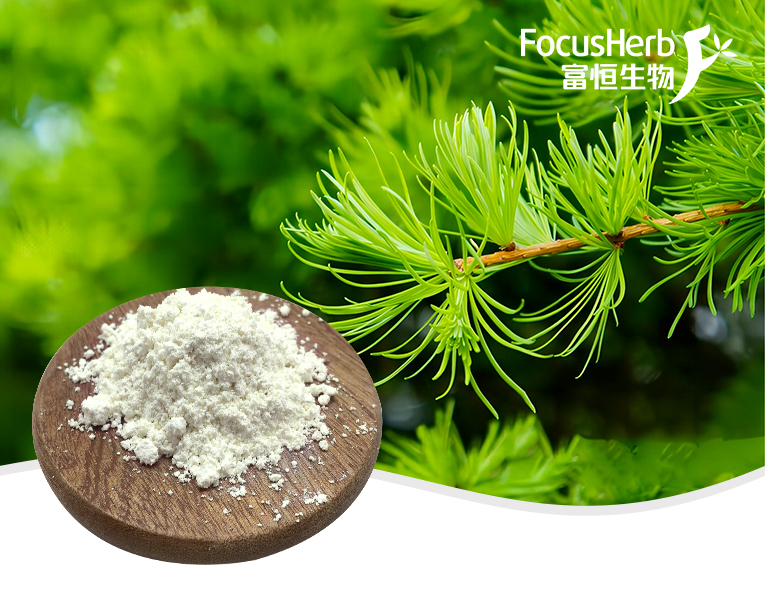
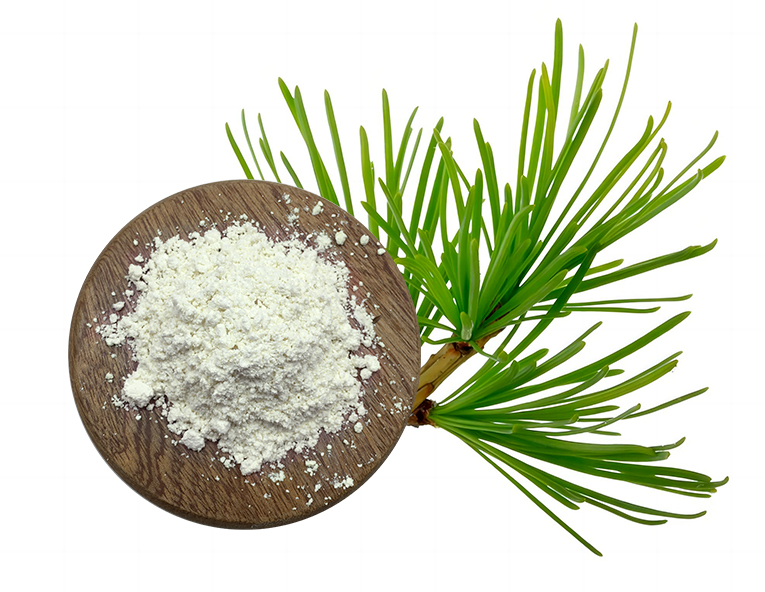
The extraction source of dihydroquercetin is rather unique, primarily from the roots of larch trees over a hundred years old in high-altitude, cold regions—a veritable “natural treasure trove” for it. Among pine trees, Douglas fir is also an important “habitat” for dihydroquercetin, with a relatively high content. Of course, it’s not only found in these specific trees. In our everyday world of fruits and vegetables, onions, apples, and grapes also contain small amounts of dihydroquercetin, although the amounts are much lower than in pine trees. These plant sources provide abundant avenues for obtaining dihydroquercetin, making it possible for us to ingest this amazing component through our daily diet.
Physical Properties and Substance
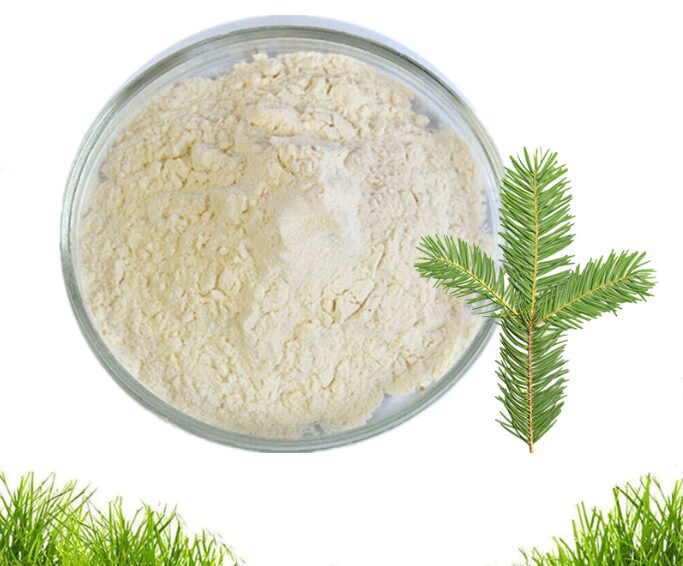
Physically, in a 50% ethanol environment, dihydroquercetin presents as colorless needle-like crystals, resembling delicate miniature crystals. Its melting point is stable at 240℃, a characteristic that allows it to maintain a stable physical state within a certain temperature range. In practical applications, the most common finished dihydroquercetin products are pale yellow powders, with a fine texture that facilitates storage and use.
Dihydroquercetin has a unique solubility. It is readily soluble in ethanol, acetic acid, and boiling water, where it disperses rapidly to form a homogeneous solution. However, its solubility in cold water is relatively low, only slightly soluble. Dihydroquercetin is almost insoluble in organic solvents such as benzene. This difference in solubility dictates that a suitable solvent must be selected based on its properties to improve extraction efficiency when extracting dihydroquercetin. Furthermore, its solubility also affects product formulation and efficacy in various applications. For example, in the pharmaceutical field, its solubility in human body fluids must be considered to ensure effective drug absorption.
 Core Efficacy: Multi-functional Bioactivity with Antioxidant as its Core
 Core Efficacy: Multi-functional Bioactivity with Antioxidant as its Core
1 .Powerful Antioxidant: The “King of Free Radical Scavengers”
In the body’s metabolic process, the production of free radicals is inevitable. These free radicals act like a group of restless “troublemakers,” recklessly attacking cells, triggering oxidative stress, and severely damaging cell structure and function, thus becoming the “trigger” for many diseases. Dihydroquercetin is a “sharp weapon” against these free radicals.
The reason dihydroquercetin possesses such powerful antioxidant capabilities lies in its unique molecular structure. It has five phenolic hydroxyl groups, which act as “active centers” capable of reacting with free radicals. By providing hydrogen atoms, they stabilize the free radicals, thereby achieving the purpose of scavenging them. When facing common free radicals such as superoxide anion radicals and hydroxyl radicals, the phenolic hydroxyl groups of dihydroquercetin quickly bind to them, transforming these highly oxidizing free radicals into relatively stable substances, preventing them from continuing to attack cells.
In this process, dihydroquercetin not only directly scavenge free radicals but also inhibits lipid peroxidation. We know that cell membranes are mainly composed of lipids; once lipid peroxidation occurs, the integrity of the cell membrane is damaged, and normal cell function is affected. Dihydroquercetin can promptly block the chain reaction of lipid peroxidation, protecting polyunsaturated fatty acids in the cell membrane from oxidation and maintaining the normal structure and function of the cell membrane, much like giving the cell a strong “protective suit.”
Compared to other common antioxidants, dihydroquercetin’s antioxidant activity is particularly outstanding. Vitamin C and vitamin E are well-known antioxidants in our daily lives; however, dihydroquercetin’s antioxidant capacity far surpasses theirs. Research data shows that, under the same experimental conditions, dihydroquercetin’s free radical scavenging rate is several times higher than that of vitamin C, and even 3-5 times stronger than structurally similar quercetin. For this reason, dihydroquercetin has earned the reputation of “King of Antioxidants” in the field of antioxidants, becoming a focus of attention for many researchers and health enthusiasts.
2. Diverse Health Benefits Derived from Antioxidants
1 Anti-inflammatory Effects: Inhibition of Inflammatory Signaling Pathways
Inflammation is a defensive response of the body to various stimuli. However, when the inflammatory response gets out of control and transforms into chronic inflammation, it becomes a “silent killer” of health, quietly triggering a series of diseases. Dihydroquercetin has demonstrated remarkable capabilities in the field of anti-inflammation. Its mechanism of action is like a precise “scalpel,” directly targeting the key aspects of the inflammatory response.
At the cellular level, nuclear factor κB (NF-κB) is a key “commander” in the inflammatory signaling pathway. It acts like a “switch,” controlling the expression of various pro-inflammatory factors. Dihydroquercetin can keenly detect the activity of NF-κB and, by inhibiting its activation, prevents it from functioning properly, thereby cutting off the transmission of inflammatory signals. When NF-κB is inhibited, the synthesis and release of pro-inflammatory factors such as tumor necrosis factor-α (TNF-α) and interleukin-6 (IL-6) are significantly reduced, and the inflammatory response is effectively suppressed.
In animal experiments, researchers applied dihydroquercetin to animals with arthritis models, with surprising results. Animals with previously swollen joints and limited mobility showed significantly reduced joint swelling and a substantial decrease in inflammatory markers after dihydroquercetin intervention, fully demonstrating the inhibitory effect of dihydroquercetin on inflammation.
Besides arthritis, dihydroquercetin has also shown potential regulatory effects in metabolic diseases. Chronic low-grade inflammation plays a crucial role in diseases such as diabetes and non-alcoholic fatty liver disease. Dihydroquercetin, by inhibiting inflammatory signaling pathways, may alleviate the inflammatory state in these diseases, providing new ideas and methods for their treatment.
2 Cardiovascular Protection: A Guardian for Improving Vascular Function
Cardiovascular disease has always been the leading cause of death worldwide, and dihydroquercetin acts as a loyal guardian, protecting the cardiovascular system from multiple angles.
In vascular endothelial cells, nitric oxide (NO) is an important signaling molecule, acting as a vascular relaxant that relaxes vascular smooth muscle and maintains vascular patency. Dihydroquercetin promotes the synthesis and release of nitric oxide by vascular endothelial cells, enhancing its bioavailability, allowing for better vasodilation, reducing vascular resistance, and thus maintaining normal blood pressure. Simultaneously, dihydroquercetin inhibits the production of endothelin-1 (ET-1) by vascular endothelial cells. ET-1 is a potent vasoconstrictor; excessive ET-1 can lead to vasoconstriction and elevated blood pressure. This effect of dihydroquercetin helps maintain the balance of vascular endothelial cell function.
Dihydroquercetin also has a positive regulatory effect on lipid metabolism. It can lower the levels of total cholesterol (TC), triglycerides (TG), and low-density lipoprotein cholesterol (LDL-C) in the blood, while increasing the level of high-density lipoprotein cholesterol (HDL-C). By inhibiting the synthesis of cholesterol and triglycerides in the liver, it promotes lipid catabolism and reduces the risk of atherosclerotic plaque formation. HDL-C acts like a “cleaner” for blood vessels, transporting cholesterol from the vessel walls to the liver for metabolism. The effect of dihydroquercetin in increasing HDL-C levels further strengthens the protection of the cardiovascular system.
Platelet aggregation and thrombosis are important causes of cardiovascular events, and dihydroquercetin also plays a crucial role in this regard. It can inhibit platelet aggregation by interfering with intraplatelet signaling pathways, reducing the release of aggregation-promoting substances such as adenosine diphosphate (ADP) and thromboxane A2 (TXA2) from platelets, thus reducing the likelihood of platelet aggregation. Simultaneously, dihydroquercetin can inhibit the activity of coagulation factors and reduce the conversion of fibrinogen to fibrin induced by thrombin, thereby effectively inhibiting thrombus formation.
3 Immune Regulation and Metabolic Improvement: Bidirectional Regulation of Body Balance
The human immune system is like a powerful “army” responsible for defending against the invasion of external pathogens. However, sometimes this “army” malfunctions, leading to autoimmune diseases. Dihydroquercetin has unique capabilities in immune regulation; it acts like an experienced “commander,” bidirectionally regulating immune function to maintain the balance of the immune system.
When the body is invaded by pathogens, dihydroquercetin can enhance the phagocytic activity of macrophages, allowing them to better perform their “scavenger” role, engulfing and clearing pathogens. At the same time, it can also promote the proliferation and differentiation of T lymphocytes, enhancing the body’s cellular immune function and enabling the immune system to more effectively respond to the challenge of pathogens. When the body experiences an excessive immune response, such as in autoimmune diseases like rheumatoid arthritis, dihydroquercetin can inhibit overactive immune cells, reduce the release of inflammatory factors, alleviate immune damage, and relieve disease symptoms.
Dihydroquercetin also plays an important role in improving metabolism. It can activate the adenosine monophosphate-activated protein kinase (AMPK) pathway. AMPK acts like an “energy switch” within cells; when activated, it regulates cellular energy metabolism. By activating AMPK, dihydroquercetin promotes the translocation of glucose transporter 4 (GLUT4) to the cell membrane, increasing cellular glucose uptake and utilization, thereby improving insulin resistance. In animal experiments, researchers fed dihydroquercetin to obese mice induced by a high-fat diet. After a period of time, they found that the mice’s blood glucose and blood lipid levels significantly decreased, and their weight was effectively controlled. This suggests that dihydroquercetin has potential adjunctive therapeutic value for diseases such as type 2 diabetes and metabolic syndrome.
4 Other Potential Benefits: Anti-cancer, Liver Protection, and Skin Care
The bioactivity of dihydroquercetin extends beyond its application in cancer treatment, liver protection, and skin care.
In anti-cancer research, dihydroquercetin has shown remarkable potential. Studies have found that it is active against mouse leukemia P388, inhibiting the growth and proliferation of cancer cells. For squamous cell carcinoma, dihydroquercetin also exerts its anti-cancer effects through mechanisms such as inducing apoptosis and inhibiting cancer cell migration. Although most of these studies are currently in the laboratory stage and clinical evidence is relatively limited, the performance of dihydroquercetin in the anti-cancer field undoubtedly brings new hope to cancer treatment.
The liver is the body’s “detoxification factory,” and dihydroquercetin has a significant protective effect on it. It can promote hepatocyte regeneration by activating cyclins and cell cycle-dependent kinases, accelerating the transition of hepatocytes from the G1 phase to the S phase, and increasing the proliferative capacity of hepatocytes. Meanwhile, dihydroquercetin can also inhibit the activation of hepatic stellate cells, reduce collagen deposition, and prevent liver fibrosis. When dealing with liver diseases such as hepatitis and fatty liver, dihydroquercetin can repair damaged liver cells, help the liver detoxify, improve liver function, and enable the liver to better fulfill its “detoxification” function.
In the skincare field, dihydroquercetin is an all-rounder. It can inhibit melanin production by inhibiting the activity of tyrosinase, reducing melanin synthesis, thereby achieving a whitening and spot-fading effect. At the same time, dihydroquercetin can also promote collagen synthesis, restore the elasticity of collagen in the skin, reduce wrinkles, and make the skin firmer and smoother. For skin problems such as dermatitis and acne, dihydroquercetin can also exert an anti-inflammatory effect, reducing skin inflammation, promoting skin repair and healing, and restoring the skin’s healthy radiance.
Cross-Sector Applications: Diverse Values from Health to Industry and Agriculture
 Cross-Sector Applications: Diverse Values from Health to Industry and Agriculture
1 Pharmaceuticals and Healthcare: A Potential Adjunctive Therapy Ingredient
Dihydroquercetin is gradually emerging in the pharmaceutical and healthcare industry, demonstrating its unique value.
In the pharmaceutical field, research on the application of dihydroquercetin is in full swing. It is considered a highly promising adjunctive therapy ingredient, showing positive effects in the treatment of various diseases. In cardiovascular and cerebrovascular diseases, numerous studies have shown that dihydroquercetin can protect the cardiovascular system through multiple mechanisms, including antioxidant, anti-inflammatory, and lipid-regulating effects. It can lower cholesterol and triglyceride levels in the blood, inhibit platelet aggregation, and reduce the risk of thrombosis, thereby effectively preventing and adjunctive treating cardiovascular diseases such as coronary heart disease and atherosclerosis.
For cancer patients, dihydroquercetin also brings new hope. Although it cannot be used as a single anticancer drug, in adjunctive therapy, it can enhance the effects of chemotherapy and radiotherapy and reduce the side effects of these treatments on the patient’s body. Dihydroquercetin offers a novel approach to cancer treatment by inducing apoptosis and inhibiting cancer cell proliferation and metastasis. In a clinical trial of lung cancer patients, those using a combination of dihydroquercetin and chemotherapy drugs showed significantly higher tumor shrinkage rates compared to patients receiving chemotherapy alone, and their quality of life also improved significantly.
Furthermore, dihydroquercetin plays an important role in the treatment of respiratory and gastrointestinal diseases. In respiratory diseases, it can reduce inflammation and alleviate symptoms such as cough and wheezing, offering some adjunctive therapeutic effects for chronic obstructive pulmonary disease (COPD) and asthma. In a study of asthma patients, those taking dihydroquercetin supplements experienced a reduction in the frequency and severity of asthma attacks. In the gastrointestinal field, dihydroquercetin can protect the gastric mucosa and promote gastrointestinal motility, offering some therapeutic and preventative effects against gastritis, gastric ulcers, and enteritis.
However, it is important to note that the application of dihydroquercetin in the pharmaceutical field is mostly still in the clinical trial or preliminary research stages. For example, while small clinical trials for adenomyosis have shown that dihydroquercetin may have some therapeutic effect, the strength of the evidence is low and it has not yet been fully confirmed by evidence-based medicine. More large-scale, multi-center clinical trials are needed before its widespread clinical application to further verify its safety and efficacy.
In the health supplement industry, dihydroquercetin, with its powerful antioxidant, anti-aging, and immune-boosting effects, has become an important ingredient in many health supplements. Most commercially available dihydroquercetin supplements are in capsule or tablet form for convenient consumption. Many health-conscious individuals, especially the middle-aged and elderly and those with weakened immune systems, choose to take dihydroquercetin supplements to improve their body’s antioxidant capacity, slow down the aging process, enhance immunity, and prevent various chronic diseases.
2 Food Industry: A Natural Preservative and Nutritional Fortifier
In the vast system of the food industry, dihydroquercetin, as a natural bioactive additive, plays an indispensable role.
As people’s attention to food safety and health continues to increase, the requirements for food additives are becoming increasingly stringent. Dihydroquercetin, due to its natural, safe, and highly effective properties, has become a favored choice in the food industry. Its antioxidant capacity is its core advantage in the food sector, effectively inhibiting the oxidative deterioration of components such as oils and proteins in food, thus extending the shelf life. Studies have shown that adding an appropriate amount of dihydroquercetin to food can extend its shelf life by 2-3 times. Adding dihydroquercetin to edible oils can significantly inhibit oxidative rancidity, maintaining the good quality and flavor of the oils; adding it to meat products can prevent discoloration and spoilage due to oxidation, extending the shelf life of meat products.
Besides its preservative effect, dihydroquercetin can also impart more nutritional functions to food. It itself has various biological activities such as antioxidation and anti-inflammation; when added to food, it allows consumers to enjoy delicious food while obtaining certain health benefits. Adding dihydroquercetin to functional beverages not only extends shelf life but also provides consumers with antioxidant and anti-fatigue benefits, meeting modern consumers’ demand for healthy drinks. Adding it to snacks, such as nuts and dried fruit, enhances their antioxidant capacity, reduces nutrient loss, and adds a healthier attribute.
Dihydroquercetin has extremely wide applications in the food industry, covering almost all types of food. In the beverage industry, whether it’s carbonated drinks, fruit juices, or functional beverages, dihydroquercetin can be added to improve product quality and stability. In baked goods, such as bread and cakes, dihydroquercetin can prevent the oxidation of oils in flour, extending the shelf life of baked goods and improving taste. In dairy products, adding dihydroquercetin can inhibit fat oxidation, prevent off-flavors, and improve the quality and safety of dairy products.
3 Industrial and Agricultural Sector: A New Choice for Functional Additives
In the industrial and agricultural sectors, dihydroquercetin, with its unique properties, has become a new choice for functional additives, bringing new opportunities for the development of these two fields.
In the industrial sector, the antioxidant properties of dihydroquercetin make it play an important role in many industrial products. In engine and rocket fuels, dihydroquercetin can be used as an anti-vibration agent. Traditional anti-vibration agents have certain limitations in performance, while the emergence of dihydroquercetin provides a new solution to this problem. It can effectively inhibit the oxidation reaction of fuel during combustion, reduce the occurrence of knocking, and improve the combustion efficiency of fuel, thereby making the performance of engines and rockets more stable and efficient. In industrial lubricating oils, dihydroquercetin can be used as a stabilizer to prevent the lubricating oil from oxidizing and deteriorating under harsh environments such as high temperature and high pressure, extending the service life of the lubricating oil, reducing equipment wear, and lowering the cost of industrial production. In pigments and paints, dihydroquercetin acts as an antioxidant, preventing fading and aging caused by light and oxygen, maintaining vibrant colors and stable performance, and improving product quality and market competitiveness.
In agriculture, dihydroquercetin also demonstrates significant potential. It can be formulated as a plant growth regulator, positively impacting crop growth and development. During crop growth, dihydroquercetin enhances cold and drought resistance, enabling crops to maintain good growth even under harsh environmental conditions. In arid regions, treating crops with plant growth regulators containing dihydroquercetin can improve drought resistance, reduce the impact of water stress on crop growth, and ensure crop yield and quality. Dihydroquercetin also inhibits pests and diseases by regulating crop physiological metabolism, enhancing crop immunity, and making crops more resistant to pests and diseases. In some vegetable cultivation, spraying solutions containing dihydroquercetin can effectively reduce pests and diseases such as aphids and powdery mildew, thereby reducing pesticide use and achieving green agricultural production.
Dihydroquercetin also plays an important role in seedling cultivation. Treating seedling roots with dihydroquercetin during transplanting promotes root growth and development, increasing seedling survival rates. In afforestation projects within forestry systems, using plant growth regulators containing dihydroquercetin can promote tree growth, enhance tree resistance, and thus improve the quality and effectiveness of afforestation.
 Rational Application: Principles and Precautions for the Use of Dihydroquercetin
 Rational Application: Principles and Precautions for the Use of Dihydroquercetin
1 Dosage Control and Supplementation Routes
When using dihydroquercetin to support health, reasonable dosage control and scientific supplementation routes are crucial. For the general population, if it is simply used as an antioxidant supplement in daily diet, it can be achieved by consuming fruits and vegetables rich in dihydroquercetin, such as onions, apples, and grapes. Although the content in these fruits and vegetables is not high, they are common in daily diets, and long-term consumption can provide a certain amount of dihydroquercetin, providing basic antioxidant support for the body.
However, when there are special health needs, such as when it is used as a health supplement or medicine, dosage control needs to be extremely careful. Generally speaking, the usual oral dose of dihydroquercetin is 100-200 mg daily, divided into 1-2 doses, for 2-4 weeks as a course of treatment. However, this is not an absolute standard. The specific dosage should be precisely adjusted under the guidance of a doctor or professional nutritionist, based on individual physical condition, age, health goals, and whether other medications are being taken. For example, elderly people or those with weakened constitutions may need a lower dosage; while for individuals with certain chronic diseases requiring intensive antioxidant therapy, the dosage may be appropriately increased under the evaluation of a doctor, but close monitoring of the body’s response is still necessary.
Regarding the route of supplementation, in addition to oral health supplements or medications, it is also important to pay attention to the differences in absorption among different dosage forms. Generally speaking, capsules and tablets require disintegration and dissolution in the gastrointestinal tract before absorption, resulting in a relatively slower absorption rate but a longer duration of action; while oral liquid preparations are absorbed by the body more quickly and have a relatively faster onset of action. Regardless of the dosage form chosen, it is essential to strictly follow the instructions or doctor’s prescription to ensure the effectiveness and safety of the medication.
2 Applicable Population and Contraindications
Dihydroquercetin is suitable for a wide range of people. For the general population, appropriate supplementation with dihydroquercetin can enhance the body’s antioxidant capacity, prevent various chronic diseases caused by oxidative stress, and improve overall health. This is especially true for middle-aged and elderly people, whose antioxidant capacity gradually declines with age, making cells and tissues more susceptible to free radical attacks. Supplementation with dihydroquercetin can help slow down the aging process and improve bodily functions.
People with weakened immune systems are also suitable for dihydroquercetin. These individuals are more susceptible to pathogens and frequently fall ill. The immunomodulatory effects of dihydroquercetin can enhance their immune system function, improve their resistance, and reduce the likelihood of illness. For people with chronic diseases such as cardiovascular disease, diabetes, and hepatitis, the antioxidant, anti-inflammatory, and metabolic-regulating effects of dihydroquercetin can play an auxiliary role in the treatment and recovery of these diseases, alleviating symptoms and reducing the risk of complications.
However, not everyone is suitable for dihydroquercetin supplementation. Pregnant and breastfeeding women should use it with caution. The effects of dihydroquercetin on fetuses and infants are currently unclear. To avoid potential risks, these two groups must consult a doctor before use. People with allergies also need to be extra careful. Some people may be allergic to dihydroquercetin and may experience allergic reactions such as rashes, itching, and shortness of breath after use. Therefore, it is best to perform an allergy test before use to confirm that there is no allergic reaction. For those who have a known allergy to dihydroquercetin, it should be strictly prohibited to avoid serious allergic events.
3 Potential Risks and Medication Warnings
Although dihydroquercetin has many health benefits, improper use may also bring some potential risks. The most common problem caused by overdose of dihydroquercetin is gastrointestinal discomfort, such as nausea, vomiting, and diarrhea. This is because excessive dihydroquercetin can irritate the gastrointestinal mucosa, affecting the normal digestive and absorptive functions of the gastrointestinal tract. If these symptoms occur, discontinue use immediately and replenish fluids and electrolytes to maintain the body’s water and electrolyte balance. If symptoms are severe or persistent, seek medical attention promptly.
Dihydroquercetin may also trigger allergic reactions. Individuals with allergies should closely monitor their body for reactions during use. If allergic symptoms occur, such as itchy, red, or rashes, or even severe allergic reactions like throat swelling or difficulty breathing, seek immediate medical attention and inform the doctor that you are using dihydroquercetin. This will allow the doctor to provide timely and effective treatment, such as antihistamines or oxygen therapy, to prevent life-threatening situations like suffocation due to the allergic reaction.
Regarding drug interactions, using dihydroquercetin concurrently with anticoagulants may enhance the effects of the anticoagulants, increasing the risk of bleeding. This is because dihydroquercetin itself has an antiplatelet aggregation effect, which has a synergistic effect with the mechanism of action of anticoagulants. Therefore, patients taking anticoagulants such as warfarin and aspirin must consult a doctor or pharmacist before using dihydroquercetin. Under the doctor’s guidance, the dosage may be adjusted or the treatment plan changed to ensure medication safety.
For certain conditions, such as adenomyosis, although some studies suggest that dihydroquercetin may have a therapeutic effect, the strength of the evidence is currently low and has not been fully confirmed by evidence-based medicine. Patients should not blindly use dihydroquercetin for treatment. Instead, they should carefully consider its use under the comprehensive evaluation of a doctor and in conjunction with a standardized treatment plan to avoid delaying treatment or causing other adverse consequences.
Research Directions and Development Prospects of Dihydroquercetin
Dihydroquercetin, as a highly promising natural compound, has demonstrated multifaceted biological activities and broad application value in past studies. However, its research continues, and the future holds immense potential.
Currently, although dihydroquercetin has shown promise in various fields such as medicine, food, and industry, most clinical studies are still in their preliminary stages. In the pharmaceutical field, while it has shown positive effects in the adjuvant treatment of cardiovascular diseases, tumors, and liver diseases, most studies have small sample sizes, and some efficacy studies lack large-scale, multi-center evidence-based validation, which limits its clinical application. In the food and industrial fields, further in-depth research is needed on its mechanism of action and optimal application conditions to fully explore its potential value.
In the future, one of the key research focuses for dihydroquercetin will be optimizing the extraction process. Currently, dihydroquercetin is mainly extracted from the roots of larch trees over 100 years old in high-altitude cold regions. This natural extraction method is not only costly but also has extremely low yields, with a global annual production of less than 20 tons, far from meeting market demand. Therefore, developing efficient and low-cost extraction technologies is urgently needed. Researchers can start by optimizing extraction solvents, improving extraction equipment, and exploring new extraction methods. For example, utilizing supercritical fluid extraction, ultrasound-assisted extraction, and enzymatic extraction techniques can improve the extraction rate and purity of dihydroquercetin, reduce production costs, and lay the foundation for its large-scale application.
In terms of clinical research, more high-quality, multi-center clinical trials are needed to clarify the specific mechanism of action and safe and effective dosage range of dihydroquercetin in disease treatment. Comparative studies with existing treatment methods should evaluate its advantages and disadvantages in disease prevention and treatment, providing clinicians with more scientific and reliable medication guidelines. Regarding its application in cancer treatment, further research is needed on its combined use with traditional treatments such as chemotherapy and radiotherapy to explore optimal combination therapy regimens and improve the treatment outcomes and quality of life for cancer patients.
Beyond the pharmaceutical field, the application of dihydroquercetin in other areas also holds broad prospects. In the cosmetics industry, with the increasing demand for natural, safe, and effective cosmetics, dihydroquercetin, with its antioxidant, anti-inflammatory, and whitening effects, is poised to become a star ingredient. Future research could focus on its stability and compatibility in different cosmetic formulations, leading to the development of more targeted cosmetics, such as anti-aging creams, whitening serums, and soothing lotions. In the field of novel materials, the unique properties of dihydroquercetin can be utilized to explore its applications in the preparation of antioxidant and biodegradable materials, providing new ideas and methods for the development of materials science.
While dihydroquercetin, as a natural treasure trove of compounds, has yielded some research results, many unknowns remain to be explored. Through continuous optimization of extraction processes, in-depth clinical research, and active expansion of application areas, it is believed that in the near future, dihydroquercetin will play a vital role in more fields, bringing greater benefits to human health and life.
