




Steviosides are natural glycoside sweeteners extracted from the leaves of the stevia plant (Stevia rebaudiana), a member of the Asteraceae family. Their history dates back hundreds of years to South America, where local inhabitants discovered the secret of stevia’s sweetness and used it as a medicinal herb and sugar substitute. Today, steviosides hold an important position in the global food industry due to their superior properties. Their most prominent advantages are high sweetness and low calories; their sweetness can be 200-300 times that of sucrose, while their calories are only 1/300th of sucrose, making them an ideal choice for those pursuing a healthy lifestyle.
Chemically, steviosides exhibit good stability. Within a pH range of 3-10, they remain stable even under high-temperature cooking and prolonged exposure to light, making them difficult to decompose. This facilitates their application in various food processing applications. In terms of solubility, steviosides are readily soluble in water and are often present as a white powder, making them easy to mix with other ingredients and evenly add sweetness to food. For example, in beverage production, they dissolve and disperse quickly, providing a refreshing sweetness.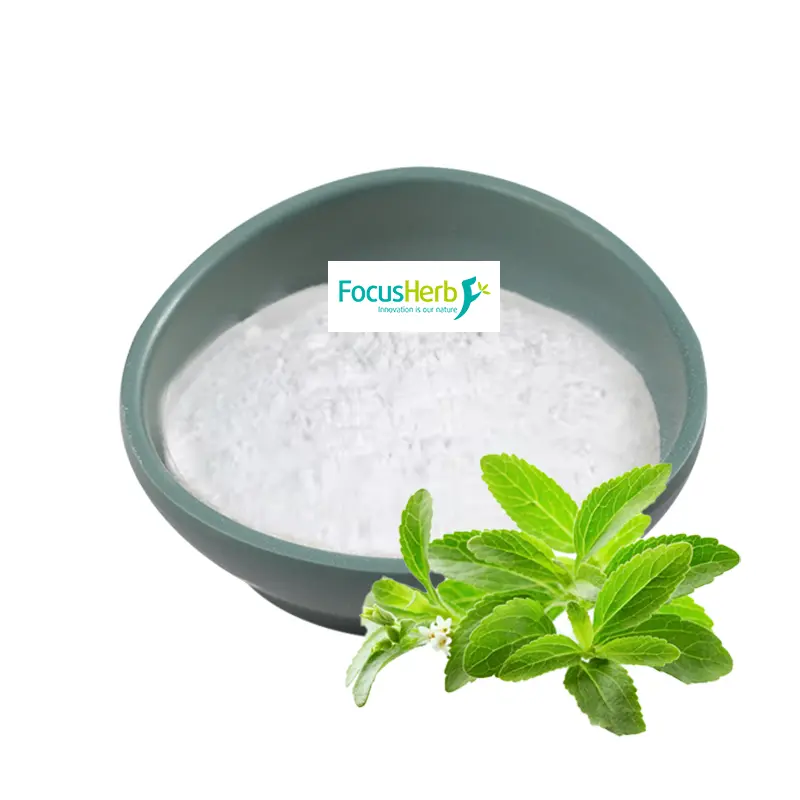
Differentiating Advantages from Sucrose
In today’s pursuit of healthy eating, the high calorie content and blood sugar fluctuations of sucrose are receiving increasing attention. Stevioside, however, precisely address these shortcomings. From a calorie perspective, while sucrose provides energy, excessive intake leads to fat accumulation, increasing the risk of obesity and potentially triggering a series of chronic diseases such as cardiovascular disease and diabetes. Steviosides, on the other hand, produce almost no calories, ensuring minimal calorie intake. For those who need to control their weight and prevent obesity, it is an excellent alternative to sucrose. Fitness enthusiasts can replace traditional sugary drinks with beverages containing steviol in their daily diet, enjoying the sweetness without worrying about excessive calories affecting their fitness results.
Regarding its impact on blood sugar, sucrose is rapidly broken down into glucose after entering the body, causing a rapid rise in blood sugar. This is extremely detrimental to diabetic patients and those with weak blood sugar regulation. Stevioside do not participate in human metabolism and do not cause fluctuations in blood sugar. Diabetics can satisfy their sweet cravings by consuming foods containing steviol in moderation while helping to maintain stable blood sugar levels. Stevioside also have excellent dental protective properties. Sucrose is easily broken down by bacteria in the mouth, producing acid that erodes teeth and increases the risk of cavities. Stevioside, however, are not utilized by oral bacteria, effectively reducing the acidic environment in the mouth and protecting dental health, making them particularly suitable for children and those who value oral health.
Safety Analysis of Stevioside
(I) Safety Certification from Authoritative Institutions
The safety of steviol glycosides has been recognized and endorsed by numerous authoritative institutions worldwide. The U.S. Food and Drug Administration (FDA), after rigorous scientific evaluation, approved steviol glycosides for use as a safe sweetener in the food industry. The European Food Safety Authority (EFSA) has also conducted in-depth research on the safety of steviol glycosides, confirming that it has no adverse effects on human health within the prescribed usage range. The Joint FAO/WHO Expert Committee on Food Additives (JECFA) has also listed steviol glycosides as a safe food additive and established an acceptable daily intake (ADI) of 0-4 mg/kg body weight. This means that for a 60 kg adult, a daily intake of no more than 240 mg of steviol glycosides is safe.
A large amount of scientific experimental data also provides strong support for the safety of steviol glycosides. Acute toxicity tests showed that the median lethal dose (LD50) of stevioside in mice via oral ingestion was greater than 16 g/kg, far exceeding the generally accepted safe dose standard, indicating that stevioside has extremely low acute toxicity. Long-term toxicological studies also showed that no significant toxic reactions were observed in experimental animals with long-term stevioside intake, including damage to vital organs such as the liver, kidneys, and cardiovascular system, nor were any carcinogenic, teratogenic, or mutagenic risks found.
(II) Harmless in Moderation vs. Risk of Overdose
In moderate amounts, stevioside is not only safe but also has certain health benefits. It is not utilized by oral bacteria, reducing the production of acidic substances in the mouth, thus effectively preventing tooth decay and protecting dental health. For gut health, stevioside can act as a prebiotic, promoting the growth and reproduction of beneficial bacteria such as Bifidobacteria in the gut, improving the gut microecological environment, enhancing intestinal digestion and absorption, and maintaining normal intestinal physiological functions.
However, excessive intake of stevioside may also lead to some negative effects. Some people may experience gastrointestinal discomfort, such as bloating, abdominal pain, and diarrhea. This is because excessive steviosides may alter the osmotic pressure in the intestines, affecting normal intestinal motility and digestion. A small number of people may also be allergic to steviosides, experiencing allergic reactions such as rashes, itching, and shortness of breath. Although such allergic reactions are rare, they remind us to pay attention to individual differences when using steviosides. For example, people sensitive to plant components should consume small amounts of foods containing steviosides for the first time, observe their body’s reaction, and only consume them normally after confirming there are no allergic symptoms.
 Health Benefits and Applications of Steviosides
 Health Benefits and Applications of Steviosides
(I) Core Health Values
Blood Glucose Management Assistance: Steviosides are a boon for people with diabetes or impaired glucose tolerance. Because they do not raise blood sugar levels, these individuals can safely use them to replace sucrose in their daily diet, effectively reducing refined sugar intake and thus helping to stabilize post-meal blood sugar. For example, when making drinks or desserts, replacing the added sucrose with steviol can satisfy their craving for sweetness while avoiding significant fluctuations in blood sugar. However, it must be clear that steviolsides only play an auxiliary role and should never replace regular medication. Diabetic patients should still follow their doctor’s advice and closely monitor their blood sugar when consuming foods containing steviolsides.
Weight Control Support: Among those trying to lose weight, steviolsides have become a popular sweetener due to their zero-calorie properties. It can replace traditional sugars in sugary drinks and desserts, allowing those trying to lose weight to enjoy sweet flavors while significantly reducing their daily calorie intake. Long-term consistent use may also help improve indicators related to metabolic syndrome, such as regulating blood lipids, normalizing cholesterol and triglyceride levels, stabilizing blood pressure, and reducing vascular pressure, thus contributing to overall health.
Oral Health Protection: Stevioside also plays a positive role in oral health. Its non-fermentable nature prevents it from being utilized by oral bacteria, avoiding bacterial acid production that erodes tooth enamel and reducing the risk of tooth decay at its source. Sugar-free foods containing steviol, such as chewing gum and beverages, not only provide a sweet taste but also stimulate saliva production, helping to clean the mouth and further reducing the incidence of tooth decay, making them an ideal choice for children and adolescents to protect their teeth.
(II) Food Industry Application Scenarios
Steviol is ubiquitous in the food industry. In the beverage industry, steviol is added to sugar-free cola, allowing it to maintain a refreshing taste while achieving zero sugar and zero calories, satisfying consumers’ pursuit of healthy drinks. Various functional beverages often utilize steviol to add sweetness while highlighting their health benefits, attracting health-conscious consumers. In baked goods, cakes and cookies are increasingly using steviol to replace some sucrose, allowing baking enthusiasts to enjoy these products without worrying about excessive sugar and calorie intake. In the health supplement industry, steviol is used in dietary supplements, providing a sweet option for those with specific health needs. Even condiments such as salad dressings and candied fruits rely on steviol to impart a just-right sweetness.
Steviol is also frequently used in combination with other sweeteners. When combined with fructose, the delicate sweetness of fructose complements the high sweetness of steviol, enhancing the synergistic effect and making the sweetness more natural. When combined with sorbitol, it improves the texture and flavor profile; the rich taste of sorbitol can compensate for any unpleasant aftertastes of steviol, resulting in a richer and more rounded overall flavor profile.
Recommendations for Special Populations
(I) Scientific Dosage for Applicable Populations
Ordinary adults should follow scientific dosage recommendations when enjoying the sweet taste of steviol glycosides. The daily intake should generally not exceed 4 mg/kg body weight. For example, a 70 kg adult would need approximately 280 mg of steviol glycosides daily. This satisfies their craving for sweetness while ensuring that the health benefits of steviol glycosides are fully realized within a safe range.
Children are in a rapid growth and development stage with a high metabolic rate and a greater need for nutrients. However, the functions of their organs and systems are not yet fully mature, especially their digestive system and kidney function, which are relatively weak. Therefore, parents must be cautious when children consume foods containing steviol glycosides. It is recommended to consult a doctor first and strictly follow the doctor’s specific recommendations based on the child’s age, weight, physical condition, and other individual factors. For example, children aged 4-6 are advised to limit their daily intake of sugar-free soft drinks to no more than 150 ml, and should avoid long-term, excessive consumption of foods containing stevioside to prevent potential health risks.
Pregnant and breastfeeding women have unique physical conditions. They not only need to maintain their own physiological needs but also provide sufficient nutrition for the fetus or infant. During this period, pregnant women experience a series of metabolic changes, becoming more sensitive to the intake and metabolism of various substances; the diet of breastfeeding women directly affects the composition and quality of breast milk, thus impacting the infant’s growth and development. Therefore, pregnant and breastfeeding women must consult a professional doctor before considering consuming foods containing stevioside. The doctor will comprehensively assess their physical condition, dietary habits, and the potential impact of stevioside on maternal and infant health, providing personalized and reasonable advice to ensure the safety of both mother and child.
(II) Risk Avoidance and Product Selection
When choosing stevioside products, it is essential to select products manufactured by reputable manufacturers. Reputable manufacturers typically possess complete production processes and strict quality control systems, ensuring product quality and safety. High-purity steviol glycoside products (purity ≥95%) are the ideal choice, as this reduces the intake of impurities and lowers potential risks. Avoid compound preparations containing preservatives or other chemical additives, as these additives may have adverse effects on health, especially for certain populations.
If you experience persistent abdominal pain, rash, or other abnormal reactions after consuming foods containing steviol glycosides, stop consuming them immediately and seek medical attention. Persistent abdominal pain may indicate that steviol glycosides are irritating the gastrointestinal tract, causing gastrointestinal dysfunction; a rash may be a manifestation of an allergic reaction to steviol glycosides. Seeking medical attention promptly allows doctors to accurately diagnose the cause and implement appropriate treatment measures to prevent symptoms from worsening and protect your health.
A Rational View of Steviosides: Balance and Moderation are Key
In the pursuit of healthy eating, steviosides, as an outstanding representative of natural sweeteners, have emerged in health management scenarios such as blood sugar control and weight loss due to their high sweetness, low calories, and glycemic friendliness, offering people the possibility of enjoying sweetness without harming their health. However, we must be clear that the safety and health benefits of steviosides are based on the premise of “moderate use.”
For consumers, when enjoying the sweet experience brought by steviosides, it is essential to make reasonable choices based on their own health conditions. For example, while steviosides do not cause blood sugar fluctuations, diabetic patients should not consume foods containing steviosides without restraint. They should still follow their doctor’s advice and use it as an auxiliary means of blood sugar management. Fitness enthusiasts using steviosides to control calorie intake should also be careful not to over-rely on them because of their low calorie content, neglecting the balance of their diet.
From a broader perspective, steviosides should never completely replace the role of natural fruits and vegetables in daily diets. Natural fruits and vegetables are rich in various vitamins, minerals, dietary fiber, and other nutrients, all of which are essential for maintaining normal physiological functions. For example, apples are rich in pectin and other dietary fiber, which helps with intestinal motility and digestion; oranges are rich in vitamin C, which can boost immunity. Stevioside, however, is merely a sweetener and cannot provide these comprehensive nutrients. Therefore, consumers should consider steviolside as an auxiliary tool for dietary regulation, not the entirety of a healthy diet.
