




Dihydroquercetin, also known as piperidin, is a natural flavonoid belonging to the vitamin P group. Its chemical name is 3,3′,4′,5,7-pentahydroxyflavone, possessing a unique molecular structure containing five phenolic hydroxyl groups, which forms the core structural basis for its potent antioxidant capabilities.
In appearance, dihydroquercetin appears as colorless needle-like crystals with a melting point of 240°C. Regarding solubility, it is readily soluble in ethanol, acetic acid, and boiling water, but poorly soluble in cold water and benzene. These physicochemical properties determine its applications in various fields, such as in pharmaceutical preparations where its ethanol solubility is utilized to manufacture related drugs.
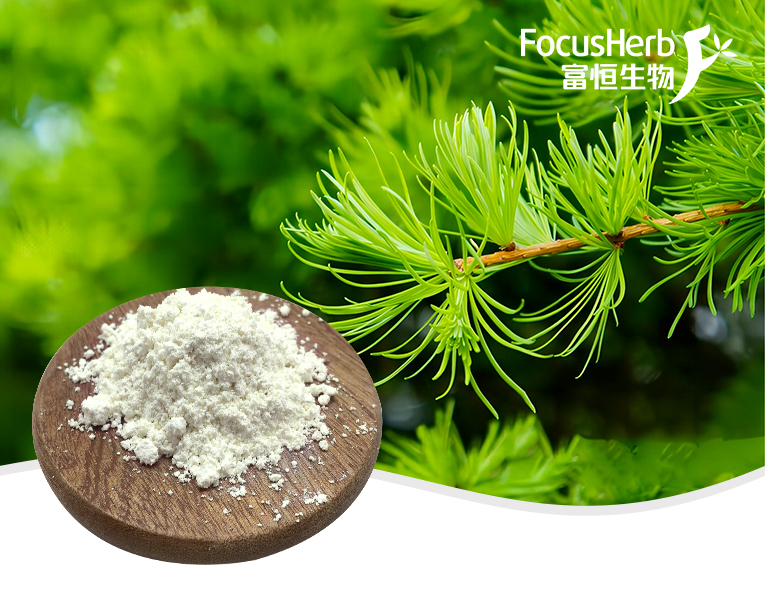
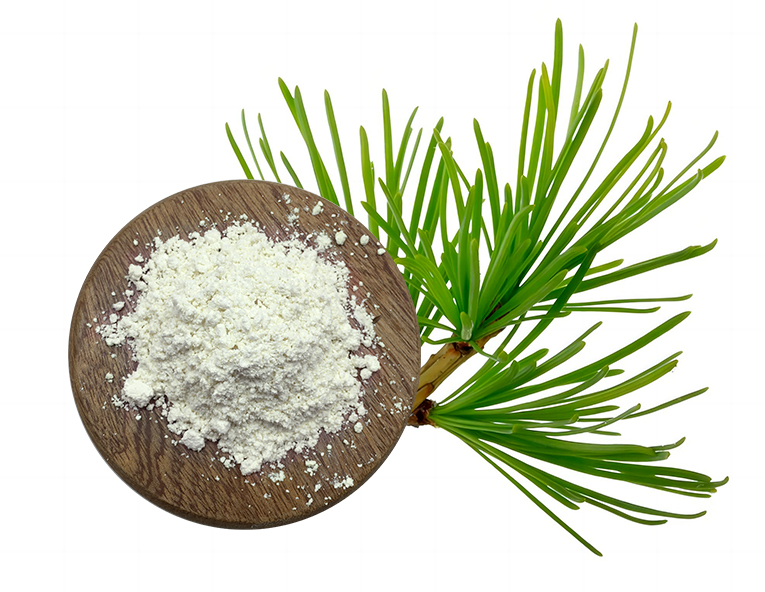
Dihydroquercetin is primarily extracted from the roots of pine trees such as larch and Douglas fir, with a content of approximately 2%-3% in these plants. Due to the long growth cycle of the plants from which it originates and the complexity of the extraction process, the global annual production of dihydroquercetin is relatively scarce. This highlights its preciousness and value in related research and applications.
Overview of Core Bioactivities
Dihydroquercetin possesses a wide range of potent bioactivities, playing a crucial role in multiple dimensions, including antioxidant, anti-inflammatory, antibacterial, immunomodulatory, and metabolic improvement.
Antioxidant activity is one of the key characteristics of dihydroquercetin. Like a “scavenger,” it efficiently eliminates destructive free radicals in the body, inhibiting oxidative stress and protecting cells from oxidative damage. This is significant for delaying the aging process and preventing various chronic diseases. Simultaneously, dihydroquercetin also exhibits significant anti-inflammatory and antibacterial activity, inhibiting the release of inflammatory factors, reducing inflammatory responses, and showing strong inhibitory effects against various bacteria such as Staphylococcus aureus and Escherichia coli, helping to enhance the body’s ability to resist disease.
In terms of immunomodulation, dihydroquercetin can bidirectionally regulate immune function, both enhancing the phagocytic activity of macrophages and improving the body’s immune defense capabilities, and inhibiting excessive immune responses, maintaining the balance of the immune system. It can also improve insulin resistance and regulate glucose and lipid metabolism by activating related signaling pathways, potentially playing a positive role in the prevention and improvement of metabolic diseases such as metabolic syndrome and type 2 diabetes.
Among these rich bioactivities, antioxidant and anti-inflammatory activities are the core foundation of its role in protecting cardiovascular health. In the cardiovascular system, excessive free radicals can trigger oxidative stress, damage vascular endothelial cells, and promote inflammatory responses, leading to cardiovascular diseases such as atherosclerosis and hypertension. Dihydroquercetin, with its antioxidant and anti-inflammatory capabilities, can effectively scavenge free radicals in blood vessels, reduce the damage of inflammation to blood vessels, and maintain the normal function and structure of blood vessels. Furthermore, its excellent performance in regulating blood lipids and improving vascular function provides key material support for the prevention of cardiovascular diseases, helping to reduce the risk of cardiovascular disease and protect people’s cardiovascular health.
 The Core Mechanism of Dihydroquercetin’s Cardiovascular Protection
 The Core Mechanism of Dihydroquercetin’s Cardiovascular Protection
1 Improving Vascular Endothelial Function and Maintaining Vascular Homeostasis
Vascular endothelial cells act as the “inner guardians” of the cardiovascular system, and their health directly affects the normal functioning of the cardiovascular system. Dihydroquercetin plays a crucial role in maintaining vascular endothelial function. It acts as an “activator,” promoting the synthesis and release of nitric oxide (NO) by vascular endothelial cells. NO is a master of vascular relaxation; once released, it rapidly diffuses into vascular smooth muscle cells, activating guanylate cyclase, increasing intracellular cyclic guanosine monophosphate (cGMP) levels, and thus relaxing vascular smooth muscle. This relaxing effect is significant; it reduces vascular resistance, maintains blood pressure within a normal range, ensures smooth blood flow, and greatly reduces the incidence of cardiovascular disease.
In an experiment on a hypertensive animal model, after administering dihydroquercetin, researchers were surprised to find that the release of nitric oxide from the vascular endothelial cells of the experimental animals significantly increased, vascular resistance decreased markedly, and blood pressure gradually stabilized. This experimental result strongly demonstrates the effectiveness of dihydroquercetin in improving vascular endothelial function and regulating blood pressure by promoting NO release.
Meanwhile, dihydroquercetin also possesses the ability to act as an “inhibitor,” suppressing the production of harmful factors by vascular endothelial cells, including endothelin-1 (ET-1). ET-1 is a potent vasoconstrictor; excessive production can lead to vasoconstriction and a sharp increase in blood pressure. By inhibiting ET-1 production, dihydroquercetin acts like a switch that limits vasoconstriction, helping to maintain the balance of vascular endothelial cell function and building a solid defense against cardiovascular disease.
2 Regulating Lipid Metabolism and Inhibiting Atherosclerosis
Dyslipidemia is a significant trigger for cardiovascular disease, and dihydroquercetin demonstrates excellent performance in regulating lipid metabolism and inhibiting atherosclerosis. It acts like a “lipid regulation master,” lowering blood levels of total cholesterol (TC), triglycerides (TG), and low-density lipoprotein cholesterol (LDL-C) through multiple pathways.
Inhibiting synthesis at its source is one of the key mechanisms by which dihydroquercetin regulates blood lipids. It can inhibit the synthesis of cholesterol and triglycerides in the liver. For example, fatty acid synthase (FAS) plays a crucial role in fatty acid synthesis, and dihydroquercetin can precisely inhibit FAS activity, reducing fatty acid synthesis and thus significantly lowering triglyceride levels. In experiments on hyperlipidemic animal models, the use of dihydroquercetin significantly inhibited FAS activity in the liver and drastically reduced triglyceride levels, demonstrating the powerful ability of dihydroquercetin to inhibit lipid synthesis.
Dihydroquercetin also actively promotes lipid catabolism. For LDL-C, it promotes liver uptake and metabolism, acting as a pathway to clear “lipid waste” from blood vessel walls, preventing LDL-C deposition and effectively reducing the risk of atherosclerosis.
Notably, dihydroquercetin also increases high-density lipoprotein cholesterol (HDL-C) levels. HDL-C, known as a “vascular cleanser,” has a reverse cholesterol transport function, transporting cholesterol from blood vessel walls to the liver for metabolism, playing a crucial protective role in the cardiovascular system. By increasing HDL-C levels, dihydroquercetin further enhances its function in regulating lipid metabolism and inhibiting atherosclerosis, providing more comprehensive protection for cardiovascular health.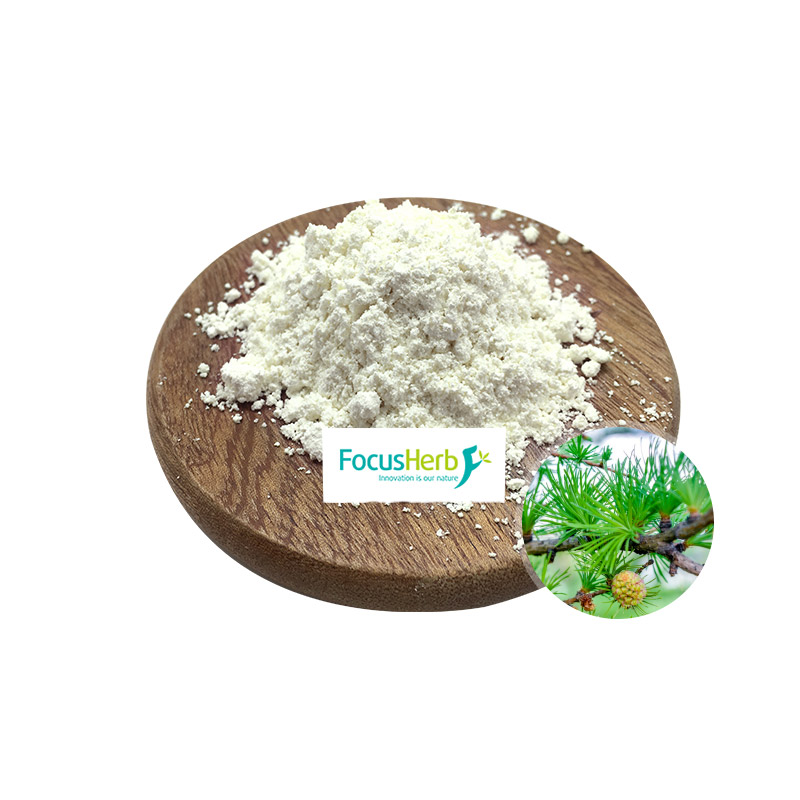
3 Anti-platelet aggregation and anti-thrombosis, reducing the risk of cardiovascular events
Platelet aggregation and thrombosis are key factors leading to serious cardiovascular events such as myocardial infarction and stroke. Dihydroquercetin acts like a “thrombosis nemesis,” playing a vital role in anti-platelet aggregation and anti-thrombosis.
Dihydroquercetin can interfere with signal transduction pathways within platelets, acting like a roadblock on the platelet’s “signal highway,” preventing signals from being transmitted smoothly. For example, phospholipase C (PLC) plays a crucial role in platelet activation. Dihydroquercetin can inhibit PLC activity, reducing the release of aggregation-promoting substances such as adenosine diphosphate (ADP) and thromboxane A2 (TXA2) from platelets. These aggregation-promoting substances act as “catalysts” for platelet aggregation; reducing their release significantly decreases the likelihood of platelet aggregation.
In in vitro platelet aggregation experiments, researchers observed that the addition of dihydroquercetin significantly inhibited platelet aggregation under the influence of various inducers (such as ADP, collagen, and thrombin), exhibiting a concentration-dependent effect—the higher the concentration of dihydroquercetin, the more significant the inhibitory effect.
Dihydroquercetin can also inhibit the activity of coagulation factors. Thrombin is a key factor in the coagulation process. Dihydroquercetin may inhibit thrombin, reducing thrombin-induced fibrinogen-to-fibrin conversion and fundamentally inhibiting thrombus formation. This dual effect of antiplatelet aggregation and antithrombotic action acts like double insurance for the cardiovascular system, effectively preventing thrombotic events in cardiovascular diseases, reducing the risk of cardiovascular events, and safeguarding people’s health.
4 Synergistic Antioxidant and Anti-inflammatory Effects, Delaying Vascular Disease Progression
Oxidative stress and inflammation are two major culprits in the occurrence and development of cardiovascular diseases, and dihydroquercetin, with its powerful antioxidant and anti-inflammatory capabilities, has become a powerful weapon against these two culprits.
Dihydroquercetin possesses strong antioxidant properties; it acts like a “free radical cleaner,” effectively scavenging free radicals in blood vessels, such as superoxide anions and hydroxyl radicals. These free radicals are highly active and have strong oxidizing properties; they attack various substances in blood vessels, including low-density lipoprotein (LDL). When free radicals oxidize and modify LDL, oxidized LDL (ox-LDL) is formed, a key pathogenic factor in atherosclerosis. Ox-LDL is taken up by macrophages, which then engulf it and gradually transform into foam cells. The aggregation of numerous foam cells leads to the formation of atherosclerotic plaques. Dihydroquercetin, by scavenging free radicals, prevents the oxidation of LDL, thus inhibiting the occurrence of atherosclerosis at its source.
Inflammation also plays a significant role in cardiovascular disease. Dihydroquercetin also has a significant anti-inflammatory effect, inhibiting the release of inflammatory factors such as interleukin-1β (IL-1β), interleukin-6 (IL-6), and tumor necrosis factor-α (TNF-α). These inflammatory factors act like a group of “destructive molecules,” promoting damage to vascular endothelial cells and inflammatory responses, accelerating the progression of cardiovascular disease. Dihydroquercetin reduces inflammatory damage to the vascular endothelium by inhibiting the release of these inflammatory factors, effectively “pausing” the diseased blood vessels and slowing the progression of cardiovascular disease.
In animal models of atherosclerosis, after administration of dihydroquercetin, researchers found a significant reduction in intravascular free radical levels and a substantial decrease in the expression levels of inflammatory factors. The formation of atherosclerotic plaques was effectively inhibited, and the progression of vascular lesions was significantly slowed. This fully demonstrates the powerful synergistic effect of dihydroquercetin’s antioxidant and anti-inflammatory properties, providing comprehensive protection for cardiovascular health.
Safety Applications and Precautions of Dihydroquercetin
 Safety Applications and Precautions of Dihydroquercetin
1 Suitable Population and Potential Contraindications
Dihydroquercetin is suitable for a wide range of people. For high-risk groups of cardiovascular disease, such as those with a family history of cardiovascular disease, long-term smoking and alcohol abuse, or underlying conditions like diabetes or obesity, dihydroquercetin can exert antioxidant, lipid-regulating, and vascular endothelial function-improving effects, reducing the risk of cardiovascular disease and providing potential support for maintaining cardiovascular health.
Sub-healthy individuals with dyslipidemia or high blood pressure are also suitable for dihydroquercetin intake. It can regulate lipid metabolism, lowering levels of total cholesterol, triglycerides, and LDL cholesterol in the blood, while increasing HDL cholesterol levels. Simultaneously, it can promote the release of nitric oxide from vascular endothelial cells, relax vascular smooth muscle, regulate blood pressure, and help improve the physical condition of these individuals.
General populations who wish to improve vascular health and prevent cardiovascular disease through natural ingredients can also appropriately supplement with dihydroquercetin. Increasing the intake of foods rich in dihydroquercetin in daily diet, such as apples, onions, and green tea, can provide some protection for vascular health.
However, dihydroquercetin is not suitable for everyone. Pregnant and breastfeeding women should avoid its use. Current research on the safety of dihydroquercetin in these two groups is insufficient, and it may have potential effects on fetal or infant development. For the health of both mother and child, caution is necessary. Individuals with allergies should also be especially careful, as dihydroquercetin may trigger allergic reactions. If you have a history of allergies to flavonoids or related foods, you must undergo an allergy test before using dihydroquercetin to ensure safety.
2 Usage Recommendations and Risk Warnings
When using dihydroquercetin, a scientific and rational approach should be followed. Daily supplementation is primarily recommended through dietary intake. A balanced diet rich in dihydroquercetin, including foods such as fruits, vegetables, legumes, and teas mentioned earlier, can meet the body’s nutritional needs while ensuring safe dihydroquercetin intake.
If taking therapeutic doses of dihydroquercetin through supplements or other forms, it is essential to do so under the guidance of a professional physician. The doctor will comprehensively assess factors such as the individual’s physical condition, medical history, and other medications being taken to determine the appropriate dosage and usage plan, ensuring safety and effectiveness.
Before long-term, high-dose use of dihydroquercetin, it is crucial to consult a professional physician and fully assess the risk-benefit ratio. While dihydroquercetin is beneficial for cardiovascular health, excessive use may pose some potential risks. It has a certain antiplatelet aggregation effect; if taken concurrently with anticoagulants (such as warfarin and aspirin), it may increase the risk of bleeding, and in severe cases, even lead to dangerous conditions such as internal bleeding.
Some individuals may experience adverse reactions such as gastrointestinal discomfort, nausea, vomiting, and diarrhea after using dihydroquercetin. This may be due to dihydroquercetin irritating the gastrointestinal mucosa and interfering with normal peristalsis and digestive function. If these symptoms occur, discontinue use immediately and seek medical attention promptly. Describe the symptoms and usage history in detail to your doctor for diagnosis and treatment.
When using dihydroquercetin, it is also important to adjust your lifestyle, maintaining a balanced diet, moderate exercise, and sufficient sleep. These habits help strengthen the body’s immunity, promote overall health, and better leverage the protective effects of dihydroquercetin on cardiovascular health.
 Summary and Outlook
 Summary and Outlook
1 Summary of Core Value
Dihydroquercetin, as a precious natural active ingredient, demonstrates outstanding value in maintaining cardiovascular health. Through multiple mechanisms of action, including improving vascular endothelial function, regulating lipid metabolism, inhibiting platelet aggregation and thrombosis, and possessing antioxidant and anti-inflammatory properties, it acts as a robust defense, comprehensively protecting the normal functioning of the cardiovascular system.
From free radical scavenging at the molecular level to vascular endothelial cell protection at the cellular level, and lipid regulation and thrombosis prevention at the organ level, dihydroquercetin’s effects permeate all levels of the cardiovascular system. It not only reduces the risk of cardiovascular disease but also has potential adjunctive therapeutic value for individuals already experiencing cardiovascular problems. In our daily diet, numerous foods rich in dihydroquercetin provide a natural and safe route of intake, making it an excellent natural choice for preventing cardiovascular disease.
2 Research and Application Outlook
Although dihydroquercetin has achieved certain research results in the field of cardiovascular health, there is still vast potential for its development to be explored. In terms of research, current clinical research data is relatively limited, and more large-scale, multi-center, long-term clinical trials are needed in the future. These trials will further clarify the optimal dosage, duration of treatment, and potential adverse reactions of dihydroquercetin in the treatment of cardiovascular diseases, accurately revealing its dose-response relationship and providing stronger data support for clinical applications.
In terms of application, based on the natural, safe, and effective characteristics of dihydroquercetin, more targeted functional foods and pharmaceuticals can be actively developed. For example, nutritional supplements rich in dihydroquercetin can be developed to meet the daily health needs of specific populations, such as high-risk groups for cardiovascular diseases; or it can be scientifically compounded with other cardiovascular protective ingredients to develop novel drugs for treating cardiovascular diseases. Simultaneously, as people’s attention to health foods continues to increase, dihydroquercetin is also expected to expand its applications in functional beverages, meal replacement foods, and other fields, providing the public with more options for maintaining cardiovascular health. It is believed that in the future, with the continuous deepening of research and the sustained expansion of applications, dihydroquercetin will play a more important role in the field of cardiovascular health and make a greater contribution to human health.
