





Flaxseed, the seed of this ancient and magical herb, occupies a unique place in the long history of humankind. It is not only a source of high-quality oil but also a treasure trove of various precious nutrients. Flaxseed gum, hidden within the outer shell or inside the seed, has been extracted from flaxseed for thousands of years. Only with the intervention of modern technology has it been able to be precisely extracted, gradually gaining public attention and becoming a new favorite in the food, pharmaceutical, and daily chemical industries.
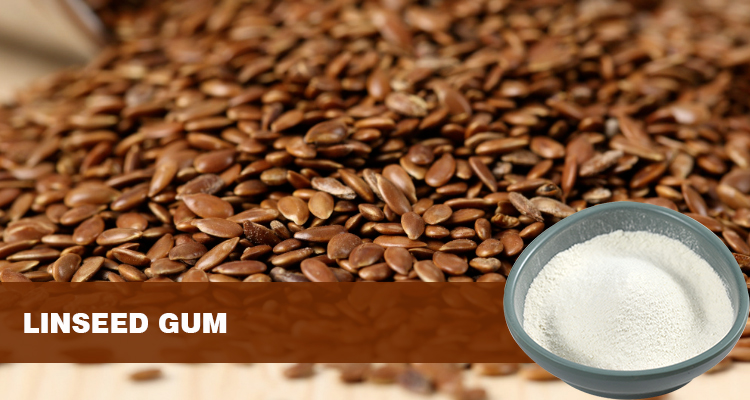
Flaxseed gum is essentially a natural high-molecular-weight hydrophilic colloid, appearing as yellow granular crystals or a white to off-white powder, emitting a faint sweet aroma when dry. Analyzing its composition, its core components are water-soluble dietary fiber, along with acidic polysaccharides, neutral polysaccharides, and a small amount of protein. This unique combination of components gives it excellent functional properties. In the food industry, consumers’ pursuit of natural and healthy foods has reached unprecedented levels; they desire to ingest beneficial nutrients while enjoying delicious food. As a natural source of dietary fiber, flaxseed gum meets consumers’ health demands, bringing new development opportunities to the food industry. In the pharmaceutical industry, with increasing focus on drug safety and functionality, natural pharmaceutical excipients and functional food ingredients are gaining popularity. Flaxseed gum, with its physiologically active properties, shows great potential in pharmaceutical formulations and health product development.
Dietary fiber, a special type of carbohydrate, cannot be digested and absorbed by the human small intestine, but it plays an indispensable role in human health. It promotes intestinal peristalsis, increases stool volume, and prevents constipation; regulates intestinal flora balance and enhances intestinal immunity; and can also lower blood sugar and blood lipids, preventing cardiovascular diseases. The dietary fiber component in flaxseed gum is key to its numerous functions. In food applications, its dietary fiber properties, along with its water-retention, emulsifying, and gelling properties, synergistically improve the texture, taste, and stability of food. In meat products, dietary fiber not only enhances health by regulating intestinal function but also improves meat quality through its oil-retention, water-retention, and emulsifying stabilizing properties. In the pharmaceutical and daily chemical fields, the physiological activity of dietary fiber and its film-forming and thickening properties provide innovative ideas for product development. In-depth research on the dietary fiber components of flaxseed gum can provide a solid theoretical basis for its efficient application in multiple fields, and help the green and healthy development of related industries.
 Analysis of the Core Components of Natural Dietary Fiber in Flaxseed Gum
 Analysis of the Core Components of Natural Dietary Fiber in Flaxseed Gum
1 Main Polysaccharide Composition and Structural Characteristics of Dietary Fiber
The dietary fiber in flaxseed gum is mainly composed of anionic heteropolysaccharides, primarily consisting of four monosaccharides: galactose (20%/30%), glucose (30%/40%), arabinose (20%/30%), and rhamnose (10%/20%). These monosaccharides are not randomly combined but linked by specific glycosidic bonds to form complex molecular structures. Studies have shown that their molecular structure is mainly linked by β-1,4 and α-1,6 glycosidic bonds. β-1,4 glycosidic bonds impart a certain linear structure to the molecule, while α-1,6 glycosidic bonds introduce branches at appropriate positions, forming a small number of branched structures. This unique linkage allows the polysaccharide chains to exhibit an irregular spatial extension, ensuring molecular flexibility and providing a basis for their dispersion and interaction in aqueous solutions.
This polysaccharide composition is the core basis for the water-soluble dietary fiber properties of flaxseed gum. The differences in chemical properties and spatial conformations of various monosaccharides collectively determine the easy dispersibility and high viscosity of flaxseed gum in aqueous solutions. The hydroxyl structures of galactose and glucose give them strong hydrophilicity, enabling them to form hydrogen bonds with water molecules, thus promoting rapid dispersion of flaxseed gum in water. The branched structures formed by arabinose and rhamnose increase intermolecular friction, significantly increasing the viscosity of the solution. The dietary fiber polysaccharides in flaxseed gum do not have a fixed degree of polymerization; their molecular formula is (C₆H₁₀O₅)ₙ, where the n value fluctuates depending on the extraction process and raw material source, resulting in a relatively wide molecular weight distribution, classifying it as a natural polysaccharide dietary fiber.
2 Synergistic Structural System of Dietary Fiber and Other Components
The dietary fiber in flaxseed gum does not exist in isolation but forms a three-dimensional network structure with proteins (approximately 8%) through complex chemical bonds. Proteins play a crucial role in flaxseed gum systems. They not only endow flaxseed gum with certain biological activities but also intertwine with dietary fiber polysaccharide chains, providing structural support for the entire colloid’s function. From a microscopic perspective, amino acid residues in protein molecules interact with hydroxyl and carboxyl groups on polysaccharide chains through hydrogen bonds, ionic bonds, and even covalent bonds, forming stable binding sites. This binding allows proteins to act as “bridges,” connecting different polysaccharide chains and constructing a complex three-dimensional network.
In meat processing, when flaxseed gum is added to a meat paste system, the three-dimensional network structure formed by its dietary fiber and protein effectively encapsulates fat and water in the meat. The hydrophilicity of dietary fiber allows it to absorb a large amount of water, increasing the water-holding capacity of the meat paste and reducing water loss during cooking. Meanwhile, the interaction between proteins and meat proteins enhances the emulsification stability of the system, preventing fat droplets from agglomerating and floating, thereby improving the quality of meat products, making them more tender and juicy, and with a firmer and more uniform texture. In baked goods, this structural system of flaxseed gum can improve the rheological properties of dough, increase its elasticity and extensibility, delay starch aging, and extend the shelf life of baked goods such as bread, allowing consumers to enjoy fresh and delicious baked goods for a longer period of time.
Key Functional Properties of Flaxseed Gum Endowed with Dietary Fiber
1 Water Solubility and Rheological Properties: Core Advantages in Processing Applications
As a water-soluble dietary fiber, flaxseed gum exhibits outstanding water solubility, a significant characteristic that distinguishes it from many other dietary fibers and plant gums. In practical applications, flaxseed gum powder, when added to cold water, disperses rapidly without heating, simply through stirring. Under the influence of water molecules, the polysaccharide chains fully extend and tightly bind with water molecules, forming a uniform, stable, high-viscosity colloidal solution in a short time. Research data shows that, under the same conditions, the solubility of flaxseed gum in cold water can reach over 90%, while the solubility of guar gum in cold water is only 60%-70%, and locust bean gum is even lower, at approximately 40%-50%. The solubility advantage of flaxseed gum is obvious.
The rheological properties of flaxseed gum solutions are quite unique, exhibiting typical shear-thinning phenomena. When subjected to shear forces such as stirring or pumping, the molecular structure of the solution changes. The polysaccharide chains, originally entangled and forming a high-viscosity state, gradually untangle under shear force, reducing intermolecular friction and causing a rapid decrease in viscosity and increased fluidity, facilitating transport and mixing during processing. When the external shear force disappears and the solution is allowed to stand for a period, the molecular chains gradually return to their original entangled state, and the viscosity increases again. In beverage production, the addition of flaxseed gum, through stirring and applying shear force during bottling and pumping, reduces the solution viscosity, facilitating pipeline transport and improving production efficiency. After bottling, the viscosity recovers during standing, effectively preventing the sedimentation of particulate matter and maintaining a good product appearance and taste.
Flaxseed gum solutions also exhibit excellent salt resistance and a wide pH range. In high-salt environments, such as those found in pickled foods and soy sauce, the viscosity of most colloids is significantly affected, even leading to flocculation and precipitation. However, flaxseed gum remains stable. Its molecular structure, with its polysaccharide chains and proteins, resists interference from salt ions through specific interactions, maintaining the high viscosity of the solution. Within a pH range of 2-10, whether in highly acidic fruit juices (pH approximately 2-4) or certain alkaline food systems, flaxseed gum solutions remain stable, without significant viscosity changes or structural damage, providing a solid guarantee for its application in complex food processing systems.
2 Physiological Activity Functions: The Health Value of Dietary Fiber
The water-soluble dietary fiber in flaxseed gum plays multiple important roles in human physiological health, exhibiting clear and significant physiological effects. In terms of intestinal microecological regulation, it acts like a diligent “guardian,” precisely regulating the balance of intestinal flora. Once dietary fiber enters the human gut, it becomes excellent “food” for beneficial bacteria (such as Bifidobacteria and Lactobacilli), providing them with abundant nutrients and promoting their proliferation, allowing them to dominate the gut. Simultaneously, dietary fiber inhibits the growth of putrefactive bacteria such as Escherichia coli and Clostridium perfringens, reducing the harmful substances they produce, such as indole and hydrogen sulfide. This effectively improves the gut health environment, enhances gut immunity, and reduces the risk of intestinal diseases.
Flaxseed gum also plays a crucial role in blood sugar and lipid regulation. After consumption, it forms a viscous “protective film” in the intestines. This film acts as a barrier, slowing down the absorption of glucose, resulting in a smoother and more stable rise in blood sugar, preventing rapid fluctuations. This effect is particularly important for diabetic patients or those concerned about their blood sugar health. Dietary fiber can also bind with cholesterol, promoting its excretion and reducing the body’s absorption of cholesterol. It also inhibits cholesterol synthesis in the liver, thus helping to lower blood cholesterol levels and reduce the risk of cardiovascular diseases such as atherosclerosis.
Flaxseed gum contains extremely low-calorie dietary fiber, almost negligible. This is undoubtedly a boon for those pursuing a healthy diet, controlling calorie intake, and preventing obesity and metabolic syndrome. While meeting people’s requirements for food taste and quality, it avoids health problems caused by excessive calorie intake, truly achieving a perfect combination of deliciousness and health. This makes it an ideal choice for the development of healthy food ingredients, meeting the current urgent needs of consumers for healthy foods.
3 Colloidal Synergistic and Stable Properties: Expanding Processing Adaptability
The dietary fiber structure in flaxseed gum allows it to exhibit remarkable synergistic effects when compounded with other colloids. When flaxseed gum is compounded with xanthan gum, their molecular chains intertwine and entangle through hydrogen bonds, electrostatic interactions, etc., forming a more compact and stable network structure. This composite structure not only significantly increases the viscosity of the solution, making its thickening effect far superior to that of a single colloid, but also enhances the stability of the system, maintaining good performance under different temperature and pH conditions. In yogurt production, the addition of a compound colloid of flaxseed gum and xanthan gum effectively prevents whey separation and stratification during storage, improves the uniformity of the yogurt’s texture and smoothness, and extends the product’s shelf life.
In ice cream making, flaxseed gum plays a crucial role due to its temperature resistance and ice crystal inhibition properties. During the freezing process of ice cream, it effectively inhibits the growth and aggregation of ice crystals, making the ice cream more delicate, smooth, and richer in flavor. Even under repeated freeze-thaw cycles, it maintains good stability, without significant issues such as coarse ice crystals or deterioration in texture, greatly improving the quality and melt resistance of the ice cream, allowing consumers to enjoy a more perfect taste experience.
In baked goods, flaxseed gum can inhibit starch retrogradation. Over time, starch gradually retrogrades, causing baked goods such as bread and pastries to harden and lose their texture. The addition of flaxseed gum interacts with starch molecules, interfering with the starch recrystallization process and slowing down starch retrogradation. This allows baked goods to maintain a soft, fresh texture for a longer period, extending shelf life and providing consumers with a longer-lasting delicious experience.
Multifaceted Applications of Flaxseed Gum Based on Dietary Fiber Advantages
1 Food Industry: A Natural and Healthy Functional Additive
As a water-soluble dietary fiber ingredient, flaxseed gum primarily functions as a thickener, stabilizer, emulsifier, and suspending agent in the food industry, with its application strictly adhering to the “National Food Safety Standard for the Use of Food Additives” (GB 2760-2014). Adding 0.3 g/kg to ice cream can inhibit ice crystal growth and improve melt resistance; adding 0.2%~0.5% to meat products can enhance water and oil retention; adding 0.1%~0.3% to beverages and sauces can improve system stability, prevent layering, and simultaneously supplement dietary fiber, enhancing nutritional value.
In ice cream making, flaxseed gum, with its unique properties, brings a qualitative improvement to ice cream. When added to ice cream ingredients at a ratio of 0.3 g/kg, it plays a crucial role in the freezing process. The polysaccharide components in its molecular structure can tightly bind with water molecules, forming a stable network structure that effectively restricts the movement of water molecules, thereby inhibiting the growth of ice crystals. Ice cream made in this way has small, evenly distributed ice crystals, resulting in a more delicate and smooth texture, as if each bite dances on the tongue, bringing an ultimate enjoyment. Flaxseed gum also improves the ice cream’s resistance to melting; even in hot summer weather, the ice cream can maintain its shape for a longer period, resisting melting and allowing consumers to fully enjoy its deliciousness without worrying about it quickly “disappearing.”
Flaxseed gum also performs excellently in meat processing. When 0.2% – 0.5% flaxseed gum is added to meat products, it interacts with the water and fat in the meat, exhibiting a strong water- and oil-retention capacity. The hydrophilic nature of dietary fiber allows it to absorb a large amount of water, acting like a sponge to lock in moisture, reducing water loss during cooking and making the meat more tender and juicy. The complex structure formed by the polysaccharides and proteins in flaxseed gum enhances emulsification stability, prevents fat droplets from agglomerating and floating, and ensures a more uniform and firm texture and mouthfeel in meat products. In sausage production, the addition of flaxseed gum significantly reduces moisture and oil loss during steaming, resulting in a more flavorful and juicy sausage with a significantly improved quality.
Flaxseed gum also plays an indispensable role in beverage and sauce production. Adding 0.1%–0.3% flaxseed gum to fruit juices acts as a suspending stabilizer, ensuring that fruit particles are evenly dispersed and remain suspended for extended periods without sedimentation. This allows consumers to enjoy rich fruit flavors with every sip of juice, making the beverage more visually appealing and increasing consumer purchasing desire. In sauces, the addition of flaxseed gum improves the texture, making it thicker, more stable, and easier to spread. Whether used as a spread on bread, a dip for snacks, or as a cooking seasoning, flaxseed gum adds a unique flavor and texture to food. Simultaneously, the addition of dietary fiber allows consumers to enjoy delicious food while ingesting health-promoting components, satisfying modern consumers’ dual pursuit of healthy and tasty food.
2 Biomedical Field: A Material Combining Safety and Functionality
Leveraging the biocompatibility and bioactivity of dietary fiber, flaxseed gum can be used to prepare medical dressings, drug carriers, and other medical materials. Its three-dimensional network structure promotes wound healing, reduces pain, and is gently digested and absorbed by the human body, showing potential application value in the field of sustained-release drugs.
In the preparation of medical dressings, flaxseed gum exhibits unique advantages. Its three-dimensional network structure has good biocompatibility with human tissue, allowing it to closely adhere to the wound surface, providing a moist and comfortable healing environment. When a dressing made of flaxseed gum is applied to a wound, its internal polysaccharide and protein components attract immune cells and growth factors, promoting cell proliferation and migration, and accelerating the wound healing process. Flaxseed gum also possesses antibacterial properties, inhibiting bacterial growth around wounds, reducing the risk of infection, and alleviating patient pain and discomfort. In the treatment of minor burns and abrasions, the use of flaxseed gum dressings significantly accelerates wound healing and effectively inhibits scar formation, providing patients with a better treatment experience.
As a drug carrier, flaxseed gum also holds immense potential. It can encapsulate drug molecules, forming stable complexes that enable slow drug release. This characteristic is particularly important in the treatment of chronic diseases, such as diabetes and hypertension, where patients need to take medication long-term to maintain stable physiological indicators. As a drug carrier, flaxseed gum can slowly release drugs into the body, maintaining a relatively stable drug concentration, avoiding large fluctuations in drug concentration, improving efficacy, and reducing side effects. Furthermore, by modifying its surface chemical groups, flaxseed gum can achieve targeted delivery to specific tissues or cells, allowing drugs to act more precisely on the lesion site, improving treatment outcomes, and providing new ideas and methods for personalized medicine.
3 Industrial and Daily Chemical Industries: Green and Environmentally Friendly Functional Raw Materials
In the industrial sector, flaxseed gum’s dietary fiber film-forming and adhesive properties make it suitable as a paint thickener, water treatment flocculant, and paper retention and filtration aid. In the daily chemical industry, it can be used as a stabilizer in cosmetic bases, such as creams and masks, improving texture smoothness and stability, aligning with the trend of green chemistry.
In paint production, flaxseed gum, as a thickener, significantly improves the viscosity and stability of paints. Its polysaccharide chains intertwine to form a tight network structure, preventing the separation of pigments and solvents in the paint, keeping the paint uniform during storage and use. This results in more even application, stronger coverage, and better protection and decoration for object surfaces. Flaxseed gum also has good film-forming properties; the film formed after drying has a certain degree of flexibility and abrasion resistance, enhancing the durability of paints and extending their service life.
In water treatment, flaxseed gum can be used as a flocculant to effectively remove suspended solids and impurities from water. Its charged groups can interact electrostatically with particulate matter in water, causing small particles to agglomerate into larger particles, making them easier to settle and filter. Adding an appropriate amount of flaxseed gum flocculant to wastewater treatment can rapidly reduce turbidity, improve water quality, reduce environmental pollution, and contribute to water resource recycling and environmental protection.
In the paper industry, flaxseed gum can be used as a retention and filtration aid, improving paper quality and production efficiency. It can adsorb onto the fiber surface, increasing the bonding force between fibers, making the paper denser and stronger. Flaxseed gum also promotes the retention of fine fibers and fillers in paper, reducing their loss in water, lowering production costs, and improving paper smoothness and gloss, giving the paper better printability.
In the daily chemical industry, flaxseed gum is increasingly widely used in cosmetics. In creams, it acts as a base stabilizer, enabling the uniform dispersion of oils and water in the cream, forming a stable emulsion structure. This type of cream has a finer, smoother texture, feels more comfortable on the skin, and is easily absorbed. Flaxseed gel also has moisturizing properties, replenishing skin moisture and maintaining its hydrated state, resulting in healthier, more radiant skin. In face masks, flaxseed gel increases the mask’s adhesion and flexibility, allowing it to better adhere to the skin. It also helps the nutrients in the mask to be released evenly, improving the skin’s absorption efficiency and allowing consumers to clearly feel the improvement and enhancement in their skin after using the mask.
Development Prospects and Application Considerations for Flaxseed Gum
1 Development Prospects: Process Optimization and Field Expansion
As a byproduct of flaxseed oil processing, flaxseed gum enjoys a unique raw material advantage in my country. Northern my country, including Hebei, Shanxi, and Inner Mongolia, is a major flax-producing region, with a considerable annual flaxseed yield, reaching approximately 100,000 tons. This abundant raw material supply provides a solid foundation for the large-scale production of flaxseed gum, giving it significant advantages in cost control and raw material stability, and enabling it to meet the ever-growing market demand.
In future development, optimizing the extraction process will be one of the key directions for the upgrading of the flaxseed gum industry. Currently, the main extraction processes for flaxseed gum include water extraction and alcohol precipitation, enzymatic hydrolysis, and ultrasound-assisted extraction. While water extraction and alcohol precipitation is relatively simple to operate, it suffers from high energy consumption and low extraction rates. Enzymatic hydrolysis offers advantages such as mild reaction conditions and high selectivity, but the high cost of enzymes limits its large-scale application. Ultrasound-assisted extraction can improve extraction efficiency, but it requires significant equipment investment and has high technical requirements. Therefore, developing more efficient, energy-saving, and environmentally friendly extraction processes is urgently needed. By conducting in-depth research on the structure and properties of flaxseed gum, combined with modern biotechnology and engineering methods, innovative breakthroughs in extraction processes are expected. Genetic engineering can be used to modify flaxseeds, resulting in higher flaxseed gum content and easier extraction; novel separation technologies, such as membrane separation, can be employed to improve the purity and quality of flaxseed gum and reduce production costs. Through process optimization, flaxseed gum is expected to become more cost-competitive, thereby driving its replacement of imported traditional colloids such as gum arabic in more fields. Gum arabic is widely used in food and pharmaceuticals, but its supply is greatly affected by natural conditions and the international market due to its main production area being in Africa, leading to frequent price fluctuations. As a domestically produced natural colloid, if flaxseed gum can rival gum arabic in performance and cost, it will greatly expand its market space and reduce dependence on imported colloids.
Further research into the physiological functions of dietary fiber in flaxseed gum will also open up broader application areas for it. Currently, while the effects of flaxseed gum dietary fiber in regulating gut microbiota and lowering blood sugar and lipids have been clearly established, research on its mechanism of action is still insufficient. In the future, leveraging advanced molecular biology and metabolomics technologies to further explore the interaction mechanisms between dietary fiber and human cells and gut microbiota will provide a more solid theoretical basis for its application in health supplements and foods for special medical purposes. In the health supplement field, functional foods with flaxseed gum as the main ingredient can be developed to precisely meet the health needs of specific populations focusing on gut health and blood sugar and lipid management. In foods for special medical purposes, the physiological activity of flaxseed gum dietary fiber can be utilized to provide nutritional support for patients with diabetes, gastrointestinal diseases, and other special conditions, helping them improve their physical condition and quality of life. With increasing public awareness of health, the demand for foods for special medical purposes is also increasing year by year, indicating a very broad application prospect for flaxseed gum in this field.
2 Application Precautions: Scientific Management Ensures Safety and Efficiency
While flaxseed gum has many advantages, certain precautions need to be taken during its application to ensure its safe and effective function. Regarding consumption, dosage must be strictly controlled. Because flaxseed gum is rich in dietary fiber, excessive intake may irritate the gastrointestinal tract, causing discomfort such as bloating, abdominal pain, and diarrhea. According to relevant nutritional guidelines, the recommended daily intake of dietary fiber for adults is 25-30 grams. When using flaxseed gum as a food additive, this recommended amount should be carefully considered and added appropriately to avoid adverse health effects from excessive dietary fiber intake. In some fiber-fortified foods, the amount of flaxseed gum added must be precisely calculated to ensure that consumers receive the health benefits of dietary fiber without experiencing adverse reactions from excessive intake.
People with poor digestive function, such as the elderly, children, and patients with gastrointestinal diseases, should exercise extra caution when consuming foods containing flaxseed gum. These individuals have relatively weak gastrointestinal function and lower tolerance to dietary fiber. The dietary fiber in flaxseed gum may increase their digestive burden, leading to indigestion and gastrointestinal discomfort. Therefore, when designing foods for these populations, if flaxseed gum is used, the amount added should be appropriately reduced and combined with other easily digestible ingredients to ensure food safety and suitability. Small amounts of specially treated flaxseed gum can be added to infant formula to supplement dietary fiber, but the dosage must be strictly controlled, and the infant’s reaction to consumption should be closely observed.
In industrial applications, it is crucial to adjust the concentration of the flaxseed gum solution appropriately according to different scenarios and needs. In water treatment, using a 0.5%–3% concentration of flaxseed gum solution as a flocculant can effectively remove suspended solids and impurities from water. Too low a concentration may not fully exert its flocculation effect, resulting in poor water treatment results; too high a concentration may cause the solution to be too viscous, affecting treatment efficiency and even potentially causing blockages in pipelines. In the paper industry, the concentration of flaxseed gum solution used as a retention and filtration aid also needs to be precisely adjusted according to factors such as paper type and production process to ensure paper quality and production efficiency. Only by using flaxseed gum scientifically and rationally according to specific application scenarios can its functional advantages be fully utilized and its economic and social benefits maximized.
Dietary Fiber Empowers the Future Development of Flaxseed Gum

Flaxseed gum, with water-soluble dietary fiber as its core component, has become a research hotspot in the field of natural ingredients due to its unique structural characteristics, physiological functions, and processing advantages. Its applications in food, pharmaceuticals, and industry not only meet market demand for green and healthy products but also realize the high-value utilization of flaxseed resources. With further research and improved processes, flaxseed gum is expected to play a greater role in functional foods and biomedical materials, becoming a representative product of natural dietary fiber ingredients.
Previous: No Information
