





In the microscopic world of life, a substance silently protects our health and beauty: glutathione. As a tripeptide compound composed of glutamic acid, cysteine, and glycine, glutathione, though small in size, contains immense energy, playing an irreplaceable role in antioxidation, anti-aging, and skin whitening.
Free radicals, these rampant “destructive molecules” in the human body, are the main culprits behind cell damage, aging, and various diseases. Ultraviolet radiation, environmental pollution, and unhealthy lifestyle habits all contribute to the excessive production of free radicals in the body. Glutathione acts like a valiant guardian; its sulfhydryl groups can directly bind to free radicals, transforming these dangerous molecules into harmless substances, thereby protecting cell membranes, mitochondria, and other cellular structures from oxidative damage. It builds a strong defense line within cells, maintaining the redox balance and safeguarding normal cellular function. This powerful antioxidant capacity is significant for preventing diseases closely related to oxidative stress, such as atherosclerosis and neurodegenerative diseases.
Aging is an inevitable process of life, but glutathione can slow it down to some extent. As we age, the body’s ability to synthesize glutathione gradually declines, weakening cells’ self-repair and protective capabilities. Supplementing with glutathione can help maintain telomerase activity, reduce DNA damage, and maintain normal protein function, thereby delaying cellular aging. Studies have shown that people with higher glutathione levels tend to perform better in areas such as muscle strength and cognitive function, and have relatively milder age-related symptoms. It’s like a magic key that unlocks the door to cellular vitality, allowing us to maintain a better physical condition as time goes by.
For many beauty enthusiasts, glutathione is a secret weapon for whitening and fading dark spots. Excessive production and deposition of melanin are the main causes of dull skin and dark spots. Glutathione inhibits tyrosinase activity, blocking melanin synthesis at its source and reducing the conversion of tyrosine to dopa and subsequent melanin. Simultaneously, it can reduce existing melanin to colorless reduced melanin, promoting melanin decomposition and metabolism. Clinical research data shows that after continuous glutathione supplementation for a period of time, the evenness and brightness of the subjects’ skin tone were significantly improved. In the field of medical aesthetics, glutathione is often used as a main ingredient in skin whitening injections, helping people achieve their dream of fair skin.
Furthermore, glutathione plays a crucial role in detoxification and immune regulation. In the liver, it combines with toxins to form water-soluble complexes, promoting the excretion of harmful substances such as heavy metals and drug metabolites, acting as a loyal guardian of liver health. Clinically, it is often used as an adjunct treatment for alcoholic liver disease and drug-induced liver injury. In the immune system, glutathione can regulate lymphocyte proliferation and cytokine secretion, enhance the activity of natural killer cells, promote Th1 immune responses, and improve the body’s resistance to pathogens. It also has a regulatory effect on immune-related diseases such as chronic infections and tumors.
However, the fast pace of modern life, unhealthy dietary habits, and increasingly severe environmental pollution cause our bodies to continuously deplete their glutathione reserves, and their ability to synthesize glutathione is also affected. Relying solely on glutathione precursors obtained from food is often insufficient to meet the body’s needs. Therefore, supplementing with glutathione becomes essential.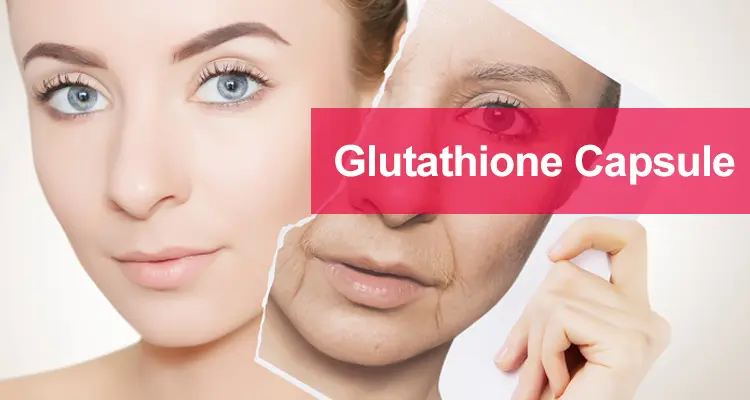
The Dilemma of Traditional Glutathione Supplementation Methods
(I) Food Supplementation: A Drop in the Ocean
While some foods in our daily diet do contain glutathione, such as deep-sea fish like salmon and cod, which live in cold seawater and have well-developed antioxidant mechanisms, resulting in relatively high glutathione levels; red meats like pork and beef, as well as poultry like chicken and turkey, also contain a certain amount of glutathione; legumes like soybeans and lentils, with their rich protein resources, serve as a “storage” of glutathione; and dairy products like milk and yogurt, while providing us with nutrients like calcium, also contain small amounts of glutathione.
However, the glutathione content in food is woefully inadequate. For example, 100 grams of salmon may only contain a few tens of milligrams of glutathione, a small fraction of the daily requirement. Furthermore, a significant portion of the glutathione in food is destroyed during cooking. When salmon is grilled at high temperatures, the activity of glutathione decreases due to the heat, resulting in even less being absorbed and utilized by the body. Furthermore, individual dietary habits vary, making it difficult to consume a sufficient variety and quantity of glutathione-rich foods daily. Relying solely on dietary supplementation is insufficient to meet the body’s needs for anti-oxidation and maintaining health.
(II) Intravenous Injection: Inconvenience and Inefficiency
Intravenous glutathione is primarily used clinically for disease treatment, such as severe drug-induced liver injury and heavy metal poisoning. In these emergency situations, intravenous injection allows glutathione to rapidly enter the bloodstream, quickly exerting its detoxifying and antioxidant effects, helping patients alleviate symptoms and recover. However, for generally healthy individuals or those who simply wish to supplement glutathione for daily health maintenance and beauty purposes, intravenous injection is not an ideal choice.
Firstly, intravenous injection requires professional medical personnel and has high requirements for the environment and equipment, necessitating procedures in hospitals and other medical institutions. This presents significant inconvenience and makes frequent administration impractical. On the other hand, studies have shown that most of the intravenously injected glutathione remains in the liver. Although the liver is one of the sites where glutathione plays an important role, for those who want to improve skin condition and delay overall aging, the amount of glutathione circulating to other parts of the body, such as the face, is relatively small. Moreover, the duration of glutathione’s effect in the body after intravenous injection is short, failing to provide long-term protection. Frequent injections are needed to maintain a certain blood concentration, which not only increases medical costs but also places an unnecessary burden on the body.
(III) Oral Administration: Obstacles from Stomach Acid and Intestinal Bacteria
Oral administration of glutathione is a common and seemingly convenient method of supplementation, but it faces numerous obstacles. Glutathione is a peptide chain structure composed of three amino acids. When it enters the body, it must first be “baptized” by stomach acid. Stomach acid is highly acidic, and its main component, hydrochloric acid, can damage the structure of glutathione. Under the action of stomach acid, the peptide chain of glutathione may break, thus losing its original activity.
After escaping the stomach acid barrier, glutathione encounters various bacteria in the gut. The gut microbiota is diverse, and some bacteria will break down and utilize glutathione as “food.” Certain proteases in the gut hydrolyze glutathione into amino acid fragments. While these fragments can be absorbed, they cannot function as intact glutathione. Because of the breakdown and consumption of orally administered glutathione in the gastrointestinal tract, very little is actually absorbed into the bloodstream and reaches cells to exert its effects, resulting in extremely low bioavailability. This significantly reduces the effectiveness of orally administered glutathione.
Liposome Technology: The Savior of Glutathione Absorption
Faced with the various difficulties of traditional glutathione supplementation methods, scientists have continuously explored and innovated. Finally, the emergence of liposome technology has brought new hope for the efficient supplementation of glutathione. It’s like a magic key, unlocking a new door to glutathione absorption, allowing glutathione to exert its powerful effects more effectively.
(I) What is Liposome Technology?
Liposome technology is a cutting-edge drug delivery technology that utilizes natural components such as phospholipids to construct vesicle structures similar to cell membranes. These vesicles act like tiny “transport capsules,” capable of encapsulating drugs, active ingredients, or nutrients for precise, targeted delivery. Phospholipid molecules have a unique structure, with a hydrophilic head at one end and a hydrophobic tail at the other. In aqueous solution, phospholipid molecules automatically arrange themselves to form a bilayer structure, encapsulating the hydrophilic glutathione within the aqueous space, while the hydrophobic portions approach each other, forming a stable lipid bilayer that protects glutathione from environmental damage. This ingenious structural design allows liposomes to mimic cellular behavior, interacting with the cell membrane and smoothly delivering encapsulated glutathione into the cell.
(II) Unique Advantages of Glutathione Liposomes
1. High Biocompatibility: Glutathione itself is an endogenous substance within human cells, exhibiting excellent biocompatibility when combined with liposomes. It can move freely within the body, as if on its own “home turf,” without triggering an immune system response, thus reducing the risk of an immune reaction. Compared to some other exogenous drug carriers, glutathione liposomes are not toxic to cells, gently delivering glutathione to where it is needed, providing comprehensive protection for cells and allowing them to function normally in a comfortable environment.
2. Highly Efficient Cell Penetration: The structure of liposomes is highly similar to that of cell membranes, enabling glutathione liposomes to have a strong affinity for cell membranes. When a glutathione liposome approaches a cell, it is like finding a “kindred spirit,” easily fusing with the cell membrane or entering the cell through endocytosis. This highly efficient cell-penetrating ability allows glutathione to quickly reach the core of cells, directly exerting its antioxidant and whitening effects within the cell, greatly improving its efficacy and enabling it to rapidly “show its prowess” within cells, resisting free radical damage.
3. Precise Targeting: Through clever modification of the liposome surface, scientists can endow glutathione liposomes with precise targeting capabilities. Specific targeting groups are attached to the liposome surface; these groups act like “navigators,” guiding the liposomes to accurately locate target cells or tissues. For liver cells, attaching targeting groups that specifically recognize receptors on the liver cell surface allows glutathione liposomes to precisely accumulate in the liver, enhancing its protective and repairing effects. In the cosmetic field, modification allows liposomes to target melanocytes in the skin, more effectively inhibiting melanin production and achieving precise whitening. This allows glutathione to exert its effects purposefully, improving treatment efficacy while minimizing impact on other normal tissues.
4. Drug-Protective Stability: In the external environment, glutathione molecules are easily affected by various factors, such as the erosion of gastric acid, enzyme decomposition, and oxidation, thus losing their activity. Liposomes act like a robust “protective shield,” tightly encapsulating glutathione and effectively isolating it from adverse external factors. Whether in the highly acidic environment of gastric acid or in the enzyme-rich intestines, liposomes protect glutathione from decomposition, ensuring it remains intact and active before reaching target cells. This allows glutathione to function optimally, providing continuous and stable protection for the body.
 Understanding Glutathione Powder Absorption Rate OEM Services
 Understanding Glutathione Powder Absorption Rate OEM Services
(I) Why Choose OEM?
In today’s highly competitive market environment, more and more brands are choosing OEM (Original Equipment Manufacturer) services, outsourcing the production process to professional manufacturers while focusing on brand operation and marketing. This choice involves multifaceted strategic considerations.
From a cost control perspective, establishing one’s own production factory requires significant capital investment, including land acquisition, factory construction, equipment purchase, personnel recruitment and training, etc. These initial investments are not only substantial but also have a long payback period, which is a heavy burden for many start-up brands or companies with limited funds. By adopting the OEM model, brands only need to pay relatively low manufacturing fees to obtain high-quality products, significantly reducing production costs and improving capital efficiency. For example, a new health brand would need tens of millions of yuan in initial investment to build its own factory to produce glutathione powder, but by choosing OEM services, it only needs to pay a few million yuan in manufacturing fees annually, drastically reducing costs.
In terms of production efficiency, professional OEM manufacturers usually possess advanced production equipment, mature production processes, and extensive production experience. They focus on the production process, enabling large-scale, standardized production, thereby improving production efficiency and shortening product production cycles. Compared to brands independently developing their own production processes, OEM manufacturers can bring products to market faster, gaining a competitive advantage. For example, a well-known OEM manufacturer, upon receiving an order for glutathione powder production, can complete production and delivery within a few weeks thanks to its efficient production lines and skilled workers, meeting the brand’s urgent market needs.
Focusing on brand operation is also one of the important reasons why brands choose OEM. In market competition, brand building, marketing, and customer service are crucial for brand development. By outsourcing the production process, brands can invest more time and energy in these core businesses, gaining a deeper understanding of market needs, developing precise marketing strategies, enhancing brand awareness and reputation, and strengthening their market competitiveness. For example, Apple’s products are mostly manufactured using the OEM model, while Apple focuses on product design, brand marketing, and user experience optimization, thus creating a globally renowned brand.
(II) How to Find a Reliable OEM Manufacturer
1. Assess Production Qualifications:Production qualifications are a crucial standard for evaluating whether an OEM manufacturer is compliant and reliable. When choosing an OEM manufacturer, the brand owner should first check if they possess a food production license, which is the basic entry requirement for food production, ensuring that the manufacturer’s production activities comply with national food safety regulations. Manufacturers with GMP (Good Manufacturing Practice) certification are more rigorous and standardized in production quality management, following strict standards in all aspects, from personnel and facilities to production processes and quality control, guaranteeing product quality and safety. A glutathione powder OEM manufacturer with GMP certification has strict operating procedures for environmental hygiene in the production workshop, equipment cleaning and disinfection, and raw material inspection, effectively reducing the risk of product contamination and quality defects.
2. Understand Production Capabilities:Production capabilities directly relate to whether the OEM manufacturer can complete production tasks on time, with the required quality and quantity. Factory size is a direct indicator of production capabilities; a larger factory means more production space, accommodating more production equipment and raw materials, providing a guarantee for large-scale production. Advanced production equipment is key to producing high-quality products, such as automated mixing equipment, precise metering equipment, and efficient drying equipment, which can improve production efficiency and product quality stability. Production capacity is also an important factor; the brand owner needs to choose an OEM manufacturer with a capacity that matches their market demand and sales plan, avoiding situations of insufficient production or overcapacity. A large OEM manufacturer possesses tens of thousands of square meters of modern factory space, equipped with internationally advanced glutathione powder production equipment, with an annual production capacity of several thousand tons, capable of meeting the large-scale production needs of large brand owners.
3. Review Collaboration Cases:Reviewing the OEM manufacturer’s past collaboration cases and customer reviews is an effective way to understand their reputation and service quality. By understanding the brands and products the manufacturer has previously collaborated with, the brand owner can assess their influence and business scope in the industry. Checking customer reviews and feedback allows you to understand the manufacturer’s actual performance in terms of product quality, delivery time, and after-sales service. This information can be obtained through online searches, industry forums, and customer recommendations. If an OEM manufacturer has successfully collaborated with multiple well-known brands and received high praise from clients for its product quality and service, it indicates that the manufacturer possesses strong capabilities and a good reputation, making it trustworthy for brand owners. For example, during the production of glutathione products for a well-known health supplement brand, a certain OEM manufacturer consistently maintained high-quality product delivery and excellent after-sales service, earning long-term cooperation and high praise from the brand. This also provides a strong reference point for other brand owners considering this manufacturer.
(III) OEM Cooperation Process and Considerations
1. Cooperation Process: OEM cooperation typically begins with communication of requirements. The brand owner details the product positioning, target market, functional requirements, specifications, etc., to the OEM manufacturer, and both parties determine the basic direction of the product. Next, the formula development stage begins. The OEM manufacturer, with its professional R&D team, develops a suitable product formula based on the brand owner’s needs, combining the characteristics of glutathione and relevant technologies. Multiple experiments and optimizations are conducted to ensure the product’s efficacy and quality. After the formula is finalized, the manufacturer produces samples for the brand owner’s confirmation. The brand owner conducts comprehensive testing and evaluation of the samples’ taste, appearance, stability, etc., and provides feedback until the samples meet the requirements. Once the samples are confirmed, the formal production stage begins. The OEM manufacturer carries out large-scale production according to the order quantity and production plan. Simultaneously, the product packaging is completed according to the brand owner’s design requirements, including bottle design, label printing, and carton packaging. Finally, the finished and packaged products are delivered to the brand owner on time, and the brand owner conducts acceptance testing, completing the entire cooperation process.
2. Considerations: In the cooperation, contract terms are crucial for protecting the rights of both parties. The brand owner needs to carefully review key clauses in the contract, such as product price, delivery time, quality standards, and liability for breach of contract, to ensure their interests are fully protected. Regarding intellectual property rights, the brand owner should clearly define ownership and usage rights to avoid intellectual property disputes. Product quality control is crucial throughout the entire cooperation process. The brand owner should establish a strict quality monitoring system, regularly conduct random inspections of the production process and products, and ensure that the products meet quality standards and relevant regulations. The brand owner should also maintain close communication with the OEM manufacturer to promptly resolve any problems that arise during the cooperation, ensuring its smooth progress. Before signing the contract, the brand owner can consult a professional lawyer to rigorously review the contract terms and avoid potential legal risks; during the production process, they can arrange for professional quality control personnel to be stationed at the factory to supervise and ensure impeccable product quality.
The Future of Glutathione Liposome Technology
The emergence of glutathione liposome technology has brought a revolutionary breakthrough in the efficient supplementation of glutathione, while high-absorption glutathione powder OEM services provide brands with convenient and efficient product manufacturing solutions. As people’s awareness of health and beauty continues to increase, the demand for glutathione products will continue to grow.
In the health field, glutathione liposome technology is expected to play a greater role in the prevention and auxiliary treatment of chronic diseases. For patients with cardiovascular diseases, the antioxidant and anti-inflammatory properties of glutathione, combined with the targeted delivery capabilities of liposomes, can more effectively protect vascular endothelial cells and reduce the risk of cardiovascular diseases. In the prevention and treatment of neurological diseases, targeted delivery of glutathione to nerve cells may slow down neurodegeneration and improve patients’ cognitive function and quality of life.
In the beauty field, glutathione liposome technology will drive the further development of functional products such as whitening and anti-aging. In the future, we can expect to see more personalized glutathione beauty products, providing precise skincare solutions for consumers with different skin types, skin tones, and ages. Combined with genetic testing technology, customized glutathione liposome products with specific formulations can be developed based on individual genetic characteristics, achieving truly personalized beauty.
For high-absorption glutathione powder OEM services, as the market develops, OEM manufacturers will continuously improve their technical level and service quality, providing brands with more comprehensive and high-quality services. In product development, they will increase innovation efforts to develop more novel and effective glutathione formulations to meet the diverse needs of the market; in the production process, they will further optimize production processes, improve production efficiency, and reduce production costs, providing brands with more competitive products; in after-sales service, they will strengthen communication and cooperation with brands, promptly address issues related to product quality and market promotion, and jointly promote the prosperous development of the glutathione product market.
It is foreseeable that glutathione liposome technology and high-absorption glutathione powder OEM services will shine even brighter in the future health and beauty market, bringing more possibilities for people’s health and beauty, and leading us to a healthier and more beautiful future.
