





Among the treasures of the plant kingdom, hawthorn acid, an olive extract, is quietly emerging as a rising star, gradually revealing its potential in the field of cardiovascular health. Hawthorn acid is a pentacyclic triterpenoid compound, primarily found in olive leaves, accounting for 25%-30% of the triterpenoid content in this tissue. It was initially isolated from hawthorn, hence its name, and was later discovered in olives, thus beginning its research journey in the life sciences.
In appearance, hawthorn acid is a white powder with a melting point of 263℃-265℃ and a density of 1.14 g/cm³. It is readily soluble in organic solvents such as methanol, ethanol, and chloroform, but insoluble in water and petroleum ether. These physicochemical properties lay the foundation for its applications in various fields. As research continues, the unique effects of hawthorn acid in maintaining cardiovascular health are gradually being revealed, like a mysterious veil being slowly lifted, attracting the attention of many researchers and health enthusiasts. Let’s explore together how hawthorn acid protects cardiovascular health.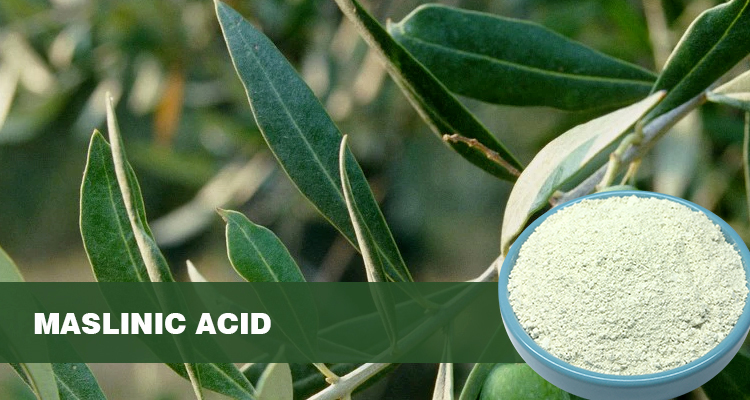
Hawthorn Acid : Unique Structure and Origin
hawthorn acid has a highly unique chemical structure, consisting of 30 carbon atoms, 48 hydrogen atoms, and 4 oxygen atoms, with the chemical formula C₃₀H₄₈O₄. Its molecular framework is a pentacyclic triterpenoid structure composed of five interconnected carbon rings. This complex yet stable structure endows hawthorn acid with special biological activities. In its molecule, hydroxyl groups (-OH) are attached to the 2nd and 3rd carbon atoms, acting as keys to the biological activity of hawthorn acid and playing a crucial role in its various functions. A carboxyl group (-COOH) is attached to the 28th carbon atom. The presence of the carboxyl group not only affects the acidity and basicity of hawthorn acid but also plays a key role in its interactions with other biomolecules. These special functional groups collectively determine the unique chemical properties and biological activities of hawthorn acid.
Hawthorn acid primarily comes from olive trees, a long-lived and resilient species belonging to the genus *Olive* in the family Burseraceae. They are found in many warm regions worldwide. Olive trees have unique environmental preferences, thriving in warm, sunny climates with an average annual temperature of around 20°C. In my country, olives are mainly distributed in Fujian, Guangdong, Guangxi, and Taiwan, with Fujian boasting the largest olive cultivation area and a long history of production, producing high-quality olives renowned worldwide. Internationally, the Mediterranean coast is a major olive-producing region, including countries like Italy, Greece, and Spain, where olive trees are ubiquitous and a vital economic crop, providing abundant produce and creating a unique olive cultural landscape.
Olive trees typically grow to 10-25 meters tall, with a thick trunk and rough, dark gray bark. Their leaves are narrow and glossy, dark green on the upper surface and slightly silvery-gray on the underside, shimmering uniquely in sunlight. Olive trees typically bloom from April to May, with clusters of pale yellow flowers emitting a delicate fragrance that attracts bees and other insects for pollination. From October to December, the olive trees enter harvest season, and the fruit gradually ripens, turning from green to yellowish-green. The fruit is mostly oval or spindle-shaped, about the size of a pigeon egg. Hawthorn acid is extracted from the branches and leaves of the olive tree, allowing this tiny molecule to release its powerful protective properties for cardiovascular health.
Regulating Blood Lipids and Cleansing Blood Vessels of “Garbage”
Abnormal blood lipids are like a “time bomb” for cardiovascular health. When the levels of lipids such as cholesterol and triglycerides in the blood are too high, or when their ratio is imbalanced, it’s like planting a hidden danger in the blood vessels. Excess lipids gradually deposit on the blood vessel walls, forming atherosclerotic plaques, which narrow the blood vessels, reduce their elasticity, and hinder normal blood flow, greatly increasing the risk of cardiovascular and cerebrovascular diseases such as coronary heart disease and stroke. Hawthorn acid acts like a valiant “vascular guardian,” regulating blood lipids through multiple pathways and building a solid defense for cardiovascular health.
Inhibiting Cholesterol Synthesis
In the liver, the busy “chemical factory” of the human body, cholesterol synthesis is a complex and orderly process. 3-hydroxy-3-methylglutaryl-CoA (HMG-CoA) reductase plays a key role in this “synthetic drama,” acting like a “commander” who controls the rate of cholesterol synthesis. The remarkable thing about hawthorn acid is its ability to precisely target HMG-CoA reductase, reducing its activity. It’s like putting a “tightening spell” on this “commander,” preventing it from fully directing cholesterol synthesis.
At the molecular level, the chemical structure of hawthorn acid shares certain similarities with HMG-CoA, the substrate of HMG-CoA reductase. Once inside the cell, hawthorn acid can cleverly bind to the active site of HMG-CoA reductase. This binding is like a wrong key inserted into a lock, preventing HMG-CoA from binding properly to the reductase and thus interrupting a crucial step in cholesterol synthesis. To put it another way, HMG-CoA reductase is like a car traveling smoothly on a highway, while the presence of hawthorn acid is like setting up a roadblock, forcing the car to slow down or even stop, significantly reducing the rate of cholesterol synthesis. Studies have shown that the inhibitory effect of hawthorn acid on HMG-CoA reductase is dose-dependent. This means that as the concentration of hawthorn acid increases, its inhibitory effect on reductase activity becomes more significant, effectively reducing the synthesis of endogenous cholesterol and thus effectively controlling blood cholesterol levels.
Promoting Cholesterol Conversion and Excretion
In addition to inhibiting cholesterol synthesis, hawthorn acid actively promotes the conversion and excretion of cholesterol, acting like a diligent “cleaner” to remove “waste” from blood vessels. Cholesterol is not static in the body; it can be converted into bile acids under the action of a series of enzymes, and bile acids play an important role in the digestion and absorption of fats. Hawthorn acid can enhance the activity of cholesterol 7α-hydroxylase, a key rate-limiting enzyme in the conversion of cholesterol to bile acids. The activation of cholesterol 7α-hydroxylase by hawthorn acid is like pressing the “accelerator button” on this conversion process, allowing more cholesterol to be successfully converted into bile acids.
After conversion, bile acids are excreted into the intestines along with bile. In the intestines, bile acids bind to fat particles in food, aiding in fat digestion and absorption. More importantly, most bile acids are reabsorbed at the end of the intestines and enter the liver, forming an enterohepatic circulation of bile acids. Hawthorn acid can disrupt this “balance” by reducing the reabsorption of bile acids in the intestines, allowing more bile acids to be excreted in feces. To maintain normal bile acid levels, the liver must use cholesterol from the blood to synthesize new bile acids, creating a “virtuous cycle” that continuously consumes blood cholesterol, thereby lowering blood cholesterol levels, especially low-density lipoprotein cholesterol (LDL-C), commonly known as “bad cholesterol.” Related studies show that after hawthorn acid intervention, the excretion of bile acids in the feces of experimental animals significantly increased, and the level of LDL-C in the blood also decreased significantly, fully demonstrating the remarkable efficacy of hawthorn acid in promoting cholesterol conversion and excretion.
Regulating Triglyceride Metabolism
Triglycerides are an important component of blood lipids, and high levels can pose a threat to cardiovascular health. Hawthorn acid excels in regulating triglyceride metabolism, primarily by enhancing the activity of lipoprotein lipase (LPL). Lipoprotein lipase acts like a “fat cutter,” residing on the surface of vascular endothelial cells and hydrolyzing triglycerides in chylomicrons and very low-density lipoproteins (VLDL) into fatty acids and glycerol. Hawthorn acid activates LPL gene expression, leading to increased LPL synthesis by cells, and enhances LPL’s catalytic activity, providing the “fat cutter” with sharper tools and more energy to work more efficiently.
Under the influence of hawthorn acid, a large amount of triglycerides in the blood are hydrolyzed. Some of the resulting fatty acids and glycerol are taken up and utilized by surrounding tissues to provide energy for cells; the rest are transported to organs such as the liver for further metabolism or storage. This process effectively lowers blood triglyceride levels, improves dyslipidemia, and significantly reduces the risk of cardiovascular disease caused by high triglycerides. Clinical studies have shown that supplementing patients with hyperlipidemia with hawthorn acid extract significantly reduced their blood triglyceride levels within weeks, while simultaneously increasing lipoprotein lipase activity. This strongly confirms the ability of hawthorn acid to regulate triglyceride metabolism. Through a series of combined actions—inhibiting cholesterol synthesis, promoting cholesterol conversion and excretion, and regulating triglyceride metabolism—hawthorn acid comprehensively regulates blood lipids, keeping blood vessels clear and laying a solid foundation for cardiovascular health.
 Protecting Blood Vessels, Building a Strong Defense
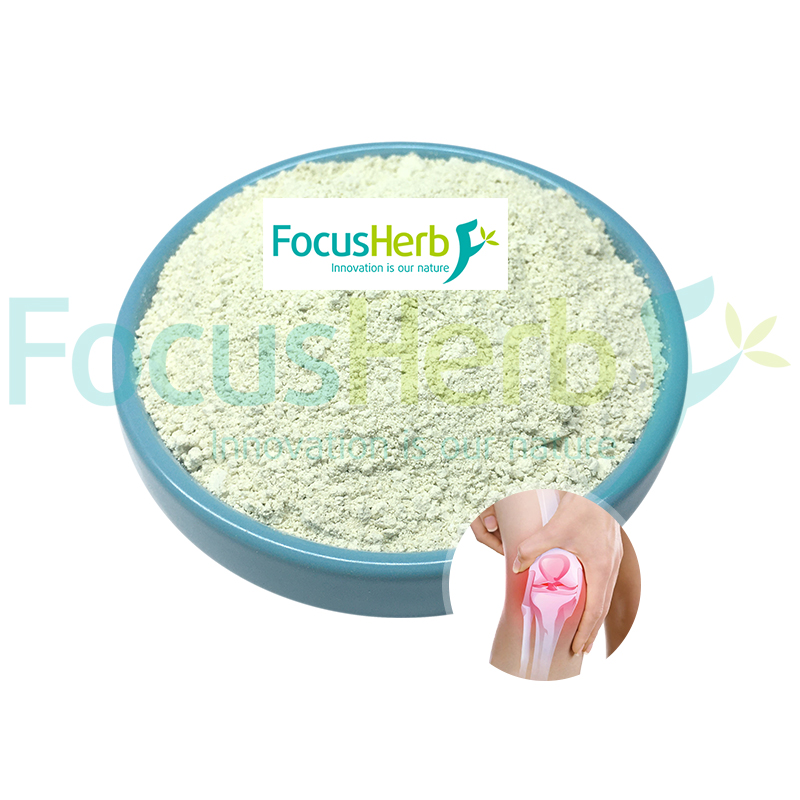 Protecting Blood Vessels, Building a Strong Defense
Blood vessels, as the “highways” of blood circulation in the human body, are directly related to the normal functioning of the cardiovascular system. However, in modern life, blood vessels constantly face various challenges, such as hypertension, oxidative stress, and inflammatory responses. These factors, like lurking “enemies,” continuously erode the health of blood vessels. Hawthorn acid plays a crucial role in this battle to protect blood vessels, safeguarding them from multiple dimensions and building a strong defense for cardiovascular health.
Dilating Blood Vessels and Lowering Blood Pressure
In the microscopic world of blood vessels, endothelial cells are like “traffic controllers” on a highway. They secrete various bioactive substances that finely regulate the contraction and dilation of blood vessels. Hawthorn acid acts like a “signal messenger,” subtly “communicating” with endothelial cells. When hawthorn acid comes into contact with endothelial cells, it activates a series of complex intracellular signaling pathways, ultimately prompting the endothelial cells to release a remarkable molecule called nitric oxide (NO). Nitric oxide is a key “messenger” for vasodilation, acting like a magic key to unlock the relaxation of vascular smooth muscle.
Mechanistically, nitric oxide enters vascular smooth muscle cells and binds to guanylate cyclase, catalyzing the conversion of guanosine triphosphate (GTP) to cyclic guanosine monophosphate (cGMP). cGMP acts as a “relaxation command” within the cell, activating a series of protein kinases. These kinases phosphorylate various intracellular proteins, reducing the concentration of calcium ions within the vascular smooth muscle cells. Calcium ions play a crucial role in vascular smooth muscle contraction; when the intracellular calcium concentration decreases, it’s like loosening the “straightening band” on the contracting muscle, allowing the vascular smooth muscle to relax and the blood vessels to dilate. With vasodilation, vascular resistance decreases, and blood pressure drops. This is analogous to a narrow, congested highway being widened and improved, resulting in smoother traffic and reduced pressure. Clinical studies have found that after ingesting hawthorn acid, hypertensive patients experienced a significant increase in blood nitric oxide levels, improved vasodilation, and varying degrees of decrease in both systolic and diastolic blood pressure, effectively alleviating the pressure of hypertension on the cardiovascular system.
Antioxidant Properties, Protecting Vascular Endothelial Health
During the body’s metabolism, highly reactive substances called free radicals are constantly produced. Free radicals are like a group of “restless molecules” with strong oxidizing capabilities, attacking vascular endothelial cells like corrosive liquid eroding the protective membrane of the vascular endothelium. Once vascular endothelial cells are damaged by free radicals, their normal physiological functions are affected, preventing the normal secretion of vasoactive substances, leading to dysfunction in vasoconstriction and vasodilation. Simultaneously, it increases platelet adhesion and aggregation on the blood vessel wall, promoting thrombus formation, and over time, leading to cardiovascular diseases such as atherosclerosis.
Hawthorn acid possesses powerful antioxidant capabilities, acting like a valiant “antioxidant guardian” that effectively eliminates excess free radicals in the body. Chemically, the hydroxyl groups and other functional groups in hawthorn acid molecules can react with free radicals, donating electrons or hydrogen atoms to transform them into stable substances, thus terminating the oxidation chain reaction initiated by free radicals. For example, hawthorn acid can rapidly bind to highly oxidizing hydroxyl radicals (・OH), reducing them to water and preventing damage to vascular endothelial cells. Simultaneously, hawthorn acid can regulate the activity of antioxidant enzymes in the body, such as superoxide dismutase (SOD) and glutathione peroxidase (GSH-Px). These antioxidant enzymes act like “antioxidant assistants” in the body, and hawthorn acid promotes their expression and activity, enhancing the body’s own antioxidant defense system. Under the protection of hawthorn acid, vascular endothelial cells are protected from free radical damage, maintaining structural and functional integrity, and normally playing their role in regulating blood vessels, effectively preventing the occurrence of cardiovascular diseases. Studies have shown that in oxidative stress models, the addition of hawthorn acid significantly reduced oxidative damage markers in vascular endothelial cells and significantly improved cell survival, fully demonstrating the powerful protective effect of hawthorn acid on vascular endothelial cells.
Inhibition of Abnormal Smooth Muscle Cell Proliferation
Abnormal proliferation and migration of vascular smooth muscle cells are a key link in the development of vascular diseases such as atherosclerosis. When blood vessels are damaged or subjected to certain stimuli, vascular smooth muscle cells act like “activated soldiers,” proliferating rapidly and migrating from the media to the intima. These excessively proliferating and migrating smooth muscle cells lead to thickening of the vessel wall and narrowing of the lumen, like obstacles suddenly appearing on a highway, hindering normal blood flow and increasing the risk of cardiovascular disease.
Hawthorn acid can precisely inhibit this abnormal behavior of vascular smooth muscle cells. It can inhibit their proliferation by regulating the expression of cell cycle-related proteins, causing vascular smooth muscle cells to arrest at specific stages of the cell cycle. For example, crataegolic acid can downregulate the expression of proliferative proteins such as cyclin D1 while upregulating the expression of proliferative inhibitors such as p21, effectively controlling the rate of cell proliferation. Furthermore, crataegolic acid can inhibit signaling pathways related to cell migration, such as the mitogen-activated protein kinase (MAPK) signaling pathway. When this pathway is inhibited, it’s like cutting off the “navigation system” for cell migration, making it difficult for vascular smooth muscle cells to migrate from the media to the intima, effectively preventing thickening of the vessel wall and narrowing of the lumen. Animal experiments have shown that after intervention with drugs containing crataegolic acid, the proliferation and migration of vascular smooth muscle cells in experimental animals were significantly inhibited, and the degree of vascular lesions was significantly reduced, further confirming the important role of crataegolic acid in preventing vascular lesions. Through its multiple effects, including vasodilation, anti-oxidation, and inhibition of abnormal smooth muscle cell proliferation, crataegolic acid comprehensively protects vascular health, providing a solid guarantee for the normal functioning of the cardiovascular system.
Combating Myocardial Ischemia, Boosting Heart Health
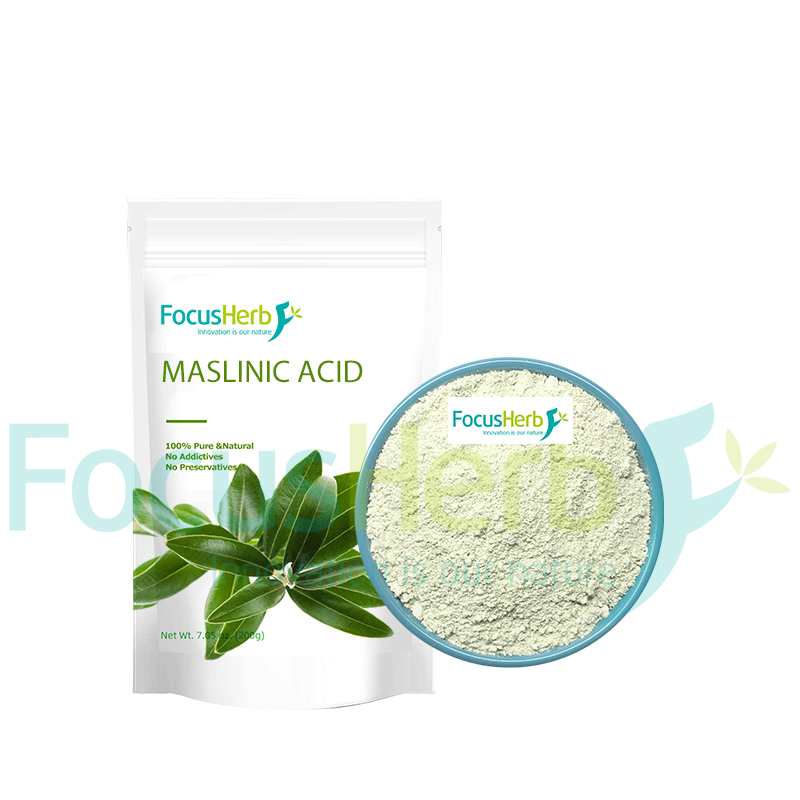 Combating Myocardial Ischemia, Boosting Heart Health
Myocardial ischemia is like pressing the “pause button” on the heart’s normal function. When the coronary arteries don’t supply enough blood, failing to provide sufficient oxygen and nutrients to the myocardium, myocardial cells fall into a state of “starvation” and “hypoxia,” severely impacting normal heart function. Hawthorn acid demonstrates remarkable ability to combat myocardial ischemia, acting like a caring “heart guardian,” boosting heart health from multiple angles, including increasing myocardial blood supply and protecting myocardial cells.
Increasing Myocardial Blood Supply
The coronary arteries are the “lifeline” supplying blood to the heart. When these arteries spasm, narrow, or become blocked, myocardial blood supply is obstructed, leading to myocardial ischemia. Hawthorn acid acts like a magical “vascular unblocking master,” dilating the coronary arteries to make this “lifeline” more unobstructed, thereby increasing blood supply to the myocardium.
From a mechanism of action perspective, hawthorn acid has a unique “communication method” with vascular endothelial cells. It can activate nitric oxide synthase (eNOS) in vascular endothelial cells, promoting the conversion of its substrate L-arginine into nitric oxide. As mentioned earlier, nitric oxide is a key signaling molecule for vasodilation. It not only acts on vascular smooth muscle cells, causing them to relax and reducing vascular resistance, but also inhibits platelet adhesion and aggregation, preventing thrombus formation and further ensuring the patency of coronary arteries. In addition, crataegolic acid may also affect vascular contraction and dilation by regulating the concentration of calcium ions in vascular smooth muscle cells. Intracellular calcium ions act as “signals” for vascular smooth muscle contraction. When crataegolic acid reduces the concentration of calcium ions in smooth muscle cells, vascular smooth muscle relaxes, coronary arteries dilate, and more blood can flow smoothly to the myocardium. In animal experiments, after supplementing animals with myocardial ischemia with crataegolic acid, coronary angiography and other techniques showed that the diameter of the coronary arteries increased significantly, blood flow increased significantly, and myocardial ischemia was significantly improved. This fully demonstrates the powerful effect of crataegolic acid in increasing myocardial blood supply.
Protecting Cardiomyocytes and Enhancing Tolerance
In the harsh environment of myocardial ischemia, cardiomyocytes face numerous challenges, such as the excessive production of free radicals and disordered energy metabolism. These factors can lead to cardiomyocyte damage or even death. Hawthorn acid acts as a valiant “cell guardian,” comprehensively protecting cardiomyocytes and enhancing their tolerance to ischemic and hypoxic environments.
The powerful antioxidant capacity of hawthorn acid plays a crucial role at this time. When myocardial ischemia occurs, the redox balance within cells is disrupted, resulting in the production of large amounts of free radicals, such as superoxide anion radicals (O₂⁻・) and hydroxyl radicals (・OH). These free radicals possess extremely strong oxidizing properties, attacking various biomolecules within cardiomyocytes, such as lipids, proteins, and DNA, leading to a series of problems including cell membrane damage, reduced enzyme activity, and abnormal gene expression. Hawthorn acid, with its active groups such as hydroxyl groups in its molecular structure, can rapidly bind to free radicals, reducing them to stable substances, thereby eliminating these “disruptive molecules” and reducing free radical damage to cardiomyocytes. For example, ursolic acid can provide hydrogen atoms to react with hydroxyl radicals, converting them into water and preventing hydroxyl radicals from damaging cardiomyocytes.
Besides its antioxidant properties, ursolic acid also plays a crucial role in regulating energy metabolism in cardiomyocytes. Normal contraction and relaxation of cardiomyocytes require a sufficient energy supply. However, under ischemic and hypoxic conditions, cardiomyocyte energy metabolism becomes disordered, with reduced ATP production failing to meet cellular needs. Ursolic acid can regulate metabolic pathways within cardiomyocytes, promoting glucose uptake and utilization, enhancing mitochondrial function, and increasing ATP production efficiency. It acts like a “revitalizer” for the cardiomyocyte’s energy factory, allowing cardiomyocytes to maintain a relatively stable energy supply even under ischemic and hypoxic conditions, thereby enhancing their tolerance to ischemia and hypoxia. Studies have also found that ursolic acid can regulate the expression of some anti-apoptotic and pro-apoptotic proteins in cardiomyocytes, such as upregulating Bcl-2 protein expression and downregulating Bax protein expression. Bcl-2 protein acts like a “survival guardian” for cells, inhibiting apoptosis; while Bax protein, on the contrary, is a “promoter” of apoptosis. Hawthorn acid reduces cardiomyocyte apoptosis and necrosis by regulating the balance of these two proteins, further protecting cardiac function. Through the synergistic effect of increasing myocardial blood supply and protecting cardiomyocytes, hawthorn acid effectively combats myocardial ischemia, safeguarding cardiac health.
Improving Heart Function and Stabilizing Life Rhythm
The heart, the body’s “life engine,” beats tirelessly day and night, delivering oxygen- and nutrient-rich blood to all tissues and organs. Hawthorn acid plays a crucial role in improving heart function and maintaining a stable heart rhythm, acting like a high-quality “lubricant” for this “life engine,” allowing the heart to work more efficiently and stably.
Enhancing Myocardial Contractility
In the microscopic world of the heart, the contraction and relaxation of myocardial cells are fundamental to the heart’s pumping function. Calcium ions (Ca²⁺) play a vital role in the contraction of myocardial cells, acting as the “signal commander” of myocardial contraction. Hawthorn acid can subtly regulate the concentration of calcium ions within myocardial cells, thereby enhancing myocardial contractility. When the heart receives a contraction signal, extracellular calcium ions enter the cell through calcium ion channels on the cell membrane, bind to myocardial contractile proteins, and trigger myocardial cell contraction. Hawthorn acid can promote the opening of calcium ion channels on cell membranes, allowing more calcium ions to enter the cell. This acts like adding more “messengers” to the “signal commander,” enhancing the signal for myocardial contraction.
Besides regulating calcium ion concentration, hawthorn acid can also increase the activity of myocardial contractile proteins. Myocardial contractile proteins mainly include actin and myosin, and their interaction is key to myocardial contraction. Hawthorn acid can alter the conformation of myocardial contractile proteins through a series of complex intracellular signaling pathways, making them easier to bind and generate force. To put it another way, myocardial contractile proteins are like a group of poorly coordinated “athletes,” while hawthorn acid acts like an excellent coach, adjusting their movements and coordination, allowing them to exert force more efficiently. Under the influence of hawthorn acid, myocardial contractility is significantly enhanced, allowing the heart to pump more blood with each contraction, improving the heart’s pumping capacity and ensuring an adequate blood supply to all tissues and organs throughout the body. Researchers, through studies on the hearts of experimental animals, found that intervention with hawthorn acid significantly increased stroke volume and myocardial contractility, strongly demonstrating the efficacy of hawthorn acid in enhancing myocardial contractility.
Regulating Heart Rhythm and Maintaining a Stable Cardiac Rhythm
The normal beating of the heart depends on stable electrophysiological activity, much like a precise symphony where each note must be played at the right time. However, when the heart is affected by certain factors, such as electrolyte imbalance, myocardial ischemia, or abnormal neural regulation, arrhythmias may occur, leading to irregular heart rhythm and affecting normal cardiac function. Hawthorn acid acts like an experienced “conductor,” finely regulating the electrophysiological activity of the heart and maintaining a stable cardiac rhythm.
The stability of the myocardial cell membrane potential is crucial for maintaining a normal heart rhythm. During the electrophysiological processes of the heart, myocardial cells undergo depolarization and repolarization, processes accompanied by changes in cell membrane potential. Crataegus acid can act on ion channels on the myocardial cell membrane, such as sodium, potassium, and calcium ion channels, regulating the transmembrane flow of ions and thus stabilizing the myocardial cell membrane potential. For example, during the repolarization of myocardial cells, the efflux of potassium ions (K⁺) is a crucial step in resting the cell membrane potential to its resting state. Crataegus acid can enhance the activity of potassium ion channels on the cell membrane, promoting potassium ion efflux and accelerating the repolarization process, enabling myocardial cells to return to their resting state in a timely manner and prepare for the next excitation. Simultaneously, crataegus acid can also reduce the automaticity and excitability of myocardial cells. Some special cells in myocardial cells, such as sinoatrial node cells and atrioventricular node cells, have the ability to automatically generate rhythmic excitation, i.e., automaticity. When the automaticity of myocardial cells is too high, it may lead to arrhythmias. Crataegus acid can inhibit the automaticity of these cells, keeping the frequency of their excitation within the normal range. Furthermore, for some arrhythmias caused by abnormal excitation, hawthorn acid can reduce the excitability of myocardial cells, making them less susceptible to over-activation and thus reducing the risk of arrhythmias. Clinical studies have found that in some patients with arrhythmias, after ingesting hawthorn acid, their electrocardiograms showed a gradual return to normal heart rhythm and a significant reduction in the frequency of arrhythmia attacks, fully demonstrating the important role of hawthorn acid in regulating heart rhythm. Through the synergistic effect of enhancing myocardial contractility and regulating heart rhythm, hawthorn acid effectively improves cardiac function, maintains a stable cardiac rhythm, and provides strong protection for human health.
Current Status and Prospects of Hawthorn Acid Applications
As a natural component with excellent cardiovascular protective effects, hawthorn acid has shown broad application prospects in multiple fields such as medicine and health products, and is gradually becoming a powerful assistant in people’s health concerns and prevention of cardiovascular diseases.
Emerging Prominence in the Pharmaceutical Field
In the pharmaceutical field, hawthorn acid has attracted widespread attention from researchers and pharmaceutical companies, becoming a popular target for cardiovascular disease drug development. Currently, although no cardiovascular disease treatment drugs with hawthorn acid as a single component have been officially launched, a large amount of basic research and some clinical trials have laid a solid foundation for its application in the pharmaceutical field.
From laboratory studies, hawthorn acid has a regulatory effect on various pathophysiological processes related to cardiovascular diseases. In animal experiments, administration of hawthorn acid to animals with cardiovascular disease models such as hyperlipidemia, hypertension, and myocardial ischemia resulted in varying degrees of improvement in their conditions. For example, in animal models of hyperlipidemia, crataegolic acid effectively reduced blood cholesterol and triglyceride levels, alleviating the degree of atherosclerosis; in animal models of hypertension, crataegolic acid dilated blood vessels, lowered blood pressure, and reduced the damage of hypertension to the heart and blood vessels; in animal models of myocardial ischemia, crataegolic acid increased myocardial blood supply, protected cardiomyocytes, and improved cardiac function. These research results indicate that crataegolic acid has great potential for development into a cardiovascular disease treatment drug.
Some clinical trials have also preliminarily verified the safety and efficacy of crataegolic acid in the treatment of cardiovascular diseases. Although these clinical trials are relatively small in scale and require further expansion of sample size and long-term follow-up studies, they have already brought a glimmer of hope for the application of crataegolic acid in the pharmaceutical field. In the future, with the continuous deepening of research and technological advancements, it is believed that more cardiovascular disease treatment drugs based on crataegolic acid will be developed, bringing new treatment options to a wide range of patients.
The Booming Development of the Health Supplement Market
In the health supplement market, crataegolic acid, with its positive effects on cardiovascular health, is gradually emerging and gaining increasing favor among consumers. Currently, various health supplements containing hawthorn acid are available on the market, offered in different dosage forms such as capsules, tablets, and oral liquids to meet diverse consumer needs.
Many consumers choose health supplements containing hawthorn acid hoping to maintain cardiovascular health and prevent cardiovascular disease through daily supplementation. This is especially true for high-risk groups such as those with a family history of cardiovascular disease, unhealthy lifestyles (e.g., long-term smoking, excessive alcohol consumption, lack of exercise, high-salt and high-fat diets), and the elderly; hawthorn acid supplements have become an important means of preventing cardiovascular disease.
With increasing health awareness and growing demand for natural and safe health supplements, the hawthorn acid supplement market is booming. Market research institutions predict that the market share of hawthorn acid supplements will continue to expand in the coming years, and sales will steadily increase. To meet market demand, health supplement manufacturers are continuously increasing their R&D investment, improving hawthorn acid extraction and purification technologies, and optimizing product formulations to enhance product quality and efficacy. Meanwhile, companies have strengthened the promotion and marketing of hawthorn acid health products, enabling more consumers to understand the efficacy and effects of hawthorn acid, and improving product awareness and market acceptance.
Future Potential and Challenges
Looking to the future, hawthorn acid has enormous potential in the prevention and treatment of cardiovascular diseases. With in-depth research into the mechanism of action of hawthorn acid, we expect to discover more targets and pathways for its protective effects on the cardiovascular system, thus providing more precise and effective treatment options for cardiovascular diseases. For example, through gene editing technology, we can study the regulatory role of hawthorn acid on the expression of cardiovascular-related genes and develop gene therapy drugs based on hawthorn acid; or combine hawthorn acid with other natural ingredients or drugs with cardiovascular protective effects to exert synergistic effects and improve treatment efficacy.
However, hawthorn acid also faces some challenges in its application. The extraction and purification processes of hawthorn acid need further optimization to improve extraction efficiency and reduce production costs. Currently, hawthorn acid is mainly extracted from plants such as olives, a relatively complex and costly process, which to some extent limits its large-scale application. Developing new extraction technologies and finding richer, cheaper sources of hawthorn acid are key to solving this problem. Further research is needed on the pharmacokinetic and pharmacodynamic properties of hawthorn acid in vivo. Understanding the absorption, distribution, metabolism, and excretion processes of hawthorn acid in the body, as well as its interactions with other drugs, is crucial for the rational use of hawthorn acid and ensuring its safety and efficacy. Finally, the quality standards and regulatory system for hawthorn acid-related products need improvement. As the application of hawthorn acid in the pharmaceutical and health product fields becomes increasingly widespread, establishing unified and strict quality standards and regulatory systems to ensure product quality and safety is an important measure to protect consumer rights.
Despite the challenges, hawthorn acid, as a natural cardiovascular protective component, still has a very broad application prospect. It is believed that with the joint efforts of researchers, pharmaceutical companies, and regulatory authorities, hawthorn acid can play a greater role in the prevention and treatment of cardiovascular diseases and make an important contribution to human health.
