





Nourishing the Kidneys: A Dual Perspective from Traditional Understanding and Scientific Nutrition
(I) The “Like Cures Like” Theory in Traditional Medicine
In the long history of traditional medicine, the “like cures like” theory has a long and profound history, deeply rooted in the soil of traditional Chinese medicine culture. This theory holds that consuming animal organs similar to human organs can nourish and benefit the corresponding human organs. Beef kidney powder, as a processed product of beef kidney, is traditionally believed to have the important function of tonifying kidney qi and benefiting essence.
Traditional Chinese medicine texts contain numerous relevant records. For example, the *Compendium of Materia Medica* mentions that beef kidney “tonifies kidney qi and benefits essence.” In ancient times, people observed through long-term practical experience that some people with symptoms of kidney deficiency, such as lower back and knee pain, dizziness, tinnitus, and decreased sexual function, experienced some improvement in their condition after consuming beef kidney or its products. This gradually led to the understanding that beef kidney powder can nourish the kidneys, and this understanding has been passed down through generations in folk traditions, becoming an important part of traditional dietary therapy culture. From the perspective of traditional Chinese medicine theory, the kidneys hold an extremely important position in the human body, considered the foundation of innate vitality, responsible for storing essence, growth and development, and reproduction. The kidneys also govern bones and marrow, and open to the ears and the two lower orifices. When kidney function is impaired, it can trigger a series of physical discomforts. Beef kidneys are similar to human kidneys in form and function, and according to the “like cures like” logic, consuming beef kidney powder is believed to directly act on the human kidneys, supplementing the essence needed by the kidneys, thereby improving symptoms related to kidney deficiency.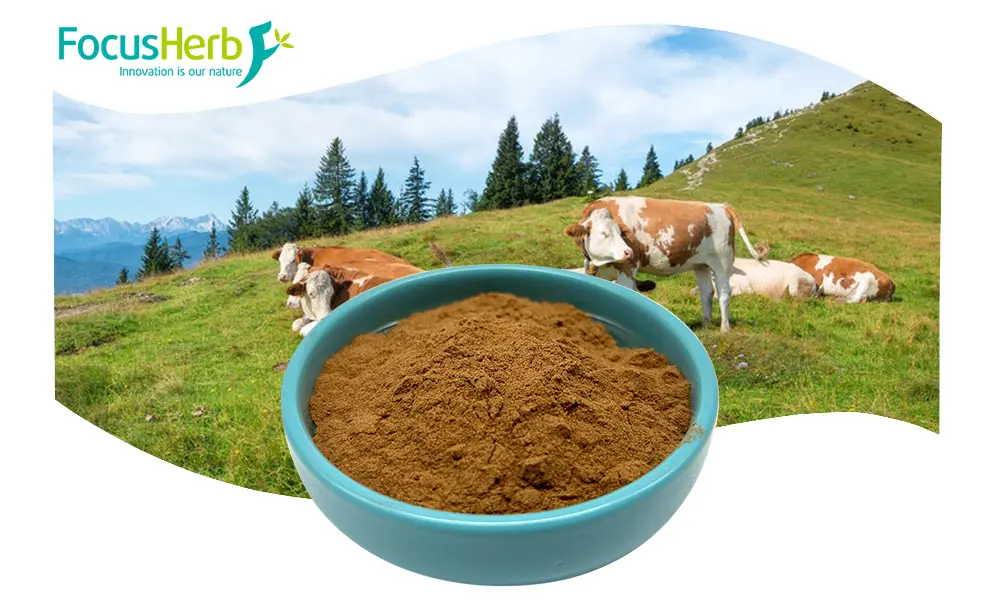
(II) Kidney Protection Mechanisms in Modern Nutrition
From a microscopic perspective of modern nutrition, beef kidney powder contains a series of nutrients that are highly beneficial to kidney health. It is rich in high-quality protein, which is composed of various amino acids and is the basic substance that constitutes kidney cells. It plays an indispensable role in maintaining the normal structure and physiological function of kidney cells. For example, when kidney cells are damaged, protein can provide sufficient raw materials for their repair and regeneration, ensuring that the kidneys can normally perform key functions such as filtering blood and maintaining water and electrolyte balance.
Arginine, a special amino acid in beef kidney powder, demonstrates unique efficacy in maintaining kidney health. In the human body, it can be converted into nitric oxide through a series of complex biochemical reactions, a molecule with powerful biological activity. Nitric oxide acts like a diligent “pipe cleaner,” effectively dilating renal blood vessels, allowing blood to flow more smoothly within the kidneys, and greatly improving local blood circulation in the kidneys. Sufficient blood supply means that kidney cells can receive more oxygen and nutrients, while metabolic waste is promptly removed, thus creating a favorable internal environment for the normal functioning of the kidneys.
Vitamin E is another “antioxidant guardian” in bovine kidney powder. As a fat-soluble vitamin, it can penetrate deep into kidney cells, attaching tightly to the lipid bilayer of the cell membrane. During human metabolism, highly reactive free radicals are inevitably produced. These free radicals act like “troublemakers,” attacking various biomolecules within kidney cells, such as DNA, proteins, and lipids, leading to cell damage and subsequently affecting kidney function. Vitamin E steps in, using its antioxidant properties to react with free radicals, converting them into stable, harmless substances, thus preventing free radicals from damaging kidney cells and protecting the structural and functional integrity of kidney cells.
Minerals such as zinc and iron also constitute a certain proportion in bovine kidney powder, playing a crucial role in the metabolism and detoxification processes of the kidneys. Zinc participates in the synthesis and activation of various enzymes in the kidneys. These enzymes are widely involved in the kidney’s material metabolism and energy conversion, which are essential for maintaining normal kidney metabolic function. Iron is a core component of hemoglobin, responsible for transporting oxygen to various tissues and organs of the body, including the kidneys. Sufficient oxygen supply is the basis for kidney cells to perform aerobic metabolism and produce energy, which is of great significance for the kidneys to perform their physiological functions normally. At the same time, iron also participates in the activity regulation of some enzymes in the kidneys, supporting the kidney’s detoxification function, helping to remove harmful substances from the body, and reducing the detoxification burden on the kidneys.
(III) Scientific Basis and Dietary Recommendations
Although beef kidney powder, based on traditional understanding and nutritional analysis, shows potential benefits for the kidneys, current scientific research on the direct effects of beef kidney powder on kidney function is relatively limited, and there is a lack of sufficient clinical evidence to definitively confirm its exact efficacy. Existing research mostly focuses on the impact of individual nutrients in beef kidney powder on kidney health, and these effects are often indirect and subject to various factors, such as individual physical condition, dietary habits, lifestyle, and the synergistic effects of other nutrients.
When consuming beef kidney powder, it is crucial to follow the principle of moderation and avoid placing unnecessary metabolic burden on the kidneys due to excessive consumption. Generally, it is recommended to keep the daily intake of beef kidney powder within an appropriate range. The specific dosage can be reasonably adjusted based on individual physical condition and nutritional needs, under the guidance of a doctor or professional nutritionist. At the same time, it is essential to pay close attention to the source and quality of the beef kidney powder, purchasing products from reputable sources and carefully checking the product label and instructions to understand key information such as ingredients, nutritional value, consumption methods, and expiration date. Avoid purchasing beef kidney powder from unknown sources or of unreliable quality to prevent the ingestion of harmful substances that could damage health.
Maintaining kidney health is a comprehensive and systemic undertaking that cannot rely solely on a single food or health supplement like beef kidney powder. In daily life, comprehensive measures should be actively adopted, including maintaining a balanced diet, consuming foods rich in various nutrients, such as fresh vegetables, fruits, whole grains, and high-quality protein; engaging in moderate exercise to promote blood circulation and metabolism, and enhance the body’s immunity and resistance; quitting smoking and limiting alcohol consumption to reduce damage to the kidneys from harmful substances; and strictly controlling basic indicators such as blood pressure and blood sugar to prevent fluctuations that could damage the kidneys. Only by organically combining these measures can kidney health be truly and effectively maintained, and overall quality of life improved.
Boosting Immunity: Multidimensional Nutrition Empowers Immune Defense

(I) Proteins: The Material Basis for Immune Cell Construction
In the human immune system, proteins play a crucial role, like the foundation stones of a strong fortress. The importance of beef kidney powder, a source rich in high-quality protein, is self-evident. These high-quality proteins are ingeniously composed of various amino acids, forming the key material basis for the generation and maintenance of normal immune cell function.
Lymphocytes, macrophages, and other immune cells are the core force of the immune system in resisting pathogen invasion. Their cell membranes, various enzymes in the cytoplasm, and intracellular signal transduction molecules all rely on the participation of proteins. When the human body encounters pathogens such as bacteria and viruses, the immune system quickly activates its defense mechanisms. At this time, the proteins in beef kidney powder act like timely rain, providing the indispensable amino acid raw materials for antibody synthesis. Antibodies, as the “precision-guided weapons” of the immune system, can specifically recognize and bind to pathogens, thereby initiating an immune response to eliminate them. This process plays a decisive role in enhancing humoral immune responses.
Throughout the life cycle of immune cells, whether it’s the differentiation of stem cells into mature immune cells in bone marrow and lymphoid tissues, or their continuous proliferation, differentiation, and functional execution during immune defense, proteins are essential for building new cell structures and repairing damaged parts. For example, in inflammatory responses, after macrophages actively engulf pathogens, their own structure is damaged to some extent. At this time, proteins play a repairing role, helping macrophages restore their structure and function, enabling them to continuously and efficiently exert their immune function and safeguard the body’s health.
(II) Synergistic Regulatory Effects of Vitamins and Minerals
Vitamins and minerals are abundant in bovine kidney powder. In enhancing immunity, they act like a well-coordinated symphony orchestra, each playing a unique role while synergistically regulating immune function.
Vitamin C is considered a “vitality catalyst” in the immune system. It is a powerful antioxidant and constitutes a certain proportion in bovine kidney powder. When the body is threatened by pathogens, vitamin C actively promotes the production and activity of white blood cells. As the “vanguard” of the immune system, increased activity of white blood cells means they can more quickly and effectively engulf and eliminate pathogens. Vitamin C also enhances the chemotaxis of white blood cells, acting like a precise navigation system that allows them to reach the site of infection more quickly, significantly improving the body’s resistance to infection. Furthermore, vitamin C participates in redox reactions within immune cells, maintaining cellular homeostasis and providing a solid guarantee for the normal function of immune cells.
The B vitamin family, including vitamins B1, B2, B6, and B12, also plays an important role in bovine kidney powder. They are crucial in the body’s energy metabolism, acting as “energy suppliers” for immune cell activity. For example, vitamin B1 participates in the conversion of carbohydrates into energy, providing sufficient power for immune cells during high-intensity activities such as phagocytosis and pathogen killing, ensuring effective immune function. Vitamin B2, as a component of many redox enzymes, participates in intracellular redox reactions and is an important coenzyme in cellular respiration. In the metabolism of immune cells, it helps generate sufficient energy to maintain their activity. Meanwhile, vitamin B2 also plays a role in maintaining the health of the skin and mucous membranes, which are the body’s first line of defense against pathogens; their health directly affects the body’s immune defense capabilities. Vitamins B6 and B12 play crucial roles in amino acid metabolism and cellular DNA synthesis, and are essential for the proliferation, differentiation, and normal function maintenance of immune cells. Vitamin B6 participates in regulating lymphocyte growth and differentiation, while vitamin B12 is important for maintaining the normal production of blood cells and the metabolism of immune cells.
Vitamin E, another “antioxidant guardian” in bovine kidney powder, is a fat-soluble vitamin mainly found in cell membranes. In the immune system, vitamin E’s main function is to prevent cell membrane lipid peroxidation, protecting the structure and function of immune cells. Free radicals are highly reactive molecules produced during cellular metabolism; they attack the lipid bilayer of cell membranes, leading to structural damage and loss of function. Vitamin E stands out by specifically reacting with free radicals, converting them into stable products, thereby preventing further lipid peroxidation, ensuring the integrity and stability of immune cell membranes, and ultimately enhancing the body’s immunity.
Minerals such as zinc and selenium also play important immunomodulatory roles in bovine kidney powder. Zinc is a component or activator of many enzymes, playing a broad regulatory role in the immune system. It participates in the synthesis and activation of various enzymes within immune cells, which are crucial for the metabolism, proliferation, and function of immune cells. Zinc-containing metalloenzymes play key roles in DNA replication, RNA transcription, and protein synthesis, processes fundamental to immune cell proliferation and differentiation. Zinc can also regulate the expression and function of receptors on the surface of immune cells, affecting the recognition and signal transduction of pathogens, enhancing the phagocytic capacity of phagocytes and the immune response of lymphocytes, playing a crucial role in the body’s immune defense and immune surveillance processes.
Selenium in bovine kidney powder has both antioxidant and immunomodulatory effects. It is an important component of glutathione peroxidase, an enzyme that can scavenge free radicals such as hydrogen peroxide and organic peroxides in the body, reducing the damage of oxidative stress to immune cells. During the immune response, immune cells produce a large number of free radicals. Selenium protects immune cells through its antioxidant function, maintaining their normal function. Selenium can also regulate the activity of immune cells and enhance the body’s immune response. Some studies have found that selenium deficiency leads to decreased immune function, while appropriate selenium supplementation, such as through consuming bovine kidney powder, can improve immune function and enhance the body’s resistance to pathogens.
(III) Supporting Role of Other Active Ingredients
In addition to the main nutrients such as protein, vitamins, and minerals, bovine kidney powder also contains other active ingredients, such as iron and coenzyme Q10, which play an indispensable supporting role in enhancing immunity.
Iron constitutes a certain proportion in bovine kidney powder and plays a crucial role in the metabolism of immune cells. Iron is an important component of hemoglobin, which acts like a diligent “oxygen transporter,” responsible for delivering oxygen to various tissues and organs of the body, including immune cells. An adequate oxygen supply is fundamental for immune cells to perform aerobic respiration and generate energy, which is crucial for their normal immune function. Immune cells consume a significant amount of energy when performing immune functions, such as phagocytizing pathogens and secreting immune factors, and energy production depends on aerobic respiration; therefore, an adequate oxygen supply is essential. Iron is also a component of some enzymes and participates in intracellular redox reactions, supporting the metabolism of immune cells and further ensuring their efficient execution of defense tasks.
Coenzyme Q10, a fat-soluble antioxidant, is present in small amounts in bovine kidney powder, but its role is significant. Primarily found in mitochondria, it participates in electron transport in the cellular respiratory chain, helping cells generate energy and acting as a key participant in cellular energy metabolism. For immune cells, an adequate energy supply is crucial for maintaining their normal function. Activities such as lymphocyte proliferation and macrophage phagocytosis require substantial energy support, and coenzyme Q10 ensures that immune cells have sufficient energy for these activities. Coenzyme Q10 also has antioxidant properties, which can protect cell membranes from free radical attacks and reduce oxidative damage. It is of great significance for maintaining the health of immune cells, thereby helping to enhance the body’s immunity, reduce the risk of infection, and add a layer of protection to the body’s health.
Detoxification Function: Multi-Organ Synergistic Metabolic Support
 Detoxification Function: Multi-Organ Synergistic Metabolic Support
(I) Nutritional Assistance for Liver Detoxification
The liver occupies a central position in the body’s detoxification system, functioning as a sophisticated and efficient “detoxification factory.” It bears the heavy responsibility of filtering harmful substances from the blood and converting them into harmless or excretable forms. The various nutrients contained in bovine kidney powder act as a powerful boost to this “factory,” providing comprehensive support for the liver’s detoxification function.
Cysteine, glutamic acid, and other amino acids are abundant in bovine kidney powder. As precursors to glutathione, they play an indispensable role. Glutathione is a tripeptide composed of glutamic acid, cysteine, and glycine. It acts as a “scavenger” in the liver’s detoxification process and is a powerful antioxidant. When cysteine, glutamic acid, and other amino acids enter the body, they participate in the synthesis of glutathione under the catalysis of a series of enzymes. Glutathione can penetrate deep into liver cells and bind tightly to free radicals in the body, transforming these highly reactive and cell-damaging free radicals into stable, harmless substances, thus effectively neutralizing their harmful effects. Glutathione also assists the liver in detoxifying various harmful substances. It can specifically bind to heavy metal ions, drug metabolites, environmental pollutants, and other harmful substances, altering their chemical structure, increasing their water solubility, and making them easier to excrete, greatly reducing the liver’s detoxification burden.
The B vitamins in bovine kidney powder constitute a large and important family, including vitamins B1, B2, B6, and B12, which work synergistically in liver metabolism and detoxification. As key components of coenzymes, B vitamins are widely involved in various enzymatic reactions in the liver. For example, vitamin B6 participates in the coenzyme synthesis of many important enzymes in the liver, which play crucial roles in amino acid metabolism, fat metabolism, and the metabolic transformation of drugs and toxins. During drug metabolism, vitamin B6-infused enzymes promote the chemical modification of drug molecules, transforming them into forms more easily excreted from the body, thus enhancing the liver’s ability to metabolize and detoxify drugs. B vitamins also participate in maintaining energy balance within liver cells, providing sufficient energy support for the liver’s detoxification process. The liver consumes a significant amount of energy during detoxification, and B vitamins, by participating in the metabolism of carbohydrates, fats, and proteins, help liver cells convert these nutrients into energy, ensuring the liver’s detoxification function operates continuously and efficiently.
Zinc is also an essential mineral in bovine kidney powder, indispensable for liver detoxification. It is a component or activator of many enzymes, playing multiple crucial roles in the liver. Zinc-infused metalloenzymes occupy a central position in liver detoxification pathways, such as superoxide dismutase (SOD), an important antioxidant enzyme that specifically scavenges superoxide anion free radicals generated during liver detoxification. These free radicals are produced in large quantities when the liver processes harmful substances; if not promptly eliminated, they can cause severe oxidative damage to liver cells, affecting normal liver function. With the assistance of zinc, SOD can rapidly convert superoxide anion free radicals into hydrogen peroxide, which is then further decomposed into water and oxygen by other antioxidant enzymes, effectively reducing the damage of free radicals to the liver. Zinc can also regulate the activity of other detoxification-related enzymes, such as the cytochrome P450 enzyme system, which participates in the metabolic transformation of many drugs and toxins. By binding to these enzymes, zinc alters their spatial structure, thereby regulating their activity and enabling the liver to more efficiently identify and process various toxins, enhancing its detoxification capacity and maintaining its health and normal function.
(II) Structural Maintenance of Kidney Excretion
As an important excretory organ, the kidneys act like a highly efficient “sewage treatment plant,” filtering blood and producing urine to excrete metabolic waste, excess water, and harmful substances from the body, playing a crucial role in maintaining the body’s internal environment stability. The nutrients in bovine kidney powder provide solid structural and functional support for the normal function of the kidneys in multiple ways, helping them to efficiently complete their excretory tasks.
Protein and amino acids are essential nutrients in bovine kidney powder for maintaining kidney structure. Protein is the building block of kidney cells, acting like the bricks in a skyscraper. It participates in constructing the cell membranes, organelles, and various intracellular biomolecules of kidney cells, playing a decisive role in maintaining the integrity of nephron cells. The nephron is the basic functional unit of the kidney, composed of the glomerulus, renal tubules, and other parts, each requiring protein. In the glomerulus, proteins constitute the main structural components of the glomerular capillary wall, which is crucial for maintaining normal glomerular filtration function. The glomerular capillary wall acts like a fine filter, allowing small molecules such as water, glucose, amino acids, and urea to pass through while preventing the filtration of large molecules such as proteins and blood cells. Protein deficiency damages the structure of the glomerular capillary wall, leading to abnormal filtration function and symptoms such as proteinuria. Renal tubular epithelial cells also require protein to maintain their normal structure and function. The renal tubules are responsible for reabsorbing and secreting primary urine filtered by the glomeruli, reabsorbing useful substances back into the bloodstream, and secreting metabolic waste and excess ions into the urine. Protein provides the material basis for renal tubular epithelial cells, enabling them to perform their reabsorption and secretion functions normally, ensuring the normal formation and excretion of urine.
Amino acids, as the basic building blocks of proteins, also play a unique role in the physiological function of the kidneys. Different amino acids participate in various metabolic processes within the kidneys, providing energy and material support to kidney cells. Arginine can be converted into nitric oxide in the kidneys through a series of biochemical reactions. Nitric oxide, as an important signaling molecule, can dilate renal blood vessels and increase renal blood perfusion. An adequate blood supply is crucial for normal kidney function, ensuring that kidney cells receive sufficient oxygen and nutrients while promptly removing metabolic waste, maintaining normal metabolic and excretory functions of the kidneys. Certain amino acids also participate in the synthesis of important enzymes in the kidneys. These enzymes play a crucial role in kidney metabolism and acid-base balance regulation, further ensuring normal kidney function.
Although vitamin C is present in relatively small amounts in bovine kidney powder, it plays an indispensable role in kidney excretion. It is a powerful antioxidant that effectively eliminates free radicals in the body, protecting kidney cells from oxidative damage. During kidney metabolism, highly reactive free radicals are generated. If these free radicals are not eliminated in time, they can damage the biological membranes, proteins, and DNA of kidney cells, affecting normal kidney function. Vitamin C can react with these free radicals, converting them into stable and harmless substances, thereby reducing the attack of free radicals on kidney cells and maintaining the structural and functional integrity of kidney cells. Vitamin C also participates in some important metabolic processes in the kidneys, such as collagen synthesis. Collagen is an important component of the extracellular matrix of kidney cells and is crucial for maintaining the structure and elasticity of kidney tissue. By promoting collagen synthesis, vitamin C helps maintain the normal morphology and function of kidney tissue, ensuring that kidney excretion function is not affected.
The minerals in beef kidney powder, such as potassium, sodium, calcium, and magnesium, play a crucial role in regulating the acid-base balance of the kidneys. The kidneys are vital organs for maintaining the body’s acid-base balance. They regulate this balance by excreting and reabsorbing substances like hydrogen ions and bicarbonate ions in urine. These minerals form a complex ion balance system within the kidneys, participating in the transport and regulation of acid-base substances. Potassium ions are abundant in intracellular fluid, working with sodium ions in extracellular fluid to maintain osmotic pressure and acid-base balance. When acidity increases in the body, the kidneys excrete hydrogen ions through renal tubular secretion while reabsorbing bicarbonate ions to maintain acid-base balance. During this process, potassium ions exchange with hydrogen ions, assisting the kidneys in their acid-base regulation. Calcium and magnesium ions also participate in the regulation of the activity of some enzymes in the kidneys. These enzymes play an important role in acid-base balance regulation and urine formation. By affecting enzyme activity, they indirectly regulate the kidneys’ acid-base balance and excretory function, ensuring that the kidneys can normally excrete metabolic waste and excess water from the body, maintaining the body’s internal environment stability.
(III) The Detoxification Logic from a Scientific Perspective
From a macro-scientific perspective, the detoxification effect of beef kidney powder is a complex process based on its nutritional components, indirectly promoting the elimination of metabolic waste by supporting important detoxification organs such as the liver and kidneys. Although there are currently no conclusive direct clinical studies that can fully confirm the clear detoxification effect of beef kidney powder, its potential detoxification logic can be clearly outlined from the physiological mechanisms of its nutritional components and related basic research.
The protein, amino acids, vitamins, and minerals abundant in beef kidney powder provide the necessary material basis and regulatory support for the normal function of the liver and kidneys. In the liver, these nutrients enhance the liver’s ability to identify, transform, and excrete harmful substances by participating in the synthesis and activation of detoxification enzymes, the construction of antioxidant defense systems, and the metabolic regulation of hepatocytes. In the kidneys, they help maintain the structural integrity of nephron cells, regulate the acid-base and electrolyte balance of the kidneys, promote the filtration and reabsorption of metabolic waste products, ensure the normal formation and excretion of urine, and enable toxins to be eliminated from the body in a timely manner.
When considering the detoxifying effect of beef kidney powder, individual differences are an important factor that cannot be ignored. Due to significant differences in each person’s genetic background, physical condition, dietary habits, and lifestyle, the ability to absorb, metabolize, and utilize the nutrients in beef kidney powder also varies, which will inevitably lead to differences in the detoxifying effect of beef kidney powder in different individuals. Some people may have lower activity of certain enzymes due to genetic factors, affecting the metabolism and utilization of nutrients in beef kidney powder, thus significantly reducing its detoxification effect. Others may have underlying diseases, such as liver or kidney disease, which impair their body’s detoxification function, making it difficult to achieve the desired detoxification effect even after consuming beef kidney powder.
It is particularly important to emphasize that detoxification is a comprehensive physiological process involving the coordinated operation of multiple organs and systems throughout the body, and should never be achieved solely by relying on a single food or health product like beef kidney powder. In daily life, we should actively adopt diversified and comprehensive measures to promote the body’s detoxification function in all aspects. Maintaining adequate water intake is one of the fundamental measures to promote detoxification. Water acts like a “cleanser” for the body, diluting blood and urine and promoting the dissolution and excretion of metabolic waste. Drinking enough water every day increases urine output, allowing the kidneys to more effectively excrete toxins from the body through urine. Regular exercise plays an important role in promoting blood circulation and metabolism, acting like an injection of vitality into all organs of the body. During exercise, the body’s blood circulation accelerates, delivering more oxygen and nutrients to detoxifying organs such as the liver and kidneys, enhancing their function. Simultaneously, exercise promotes sweating, allowing some toxins to be excreted through the skin. Developing good eating habits is equally crucial. A balanced diet should include plenty of vegetables, fruits, whole grains, and high-quality protein. These foods are rich in dietary fiber, vitamins, and minerals, providing comprehensive nutritional support, promoting intestinal peristalsis, and helping to eliminate waste and toxins. Quitting smoking and limiting alcohol consumption, reducing stress, and ensuring sufficient sleep are also healthy lifestyle choices that help maintain normal physiological functions and enhance the body’s self-repair and detoxification abilities. Only by organically combining these comprehensive measures can effective detoxification be truly achieved, maintaining good health.
Nutritional Balance and Suitability for Specific Populations
 Nutritional Balance and Suitability for Specific Populations
(I) Dietary Supplementation of the Full Spectrum of Nutrients
Beef kidney powder, as a nutrient-rich food, is like a miniature treasure trove of nutrients, containing a variety of essential nutrients. It plays an important role in achieving nutritional balance and can fill specific nutritional gaps for different populations.
For vegetarians, due to the long-term avoidance of animal-based foods, vitamin B12 deficiency is common. Vitamin B12 is mainly found in animal-based foods such as meat, eggs, and dairy products, and is almost entirely absent from plant-based foods. Vitamin B12 plays an indispensable role in maintaining the function of the nervous system, the formation of red blood cells, and DNA synthesis. A deficiency in vitamin B12 can lead to serious consequences such as megaloblastic anemia and nervous system damage. Beef kidney powder is rich in vitamin B12; moderate consumption by vegetarians can effectively supplement this key nutrient and maintain normal physiological functions.
Childhood is a critical stage of physical growth and development, with extremely high demands for various nutrients. However, children’s diets are often monotonous and they are prone to picky eating, which puts them at risk of iron-deficiency anemia. Iron is a key raw material for synthesizing hemoglobin, which is responsible for transporting oxygen to various tissues and organs throughout the body. Iron deficiency leads to insufficient hemoglobin synthesis, resulting in iron-deficiency anemia, affecting children’s growth and development, and causing symptoms such as fatigue, poor concentration, and weakened immunity. Beef kidney powder is rich in iron, with a relatively high iron content, providing children with a rich source of iron to meet their iron needs during growth and development, preventing iron-deficiency anemia, and promoting healthy growth.
As people age, their bodily functions gradually decline, and kidney function also declines to varying degrees, often accompanied by kidney essence deficiency. In traditional Chinese medicine, kidney essence is considered the foundation of human life activities. Kidney essence deficiency can lead to a series of aging symptoms, such as lower back and knee pain, dizziness and tinnitus, memory loss, and decreased sexual function. In traditional Chinese medicine, beef kidney powder is believed to replenish kidney qi and nourish essence. From a modern nutritional perspective, it is rich in high-quality protein, vitamins, and minerals. These components provide ample raw materials for the repair and regeneration of kidney cells, nourishing kidney tissue, enhancing kidney function, and thus improving symptoms of kidney essence deficiency in the elderly, thereby improving their quality of life.
The various nutrients in beef kidney powder do not exist in isolation but work synergistically. Protein, as the basic building block of human cells, works in conjunction with vitamins and minerals to participate in cell metabolism, repair, and growth. B vitamins participate in energy metabolism, providing energy to the body while assisting proteins and minerals in their optimal functions. Minerals such as iron, zinc, and selenium are not only components of many enzymes but also participate in regulating physiological functions, working in conjunction with proteins and vitamins to maintain normal bodily functions. This synergistic effect of multiple components allows beef kidney powder to comprehensively maintain physiological functions such as cell repair, energy metabolism, and nerve conduction, providing all-round support for human health.
(II) Consumption Guidelines for Special Populations
Childhood is a golden period of rapid physical growth and development. The rich nutrients in beef kidney powder are like timely rain, providing powerful support for children’s healthy growth. Among them, minerals such as calcium and phosphorus are key “building materials” for bone development. They promote bone growth and mineralization, making bones stronger and more robust, laying a solid foundation for children’s height growth and physical activity. Beef kidney powder contains a considerable amount of Vitamin A, which plays an irreplaceable role in protecting children’s vision, effectively preventing vision problems such as night blindness, allowing children to have clear and bright vision and better explore the world. Appropriate intake of beef kidney powder can provide comprehensive nutritional support for children’s physical development, helping them grow healthily. However, children’s digestive systems are not yet fully developed. When consuming beef kidney powder, it is essential to strictly control the intake, following the principle of gradual increase, starting with small amounts and gradually increasing. At the same time, attention should be paid to the cooking method, making beef kidney powder into easily digestible forms, such as beef kidney powder porridge or steamed eggs with beef kidney powder, to avoid burdening children’s digestive system.
During pregnancy, a woman’s nutritional needs increase significantly, making beef kidney powder a superior choice for supplementation. Its iron content is a powerful aid in preventing anemia during pregnancy, providing sufficient raw materials for blood production and effectively preventing iron-deficiency anemia, thus protecting the health of both mother and fetus. Folic acid also constitutes a certain proportion in beef kidney powder, playing a crucial role in fetal nervous system development, reducing the risk of neural tube defects, and safeguarding the healthy birth of the newborn. Pregnant women should purchase beef kidney powder from reputable sources to ensure product quality and safety. They should also strictly follow the advice of a doctor or nutritionist, controlling the amount consumed to avoid adverse effects from excessive intake.
Gout patients have elevated uric acid levels due to disordered purine metabolism. Beef kidney powder has a high purine content, which can further increase uric acid levels after consumption, potentially triggering gout attacks and causing significant pain. Patients with chronic kidney disease have impaired kidney function, resulting in reduced ability to metabolize and excrete nutrients such as protein. Beef kidney powder is rich in protein, and excessive intake can increase the burden on the kidneys, leading to a worsening of the condition. Therefore, patients with gout and chronic kidney disease should resolutely avoid consuming beef kidney powder to protect their health.
Patients with cardiovascular and cerebrovascular diseases need to pay special attention to the cholesterol content in their diet, as a high-cholesterol diet is one of the important risk factors for the occurrence and development of cardiovascular and cerebrovascular diseases. Beef kidney powder contains a certain amount of cholesterol. Excessive consumption by patients with cardiovascular and cerebrovascular diseases will increase cholesterol levels in the blood, increase blood viscosity, lead to the occurrence and development of atherosclerosis, and thus increase the risk of cardiovascular and cerebrovascular diseases. These patients must strictly control their intake of beef kidney powder, closely monitor changes in their blood lipids and blood pressure, follow the doctor’s advice, and rationally adjust their dietary structure to ensure cardiovascular and cerebrovascular health.
(III) Dietary Taboos and Scientific Combinations
The choice of food to accompany beef kidney powder is crucial. It should be avoided to eat it with cold foods such as watermelon. Watermelon is cold in nature and has the effects of clearing heat, relieving summer heat, and promoting diuresis, while beef kidney powder is traditionally considered to have a warming and nourishing effect. Consuming beef kidney powder with watermelon may neutralize its warming and nourishing effects due to the cooling nature of watermelon, reducing its overall health benefits. It may also impair the digestive function of the spleen and stomach, leading to indigestion, abdominal pain, diarrhea, and other discomfort. Therefore, to fully utilize the nutritional value of beef kidney powder, it should be avoided when consuming it with cold foods like watermelon.
To enhance the kidney-tonifying effects of beef kidney powder, it can be scientifically combined with traditional Chinese medicines such as Eucommia ulmoides and Cistanche deserticola. Eucommia ulmoides tonifies the liver and kidneys, strengthens muscles and bones, and calms the fetus, while Cistanche deserticola tonifies kidney yang, nourishes essence and blood, and moistens the intestines to relieve constipation. Stewing or simmering beef kidney powder with Eucommia ulmoides and Cistanche deserticola together allows their active ingredients to blend and synergistically enhance their kidney-tonifying effects, resulting in better treatment of symptoms such as kidney deficiency, lower back pain, impotence, premature ejaculation, and weakness in the lower back and knees. This combination is not only recognized in traditional Chinese medicine theory, but modern research has also found that the active ingredients in Eucommia ulmoides and Cistanche deserticola interact with the nutrients in beef kidney powder to further regulate the endocrine system, promote blood circulation in the kidneys, enhance kidney function, and provide more comprehensive care for kidney health.
Beef kidney powder, as a nutrient-rich dietary supplement, can optimize nutrient absorption and utilization efficiency when consumed with grains and vegetables. Grains are rich in carbohydrates, the main source of energy for the human body, and also contain dietary fiber, B vitamins, and other nutrients. Vegetables are rich in vitamins, minerals, dietary fiber, and antioxidants. Combining beef kidney powder with grains and vegetables achieves a balanced intake of nutrients. The protein in beef kidney powder and the carbohydrates in grains work together to provide a sustained energy supply to the body; the vitamins and minerals in vegetables promote the absorption and utilization of nutrients in beef kidney powder, while dietary fiber helps promote intestinal peristalsis, prevent constipation, and reduce the time harmful substances remain in the intestines, thereby improving the body’s absorption efficiency and maintaining a healthy state. For example, you can add beef kidney powder to oatmeal porridge and pair it with a stir-fried vegetable dish. This combination is both delicious and nutritious, and can meet the body’s needs for a variety of nutrients.
Scientific Consumption and Risk Warnings
(I) Intake and Quality Control
While beef kidney powder is rich in nutrients, its intake must be strictly controlled. It is generally recommended that the daily intake not exceed 30 grams. This is based on a comprehensive consideration of the body’s absorption capacity and the potential metabolic burden. Excessive consumption may lead to nutrient overload; for example, excessive protein intake can increase the metabolic burden on the kidneys, and excessive vitamins and minerals may cause poisoning.
Regarding quality selection, the processing technology significantly affects the nutrient retention of beef kidney powder. Prioritize products processed using low-temperature freeze-drying technology. This process allows the water in the beef kidney to sublimate directly at low temperatures, maximizing the retention of active ingredients, such as heat-sensitive vitamins and enzymes, and avoiding the loss and destruction of nutrients during high-temperature processing. Checking the product’s production qualifications and testing reports is a crucial step in ensuring quality; products purchased through legitimate channels offer greater quality assurance. Carefully verify safety indicators such as heavy metals and microorganisms to ensure the product meets food safety standards and avoid health risks from consuming beef kidney powder containing harmful substances. For example, if the product contains excessive levels of heavy metals such as mercury and lead, long-term consumption can lead to their accumulation in the body, damaging vital organs such as the nervous system and kidneys.
(II) Individual Differences and Health Management
Those with allergies should exercise extreme caution when consuming beef kidney powder, as its high protein content may trigger protein allergic reactions. If symptoms such as rash, itching, shortness of breath, or indigestion occur after consumption, discontinue use immediately and seek medical attention for anti-allergy treatment to prevent the symptoms from worsening and endangering life.
It must be clear that beef kidney powder is not a drug and cannot replace proper medical treatment. Individuals with illnesses, especially those with kidney disease, must consult a doctor or nutritionist before consuming beef kidney powder. Kidney function is impaired in patients with kidney disease, reducing their ability to metabolize nutrients such as protein. The high protein content in beef kidney powder may further burden the kidneys and hinder recovery. Following medical advice and combining it with reasonable lifestyle interventions, such as controlling dietary intake of salt, fat, and protein, engaging in moderate exercise, quitting smoking and limiting alcohol consumption, and maintaining sufficient sleep, are essential for comprehensive health management, achieving physical recovery, and maintaining a good state of health. The health benefits of beef kidney powder stem from the synergistic support of its diverse nutrients for multiple bodily systems, combining traditional medicinal value with modern nutritional evidence. Proper consumption should be based on scientific understanding and individual health conditions to achieve the dual goals of nutritional supplementation and health maintenance.
