









Lion’s mane is everywhere right now—in lattes, on Instagram, in “nootropic” stacks, and in wellness shops that haven’t changed their inventory in three years. And with that boom comes a lot of noise: the same five claims get repeated, mostly by people selling something.
This article takes the opposite approach. We take the five most common lion’s mane myths circulating online, hold them up against the published research, and tell you what’s actually true, what’s oversold, and what you should actually believe before you spend money.
Myth #1: “Lion’s mane regrows brain cells.”
The truth: It supports nerve growth factor (NGF) synthesis—that is real. But “supports NGF” is not the same as “regrows brain cells.”
Lion’s mane contains two compound families—hericenones (from the fruiting body) and erinacines (from the mycelium)—that preclinical research shows stimulate NGF production in nerve tissue (PMC review; systematic review, 2025). NGF is a protein that helps neurons survive and maintain themselves. That is genuinely interesting and unique among culinary mushrooms.
But the leap from “supports NGF in cell culture” to “regrows dead brain cells in humans” is enormous. The best human trial we have—the 16-week Mori study in older adults with mild cognitive impairment—showed measurable improvements in cognitive scores, not brain regeneration. And those benefits reversed within weeks of stopping, which is not what a cure looks like.
Verdict: Real, well-supported mechanism. Oversold marketing. Think “supports everyday brain function,” not “rebuilds your brain.”
Myth #2: “Any lion’s mane powder works the same.”
The truth: This is the one that costs people real money.
Lion’s mane products fall into three very different buckets, and most cheap powders are in the least effective one:
| Type | What’s actually in it |
|---|---|
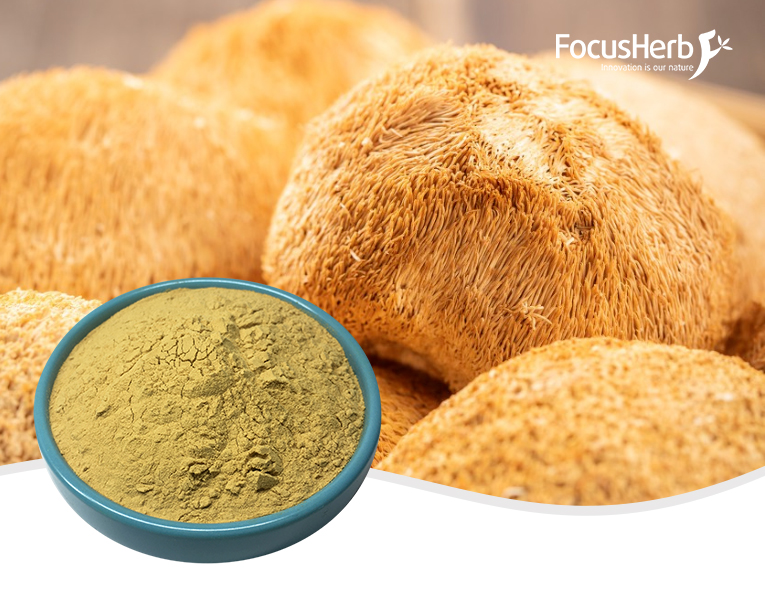
| Fruiting body powder | Ground-up actual mushroom; contains hericenones and fiber |
| Mycelium powder | Grown on grain; contains erinacines but often 70–80% filler by weight |
| Standardized extract | Concentrated; declared β-glucan and active-compound content on the label |
If a label just says “lion’s mane mushroom powder” without saying which part—and without a declared β-glucan percentage—you are probably paying for mushroom-flavored grain. That is why so many people say “it didn’t work”: the ingredient didn’t fail, the product did.
Verdict: Flatly false. Read the label carefully.
Myth #3: “Fresh whole mushroom is always better than a supplement.”
The truth: Fresh lion’s mane is delicious sautéed—but it is not an efficient delivery system for the active compounds.
The hericenones and erinacines that drive the neurotrophic effects are present in the mushroom, but in low concentrations. Eating fresh lion’s mane a couple of times a week is culinary, not therapeutic. The human studies showing cognitive benefits used 1–3 grams of concentrated powder per day, for weeks—not a stir-fry.
A well-made standardized extract also solves two problems fresh mushroom cannot: predictable dosing and consistent active-compound content. You are not “losing” anything by taking a quality extract—you are getting a known quantity of what actually matters.
Verdict: Fresh mushroom is a food. Supplement powder is a dose. Pick based on what you want.
Myth #4: “More lion’s mane = better effects.”
The truth: There is a sweet spot, and going past it just gives you an upset stomach.
Human studies showing cognitive and mood benefits have generally used 1–3 grams per day of powder, taken consistently for 4–16 weeks (systematic review, 2025). Double that dose and you do not double the benefits—you just double the chance of GI upset.
Lion’s mane is not a stimulant. Its effects build over weeks, not minutes. There is no benefit to taking 10 grams “for stronger effect.” If a brand is pushing megadoses, that is usually a sign their product is weak and they need you to eat more of it.
Verdict: Consistent moderate dose > aggressive dose. Patience beats quantity.
Myth #5: “It’s just a coffee-shop fad.”
The truth: The coffee-shop trend is the surface. The substance underneath is 2,000 years of traditional use plus a fast-growing clinical research base.
Lion’s mane (Hericium erinaceus) has been used in traditional Chinese and Japanese medicine for centuries. In the last 20 years, it has become one of the most-studied medicinal mushrooms in the world—with double-blind trials on cognition, mood, and neuroprotection now being published every quarter (narrative review, 2025; NCBI Bookshelf).
The coffee-shop boom is just how a legitimate ingredient reached the mainstream. The mushroom-coffee angle is the marketing. The hericenones, erinacines, and β-glucans are the product.
Verdict: The trend is real, and the science behind it is real too. Just don’t confuse the marketing with the mechanism.
So What’s the Real Bottom Line?
Lion’s mane is a genuinely interesting mushroom. Its NGF-supporting mechanism is unique among common culinary fungi. Its cognitive and mood benefits are supported by small but real human trials. It is safe, well-tolerated, and worth taking seriously—as long as you don’t believe the hype.
The difference between a lion’s mane product that actually works and one that sits on your shelf is almost always the raw material: fruiting body vs. mycelium, declared β-glucan content, and a third-party COA.
Quick Answers
How long until I feel it? Most people start to notice subtle effects after 2–4 weeks of consistent use.
Can I put it in coffee? Yes—earthier, nuttier, no caffeine crash. The most popular use.
Is it safe daily? Most adults tolerate 1–3 g/day well. Check with your doctor if pregnant, nursing, or on medication.
Fruiting body or mycelium? Both have compounds. The label should tell you which you are buying—if it doesn’t, that is your answer.
Previous: No Information
