










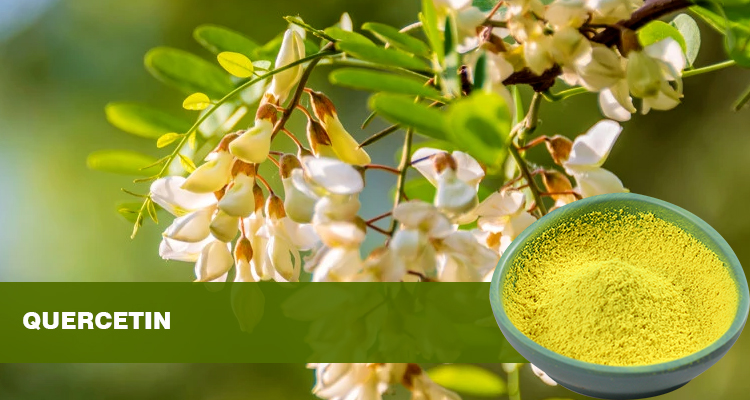
Quercetin Dihydrate powder is a substance made from quercetin in powder form. Quercetin is a natural flavonoid compound belonging to the polyhydroxy flavonol class, widely found in plants and an important component of secondary metabolites in plants. It can be found in common foods like onions, apples, tea, broccoli, and medicinal plants such as ginkgo. In these plants, quercetin usually exists in the form of glycosides, such as rutin.
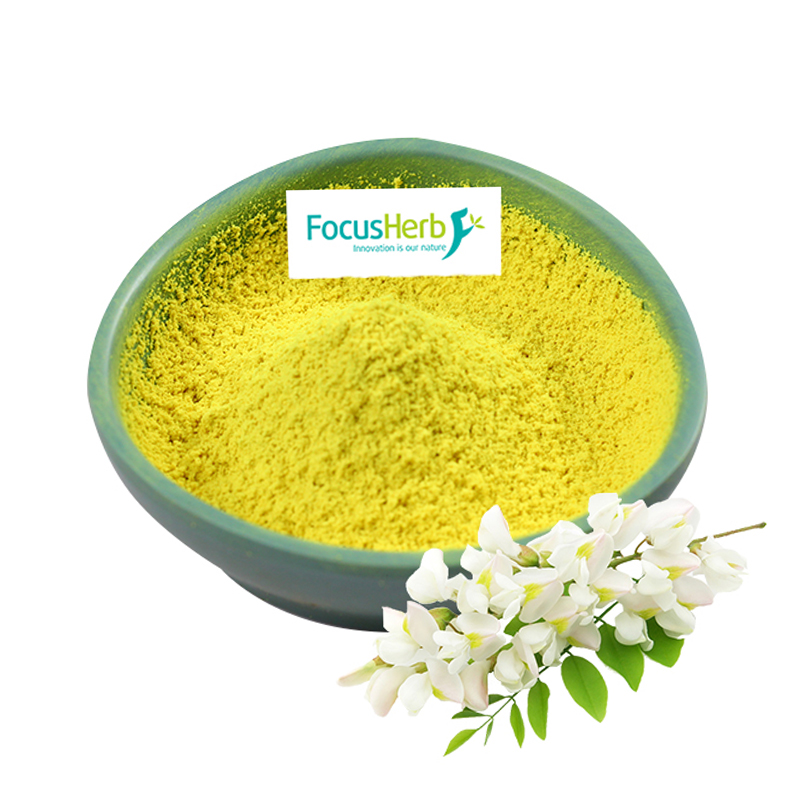
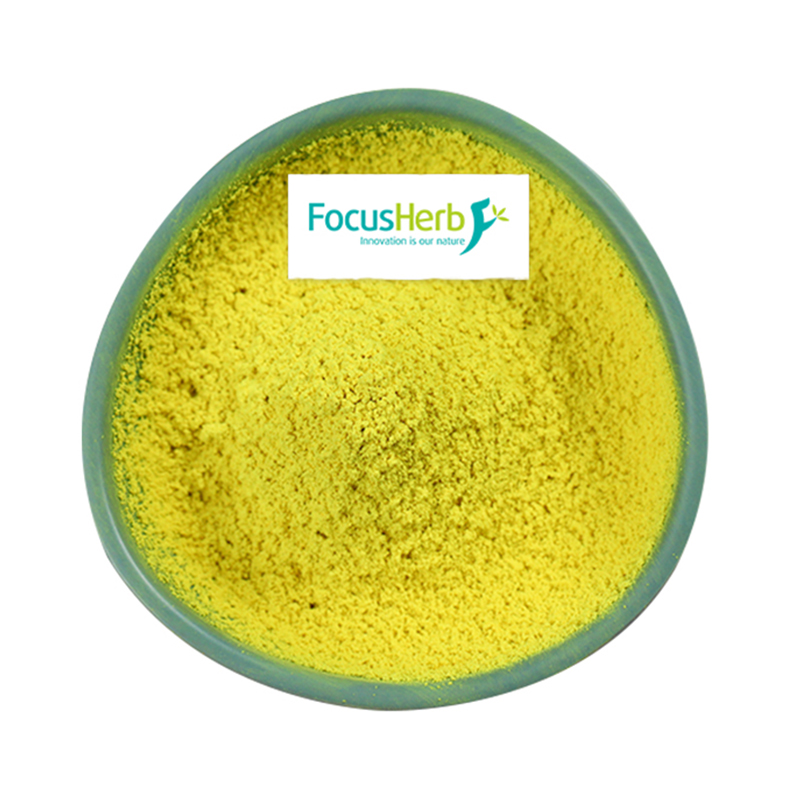
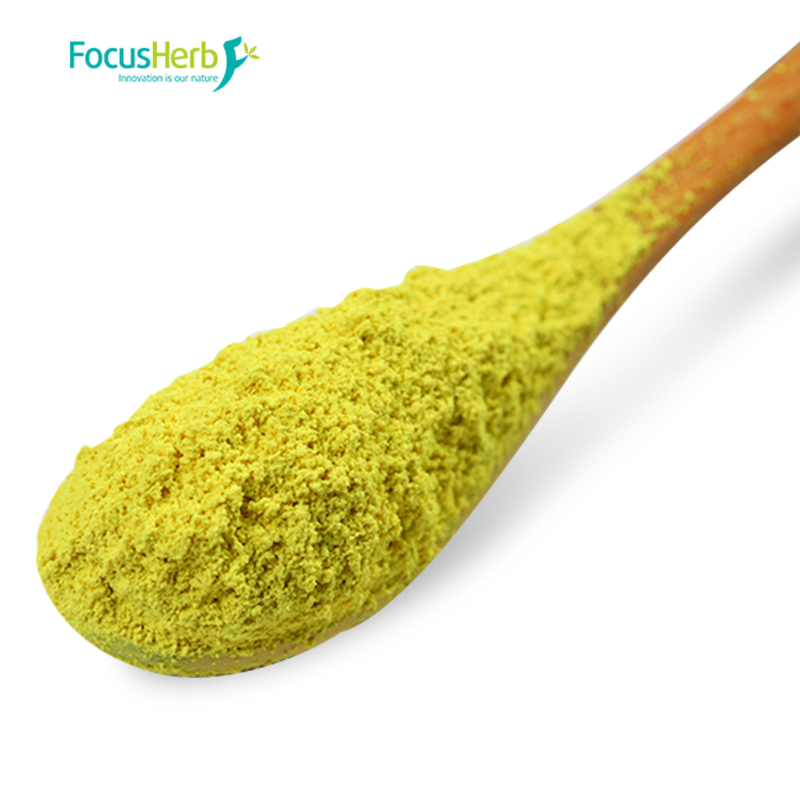
Visually, Quercetin Dihydrate powder typically appears as a yellow to light yellow crystalline powder with a uniform color. When closely smelled, a slight special odor can be detected, but it is not irritating. In terms of solubility, it is slightly soluble in water, so when Quercetin Dihydrate powder is placed in water, it does not dissolve completely and rapidly but rather partially suspends. However, it is readily soluble in polar organic solvents such as methanol, ethanol, and acetone, and is almost insoluble in non-polar solvents like petroleum ether and ether. Additionally, Quercetin Dihydrate powder is sensitive to light, heat, and oxidation, especially prone to decomposition under alkaline conditions. Therefore, for storage, it should be kept in a light-proof and sealed environment, with a recommended storage temperature of ≤25℃ and humidity of ≤60% to maintain its stability and efficacy.
 The Effects and Functions of Quercetin Dihydrate powder
 The Effects and Functions of Quercetin Dihydrate powder
Powerful Antioxidant
Quercetin Dihydrate powder is a powerful antioxidant that can effectively eliminate free radicals in the body, such as superoxide anions and hydroxyl radicals. Free radicals are unstable molecules produced during normal cell metabolism. As people age or are exposed to adverse environmental factors, their production increases, disrupting the balance between production and elimination. Excessive free radicals can attack biological macromolecules within cells, causing DNA damage, gene mutations, protein denaturation, reduced enzyme activity, and lipid peroxidation, which damages cell membranes and accelerates cellular aging and overall body aging. The molecular structure of Quercetin Dihydrate powder contains multiple phenolic hydroxyl groups, which can provide hydrogen atoms to combine with free radicals, converting them into stable products and effectively reducing oxidative damage and delaying the aging process. For instance, studies have shown that in some cell experiments, the degree of free radical damage to cells was significantly reduced after adding Quercetin Dihydrate powder, and the activity of antioxidant enzymes within the cells increased. In terms of preventing chronic diseases, the antioxidant effect of Quercetin Dihydrate powder also holds potential value. For example, in cardiovascular diseases, free radicals can oxidize low-density lipoprotein, making it more likely to deposit on the vessel walls and cause atherosclerosis. Quercetin Dihydrate powder may reduce this oxidation process through its antioxidant effect, lowering the risk of cardiovascular diseases. Regarding cancer, although it cannot be said to directly prevent cancer, oxidative stress is related to the occurrence and development of cancer. Quercetin Dihydrate powder may reduce the possibility of cell carcinogenesis to some extent through its antioxidant effect.
Regulating Immunity and Anti-Inflammation
Quercetin Dihydrate powder plays a positive role in regulating immune responses and reducing inflammation. From the perspective of immune regulation, it can stimulate the activation and proliferation of immune cells such as macrophages, natural killer cells (NK cells), and dendritic cells, enhancing the body’s innate immune function and improving resistance to pathogenic microorganisms. At the same time, it can also regulate the balance of immune responses and prevent excessive immune reactions. For example, when the body is invaded by pathogens, the immune system is activated, but if the immune response is excessive, it can cause damage to the body’s own tissues. Quercetin Dihydrate powder can maintain immune balance by down-regulating the expression of pro-inflammatory genes and up-regulating the expression of anti-inflammatory genes. In terms of anti-inflammation, it can inhibit the generation and release of inflammatory mediators, such as prostaglandin E2 (PGE2), tumor necrosis factor α (TNF-α), and interleukin 6 (IL-6), which play a key role in the inflammatory response. By reducing their production, Quercetin Dihydrate powder can effectively alleviate inflammation. For the cardiovascular and cerebrovascular system, these anti-inflammatory and immune-regulating effects bring many benefits. It can dilate coronary arteries and improve blood flow, thereby lowering blood pressure; it can also regulate blood lipids, reduce cholesterol and triglyceride levels in the blood, especially inhibit the oxidation of low-density lipoprotein (LDL), reduce the formation of vascular plaques, and lower the risk of atherosclerosis; it can also improve the function of vascular endothelial cells, promote the health of vascular endothelial cells, enhance the elasticity and stability of blood vessels; and it can inhibit platelet aggregation and prevent thrombosis, comprehensively protecting the health of the cardiovascular and cerebrovascular system.
Antibacterial and Antiviral
In vitro studies have confirmed that Quercetin Dihydrate powder has antibacterial and antiviral effects. In terms of antibacterial activity, it can inhibit the growth and reproduction of certain bacteria, although it is not as strong or targeted as specialized antibiotics, it can still play a certain role in mild infections or daily prevention. In the field of antiviral research, it has been found that many respiratory viruses can be inhibited by quercetin in cultured cells. In WI-38 or Hela cells, the minimum inhibitory concentration of 0.03 – 0.5 μg/ml can inhibit the cytopathic effects of Echovirus type 7, 11, 12, 19, rhinovirus, poliovirus, and Coxsackievirus A21 and B1; the plaques formed by DNA and RNA viruses (such as herpes simplex virus type 1, poliovirus type 1, and parainfluenza virus type 3) can also be effectively reduced, demonstrating its anti-replication properties. This means that Quercetin Dihydrate powder can help enhance the body’s disease resistance and is of great significance in the prevention and auxiliary treatment of related diseases. For example, during the high-incidence season of influenza, appropriate supplementation of Quercetin Dihydrate powder may reduce the chance of infection with the influenza virus to a certain extent. Even if infected, it may alleviate symptoms and shorten the course of the disease.
Other potential benefits
In addition to the above-mentioned relatively clear benefits, Quercetin Dihydrate powder also has some other potential benefits. Some studies suggest that it may be helpful in improving the symptoms of chronic bronchitis. On the one hand, its anti-inflammatory effect can reduce the inflammatory response in the bronchi and relieve symptoms such as coughing and shortness of breath. On the other hand, animal experiments have shown that it can promote the ciliary movement of airway epithelial cells and enhance the ability of the respiratory tract to clear foreign substances, which is beneficial for the recovery of chronic bronchitis. In terms of alleviating allergic reactions, Quercetin Dihydrate powder can inhibit the release of allergic mediators such as histamine and relieve allergic symptoms, and has a certain auxiliary alleviating effect on allergic rhinitis and allergic asthma. From the perspective of neuroprotection, some studies have shown that it may play a certain protective role in neurodegenerative diseases such as Alzheimer’s disease and Parkinson’s disease through antioxidant and anti-inflammatory mechanisms, but these effects still need more large-scale and in-depth studies to be further confirmed.
The production process of Quercetin Dihydrate powder
The predicament of traditional methods
During the production history of Quercetin Dihydrate powder, traditional methods have faced numerous challenges. Early attempts to prepare quercetin by enzymatic hydrolysis of rutin, although yielding a large amount of product, involved a complex operation process. During the enzymatic hydrolysis, precise control of enzyme type, dosage, reaction temperature, pH value and other conditions was required. Any deviation in these parameters would affect the quality and yield of the final product. Moreover, after enzymatic hydrolysis, the impurities were complex and difficult to effectively control and separate, resulting in a product purity of only about 90%, which failed to meet the strict requirements of 95% for pharmaceutical and food-grade products. To increase the purity to 95%, the subsequent purification process was extremely complicated, requiring multiple separation techniques and a large amount of chemical reagents, as well as consuming a significant amount of time and energy. Additionally, the enzymatic hydrolysis process required a large amount of water for fermentation, and the wastewater after fermentation contained a large amount of enzymes, unreacted raw materials, by-products, and microbial metabolites, making it difficult to treat and causing severe environmental pollution. Moreover, to meet the standards for impurity removal and wastewater discharge, enterprises had to invest heavily in treatment costs, including building wastewater treatment facilities, purchasing chemical reagents, and paying for the operation of professional personnel, which made the entire production process costly and severely restricted the large-scale production and application of Quercetin Dihydrate powder.
Breakthroughs in new processes
To address the drawbacks of traditional methods, researchers have continuously explored and developed new production processes. Using rutin as the raw material, the new process mainly includes steps such as feeding, hydrolysis, filtration, washing, and purification. In the feeding stage, inorganic strong acids (such as hydrochloric acid or sulfuric acid) are mixed with water to form an acid-water mixture, which is then heated to boiling and rutin is added. It is crucial to control the amount of rutin added, typically 8-13 liters of acid-water mixture per 1 kilogram of rutin, with an H⁺ concentration of 0.5-1 mol/L in the acid-water mixture. This precise ratio ensures the smooth progress of subsequent reactions. The mixture is then kept boiling for 2-3 hours to allow for complete hydrolysis of rutin. After hydrolysis, filtration is carried out to remove insoluble impurities. The resulting filter cake is then washed with water at 60-80°C until the pH of the wash water becomes neutral, followed by drying to obtain a crude quercetin filter cake. Controlling the washing temperature helps remove water-soluble impurities. The final purification step involves adding 5-20 times the volume of refined methanol to the crude quercetin filter cake, stirring evenly and allowing it to stand, then filtering. The filter cake is washed with 2-10 times the volume of refined methanol, followed by washing with 5-10 times the volume of pure water until the wash water is colorless and odorless, and then dried to obtain high-purity quercetin. This new process has significant advantages, simplifying the operation process, making it easier to control parameters at each stage, achieving a high conversion rate, and greatly reducing production costs. The products produced have high purity, meeting all impurity and bacterial standards. Moreover, the entire production process is environmentally friendly, with no harmful substances discharged, effectively avoiding environmental pollution compared to the old process, providing a strong guarantee for the large-scale and high-quality production of Quercetin Dihydrate powder.
The application fields of Quercetin Dihydrate powder
The field of medicine
Quercetin Dihydrate powder has broad application potential in the medical field. Studies have shown that it plays a positive role in the prevention and treatment of various cancers, being able to inhibit the growth and spread of tumor cells. For instance, in the case of lung cancer cells, experiments have found that Quercetin Dihydrate powder can induce apoptosis of lung cancer cells, by regulating the expression of cell cycle-related proteins, causing cancer cells to stagnate in a specific cycle and unable to undergo normal proliferation and division. In liver cancer research, it can inhibit the migration and invasion ability of liver cancer cells, reducing the risk of cancer cell metastasis. This is mainly because Quercetin Dihydrate powder can regulate multiple signaling pathways, such as inhibiting the activation of the PI3K/Akt signaling pathway, reducing the survival and proliferation signals of cancer cells; it can also regulate the Wnt/β-catenin signaling pathway, affecting the stemness and differentiation of cancer cells. However, currently, Quercetin Dihydrate powder is mostly in the research stage in cancer treatment and has not yet become a mainstream therapeutic drug, mainly due to its low bioavailability, with certain problems in absorption and metabolism in the body, which limits the full play of its therapeutic effect. Please provide the text you would like translated.
The powerful antioxidant effect of Quercetin Dihydrate powder is also of great significance in the medical field. It can eliminate excessive free radicals in the body, prevent and alleviate diseases related to oxidative stress, such as cardiovascular diseases and neurodegenerative diseases. In terms of cardiovascular diseases, it can inhibit the oxidation of low-density lipoprotein, reduce lipid deposition on the vessel wall, and thereby lower the risk of atherosclerosis. In neurodegenerative diseases such as Alzheimer’s disease, the antioxidant and anti-inflammatory properties of Quercetin Dihydrate powder help reduce damage to nerve cells, suppress neuroinflammatory responses, protect nerve cells, and maintain the normal function of the nervous system. Please provide the text you would like translated.
In addition, the anti-inflammatory effect of Quercetin Dihydrate powder makes it applicable for treating various inflammation-related diseases. For instance, in arthritis patients, inflammation can cause joint pain, swelling and functional impairment. Quercetin Dihydrate powder can inhibit the release of inflammatory mediators, reduce joint inflammation and alleviate pain and swelling symptoms. In respiratory tract inflammatory diseases such as chronic obstructive pulmonary disease (COPD), it can alleviate airway inflammation and improve respiratory function. In terms of anti-allergy, it can inhibit the release of allergic mediators such as histamine, and has certain therapeutic effects on allergic rhinitis, allergic asthma and other diseases, reducing symptoms such as sneezing, runny nose and wheezing in patients. In the field of antibacterial and antiviral, although it cannot replace antibiotics and antiviral drugs, it can play an auxiliary role in some mild infections or prevention, helping the body resist the invasion of pathogens. Please provide the text you would like translated.
The food industry
Quercetin Dihydrate powder has a wide range of applications in the food industry. Firstly, it is an excellent natural antioxidant and preservative. During food processing and storage, oils are prone to oxidative rancidity, which leads to a decline in food quality, generating unpleasant odors and flavors. However, when Quercetin Dihydrate powder is added, it can combine with free radicals in the oils, terminate the oxidative chain reaction, effectively delay the oxidative rancidity of oils, and extend the shelf life of food. In baked goods, the antioxidant effect of Quercetin Dihydrate powder can prevent the oxidation of oils in food, maintain the freshness and flavor of food, and keep bread, cakes, etc. soft and delicious for a longer time. In meat processing, it can inhibit lipid oxidation and microbial growth in meat products, reduce rancidity and spoilage of meat, and maintain the color and taste of meat. Please provide the text you would like translated.
Quercetin Dihydrate powder is increasingly being used in functional foods and dietary supplements. Due to its various health benefits, such as antioxidation, anti-inflammation, and immunity enhancement, it is widely added to various functional foods. In sports nutrition products, it can help athletes relieve exercise fatigue and promote muscle recovery, making it popular among many athletes and fitness enthusiasts. Some energy bars and sports drinks contain Quercetin Dihydrate powder, providing additional nutritional support for the sports community. In the dietary supplement field, Quercetin Dihydrate powder is often made into capsules, tablets, and other forms, making it convenient for consumers to supplement and meeting the needs of those who wish to improve their health through dietary supplements. In the beverage industry, it is also gradually emerging. Many fruit juices and functional beverages contain Quercetin Dihydrate powder, not only adding a unique flavor to the beverages but also enhancing their health value, meeting consumers’ demand for healthy drinks. Please provide the text you would like translated.
The cosmetics industry
In the cosmetics field, the antioxidant and anti-inflammatory properties of Quercetin Dihydrate powder play a significant role. In skin care products, it can effectively eliminate free radicals within skin cells, reduce the damage caused by oxidative stress to the skin, and delay skin aging. Ultraviolet rays are one of the main external factors leading to skin aging; they induce the production of a large number of free radicals in the skin, damaging collagen and elastic fibers, causing wrinkles, sagging, and other signs of aging. V can protect against the damage of ultraviolet rays, reduce the generation of free radicals, and safeguard the collagen and elastic fibers in the skin, maintaining its elasticity and firmness. Additionally, it can promote the metabolism of skin cells and accelerate the shedding of aged keratinocytes, making the skin smoother and more delicate. Please provide the text you would like translated.
For sensitive skin and inflammatory skin diseases, the anti-inflammatory effect of Quercetin Dihydrate powder can produce remarkable results. Sensitive skin is prone to external stimuli, triggering inflammatory responses and presenting symptoms such as redness, itching, and stinging. Quercetin Dihydrate powder can inhibit the release of inflammatory mediators, alleviate the skin’s inflammatory response, soothe sensitive skin, enhance the skin’s barrier function, and improve skin tolerance. In the treatment of some inflammatory skin diseases such as eczema and seborrheic dermatitis, skin care products containing Quercetin Dihydrate powder can assist drug therapy, relieve skin inflammation, and promote skin repair and healing. Additionally, it can work synergistically with other beauty ingredients such as vitamin C and hyaluronic acid to enhance the efficacy of skin care products. The combination of vitamin C and Quercetin Dihydrate powder can jointly resist free radical damage to the skin and improve antioxidant effects; the pairing of hyaluronic acid and Quercetin Dihydrate powder can enhance the skin’s moisture retention capacity, making the skin more hydrated and radiant.
Correct Understanding and Use of Quercetin Dihydrate powder
Reasonable Intake
Although Quercetin Dihydrate powder has various health benefits, it is essential to understand that it cannot replace conventional medical treatment. It is merely a health supplement and should not be relied upon solely for treating diseases. If you experience any discomfort, such as colds, fevers, coughs, or abdominal pain, you should seek medical attention promptly and follow the doctor’s diagnosis and treatment recommendations for scientific treatment. During the course of disease treatment, do not substitute the prescribed medication with Quercetin Dihydrate powder on your own. Please provide the text you would like translated.
If there is a genuine need to take V supplements, it is essential to do so under the guidance of a doctor or a professional nutritionist. Doctors and nutritionists have the professional knowledge to comprehensively assess an individual’s health condition, age, gender, whether they have other diseases, and other medications they are taking, and then provide reasonable suggestions on dosage, timing, and frequency of use. For instance, for people with certain chronic diseases who are taking specific medications, doctors need to consider whether Quercetin Dihydrate powder will interact with these medications and adjust the medication plan accordingly. Please provide the text you would like translated.
Besides Quercetin Dihydrate powder supplements, we can also obtain quercetin through our daily diet. Many common foods are rich in quercetin, such as onions, especially red onions, which have a relatively high quercetin content. We can increase the intake of onions in our daily cooking, whether in cold dishes, stir-fries or soups, to obtain quercetin. Apples are also a good source of quercetin, especially the apple peel, which contains a higher amount. Therefore, it’s best not to peel apples when eating them. Tea, especially green tea, contains a certain amount of quercetin. Drinking green tea in moderation every day not only allows us to enjoy its aroma but also supplement quercetin. Broccoli is rich in various nutrients, including quercetin. Eating more broccoli can increase the intake of quercetin. Obtaining quercetin through food is not only safe and natural but also enables us to take in other nutrients simultaneously, maintaining a balanced and diverse diet.
Matters need attention
Certain special groups need to be particularly cautious. Pregnant and lactating women should avoid using Quercetin Dihydrate powder. Currently, there is insufficient evidence to demonstrate the safety of Quercetin Dihydrate powder for fetuses and infants. During pregnancy and lactation, fetuses and infants are more sensitive to various substances. To avoid potential risks, these two groups should be cautious and refrain from supplementing Quercetin Dihydrate powder at will. Children, whose bodies are still in the stage of growth and development and whose physiological functions are not yet fully mature, and for whom there is a lack of safety and efficacy data on the use of Quercetin Dihydrate powder, are also not recommended to use it. Please provide the text you would like translated.
Excessive supplementation of Quercetin Dihydrate powder may cause adverse effects on the body, with damage to the kidneys being particularly prominent. Quercetin needs to be metabolized by the liver and excreted through the kidneys. If taken in large quantities for a long time, it will increase the burden on the liver and affect its normal function. At the same time, excessive quercetin and its metabolites will increase the burden on the kidneys, which may lead to a decrease in glomerular filtration rate and renal insufficiency and other kidney diseases. For example, studies have shown that experimental animals that have taken high doses of quercetin for a long time have experienced damage to the renal tubular epithelial cells and inflammatory reactions in the kidney tissue. In addition, Quercetin Dihydrate powder may also cause allergic reactions, such as rashes, itching, redness and swelling, and in severe cases, even anaphylactic shock. It may also irritate the gastrointestinal tract, causing discomfort such as nausea, vomiting, abdominal pain and diarrhea. Due to the anti-platelet aggregation effect of quercetin, long-term use may also increase the risk of bleeding, such as gum bleeding and nosebleeds. Please provide the text you would like translated.
Therefore, when using Quercetin Dihydrate powder, it is essential to strictly adhere to the prescribed dosage and never increase the dose on your own. During the course of taking it, pay close attention to your body’s reactions. If any adverse symptoms occur, such as the allergies, gastrointestinal discomfort, and bleeding tendencies mentioned above, stop taking it immediately and seek medical attention promptly so that a doctor can assess and handle the situation.
