








Medical Field: New Hope for Disease Prevention and Treatment
In the medical field, dihydroquercetin has demonstrated multifaceted potential, like a rising star, bringing new hope for the prevention and treatment of many diseases.
A powerful antioxidant: Dihydroquercetin possesses extremely strong antioxidant capabilities, making it a true “nemesis” of free radicals. Free radicals run rampant in the body, causing oxidative damage to cells and being the “culprit” behind accelerated aging and various chronic diseases. Dihydroquercetin can precisely capture and neutralize these free radicals, acting like a strong “protective suit” for cells, reducing the damage of oxidative stress to cells, thus helping to prevent and delay aging. It can also improve the body’s immunity, enhance its resistance, and keep us away from disease.
An “inhibitor” of inflammation: Inflammation is a common feature of many diseases, such as rheumatoid arthritis and inflammatory bowel disease, causing great suffering to patients. Dihydroquercetin can inhibit inflammatory mediators produced during the inflammatory response, such as interleukins and tumor necrosis factor, acting like a bucket of cold water poured on the raging fire of inflammation, reducing inflammatory symptoms and alleviating the inflammatory response, bringing good news to patients with inflammatory diseases.
A “natural enemy” of pathogens: It has a significant inhibitory effect on a variety of bacteria, fungi, and viruses, serving as a powerful “shield” for our bodies against invading pathogens. Common pathogens such as Escherichia coli and Staphylococcus aureus will also “flee” in its presence. Therefore, dihydroquercetin plays an important role in the prevention and treatment of some infectious diseases, such as respiratory infections and skin infections, safeguarding our health defenses.
A “regulator” of blood sugar: For diabetic patients, dihydroquercetin may be a potential “savior.” It can lower blood sugar levels through multiple pathways, such as activating the PI3K/Akt signaling pathway, promoting the transfer of glucose transporters from intracellular vesicles to the cell membrane, enhancing the uptake and utilization of glucose by peripheral tissues; regulating lipid metabolism, reducing the interference of free fatty acids on insulin signaling, and improving insulin sensitivity; protecting pancreatic β cells and promoting insulin secretion; inhibiting hepatic gluconeogenesis, reducing endogenous glucose production; and delaying intestinal glucose absorption, reducing postprandial blood glucose peaks, thus working in multiple ways to help control blood sugar.
A “Guardian” of Cardiovascular and Cerebrovascular Health: Cardiovascular and cerebrovascular diseases seriously threaten human health, and dihydroquercetin performs excellently in protecting cardiovascular and cerebrovascular health. It can lower blood lipids, inhibit platelet aggregation, improve vascular endothelial function, promote the synthesis and release of nitric oxide in vascular endothelial cells, relax vascular smooth muscle, reduce vascular resistance, maintain normal blood pressure, reduce the formation of atherosclerotic plaques, and prevent the occurrence of cardiovascular and cerebrovascular diseases such as hypertension, arteriosclerosis, and myocardial infarction, thus safeguarding our heart and vascular health.
A Potential Nemesis of Tumors: Some studies have surprisingly shown that dihydroquercetin has an inhibitory effect on certain tumor cells, inhibiting their growth and proliferation, inducing apoptosis, blocking blood supply to tumors, and suppressing tumor invasion and metastasis. It holds promise as a potential drug for cancer treatment, offering hope to cancer patients.
However, despite its enormous potential in the pharmaceutical field, the safety and efficacy of dihydroquercetin still require further rigorous and in-depth clinical research to verify. When using dihydroquercetin or medications containing this ingredient, it is essential to follow the professional advice of a doctor and never use it blindly on your own. Closely monitor for potential side effects and contraindications to ensure safe medication use.
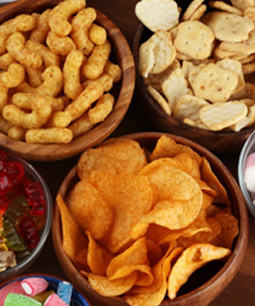
Food Industry: A Dual Guarantee of Quality and Health
In the food industry, dihydroquercetin also plays a vital role, making outstanding contributions to improving food quality and ensuring health.
A Powerful Antioxidant: In oily foods, such as cooking oils and nuts, dihydroquercetin effectively slows down oxidation reactions, extends product shelf life, keeps cooking oils clear, nuts crisp, and reduces rancidity caused by oxidation. In meat processing, whether it’s sausages, ham, or bacon, adding dihydroquercetin prevents meat from discoloring and changing flavor due to oxidation, maintains the tenderness and color of the meat, extends shelf life, reduces the use of preservatives, and gives consumers greater peace of mind. In the dairy sector, products like milk powder and yogurt, dihydroquercetin inhibits fat oxidation and protein denaturation, preserving the nutritional components and taste of dairy products. For example, adding dihydroquercetin to yogurt not only extends its shelf life but also enhances its antioxidant activity, making yogurt not only delicious but also healthier. Natural Antibacterial Agent: Dihydroquercetin has broad-spectrum antibacterial activity, significantly inhibiting common foodborne pathogens and spoilage bacteria such as Escherichia coli, Staphylococcus aureus, and Bacillus subtilis. In baked goods, it can inhibit mold growth, extend the shelf life of bread and cakes, and maintain their soft texture. In fruit and vegetable processing, it can reduce microbial contamination in fruit and vegetable juices and jams, maintaining product freshness and flavor.
Guardian of Nutrients: Nutrients are easily destroyed during food processing, and dihydroquercetin acts as a protector. Adding dihydroquercetin to vitamin C-rich juices reduces vitamin C oxidation loss, allowing consumers to ingest more nutrients. In grain processing, it can protect B vitamins, minerals, and other nutrients in grains, enhancing the nutritional value of grain products.
Stability Enhancer: Food quality deteriorates during processing and storage due to oxidation, light, and temperature. Dihydroquercetin can improve food stability, slow down oxidation reactions, and reduce pigment changes, taste deterioration, and flavor loss. In beverages, it improves color stability and enhances flavor; for example, in fruit juices, it not only prevents color darkening but also makes the fruit aroma more intense. In frozen foods such as ice cream, it prevents ice crystal formation, maintaining a smooth texture and good mouthfeel.
Quality and mouthfeel enhancer: Dihydroquercetin can interact with various components in food to improve stability and texture. It can increase the viscosity of food, improve emulsification, and stabilize emulsions, thereby improving the texture and mouthfeel of the food. Adding dihydroquercetin to chocolate makes it smoother, enhances its antioxidant capacity, and helps it maintain good quality during storage.
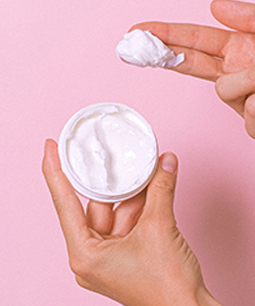
In the cosmetics field: The secret weapon for skin rejuvenation
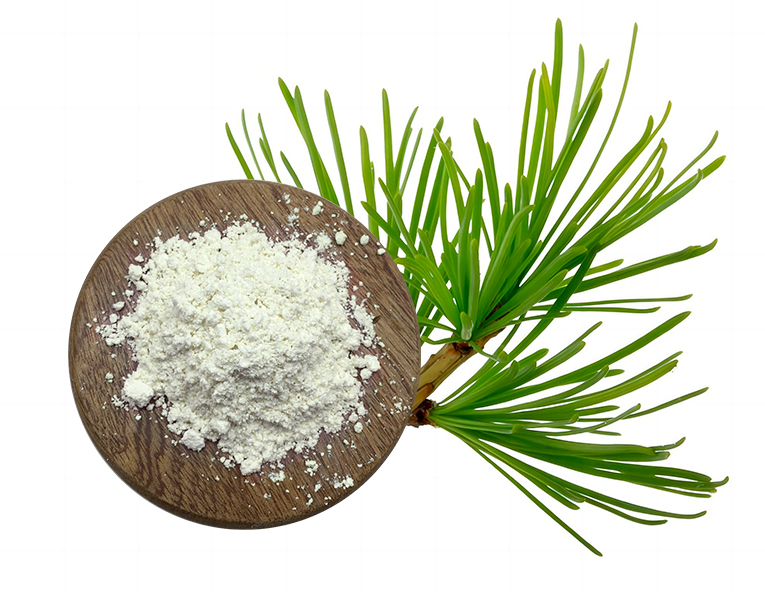
In the cosmetics field, dihydroquercetin is considered a secret weapon for skin rejuvenation, providing comprehensive care for the skin with its remarkable efficacy.
Powerful antioxidant capacity: In daily life, skin constantly faces the threat of free radicals. Ultraviolet rays, environmental pollution, and stress all contribute to the generation of free radicals, which damage lipids, proteins, and DNA within skin cells, leading to skin aging, sagging, wrinkles, and age spots. The dihydroquercetin molecule contains multiple phenolic hydroxyl groups, giving it a powerful antioxidant capacity. It can effectively scavenge reactive oxygen species (ROS) such as hydroxyl radicals and superoxide anions within skin cells. Experiments show that its scavenging rate for ultraviolet-induced superoxide anions and hydroxyl radicals can reach over 80%. It can also activate the activity of endogenous antioxidant enzymes such as SOD (superoxide dismutase) and GSH-Px (glutathione peroxidase) in the skin, enhancing the cell’s own defense capabilities. Simultaneously, it inhibits the activity of oxidases such as tyrosinase and NADPH oxidase, reducing melanin production and lipid peroxidation. From multiple angles, it resists free radical damage to the skin, like building a strong “antioxidant defense line” on the skin surface, effectively delaying skin aging. Excellent anti-inflammatory effects: Skin inflammation is the root cause of many skin problems, such as acne-prone skin and sensitive skin. Dihydroquercetin can downregulate inflammatory signaling pathways such as NF-κB and COX-2, and reduce the release of inflammatory factors such as IL-6 and TNF-α, thereby alleviating inflammatory responses. It can effectively relieve skin redness and swelling caused by ultraviolet radiation, allergies, etc.; by inhibiting histamine release, it can also improve chronic skin problems such as eczema and dermatitis, enhance skin tolerance, and help the skin restore a healthy and stable state.
Promoting Collagen Synthesis: As we age, collagen in the skin is gradually lost, leading to loss of elasticity, sagging, and wrinkles. Dihydroquercetin can promote the synthesis of new collagen by fibroblasts, strengthen the structural support of the dermis, and inhibit the activity of matrix metalloproteinases (MMP-1), preventing the degradation of collagen and elastin fibers. In vitro experiments show that in a skin fibroblast model, treatment with dihydroquercetin significantly increases collagen synthesis and improves the structure of the extracellular matrix. Long-term use of skincare products containing dihydroquercetin can effectively improve skin laxity, reduce fine lines and wrinkles, and restore firmness and elasticity to the skin.
Regulating Cell Proliferation and Apoptosis: Normal cell proliferation and apoptosis are crucial for maintaining healthy skin. Dihydroquercetin can promote skin cell proliferation, accelerate wound healing and repair, and inhibit cell apoptosis, reducing cell death and skin aging. In skin injury experiments, topical or oral dihydroquercetin can shorten the inflammatory phase, promote fibroblast proliferation and collagen synthesis, and aid wound healing. This property makes it excellent in repairing damaged skin.
Inhibiting pigmentation: Pigmentation is one of the main causes of dull skin and age spots. Dihydroquercetin blocks melanin synthesis by non-competitively inhibiting tyrosinase activity, showing significant effects in whitening and fading spots, with efficacy superior to ordinary arbutin. It can also accelerate stratum corneum metabolism, brightening skin tone by 1-2 shades, making the skin whiter and more radiant, and eliminating dullness.
Based on these significant effects, dihydroquercetin has wide applications in cosmetics. In anti-aging skincare products, such as Proya’s Double Anti-Aging Essence, dihydroquercetin is added, combined with ergothioneine to enhance photoprotection, help the skin fight oxidative damage, improve skin elasticity, reduce wrinkle formation, and make the skin firmer and smoother. In medical dressings, dihydroquercetin can be used for post-laser treatment repair, reducing erythema and pigmentation. In some soothing creams specifically for sensitive skin, adding dihydroquercetin can effectively reduce skin sensitivity symptoms. Dihydroquercetin is also found in whitening essences, spot-removing creams, and other products. It inhibits melanin production at its source, fading existing dark spots; adding dihydroquercetin to hair care products such as shampoos, conditioners, and hair masks helps protect scalp health, promotes scalp blood circulation, provides a good growth environment for hair, and enhances hair’s resilience and shine; in sun protection products such as sunscreens and sun sprays, dihydroquercetin not only absorbs some ultraviolet rays but also reduces UV damage to the skin through its antioxidant properties, preventing sunspots, sunburn, and other problems.
Other Fields: Limitless Application Potential
Besides its outstanding performance in the pharmaceutical, food, and cosmetics industries, dihydroquercetin has demonstrated unique value and application potential in other fields, bringing new ideas and opportunities to the development of multiple industries.
In the industrial sector, dihydroquercetin plays an indispensable role. It can be added to certain materials as a shock absorber, enhancing their stability and seismic performance. In the production of industrial products with high structural stability requirements, such as building materials and aerospace components, dihydroquercetin can help improve product reliability in complex environments and reduce the risk of damage caused by vibration, impact, and other factors. Simultaneously, it is also an excellent stabilizer, improving the stability of polymer materials such as rubber and plastics under environmental factors such as light, heat, and oxygen, extending product lifespan, reducing aging and degradation, lowering production costs, and improving production efficiency. Furthermore, the antioxidant properties of dihydroquercetin make it highly favored in fields such as oil processing and fuel storage. It can effectively inhibit the oxidative rancidity of oils and prevent fuel deterioration during storage, ensuring product quality and performance.
In the agricultural and forestry sectors, dihydroquercetin also plays a positive role. Studies have found that applying dihydroquercetin to crop cultivation can regulate plant growth and metabolism, enhance plant resistance to stress, and improve crop yield and quality. For example, in the cultivation of some vegetables and fruits, spraying an appropriate amount of a solution containing dihydroquercetin can promote root growth and development, improve the plant’s ability to absorb nutrients and water, resulting in fuller, brighter-colored fruits with improved taste and nutritional value. In seedling cultivation, dihydroquercetin can enhance seedlings’ resistance to pests and diseases, reduce pesticide use, lower environmental pollution, and cultivate stronger, higher-quality seedlings, providing strong support for the sustainable development of forestry.
Usage Precautions and Outlook
While dihydroquercetin possesses many remarkable effects, its use requires careful consideration. It is not suitable for everyone. Pregnant women, breastfeeding women, and those taking other medications or with specific medical conditions should consult a doctor before use to avoid potential risks. Because everyone’s physical condition and physiological functions are different, blindly using dihydroquercetin may cause unexpected side effects, such as common gastrointestinal discomfort like nausea, vomiting, and diarrhea. In severe cases, it may even lead to difficulty breathing or allergic reactions. Furthermore, dihydroquercetin cannot replace regular medical treatment. If you experience any illness, seek medical attention promptly and follow your doctor’s diagnosis and treatment plan.
Looking to the future, the application prospects of dihydroquercetin in various fields are bright. With continuous advancements in science and technology and in-depth research, we have reason to believe that in the pharmaceutical field, it will provide new solutions and hope for the treatment of more diseases. Perhaps in the near future, more effective drugs based on dihydroquercetin will be developed, helping patients escape the torment of illness. In the food industry, it will further improve food quality and safety, meet consumers’ demand for healthy food, and inject new vitality into food innovation and development. In the cosmetics field, dihydroquercetin will continue to contribute to the upgrading of skin care products, bringing people a more efficient and safer skin care experience, allowing the skin to radiate a more captivating glow. Simultaneously, in other fields such as industry, agriculture, and forestry, dihydroquercetin will continue to expand its application scope, play a greater role, and promote the sustainable development of related industries. We look forward to more researchers dedicating themselves to the research of dihydroquercetin, deeply exploring its potential efficacy and applications, and making greater contributions to human health and social development.
