











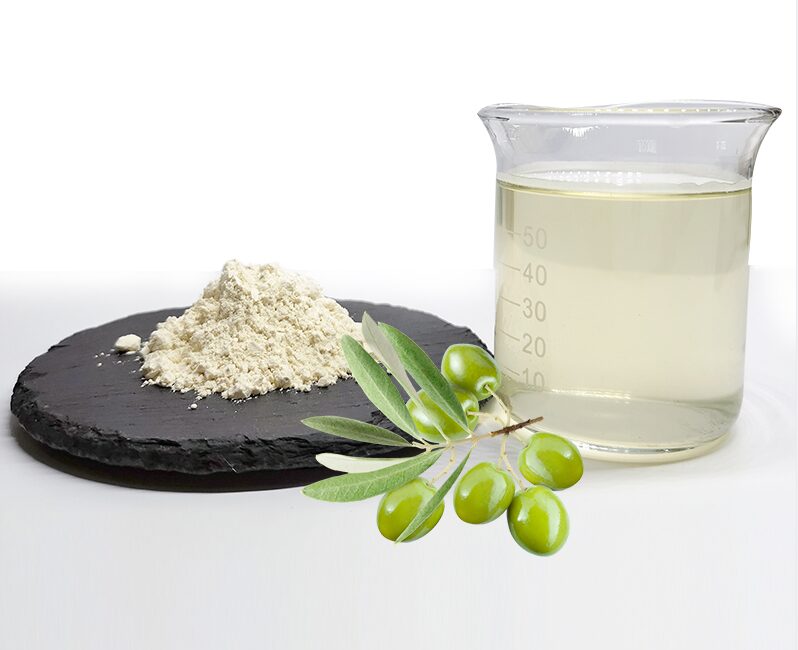
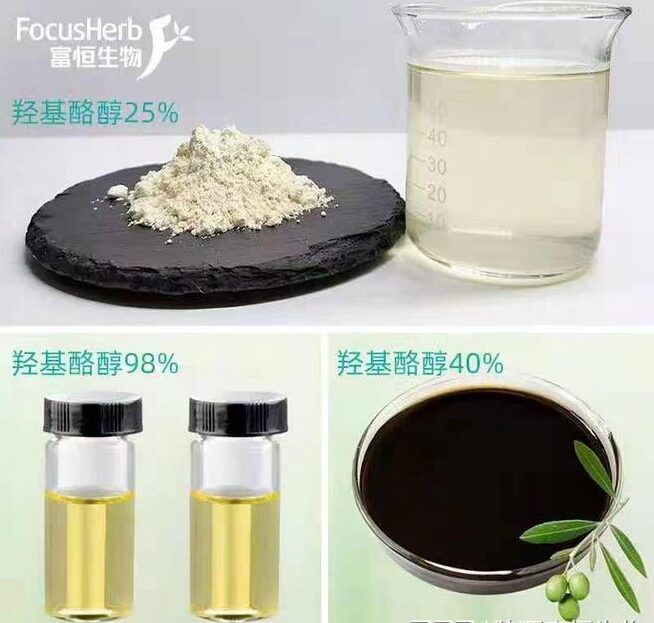
Hydroxytyrosol, chemically known as 3,4-dihydroxyphenylethanol, has the molecular formula C₈H₁₀O₃ and a molecular weight of 154.16. It is a natural polyphenol compound, primarily found as an ester in the fruit and leaves of olives, particularly abundant in olive leaves, a byproduct of olive oil processing. As a dopamine metabolite, it may exert its biological activity by regulating dopamine metabolism. Hydroxytyrosol’s most prominent characteristic is its powerful antioxidant activity, even surpassing that of common antioxidants like vitamin C and vitamin E. It effectively scavenge free radicals in the body, such as superoxide anion radicals and hydroxyl radicals. These free radicals attack lipids, proteins, and DNA in cells, leading to cell damage and aging. Hydroxytyrosol neutralizes free radicals by donating hydrogen atoms, interrupting the oxidation chain reaction and protecting cells from oxidative stress damage. It demonstrates unique value in maintaining human health and in numerous industrial applications.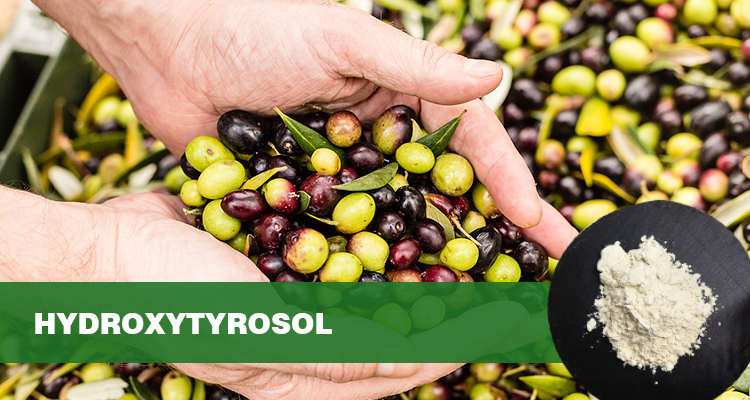
In the pharmaceutical field: A Guardian of Health
In the pharmaceutical field, hydroxytyrosol shines like a bright star, demonstrating extraordinary potential and bringing numerous benefits to human health.
(I) A Nemesis of Cardiovascular Disease
Cardiovascular disease has become one of the leading killers threatening human health worldwide, and hydroxytyrosol performs exceptionally well in improving heart health and reducing the risk of cardiovascular disease. It achieves this goal through multiple mechanisms. On the one hand, hydroxytyrosol can lower cholesterol levels, especially low-density lipoprotein cholesterol (LDL-C), reducing its deposition on the blood vessel walls, thereby reducing the risk of atherosclerosis. Related studies have shown that consuming foods or supplements rich in hydroxytyrosol can significantly reduce total cholesterol and LDL-C levels in the blood. On the other hand, it also has antioxidant effects, neutralizing free radicals, reducing the damage of oxidative stress to the cardiovascular system, protecting blood vessel walls from damage, and preventing thrombosis. Simultaneously, hydroxytyrosol can promote the production of nitric oxide by activating nitric oxide synthase. Nitric oxide, as an important vasodilator, dilates blood vessels, lowers blood pressure, and improves blood circulation. In a randomized controlled trial in a prehypertensive population, daily supplementation with 10 mg of hydroxytyrosol (derived from olive leaf extract) for 8 weeks resulted in an average reduction of 5.3 mmHg in systolic blood pressure and 2.8 mmHg in diastolic blood pressure, with better effects than the placebo group.
(II) Potential Anti-Cancer Agent
Cancer, a dreaded disease, has long posed a serious threat to human life and health. Although research on the anti-cancer effects of hydroxytyrosol is still in the exploratory stage, its potential role is promising. Studies have found that hydroxytyrosol can inhibit the proliferation and metastasis of tumor cells and promote tumor cell apoptosis. It can also regulate the expression of tumor-related genes and inhibit tumor growth by inhibiting tumor angiogenesis. In a study of breast cancer cells (MCF-7), hydroxytyrosol at a concentration of 50 μg/mL significantly reduced cancer cells by inhibiting proliferation and promoting apoptosis. The mechanism may be to increase the number of cells in the G0-G1 phase and prevent the transition from the G1-S phase. However, the exact mechanism of hydroxytyrosol’s anticancer effects is not yet fully understood and requires further in-depth research. Nevertheless, its demonstrated potential makes it a promising adjuvant drug for cancer treatment.
(III) A Glimmer of Hope for Neurodegenerative Diseases
With the increasing aging of the global population, the incidence of neurodegenerative diseases such as Alzheimer’s and Parkinson’s is rising year by year, placing a heavy burden on patients and their families. The neuroprotective role of hydroxytyrosol offers new hope for the treatment of these diseases. Oxidative stress and inflammatory responses play a crucial role in the development of neurodegenerative diseases, and hydroxytyrosol, with its powerful antioxidant and anti-inflammatory capabilities, can effectively resist this attack. It effectively reduces the damage of oxidative stress to neurons through multiple pathways, including scavenging free radicals, inhibiting lipid peroxidation, and stabilizing cell membranes. It can also regulate key signaling pathways such as nuclear factor κB (NF-κB) and cyclooxygenase-2 (COX-2), inhibiting the production and release of inflammatory cytokines, thereby reducing the damage of inflammatory responses to neurons. Studies have shown that hydroxytyrosol can reduce β-amyloid (Aβ) deposition and Tau protein phosphorylation levels in the brain tissue of Alzheimer’s disease models, improving cognitive function; simultaneously, it can delay the loss of dopaminergic neurons in the substantia nigra of Parkinson’s disease models, improving motor function.
(IV) Relief Agent for Inflammatory Diseases
Chronic inflammation is the root cause of many chronic diseases, such as rheumatoid arthritis and inflammatory bowel disease, which severely affect patients’ quality of life. Hydroxytyrosol has significant anti-inflammatory properties, reducing the severity of inflammatory responses by inhibiting the production and release of inflammatory mediators, such as tumor necrosis factor-α (TNF-α), interleukin-1β (IL-1β), interleukin-6 (IL-6), and prostaglandin E2 (PGE2). During inflammation, the production of a large number of free radicals leads to tissue damage and persistent inflammatory responses. The antioxidant effect of hydroxytyrosol can scavenge free radicals in the body, reduce oxidative stress damage to cells, and thus inhibit inflammatory responses. It can also inhibit the activation of inflammation-related signaling pathways, such as the nuclear factor-κB (NF-κB) signaling pathway and the mitogen-activated protein kinase (MAPK) signaling pathway, reducing the synthesis and release of inflammatory mediators and inhibiting the progression of the inflammatory response. Based on its anti-inflammatory effects, hydroxytyrosol has potential application value in the prevention and treatment of inflammation-related diseases.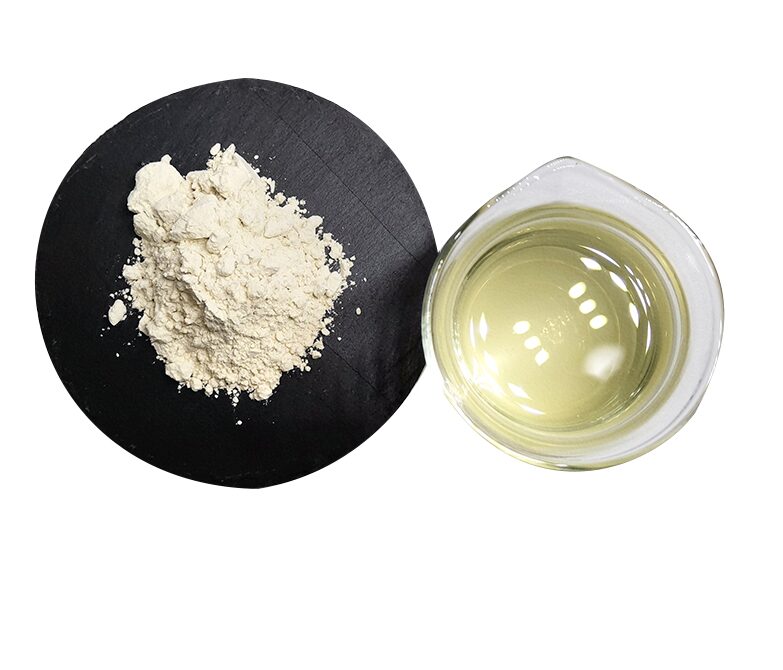
Cosmetics: The Secret to Skin Renewal
In the cosmetics industry, hydroxytyrosol acts like a magical wizard, providing comprehensive care for the skin and unlocking the secrets to skin renewal, making it a star ingredient in many skincare products.
(I) Antioxidant and Anti-aging
With age and the influence of external environmental factors such as ultraviolet radiation and air pollution, skin cells are constantly attacked by free radicals, leading to oxidative damage, which is one of the main causes of skin aging. Hydroxytyrosol possesses powerful antioxidant capabilities. Its molecular structure contains a catechol group, a special structure that gives it a strong hydrogen-donating ability, allowing it to easily combine with free radicals and transform these highly destructive free radicals into stable substances, thereby effectively interrupting the oxidation chain reaction and reducing the damage of free radicals to skin cells. Studies have shown that the antioxidant capacity of hydroxytyrosol even surpasses that of common antioxidants such as vitamin C and vitamin E. Under ultraviolet radiation, the skin produces a large number of free radicals. These free radicals damage collagen and elastin fibers in the skin, leading to wrinkles, sagging, and other signs of aging. Skincare products containing hydroxytyrosol can effectively eliminate these free radicals, helping the skin resist UV damage and slowing down the aging process.
(II) Anti-inflammatory and Soothing, Improving Sensitivity
Skin inflammation is the root cause of many skin problems. Inflammation can cause discomfort such as redness, swelling, itching, and sensitivity, seriously affecting the health and appearance of the skin. Hydroxytyrosol can regulate inflammation-related signaling pathways, inhibiting the activation of inflammatory signaling molecules such as nuclear factor κB (NF-κB), thereby reducing the release of inflammatory factors such as interleukin-1β (IL-1β), interleukin-8 (IL-8), and prostaglandin E2 (PGE2), effectively alleviating the inflammatory response of the skin. Hydroxytyrosol has a significant improving effect on inflammatory skin diseases such as acne and seborrheic dermatitis. A study on acne patients found that using skincare products containing hydroxytyrosol significantly reduced skin inflammation, and decreased the number and severity of acne lesions.
(III) Promoting Collagen Synthesis and Firming the Skin
Collagen is a key substance for maintaining skin elasticity and firmness. However, with age, collagen synthesis in the skin gradually decreases, while degradation and metabolism continuously increase, leading to loss of skin elasticity and problems such as sagging and wrinkles. Hydroxytyrosol can activate relevant signaling pathways in skin fibroblasts, promote the expression of collagen genes, and increase collagen synthesis. It can also inhibit the activity of collagenase, reducing collagen degradation. Working together, it makes the skin firmer and more elastic. Experiments have shown that skin fibroblasts treated with hydroxytyrosol showed a significant increase in collagen synthesis and an increase in extracellular matrix content, thus effectively improving skin elasticity and firmness. (IV) Antibacterial Protection, Safeguarding Skin Health
Some bacterial infections can cause various skin problems, affecting the appearance and health of the skin. For example, Propionibacterium acnes is one of the main bacteria causing acne; it breaks down sebum in the skin, producing an inflammatory response. Staphylococcus aureus and other bacteria can also easily cause skin infections. Hydroxytyrosol has an inhibitory effect on these bacteria associated with skin infections. It can destroy the bacterial cell membrane and interfere with the bacterial metabolic process, thereby reducing bacterial reproduction and infection. Studies show that hydroxytyrosol can significantly inhibit the growth of Propionibacterium acnes and Staphylococcus aureus, helping to prevent and improve skin problems caused by bacterial infections, such as acne and boils, thus safeguarding skin health.
(V) Whitening and Fading Spots, Brightening Skin Tone
The skin’s color is mainly determined by the content and distribution of melanin, and tyrosinase is a key enzyme in melanin synthesis. Hydroxytyrosol can inhibit the activity of tyrosinase, reducing melanin production, thereby achieving the effect of whitening the skin and fading spots. It can also improve skin tone by reducing the increase in melanin production caused by oxidative stress through its antioxidant effects. Experiments on melanocytes have shown that hydroxytyrosol can significantly reduce the activity of tyrosinase, decrease the amount of melanin synthesized, and its antioxidant capacity also helps to scavenge free radicals induced by ultraviolet radiation, reducing the stimulation of melanocytes by oxidative stress and decreasing melanin synthesis.
Food Industry: The Secret to Healthy and Delicious Food
(I) Highly Effective Antioxidants, Extending Food Shelf Life
In the food industry, oxidation is one of the main causes of declining food quality and shortened shelf life. Oxidative rancidity of oils not only produces unpleasant odors and bitter tastes, but also reduces the nutritional value of food and may even produce harmful substances that endanger human health. Hydroxytyrosol, as a natural antioxidant, provides powerful antioxidant protection for food. Its antioxidant capacity stems from its unique molecular structure; the phenolic hydroxyl groups in the molecule can act as hydrogen donors, combining with free radicals to interrupt the oxidation chain reaction, thereby effectively inhibiting the oxidative rancidity process of oils. In olive oil, hydroxytyrosol is an important antioxidant component, giving olive oil good antioxidant stability, making it less prone to spoilage, and allowing it to maintain its unique flavor and nutrition for a long time. Studies have shown that adding an appropriate amount of hydroxytyrosol to oils can significantly reduce the peroxide value of oils, extend the induction period of oils, and improve the oxidative stability of oils, thereby extending the shelf life of oily foods and reducing food losses caused by oxidation.
(II) Regulating Blood Lipids and Protecting Cardiovascular Health
With the improvement of people’s living standards and changes in dietary structure, risk factors for cardiovascular diseases such as hyperlipidemia are becoming increasingly common. Hydroxytyrosol plays a positive role in regulating blood lipids, safeguarding cardiovascular health. It can lower blood cholesterol levels by inhibiting cholesterol absorption and synthesis. In the intestines, hydroxytyrosol can inhibit the activity of cholesterol transport proteins, reducing cholesterol absorption; at the same time, it can also regulate the activity of lipid metabolism-related enzymes in the liver, such as 3-hydroxy-3-methylglutaryl-CoA (HMG-CoA) reductase, inhibiting cholesterol synthesis. Clinical studies have shown that consuming foods or supplements rich in hydroxytyrosol can significantly reduce total cholesterol and low-density lipoprotein cholesterol (LDL-C) levels in the blood, while increasing high-density lipoprotein cholesterol (HDL-C) levels.
(III) Anti-inflammatory Effects and Relieving Body Inflammation
Chronic inflammation is an important pathological basis for many chronic diseases and is closely related to the occurrence and development of various diseases such as cardiovascular disease, diabetes, and arthritis. Adding hydroxytyrosol to food can help alleviate chronic inflammation in the body. Hydroxytyrosol can inhibit the production and release of inflammatory mediators, such as tumor necrosis factor-α (TNF-α), interleukin-1β (IL-1β), interleukin-6 (IL-6), and prostaglandin E2 (PGE2). It can also reduce inflammation by regulating inflammation-related signaling pathways such as nuclear factor-κB (NF-κB) and mitogen-activated protein kinase (MAPK), thereby inhibiting the expression of inflammatory genes. In a study of arthritis patients, it was found that after ingesting olive oil extract rich in hydroxytyrosol, the degree of joint inflammation was significantly reduced, and pain and swelling were relieved.
(IV) Other Potential Effects
In addition to the above effects, hydroxytyrosol also has a variety of other potential biological activities. Studies have shown that it has certain anti-cancer activity, can inhibit the proliferation and metastasis of tumor cells, and induce tumor cell apoptosis. In in vitro experiments, hydroxytyrosol has shown inhibitory effects on various tumor cells, including breast cancer, liver cancer, and colon cancer. In addition, hydroxytyrosol also possesses antibacterial and antiviral properties, exhibiting a certain inhibitory effect on some common pathogenic bacteria and viruses, such as Escherichia coli, Staphylococcus aureus, and influenza virus. It can also regulate the immune system, enhance the body’s immunity, and improve its resistance. Simultaneously, hydroxytyrosol helps improve the body’s antioxidant capacity, reducing the damage caused by oxidative stress and thus slowing down the aging process.
Application Prospects and Challenges of Hydroxytyrosol
(I) Application Prospects
With increasing attention to health and quality of life, and a growing pursuit of natural, safe, and highly effective ingredients, hydroxytyrosol, with its excellent bioactivity, shows extremely broad application prospects in the pharmaceutical, cosmetic, and food industries.
In the pharmaceutical field, with the deepening research into the mechanism of action of hydroxytyrosol, it is expected that more innovative drugs based on hydroxytyrosol can be developed for the treatment of major diseases such as cardiovascular diseases, neurodegenerative diseases, and cancer. Its powerful antioxidant and anti-inflammatory properties also give it great potential in the prevention and adjuvant treatment of various chronic diseases, and it may become a key ingredient in many drugs in the future.
In the cosmetics field, consumers have increasingly higher requirements for the efficacy and safety of skincare products. Hydroxytyrosol, as a natural and highly effective skincare ingredient, perfectly meets this market demand. In the future, cosmetics containing hydroxytyrosol will continue to innovate, not only further improving their anti-aging, whitening, and anti-inflammatory effects, but also focusing on the gentleness and user experience of the products to meet the needs of consumers with different skin types and age groups. In the food industry, with the popularization of healthy eating concepts, consumers are paying more attention to the nutrition and safety of food. Hydroxytyrosol, as a natural antioxidant and functional ingredient, can be applied to various foods and beverages, extending shelf life and enhancing nutritional value and health benefits. In the future, health foods rich in hydroxytyrosol will become a new market hotspot, such as olive oil, juice, dairy products, and baked goods fortified with hydroxytyrosol.
(II) Challenges
Although the application prospects of hydroxytyrosol are bright, it still faces many challenges in practical application.
First, the extraction and purification costs of hydroxytyrosol are high. Currently, hydroxytyrosol is mainly extracted from raw materials such as olive leaves and olive pomace. However, the average content of hydroxytyrosol in olives is only 629.1 μg/g. The extraction process requires a large amount of raw materials and complex processes, resulting in high extraction costs. Furthermore, while chemical synthesis can yield hydroxytyrosol, it suffers from high costs, demanding reaction conditions, and significant environmental impact. Biosynthesis methods, particularly bio-extraction, have low extraction rates, indirectly increasing production costs. Yeast fermentation, while lower in cost and more environmentally friendly, requires cultivating highly efficient yeast strains, presenting significant technical challenges. These high costs limit the large-scale production of hydroxytyrosol, hindering its widespread adoption.
Secondly, the stability and bioavailability of hydroxytyrosol urgently need to be addressed. Hydroxytyrosol is easily oxidized and degraded under conditions of light, high temperature, and oxygen, leading to reduced activity—a significant issue in food processing and cosmetic storage. In the human body, the bioavailability of hydroxytyrosol is also relatively low, hindering its full efficacy. Improving its stability and bioavailability to ensure its effectiveness and safety in products is a key research focus and challenge.
In addition, long-term toxicological studies and human clinical trial data on hydroxytyrosol are relatively scarce. While current research indicates that hydroxytyrosol possesses various biological activities and a relatively high safety profile, questions remain regarding the potential side effects of long-term, high-dose use, as well as its optimal dosage and mechanism of action in humans. Further in-depth research and clinical trials are needed to verify these findings. This lack of data has, to some extent, hindered the market promotion and application of hydroxytyrosol, particularly in the pharmaceutical field, where the absence of sufficient clinical data makes the research and approval of hydroxytyrosol drugs extremely difficult.
