










In the wondrous world of phytochemistry, aloe-emodin shines like a dazzling pearl, radiating a unique charm. In terms of origin, it is mainly found in various plants such as aloe, rhubarb, and Polygonum multiflorum. Taking aloe as an example, when we cut open the thick leaves of aloe, the translucent gel contains aloe-emodin, one of the key active ingredients that contribute to aloe’s many benefits. Extraction from the roots of rhubarb plants requires a series of complex processing and extraction techniques to separate this treasure hidden within the plant tissue.
Chemically, aloe-emodin belongs to the anthraquinone class of compounds, with a molecular weight of 270.24. In this structure, the anthraquinone nucleus acts as a solid foundation, supporting the entire molecular framework, while substituents such as hydroxyl and hydroxymethyl groups are like carefully adorned gems, cleverly connected around the nucleus. The position and number of these substituents precisely determine the unique chemical properties and biological activity of aloe-emodin, giving it the ability to react specifically with other substances.
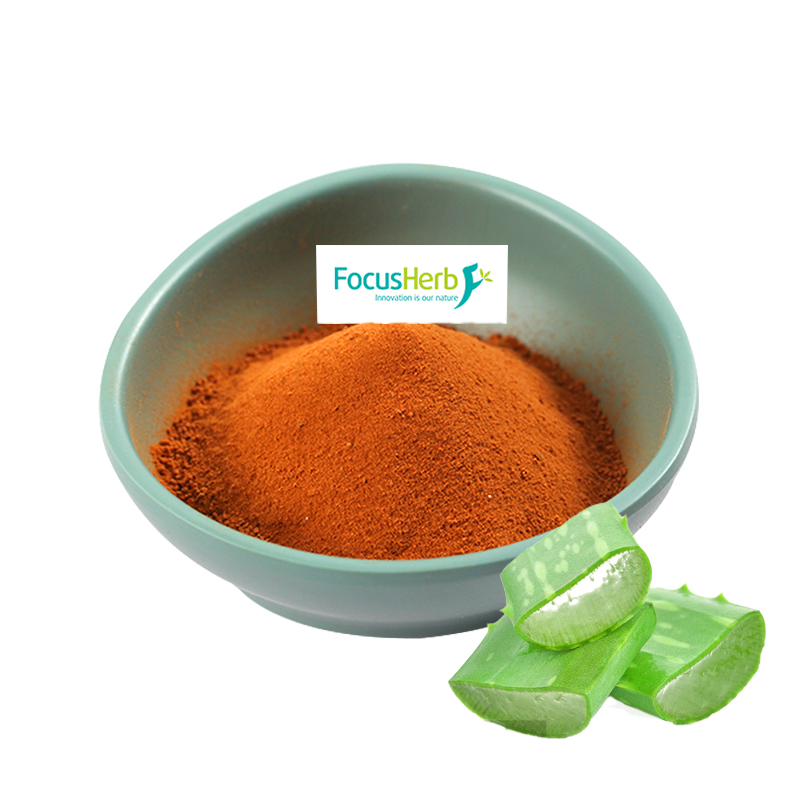
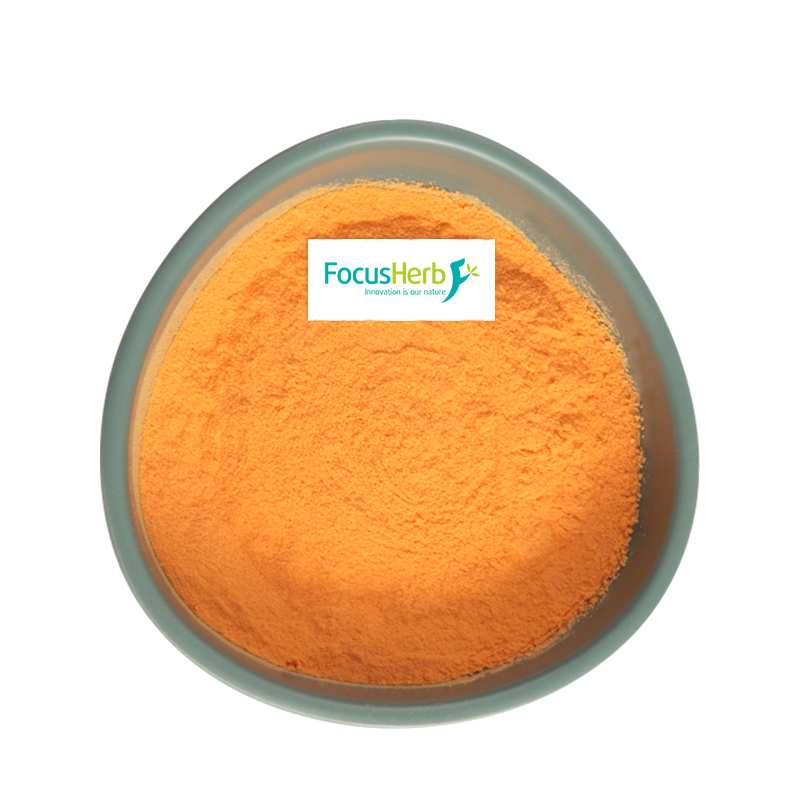
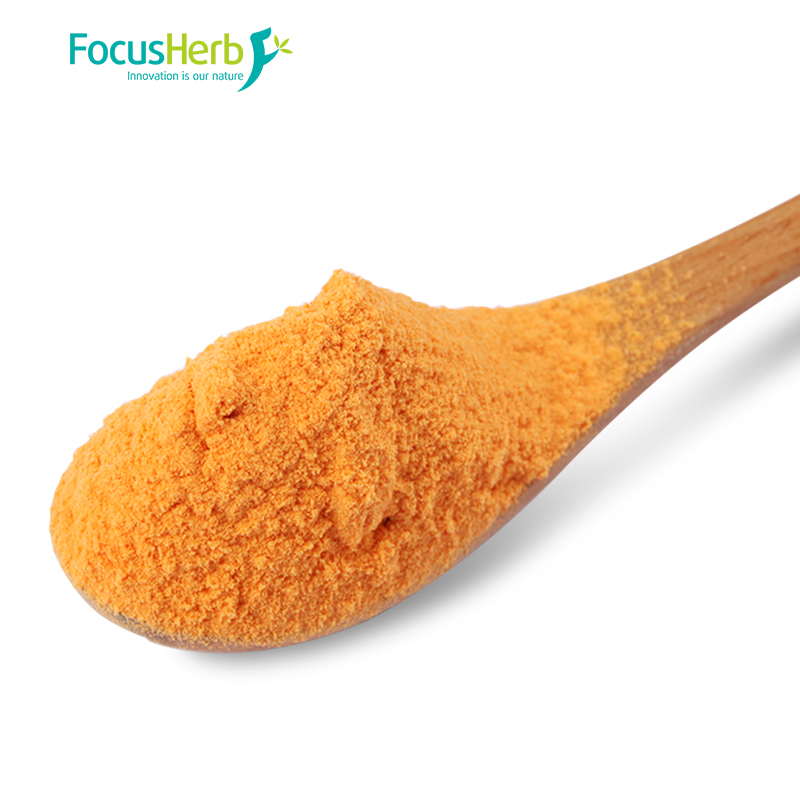
In appearance, aloe-emodin typically appears as an orange-yellow or brownish-yellow crystalline powder. When placed under light, the fine powder shimmers slightly, and upon close inspection, it emits a faint, pleasant herbal fragrance. When placed in hot ethanol, it dissolves rapidly, turning the solution a clear, orange-yellow. In organic solvents such as benzene and ether, it exhibits a bright yellow color. However, when it encounters ammonia or sulfuric acid, it transforms into a captivating crimson. These remarkable color variations provide researchers with interesting and practical methods for detecting and analyzing it.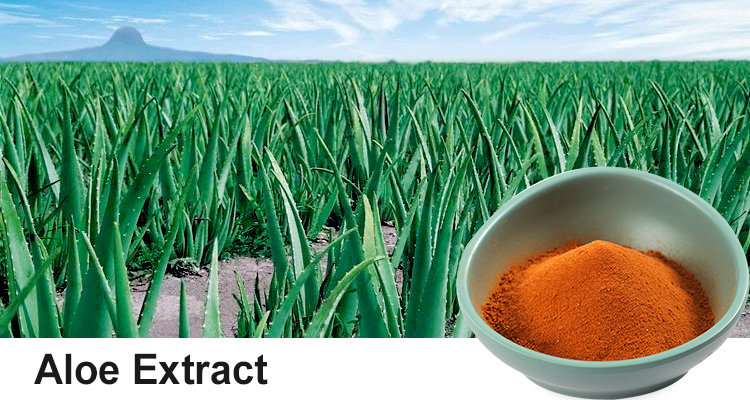
In the pharmaceutical field: A “Little Guardian” of Health
In the pharmaceutical field, aloe-emodin acts as an all-around “little guardian” of health, protecting various physiological systems of the human body and demonstrating amazing medicinal value.
(I) A “Cleanser” for the Intestines
Aloe-emodin can be considered a “cleaner” of the intestines, showing remarkable performance in improving intestinal function and relieving constipation. When aloe-emodin enters the human intestines, it acts like a keen “messenger,” precisely stimulating the enteric nerves and promoting the release of neurotransmitters such as acetylcholine. These neurotransmitters act like “vitality boosters” for the intestinal smooth muscle, directly stimulating its contraction and significantly increasing the frequency of intestinal peristalsis. Related experiments show that aloe-emodin can increase the frequency of intestinal contractions by 30%-50%, especially significantly promoting colonic peristalsis, like pressing the accelerator button on the intestinal “transportation line.”
It can also increase intestinal secretions, acting as a “softener” for feces. Aloe-emodin stimulates intestinal mucosal cells, causing them to actively secrete water and electrolytes, increasing the volume of intestinal contents. This not only indirectly stimulates the intestinal wall distension reflex but also increases the water content of feces by 20%-40%, making previously dry and hard stools soft and easy to pass. Furthermore, aloe-emodin plays a crucial role in the metabolic activation of intestinal flora. After oral administration, its precursor, aloin, is hydrolyzed into aloe-emodin-9-anthrone by intestinal flora, and further oxidized into active aloe-emodin. This remarkable transformation process mainly occurs in the large intestine; therefore, for patients with slow-transit constipation, aloe-emodin is a “savior,” effectively improving their constipation problems.
(II) A “Nemesis” of Bacteria
Aloe-emodin is a “nemesis” of bacteria, exhibiting a powerful inhibitory effect on various bacteria, forming a robust defense against bacterial invasion in the human body. At concentrations of 1.5-25 mg/ml, it acts like a valiant warrior, attacking Staphylococcus, Streptococcus, Corynebacterium diphtheriae, Bacillus subtilis, anthrax, Salmonella paratyphi, Shigella, and other bacteria, inhibiting their growth and reproduction. Staphylococcus and Streptococcus are particularly sensitive to aloe-emodin, with an effective inhibitory concentration of only 15-25 μg/ml. It has a strong inhibitory effect on the nucleic acid and protein synthesis of Staphylococcus aureus, precisely cutting off the “lifeline” of bacterial growth and reproduction. Clinical studies have found that aloe-emodin is also highly effective against common anaerobic bacteria; for example, it can inhibit the growth of 90%-100% of common Bacillus fragilis strains. Its minimum inhibitory concentration (MIC) is slightly higher than metronidazole; at a concentration of 8 μg/ml, it can inhibit 76%-91% of anaerobic bacteria. From a mechanism of action perspective, aloe-emodin primarily works by inhibiting electron transport in the mitochondrial respiratory chain, effectively cutting off the bacteria’s “energy supply line” and preventing them from obtaining sufficient energy to sustain life activities, thus achieving antibacterial effects. In the clinical treatment of some infectious diseases, aloe-emodin, as an adjuvant drug, can be used in combination with other antibiotics to enhance antibacterial effects and help patients recover faster.
(III) A “Potential Adversary” Against Tumors
In the field of anti-tumor therapy, aloe-emodin is a promising “star of hope,” bringing new hope to the fight against cancer. Domestic and international scholars have conducted in-depth research on its anti-tumor effects, discovering that it has significant inhibitory effects on various tumor cells, including neuroectodermal tumors, liver cancer, lung squamous cell carcinoma, Merkel cell carcinoma of the skin, gastric cancer, and leukemia, demonstrating a remarkable breadth of anti-cancer activity. Taking the study of P388 leukemia cells as an example, aloe-emodin can inhibit the biosynthesis of DNA, RNA, and proteins in cancer cells, essentially pausing the “division factory” of cancer cells, preventing their rampant proliferation and thus prolonging the patient’s survival. It can also induce tumor cell apoptosis, prompting cancer cells to “self-destruct,” and inhibit tumor cell invasion and metastasis, preventing cancer cells from spreading to other parts of the body like “invaders.” In some animal experiments, administering aloe-emodin to mice with tumors showed a significant slowdown in tumor growth and a reduction in tumor size. Although aloe-emodin is not yet a mainstream anti-cancer drug in clinical practice, numerous research findings have led researchers to place high hopes on it, believing that it may open new avenues for cancer treatment in the future.
(IV) The “Regulator” of Immunity
Aloe-emodin is a “regulator” of the human immune system, skillfully regulating it to maintain a balanced and stable state. When the body’s immune system overreacts, it’s like an uncontrolled army attacking its own tissues, leading to autoimmune diseases. Aloe vera extract acts like a wise “commander,” inhibiting antibody production and effectively suppressing immune overreaction, preventing damage from an excessive immune response.
Regarding immune cell function regulation, it exhibits both immune-enhancing and immunosuppressive effects. In terms of immune enhancement, aloe vera extract stimulates T/B lymphocyte proliferation, strengthening the immune cell “fighting force,” while promoting the secretion of immune factors such as interferon-γ (IFN-γ) and interleukin-2 (IL-2). These immune factors act like “battle horns,” further activating immune cells and enhancing the body’s immune defense capabilities. It also enhances the phagocytic activity of macrophages, enabling them to more effectively engulf pathogens. In terms of immunosuppression, aloe vera extract can reduce IgG/IgM levels, decrease the weight of immune organs such as the spleen and thymus, and reduce white blood cell count, thus preventing an overly strong immune response. In animal models of some autoimmune diseases, the use of aloe-emodin significantly improved the symptoms of the animals, fully demonstrating its great potential in immune regulation and providing new ideas and methods for the prevention and treatment of autoimmune diseases.
(V) A Metabolic “Facilitator”
In terms of metabolic regulation, aloe-emodin is a “facilitator” of human metabolism, playing a positive role in lipid-lowering and weight loss. It can inhibit cholesterol absorption, acting like a “gateway” in the intestines, the “nutrient processing plant,” preventing excessive cholesterol from entering the body. At the same time, aloe-emodin, by promoting intestinal peristalsis, accelerates the emptying of food from the intestines. This is like speeding up the “conveyor belt” of the intestines, reducing the time fat stays and is absorbed in the intestines.
In daily life, some people who are overweight due to irregular eating habits and lack of exercise have effectively controlled their weight after reasonably consuming health products or foods containing aloe-emodin. An office worker who sits for long periods and eats a greasy diet tried consuming functional foods fortified with aloe vera for a period of time. Not only did their constipation problem resolve, but they also lost 5 kilograms, and their metabolism significantly improved. Aloe vera, by regulating lipid metabolism and promoting intestinal motility—two key aspects—provides strong support for those pursuing a healthy weight and good metabolic state, becoming a “powerful assistant” in the field of metabolic health.
Chemical Industry World: Industrial “Little Helper”
(I) Reaction “Accelerator” and Material “Improver”
In the chemical industry, aloe-emodin plays an indispensable role, serving as both an “accelerator” of chemical reactions and a “improver” of material properties. In certain organic synthesis reactions, aloe-emodin, with its unique chemical structure, can specifically interact with reactant molecules, lowering the activation energy of the reaction and thus significantly accelerating the reaction rate. For example, in reactions requiring the construction of complex carbon-carbon bonds, adding an appropriate amount of aloe-emodin as a catalyst can shorten the reaction time by 20%-40% and increase the reaction yield by 10%-20%, resulting in a significant increase in production efficiency and a substantial reduction in production costs.
Aloe-emodin also excels in the production of functional materials. Adding it to plastics can impart excellent antioxidant properties to them. Adding 0.1%-0.5% aloe-emodin to outdoor plastic products significantly slows down the aging process compared to similar products without the additive, and effectively inhibits surface fading and cracking after prolonged exposure to sunlight and rain. In the coatings and inks industry, aloe-emodin can improve product stability and color. Adding aloe-emodin to ink formulations accelerates ink drying, makes the printing process smoother, and results in more vibrant and longer-lasting colors. One ink manufacturer, after experimenting with adding aloe-emodin to its product, saw a significant increase in market competitiveness and a 30% sales increase, demonstrating the enormous potential of aloe-emodin in enhancing product performance.
(II) Aqueous Batteries: A New Hope
In the energy storage field, modified aloe-emodin brings new hope to aqueous organic flow batteries. With the rapid development of renewable energy, the demand for efficient, safe, and low-cost energy storage technologies is increasingly urgent. Aqueous organic flow batteries, as a promising energy storage method, have attracted widespread attention. However, traditional electrode materials suffer from numerous problems, limiting their further development.
The Jin Zhong research group at the School of Chemistry and Chemical Engineering and the Institute of Green Chemistry and Engineering, Nanjing University, designed and synthesized a water-soluble artificial α-amino acid molecule, Cys-AE (modified from natural aloe-emodin grafted with cysteine). The cysteine side chain introduced into the Cys-AE molecule brings a zwitterionic structure similar to natural amino acids, containing hydrophilic groups such as amino and carboxyl groups. This structure, similar to natural amino acids, can significantly enhance its water solubility through zwitterionic equilibrium. Compared to the water solubility of only 0.26 M for natural aloe-emodin, the water solubility of Cys-AE after hydrophilic modification is increased to more than three times the original. In aqueous organic flow batteries, Cys-AE, as a negative electrode electrolyte material, exhibits excellent performance. It has a low redox potential, which can effectively reduce the battery’s operating voltage and improve energy conversion efficiency. Its redox reversibility is excellent, enabling rapid and stable electron transfer during charge and discharge, resulting in more stable charge and discharge performance. The aqueous organic flow battery (AORFB) constructed using Cys-AE as the negative electrode electrolyte exhibited an extremely low capacity decay rate of only 0.000948%/cycle (i.e., 0.0438%/day) after 592 cycles, significantly outperforming the system based on original aloe-emodin. This research opens new avenues for the development of aqueous organic flow batteries and is expected to promote their practical application in large-scale energy storage.
Everyday Life: A Versatile Use
(I) Food Additive
Aloe vera extract has a wide range of applications in daily life, primarily as an additive in the food industry. As a natural food coloring, aloe vera extract can give food a unique color, making it more appealing. In the beverage industry, it can add an attractive orange-yellow to brownish-yellow hue to fruit juices and tea drinks. For example, some fruit juice brands that emphasize natural health use aloe vera extract as a coloring agent to avoid artificial colorings, making the juice’s color more natural and increasing the product’s health attributes, attracting many health-conscious consumers. In candy making, aloe vera extract also shines, giving hard candies and soft candies a unique color, making them stand out on the shelf. In baked goods, such as bread and cakes, it also plays a role, making baked goods look more golden and appealing.
Aloe vera extract is also an excellent antioxidant. In oily foods, it can slow down the oxidation process, maintaining the product’s color and flavor stability. Taking sesame oil as an example, sesame oil with added aloe-emodin can maintain its clear and bright color and rich aroma even after being stored at room temperature for several months, while sesame oil without added aloe-emodin is prone to darkening in color and losing its aroma. In animal fats such as lard, aloe-emodin can also effectively inhibit oxidative rancidity and extend shelf life. When using aloe-emodin as a food additive, the dosage needs to be strictly controlled, usually between 0.01% and 0.1%. If used to delay the oxidation of oily foods, the general addition amount is 0.1% to 0.5%, and the specific dosage needs to be adjusted according to the type of food and requirements to ensure that it is effective while meeting food safety standards.
(II) Textile “Dyeing Agent”
Aloe-emodin is also a “dyeing agent” in the textile industry, providing new options for dyeing natural fibers. In the dyeing process of natural fibers such as cotton, linen, and silk, aloe vera emodin can be formulated into dye solutions and used to treat textiles through immersion or spraying. When cotton fabric is soaked in a dye solution containing aloe vera emodin for a period of time, the fibers fully absorb the pigments in the dye solution, resulting in an orange-yellow to brownish-yellow color. This naturally dyed cotton fabric has a soft and natural color, giving it a rustic beauty. In the dyeing of linen, aloe vera emodin also exhibits a unique effect, giving linen a natural texture and color, making it very suitable for making summer clothing and home furnishings. For silk products, silk dyed with aloe vera emodin not only has a bright color but also increases the luster of the silk, making it more luxurious and elegant. During the dyeing process, the specific amount used needs to be adjusted according to the type of textile, its intended use, and the production process, usually added at 0.5% – 2% during the dyeing or finishing process. Using aloe vera emodin as a natural dye not only meets people’s demand for the aesthetics of textiles but also conforms to the concept of environmental protection, reducing the pollution of the environment caused by chemical dyes.
(III) Hair Care “Secrets”
Aloe vera extract is also a “secret” to hair care, providing comprehensive care for hair health. It enhances hair resilience by penetrating the hair cuticle structure and strengthening the keratin fibers. Experimental data shows that using hair care products containing aloe vera extract can increase the tensile strength of hair by 20%-30%, making previously fragile and brittle hair more resilient. Aloe vera extract also improves hair shine, forming a protective film on the hair surface and increasing light reflectivity. After continuous use, hair shine can increase by 35%-50%, making hair look smoother and shinier. For hair damaged by perming and dyeing, aloe vera extract is rich in 18 kinds of amino acids, which can penetrate into the hair core, replenish lost protein, and repair damaged hair. A woman who frequently permed and dyed her hair found that it became dry and frizzy. After using a conditioner containing aloe vera extract, her hair gradually regained its elasticity and shine, becoming smoother and easier to comb.
Aloe vera emodin also has a smoothing and dandruff-reducing effect. It can regulate the scalp pH to a healthy range (4.5-5.5), inhibiting Malassezia by 75%, effectively reducing dandruff formation. In terms of oil control and hair loss prevention, it reduces scalp sebum secretion by inhibiting 5α-reductase activity. Clinical observations show that hair loss can be reduced by 40%-60% after 8 weeks of use. Aloe vera emodin can also stimulate the proliferation of dermal papilla cells, prolonging the growth phase and reducing the proportion of resting hair from 15% to 8%, thus promoting hair growth. Adding aloe vera emodin to shampoos, conditioners, and other products allows people to enjoy its hair-care benefits during their daily hair washing and maintenance, easily achieving healthy and beautiful hair.
Future Outlook: Unlimited Potential
Looking back at the widespread applications of aloe-emodin in medicine, agriculture, chemicals, and daily life, its remarkable performance and diverse effects are astonishing. From regulating human physiological functions to ensuring healthy crop growth; from supporting chemical production to improving quality of life, aloe-emodin has quietly integrated into all aspects of our lives, becoming an indispensable substance in many fields. Looking to the future, the application prospects of aloe-emodin are bright, with the potential to achieve breakthroughs in more fields. In the pharmaceutical field, with the deepening research on complex diseases such as cancer, aloe-emodin, with its unique anti-tumor mechanism, has the potential to develop more efficient and less toxic anti-cancer drugs, bringing new hope to cancer patients. In terms of immune regulation, it may play a greater role in the treatment of autoimmune diseases, providing patients with safer and more effective treatment options.
In the chemical field, with the rapid development of materials science, the application of aloe-emodin in the preparation of high-performance materials will be further expanded, providing more possibilities for the development of new functional materials.
To fully unlock the potential of aloe-emodin, further research and development are crucial. Researchers need to delve deeper into its mechanism of action, optimize extraction and synthesis processes, improve product quality and yield, and reduce production costs. Strengthening cooperation with various fields and conducting interdisciplinary research will help promote the innovative application of aloe-emodin in more areas. It is believed that in the near future, this “molecular treasure” of aloe-emodin will shine even brighter, making a greater contribution to human health and social development.
