










The antioxidant capacity of matcha powder stems from its rich content of tea polyphenols and catechins, especially epigallocatechin gallate (EGCG), a powerful antioxidant that neutralizes free radicals in the body, thus slowing down oxidative damage to cells. Free radicals are unstable molecules produced during normal metabolism; they damage cells and tissues and are potential contributors to aging and many chronic diseases. The antioxidants in matcha powder act like brave guardians, capturing and neutralizing these free radicals, reducing the damage of oxidative stress to the body.
According to the USDA’s Food Antioxidant Database, matcha’s antioxidant capacity is 10 times that of green tea and 51 times that of broccoli. This powerful antioxidant capacity makes matcha powder excellent for protecting the skin; it helps reduce UV damage, prevents skin aging, and keeps skin elastic and radiant. Long-term consumption of matcha powder can also reduce the probability of DNA oxidative damage, offering some preventative benefits against chronic inflammatory diseases such as cardiovascular disease and certain cancers.
Boost your alertness and focus: Say goodbye to drowsiness and achieve peak performance.
In today’s busy lifestyle, many people crave a drink that can boost their energy without causing excessive side effects. Matcha powder is an ideal choice. It contains moderate amounts of caffeine and L-theanine. The synergistic effect of these two components gently and effectively stimulates the central nervous system, bringing a refreshed mental state.
Caffeine is a natural stimulant that blocks adenosine receptors in the brain, thereby reducing fatigue and keeping you alert and conscious. When adenosine binds to its receptors, it sends signals to the brain, causing drowsiness. Caffeine, structurally similar to adenosine, can bind to its receptors first without inhibiting adenosine’s effects. Instead, it stimulates the brain to release dopamine and adrenaline, improving attention and reaction speed. However, consuming caffeine alone may cause palpitations, anxiety, and other discomfort.
This is where L-theanine in matcha powder plays a crucial role. L-Theanine is a unique amino acid that promotes alpha waves in the brain, making people feel relaxed without being drowsy. It works synergistically with caffeine, enhancing its energizing effect while alleviating the tension it causes. This balanced effect allows matcha powder to be invigorating without causing the palpitations and discomfort associated with regular coffee, making it ideal for those who need to concentrate on work or study. Studies have shown that after consuming matcha powder, subjects experienced significant improvements in attention and cognitive abilities, as well as greater mood stability.
To fully utilize the energizing effects of matcha powder, it is recommended to drink it in the morning or afternoon. Drinking it in the morning can help start the day with energy, while drinking it in the afternoon can effectively relieve fatigue from work or study and improve efficiency. However, those who are caffeine sensitive or have poor sleep quality should avoid drinking it after 4 pm to avoid affecting sleep at night.
Assisting in Lipid Lowering: Supporting Healthy Blood Lipids
In today’s fast-paced life, high blood lipids are troubling more and more people, becoming a potential health risk. Epigallocatechin gallate (EGCG) in matcha powder provides a natural way to improve blood lipid levels. EGCG can inhibit the activity of fat synthase, reducing fat synthesis at its source. It acts like a precise “molecular scissors,” targeting key stages of fat synthesis and slowing down the “production line” of fat production. Simultaneously, EGCG can reduce intestinal absorption of fat and lower triglyceride levels in the blood, acting like a filter in the intestinal “fat absorption channel.”
A research report on the lipid-lowering effects of matcha published by the Tea Research Institute of Zhejiang University points out that tea polyphenols in matcha can increase high-density lipoprotein (HDL, commonly known as “good cholesterol”) while lowering low-density lipoprotein (LDL, commonly known as “bad cholesterol”). HDL acts like a “scavenger” in blood vessels, transporting cholesterol from the vessel walls to the liver for metabolism, thus reducing the risk of cardiovascular disease. Conversely, high levels of LDL in the blood can deposit on the vessel walls, forming atherosclerotic plaques and increasing the incidence of cardiovascular disease. Consuming 1-2 grams of matcha powder daily, consistently combined with a low-fat diet, can effectively lower LDL cholesterol and raise HDL cholesterol levels, thus protecting blood lipid health. However, it’s important to note that the lipid-lowering effect of matcha powder cannot replace medication. Patients with high cholesterol should still follow their doctor’s prescribed treatment.
Boost Metabolism: Activating the Body’s Energy Engine
For those seeking to boost their metabolism and maintain a healthy weight, matcha powder is a great option. The complex catechins in matcha powder can activate thermogenesis in brown adipose tissue, thereby increasing the basal metabolic rate. Unlike white adipose tissue, brown adipose tissue acts like a “mini-sun” in the body, primarily functioning to burn energy to generate heat, rather than storing it. When activated, brown adipose tissue accelerates fat burning, allowing the body to burn more calories even at rest.
Related experiments have shown that continuous consumption of matcha powder for 12 weeks can increase resting energy expenditure, which is undoubtedly good news for people with metabolic syndrome. Metabolic syndrome is a complex group of metabolic disorders, including obesity, high blood pressure, high blood sugar, and dyslipidemia, seriously threatening people’s health. The metabolic-boosting effect of matcha powder can help improve the physical condition of patients with metabolic syndrome, helping them better manage their weight and control metabolic indicators. However, people with hyperthyroidism should use matcha powder with caution. Patients with hyperthyroidism already have an elevated basal metabolic rate, leading to rapid energy consumption and an accelerated heartbeat. The metabolic-enhancing effect of matcha powder may further aggravate symptoms such as palpitations, which is detrimental to the control of the condition.
Protecting the Cardiovascular System: Safeguarding Heart Health
Cardiovascular disease is a global health hazard, and methylated catechins in matcha powder offer hope for cardiovascular health. They have anti-platelet aggregation properties, reducing blood viscosity and the risk of thrombosis. Platelet aggregation is a key step in thrombosis; when the vascular endothelium is damaged, platelets rapidly aggregate at the damaged site, forming a thrombus that blocks blood vessels and causes serious diseases such as myocardial infarction and stroke. Methylated catechins in matcha powder act like a “platelet aggregation inhibitor,” preventing excessive platelet aggregation and maintaining smooth blood flow.
Methylated catechins also improve vascular endothelial function. Vascular endothelial cells are a layer of cells lining the inner wall of blood vessels. They not only act as a barrier but also secrete various bioactive substances that regulate vasoconstriction and vasodilation, maintaining normal blood flow. When vascular endothelial function is impaired, it leads to abnormal vasoconstriction and increased inflammation, subsequently causing cardiovascular diseases such as atherosclerosis. Methylated catechins in matcha powder can promote the secretion of nitric oxide by vascular endothelial cells. Nitric oxide is a potent vasodilator that relaxes vascular smooth muscle, increases blood vessel diameter, lowers blood pressure, and improves blood circulation. Long-term consumption of matcha powder can reduce arterial stiffness and decrease the formation of atherosclerotic plaques, building a strong defense for cardiovascular health.
However, people with hypertension need to be extra cautious when drinking matcha powder. The caffeine in matcha powder may cause a temporary increase in blood pressure. Although this increase is usually temporary, caution is still advised for patients with unstable blood pressure control. It is recommended that people with hypertension closely monitor their blood pressure changes when drinking matcha powder and avoid taking it simultaneously with antihypertensive medication to prevent a synergistic effect that could lead to excessively low blood pressure. If symptoms such as headache or palpitations occur after drinking matcha powder, stop drinking it immediately and consult a doctor.
Proper Consumption for Enhanced Health
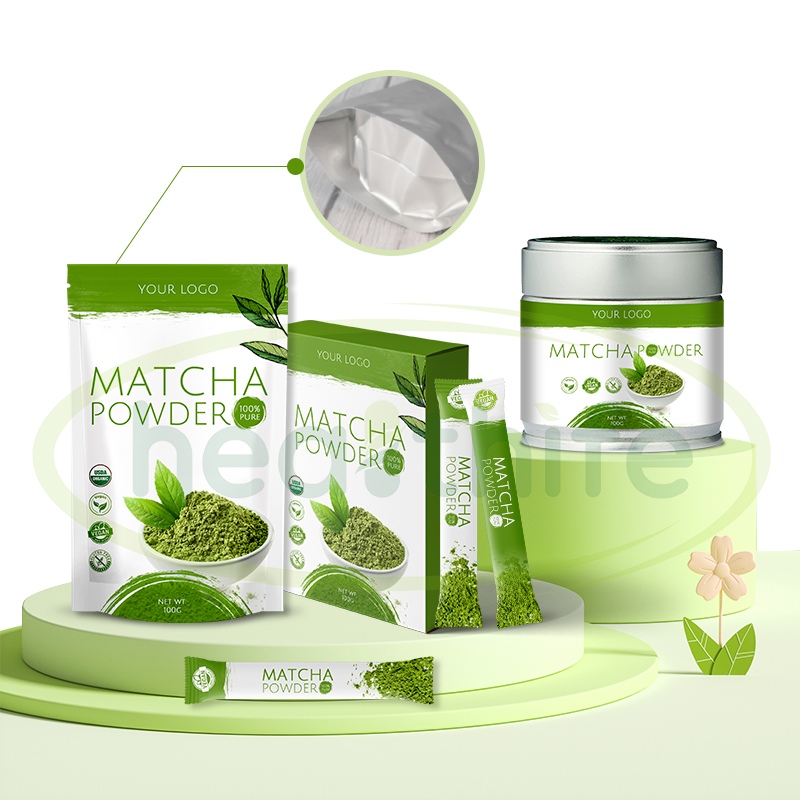
To fully realize the health benefits of matcha powder, proper consumption is essential. Generally, the daily intake of matcha powder should not exceed 3 grams. Excessive intake may lead to excessive caffeine consumption, causing discomfort such as palpitations and insomnia.
Water temperature is crucial when brewing matcha powder. It is recommended to use warm water below 80℃ to maximize the preservation of the active ingredients in the matcha powder and avoid high temperatures destroying its nutrients. When brewing, first put a small amount of matcha powder in a tea bowl or cup, add a small amount of warm water, and stir well with a tea whisk or small spoon to form a smooth paste. Then gradually add an appropriate amount of warm water, continuing to stir until the matcha powder and water are fully combined. If you brew it directly with boiling water, it will not only destroy the nutrients but may also cause the matcha powder to clump, affecting the taste.
The timing of consumption is also important. Drinking matcha powder on an empty stomach may irritate the gastrointestinal mucosa and cause discomfort. Therefore, it is advisable to drink it about 1 hour after a meal. For those looking to enhance their workout results by consuming matcha powder, drinking it about 30 minutes before exercise can boost fat burning efficiency. However, it’s important to avoid consuming matcha powder within 6 hours of bedtime to prevent caffeine from interfering with sleep.
Proper storage of matcha powder is also crucial. It should be stored in an airtight container, away from light and moisture, and should be used within one month of opening. Improper storage can cause matcha powder to clump, oxidize, and deteriorate, losing its original flavor and benefits. Unopened matcha powder can be stored in the refrigerator. After each use, squeeze out the air from the bag, seal it tightly, and store it in the freezer. However, matcha powder removed from the refrigerator should be allowed to reach room temperature before opening to prevent it from absorbing moisture due to temperature changes.
Pregnant women, breastfeeding women, individuals with stomach ulcers, children, and those sensitive to caffeine should consult a doctor before consuming matcha powder. Pregnant and breastfeeding women have unique health conditions; caffeine may affect fetal or infant development through the placenta or breast milk. Patients with stomach ulcers have fragile gastric mucosa, and the irritant properties of matcha powder may worsen their condition. Children’s nervous systems are not fully developed and have low caffeine tolerance. Even small amounts of caffeine may cause discomfort in people who are sensitive to it.
For food brands and beverage makers, choosing a reliable Matcha Powder supplier matters more than just knowing its benefits.Learn more about our manufacturing capabilities, quality certifications and bulk supply options.
