









Sodium R-lipoate, a naturally occurring sulfur-containing compound, has the chemical name 1,2-dithiolane-3-pentanoic acid sodium salt and belongs to the B vitamin category. It appears as a pale yellow to white powder, is odorless, and stable at room temperature, but its solution is sensitive to light and should therefore be stored away from light. It is derived from R-alpha-lipoic acid through a chemical process in which R-alpha-lipoic acid reacts with an alkaline substance. Through specific chemical techniques, the carboxyl group (-COOH) in the R-alpha-lipoic acid molecule combines with sodium ions (Na⁺) to form Sodium R-lipoate . This conversion is significant because R-alpha-lipoic acid itself has low stability and poor water solubility, making it difficult for the human body to absorb and utilize. However, after being converted into the sodium salt form, the water solubility of Sodium R-lipoate is significantly improved, and its absorption efficiency in the human body is greatly increased, allowing it to more effectively exert its physiological effects.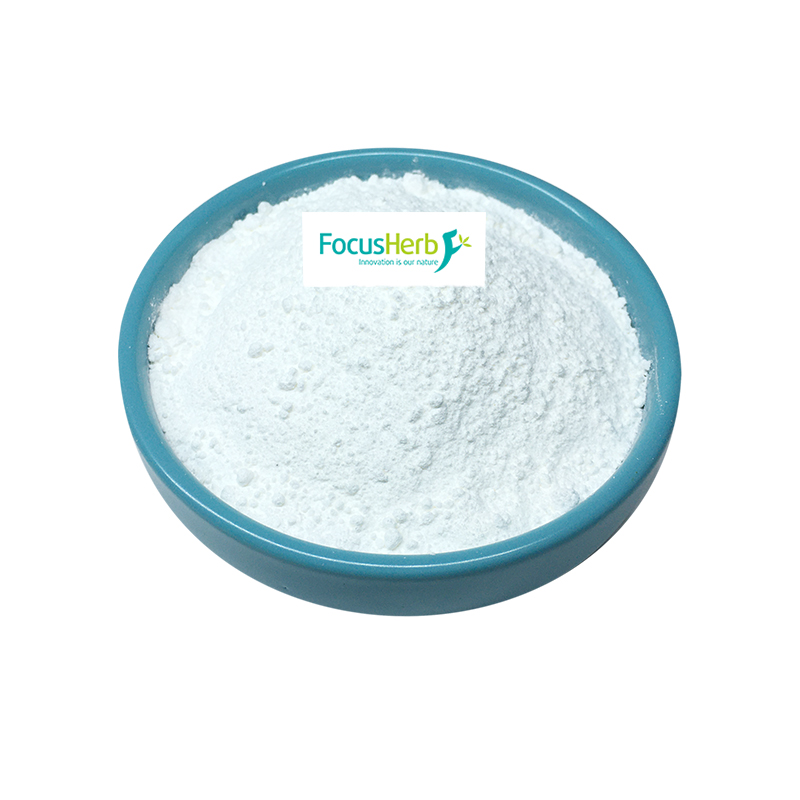
Antioxidant Pioneer
In the field of antioxidants, R-lipoate is a formidable weapon. It is a powerful antioxidant whose unique molecular structure endows it with exceptional antioxidant capabilities. From a mechanism of action perspective, R-lipoate can directly scavenge free radicals in the body, effectively eliminating common free radicals such as superoxide anions and hydrogen peroxide. Free radicals are highly reactive molecules produced during human metabolism; they attack various biomolecules within cells, such as lipids, proteins, and DNA, leading to cell damage and aging. R-lipoate acts as a loyal guardian, constantly protecting cells and resisting the damage caused by free radicals.
R-lipoate can also enhance mitochondrial function by activating the AMPK pathway. Mitochondria are the cell’s “energy factories,” responsible for producing the energy (ATP) needed for cellular activities. When mitochondrial function is impaired, the cell’s energy supply is affected, leading to a series of health problems. Sodium R-lipoate enhances mitochondrial function, enabling them to efficiently produce energy and providing ample power for normal cellular operation. It also helps improve metabolic activity, facilitating smoother metabolic processes. During this process, intracellular oxidative stress levels are significantly reduced, oxidative damage to cells is decreased, and overall health is effectively improved. Sodium R-lipoate also excels in regenerating antioxidants. It can reduce oxidized vitamin C and vitamin E back to their active reduced forms, allowing these antioxidants to continue functioning and forming a powerful antioxidant defense network that comprehensively protects the body from oxidative damage.
A Skin-Whitening Savior
Sodium R-lipoate also excels in the beauty and skincare field, especially in whitening, where it boasts unique efficacy. From a mechanism of action perspective, it effectively blocks melanin formation through three main methods: anti-oxidation, elimination of free radicals, and promotion of liver metabolism of toxic substances. Melanin is the main cause of skin darkening. When the skin is affected by factors such as ultraviolet radiation, endocrine disorders, and stress, melanocytes produce large amounts of melanin, which gradually accumulates on the skin’s surface, darkening the skin. Sodium R-lipoate acts like a “brake” on melanin production; it inhibits the activity of tyrosinase, a key enzyme in melanin synthesis. Inhibiting its activity reduces melanin production at its source.
Sodium R-lipoate also eliminates free radicals and reduces existing melanin. Free radicals not only cause skin aging but also stimulate melanin production. Sodium R-lipoate, with its powerful antioxidant capabilities, eliminates free radicals, reducing their damage to the skin, and simultaneously reduces oxidized melanin, gradually restoring skin’s whiteness. It aids in the metabolism of toxins in the liver, restoring liver function and activating the body’s “melanin-reducing” ability from the source. The liver is a vital detoxification organ; when liver function is impaired, toxins cannot be eliminated promptly, affecting normal metabolism and manifesting on the skin as dullness and yellowing. Sodium R-lipoate promotes liver detoxification, ensuring timely elimination of toxins and giving the skin a healthy glow from within.
In practical applications, there are many cases of skin whitening and brightening after using products containing sodium R-lipoate. For example, Xiaomin, a 28-year-old office worker, suffered from dull, rough skin and age spots due to long hours of working overtime and neglecting sun protection. She tried various whitening products with unsatisfactory results. Later, she started using a whitening serum containing sodium r-lipoate. After a month of consistent use, she was pleasantly surprised to find that her skin had become much brighter, and her dark spots had noticeably faded. After continuing to use it for three months, her skin had become fair and smooth, and she looked much healthier overall. Another woman, Ms. Li, aged 40, found her skin losing its luster, becoming dull and sagging with age. On a friend’s recommendation, she took a dietary supplement containing sodium r-lipoate, along with related skincare products. Six months later, her skin underwent a significant transformation; it not only became whiter but also firmer and more elastic, making her look several years younger than her actual age. These cases fully demonstrate the remarkable effects of sodium r-lipoate in whitening and beautifying the skin.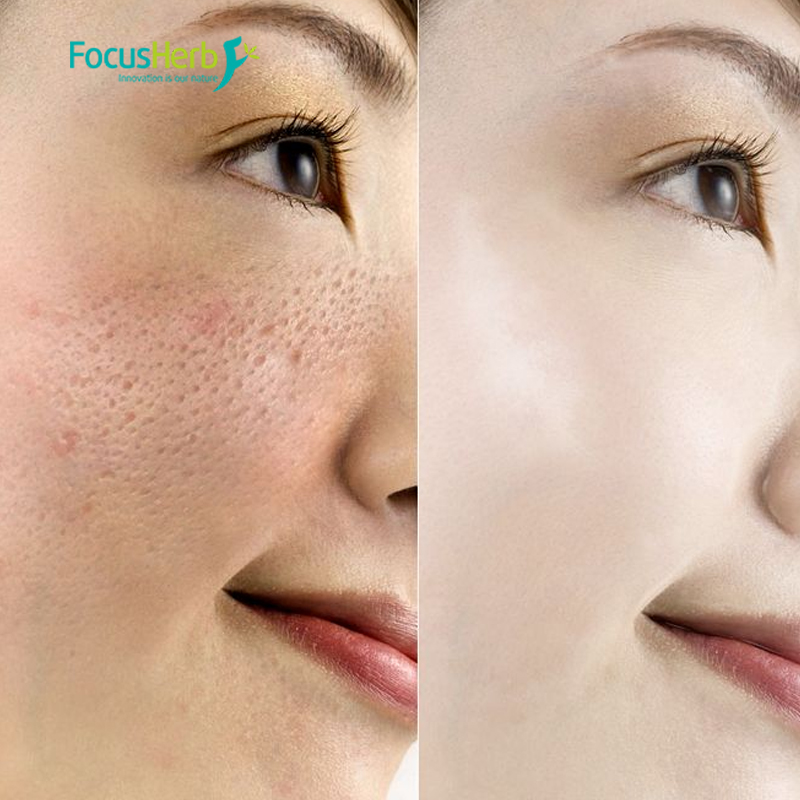
The Guardian of the Liver
The liver, as the largest solid organ in the human body, undertakes numerous vital responsibilities, including metabolism, detoxification, and immune defense. In daily life, our liver faces various challenges, such as the stimulation of alcohol, the side effects of medications, toxins from environmental pollution, and unhealthy lifestyle habits, all of which can damage the liver. Sodium R-lipoate acts as a loyal “guardian” of the liver, playing a crucial role in maintaining liver health.
From a molecular biology perspective, after entering the body, sodium R-lipoate participates in multiple metabolic processes within the liver. It can reduce lipid peroxidation damage, a major cause of liver injury. When liver cells are attacked by free radicals, lipids on the cell membrane undergo peroxidation, leading to damage to the cell membrane structure and function. Sodium R-lipoate, with its powerful antioxidant capacity, scavenge free radicals and reduce lipid peroxidation, thereby protecting the integrity of liver cells. It can also enhance the activity of antioxidant enzymes within liver cells, such as superoxide dismutase (SOD) and glutathione peroxidase (GSH-Px). These antioxidant enzymes are crucial components of the liver’s own antioxidant defense system. They work synergistically to scavenge free radicals and maintain redox balance within liver cells. Sodium R-lipoate promotes the synthesis of these antioxidant enzymes and enhances their activity by activating relevant signaling pathways, further strengthening the liver’s antioxidant capacity and protecting it from harmful external substances.
In clinical applications, sodium R-lipoate has demonstrated good efficacy in treating various liver diseases. In the treatment of alcoholic liver disease, many patients with liver damage due to long-term alcohol consumption have shown significant improvement in liver function indicators after using sodium R-lipoate as adjunctive therapy. A clinical trial involving 100 patients with alcoholic liver disease divided them into two groups: one group received standard treatment, and the other group received sodium R-lipoate in addition to standard treatment. After three months of treatment, patients using R-lipoic acid sodium showed significant decreases in liver function indicators such as alanine aminotransferase (ALT) and aspartate aminotransferase (AST), and the inflammatory response in the liver was effectively alleviated. Symptoms such as fatigue and loss of appetite also showed significant improvement. R-lipoic acid sodium also demonstrated excellent performance in the treatment of drug-induced liver injury. In some patients whose livers were damaged due to the use of antibiotics, anti-tumor drugs, etc., the liver’s detoxification function gradually recovered after using R-lipoic acid sodium, and the drug metabolism process in the body became more normal, reducing further damage to the liver.
The Secret Weapon to Slow Down Aging

Aging is a natural physiological process, but we all hope to slow it down and maintain youthful vitality. Sodium R-lipoate plays a unique role in combating inflammatory and metabolic aging, making it a veritable “secret weapon” for slowing down aging.
From a molecular biology perspective, sodium R-lipoate effectively combats free radicals, reducing oxidative stress and damage, which is its key mechanism for slowing down aging. Free radicals are a major factor contributing to aging; they attack various biomolecules within cells, disrupting normal cell structure and function. Sodium R-lipoate, with its powerful antioxidant capacity, can eliminate excess free radicals in the body, protecting cells from oxidative damage. It can also activate the cell’s antioxidant defense system, enhancing the cell’s own antioxidant capacity and further resisting free radical damage.
Regarding inflammatory aging, sodium R-lipoate can inhibit the production and release of inflammatory factors, reducing the damage of chronic inflammation to the body. As we age, the level of inflammation in the body gradually increases, and chronic inflammation accelerates cell aging and death. Sodium R-lipoate slows down the inflammatory aging process by regulating inflammation-related signaling pathways and reducing inflammatory responses. Regarding metabolic aging, sodium R-lipoate can regulate cellular metabolic function, improve energy metabolism, and enhance cellular vitality and function. It can promote mitochondrial biosynthesis and functional repair, increase intracellular ATP production, provide sufficient energy for cells, maintain a good metabolic state, and delay metabolic aging.
In practical applications, many studies have confirmed the anti-aging effects of sodium R-lipoate. In a clinical trial targeting the elderly, one group took a certain dose of sodium R-lipoate daily, while the other group received a placebo. After a period of observation, it was found that the elderly taking sodium R-lipoate showed significantly enhanced antioxidant capacity, lower blood inflammatory markers, significantly improved skin elasticity and radiance, and improved overall bodily functions, making them appear younger and more energetic.
Suitable Users and Usage Recommendations
Given the powerful effects of R-lipoate sodium, it is suitable for a wide range of people. For those who frequently work overtime and stay up late, their metabolism is often disrupted, leading to a buildup of free radicals and problems such as fatigue, dull skin, and weakened immunity. The antioxidant properties of R-lipoate sodium can help eliminate excess free radicals in the body, improve oxidative stress, relieve fatigue, brighten skin tone, and enhance immunity. For example, programmer Xiao Wang, who often works overtime coding, looked sallow and had poor mental health. After taking R-lipoate sodium for a period of time, he felt a significant improvement in his energy and his skin became more radiant.
R-lipoate sodium is also suitable for people with dull skin and a desire for whitening. As mentioned earlier, R-lipoate sodium can block the formation of melanin and reduce existing melanin, achieving a whitening and skin-beautifying effect from multiple angles. For individuals with skin darkening or pigmentation due to prolonged UV exposure or endocrine disorders, sodium R-lipoate can help improve skin condition, gradually restoring a fair and radiant complexion.
Sodium R-lipoate is also suitable for middle-aged and elderly individuals. As we age, various bodily functions gradually decline, oxidative stress and inflammation intensify, and cell aging accelerates. The antioxidant, anti-inflammatory, and anti-aging effects of sodium R-lipoate can help reduce oxidative damage, lower inflammation levels, slow cell aging, improve immunity and resistance, and enhance overall health in middle-aged and elderly individuals.
When using sodium R-lipoate, it is generally recommended to follow the product instructions or a doctor’s advice. If used as a dietary supplement, it is commonly taken orally, with a daily dosage typically within a certain range. For example, some products recommend taking it 1-2 times daily, with each dose being a specific milligram. It can generally be taken before or after meals, but to minimize gastrointestinal irritation, taking it after meals may be more suitable. It’s important to note that while sodium R-lipoate offers numerous benefits, it cannot replace a healthy lifestyle. When using sodium R-lipoate, it’s essential to maintain a balanced diet, consuming plenty of foods rich in vitamins, minerals, and dietary fiber, such as fresh vegetables, fruits, and whole grains; engage in regular moderate-intensity aerobic exercise, such as brisk walking, jogging, or swimming, at least 150 minutes per week; and incorporate strength training exercises like weightlifting and push-ups. Ensure sufficient sleep, aiming for 7-8 hours of high-quality sleep each night. Reduce unhealthy habits such as smoking and alcohol consumption to achieve better health benefits. Furthermore, if you are taking other medications, it’s best to consult your doctor or pharmacist before using sodium R-lipoate to avoid potential drug interactions.
