







Resveratrol (Res) is a natural polyphenol stilbene compound isolated from various plants, foods, and beverages. Its chemical name is 3,4′,5-trihydroxystilbene, with a molecular formula of C14H12O3 and a relative molecular mass of 228.24. It generally appears as white, odorless, needle-shaped crystals, is poorly soluble in water, but readily soluble in organic solvents such as diethyl ether. It exhibits fluorescence and can undergo color reactions with various chemical reagents.
Resveratrol is widely distributed in the plant kingdom and has been found in more than 70 plant species across 21 families. Its content is relatively high in plants belonging to the Vitaceae family (Vitis and Ampelopsis genera), Polygonaceae family (Polygonum genus), Fabaceae family (Arachis, Cassia, and Sophora genera), Liliaceae family (Veratrum genus), and Myrtaceae family (Eucalyptus genus). Well-known sources include grape skins and seeds, which explains the high resveratrol content in red wine; during winemaking, resveratrol from the grape skins is fully extracted. Grapes are widely cultivated globally, with Australia, Germany, and Chile being famous grape-producing regions. Peanuts and peanut products are also rich sources of resveratrol; the resveratrol content in peanut oil can reach up to 2570 μg/100g. Peanuts are widely cultivated in tropical and subtropical regions of Asia, Africa, Australia, and North and South America. Additionally, polydatin extracted from Polygonum cuspidatum is a glycosylated derivative of resveratrol. Polygonum cuspidatum is mainly distributed in Jiangsu and Sichuan provinces of China.
Resveratrol exists in nature in four forms: free (cis and trans) and glycoside-bound (cis and trans). The trans isomer has stronger biological activity than the cis isomer, and the trans isomer is more stable. The cis isomer is easily converted to the trans isomer under ultraviolet light, so resveratrol and its glycosides in plants mainly exist as the trans isomer.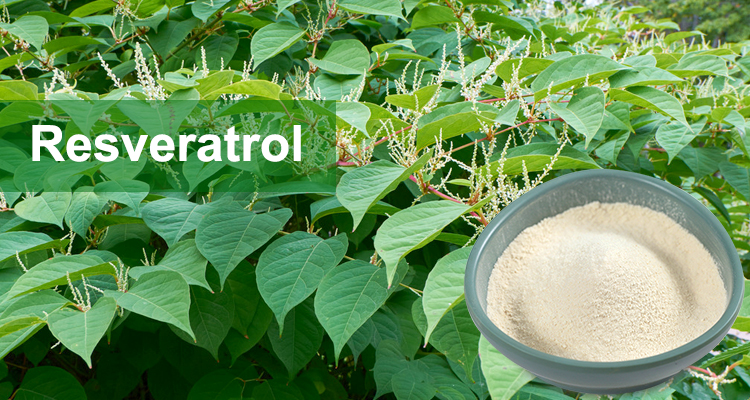
Powerful Antioxidant and Anti-Free Radical Effects
In the field of antioxidants, resveratrol is undoubtedly a star molecule. As a natural antioxidant, it possesses a powerful ability to scavenge and inhibit free radicals. Under normal physiological conditions, the production and elimination of free radicals in the human body are in a dynamic balance. However, when stimulated by external factors such as ultraviolet radiation, environmental pollution, and unhealthy lifestyle habits, this balance is disrupted, and excessive free radicals attack cells, leading to oxidative stress damage.
Resveratrol can directly react with free radicals such as superoxide anions and hydroxyl radicals, rendering them inactive and thus reducing the damage caused by free radicals to cells. For example, in an animal experiment, researchers supplemented mice subjected to oxidative stress with resveratrol. They found that the levels of malondialdehyde (MDA, a product of lipid peroxidation, whose increased levels indicate increased oxidative damage) in the liver and brain tissues of the mice were significantly reduced, while the activity of superoxide dismutase (SOD, an important endogenous antioxidant enzyme that scavenges superoxide anion free radicals) was significantly enhanced. This fully confirms the role of resveratrol in inhibiting lipid peroxidation and enhancing antioxidant enzyme activity. At the same time, it can also enhance the cell’s own antioxidant defense system from the root cause by regulating the expression of antioxidant-related enzyme genes.
At the cellular level, resveratrol can protect intracellular biomolecules such as DNA, proteins, and lipids, maintaining normal cellular physiological functions and delaying the aging process of cells. Many cell experiments have shown that when resveratrol is added to cultured cell lines such as fibroblasts and endothelial cells, the degree of DNA damage is reduced, protein oxidative modification is decreased, the integrity of the cell membrane is better maintained, and the vitality and proliferative capacity of the cells are maintained at a higher level when subjected to oxidative stress.
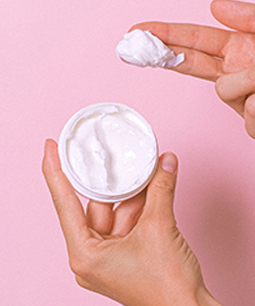
In the field of dermatology, the antioxidant effects of resveratrol have also been fully applied and verified. UVA and UVB in ultraviolet light are the main culprits causing photoaging of the skin. They induce skin cells to produce a large number of free radicals, destroying collagen and elastic fibers in the skin, leading to wrinkles, sagging, and dullness. Studies have shown that resveratrol can protect human and mouse skin from photoaging damage. It can reduce UVA-induced cellular morphological damage and regulate the expression of collagen and matrix metalloproteinases. Some skincare products contain resveratrol, and when applied topically, it can help reduce UV damage, diminish fine lines, and keep the skin firm and radiant.
Supporting Cardiovascular Health
Cardiovascular health has always been a focus of attention, and resveratrol has demonstrated remarkable efficacy in this area, protecting the cardiovascular system from multiple perspectives.
In terms of lipid regulation, resveratrol plays a positive role. Dyslipidemia is a major risk factor for cardiovascular disease. When the levels of lipids such as cholesterol and triglycerides in the blood are too high, especially when low-density lipoprotein cholesterol (LDL-C) is elevated and high-density lipoprotein cholesterol (HDL-C) is low, lipids gradually accumulate on the blood vessel walls, forming atherosclerotic plaques, leading to vascular narrowing and blockage. Resveratrol can regulate the expression of enzymes and genes related to lipid metabolism, promote the oxidative decomposition of fatty acids, reduce the levels of triglycerides and LDL-C in the blood, and simultaneously increase the content of HDL-C. HDL-C acts like a “scavenger” in the blood vessels, transporting cholesterol from the blood vessel walls back to the liver for metabolism, thereby reducing lipid deposition on the blood vessel walls and lowering the risk of atherosclerosis.
Inhibiting platelet aggregation is also one of the key mechanisms by which resveratrol protects the cardiovascular system. Under normal circumstances, platelets remain in a quiescent state within the blood vessels, but when the vascular endothelium is damaged, platelets are activated and aggregate to form blood clots. Once a blood clot breaks off and travels with the bloodstream, it can block important blood vessels, leading to serious cardiovascular and cerebrovascular events such as myocardial infarction and stroke. Resveratrol can inhibit the activation of platelet surface receptors, interfere with signal transduction pathways within platelets, and reduce platelet adhesion and aggregation, thereby reducing the likelihood of blood clot formation and ensuring normal blood circulation in the cardiovascular system.
Vascular endothelial cells, as a barrier layer on the inner wall of blood vessels, are crucial for maintaining normal vascular function. They can secrete vasoactive substances such as nitric oxide, regulating vasodilation and vasoconstriction, and also have anti-thrombotic and anti-inflammatory effects. However, oxidative stress and inflammation can damage vascular endothelial cells and disrupt their normal function. With its powerful antioxidant capacity, resveratrol eliminates excess free radicals in the body, reduces oxidative stress damage to vascular endothelial cells, and maintains the integrity and normal function of endothelial cells. Furthermore, it can promote the secretion of nitric oxide by endothelial cells, causing vascular smooth muscle relaxation, reducing vascular resistance, and increasing blood flow, thus helping to maintain stable blood pressure.
Numerous epidemiological surveys and clinical studies have strongly confirmed the positive effects of resveratrol on cardiovascular health. A long-term follow-up study of a large population found that the mortality rate from cardiovascular diseases was significantly lower in people who consumed moderate amounts of resveratrol-rich foods in their daily diet compared to those with insufficient intake. In some clinical trials, supplementing cardiovascular disease patients with a certain dose of resveratrol improved their blood lipid levels, enhanced vascular endothelial function, reduced blood viscosity, and decreased the risk and severity of cardiovascular diseases.
This has made resveratrol a highly sought-after subject of research in the field of cardiovascular health.
Anti-inflammatory Effects Show Their Prowess
Inflammation is a defensive response of the human immune system to various stimuli. However, when the inflammatory response is out of control and chronic inflammation persists, it can trigger a series of health problems, such as arthritis, atherosclerosis, and inflammatory bowel disease. Resveratrol has shown outstanding performance in the field of anti-inflammation, regulating inflammatory responses and reducing inflammatory damage through multiple mechanisms.
The anti-inflammatory mechanism of resveratrol is mainly achieved by inhibiting key inflammatory pathways such as nuclear factor κB (NF-κB). NF-κB is a transcription factor widely present in cells and plays a core regulatory role in inflammatory responses. When cells are stimulated by bacteria, viruses, inflammatory factors, etc., NF-κB is activated, translocates from the cytoplasm to the nucleus, and binds to the promoter region of specific genes, promoting the gene transcription and expression of a series of pro-inflammatory cytokines, such as interleukin-6 (IL-6) and tumor necrosis factor-α (TNF-α). These pro-inflammatory cytokines further recruit immune cells, amplify the inflammatory response, and cause damage to tissues and organs. Resveratrol can inhibit the activation of NF-κB, preventing it from entering the nucleus, thereby reducing the release of pro-inflammatory cytokines and controlling the inflammatory response from the source.
Taking arthritis as an example, rheumatoid arthritis is a common autoimmune disease, whose main pathological feature is chronic inflammation of the synovial membrane, leading to joint pain, swelling, and deformity, severely affecting the quality of life of patients. In the synovial tissue of rheumatoid arthritis patients, NF-κB is in a highly activated state, and pro-inflammatory cytokines are expressed in large quantities. Studies have found that resveratrol can inhibit the activity of NF-κB in animal models of arthritis, reduce the levels of pro-inflammatory factors such as IL-6 and TNF-α in synovial tissue, alleviate joint inflammation and swelling, and improve joint function. In cell experiments, treating synovial fibroblasts from rheumatoid arthritis patients with resveratrol also significantly inhibited cell proliferation and the secretion of inflammatory factors, reducing damage to articular cartilage and bone tissue.
Inflammation also plays an important role in the development of atherosclerosis. When vascular endothelial cells are stimulated by factors such as oxidative stress and hyperlipidemia, they produce an inflammatory response, attracting immune cells such as monocytes to adhere to and infiltrate the subendothelial layer of blood vessels, gradually forming atherosclerotic plaques. Resveratrol inhibits inflammatory pathways, reduces the damage of inflammatory factors to vascular endothelial cells, prevents the adhesion and migration of monocytes, and inhibits the formation of foam cells, thereby slowing the progression of atherosclerotic plaques. Clinical studies have also found that in people with high levels of inflammatory markers in their blood, appropriate supplementation with resveratrol leads to a decrease in inflammatory indicators and a certain degree of control over the risk of atherosclerosis.
In terms of inflammatory bowel disease, experimental colitis models provide strong evidence for the anti-inflammatory effects of resveratrol. The dextran sulfate sodium (DSS)-induced mouse colitis model is a commonly used animal model for studying inflammatory bowel disease. DSS damages the intestinal mucosal barrier in mice, triggering intestinal inflammation and causing symptoms such as diarrhea, bloody stools, and weight loss. Supplementing DSS-induced colitis mice with resveratrol significantly reduced intestinal inflammation, alleviated diarrhea and bloody stool symptoms, and reduced weight loss. Further research has found that resveratrol can regulate the balance of intestinal immune cells, increasing the number of regulatory T cells (Treg) and inhibiting the differentiation of pro-inflammatory cells such as T helper 17 (Th17) cells, reducing the production of inflammatory factors such as IL-17 and IL-6. At the same time, it can also activate antioxidant and anti-inflammatory signaling pathways such as Nrf2/HO-1, enhance the antioxidant capacity of the intestinal mucosa, and repair the damaged intestinal mucosal barrier, thereby alleviating intestinal inflammation.
New Discoveries in Metabolic Regulation
In the field of metabolic regulation, resveratrol has also demonstrated unique potential, offering new hope for addressing metabolic disorders.
It can activate key signaling pathways such as adenosine monophosphate-activated protein kinase (AMPK) and sirtuin 1 (SIRT1). AMPK is known as the “energy sensor” within cells; when intracellular energy levels decrease, AMPK is activated, regulating the activity of a series of metabolic enzymes and gene expression, promoting glucose uptake and utilization by cells, increasing fatty acid oxidation, and inhibiting the synthesis of fat and cholesterol, thereby maintaining intracellular energy balance. SIRT1 participates in various physiological processes such as cell aging, apoptosis, and metabolism. It can regulate the activity of metabolism-related transcription factors, affecting fat metabolism and insulin signaling. By activating these two pathways, resveratrol can enhance insulin sensitivity, improve impaired glucose tolerance and lipid metabolism disorders, and has positive implications for the prevention and improvement of metabolic diseases such as obesity and diabetes.
Numerous animal experiments and clinical studies have provided strong evidence for the metabolic regulatory effects of resveratrol. In animal experiments, supplementation with resveratrol in obese mice induced by a high-fat diet inhibited weight gain, reduced fat accumulation, enhanced insulin signaling in liver and muscle tissues, and significantly improved blood glucose and lipid levels. In a randomized controlled trial of obese subjects, supplementation with resveratrol for a period of time significantly reduced waist circumference, lowered fasting blood glucose levels, and improved insulin resistance index, indicating that resveratrol can also play a role in regulating metabolism in humans.
The Anti-Tumor Potential of Resveratrol Awaits Further Exploration
In the field of cancer research, resveratrol has shown promising anti-tumor potential, becoming a focus of attention for researchers. In vitro experiments and animal studies have provided abundant theoretical basis for its anti-tumor effects. In vitro experiments show that resveratrol can inhibit tumor cells through multiple mechanisms. It can induce apoptosis in tumor cells, causing cancer cells to initiate a self-destruction program, thereby reducing the number of tumor cells. For example, in studies on leukemia cell lines, resveratrol can activate intracellular apoptotic signaling pathways, promoting DNA fragmentation and chromatin condensation in cancer cells, ultimately leading to apoptosis. At the same time, resveratrol can also inhibit tumor angiogenesis. Tumor growth and metastasis depend on newly formed blood vessels to provide nutrients and oxygen. Resveratrol inhibits the expression and activity of angiogenesis-related factors such as vascular endothelial growth factor, blocking the formation of tumor blood vessels, cutting off the nutrient supply to the tumor, and thus limiting tumor growth and spread.
Studies on various cancer cell lines have confirmed the anti-cancer efficacy of resveratrol. In breast cancer cell lines, resveratrol can inhibit cancer cell proliferation and induce cell cycle arrest, preventing cancer cells from dividing and proliferating successfully. In experiments with prostate cancer cell lines, resveratrol not only inhibits cell proliferation but also induces apoptosis in cancer cells, reducing their invasiveness and metastatic ability. In addition, in cell models of various cancers such as liver cancer, lung cancer, and colon cancer, resveratrol has shown varying degrees of inhibition of tumor cell growth, induction of apoptosis, and inhibition of metastasis.
However, although resveratrol has shown some anti-tumor activity in in vitro experiments and animal studies, there is still a long way to go from laboratory research to clinical application. The human body is an extremely complex system, and there are significant differences between it and in vitro experiments and animal models. The anti-cancer effect of resveratrol in the human body requires more large-scale, high-quality clinical studies for further verification. Currently, relevant clinical studies are relatively few and suffer from problems such as small sample sizes and short study durations. Therefore, when considering the anti-tumor effects of resveratrol, we should both recognize its potential and maintain a scientific and cautious attitude, without blindly exaggerating its efficacy.
Consumption Recommendations and Precautions
To obtain resveratrol from your daily life, consider eating more grape skins, blueberries, peanuts, and mulberries, as these are excellent sources of resveratrol. Many people believe that drinking a little red wine daily is beneficial, and resveratrol is also a contributing factor. However, while red wine is good, moderation is key; daily intake should not exceed 150 ml. Red wine contains alcohol, and excessive consumption can burden the liver and other organs, resulting in more harm than good.
Special populations need to be extra cautious when consuming or supplementing with resveratrol. Pregnant and breastfeeding women are in a special physiological stage, and the effects of resveratrol on the fetus or infant are still unclear; therefore, they should avoid intake as much as possible. Patients with liver or kidney dysfunction should also be cautious, as resveratrol is mainly metabolized by the liver and kidneys. Ingesting resveratrol in this state may increase the metabolic burden on the liver and kidneys, further impairing their function. Furthermore, patients with hormone-dependent tumors, such as breast cancer and uterine cancer, should use resveratrol with caution, as it has mild estrogen-like activity that may stimulate tumor cell growth.
Regarding drug interactions, resveratrol may enhance the effects of anticoagulants, increasing the risk of bleeding. Therefore, people taking anticoagulants (such as warfarin and aspirin) should avoid supplementing with resveratrol simultaneously. If you are taking other medications, it is best to consult your doctor or pharmacist before consuming foods or supplements rich in resveratrol to confirm whether drug interactions may occur, affecting efficacy or causing adverse reactions.
