











The core benefits of aloe-emodin
(I) Basic Bioactivity and Health Regulation Functions
1. Dual Protective Mechanism of Antioxidant and Anti-inflammatory Effects
In the complex process of life activities, oxidative stress and inflammatory responses are like hidden “health killers,” silently threatening the body’s physiological balance. At the cellular level, normal metabolism and external environmental factors (such as ultraviolet radiation, pollution, and chemical substances) can lead to the massive production of free radicals in the body. These free radicals are extremely reactive, and some, such as superoxide anions and hydroxyl radicals, act like uncontrolled “molecular bombs,” indiscriminately attacking key biomolecules within cells, such as DNA, proteins, and lipids. When DNA is attacked by free radicals, it can cause gene mutations, becoming a potential cause of many diseases (including cancer); when proteins are oxidized, their structure and function change, affecting the normal physiological activities of cells; and the oxidation of lipids produces lipid peroxides, destroying the integrity of cell membranes and reducing the barrier function of cells.
Aloe-emodin, as a magical “guardian” bestowed upon humanity by nature, has multiple phenolic hydroxyl groups in its molecular structure. These phenolic hydroxyl groups act like “free radical traps,” accurately capturing free radicals in the body. Taking superoxide anion radicals as an example, the phenolic hydroxyl groups in the aloe-emodin molecule can provide hydrogen atoms, combining with superoxide anion radicals to convert them into relatively stable hydrogen peroxide, thereby blocking the chain reaction of free radicals and reducing oxidative damage to cells and biomolecules. Numerous in vitro experimental data strongly confirm this. In experimental systems simulating oxidative stress, the addition of aloe-emodin significantly reduced the content of free radicals, and the levels of intracellular oxidative damage markers (such as malondialdehyde, MDA) also decreased significantly, fully demonstrating the powerful free radical scavenging ability of aloe-emodin.
Inflammatory response is also a complex and precise physiological process. When the body is invaded by pathogens, subjected to physical or chemical damage, or other stimuli, the immune system quickly initiates an inflammatory response to try to eliminate harmful substances and repair damaged tissues. However, when the inflammatory response is out of control, it can lead to a series of problems. Nuclear factor kappa B (NF-κB) is a key transcription factor in inflammatory signaling pathways. Under normal conditions, it resides in the cytoplasm, bound to the inhibitory protein IκB, in an inactive state. When cells are stimulated by inflammation, IκB is phosphorylated and degraded, releasing NF-κB, which then enters the nucleus and initiates the transcription of a series of pro-inflammatory genes, thereby promoting the release of pro-inflammatory factors such as interleukin-6 (IL-6) and tumor necrosis factor-alpha (TNF-α). These pro-inflammatory factors trigger an inflammatory cascade reaction, leading to local tissue redness, swelling, and pain. Long-term chronic inflammation can also lead to systemic diseases such as arthritis and metabolic syndrome.
Aloe-emodin can effectively downregulate the activation of inflammatory pathways such as NF-κB. Studies have shown that aloe-emodin can inhibit the phosphorylation of IκB, thereby preventing the activation and nuclear translocation of NF-κB, and inhibiting the expression of inflammatory genes at the source. In animal experiments, oral administration of aloe-emodin to animals with inflammation-related diseases (such as arthritis model mice) significantly reduced the levels of IL-6 and TNF-α in joint tissues, significantly alleviating inflammatory symptoms, reducing joint swelling, and improving mobility. This indicates that aloe-emodin has important potential value in regulating inflammatory responses and preventing and improving chronic inflammation-related diseases, providing strong theoretical basis for the development of new anti-inflammatory functional foods.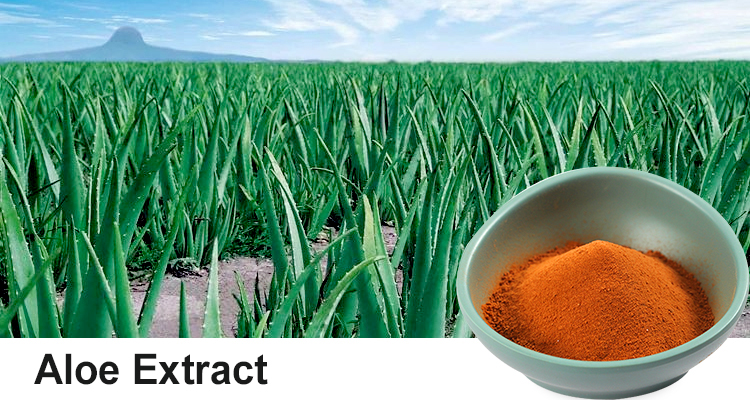
2. Broad-spectrum antibacterial and immunomodulatory synergistic effects
In the microscopic world, pathogenic microorganisms are ubiquitous, constantly threatening human health. Common pathogenic microorganisms such as Staphylococcus aureus, Escherichia coli, and Candida albicans cause various infectious diseases through different pathogenic mechanisms. Staphylococcus aureus can produce various toxins, such as hemolysin and enterotoxin, which can lead to skin and soft tissue infections, pneumonia, and food poisoning; Escherichia coli can cause intestinal infections and urinary tract infections; Candida albicans, as a conditionally pathogenic fungus, often causes skin and mucous membrane infections, and in immunocompromised individuals, it can also cause systemic infections, seriously threatening life and health.
Aloe-emodin exhibits a strong inhibitory effect on these pathogenic microorganisms. Its mechanism of action primarily involves disrupting the cell membrane and mitochondrial respiratory chain of pathogenic microorganisms. The cell membrane is a crucial barrier separating the cell from the external environment, maintaining the stability of the intracellular environment and normal physiological functions. Aloe-emodin can act on the lipid and protein components of the cell membrane, altering its permeability, leading to the outflow of intracellular substances and disrupting the normal structure and function of the cell. Regarding the mitochondrial respiratory chain, it is a key site for cellular energy metabolism. Aloe-emodin can inhibit the electron transport process in the mitochondrial respiratory chain, interfering with cellular energy production, preventing pathogenic microorganisms from surviving and reproducing due to insufficient energy supply. Experimental data show that with increasing concentrations of aloe-emodin, the inhibitory effect on pathogenic microorganisms gradually increases, exhibiting a clear concentration-dependent effect. At certain concentrations, aloe-emodin can significantly inhibit the growth of Staphylococcus aureus, Escherichia coli, and Candida albicans, with inhibition rates reaching high levels.
The human immune system is a complex and sophisticated defense system, acting like a well-trained army constantly protecting the body’s health. Immune cells such as T lymphocytes and natural killer (NK) cells play important roles in the immune system. T lymphocytes participate in cell-mediated immune responses, recognizing and attacking cells infected by pathogens and tumor cells; NK cells possess natural cytotoxicity and can directly kill target cells without prior sensitization, playing a key role in antiviral infection and anti-tumor immunity. Simultaneously, the balance of Th1/Th2 cells is crucial for maintaining a normal immune response. Th1 cells primarily mediate cell-mediated immunity, secreting cytokines such as interferon-γ (IFN-γ), enhancing macrophage activity, and resisting intracellular pathogen infections; Th2 cells primarily mediate humoral immunity, secreting cytokines such as interleukin-4 (IL-4), promoting B lymphocyte antibody production, and resisting extracellular pathogen infections. When the Th1/Th2 cell balance is disrupted, it can lead to immune-related diseases such as allergies and autoimmune diseases.
Aloe-emodin plays a positive role in immune regulation. Studies have shown that it can promote the proliferation of T lymphocytes, enhance their activity, and enable them to more effectively recognize and attack pathogens. At the same time, aloe-emodin can also significantly enhance the activity of NK cells, improving their ability to kill tumor cells and virus-infected cells. In terms of regulating the Th1/Th2 cell balance, aloe-emodin can regulate the levels of cytokines secreted by Th1 and Th2 cells according to the body’s immune status, restoring balance. For people with allergies, Th2 cell function is often overactive, leading to excessive production of IgE antibodies and triggering allergic reactions. Aloe-emodin can inhibit the secretion of cytokines such as IL-4 by Th2 cells, reduce IgE production, and thus alleviate allergic symptoms. For people with weakened immunity, aloe-emodin enhances the activity of immune cells and regulates immune balance, improving the body’s resistance and preventing infectious diseases. This series of immunomodulatory effects gives aloe- emodin a unique advantage in maintaining human immune health, providing new ideas and effective components for the development of functional foods that enhance immunity.
(II) Targeted Effects on Specific Physiological Functions
1. Natural Solutions for Regulating Intestinal Motility
The intestines, as a vital part of the human digestive system, perform the crucial tasks of digesting food, absorbing nutrients, and eliminating waste. Normal intestinal function depends on the orderly contraction and relaxation of intestinal smooth muscle, as well as the stability of the intestinal environment. When intestinal motility is insufficient, it can lead to problems such as functional constipation, causing significant distress in people’s lives. Functional constipation is relatively common in modern populations, primarily characterized by reduced bowel movements, hard stools, and difficulty defecating, severely impacting quality of life. Statistics show that approximately 15% to 20% of adults worldwide suffer from functional constipation, and the incidence increases with age.
Aloe-emodin improves intestinal function through a unique dual mechanism, making it a natural remedy for intestinal motility problems. On the one hand, aloe-emodin stimulates the release of acetylcholine from the submucosal nerve plexus. Acetylcholine is an important neurotransmitter; when it binds to receptors on the surface of intestinal smooth muscle cells, it activates a series of intracellular signaling pathways, increasing the concentration of calcium ions within the smooth muscle cells, thereby enhancing the frequency of intestinal smooth muscle contraction. Numerous experimental studies have shown that after administering preparations containing aloe-emodin, the frequency of intestinal contractions can increase by 30% to 50%, with a particularly significant effect on colon peristalsis. This enhanced intestinal peristalsis propels food residue through the intestines, accelerating the transit of feces and reducing the time feces remain in the intestines.
On the other hand, aloe-emodin induces intestinal mucosal cells to secrete electrolytes and water. Intestinal mucosal cells, through active transport and passive diffusion, secrete electrolytes such as sodium and chloride ions into the intestinal lumen. Water molecules also enter the intestinal lumen along the osmotic pressure gradient, thereby increasing the volume of intestinal contents. Experimental data shows that under the action of aloe-emodin, the volume of intestinal contents can significantly increase, and the water content of feces increases by 20% to 40%, making the feces softer and easier to expel. The metabolic product of aloe- emodin in the intestines, aloe-emodin-9-anthrone, specifically acts on the large intestine. The large intestine is the main site of stool formation and storage, and aloe-emodin-9-anthrone can directly act on the enteric nervous plexus and smooth muscle of the large intestine, further enhancing its peristaltic function, and is particularly effective in improving slow-transit constipation. Compared with traditional stimulant laxatives, aloe-emodin has a milder effect, does not cause severe abdominal pain and diarrhea, and is less likely to cause drug dependence with long-term use, providing a safe and effective natural solution for patients with functional constipation.
2. Multi-target intervention potential for metabolic syndrome
Under the influence of modern fast-paced lifestyles and high-calorie diets, the incidence of metabolic syndrome is increasing year by year, becoming a serious public health problem threatening human health worldwide. Metabolic syndrome is a complex syndrome of metabolic disorders, mainly including central obesity, hyperglycemia, hypertension, dyslipidemia, and other symptoms. These symptoms are interrelated and synergistically increase the risk of cardiovascular diseases, diabetes, and other chronic diseases. Statistics show that approximately 25%-30% of adults worldwide suffer from metabolic syndrome, and this trend is rapidly increasing in developing countries.
Aloe-emodin shows multi-target intervention potential in regulating glucose and lipid metabolism, bringing new hope for the prevention and adjuvant treatment of metabolic syndrome. In terms of blood glucose regulation, α-glucosidase is a key enzyme located in the brush border of the small intestine. It breaks down carbohydrates in food into glucose, which is then absorbed by the body, leading to postprandial hyperglycemia. Aloe-emodin can effectively inhibit the activity of α-glucosidase, and its inhibitory effect is even better than that of acarbose, a commonly used hypoglycemic drug. Studies have shown that aloe-emodin binds to the active site of α-glucosidase, changing the enzyme’s spatial conformation, thereby inhibiting its hydrolysis of carbohydrates, delaying the digestion and absorption of carbohydrates, and reducing postprandial blood glucose peaks. In an experiment on diabetic mice, administration of aloe-emodin significantly reduced postprandial blood glucose levels and decreased blood glucose fluctuations, indicating that aloe-emodin has a significant effect in controlling postprandial blood glucose.
In terms of lipid regulation, peroxisome proliferator-activated receptor γ (PPAR-γ) is a nuclear receptor that plays a key role in processes such as adipocyte differentiation, lipid metabolism, and insulin sensitivity regulation. Aloe-emodin can regulate the PPAR-γ pathway, inhibit adipocyte differentiation, and reduce the number and volume of adipocytes. At the same time, aloe-emodin can also promote fatty acid oxidation, increase the catabolism of fatty acids, reduce the levels of triglycerides and low-density lipoprotein cholesterol (LDL-C) in the blood, and increase the content of high-density lipoprotein cholesterol (HDL-C). Experimental data show that after feeding hyperlipidemic animals with feed containing aloe-emodin, the blood lipid indicators in the animals were significantly improved, with significantly reduced triglyceride and LDL-C levels and increased HDL-C levels, indicating that aloe-emodin has a good regulatory effect on dyslipidemia. This dual regulatory effect on glucose and lipid metabolism makes aloe-emodin have great potential in the development of functional foods for the prevention and auxiliary treatment of metabolic diseases such as diabetes and obesity, and is expected to provide a safe and effective dietary intervention for patients with metabolic syndrome.
3. Multi-dimensional protective effects on skin health
The skin, as the largest organ of the human body, is not only the body’s external barrier but also directly affects people’s appearance and self-confidence. With age and stimulation from external environmental factors (such as ultraviolet radiation, pollution, inflammation, etc.), the skin gradually develops various problems, such as aging, dryness, and inflammation. Ultraviolet radiation is one of the main external factors leading to skin aging; it can induce skin cells to produce a large number of free radicals and activate the expression of matrix metalloproteinases (MMPs). MMPs are a class of zinc-dependent endopeptidases that can degrade collagen, elastic fibers, and other extracellular matrix components in the skin, leading to skin sagging, increased wrinkles, and loss of elasticity.
Aloe-emodin, with its powerful antioxidant and anti-inflammatory properties, provides multi-dimensional protection for skin health. In terms of antioxidant properties, the active groups in the aloe-emodin molecule, such as phenolic hydroxyl groups, can provide hydrogen atoms to react with free radicals induced by ultraviolet radiation, converting them into stable products and thus reducing oxidative damage to skin cells and biomolecules. At the same time, aloe-emodin can upregulate the activity of intracellular antioxidant enzymes (such as superoxide dismutase, SOD; glutathione peroxidase, GPx; and catalase, CAT), enhancing the skin’s own antioxidant defense capabilities. Studies have shown that after using skincare products containing aloe-emodin, the expression level of MMPs in the skin is significantly reduced, the degradation rate of collagen is slowed down, and the elasticity and firmness of the skin are significantly improved.
In terms of anti-inflammatory properties, when the skin is stimulated by external factors (such as allergens, microbial infections, etc.), it triggers an inflammatory response, leading to the release of inflammatory mediators such as histamine, causing symptoms such as redness, swelling, itching, and pain. Aloe-emodin can inhibit the release of histamine, reduce the activity of inflammatory cells, and alleviate the damage to the skin caused by inflammation. Aloe-emodin has a good relieving effect on inflammatory skin diseases such as contact dermatitis and acne. In the treatment of acne, aloe-emodin not only inhibits the growth and reproduction of *Propionibacterium acnes*, but also reduces inflammation, decreases the redness and severity of acne, and promotes acne healing.
Aloe-emodin can also regulate the keratinocyte renewal cycle. Under normal circumstances, keratinocytes gradually differentiate and mature from the basal layer, then migrate to the skin surface, eventually forming the stratum corneum and shedding; this process is called keratinocyte renewal. When the keratinocyte renewal cycle is disrupted, it leads to the accumulation of old keratinocytes, making the skin rough and dull. Aloe-emodin can promote the normal differentiation and shedding of keratinocytes, maintaining the normal thickness and structure of the stratum corneum on the skin surface, and improving the texture and radiance of the skin. Clinical studies have shown that skincare products containing 0.1% – 0.3% aloe-emodin can significantly improve skin barrier function, reduce water loss, and enhance the skin’s moisturizing ability. At the same time, long-term use of these skincare products can reduce the formation of fine lines and improve skin elasticity and firmness, making them especially suitable for anti-aging care in mature skin, providing people with a natural and safe skincare option.
 The Application Prospects of Aloe- Emodin in Functional Foods
 The Application Prospects of Aloe- Emodin in Functional Foods
(I) Current Core Application Areas and Product Forms
1. Health Foods: A Carrier for Life-Cycle Health Management
In modern society, people’s attention to health is constantly increasing. Health foods, as a special type of food that can help maintain physical health, are experiencing growing market demand. Aloe-emodin, with its rich biological activity, has become one of the important raw materials in the field of health foods.
In dietary supplements, aloe-emodin is often combined with dietary fiber, probiotics, and other ingredients to develop products for intestinal health. Dietary fiber acts as a “scavenger” in the intestines, increasing stool volume, promoting intestinal peristalsis, and preventing constipation; probiotics can regulate the balance of intestinal flora and enhance intestinal immunity. Aloe-emodin works synergistically with them to more effectively improve intestinal function. For example, laxative soft capsules combine aloe-emodin with dietary fiber. On the one hand, aloe-emodin stimulates the release of acetylcholine from the submucosal nerve plexus, increasing the frequency of intestinal smooth muscle contraction; on the other hand, dietary fiber increases the water content of stool, making it soft and easy to pass, thus effectively relieving constipation. Dietary fiber tablets, by adding aloe-emodin, enhance the regulatory effect of dietary fiber on the intestines and promote intestinal health.
Aloe-emodin is also combined with antioxidants such as vitamin C and astaxanthin to create compound tablets that enhance immunity and delay aging. Vitamin C is a water-soluble antioxidant that can scavenge free radicals in the body and enhance immunity; astaxanthin is a powerful antioxidant, with antioxidant capacity hundreds of times that of vitamin C, effectively delaying cell aging. The combination of aloe-emodin with these antioxidants can enhance the body’s antioxidant capacity from multiple angles, delay the aging process, and improve immunity. Functional foods targeting sub-healthy individuals, such as anti-fatigue oral solutions and post-operative recovery nutrients, also fully utilize the immunomodulatory and anti-inflammatory activities of aloe-emodin. Sub-healthy individuals, due to long-term stress, experience decreased immunity and are prone to fatigue and inflammation. Aloe-emodin regulates the immune system, enhances the activity of immune cells, improves the body’s resistance, and alleviates fatigue symptoms; at the same time, its anti-inflammatory effect reduces the damage caused by inflammatory reactions to the body and promotes recovery. In these products, standardized dosage control (usually 5-20mg per day) ensures a balance between the safety and efficacy of aloe-emodin, providing consumers with reliable health protection.
2. Functional Beverages: A Convenient Carrier for Exercise and Daily Health
With the acceleration of people’s pace of life and the increasing awareness of health, functional beverages, as a drink that can quickly replenish energy and regulate bodily functions, have become increasingly popular among consumers. Due to its unique biological activity, aloe-emodin shows broad application prospects in the field of functional beverages.
In sports drinks, aloe-emodin plays an important role. During exercise, the body sweats profusely, leading to water and electrolyte loss, and at the same time, intestinal peristalsis slows down, easily leading to constipation and dehydration. Aloe-emodin improves intestinal peristalsis, promotes the absorption of water and electrolytes, and alleviates post-exercise constipation and dehydration. It stimulates intestinal mucosal cells to secrete electrolytes and water, increasing the volume of intestinal contents, making it easier to expel feces; at the same time, it regulates the absorption of water and electrolytes in the intestines, maintaining the body’s water and salt balance, allowing athletes to quickly recover their physical strength after exercise.
In energy drinks, the antioxidant and anti-fatigue properties of aloe-emodin can improve physical endurance and reduce exercise-induced oxidative damage. During exercise, the body produces a large number of free radicals, which attack biomolecules in cells, leading to oxidative damage and thus reducing exercise capacity. The antioxidant effect of aloe- emodin can scavenge free radicals and reduce oxidative damage; at the same time, it can also regulate the body’s metabolic processes, improve energy utilization efficiency, and enhance the body’s endurance, allowing consumers to maintain a better state during exercise.
For sedentary individuals, light functional beverages, through low-dose addition (1-5mg/100mL) of aloe-emodin, achieve the dual effects of “intestinal micro-regulation + fatigue relief”. Sedentary individuals, due to prolonged lack of exercise, experience slow bowel movements and are prone to constipation. They also often feel fatigued due to prolonged work stress. Light functional beverages containing aloe- emodin can gently stimulate bowel movements and improve intestinal function. Simultaneously, its anti-fatigue effect can alleviate fatigue in sedentary individuals and improve work efficiency. This ready-to-drink health solution meets the modern consumer’s demand for convenient and efficient health products, providing them with a way to maintain their health anytime, anywhere.
3. Special Diets and Precision Nutrition: Personalized Health Intervention
In an era of increasing health awareness, people’s dietary needs are no longer limited to basic nutritional intake, but are increasingly focused on personalized and precise health interventions. Special diets and precision nutrition have emerged, and aloe-emodin plays an important role in this field, providing customized health solutions for different groups of people.
For individuals at high risk of metabolic syndrome, low-GI (glycemic index) foods containing aloe-emodin (such as meal replacement powders and sugar-controlled biscuits) have become effective health management tools. Individuals at high risk of metabolic syndrome typically have abnormal blood sugar and lipid metabolism. Low-GI foods release carbohydrates slowly, preventing rapid blood sugar spikes and helping to control blood sugar levels. Aloe-emodin plays a dual regulatory role: on the one hand, it inhibits the activity of α-glucosidase, delaying the digestion and absorption of carbohydrates and reducing postprandial blood sugar peaks; on the other hand, by regulating the PPAR-γ pathway, it inhibits adipocyte differentiation, promotes fatty acid oxidation, regulates lipid metabolism, and lowers blood lipid levels, assisting in blood sugar management. Meal replacement powders and sugar-controlled biscuits are convenient to carry and easy to consume, providing a convenient dietary option for individuals at high risk of metabolic syndrome, helping them better control their condition and prevent the occurrence of complications such as diabetes and cardiovascular diseases.
In senior nutrition, the antioxidant and immunomodulatory functions of aloe-emodin are fully utilized in the development of medical foods to prevent sarcopenia and improve cognitive function. With age, the physical functions of the elderly gradually decline, muscle mass decreases, cognitive function declines, and they are susceptible to various diseases. The antioxidant properties of aloe-emodin can eliminate free radicals in the body, reduce oxidative damage, and protect muscle and nerve cells; its immunomodulatory function can enhance the immunity of elderly people, improve their resistance to disease, and prevent illness. Combined with sustained-release technology, this specialized medical food can achieve continuous release of the active ingredients, allowing aloe-emodin to exert its effects in the body for a longer period, providing more lasting and stable protection for the health of elderly individuals. This personalized health intervention method meets the specific nutritional needs of the elderly, helps improve their quality of life, and slows down the aging process.
(II) Market Drivers and Technological Innovation Opportunities
 (II) Market Drivers and Technological Innovation Opportunities
1. Structural Growth Driven by Consumption Upgrading and Health Demands
In today’s globalized era, health has become one of the most important issues in people’s lives. With economic development and continuous improvement in living standards, consumers’ health awareness has undergone a qualitative leap, and the demand for health products has shown explosive growth. This growth is not only reflected in quantity but also in profound structural changes. Functional foods, as an important part of the health industry, are experiencing unprecedented development opportunities.
The functional food market has shown strong growth in recent years, expanding at an average annual rate of 8% to 10%. The core driving force behind this growth trend is consumers’ relentless pursuit of a healthy lifestyle. They are no longer satisfied with the simple satiety function of traditional foods but are more focused on the nutritional components and positive effects on health. Aloe-emodin, as an active ingredient derived from natural plants, perfectly fits consumers’ strong preference for “less additives, more functions” products with its unique advantages of “natural source + multi-target efficacy.”
In terms of market size, according to authoritative data from Global Info Research, the global aloe-emodin market size reached XX million US dollars in 2024. This figure fully demonstrates the important position and wide application of aloe-emodin in the market. Even more noteworthy, market research institutions predict that by 2031, the global aloe- emodin market size is expected to further grow to XX million US dollars, with a compound annual growth rate of XX%. This prediction not only reflects the continued demand for aloe- emodin but also foreshadows its enormous development potential in the future health industry.
In the global market, the Asia-Pacific region, with its unique market environment and cultural background, has become the fastest-growing region for the aloe-emodin market. On the one hand, with the accelerating aging process in the Asia-Pacific region, the number of elderly people continues to increase. This group has a strong demand for health products, providing a broad market space for the application of aloe-emodin in elderly food, health products, and other fields. On the other hand, the deep-rooted traditional herbal medicine culture in the Asia-Pacific region makes consumers highly receptive to and trusting of functional foods containing natural plant ingredients. This dual impetus of cultural identity and market demand has made the Asia-Pacific region a crucial engine for the development of the aloe vera extract market, leading the growth trend of the global market.
2. Green Extraction Technology and Improved Quality Standard System
In the industrialization process of aloe vera extract, technological innovation has always been the key driving force. In recent years, the continuous emergence of green extraction technologies and the gradual improvement of quality standard systems have provided solid technical support and quality assurance for the widespread application of aloe vera extract in the field of functional foods.
The emergence of new technologies such as supercritical fluid extraction and microwave-assisted extraction has completely changed the traditional methods of aloe vera extract extraction. These new technologies, with their high efficiency and environmental friendliness, have significantly increased the extraction rate of aloe vera extract, raising it from the low levels of traditional processes to 1.5% – 2.0%. Supercritical fluid extraction technology utilizes the special properties of supercritical fluids near the critical point to achieve efficient extraction of aloe vera extract under mild conditions. This not only avoids the impurities and solvent residue problems that may be introduced during traditional solvent extraction, but also greatly improves extraction efficiency and reduces energy consumption. Microwave-assisted extraction technology, on the other hand, utilizes the thermal and non-thermal effects of microwaves to quickly break down plant cell structures, promoting the dissolution of aloe vera extract, shortening the extraction time, and reducing the amount of solvent used, thus achieving a green and environmentally friendly extraction process.
The introduction of high-performance liquid chromatography (HPLC) fingerprint technology has brought about a revolutionary change in the quality control of aloe vera extract. This technology can accurately analyze the types and content of anthraquinone components in the raw materials, enabling precise quantification of aloe vera extract. By establishing HPLC fingerprints, manufacturers can conduct strict quality monitoring of raw materials and products, ensuring that each batch of products has stable quality and consistent efficacy. Currently, market requirements for the quality standards of aloe vera extract are becoming increasingly stringent, with pharmaceutical-grade purity requiring ≥98% and food-grade requiring ≥95%. This standardized quality requirement not only protects consumer rights but also promotes the healthy development of the entire industry.
In the future, the research and application of nano-delivery systems (such as liposome encapsulation) are expected to further expand the application scenarios of aloe vera extract in the field of functional foods. Aloe-emodin itself suffers from poor lipid solubility and low bioavailability, which to some extent limits its application in liquid foods. Nanodelivery systems can encapsulate aloe-emodin in nanoscale carriers, such as liposomes, improving its solubility and stability, and thus increasing its bioavailability. This allows aloe-emodin to be more easily added to various liquid foods, such as beverages and yogurt, providing consumers with a wider range of healthy choices. This technological innovation not only enhances the application value of aloe-emodin but also opens up new ideas and directions for the development of functional foods.
(III) Challenges and Sustainable Development Strategies
1. Safety Boundaries and Precise Dosage Control
In the application of aloe-emodin, safety is always the primary consideration. Although aloe-emodin possesses various significant biological activities, providing ample opportunities for the development of functional foods, strict control of its oral safe dosage is crucial. Studies show that the oral safe dose of aloe-emodin should be maintained within the range of ≤30 mg per day; exceeding this limit may trigger a series of adverse reactions. Intestinal irritation is a common problem; excessive aloe-emodin can overstimulate the intestinal mucosa, leading to symptoms such as abdominal pain and diarrhea, affecting normal intestinal function. Electrolyte imbalance is also a risk that cannot be ignored; it can interfere with the body’s electrolyte balance, negatively affecting the function of important organs such as the heart and nerves, and in severe cases, even endangering life and health.
To ensure consumer safety, companies need to establish a scientific and comprehensive dose-response model based on population metabolic differences. Different age groups and individuals with different constitutions have significantly different metabolic capacities for aloe-emodin. For example, children and the elderly have relatively weaker bodily functions and slower metabolism of drugs and functional ingredients; therefore, their tolerance dose for aloe-emodin may be lower than that of adults. Pregnant and breastfeeding women, due to their special physiological state, are more sensitive to aloe-emodin, and its use may pose potential risks to the fetus or infant. Through bioequivalence studies, companies can gain a deeper understanding of the absorption, distribution, metabolism, and excretion processes of aloe-emodin in different populations, thereby determining appropriate intake levels for different groups. On product labels, companies must clearly indicate contraindications such as “Use with caution for pregnant/breastfeeding women” to remind consumers of potential risks and prevent health damage due to improper use.
2. Supply Chain Collaboration and Sustainable Supply System
The aloe-emodin supply chain involves multiple links, from raw material cultivation to product processing, with each link closely interconnected and mutually influential. Currently, the supply of aloe-emodin raw materials is mainly concentrated in a few production areas, such as Gansu and Yunnan provinces in China, and Texas in the United States. While this concentrated supply is beneficial to large-scale cultivation and management to some extent, it also brings many potential risks. If these production areas are affected by natural disasters, pest infestations, or other force majeure factors, raw material production will drop sharply, leading to a supply-demand imbalance in the global market. In 2024, the global demand for aloe-emodin increased by 13.2% year-on-year, while the price of raw materials rose by 30% due to supply shortages, a phenomenon that fully highlights the severity of the supply-demand imbalance.
To address this challenge, building a “cultivation-extraction-processing” full-chain traceability system is essential. Through standardized cultivation techniques, such as promoting organic certified aloe cultivation, the stability and safety of raw material production can be effectively improved. Organic farming emphasizes following natural laws and ecological principles, avoiding the use of chemically synthesized pesticides, fertilizers, and growth regulators, reducing environmental pollution, and improving the quality and disease resistance of aloe. In the extraction and processing stages, establishing strict quality control and traceability mechanisms ensures that each batch of products can be traced back to its raw material source and production process, helping to improve the reliability and transparency of product quality.
Developing microbial synthesis technology (such as yeast engineering strain fermentation) is an important way to alleviate raw material supply pressure. Through genetic engineering technology, microorganisms such as yeast can be modified to efficiently synthesize aloe-emodin. This method not only reduces reliance on natural plant resources and minimizes environmental damage but also enables large-scale industrial production of aloe-emodin, improving the stability and controllability of the supply. Through collaborative efforts across all links of the industrial chain, building a sustainable supply system is crucial for the aloe- emodin industry to maintain steady development in the face of market fluctuations and environmental challenges.
3. Regulatory Compliance and Cross-Disciplinary Collaborative Innovation
In a globalized market environment, the development of aloe- emodin in the functional food sector is subject to strict regulation by various countries’ laws and policies. However, there are significant differences in the standards for the use of aloe-emodin in food across different countries. The EU EFSA stipulates a daily allowable intake of ≤20mg, a relatively strict standard aimed at ensuring consumer health and safety; while China’s GB 14880 currently lacks a specific standard, which creates uncertainty for businesses in production and market promotion. This regulatory disparity poses numerous challenges for companies engaged in multinational production and sales, requiring significant investment in human resources, materials, and finances to meet the regulatory requirements of different countries and regions, increasing operating costs and market risks.
To overcome this challenge, companies need to actively participate in international standard mutual recognition, strengthen communication and cooperation with regulatory agencies in various countries, and promote the scientific verification of functional claims. By conducting scientific research methods such as randomized controlled trials (RCTs), companies can demonstrate the efficacy and safety of aloe- emodin in functional foods, providing a scientific basis for regulatory development. Only with the support of scientific evidence can companies gain broader recognition and trust in the global market and promote the international development of aloe-emodin functional foods.
The integration of traditional Chinese medicine theory and modern nutrition science opens new avenues for the innovative development of aloe-emodin in the functional food sector. Traditional Chinese medicine theory has a long history, containing rich health and wellness concepts and practical experience; modern nutrition science, on the other hand, studies the relationship between food and human health using scientific methods, providing a solid theoretical foundation for the research and development of functional foods. By organically combining the two, developing “food-medicine homology” compound products (such as combining with wolfberry polysaccharides and astragalus saponins), the synergistic effects of different components can be fully utilized, enhancing product efficacy and market competitiveness. Wolfberry polysaccharides have immune-regulating and antioxidant effects, while astragalus saponins have immune-enhancing and anti-fatigue effects. Combining them with aloe-emodin is expected to develop functional foods with multiple benefits, meeting the increasingly diverse health needs of consumers. This kind of cross-disciplinary collaborative innovation not only helps overcome the challenges of market homogenization but also injects new vitality into the aloe vera and rhubarb industry, propelling it towards a higher level of development.
Due to its diverse bioactivity and natural properties, aloe- emodin demonstrates broad application potential in the functional food field, ranging from basic nutritional supplementation to precise health interventions. With technological innovation driving improved safety and clearer understanding of its mechanisms of action, its market value will be further unleashed. Future efforts should focus on “precise dosing, application scenario optimization, and green industrial practices,” achieving a value chain from raw materials to end products through interdisciplinary collaboration and full-产业链 synergy, providing the health industry with natural solutions that are both scientifically sound and commercially viable.
