







The essence of ingredients: the hierarchical differences from plant extracts to active substances
(I) Curcumin: Precise Expression of a High-Purity Single Active Ingredient
Curcumin is a polyphenolic compound isolated and purified from the rhizome of the ginger plant (Curcuma longa). Its chemical name is 1,7-bis(4-hydroxy-3-methoxyphenyl)-1,6-heptadien-3,5-dione (C₂₁H₂₀O₆), and its molecular structure endows it with unique chemical and biological properties. Through advanced separation techniques, the purity of curcumin can reach 95%-98%, which allows for high precision in efficacy research and application. At the molecular level, curcumin’s lipid solubility makes it difficult to dissolve and disperse in aqueous environments, posing a significant challenge to its absorption by the human body.
To improve the bioavailability of curcumin, researchers have conducted extensive studies and developed various effective techniques. Nanotechnology, by processing curcumin into nanoscale particles, significantly increases its specific surface area, making it easier to disperse and absorb in the body. Liposome encapsulation technology utilizes the bilayer membrane structure of liposomes to encapsulate curcumin, improving its stability and promoting transmembrane transport, thus enhancing absorption. Combining it with piperine is also a common method; piperine inhibits the activity of enzymes that metabolize curcumin in the liver and intestines, slowing down its metabolism and allowing more time for absorption and utilization. Studies have shown that this combination can increase the bioavailability of curcumin by up to 20 times.
In terms of efficacy, curcumin, with its clear anti-inflammatory, antioxidant, and metabolic pathway regulating effects, has significant application value in health supplement formulations. In terms of anti-inflammation, curcumin can inhibit inflammatory signaling pathways such as nuclear factor κB and reduce the levels of pro-inflammatory factors such as interleukin-6, showing significant improvement effects on chronic inflammatory diseases such as arthritis and enteritis. Clinical studies have shown that its anti-inflammatory effect is comparable to that of nonsteroidal anti-inflammatory drugs (NSAIDs). In terms of antioxidation, the phenolic hydroxyl groups in the curcumin molecule can scavenge free radicals, activate the Nrf2 antioxidant pathway, and enhance the activity of endogenous antioxidant enzymes such as superoxide dismutase, helping to delay cellular oxidative damage and prevent oxidative stress-related diseases such as atherosclerosis. In terms of regulating metabolic pathways, curcumin can inhibit fatty acid synthase activity and promote low-density lipoprotein receptor expression, thereby reducing serum total cholesterol and triglyceride levels, and has a regulatory effect on dyslipidemia in patients with hyperlipidemia. These clear efficacy effects make curcumin an ideal choice for targeted intervention health supplement formulations.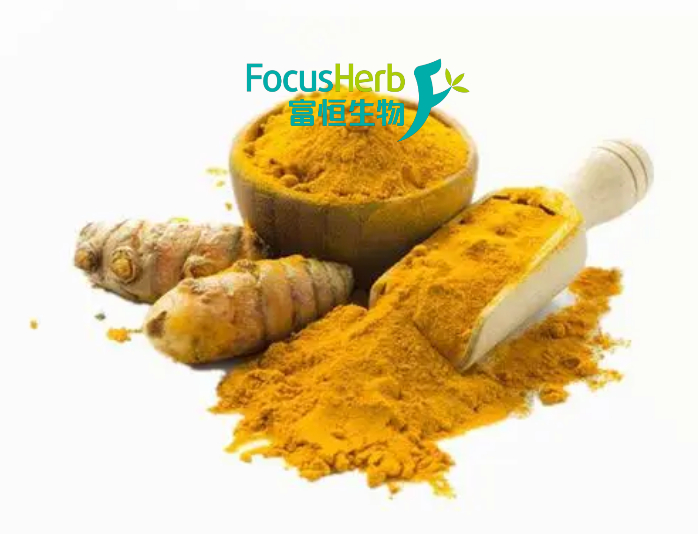
(II) Turmeric Extract: A Synergistic Natural Complex System
Turmeric extract is a mixture obtained from turmeric through various extraction methods such as water extraction, alcohol extraction, or supercritical fluid extraction. Its composition is complex and diverse, containing over 50 active ingredients, including curcumin (10%-15%), turmericones, gingerol, and volatile oils. These components form a synergistic network within the extract, working together to exert biological effects.
Turmericones can enhance the hepatoprotective effect of curcumin. The two work synergistically to effectively improve alcoholic and non-alcoholic fatty liver disease by inhibiting hepatic stellate cell activation and reducing collagen deposition. They also increase hepatic glutathione levels, promote toxin metabolism, and alleviate drug-induced liver damage. The volatile oil components have additional antibacterial and anti-inflammatory functions, inhibiting various bacteria and viruses, including Escherichia coli, Staphylococcus aureus, and Shigella, helping to maintain the body’s microbial balance and enhance immunity. In addition, turmeric extract contains various trace elements, flavonoids, sterols, and amino acids, which play crucial roles in cell metabolism, immune response, antioxidant defense, improved blood circulation, lipid regulation, cardiovascular health maintenance, protein synthesis promotion, immune system enhancement, and cell regeneration and repair.
Due to retaining the natural proportions of the plant’s raw materials, turmeric extract has a unique advantage in health supplement formulations that emphasize holistic conditioning. It can comprehensively regulate the human body from multiple aspects, better meeting the complexity and holistic needs of human physiological functions. However, this diversity of components also presents certain challenges to efficacy evaluation, requiring careful consideration of interactions between components and the potential risk of residual impurities. During the extraction process, different extraction methods and processing conditions may cause changes in the proportions and contents of components in the extract, thus affecting its efficacy and safety. Therefore, when using turmeric extract as a raw material for health supplements, it is necessary to strictly control the extraction process and quality standards to ensure product stability and consistency.
 Key Differences: Critical Disagreements from Molecular Structure to Formulation Applications
 Key Differences: Critical Disagreements from Molecular Structure to Formulation Applications
(I) Ingredient Purity and Composition: Single-Target vs. Multi-Target Synergistic Effects
The high purity of curcumin makes it an ideal choice for precision intervention health supplement formulations. In the field of adjuvant cancer treatment, high-purity curcumin can act more precisely on cancer cells, exerting its anti-cancer effects through multiple pathways such as inducing apoptosis, inhibiting cancer cell proliferation and metastasis. Studies have shown that curcumin can regulate the expression of cell cycle-related proteins, causing cancer cells to arrest at specific cell cycle stages, thereby inhibiting their growth; it can also inhibit tumor angiogenesis, cutting off the tumor’s nutrient supply, thus achieving the goal of inhibiting tumor growth. In terms of deep anti-inflammatory effects, curcumin can specifically inhibit inflammation-related signaling pathways and reduce the release of inflammatory mediators, showing significant alleviating effects on chronic inflammatory diseases such as rheumatoid arthritis and inflammatory bowel disease. However, due to its poor water solubility, special technical means are required to improve its solubility and bioavailability in practical applications, which also increases production costs and technical difficulty.
In contrast, the multi-component system of turmeric extract determines its unique advantages in health supplement formulations. In the field of beauty and skincare, the synergistic effect of multiple components in turmeric extract can achieve various effects such as anti-oxidation, anti-inflammation, and whitening. Curcumin’s antioxidant effect can scavenge free radicals, reduce oxidative damage to skin cells, and delay skin aging; some components in the volatile oil have antibacterial and anti-inflammatory effects, which can prevent and treat skin inflammation and improve skin problems such as acne; while other components may achieve a whitening effect by inhibiting tyrosinase activity and reducing melanin synthesis. In the field of sports nutrition, turmeric extract can help athletes relieve muscle fatigue and inflammation after exercise and promote physical recovery. Its multiple components work together to improve the body’s antioxidant capacity and reduce the damage of free radicals generated during exercise to muscle cells; at the same time, by regulating the inflammatory response, it can reduce muscle soreness and swelling, improving athletes’ athletic performance and recovery speed. However, due to the complex composition of turmeric extract, the composition and content of components may vary between different batches, which poses a certain challenge to product quality control and stability.
(II) Bioavailability: Technology Dependence vs. Natural Adaptation
The low bioavailability of curcumin is a major bottleneck in its application in health supplements. Due to its fat solubility and first-pass effect, most of curcumin is metabolized in the intestines and liver after oral administration, with very limited amounts actually absorbed and utilized by the body. To improve the bioavailability of curcumin, researchers have developed various technologies, such as microencapsulation, cyclodextrin inclusion complexation, and nanoemulsions. Microencapsulation involves encapsulating curcumin in tiny capsules, controlling the size and structure of the capsules to improve its stability and solubility, thus promoting absorption. Cyclodextrin inclusion complexation utilizes the unique structure of cyclodextrin to encapsulate curcumin, forming a stable complex that improves its water solubility and bioavailability. Nanoemulsions disperse curcumin in nanoscale emulsions, increasing its contact area with the intestinal mucosa and improving absorption efficiency. While these technologies significantly improve the bioavailability of curcumin, they also increase costs. Taking BCM-95® extract as an example, it enhances curcumin absorption by adding turmeric oil, significantly improving bioavailability. However, this technology accounts for 40%-60% of the raw material cost, which limits the application of curcumin in some cost-sensitive health supplement markets.
Turmeric extract, due to its natural components such as phospholipids and fatty acids, can partially improve curcumin absorption, increasing its bioavailability by 2-3 times compared to monomeric curcumin. In practical applications, turmeric extract does not require the addition of complex carriers or expensive technologies to improve its bioavailability, giving it a significant cost advantage in the mass-market dietary supplements. Adding turmeric extract to ordinary vitamin and mineral multivitamin supplements not only provides consumers with additional health benefits but also enhances product competitiveness without significantly increasing costs. The various components in turmeric extract work synergistically to better exert its health benefits, meeting consumers’ needs for comprehensive health conditioning. In some health supplements primarily marketed for boosting immunity, the various active ingredients in turmeric extract can regulate the immune system from different angles. For example, curcumin’s anti-inflammatory effects can reduce the damage inflammation causes to the immune system, while the antibacterial effects of volatile oils can prevent infection, thus collectively enhancing the body’s immunity.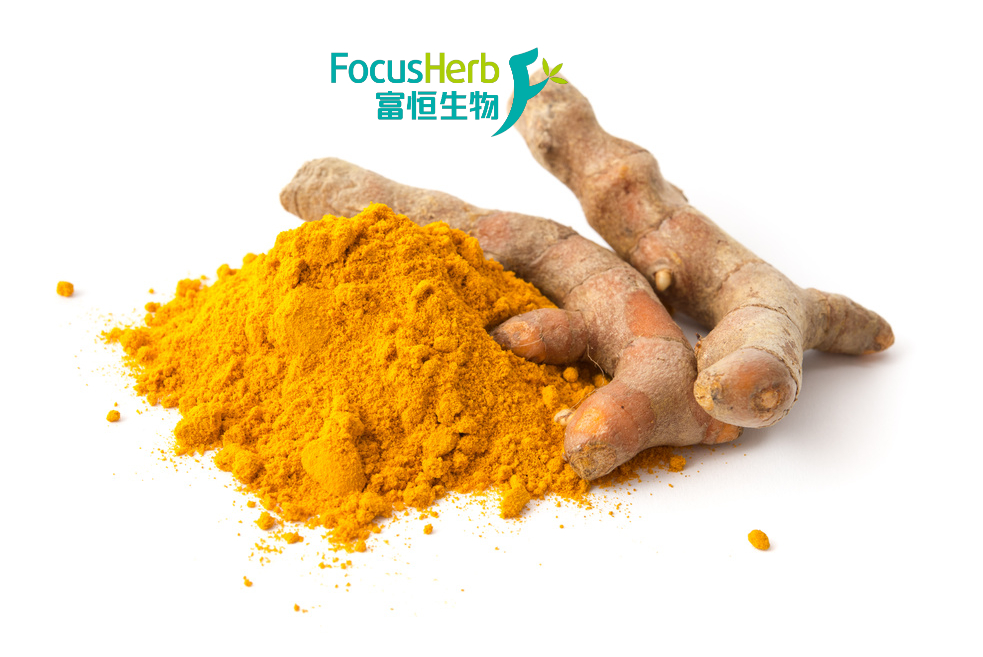
(III) Efficacy Performance: Targeted Intervention vs. Systemic Regulation
Curcumin’s performance in arthritis models is remarkable. Studies have shown that curcumin can inhibit the NF-κB inflammatory pathway, reducing the release of inflammatory mediators such as tumor necrosis factor-α and interleukin-1β, thereby effectively alleviating arthritis symptoms. In a clinical trial for patients with rheumatoid arthritis, patients taking curcumin supplements showed comparable improvement in joint pain, swelling, and stiffness to those taking ibuprofen, but the curcumin group did not experience the common gastrointestinal side effects of ibuprofen, such as stomach pain, nausea, and vomiting. This gives curcumin a unique advantage in the treatment of arthritis, especially suitable for patients who cannot tolerate the side effects of traditional nonsteroidal anti-inflammatory drugs. In liver-protective formulas, curcumin enhances the liver’s antioxidant capacity and reduces free radical damage to hepatocytes by activating the Nrf2 pathway and upregulating the expression of antioxidant enzymes such as glutathione peroxidase and superoxide dismutase. Simultaneously, curcumin inhibits inflammatory responses and reduces the degree of liver inflammation, providing important protection for high-risk groups for chemically induced liver injury, such as long-term drinkers, those frequently exposed to chemical toxins, or those taking hepatotoxic drugs.
Turmeric extract has significant effects in the intervention of metabolic syndrome. Its volatile oil components, such as curcuminone and zingiberene, synergistically work with curcumin to regulate the AMPK pathway, activate intracellular energy metabolism signals, promote the oxidative decomposition of fatty acids, and lower blood lipid levels. Simultaneously, by improving insulin sensitivity and glucose metabolism, it plays a comprehensive regulatory role in lipid metabolism and insulin resistance in patients with metabolic syndrome. In a study of patients with metabolic syndrome, those taking turmeric extract supplements showed significant reductions in serum total cholesterol, triglycerides, and LDL cholesterol levels, while HDL cholesterol levels increased, and insulin resistance indices also decreased significantly after a period of intervention, indicating effective improvement in their metabolic status. In gut health products, the polysaccharides in turmeric extract can act as prebiotics, promoting the proliferation of beneficial bacteria such as Bifidobacteria and Lactobacillus, regulating gut microbiota balance, enhancing intestinal barrier function, and preventing and alleviating intestinal inflammation and diarrhea. Other components in turmeric extract also have antibacterial and anti-inflammatory effects, inhibiting the growth of harmful bacteria in the gut and jointly maintaining gut health.
(IV) Safety and Side Effects: Dosage Sensitive vs. Controllable Risk
The safety of curcumin is a key concern in its application in health supplements. Although curcumin is considered a relatively safe natural compound, with a daily safe dose limit of 12g (no side effects level), high doses of curcumin may irritate the gastrointestinal tract, leading to discomfort such as nausea, vomiting, and diarrhea. There is also a risk of interaction between curcumin and some medications. Curcumin can inhibit certain isoenzymes in the cytochrome P450 enzyme system, such as CYP3A4 and CYP2C9, which are involved in the metabolism of many drugs. When curcumin is used in combination with anticoagulants such as warfarin, it may inhibit the metabolism of warfarin, increasing its blood concentration and the risk of bleeding. When used in combination with antihypertensive drugs, it may enhance the antihypertensive effect, leading to hypotension. Therefore, drug interaction warnings should be clearly labeled in the formulations of health supplements containing curcumin, reminding consumers to consult a doctor or pharmacist before use, especially those currently taking other medications.
Because turmeric extract contains gingerol analogues, excessive intake may irritate the gastric mucosa, causing discomfort such as stomach pain and heartburn. To ensure its safety, it is recommended that the daily intake not exceed 3g (based on crude drug). During the production process, the content of heavy metals and pesticide residues in turmeric extract needs to be strictly controlled. Heavy metals such as lead, mercury, and cadmium, as well as pesticide residues, may cause serious harm to human health, such as damage to the nervous, immune, and reproductive systems. The European Union has extremely strict requirements for lead content in turmeric extract, stipulating that the lead content must be ≤2ppm. To meet these standards, manufacturers need to control the raw materials from the source, selecting pollution-free growing environments and strictly controlling pesticide use. During extraction and processing, advanced purification technologies, such as activated carbon adsorption and ion exchange resins, are used to remove heavy metals and pesticide residues, ensuring product safety and quality.
Formula Application Scenarios: Raw Material Strategy Precisely Matching Product Positioning
 Formula Application Scenarios: Raw Material Strategy Precisely Matching Product Positioning
(I) Anti-inflammatory and Antioxidant Products: Deep Intervention vs. Daily Protection
For high-end functional products, such as postoperative anti-inflammatory supplements, curcumin is the top choice due to its powerful anti-inflammatory effects. Using 95% high-purity curcumin combined with liposome carrier technology significantly improves its bioavailability. The double-membrane structure of liposomes encapsulates curcumin, greatly enhancing its stability in the body and thus more effectively exerting its anti-inflammatory effect. A single dose of 500mg is set to meet the high demand for inflammation control in postoperative patients. Combined with Vitamin C, it enhances the synergistic antioxidant effect. Vitamin C is a water-soluble antioxidant that can work synergistically with the fat-soluble curcumin to form a complete antioxidant defense system inside and outside cells, more comprehensively clearing free radicals in the body and reducing the damage caused by oxidative stress. In terms of quality control, high-performance liquid chromatography (HPLC) is required to detect monomer purity and isomer ratios to ensure product quality stability and consistency, providing patients with safe and effective anti-inflammatory support.
Mass-market dietary supplements, such as anti-fatigue gummies, prioritize cost-effectiveness and gentle efficacy. A 30:1 ratio of turmeric extract (curcumin ≥3%) is an ideal choice, as it is relatively inexpensive and contains multiple active ingredients from turmeric that work synergistically. Combining it with ginger extract (gingerol ≥5%) further enhances the anti-inflammatory effect. Gingerol in ginger extract possesses unique bioactivity, stimulating metabolic processes, promoting blood circulation, and enhancing the body’s anti-fatigue capabilities. Simultaneously, gingerol also has anti-inflammatory properties, working synergistically with curcumin and other components in turmeric extract to more effectively alleviate fatigue and inflammation. Utilizing this combination of natural ingredients to achieve gentle anti-inflammatory effects reduces costs by 30% compared to single-component curcumin, making the product more competitive in the market while maintaining efficacy, thus meeting the daily health maintenance needs of consumers.
(II) Liver-Protecting and Hangover-Relieving Products: Targeted Repair vs. Comprehensive Conditioning
Among the blue-hat certified medicinal and edible products, the core formula for adjuvant protection against chemically induced liver injury is a combination of curcumin (200mg/day) and puerarin (50mg/day). Curcumin activates the Nrf2 pathway, upregulates the expression of antioxidant enzymes, enhances the liver’s antioxidant capacity, and reduces free radical damage to hepatocytes; puerarin promotes the liver’s detoxification function, accelerating the metabolism and excretion of harmful substances. Using water-dispersible curcumin particles (particle size ≤5μm) ensures rapid dissolution and absorption of curcumin in the intestines. These tiny particles have a larger specific surface area, allowing for more thorough contact with the intestinal mucosa, thereby improving absorption efficiency and enabling curcumin to exert its liver-protective effect more quickly, providing effective protection for high-risk groups of chemically induced liver injury.
Hangover-relieving functional beverages need to act quickly to promote alcohol metabolism. This product uses turmeric extract (containing 15% curcumin + 5% turmeric oleanone). The curcumin and turmeric oleanone components can regulate the activity of alcohol-metabolizing enzymes in the liver, accelerating the breakdown and metabolism of alcohol. It is combined with taurine and B vitamins. Taurine enhances the liver’s detoxification function, while B vitamins participate in the body’s energy metabolism process, relieving alcohol-induced fatigue and improving the body’s stress response. The volatile oil components in the extract promote the activity of alcohol-metabolizing enzymes; the recommended dosage is 0.5g/100ml. This formula can help the body break down alcohol quickly, reducing its harmful effects. It is suitable for consumption before and after drinking alcohol, helping people quickly sober up and recover.
(III) Joint Health Supplements: Quick Effect vs. Long-Term Maintenance
Sports rehabilitation supplements need to quickly relieve sports-induced joint inflammation. BCM-95® Turmeric Extract (curcumin + turmeric oil complex) is the best choice. Clinical studies have shown that a daily intake of 400mg can lower C-reactive protein levels within 72 hours, effectively alleviating joint inflammation. BCM-95® extract utilizes a unique process to combine curcumin with turmeric oil, improving the bioavailability of curcumin and allowing for faster absorption and utilization by the body. Enteric coating technology prevents degradation in the stomach, ensuring curcumin reaches the intestines intact for absorption, thus rapidly exerting its anti-inflammatory effects and helping athletes and sports enthusiasts quickly relieve joint pain and inflammation, restoring joint function.
The joint care tablets for middle-aged and elderly individuals focus on long-term maintenance. Using standardized turmeric extract (10% curcumin), combined with glucosamine and chondroitin, it can delay articular cartilage degeneration through the synergistic effect of multiple components. Glucosamine is an essential component for chondrocyte matrix synthesis; it promotes chondrocyte proliferation and metabolism, increasing cartilage matrix synthesis and thus repairing damaged cartilage. Chondroitin attracts water, maintaining cartilage elasticity and lubrication, and reducing joint friction. Curcumin’s anti-inflammatory properties can reduce joint inflammation and relieve pain. A recommended daily dose of 300mg curcumin, taken long-term, can provide continuous protection for joint health in middle-aged and elderly individuals, improve joint function, and enhance quality of life.
OEM Selection Strategy: A Comprehensive Consideration from Raw Material Characteristics to Compliance Requirements
 OEM Selection Strategy: A Comprehensive Consideration from Raw Material Characteristics to Compliance Requirements
(I) Target Efficacy Orientation: Single Ingredient vs. Compound Formula
If the product claims “clearly defined anti-inflammatory active ingredients,” high-purity curcumin (≥95%) should be prioritized. High-purity curcumin can precisely target inflammation-related cellular and molecular targets, exerting powerful anti-inflammatory effects. In arthritis treatment studies, high-purity curcumin can significantly inhibit the release of inflammatory cytokines, alleviating joint inflammation and pain. To overcome the low bioavailability of curcumin, bioavailability enhancement technologies, such as patented delivery systems, are needed. These technologies can improve its solubility and absorption rate in vivo by encapsulating curcumin in special carriers or altering its physical form. When selecting high-purity curcumin, in vitro cell experiments and animal efficacy data should also be provided to demonstrate its anti-inflammatory activity. In vitro cell experiments allow for direct observation of the mechanism of curcumin’s action on inflammatory cells, while animal efficacy data more realistically reflects its anti-inflammatory effects in vivo, providing strong scientific evidence for the product’s efficacy claims.
If the product is positioned as a “natural plant-based conditioning” product, then turmeric extract obtained through supercritical CO2 extraction (retaining volatile oil components) is more suitable. Supercritical CO2 extraction technology can extract the effective components from turmeric under gentle conditions, maximizing the retention of heat-sensitive components such as volatile oils. These volatile oil components not only have a unique aroma but also possess various biological activities such as antibacterial and anti-inflammatory properties, and can synergistically work with other components such as curcumin to achieve comprehensive conditioning of the body. When selecting turmeric extract, the supplier should be required to provide HPLC fingerprint chromatograms. HPLC fingerprint chromatograms can accurately reflect the types and contents of various components in the extract, ensuring stable component composition, guaranteeing the consistency and stability of product quality, and providing consumers with reliable natural plant-based conditioning products.
(II) Dosage Form Suitability: Balance between Solubility and Stability
Solid dosage forms (tablets/capsules) occupy an important position in the health supplement market, with advantages such as convenient portability and simple administration. Due to its inherent physical properties, curcumin requires special pretreatment in solid dosage forms. Preparing curcumin into micronized particles (≤10μm) significantly increases its specific surface area, improving its dispersibility and dissolution rate in solid dosage forms. Preparing it as a solid dispersion is also an effective method; by uniformly dispersing curcumin in a carrier material, its solubility and stability can be improved. For solid dosage forms, spray-dried powder (moisture content ≤5%) is recommended for curcumin extract. Spray drying allows the extract to dry rapidly, forming a uniform powder that facilitates subsequent tableting or encapsulation. Strict control of moisture content prevents moisture absorption and degradation, ensuring product quality and stability. In tablet preparation, excessive moisture can lead to decreased tablet hardness, prolonged disintegration time, and even mold growth; therefore, controlling moisture content is crucial for the quality of solid dosage forms.
Liquid dosage forms (oral liquids/beverages) are favored by consumers for their good taste and rapid absorption. However, the low water solubility of curcumin presents a challenge for its application in liquid dosage forms. Water-soluble curcumin (such as sulfonated derivatives) or nanoemulsion formulations must be used. Sulfonated derivatives introduce sulfonic acid groups into the curcumin molecule through chemical modification, giving it good water solubility. Nanoemulsion formulations utilize nanotechnology to disperse curcumin in tiny emulsion droplets, increasing its stability and solubility in water. In liquid dosage forms, turmeric extracts require membrane filtration to remove large molecular impurities. These impurities may cause precipitation after prolonged storage, affecting the product’s appearance and quality. Membrane filtration technology effectively removes these impurities, improving product clarity and stability, ensuring a good consumer experience.
(III) Cost and Compliance: From Raw Material Procurement to Labeling
Cost control is a key factor that OEM companies need to consider when selecting raw materials. Curcumin (95%), due to its high purity and complex extraction process, has a relatively high cost of approximately RMB 1500/kg; while the extract (10% curcumin) has a more affordable cost of approximately RMB 150/kg. If the required effective ingredient in the formula is ≤50mg/day, extracts offer better cost-effectiveness. In large-scale procurement, the choice of origin significantly impacts both cost and quality. Indian turmeric, containing ≥5% curcumin, boasts stable quality and is considered one of the best sources of turmeric raw materials. Establishing long-term, stable partnerships with Indian suppliers ensures a stable supply of raw materials and reduces procurement costs through bulk purchasing.
Regulatory compliance is crucial for the legal market launch of products. In the Chinese market, raw materials for health supplements must comply with the relevant provisions of the “Catalogue of Raw Materials for Health Foods.” When curcumin is used as a food additive (GB 1886.76), the maximum addition amount in solid beverages is 0.3g/kg. Companies must strictly adhere to the prescribed dosage to ensure product compliance with food safety standards. Products exported to the EU require EFSA certification, which imposes stringent requirements on product safety, quality, and efficacy. The EU has extremely high quality requirements for turmeric extracts, with sulfur-free fumigation (SO₂ residue ≤10ppm) being a key testing indicator. Sulfur fumigation may result in residual sulfur dioxide and other harmful substances in turmeric extract, posing a potential threat to human health. Therefore, companies must adopt sulfur-free fumigation processes to ensure product compliance with EU regulations.
(IV) Supplier Selection: Technical Capabilities and Quality Systems
Curmeric suppliers must possess advanced chromatography purification production lines (such as preparative HPLC). Preparative HPLC can accurately separate and purify curcumin, ensuring a purity of over 95%. Aseptic filling capabilities are also essential, as aseptic filling prevents microbial contamination during the filling process, ensuring product safety and quality. Suppliers must also provide ISO 22000 and NSF-GMP certifications. ISO 22000 certification is a food safety management system standard established by the International Organization for Standardization, and NSF-GMP certification is a Good Manufacturing Practice (GMP) certification established by the National Sanitation Foundation of the United States. These certifications demonstrate that the supplier possesses a sound quality management system and is capable of producing curcumin products that meet high-quality standards.
Turmeric extract suppliers must possess a traceability system. This system records information about the entire process of turmeric production, from the planting base to the extraction process, including data affecting curcumin content such as planting spacing and harvesting season. Through this system, companies can accurately understand the source and quality of their raw materials, ensuring product quality stability and traceability. Suppliers should provide comprehensive quality reports from the planting base to the extraction process. These reports should detail the raw material quality testing results, extraction process parameter control, and product quality indicators, providing comprehensive quality assurance and allowing companies to confidently use turmeric extract as a raw material.
Raw Material Differences Determine the Upper Limit of Formula Value
In the complex landscape of OEM health supplement development, the choice between curcumin and turmeric extract is far more than a simple substitution of raw materials; it’s a profound consideration concerning the core value of the product. Curcumin, with its high purity and precise targeting efficacy, demonstrates the boundless potential of technology in empowering health in the field of functional health supplements that pursue high-efficiency, targeted interventions, becoming a powerful weapon for conquering chronic diseases and meeting the needs of specific populations. Meanwhile, turmeric extract, with its synergistic effects of multiple components and its natural, gentle conditioning properties, is expanding its territory in the mass health market, providing daily health protection for the general public, aligning with the consumer trend of returning to nature and holistic wellness.
From subtle differences in molecular structure to distinct strategies for enhancing bioavailability; from targeted versus systemic efficacy to different emphases on safety control, each difference plays a crucial role in the design of health supplement formulas, influencing the product’s effectiveness, stability, and market acceptance. At the formulation application level, whether in anti-inflammatory and antioxidant, liver protection and hangover relief, or joint health care, precisely matching raw materials according to product positioning is the cornerstone of creating blockbuster products.
Meanwhile, OEM companies, when selecting raw materials, must weigh the entire process from target efficacy, dosage form compatibility, cost control, compliance, and supplier selection to ensure that every decision withstands the dual scrutiny of the market and regulations. Only by deeply understanding the essential differences between curcumin and turmeric extract, and using science as a pen and the market as paper, can they draw up a blueprint for innovative and competitive health supplement formulations, propelling turmeric-based health supplements from simple raw material accumulation to a new stage of high-quality development driven by value, bringing better and more diverse health benefits to global consumers.
