




With increasing health awareness, dietary supplements have become an important choice for many people pursuing a healthy lifestyle. From vitamins and minerals to plant extracts and various functional ingredients, these supplements provide our bodies with additional nutritional support. However, a long-standing problem plaguing the industry is that many active ingredients have low bioavailability, making them difficult for the body to fully absorb and utilize, thus significantly reducing their health benefits. The emergence of Liposomal technology has brought an innovative solution to this problem and is gradually making its mark in the dietary supplement field.
Liposomal Technology Revealed
(I) What is Liposomal Technology?
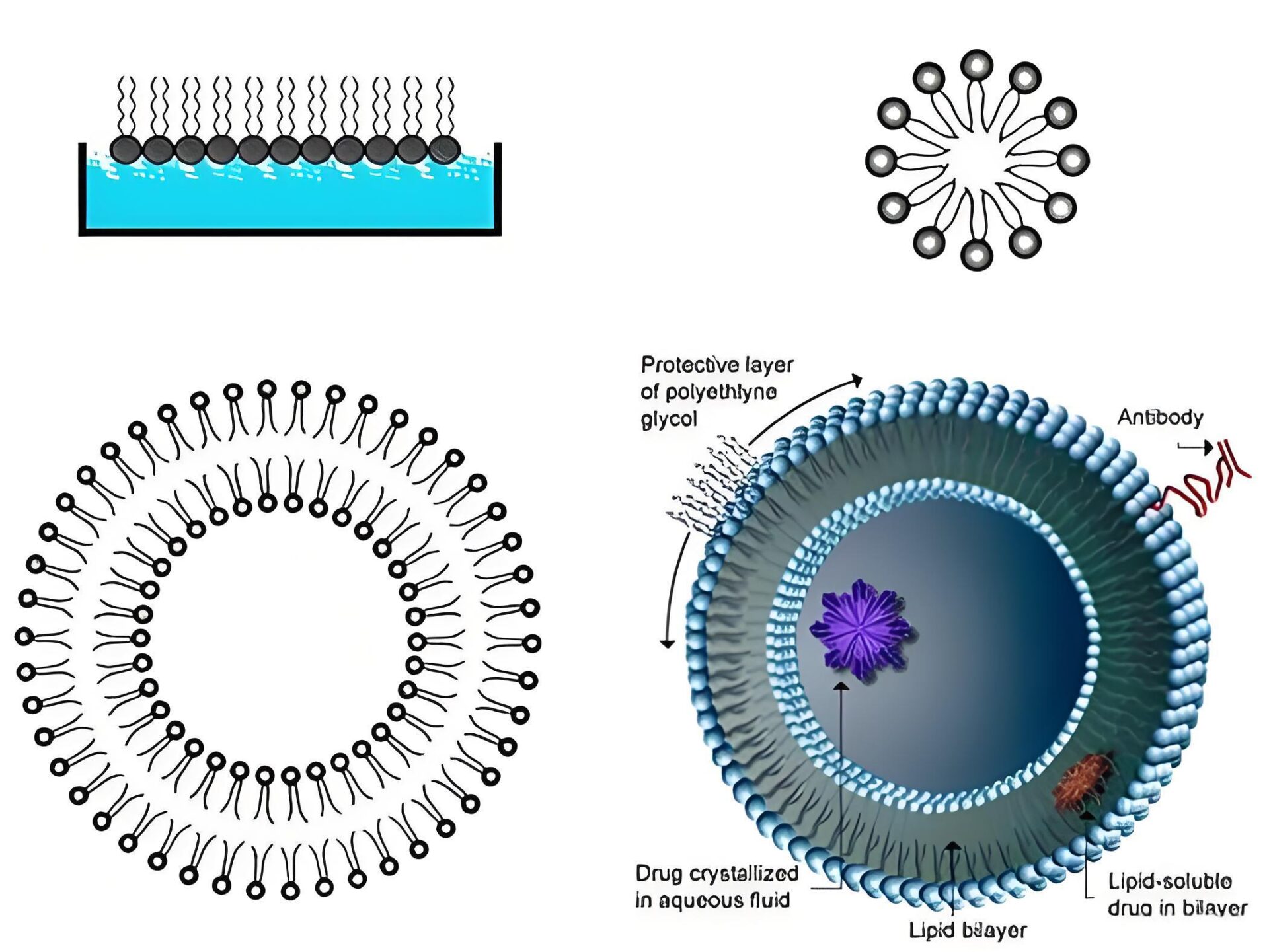
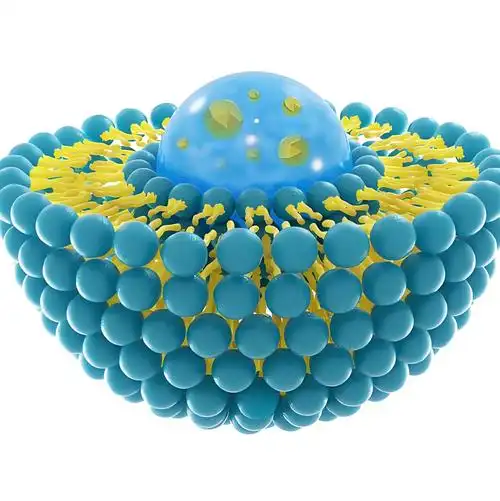
Liposomals, also known as “Liposomals,” are closed vesicles formed by the dispersion of phospholipids and other lipids in water, resulting in a double-layered structure enclosing an aqueous phase. From a microscopic perspective, phospholipid molecules are like tiny “two-faced” entities, with one end being hydrophilic (water-loving) and the other end hydrophobic (water-repelling). When they aggregate in water, to achieve the lowest energy stable state, the hydrophobic tails come together, while the hydrophilic heads face the aqueous phase, forming a double-layered structure similar to an onion. This double layer encloses the aqueous phase, thus forming a Liposomal. Due to its structural similarity to biological membranes, Liposomals are also called artificial biological membranes. Liposomal technology cleverly utilizes this special structure of Liposomals to encapsulate various active ingredients (such as vitamins, minerals, plant extracts, etc.) within the aqueous phase or between the lipid bilayers of the Liposomal, achieving the protection, transport, and targeted release of these active ingredients. To put it simply, Liposomals are like tiny “transport capsules” that safely and efficiently deliver valuable nutrients to the required parts of the body.
(II) Principles and Characteristics of Liposomal Technology
The principle of Liposomal technology is based on the similarity between Liposomals and biological membranes, as well as their unique structure. When Liposomals come into contact with cells, due to their high structural similarity to cell membranes, they can deliver encapsulated active ingredients into the cell through various mechanisms. On the one hand, Liposomals can fuse with the cell membrane, directly releasing their contents into the cell; on the other hand, cells can also take up the entire Liposomal through endocytosis, and then, under the action of lysosomes within the cell, the Liposomal is broken down, releasing the active ingredients. This unique delivery method gives Liposomal technology a significant advantage in improving the bioavailability of active ingredients.
Liposomal technology has many outstanding characteristics. It has good skin affinity. Because Liposomals are structurally similar to cell membranes, they can easily fuse with cells, carrying hydrophilic and lipophilic active ingredients into the cells to exert their effects, allowing active ingredients to penetrate more easily into skin cells. This characteristic is particularly important in the field of cosmetics and beauty nutritional products. The diameter of Liposomals is very small, generally not exceeding one-thousandth of a millimeter. Such a small particle size allows it to easily penetrate pores and the gaps between keratinocytes, delivering active ingredients to the dermis and basal layer, allowing the skin or body tissues to absorb more moisture and nutrients. Liposomal technology can also improve the stability of active ingredients. Many nutrients are easily affected by oxidation, hydrolysis, and other factors in the external environment, leading to a loss of activity. However, the double-layered structure of Liposomals acts like a sturdy “protective shell,” effectively reducing the contact between active ingredients and unstable external factors, thus maintaining their stability.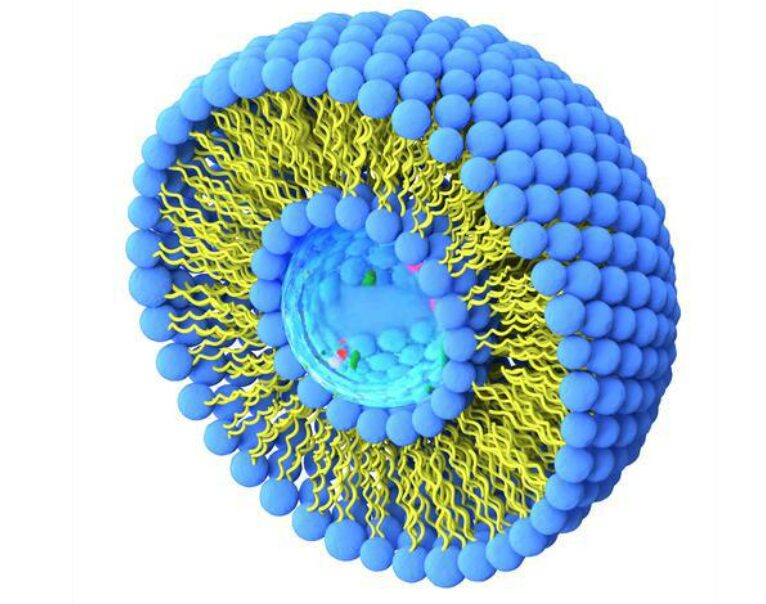
The Secret to High Bioavailability
(I) The Bioavailability Dilemma of Traditional Dietary Supplements
In the past, traditional dietary supplements have faced the problem of low bioavailability. Taking vitamin C as an example, traditional vitamin C tablets or capsules, after entering the body, need to be eroded by stomach acid, broken down by digestive enzymes, and filtered by the intestinal barrier. The highly acidic environment of stomach acid (pH usually between 1 and 3) may degrade some vitamin C, reducing its activity. In the intestines, digestive enzymes may also damage the structure of vitamin C, making it difficult to be fully absorbed. In addition, the selective absorption of nutrients by the intestinal barrier results in an absorption rate of only about 50% for traditional vitamin C preparations at a dosage of 1g. Similarly, for some plant extracts, such as curcumin, which has excellent antioxidant and anti-inflammatory properties, the absorption rate of orally administered curcumin is less than 1%. This is because curcumin is insoluble in water and difficult to dissolve and disperse in the gastrointestinal tract, making it difficult for intestinal epithelial cells to absorb. Most curcumin is excreted in feces and cannot exert its intended effects.
(II) How Liposomal Technology Overcomes Difficulties and Achieves High Bioavailability
The emergence of Liposomal technology provides an effective way to solve the problem of low bioavailability in traditional dietary supplements. Liposomals act like a robust “protective shield,” their phospholipid bilayer structure tightly encapsulating active ingredients, protecting them from destruction by gastric acid and digestive enzymes. Taking vitamin B₁₂ as an example, its absorption heavily depends on intrinsic factor (a carrier protein in the stomach). A lack of intrinsic factor significantly reduces its bioavailability; and the acidic environment of the stomach weakens the binding efficiency of intrinsic factor over time. However, when vitamin B₁₂ is encapsulated in Liposomals, the phospholipid bilayer of the Liposomals effectively isolates it from gastric acid, protecting it from degradation and reducing the impact of decreased binding efficiency with intrinsic factor, thus improving the stability and bioavailability of vitamin B₁₂. Simulated gastric environment studies have shown that Liposomal formulations retain approximately 80-90% of the active ingredient, exhibiting significantly improved stability and several-fold increased bioavailability compared to traditional formulations.
Liposomals also possess unique advantages in small intestinal absorption. While bile salts and pancreatic lipases in the small intestine may dissociate some Liposomals, they more often synergistically interact with the phospholipid bilayer. These components promote the dissolution, micronization, and transmembrane transport of the active ingredient, making it easier for intestinal epithelial cells to absorb, with an efficiency several times higher than conventional formulations. Liposomals also provide multiple absorption pathways. It can achieve membrane fusion, utilizing a phospholipid bilayer structure similar to the cell membrane to directly release active ingredients into the cytoplasm, avoiding complex enzymatic digestion and transport processes, resulting in more rapid and efficient absorption. Liposomals can also be absorbed in molecular form, and some Liposomals can be absorbed through the intestinal lymphatic system, bypassing the first-pass effect of the liver, further enhancing bioavailability—a key advantage that conventional dosage forms cannot achieve. Some Liposomals are dissociated by bile salts and lipases in the intestinal lumen, forming mixed micelles encapsulating lipid-soluble active ingredients. This structure has excellent barrier penetration and sustained-release properties, enabling continuous absorption of active ingredients; water-soluble components are gradually taken up in free form, forming a dual absorption kinetic characteristic of “rapid + sustained release,” maintaining a more stable blood drug concentration and a longer half-life.
Examples of Liposomal Technology Applications in Dietary Supplements
(I) Vitamins
Vitamins are a class of trace organic substances essential for maintaining normal physiological functions in the human body, playing a vital role in human growth, metabolism, and development. However, many vitamins suffer from poor stability and low absorption rates in traditional dosage forms. The application of Liposomal technology has brought a new breakthrough to vitamin dietary supplements.
Take liposomal vitamin C as an example. Vitamin C is a water-soluble vitamin with powerful antioxidant properties, promoting collagen synthesis and enhancing immunity. However, ordinary vitamin C preparations are easily affected by factors such as stomach acid and oxidation after entering the body, resulting in low absorption rates. Studies have shown that when the intake of vitamin C exceeds 1g, its absorption rate is only about 50%. Liposomal vitamin C, through Liposomal technology, encapsulates vitamin C, forming a microvesicle with a cell-like structure. This structure not only protects vitamin C from destruction by stomach acid but also increases its solubility in the intestine, promoting its absorption by intestinal epithelial cells. Related studies show that the absorption rate of liposomal vitamin C is several times higher than that of traditional vitamin C preparations, more effectively meeting the body’s vitamin C needs.
Similarly, liposomal vitamin D3 also demonstrates significant advantages. Vitamin D3 is crucial for promoting calcium absorption and maintaining bone health. However, traditional vitamin D3 supplements suffer from low bioavailability, especially for the elderly, vegetarians, and those with insufficient sun exposure, making it difficult to meet their vitamin D3 requirements. Liposomal vitamin D3 utilizes the lipophilic nature of Liposomals to encapsulate vitamin D3 within a lipid bilayer, making it easier to penetrate the intestinal mucosa and enter the bloodstream. Studies have shown that the bioavailability of liposomal vitamin D3 is significantly improved compared to ordinary vitamin D3 preparations, better promoting calcium absorption and utilization, and helping to prevent and improve osteoporosis and other bone-related diseases.
(II) Antioxidants
Antioxidants are substances that can scavenge free radicals in the body and slow down oxidative stress reactions, playing an important role in preventing aging and chronic diseases. The application of Liposomal technology in antioxidant dietary supplements has further enhanced the efficacy of these antioxidants.
Glutathione, a tripeptide composed of glutamic acid, cysteine, and glycine, is one of the important antioxidants in the body. It plays a crucial metabolic regulatory role within cells, scavenging free radicals and protecting cells from oxidative damage. However, the chemical properties of glutathione make it highly susceptible to degradation in the body, limiting its bioavailability. The molecular structure of glutathione contains active sulfhydryl groups (-SH), making it easily susceptible to oxidation by external environmental factors such as light, humidity, and high temperatures. Furthermore, gastric acid and digestive enzymes can destroy glutathione, leading to its premature degradation during digestion. Encapsulating glutathione within a lipid bilayer using Liposomal technology can significantly improve its stability and absorption rate. Studies show that the oral bioavailability of liposomal glutathione is 13 times higher than that of ordinary glutathione. This allows glutathione to more effectively exert its antioxidant, liver-protecting, detoxifying, skin-brightening, and immune-enhancing effects.
Curcumin is a natural polyphenolic compound extracted from the ginger plant turmeric, possessing excellent antioxidant, anti-inflammatory, and anti-tumor bioactivities. However, curcumin has poor water solubility and low stability, resulting in extremely low absorption in the gastrointestinal tract after oral administration, severely limiting its application in pharmaceuticals and health supplements. Liposomal curcumin, through encapsulation in Liposomals, improves the solubility and stability of curcumin, making it easier for the intestines to absorb. Experiments show that the bioavailability of liposomal curcumin is several times higher than that of ordinary curcumin, enabling it to more effectively exert its antioxidant and anti-inflammatory effects, and helping to prevent and assist in the treatment of various chronic diseases, such as cardiovascular disease, diabetes, and cancer.
(III) Other Nutrients
Liposomal technology also has wide applications in dietary supplements containing other nutrients such as minerals and plant extracts.
Iron is an essential trace element for the human body, crucial for hemoglobin synthesis, oxygen transport, and cellular energy metabolism. However, traditional iron supplements suffer from low bioavailability and significant gastrointestinal irritation. For example, ferrous iron is easily oxidized and combines with oxalic acid and phytic acid to form insoluble compounds, affecting absorption. Furthermore, the metallic taste of iron often causes discomfort for consumers. Liposomal iron supplements encapsulate iron compounds, reducing iron oxidation, preventing the formation of insoluble compounds, and improving iron absorption. Liposomals also mask the metallic taste of iron, making the supplement more palatable. Studies have shown that the bioavailability of liposomal iron supplements is several times that of ordinary iron supplements, making them more effective in preventing and treating iron-deficiency anemia. In developed countries, liposomal iron is recognized by doctors as the most suitable iron supplement for pregnant women and children.
Black chokeberry anthocyanins are natural pigments with strong antioxidant properties extracted from black chokeberry (black bitterberry). However, anthocyanins are often unstable when exposed to environmental conditions such as heat, light, and pH changes, and their absorption rate in the digestive tract is also low. Anthocyanins encapsulated using nano Liposomal technology have significantly improved bioavailability. Nano Liposomals can protect anthocyanins from digestive enzyme degradation and promote their passage across cell membranes into the bloodstream, thereby increasing the effective absorption of anthocyanins by the human body. Chitosan-modified anthocyanin nano Liposomals from *Sorbus nigra* enhance the environmental stability of the nano Liposomals through the introduction of chitosan (CS) modification. Chitosan, acting as a protective membrane, not only reduces the degradation and loss of nano Liposomals under different environmental conditions but also prolongs the residence time of anthocyanins in vivo, thus ensuring their biological activity.
Market Status and Future Prospects
(I) Market Development Trends
The Liposomal dietary supplement market is experiencing strong growth globally. According to Hengzhou Chengsi Research, the global revenue of Liposomal dietary supplements was approximately RMB 1.61 billion in 2024, and is projected to reach nearly RMB 3.15 billion by 2031, with a compound annual growth rate (CAGR) of 9.7% from 2025 to 2031. This growth is attributed to consumers’ increasing focus on health and their pursuit of efficient nutritional supplementation methods. In terms of product type, liquid Liposomal dietary supplements account for approximately 70% of the market share, becoming the mainstream dosage form. This is mainly because liquid dosage forms are easier to swallow and have better dispersibility in the gastrointestinal tract, which is conducive to improving the absorption efficiency of nutrients. Online sales channels also occupy an important position in the market, accounting for 50%. With the rapid development of e-commerce, consumers are increasingly inclined to purchase various goods, including dietary supplements, through online platforms. Online sales channels not only provide a convenient shopping experience but also allow consumers to access more product information and user reviews, helping them make purchasing decisions.
The Asia-Pacific region, especially the Chinese market, shows enormous growth potential. With rapid economic development and rising living standards, consumers in the Asia-Pacific region are increasingly aware of health and wellness, leading to a sustained increase in demand for high-quality dietary supplements. China, as a key market in the Asia-Pacific region, boasts a large consumer base and a growing middle class. These consumers are highly health-conscious and willing to invest in improving their quality of life and health. Coupled with the booming development of domestic e-commerce platforms, this provides a broad sales channel for Liposomal dietary supplements. It is expected that in the coming years, the Chinese market will become a significant engine driving the growth of the global Liposomal dietary supplement market.
(II) Challenges and Opportunities
Although the Liposomal dietary supplement market has broad prospects, it also faces some challenges. Consumers’ understanding of Liposomal technology is relatively insufficient, which to some extent limits further market expansion. Many consumers lack understanding of the principles, advantages, and differences between Liposomal technology and traditional dietary supplements, leading them to prefer familiar traditional dosage forms when choosing products. To overcome this challenge, companies need to strengthen market education and promotion, using various methods such as popular science articles, product introduction videos, and expert lectures to popularize knowledge about Liposomal technology among consumers and improve their awareness and acceptance of Liposomal dietary supplements.
The production cost of Liposomal technology is relatively high, which also affects the market price and competitiveness of the products. The preparation process of Liposomals is relatively complex, requiring the use of high-quality raw materials such as phospholipids, as well as advanced production equipment and technology, all of which increase production costs. To reduce costs, companies need to continuously optimize production processes, improve production efficiency, and find more economical alternatives to raw materials. At the same time, as the market expands, economies of scale will gradually emerge, helping to reduce the unit production cost of products.
The market also suffers from inconsistent product quality. Some unscrupulous merchants, in pursuit of profit, may produce and sell substandard Liposomal dietary supplements, which not only harms consumers’ interests but also damages the reputation of the entire industry. Therefore, strengthening industry supervision and establishing a sound quality standard and testing system are crucial to ensuring the healthy development of the market.
The Liposomal dietary supplement market also faces numerous opportunities. With consumers’ increasing health awareness, the demand for efficient and safe nutritional supplements will continue to grow. Liposomal technology, with its high bioavailability and good stability, can better meet consumers’ needs for nutritional supplementation, and its market prospects are broad. With continuous technological advancements, Liposomal technology is also constantly innovating and improving. The emergence of new preparation methods, formulation designs, and surface modification technologies will further enhance the performance and efficacy of Liposomals, providing stronger technical support for the development of liposomal dietary supplements. For example, some studies are exploring how to target and modify Liposomals to more precisely deliver nutrients to specific tissues and organs, improving nutrient utilization efficiency.
The diversification of market demand also provides more room for the development of liposomal dietary supplements. In addition to common vitamins, minerals, and antioxidants, consumers’ demand for other functional ingredients is also increasing, such as probiotics, plant extracts, and marine bioactive substances. Companies can develop more types of liposomal dietary supplement products based on market demand to meet the personalized needs of different consumers.
Summary and Implications
Liposomal technology, as an innovative delivery system, has revolutionized the bioavailability of dietary supplements. It cleverly utilizes the unique structure of Liposomals to solve the problem of low bioavailability in traditional dietary supplements, providing consumers with a more efficient and higher-quality way to supplement nutrition. From vitamins to antioxidants, from minerals to plant extracts, the successful application of Liposomal technology in various dietary supplements has not only improved product efficacy but also paved new paths for industry development.
With continuous market development and technological innovation, the market prospects for Liposomal dietary supplements are broad. Although challenges such as insufficient consumer awareness, high production costs, and inconsistent product quality still exist, these problems are expected to be gradually resolved with deepening market education, optimized production processes, and improved regulatory systems. The application of Liposomal technology in the field of dietary supplements is not only a technological innovation but also an upgrade in health concepts. It shows us that through the power of science and technology, we can better meet the body’s nutritional needs, improve quality of life, and promote the popularization of healthy lifestyles. It is believed that in the future, Liposomal technology will play an even more important role in the health field, bringing more benefits to people’s health.
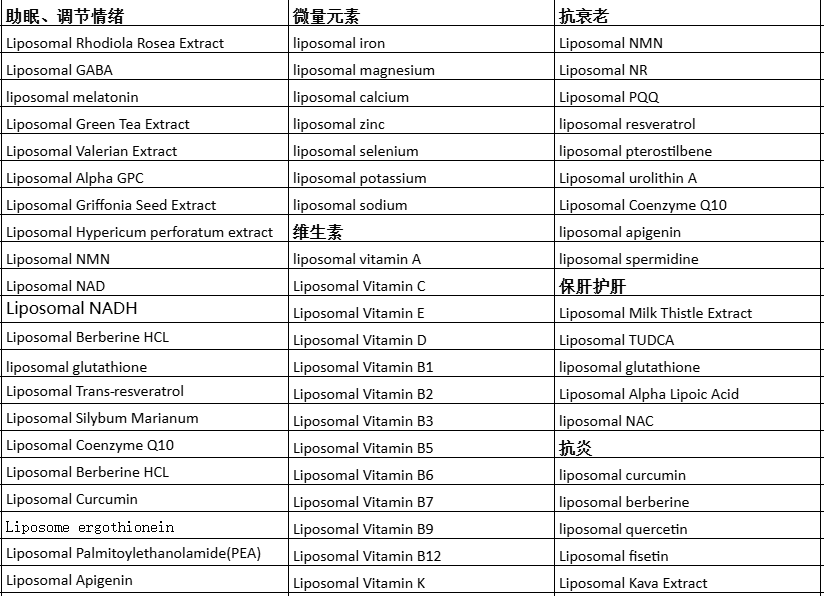
Liposome Product List