











Collagen, an indispensable protein in the human body, is widely distributed throughout various tissues and organs, accounting for approximately 25%-30% of the body’s total protein. It plays a fundamental role in maintaining normal physiological functions.
In the skin, collagen is one of the main components, forming a fine elastic network that supports the skin like a “spring,” giving it elasticity and radiance. With age, collagen in the skin is lost at a rate of 1%-2% per year, leading to gradual skin sagging and the appearance of fine lines. In bones, collagen accounts for approximately 70%-80% of the total organic matter, binding tightly with minerals such as calcium to form a “bone scaffold,” providing bones with toughness and preventing them from becoming brittle and easily fractured. Collagen is also found in muscles, eyes, heart, stomach, intestines, blood vessels, lungs, pancreas, and other parts of the body, where it plays a crucial role in support, protection, and maintaining normal function.
Currently, more than 20 types of collagen are known, with Type I, Type II, and Type III being the most common. Type I collagen is the most abundant in the human body, accounting for approximately 80%-90% of all collagen. It is widely distributed in the dermis, bones, teeth, and tendons. Its complex structure makes it a major component of connective tissue, providing strong tensile strength and toughness to tissues, and playing a key role in maintaining skin firmness and bone strength. Type III collagen is mainly distributed in the dermis of the skin, sclera, and breasts. It is closely related to skin elasticity and moisture retention, effectively maintaining healthy and youthful skin, and also playing an important role in skin repair after injury.
Type II collagen, on the other hand, is mainly derived from animal cartilage tissue, such as chicken breast cartilage and shark cartilage. It is primarily found in articular cartilage, the vitreous humor of the eye, cornea, and neuroretina, and holds an irreplaceable and unique position in maintaining joint health. Articular cartilage, as a crucial structure protecting joint movement, endures various pressures and friction during daily activities. With age, excessive exercise, or joint injury, the cartilage gradually degenerates and wears down, leading to problems such as joint pain, swelling, and limited mobility. Type II collagen, as the main component of articular cartilage, can directly supplement the cartilage matrix, provide nutrients to chondrocytes, inhibit chondrocyte apoptosis, and slow down the rate of cartilage degradation, thereby maintaining the normal structure and function of the joint.
 Unlocking the Secrets of Chicken Collagen Powder
 Unlocking the Secrets of Chicken Collagen Powder
(I) Source and Extraction Process of Chicken Collagen Powder
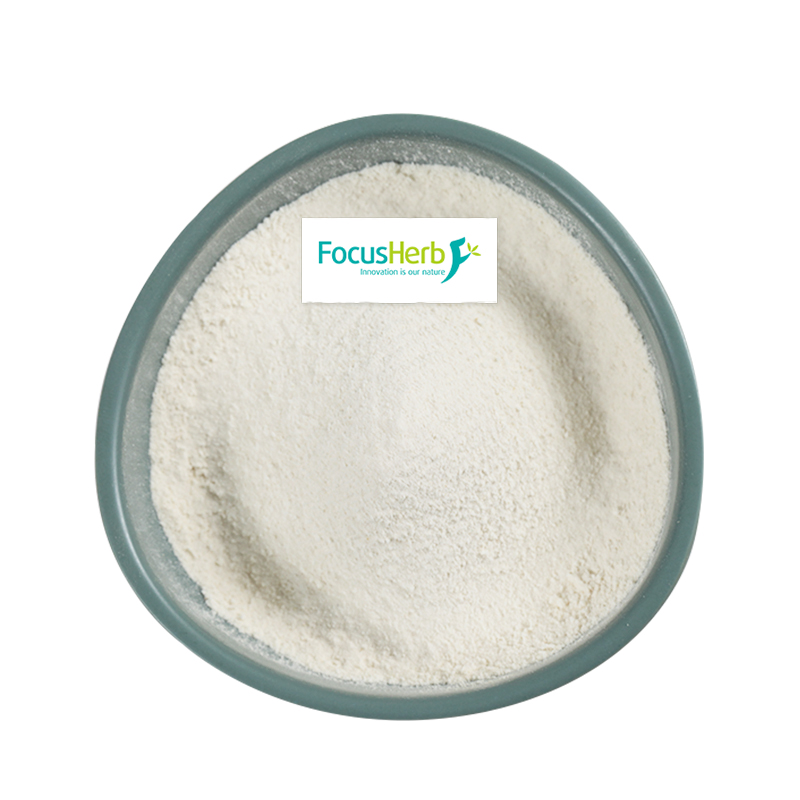
Chicken collagen powder primarily uses chicken breast cartilage as its raw material. Chicken breast cartilage, in the chicken’s body structure, not only provides support for the chest muscles but also participates in the formation of the rib cage, playing an important role in protecting the organs within the thoracic cavity. Because it is rich in collagen, especially type II collagen, it is a high-quality raw material for extracting collagen powder. In modern industrial production, chicken breast cartilage usually comes from large-scale poultry slaughter and processing plants. These factories have strict quality control systems, regulating from the source of chicken farming to ensure the safety and stability of the chicken breast cartilage raw materials, laying a solid foundation for the subsequent production of high-quality chicken collagen powder.
From chicken breast cartilage to collagen powder, a series of complex and precise production steps are required. First is the heat treatment stage, where the chicken breast cartilage is heated under specific temperature and time conditions. This step initially softens the cartilage tissue, breaks down some cell structures, and releases the collagen, while also providing a certain sterilization effect, providing a purer raw material for subsequent processing. Subsequently, protease enzymatic hydrolysis technology is used, which is one of the key steps in the entire extraction process. Proteases can specifically recognize and cleave the peptide bonds in collagen molecules, degrading large collagen molecules into small peptide fragments, making them easier to dissolve and process. Different types of proteases have different cleavage sites and characteristics. During the production process, appropriate proteases are selected according to actual needs, and the enzymatic hydrolysis conditions, such as enzyme dosage, reaction temperature, pH value, and reaction time, are precisely controlled to ensure optimal enzymatic hydrolysis and obtain the ideal distribution of small peptide fragments.
The product after enzymatic hydrolysis contains not only the target collagen peptides but also incompletely hydrolyzed impurities, salts, and other small molecules. To obtain high-purity collagen powder, filtration and nanofiltration operations are required. Filtration usually employs a multi-stage filtration system, including coarse filtration and fine filtration steps. Through filtering media with different pore sizes, solid particle impurities, unreacted enzymes, and some large molecular impurities are removed from the solution, making the solution clearer. Nanofiltration utilizes the selective permeability characteristics of nanofiltration membranes to further remove small molecule impurities, salts, and low molecular weight non-collagen peptides, while retaining the target collagen peptides, effectively improving the purity and quality of the product.
The collagen solution, after filtration and nanofiltration, has a relatively low concentration and requires vacuum concentration. Under reduced pressure, the boiling point of the solution is lowered, allowing for evaporation and concentration at lower temperatures, avoiding damage to the structure and activity of collagen peptides caused by high temperatures. Vacuum concentration increases the concentration of the collagen solution to a level suitable for subsequent processing, reducing energy consumption and time in the subsequent drying process, and also improving product stability and shelf life.
Although the concentrated collagen solution has undergone preliminary sterilization, a small amount of microorganisms may still be present. To ensure product safety and shelf life, sterilization is necessary. Common sterilization methods include high-temperature short-time sterilization and pasteurization. These methods kill microorganisms in the solution in the shortest possible time and at suitable temperatures, while maximizing the preservation of collagen activity and nutritional components.
The final step is spray drying. The sterilized and concentrated collagen solution is sprayed into a drying tower through a special spray device, where it comes into full contact with hot air. Under the action of hot air, the water in the solution evaporates rapidly, and the collagen peptides instantly dry into a powder. This powder is collected to obtain the final chicken collagen powder product. During the spray drying process, parameters such as inlet air temperature, outlet air temperature, spray pressure, and feed rate all affect product quality and need to be strictly controlled to ensure that the product has good solubility, flowability, and stability.
(II) The Uniqueness of Type II Collagen
Among the many sources of type II collagen, chicken-derived type II collagen has significant advantages. In terms of raw material availability, chicken, as a widely farmed and consumed poultry globally, has a huge output, and the source of chicken breast cartilage is abundant and stable. Compared to type II collagen derived from rare animals such as shark cartilage, chicken-derived type II collagen is not limited by resource scarcity, meeting the demands of large-scale industrial production and ensuring an ample supply of products to the market. It also avoids the environmental damage caused by overfishing of rare animals.
During the production process, chicken-derived type II collagen exhibits high stability. Chicken breast cartilage has a relatively simple composition with fewer impurities, making it easier to control production conditions during extraction and processing. This minimizes the impact of external factors on the structure and activity of type II collagen, ensuring the uniformity and stability of product quality. This results in more reliable chicken collagen powder with less batch-to-batch variation, providing consumers with a more consistent user experience and guaranteed results.
In terms of amino acid composition, type II collagen is rich in various essential and semi-essential amino acids. It has high levels of glycine, proline, and hydroxyproline, which play a crucial role in maintaining the stability of the collagen’s triple helix structure. Glycine, due to its small molecular structure, can be tightly packed within the triple helix, providing stable support to the entire molecule; proline and hydroxyproline further enhance the stability of the triple helix structure by forming intramolecular hydrogen bonds, allowing it to resist external mechanical and chemical forces and maintain the normal function of collagen. In addition, type II collagen also contains a certain amount of cysteine, which can form disulfide bonds within the molecule, connecting different α chains, making the collagen molecule more stable and increasing its biological activity, thus improving the absorption and utilization efficiency of collagen in the body.
Structurally, type II collagen is formed by three α chains intertwined to form a unique triple helix structure. This structure gives it good flexibility and elasticity, allowing it to play a cushioning and supporting role in joint cartilage. Compared to other types of collagen, the triple helix structure of type II collagen is relatively loose with a lower degree of cross-linking. This structural characteristic makes it more suitable for tissues like joint cartilage that require frequent deformation and recovery, allowing it to better adapt to the various pressures and torsional forces experienced by the joint during movement, providing continuous protection and support to the joint. At the same time, this relatively loose structure makes type II collagen easier to be recognized and degraded by enzymes in the human body, thus facilitating its absorption and utilization by the body and allowing it to exert its effects in maintaining joint health.
Type II Collagen: The Miraculous Guardian of Joint Health

(I) Protecting Joint Cartilage
Type II collagen plays a central role in joint cartilage, being its main component, accounting for approximately 80%-90% of the total collagen in joint cartilage. It acts like the main “building material” for constructing a stable structural framework for joint cartilage. During daily activities such as walking, running, and jumping, joint cartilage needs to bear the body’s weight and the pressure and friction generated by various movements. Type II collagen, with its unique structure and physical properties, provides strong support and cushioning to the joint cartilage, effectively reducing wear and tear during movement.
As we age, the body’s ability to synthesize type II collagen gradually declines. Coupled with long-term joint use and wear, the content of type II collagen in joint cartilage continuously decreases, and the structure and function of the cartilage begin to show abnormalities. At this point, supplementing with exogenous type II collagen becomes particularly important. Chicken collagen powder, as a high-quality supplement rich in type II collagen, can directly replenish the missing matrix in the joint cartilage, just like supplying crucial building materials to a gradually deteriorating house, allowing the joint cartilage to be repaired and rebuilt. Relevant clinical research data shows that in experiments targeting osteoarthritis patients, one group of patients continuously supplemented with products rich in type II collagen, while another group served as a control group without supplementation. After a period of observation, it was found that the rate of joint space narrowing was significantly slowed in patients who supplemented with type II collagen, and the risk of joint cartilage wear was reduced by approximately 30%-40%. This fully demonstrates that type II collagen can effectively maintain the normal thickness and structural integrity of joint cartilage, providing solid protection for joint health.
In addition, type II collagen also has the effect of inhibiting chondrocyte apoptosis. Chondrocytes are important cellular components in joint cartilage; they are responsible for synthesizing and maintaining the normal metabolism of the cartilage matrix. When joints are damaged or in an inflammatory state, chondrocytes are easily affected by various harmful factors, leading to increased apoptosis. Type II collagen can bind to receptors on the surface of chondrocytes, activating a series of intracellular signaling pathways, inhibiting the expression of apoptosis-related genes, thereby reducing chondrocyte apoptosis, ensuring the number and activity of chondrocytes, and maintaining the normal metabolism and function of articular cartilage.
(II) Alleviating Joint Inflammation
Joint inflammation is one of the common causes of joint pain, swelling, and dysfunction, and inflammatory joint diseases such as rheumatoid arthritis and osteoarthritis cause great suffering to patients. Type II collagen plays an important role in alleviating joint inflammation, and its mechanism of action is mainly related to regulating the immune response.
Under normal circumstances, the human immune system can recognize and eliminate foreign pathogens, maintaining the body’s healthy balance. However, in inflammatory joint diseases, the immune system becomes abnormal and overactive, producing a large number of pro-inflammatory factors, such as interleukin-1β (IL-1β) and tumor necrosis factor-α (TNF-α). These pro-inflammatory factors trigger inflammatory responses, leading to congestion and edema of the synovial tissue, releasing more inflammatory mediators, and further aggravating damage to the articular cartilage and surrounding tissues. Type II collagen can regulate the function of the immune system through an oral tolerance induction mechanism. When we ingest type II collagen, it is recognized by the immune system in the intestines as a “self-component,” thereby inducing an immune tolerance response in the gut-associated lymphoid tissue. This immune tolerance response can inhibit the overactivation of the systemic immune system, reduce the release of the pro-inflammatory factor interleukin-1β, and fundamentally alleviate the occurrence and development of joint inflammation.
Taking rheumatoid arthritis patients as an example, many patients suffer from morning stiffness. Morning stiffness refers to the phenomenon of joint stiffness and limited movement after waking up in the morning, usually lasting for several hours, severely affecting patients’ daily life and activity. Clinical practice has found that some rheumatoid arthritis patients experienced significant improvement in morning stiffness symptoms after continuously supplementing with type II collagen for 2-3 months. After waking up in the morning, their joint stiffness was reduced, and their mobility increased, allowing them to perform daily activities more quickly. This is because type II collagen, by regulating the immune response, reduces the release of inflammatory mediators in the joints, alleviating inflammation and swelling of the synovial membrane, thereby improving morning stiffness symptoms.
It is important to note that the effect of type II collagen in relieving joint inflammation is not immediate; it requires continuous supplementation for a certain period to be effective. This is because its regulation of the immune system is a gradual process, and only through long-term supplementation can the immune system be restored to a normal balance, thus continuously and effectively relieving joint inflammation. Simultaneously, during the supplementation of type II collagen, patients should also follow their doctor’s advice and combine it with appropriate exercise, physical therapy, and other comprehensive measures to achieve better therapeutic effects.
(III) Enhancing Bone Health
Bone health is a crucial foundation for overall health; it not only supports the body’s structure but also participates in the regulation of various physiological functions. Type II collagen plays an indispensable role in enhancing bone health, and there is a close synergistic relationship between it and calcium.
In the structure of bones, type II collagen forms a three-dimensional network structure, like the steel framework in a building, providing support and attachment points for the deposition of minerals such as calcium. Calcium is the main inorganic component of bone, giving bones hardness and strength. When type II collagen and calcium work synergistically, they can enhance the mechanical strength of bone trabeculae. Bone trabeculae are a spongy structure within the bone, playing a key role in maintaining the overall strength and stability of the bone. The network structure of type II collagen allows calcium to be more evenly distributed in the bone trabeculae, strengthening the connections and support between the trabeculae, thereby improving the bone’s resistance to compression and bending, effectively preventing the occurrence of bone diseases such as osteoporosis.
For adolescents, whose bones are in a stage of rapid growth and development, sufficient intake of type II collagen is particularly important. The hydroxyproline abundant in type II collagen is a key raw material for bone collagen synthesis. Hydroxyproline participates in the synthesis of collagen in the body, promoting the formation and cross-linking of bone collagen, making bones stronger and more resilient. During adolescence, the body has a high demand for hydroxyproline. A lack of type II collagen supplementation may lead to insufficient collagen synthesis, affecting normal bone development and resulting in problems such as slow bone growth and reduced bone strength. Therefore, appropriate supplementation with chicken collagen powder containing type II collagen can help meet the nutritional needs for bone development, promote healthy bone growth, and lay a solid foundation for lifelong bone health.
Scientific Supplementation: Unlocking Healthy Joint Life
(I) Target Groups and Supplementation Recommendations
Different groups of people have varying needs for type II collagen due to differences in lifestyle, physical condition, and other factors. In middle-aged and elderly individuals, as age increases, the function of various organs gradually declines, and the rate of type II collagen loss in articular cartilage accelerates, leading to increasingly prominent joint problems, such as a significantly higher incidence of osteoarthritis in this population. For them, daily supplementation with 10-40mg of standardized collagen peptide supplements can help slow down the degeneration of articular cartilage, alleviate joint pain and stiffness, and improve quality of life.
For sports enthusiasts, long-term high-intensity training puts significant stress and wear on the joints, easily leading to articular cartilage damage and inflammation. Supplementing with type II collagen can provide additional nutritional support to the joints, enhance their resistance to pressure, reduce the risk of sports injuries, and accelerate joint recovery after exercise. For example, an athlete who regularly participates in marathon training experienced significantly reduced joint soreness after exercise and improved joint flexibility and endurance after consistently supplementing with type II collagen.
For individuals with joint discomfort, whether caused by trauma, overuse, or disease, supplementing with type II collagen is beneficial. It can help repair damaged articular cartilage, reduce inflammatory responses, alleviate pain symptoms, and promote the recovery of joint function. For this group, it is recommended to determine the appropriate dosage and course of treatment under the guidance of a doctor, based on the specific degree and cause of joint discomfort.
It is important to note that individuals with seafood allergies should be extra cautious when choosing collagen products. Some collagen products may be derived from marine organisms, such as fish collagen, which may trigger allergic reactions in people with seafood allergies. Chicken collagen powder, as a non-seafood source of collagen, is relatively safer, but it is still recommended to try a small dose first to observe the body’s reaction and ensure there are no allergic symptoms before regular use.
(II) Coordination with Other Joint Care Methods
Supplementing with type II collagen is only one aspect of maintaining joint health. To achieve better joint care results, it needs to be combined with other care methods. In terms of diet, high-sugar diets should be avoided. This is because a high-sugar diet leads to elevated blood sugar levels, and excessive sugar easily reacts with collagen in the body through a process called glycation, forming advanced glycation end products (AGEs). These AGEs alter the structure and function of collagen, reducing its elasticity and resilience, and accelerating the aging and damage of joint cartilage. Studies have shown that people with a long-term high-sugar diet have significantly higher levels of AGEs in their joint cartilage than those with a normal diet, and also have a higher incidence of joint diseases. Therefore, reducing the intake of high-sugar foods, such as candy, cakes, and sugary drinks, and eating more antioxidant-rich foods, such as blueberries, broccoli, and green tea, can help combat glycation, reduce the production of AGEs, and protect the collagen in joint cartilage.
Moderate strength training is also an important way to improve joint health. Strength training stimulates muscle growth around the joints, increasing muscle strength. Muscles act like “protective cushions” for the joints; strong muscles can share the pressure on the joints, reducing friction and wear between the joint cartilage, while also improving joint stability and reducing the risk of joint injury. For example, regularly performing leg muscle strength training exercises, such as squats and leg raises, can effectively strengthen the muscles around the knee joint, reduce the burden on the knee joint, and have a positive effect on preventing and alleviating knee joint diseases. In principle, strength training promotes the secretion of substances such as growth hormone, which can stimulate the activity of joint cartilage cells, enhance the synthesis and metabolism of type II collagen, and further improve the quality and function of joint cartilage.
Daily joint care also requires attention to keeping warm and avoiding exposure to cold. Cold temperatures cause vasoconstriction around the joints, leading to poor blood circulation, oxygen deprivation, and insufficient nutrient supply to the joint tissues, which can easily trigger joint pain and inflammation. Especially during the autumn and winter seasons, it is important to wear appropriate clothing and use warming equipment such as knee and wrist braces to protect the joints from the cold. Maintaining correct posture is also crucial; incorrect posture, whether standing, walking, or sitting, increases pressure on the joints, and over time can lead to joint deformation and damage. For example, prolonged slouching and poor posture can put uneven pressure on the spinal joints, easily leading to problems such as scoliosis and herniated discs. Incorrect walking posture, such as walking with toes pointing inward or outward, can cause extra wear and tear on the knee and ankle joints. Therefore, we should always pay attention to maintaining good posture to reduce the burden on our joints and protect their health.
Looking Ahead: The Future of Type II Collagen
With the accelerating pace of global aging, joint health issues are increasingly becoming a focus of attention. According to the World Health Organization (WHO), by 2050, the global population aged 60 and over will reach 2 billion, accounting for 22% of the total population. This means that more people will face challenges related to joint health, and the incidence of joint diseases such as osteoarthritis and rheumatoid arthritis will also rise. At the same time, people’s pursuit of a healthy lifestyle and their increasing awareness of joint health are creating a vast market for the development of type II collagen in the field of joint health.
In terms of product development, the future is expected to see the emergence of more innovative type II collagen products. With continuous technological advancements, extraction and production techniques will be further optimized, leading to higher purity and activity of type II collagen, and more stable and reliable product quality. Simultaneously, to meet the needs of different consumers, product formulations will become more diverse. In addition to the existing powder form, more convenient and easy-to-take formulations may appear, such as soft capsules, oral liquids, and chewable tablets, allowing consumers to more easily supplement type II collagen and improving product compliance.
In terms of application expansion, type II collagen will continue to play an important role in the traditional dietary supplement field, and may also find broader applications in other areas. In the functional food and beverage sector, type II collagen can be used as a functional ingredient in products such as yogurt, fruit juices, and energy bars, allowing consumers to easily supplement the nutrients needed for joint health in their daily diet. In the healthcare field, type II collagen may be applied in more clinical treatments and rehabilitation programs, such as being used in combination with other drugs or treatments to improve the treatment effect of joint diseases; or developing specialized products for specific scenarios such as post-operative joint rehabilitation and sports injury repair, providing patients with more comprehensive joint health support.
As consumers’ knowledge and awareness of joint health increase, the demand for type II collagen products will continue to grow. In the future, type II collagen will play an even more important role in protecting people’s joint health and helping more people enjoy a healthy and high-quality life.
