









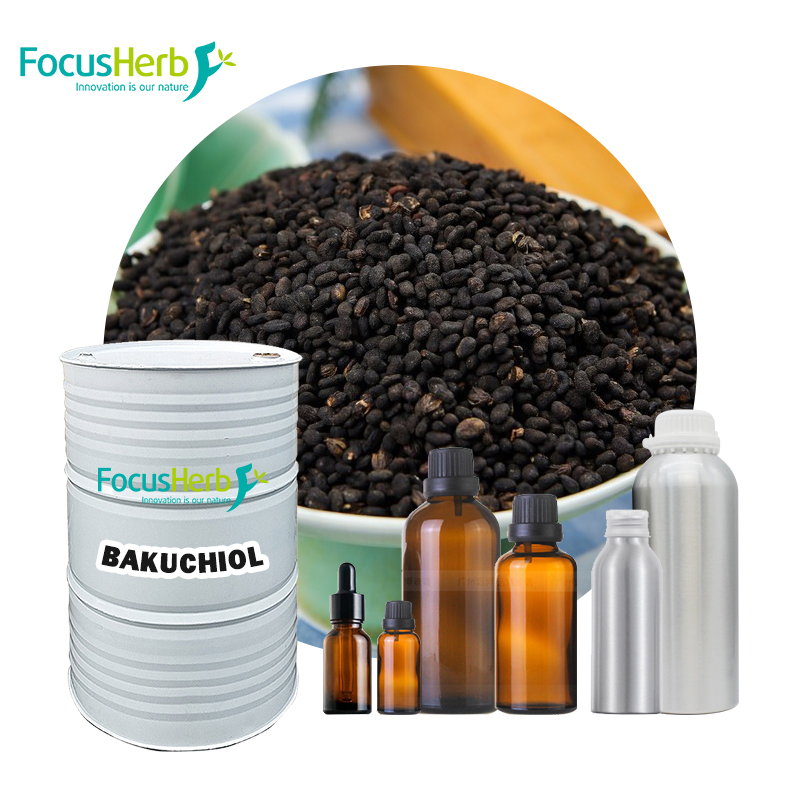
Bakuchiol, a rising star in skincare, doesn’t originate from complex chemical synthesis laboratories, but rather is a generous gift from nature. It is extracted from the fruit of *Psoralea corylifolia* L., a herbaceous plant belonging to the genus *Psoralea* in the legume family. This plant is widely cultivated in many parts of my country, such as Henan, Sichuan, and Anhui, and is also distributed in countries like India and Myanmar. In traditional medicine, *Psoralea* has been valued for its medicinal properties, and bakuchiol, as its key active ingredient, has gradually gained prominence in modern skincare in recent years.
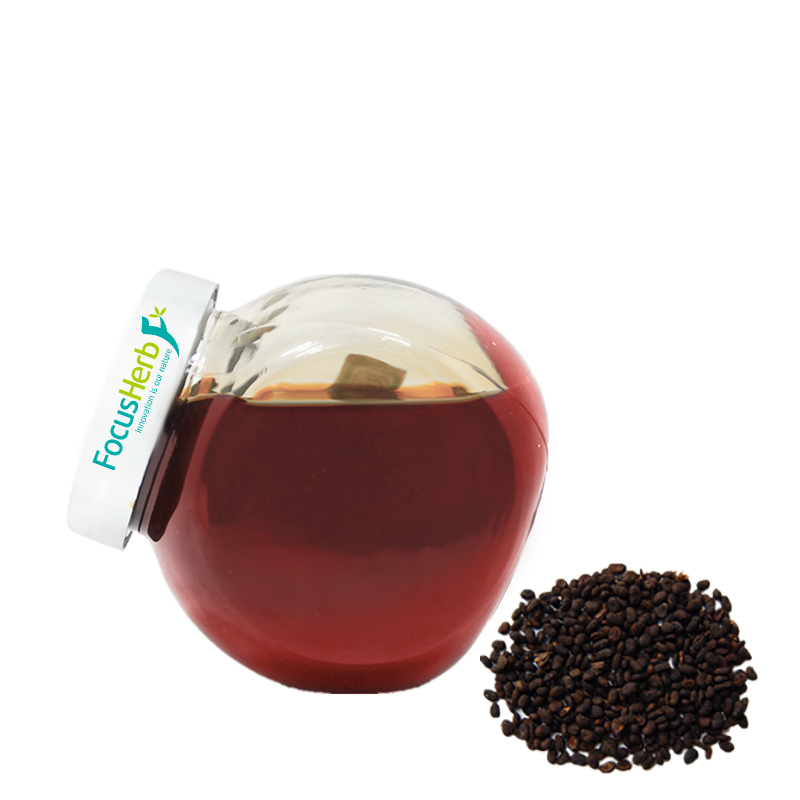
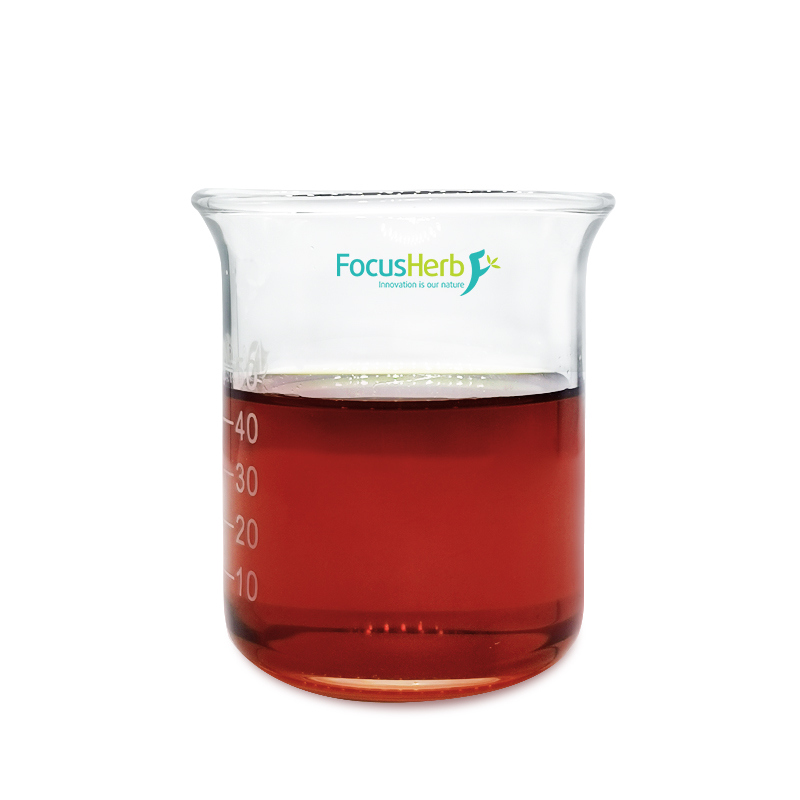
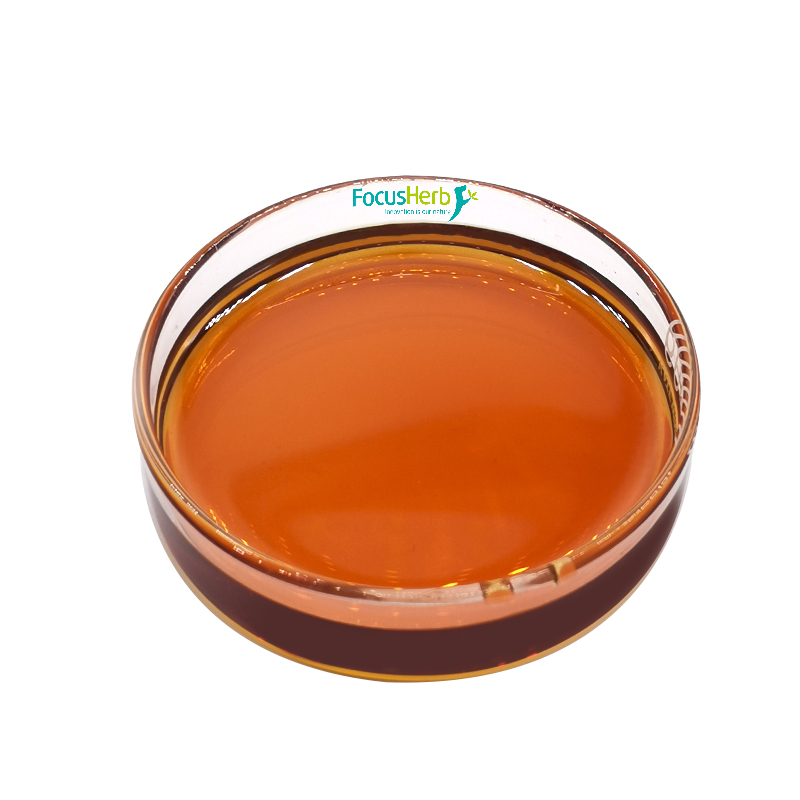
Visually, bakuchiol appears as a pale yellow, oily liquid, resembling essence infused with sunlight. It has a specific boiling point range, between 145 and 147 °C. This physical property allows it to blend stably with other ingredients under specific conditions during skincare product manufacturing, ensuring its efficacy. In terms of solubility, bakuchiol is soluble in DMSO (up to 25 mg/ml) or ethanol (up to 20 mg/ml). This excellent solubility facilitates its application in skincare formulations, allowing for even dispersion in serums, lotions, and creams.
Chemically, bakuchiol is an isoprenyl phenolic terpene compound and does not have a direct structural relationship with retinol. However, surprisingly, at the gene expression level, bakuchiol exhibits similar potential to retinol, participating in various biological processes within skin cells. This provides a solid theoretical foundation for its application in skincare.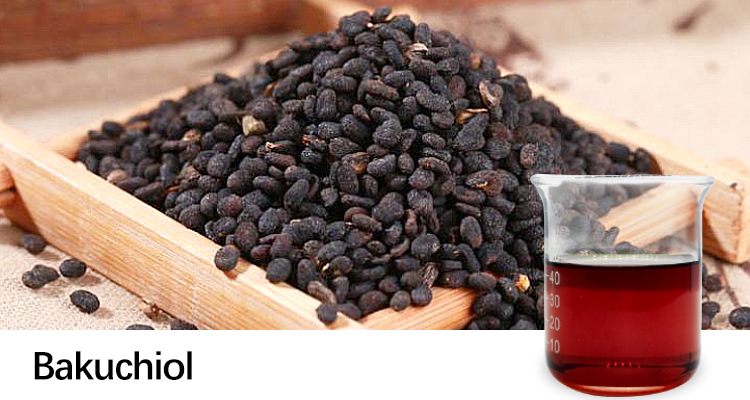
The Origin of Bakuchiol’s Position as a “Natural Retinol Alternative”
In the family of skincare ingredients, retinol has always been a star ingredient in the anti-aging field. It can promote collagen production, enhance skin elasticity, reduce the appearance of fine lines and wrinkles, and restore radiance to the skin. However, retinol also has its “quirks.” Due to its strong irritant properties, many people with sensitive skin often experience discomfort such as redness, stinging, dryness, and peeling when using retinol products, deterring them from pursuing anti-aging. Furthermore, retinol is sensitive to light and air, and has poor stability. Extra care must be taken to protect it from the sun during the day, otherwise it is prone to oxidation and loss of activity, further limiting its use. Pregnant and breastfeeding women are also generally advised to avoid using retinol products for the health of their fetus and infant.
As consumers increasingly demand safety and gentleness in skincare ingredients, finding an ingredient that possesses the excellent anti-aging effects of retinol while being gentler and having a wider range of applications has become a crucial issue in skincare product development. Bakuchiol seems to have emerged to solve this problem. Research has found that bakuchiol’s anti-aging effects are comparable to retinol. It can also stimulate collagen synthesis in skin cells, restoring firmness and elasticity to the skin; it can also inhibit inflammatory responses, reduce inflammation damage to the skin, and effectively delay the aging process; its antioxidant capacity is also considerable, capable of scavenging free radicals and protecting skin cells from oxidative stress. More importantly, bakuchiol is far less irritating than retinol, making it a new hope for anti-aging skincare for those with sensitive skin, oily or acne-prone skin, and other individuals intolerant to retinol. Bakuchiol works stably both day and night, without the need to worry about the effects of sunlight like with retinol. Moreover, no research has shown any safety risks associated with the use of bakuchiol during pregnancy and breastfeeding, providing women with more skincare options during these special periods. Based on these advantages, bakuchiol has been dubbed a “natural retinol alternative” by the industry, gradually gaining a foothold in the skincare market and opening a new chapter in gentle anti-aging.
Multi-dimensional Efficacy: The Core Skincare Benefits of Bakuchiol
1 Anti-aging and Firming: Activating Collagen and Reducing Fine Lines
As we age, the skin gradually loses collagen and elastin fibers, a major cause of sagging skin and wrinkles. Bakuchiol acts like a diligent “repairman,” penetrating deep into the dermis to stimulate fibroblast activity and promote collagen synthesis. Collagen is a vital supporting structure for the skin; its increase makes the skin firmer and more elastic, like injecting youthful energy, supporting sagging skin, and reducing the appearance of dry lines and fine lines.
Studies have shown that bakuchiol can upregulate the expression of genes related to collagen synthesis, such as COL1A1 and COL3A1. These genes act like “instructions” for collagen production; by enhancing the expression of these instructions, bakuchiol enables skin cells to synthesize more collagen. Simultaneously, bakuchiol can inhibit the activity of matrix metalloproteinases (MMPs), enzymes that break down collagen. Bakuchiol’s inhibitory effect on MMPs acts like a “protective shield” for collagen, reducing collagen loss and effectively improving skin laxity. This allows the skin to regain its firmness and radiance, achieving an anti-wrinkle and firming effect comparable to retinol in anti-aging, making it a powerful assistant in maintaining youthful skin.
2 Antioxidant Repair: Fighting Free Radicals and Reducing Oxidative Damage
In daily life, our skin is constantly attacked by free radicals. UV radiation, environmental pollution, and unhealthy lifestyle habits all lead to the production of free radicals in the skin. Free radicals are like a group of mischievous “monsters,” damaging the structure and function of skin cells, triggering oxidative stress, and accelerating the aging process. Bakuchiol, on the other hand, is a powerful “antioxidant warrior” with excellent antioxidant capabilities, effectively clearing free radicals from the skin and reducing oxidative stress damage to cells.
The antioxidant effect of bakuchiol mainly stems from the phenolic hydroxyl groups in its molecular structure. These hydroxyl groups can donate hydrogen atoms to combine with free radicals, thereby inactivating them and preventing them from damaging skin cells. It acts like a “protective umbrella,” shielding the skin from harmful environmental factors such as ultraviolet rays and pollution, reducing the risk of skin aging. When the skin is damaged, bakuchiol can also help repair the damaged skin barrier, promote skin cell repair and regeneration, enhance the skin’s self-protective ability, and keep the skin healthy and stable, displaying a natural radiance and elasticity.
3 Anti-inflammatory, Oil-controlling, and Acne-inhibiting: Precisely Improving Oily, Acne-prone, and Sensitive Skin Problems
For people with oily, acne-prone, and sensitive skin, skin problems are often a major concern. Inflammatory reactions cause redness, swelling, stinging, and other discomfort. Excessive sebum secretion leads to facial oil buildup, easily breeding bacteria and causing acne. Bakuchiol is like a versatile remedy specifically designed to solve these problems.
Bakuchiol possesses significant anti-inflammatory properties. It inhibits the release of inflammatory mediators such as prostaglandin E2 (PGE2) and interleukin-6 (IL-6), which act as “triggers” for inflammation. By cutting off these triggers, bakuchiol reduces skin inflammation, alleviating symptoms like redness, swelling, and stinging. Simultaneously, bakuchiol regulates sebaceous gland secretion, reducing excessive oil production and preventing oily skin. It acts like an “oil-control switch,” precisely regulating sebum secretion to achieve a balanced oil-water ratio. Furthermore, bakuchiol exhibits broad-spectrum antibacterial properties, inhibiting the growth of harmful bacteria such as Propionibacterium acnes and Staphylococcus aureus. These bacteria are major culprits in acne development, and bakuchiol’s inhibitory effect effectively prevents and treats acne. For sensitive skin, bakuchiol’s gentle properties soothe and enhance skin tolerance, allowing those with oily, acne-prone, and sensitive skin to enjoy skincare with peace of mind.
4 Whitening and Fading Dark Spots: Blocking Melanin Deposition and Brightening Skin Tone
Dull skin tone and dark spots are problems many people want to overcome in their skincare routine. Bakuchiol has unique effects in whitening and fading dark spots; it acts like a magical “colorist,” making the skin whiter and brighter.
Bakuchiol can inhibit the activity of tyrosinase, a key enzyme in the melanin production pathway. Tyrosinase acts as a “catalyst” for melanin production. By inhibiting its activity, bakuchiol reduces melanin synthesis at its source, essentially pressing a “pause button” on melanin production. At the same time, bakuchiol can accelerate skin metabolism, promoting the shedding of aging keratinocytes containing melanin, allowing the skin to renew itself more quickly, thus reducing melanin deposition in the epidermis. It acts like a “cleaning guardian,” constantly removing melanin from the skin’s surface, gradually making the skin tone more even and bright. Whether it’s sun-induced pigmentation or age spots that appear with age, bakuchiol can help improve these pigmentation problems, brighten and whiten the skin, and restore its radiant charm.
Bakuchiol vs. Retinol: Why They Can Be the “Perfect Substitute”
1. Efficacy Comparison: Core Anti-aging Abilities Are Rivalry
In the field of anti-aging, retinol has always been highly praised for its remarkable efficacy, while the emergence of bakuchiol has shown people another possibility. Related studies have shown that bakuchiol and retinol are neck and neck in core anti-aging effects such as improving photo-aged skin and promoting collagen production.
A study published in the *British Journal of Dermatology* conducted a 12-week facial trial on 44 volunteers. One group applied a 0.5% retinol cream every night, while the other group applied a 0.5% bakuchiol cream twice daily. The results showed that both groups achieved significant effects in improving skin texture, reducing wrinkles and pigmentation, and improving skin elasticity, with no significant difference between them. This indicates that bakuchiol, like retinol, can penetrate deep into skin cells, regulating the expression of related genes, activating skin cell activity, and promoting the synthesis of collagen and elastin fibers, thereby achieving anti-wrinkle and firming effects and providing strong support for skin anti-aging.
2. Gentleness Advantage: Reduced Risk of Skin Irritation
While retinol is remarkably effective in anti-aging, its irritation deters many. Upon first use of retinol products, many people experience intolerance reactions such as redness, peeling, and stinging, which can even lead to damage to the skin barrier in severe cases. This is because retinol needs to be converted into retinoic acid within the skin to exert its effects, and retinoic acid is highly irritating to skin cells. Furthermore, retinol can affect the skin’s keratin metabolism, making the skin more sensitive. For pregnant women and people with sensitive skin, retinol is listed as an ingredient to be used with caution or avoided altogether.
In contrast, bakuchiol is exceptionally gentle. It does not require complex conversion within the skin and can directly act on skin cells to exert multiple effects, including anti-aging. Bakuchiol rarely causes skin irritation, making it a safer and more gentle option for sensitive, fragile, and other skin types with lower tolerance. It gradually improves various skin problems without irritation, allowing the skin to radiate a healthy glow in a comfortable state, truly achieving gentle anti-aging and broadening the range of suitable users for anti-aging skincare products.
3.Flexibility in Use: Overcoming the Limitations of Retinol
Retinol is photosensitized and easily oxidizes and decomposes under light, losing its activity, which limits its usage scenarios. To ensure the efficacy of retinol, users typically need to use skincare products containing retinol at night and strictly adhere to sun protection measures during the day; otherwise, not only will the desired skincare effect not be achieved, but the oxidation products of retinol may also cause additional damage to the skin.
Bakuchiol does not have this problem. It has excellent photosensitivity and can function stably both day and night. This allows users to use skincare products containing bakuchiol without being overly concerned about the effects of light, making its use more flexible. Whether under the bright sunshine of day or in the quiet of night, bakuchiol provides continuous care for the skin. Furthermore, bakuchiol is chemically stable and is not easily oxidized or decomposed by environmental factors such as temperature and humidity during the storage of skincare products. This better ensures the efficacy and quality of skincare products, bringing consumers a more convenient and efficient skincare experience.
Market Applications: Skincare Product Categories and Popular Products Containing Bakuchiol
1.Mainstream Product Types: Covering All Skin Types and Skincare Needs
Bakuchiol, with its excellent skincare efficacy and gentle properties, is widely used in the skincare market, covering almost all common skincare categories and meeting the diverse needs of people with different skin types.
In serums, bakuchiol often appears as a core anti-aging ingredient, typically at a high concentration, providing deep nourishment and repair to the skin. These serums focus on anti-aging and firming effects, suitable for older individuals with noticeable skin laxity and wrinkles. With long-term use, it can effectively improve skin elasticity, reduce the appearance of fine lines and wrinkles, and restore radiance to the skin.
Face creams combine bakuchiol with various moisturizing and hydrating ingredients, not only leveraging the anti-aging effects of bakuchiol but also providing ample moisture and nutrients to the skin, strengthening its barrier function. Face creams generally have a richer texture, suitable for dry and normal skin in autumn and winter, effectively preventing moisture loss and keeping the skin hydrated and smooth. For sensitive skin, face creams containing bakuchiol are gentle enough to soothe and enhance skin tolerance while providing anti-aging benefits.
Eye creams are specifically designed for the delicate skin around the eyes, which is prone to fine lines, sagging, and dark circles. Bakuchiol eye creams target this area precisely, promoting collagen production, improving sagging, and reducing fine lines. Its antioxidant and anti-inflammatory properties also help reduce dullness and puffiness, leaving the eye area firmer and brighter.
Face masks, as intensive care products, especially those containing bakuchiol, provide a high concentration of nutrients in a short time, accelerating skin metabolism and promoting self-repair and regeneration. Whether in sheet masks or cream masks, bakuchiol works synergistically with other ingredients to replenish moisture and nutrients, brighten the complexion, and improve overall skin condition, making them suitable for intensive care when skin is in poor condition.
2. Examples of Popular Products: Combining Efficacy and Reputation
Mamonde Bakuchiol Pore Control Firming Cream is specially formulated for oily and combination skin. It contains a high concentration of 0.3% bakuchiol, combined with 95% pure retinol. This unique formula effectively improves skin elasticity while balancing sebum secretion. Third-party testing showed that after 4 weeks of use, pore area decreased by 17.9%, sebum secretion decreased by 18%, and skin firmness was simultaneously improved. It addresses the root causes of enlarged pores and aging due to closed comedones and excessive oil, leaving skin smooth and firm. Its light, non-greasy yogurt texture is delightful to the touch, providing a new anti-aging skincare option for oily skin.
Kaishevi Essence features a combination of HPR, bakuchiol, and plant-based retinol from Bidens trifoliata. Among its ingredients, bakuchiol and Bidens trifoliata provide gentle anti-aging benefits, reducing product irritation and allowing the skin to enjoy anti-aging effects without excessive discomfort. HPR (Hyperactive Protein) acts directly on the skin without requiring multiple layers of conversion, enhancing the product’s efficacy. This serum has a light and delicate mousse texture that quickly transforms into water upon application, absorbing very well. After use, the skin immediately appears radiant, smooth, and supple, showing a significant improvement in skin condition, making it popular among those seeking gentle anti-aging solutions.
Pechoin Super A2.0 Serum, a representative domestic anti-aging product, combines plant-based technology with a gentle anti-wrinkle concept. It uses spring elm extract as one of the natural plant-based retinol substitutes, working synergistically with bakuchiol and other ingredients to activate skin-related receptors, promote collagen regeneration, and improve wrinkles. At the same time, it is combined with moisturizing and repairing ingredients such as sodium hyaluronate, and uses microencapsulation technology to improve the stability and permeability of the ingredients, achieving a skin care experience that combines gentle anti-aging and repair. This provides Asian skin consumers with a more suitable anti-aging option and demonstrates the innovative strength of domestic products in the skin care field.
Prospects and Controversies: The Skincare Development Path of Bakuchiol
1 Development Potential: Aligning with the Natural Skincare Trend, Expanding Application Scenarios
In today’s skincare market, the concept of natural and gentle skincare is gaining increasing popularity, with consumers increasingly favoring skincare ingredients derived from nature and gentle on the skin. Bakuchiol, as a plant-derived active ingredient, perfectly aligns with this trend. It not only possesses excellent anti-aging, antioxidant, and anti-inflammatory effects, but also, due to its gentle and non-irritating properties, is suitable for all skin types, especially sensitive skin, making its application prospects in the skincare field extremely broad.
As consumers increasingly focus on skin aging, the anti-aging skincare market continues to heat up. Bakuchiol’s outstanding performance in anti-aging has made it one of the core ingredients in many anti-aging skincare products. In the future, it is expected to be cleverly combined with other popular anti-aging ingredients such as Pro-Xylane and peptides, creating more efficient and comprehensive anti-aging skincare solutions through synergistic effects, meeting consumers’ pursuit of firm, smooth, and wrinkle-free skin.
Bakuchiol can also play an important role in the field of skin repair. Whether caused by UV damage, environmental pollution, or skin barrier damage due to improper skincare, bakuchiol can help restore the skin to a healthy state thanks to its antioxidant and repairing abilities. It can promote skin cell regeneration and repair, enhance the skin’s self-protective capabilities, and provide comprehensive care.
Furthermore, with continuous technological advancements, the application of bakuchiol in skincare products will continue to innovate. From traditional serums and creams to emerging formulations such as ampoules and freeze-dried powders, bakuchiol will be presented to consumers in more diverse ways, bringing them a more convenient and efficient skincare experience. Simultaneously, with in-depth research on bakuchiol, its applications in other areas, such as hair care and body care, are also promising, potentially bringing new development opportunities to the entire beauty and personal care industry.
2. Existing Controversies: Research Data Needs Improvement; Efficacy Should Be Viewed Rationally
Although bakuchiol has shown great potential in the skincare field, some controversies still exist, requiring a rational perspective.
Currently, clinical research data on bakuchiol is relatively limited, especially large-scale, long-term clinical trials comparing it comprehensively with retinol. This makes it difficult to obtain sufficient scientific evidence when assessing the efficacy and safety of bakuchiol. Some trials comparing it with retinol have design flaws, such as small sample sizes, short trial periods, and inconsistent usage frequencies among subjects. These factors can affect the accuracy and reliability of the results, leading to biases in the assessment of bakuchiol’s efficacy.
Although bakuchiol is generally considered mild, there are still a few cases of contact allergies in actual use. For example, researchers at Vilnius University in Lithuania reported a 33-year-old patient experiencing an allergic reaction after using skincare products containing bakuchiol; researchers at the University of Montpellier in France also shared a case of a 23-year-old patient experiencing erythema, edema, and itching after using an eye cream containing bakuchiol. This indicates that even though the allergy rate of bakuchiol is relatively low, there may still be an allergic risk for certain individuals with specific constitutions. Furthermore, the optimal dosage of bakuchiol and the side effects of long-term use remain inconclusive and require further research and validation.
Faced with these controversies, consumers need to remain rational and cautious when choosing skincare products containing bakuchiol. They should not blindly believe exaggerated claims or consider bakuchiol an absolute and perfect substitute for retinol. Instead, they should consider their own skin type and needs, conduct thorough research and testing before use, such as performing patch tests to observe their skin’s reaction. Simultaneously, they should pay attention to relevant scientific research progress to better understand the characteristics and applicable scope of bakuchiol and make more informed skincare choices. For the skincare industry, it is also necessary to strengthen research and regulation of bakuchiol, continuously improve its related scientific data, ensure product safety and effectiveness, and provide consumers with higher quality and more reliable skincare products.
