











On the vast plains of South America, there exists a beverage with a long and rich history, carrying the weight of centuries of local history and culture—Yerba Mate Tea. Originating in Argentina, Brazil, and other countries, Yerba Mate Tea is an indispensable part of the daily lives of the local people. It is not only a daily beverage but also an ancient herbal tea with medicinal value. In recent years, with the increasing pursuit of health and wellness, Yerba Mate Tea, with its unique natural energy and metabolic support effects, has gradually gained popularity worldwide.
1. The Origin and Cultural Heritage of Yerba Mate Tea
The history of Yerba Mate Tea can be traced back to prehistoric times. Legend has it that it was first discovered and consumed by the Guarani people, an indigenous tribe. They pounded wild Yerba Mate Tea leaves into a paste, obtaining energy and nourishment from it. Later, Spanish colonists arrived in South America and were attracted by the benefits of Yerba Mate Tea, and from then on, the method of drinking Yerba Mate Tea gradually spread. In its long development, Yerba Mate Tea has integrated into local culture and life, becoming an indispensable element of social gatherings and parties. In Argentina, over 90% of households regularly drink Yerba Mate Tea. Whether on the streets, in parks and squares, in offices, or at sports stadiums, people can be seen leisurely enjoying Yerba Mate Tea with teaots in hand. To celebrate this unique beverage, the Argentine Congress has designated November 30th as “Yerba Mate Tea Day.” During the festival, people dress up in their finest attire, participate in float parades and traditional dances, and elect a “Yerba Mate Tea Princess,” creating a vibrant and festive atmosphere.
The production process of Yerba Mate Tea is also meticulous. It is made from the dried leaves of a perennial woody plant in the holly family. After harvesting, the leaves undergo multiple processes including roasting, fermentation, and grinding. The fermentation process is particularly crucial, determining the unique flavor and taste of Yerba Mate Tea, and typically takes six months or even longer. Therefore, Yerba Mate Tea on the market is divided into different types, such as sun-dried Yerba Mate Teae, semi-roasted Yerba Mate Tea, and fully roasted fermented Yerba Mate Tea, to meet diverse consumer needs.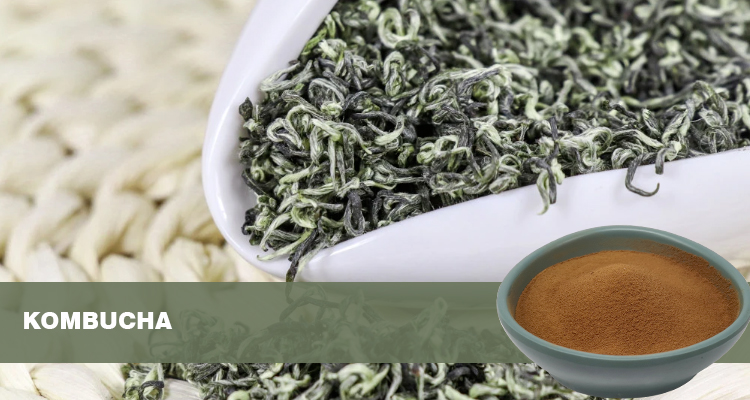
2. Core Value Positioning: Dual Empowerment of Natural Energy and Metabolic Regulation
The popularity of Yerba Mate Tea stems from its rich nutritional components and unique effects. It is rich in caffeine (Yerba Mate Tea), tea polyphenols, flavonoids, vitamins, and minerals, among other active ingredients. These components work synergistically to provide the body with dual empowerment of natural energy and metabolic regulation.
Unlike traditional stimulant drinks, Yerba Mate Tea contains a moderate amount of caffeine (Yerba Mate Tea), and its mechanism of action is gentler. It not only stimulates the central nervous system, helping to relieve fatigue and enhance concentration, but also regulates sleep, preventing insomnia caused by over-excitement. For those who need to maintain alertness and vitality in a busy life, Yerba Mate Tea is undoubtedly an ideal choice.
Yerba Mate Tea also excels in metabolic regulation. Its tea polyphenols and flavonoids promote fat breakdown and inhibit fat absorption, helping to reduce weight and body fat percentage. At the same time, these components stimulate the secretion of digestive juices, accelerate gastrointestinal motility, relieve postprandial fullness, and improve digestive function. For modern people who sit for long periods and lack exercise, Yerba Mate Tea can help maintain a healthy metabolism and prevent problems such as obesity and indigestion. In addition, Yerba Mate Tea has various health benefits, including antioxidant, anti-inflammatory, lipid-lowering, and blood sugar-lowering effects, and has a positive impact on cardiovascular health and the immune system.
Mate Tea’s Natural Energy Support: Gentle Refreshment, Say Goodbye to Fatigue and Drowsiness
In today’s fast-paced life, fatigue and drowsiness are often inseparable. Whether you’re a busy office worker or a student needing to concentrate for long periods, everyone longs for a drink that effectively refreshes without putting too much strain on the body. Mate tea, a traditional beverage originating from South America, offers a gentle yet lasting refreshment thanks to its unique natural energy-supporting properties.
1 Mate’s Unique Refreshing Mechanism: Awakening Nerves Without Overstimulation
Mate tea contains mate, the key ingredient responsible for its refreshing effect. Mate is essentially a derivative of caffeine, but its mechanism of action differs from regular caffeine. When we feel drowsy, adenosine in the brain binds to neuronal receptors, slowing neuronal responses and causing fatigue. Mate, with a molecular structure similar to adenosine, can preemptively bind to adenosine receptors, inhibiting adenosine’s action and preventing it from binding to neuronal receptors, thus keeping neurons active and effectively suppressing sleepiness.
Meanwhile, mateine can also promote the secretion of neurotransmitters such as dopamine and norepinephrine. Dopamine, a neurotransmitter associated with pleasure and reward mechanisms, can improve our mood and boost our motivation for work and study; norepinephrine can enhance attention and reaction time, making us more focused and efficient when facing complex tasks.
Compared to coffee, mate tea contains a moderate amount of mateine, resulting in a gentler and longer-lasting stimulant effect. Coffee has a relatively high caffeine content, which, while quickly stimulating, is often accompanied by discomfort such as palpitations and anxiety, and its effects are short-lived, easily leading to a rebound in fatigue after the “caffeine effect” wears off. In contrast, the mateine in mate tea, while stimulating the central nervous system, can also regulate the body’s biological clock, preventing sleep quality from being affected by over-stimulation. For those who are sensitive to caffeine or need to remain awake throughout the day, mate tea is undoubtedly a better choice.
2 Synergistic Multidimensional Nutrition: Laying a Solid Foundation for Energy Metabolism
Besides mate, the core ingredient, mate tea is rich in various vitamins and minerals. These nutrients work synergistically to provide comprehensive support for the body’s energy metabolism.
Mate tea is rich in B vitamins, including B1, B2, B3, and B5. B vitamins play a crucial role in the body’s energy metabolism, participating in the breakdown and conversion of carbohydrates, fats, and proteins, releasing energy from food to provide the body with power. For example, vitamin B1 promotes the oxidation of carbohydrates for energy and maintains the normal function of the nervous system; vitamin B2 participates in the metabolism of fats and proteins, helping to increase the body’s metabolic rate.
Vitamin C and vitamin E are also important nutrients in mate tea. Vitamin C has powerful antioxidant properties, enhancing the body’s immunity, promoting collagen synthesis, and helping to maintain the normal function of body tissues and organs. During energy metabolism, vitamin C also participates in intracellular redox reactions, assisting in energy production. Vitamin E is a fat-soluble antioxidant that protects cells from free radical damage, particularly cell membranes, helping to maintain normal cell function and ensure smooth energy metabolism.
Furthermore, Yerba Mate Tea contains various minerals such as calcium, iron, zinc, potassium, and magnesium. Calcium is essential for maintaining bone health and muscle function, playing a crucial role in nerve conduction and muscle contraction, and is vital for normal bodily movement and energy expenditure. Iron is an important component of hemoglobin, participating in oxygen transport and providing cells with sufficient oxygen to ensure efficient energy metabolism. Zinc participates in the synthesis and activation of various enzymes, significantly impacting the metabolism of proteins, fats, and carbohydrates. Potassium and magnesium play key roles in maintaining normal heart function, regulating body fluid balance, and nerve conduction, helping to stabilize the body’s internal environment and creating favorable conditions for energy metabolism.
The polyphenols in Yerba Mate Tea, such as chlorogenic acid and quercetin, also play a positive role in energy metabolism. These polyphenols possess antioxidant and anti-inflammatory properties, reducing oxidative stress and lowering the risk of chronic diseases. They can also regulate fat metabolism, inhibit fat synthesis, and promote fat breakdown, helping to maintain a healthy weight and metabolic rate. Simultaneously, polyphenols can improve insulin sensitivity, regulate blood sugar levels, and provide a stable energy source for the body.
Mate tea, through the synergistic effect of mateine and various vitamins, minerals, and polyphenols, achieves a dual energy boost of “energizing + nourishing.” It not only helps us quickly overcome fatigue and maintain alertness and focus, but also fundamentally maintains health, providing a solid foundation for long-term energy metabolism and bodily functions. Whether on a busy workday morning or a night requiring focused study, a warm cup of mate tea can inject us with abundant energy, ushering in an efficient and healthy lifestyle.
Mate Tea’s Metabolic Regulation: Multiple Pathways for Efficient Body Functioning
On the path to a healthy life, efficient metabolism is undoubtedly a crucial element. Mate tea, this magical beverage originating from South America, with its rich nutrients and unique mechanism of action, provides comprehensive support for our metabolic regulation, becoming a powerful assistant for modern people to maintain good health.
1 Promoting Fat Decomposition and Lipid Metabolism, Aiding Weight Management
For many people struggling with weight loss, mate tea is like a quietly arriving “savior.” Studies have shown that the methylxanthine component abundant in mate tea can be considered a “catalyst” for fat decomposition. It can cleverly activate the activity of fat-decomposing enzymes, making stubborn fat cells quickly “active” and accelerating their breakdown into fatty acids and glycerol. This process is like injecting powerful energy into the body’s fat-burning “engine,” allowing fat to be consumed more quickly, thus contributing to the weight loss goal.
The polyphenols in mate tea also play an important role in lipid metabolism. They act like a group of loyal “guardians,” tightly protecting our bodies, inhibiting the absorption of cholesterol in the intestines, and reducing cholesterol accumulation in the body. At the same time, polyphenols actively participate in the regulation of lipid oxidation, effectively alleviating the harm caused by lipid oxidation and helping to lower low-density lipoprotein cholesterol (LDL-C) levels. This “two-pronged” approach not only helps reduce fat storage but also improves blood lipid levels, reducing the risk of cardiovascular disease, providing double protection for the health of those trying to lose weight.
For example, Mr. Li, a long-term user of Yerba Mate Tea, combined his Yerba Mate Tea consumption with appropriate exercise and a reasonable diet. In just three months, he lost 10 pounds and his body fat percentage decreased by 5%. He was pleasantly surprised to find that his previously bothersome belly fat gradually disappeared, and his body became lighter and more energetic. Mr. Li exclaimed, “Yerba Mate Tea is like my little helper for weight loss, making my weight loss journey much easier.”
The significant effects of Yerba Mate Tea in promoting fat breakdown and lipid metabolism make it an ideal drink for those trying to lose weight. Whether you want to lose weight or improve your body’s fat distribution, Yerba Mate Tea can provide natural and effective support. However, it’s important to note that Yerba Mate Tea is only an auxiliary method in the weight loss process; a reasonable diet and appropriate exercise are still key to achieving healthy weight loss.
2 Regulating Carbohydrate Metabolism and Stabilizing Blood Sugar Levels
With improved living standards, the intake of high-sugar and high-fat foods is increasing, and many people face the problem of fluctuating blood sugar, especially those with metabolic syndrome. The polyphenols in Yerba Mate Tea offer a new solution to this problem. These polyphenols act like a group of well-trained “blood sugar regulators,” precisely inhibiting the activity of alpha-glucosidase. Alpha-glucosidase is a key enzyme in the intestine responsible for breaking down carbohydrates. When its activity is inhibited, the digestion and absorption of carbohydrates slows down significantly. This means that when we consume carbohydrate-rich foods, blood sugar will not spike as rapidly as before, but will remain at a relatively stable level, avoiding the various discomforts and health risks caused by sharp fluctuations in post-meal blood sugar.
A clinical study of 200 patients with metabolic syndrome found that after three months of continuous consumption of Yerba Mate Tea, patients experienced an average reduction of 2.5 mmol/L in postprandial blood glucose peaks and a significant decrease in blood glucose fluctuations. One patient, Mr. Wang, who has prediabetes, stated, “Previously, I always felt dizzy and weak after meals, and my blood sugar was not well controlled. Since I started drinking Yerba Mate Tea, these symptoms have significantly improved, and my blood sugar has become much more stable.”
For people with metabolic syndrome, Yerba Mate Tea’s effect on regulating carbohydrate metabolism undoubtedly has significant potential benefits. It provides patients with a natural and gentle way to manage blood sugar, helping to improve metabolic disorders and reduce the risk of complications such as diabetes. However, it is important to emphasize that Yerba Mate Tea cannot replace medication. Patients with metabolic syndrome must consult a professional physician before drinking Yerba Mate Tea to ensure its safety and effectiveness. At the same time, patients still need to follow their doctor’s treatment plan, maintain a healthy lifestyle, and comprehensively manage their blood sugar levels.
3 Promotes Digestive Motility and Accelerates the Excretion of Metabolic Waste
While enjoying delicious food, we often face indigestion, such as post-meal bloating and stomach discomfort. The saponins in Yerba Mate Tea act like diligent “digestive helpers,” stimulating the secretion of digestive juices, ensuring a continuous flow of gastric juice, bile, and pancreatic juice to aid in food digestion. Meanwhile, the flavonoids in Yerba Mate Tea act like courageous “antibacterial guardians,” effectively inhibiting the growth of Helicobacter pylori. Helicobacter pylori is a common pathogenic bacterium in the stomach, closely related to the occurrence of gastritis, gastric ulcers, and other diseases. The inhibitory effect of flavonoids on Helicobacter pylori not only helps maintain stomach health but also further promotes gastrointestinal motility, accelerating the transport and digestion of food in the gastrointestinal tract. This synergistic effect allows us to quickly relieve post-meal bloating after enjoying a meal, keeping our stomach and intestines relaxed and comfortable.
In addition to its direct effects on the gastrointestinal tract, Yerba Mate Tea also has liver-cleansing and bile-promoting effects. It enhances the liver’s detoxification ability, helping it to more efficiently metabolize and eliminate toxins from the body. It’s like giving the liver, the body’s “chemical plant,” a comprehensive upgrade, enabling it to better handle various metabolic wastes and harmful substances. As the liver’s detoxification function improves, the body’s overall metabolic cycle is optimized, and various metabolic products are promptly cleared, creating a favorable internal environment for the body’s normal operation.
A young office worker, Xiao Zhang, who had long suffered from indigestion, was pleasantly surprised to find his digestive problems greatly improved after trying Yerba Mate Tea for a period of time. He said, “Before, I always felt bloated after lunch, and I had no energy for work in the afternoon. Now, after drinking Yerba Mate Tea, not only has my digestion improved, but I also feel more energetic.”
Yerba Mate Tea creates an efficient “cleansing system” for our bodies by promoting digestive motility and accelerating the elimination of metabolic waste. It allows us to enjoy food while maintaining good digestive function and a healthy body. Whether you’re an office worker with irregular eating habits or a middle-aged or elderly person whose digestive function is gradually declining, you can improve your digestion and quality of life by drinking Yerba Mate Tea Tea.
A Scientific Guide to Brewing Yerba Mate Tea: Methods, Dos and Don’ts, and Precautions
1 Correct Brewing Method: The Key to Locking in Active Ingredients
When brewing Yerba Mate Tea, water temperature is paramount. The optimal water temperature should be below 80℃. This is because the polyphenols, vitamins, and other active ingredients in Yerba Mate Tea are sensitive to high temperatures. Excessive heat will cause a significant loss of these components, affecting the nutritional efficacy and taste of the Yerba Mate Tea. For example, chlorogenic acid, an important polyphenol in Yerba Mate Tea, has various benefits such as antioxidant and anti-inflammatory properties. When the water temperature exceeds 80℃, the structure of chlorogenic acid changes, its activity decreases, and its health benefits cannot be fully realized.
When brewing, first place an appropriate amount of Yerba Mate Tea tea leaves into a cup, then slowly pour in warm water below 80℃. The amount of tea leaves can be adjusted according to personal taste. Generally, 2-3 grams of tea leaves per 150 ml of water is suitable. After pouring in the water, gently stir well, then cover the cup and steep for about 2 minutes. This method allows the tea leaves to fully absorb water, releasing their aroma and nutrients, while avoiding over-steeping that can lead to a bitter brew. It’s important to note that Yerba Mate Tea should not be repeatedly boiled. Repeated boiling will further destroy the nutrients in the tea leaves and make the tea bitter, losing its original flavor.
2 Suitable Population and Drinking Recommendations
Yerba Mate Tea is suitable for most people, especially the following groups: Those with vitamin deficiencies: Yerba Mate Tea is rich in B vitamins, vitamin C, vitamin E, and other vitamins. Moderate consumption can effectively replenish the body’s vitamin deficiencies, promoting growth, development, and metabolism. For those trying to lose weight: The methylxanthine and polyphenols in Yerba Mate Tea can promote fat breakdown and inhibit fat absorption, aiding in weight management. Combining Yerba Mate Tea with a reasonable diet and exercise can achieve better weight loss results. For those who are chronically fatigued and drowsy: The Yerba Mate Tea in Yerba Mate Tea can stimulate the nervous system, helping to relieve fatigue, enhance concentration, and sharpen thinking. Whether it’s office workers feeling drowsy in the afternoon or students needing a boost while studying, a cup of Yerba Mate Tea can quickly restore their energy.
While Yerba Mate Tea offers health benefits, it should be consumed in moderation. Generally, the recommended daily intake is no more than 500 ml. Excessive consumption may lead to excessive caffeine intake, causing discomfort such as palpitations, insomnia, and anxiety. Also, to avoid affecting sleep quality at night, Yerba Mate Tea should be consumed cautiously after 3 PM. For first-time Yerba Mate Tea drinkers, it is recommended to start with small amounts and gradually adapt to its taste and effects.
3 Contraindications and Drinking Taboos
People with insomnia should avoid drinking Yerba Mate Tea. The matein in Yerba Mate Tea has a stimulating effect on the nervous system, which can further aggravate insomnia symptoms and affect sleep quality. For people with weak gastrointestinal function, especially those with spleen and stomach deficiency, Yerba Mate Tea may irritate the gastrointestinal tract, leading to discomfort such as stomach pain and diarrhea. The components in Yerba Mate Tea can irritate the gastrointestinal mucosa. Those with weak spleen and stomach, whose digestive systems are more sensitive, are more prone to discomfort after drinking it. Pregnant women should also be cautious when consuming Yerba Mate Tea. Although there is currently no clear research indicating that Yerba Mate Tea directly harms the fetus, its caffeine and other components may have potential effects on fetal development. To ensure the health of the fetus, pregnant women should consult a doctor before drinking Yerba Mate Tea.
Breastfeeding women should drink less Yerba Mate Tea. The Yerba Mate Tea in Yerba Mate Tea is secreted in breast milk and, if ingested by the infant, may affect the infant’s sleep and nervous system development. Infants’ nervous systems are not fully developed and are more sensitive to caffeine; therefore, breastfeeding women should minimize their Yerba Mate Tea consumption.
When drinking Yerba Mate Tea, it is also important to avoid interactions with other beverages or medications. Yerba Mate Tea should not be consumed with coffee. Both coffee and Yerba Mate Tea have a stimulating effect; drinking them together will result in excessive caffeine intake, easily causing symptoms such as excitement and palpitations. Mate tea should not be taken with iron supplements. The tannins in mate tea can bind with iron ions to form a complex that is difficult to absorb, thus affecting the absorption of the medication. If you are taking iron supplements, it is recommended not to drink mate tea 1-2 hours before or after taking the medication.
Mate Tea – A Natural and Healthy Choice for Vitality and Metabolism
Mate tea, an ancient beverage originating from South America, stands out in the health and wellness field with its unique charm and remarkable effects. Its core ingredient, mateine, provides a gentle boost while cleverly avoiding the stimulant and uncomfortable effects of regular caffeine, offering modern individuals a stable and lasting natural energy boost, helping them stay alert and focused in their busy lives.
More importantly, mate tea demonstrates multidimensional advantages in regulating metabolism. From promoting fat breakdown and lipid metabolism to aiding weight management, to regulating carbohydrate metabolism and stabilizing blood sugar levels, and further to promoting digestive motility and accelerating the elimination of metabolic waste, mate tea acts as an all-around health manager, comprehensively safeguarding the body’s metabolic balance. It not only provides a natural aid for those trying to lose weight but also brings new hope for improving the health of those suffering from metabolic syndrome.
While enjoying the health benefits of mate tea, it’s also important to follow scientific drinking methods. Control the brewing temperature and amount, understand the suitable and contraindicated groups, and avoid adverse interactions with other beverages or medications. Only in this way can we fully utilize the benefits of Yerba Mate Tea and make it a powerful assistant in our daily health maintenance.
Whether in the first rays of morning sunlight or the lazy hours of the afternoon, a cup of fragrant Yerba Mate Tea can infuse us with vitality and begin a beautiful chapter in our healthy lives. Let us savor the unique charm of Yerba Mate Tea together and embrace a natural and healthy lifestyle.
