




In the vast food chain of nature, astaxanthin is like a hidden red treasure within organisms, with diverse and abundant sources, each containing unique life secrets.
Haematococcus pluvialis is undoubtedly the most outstanding astaxanthin producer in nature, a veritable highly efficient “red factory.” Under suitable conditions, the astaxanthin content of Haematococcus pluvialis can reach 1.5%-10% of its cell dry weight, a proportion unmatched among natural astaxanthin sources. Its unique left-handed structure is its “secret weapon.” This structure has an extremely high affinity for human cell membranes, making its absorption and utilization by the human body far more efficient, with biological activity far exceeding that of chemically synthesized astaxanthin. Like a custom-made key and lock, left-handed astaxanthin can precisely embed itself into the “defense system” of human cells, exerting its powerful antioxidant effects.
Crustaceans are also important carriers of astaxanthin. When we see the vibrant red shells of live lobsters or the tender, orange-red flesh of salmon, astaxanthin is at work. These animals accumulate astaxanthin through the food chain, obtaining it from primary producers like algae and storing it in their bodies. However, compared to Haematococcus pluvialis, the astaxanthin content in their bodies is relatively low, and its stability is also poor. For example, the red color of a lobster’s shell changes with temperature during cooking, demonstrating the instability of astaxanthin.
Shellfish and algae also participate in this “red transmission.” Kelp, laver, and other algae accumulate a certain amount of astaxanthin during photosynthesis. Shellfish also ingest astaxanthin from the water during filter feeding. While they are not major producers of astaxanthin, they play an indispensable role in maintaining the cycle and distribution of astaxanthin in the ecosystem, collectively weaving a vast and complex natural astaxanthin network.
 The Core Benefits of Astaxanthin: Scientific Evidence for Comprehensive Health Protection
 The Core Benefits of Astaxanthin: Scientific Evidence for Comprehensive Health Protection
(I) The King of Antioxidants: A “Super Warrior” for Free Radical Scavenging
In the microscopic world of the human body, free radicals are like mischievous “monsters,” constantly threatening cellular health. They possess high chemical reactivity, and once produced in large quantities, they attack key biomolecules such as cell membranes, proteins, and DNA like wild horses, triggering a series of oxidative stress reactions. These reactions, like dominoes, amplify the damage, leading to cellular dysfunction, tissue aging, and ultimately inducing various chronic diseases. For example, in the skin, free radicals damage collagen and elastin fibers, causing the skin to lose elasticity and wrinkles to creep onto the face; in the eyes, free radicals may damage retinal cells, increasing the risk of eye diseases such as macular degeneration.
Astaxanthin, then, is nature’s “super warrior” against free radicals. Its molecular structure contains a unique conjugated double bond system and functional groups such as hydroxyl and ketone groups. These structures endow astaxanthin with a powerful electron donation capacity, enabling it to efficiently capture and neutralize free radicals like a “sponge,” converting them into stable substances and thus preventing further damage to cells. Research data shows that astaxanthin’s antioxidant capacity is astonishing, 6000 times that of vitamin C and 1000 times that of vitamin E. This means that in the battle against free radicals, astaxanthin is far more efficient than traditional antioxidants, able to build a strong “antioxidant defense line” for cells more quickly and thoroughly.
Numerous clinical studies have also provided solid evidence for the antioxidant efficacy of astaxanthin. In a study on UV-induced oxidative damage to the skin, researchers recruited volunteers and divided them into experimental and control groups. Volunteers in the experimental group supplemented with 4mg of natural astaxanthin daily, while the control group took a placebo. After a period of time, the volunteers’ skin was evaluated using professional skin testing equipment. The results showed that the experimental group’s skin showed significantly lower levels of oxidative damage after UV exposure compared to the control group. The activity of antioxidant enzymes in the skin was significantly increased, and the content of lipid peroxidation products was greatly reduced. This indicates that astaxanthin can effectively inhibit the production of UV-induced free radicals, reduce oxidative stress in the skin, lower the risk of photoaging, and keep the skin youthful.
(II) Health Protection: Synergistic Empowerment of Multiple Systems
1. Cardiovascular System: Cardiovascular disease has always been the “number one killer” threatening human health, and abnormal blood lipids, especially low levels of high-density lipoprotein (HDL) and low-density lipoprotein (LDL) oxidation, are important risk factors for cardiovascular disease. Astaxanthin acts like a precise “lipid regulator,” deeply involved in all aspects of lipid metabolism. It can activate peroxisome proliferator-activated receptor α (PPAR-α) in the body, which is like turning on the “fat-burning switch” within cells, enhancing the oxidative decomposition of fatty acids and reducing the synthesis of triglycerides. Simultaneously, astaxanthin can also increase HDL levels. HDL acts like a “scavenger” in blood vessels, transporting cholesterol deposited on the vessel walls back to the liver for metabolism, thereby lowering blood cholesterol levels. Furthermore, astaxanthin’s powerful antioxidant capacity inhibits the oxidative modification of LDL, preventing it from becoming cytotoxic oxidized LDL, thus avoiding damage to vascular endothelial cells and reducing the formation of atherosclerotic plaques. Multiple clinical studies have shown that people who supplement with astaxanthin long-term have significantly lower triglyceride levels and significantly higher HDL levels, resulting in a lower risk of cardiovascular disease. For example, a study at Jikei University in Japan showed that subjects took 6-18 mg of natural astaxanthin daily for 12 weeks. The results showed that in the 12-18 mg dose group, triglyceride levels decreased by 30-50%; and in the 6-12 mg dose group, HDL levels increased by 20-30%, providing a strong “protective umbrella” for the cardiovascular system.
2. Immune System: The immune system is the body’s “defense army” against invading pathogens, and astaxanthin is a powerful assistant to this “commander,” comprehensively enhancing the body’s immune function. It can promote the proliferation and differentiation of lymphocytes, making immune cells such as T cells and B cells more active, and enhancing their ability to recognize and attack pathogens. Simultaneously, astaxanthin can activate natural killer cells (NK cells), which act like “special forces” in the immune system, directly killing virus-infected cells and tumor cells. Regarding inflammatory responses, astaxanthin acts like a “firefighter,” inhibiting the release of inflammatory factors such as prostaglandin E, tumor necrosis factor-α (TNF-α), and interleukin-6 (IL-6), blocking inflammatory signaling pathways, and reducing the damage of inflammatory responses to body tissues. When the body is attacked by pathogens, astaxanthin supplementation can help the immune system activate its defense mechanisms more quickly, improving the body’s anti-infection and disease-fighting abilities, giving us more confidence when facing illness.
3. Exercise Recovery: For sports enthusiasts, post-exercise muscle soreness and fatigue are often a source of frustration. Astaxanthin can be a helpful partner, aiding in post-exercise recovery. During high-intensity exercise, the metabolic rate of muscle cells increases dramatically, generating a large number of free radicals. These free radicals attack the cell membranes and mitochondria of muscle cells, leading to muscle damage and fatigue. Astaxanthin, with its powerful antioxidant capacity, can quickly eliminate free radicals accumulated in muscles after exercise, reducing lipid peroxidation and protecting the structural and functional integrity of muscle cells. Simultaneously, astaxanthin can promote energy metabolism in muscle cells, accelerating the synthesis of ATP (adenosine triphosphate, the cell’s energy “currency”), providing ample energy for muscle recovery. Multiple studies have shown that athletes who supplement with astaxanthin experience significantly reduced post-exercise muscle soreness, improved endurance, and faster physical recovery. For example, a study on cyclists found that athletes who continuously took astaxanthin showed significant improvements in their performance in an 80km time trial, fully demonstrating the application potential of astaxanthin in the field of sports, allowing sports enthusiasts to recover from exercise fatigue more quickly and enjoy a more fulfilling sporting life.

(III) Skin Anti-Aging: The Key to Youth from the Inside Out
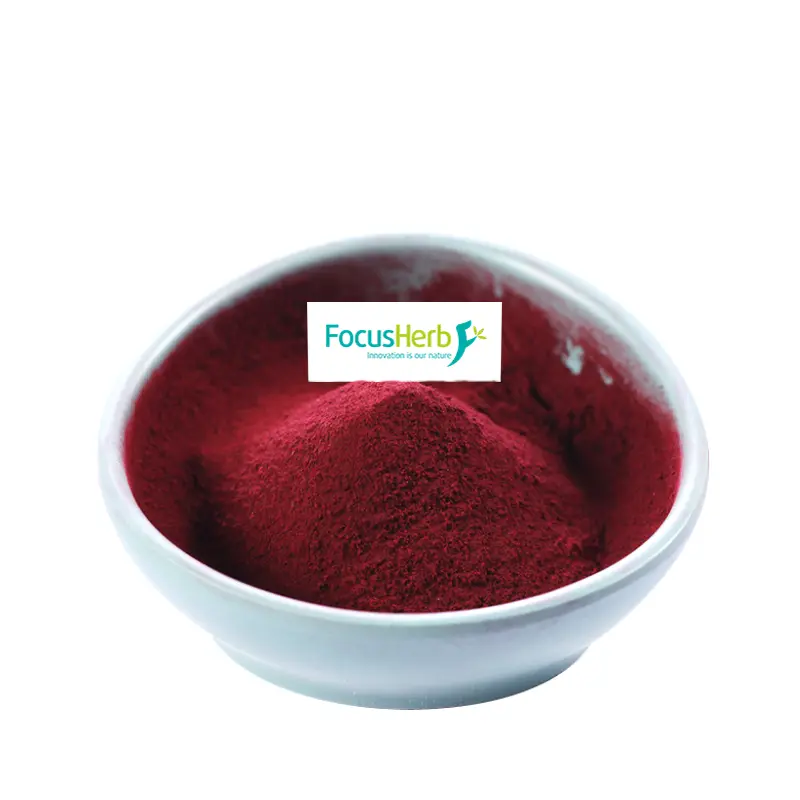
Skin, as the largest organ in the human body, is our first line of defense against the external environment and the place where aging most easily manifests. With age and the influence of external factors such as ultraviolet radiation and environmental pollution, collagen and elastin fibers in the skin gradually degrade, leading to problems such as sagging, wrinkles, and dullness. Astaxanthin acts as a “key” to unlocking youthful skin, providing comprehensive care through oral or topical application.
From an internal regulatory perspective, astaxanthin can inhibit the activity of matrix metalloproteinases (MMPs). MMPs act like “scissors,” cutting collagen and elastin fibers in the skin. By inhibiting MMP activity, astaxanthin reduces the degradation of collagen and elastin fibers while simultaneously promoting the synthesis of new collagen and elastin fibers by fibroblasts, restoring skin elasticity and firmness, and effectively reducing fine lines and sagging. In blocking melanin production, astaxanthin can inhibit the activity of tyrosinase, a key enzyme in melanin synthesis. Astaxanthin acts like a “brake” on tyrosinase, preventing melanin synthesis and thus improving dull skin tone, giving the skin a natural radiance.
To verify the skin-improving effects of astaxanthin, researchers conducted a 60-day human trial. A group of volunteers aged 30-50 with varying degrees of skin aging were selected and divided into an experimental group and a control group. Volunteers in the experimental group took a specific dose of astaxanthin supplements daily and used skincare products containing astaxanthin, while the control group used ordinary skincare products. After 60 days, the volunteers’ skin was assessed, and the results were surprising: 92% of the subjects showed a significant increase in skin hydration, becoming more moisturized; 87% of the subjects experienced a reduction in fine lines around the eyes, and their skin firmness, radiance, and translucency were significantly improved. This experiment fully demonstrates the remarkable efficacy of astaxanthin in the field of skin anti-aging. With its triple effects of “anti-wrinkle + whitening + moisturizing”, it revitalizes the skin from the inside out, allowing the skin to regain its youthful radiance, making it the ideal choice for many beauty lovers who pursue youthful skin.
Commercial Applications: Value Transformation from Scientific Research Achievements to Industrial Explosion
(I) The Big Health Industry: The Golden Formula for Health Supplements
In the big health industry, astaxanthin shines like a bright star, becoming a core ingredient in numerous health supplements, safeguarding people’s health. Among them, Aolivita Astaxanthin, with its superior quality and significant efficacy, has become a benchmark product in the industry, building a strong product barrier.
Aolivita Astaxanthin selects Haematococcus pluvialis as its raw material. This “red treasure” from nature provides the product with high-purity L-astaxanthin, with a free radical scavenging rate exceeding 90%, ensuring the product’s highly effective antioxidant capacity. In terms of extraction technology, advanced cell-wall breaking extraction technology is used to completely extract the astaxanthin from Haematococcus pluvialis and formulate it into oil-based capsules. This unique dosage form design increases the product’s absorption rate by 4 times compared to ordinary powders, with an activity retention rate as high as 98%, allowing the human body to fully absorb the nutritional essence of astaxanthin.
Furthermore, Ausvita Astaxanthin utilizes a synergistic formula, incorporating Vitamin E, glutathione, and lecithin to form a “four-in-one” antioxidant system. Vitamin E stabilizes the activity of astaxanthin while inhibiting the formation of age spots; glutathione acts like a diligent “cleaner,” accelerating the body’s metabolic detoxification process; and lecithin enhances the absorption efficiency of fat-soluble components, allowing nutrients like astaxanthin to be better absorbed and utilized by the body. This carefully designed formula further enhances the product’s antioxidant efficacy, providing consumers with more comprehensive health care.
Thanks to the dual guarantee of raw materials and technology, Ausvita Astaxanthin has obtained Australian TGA pharmaceutical-grade certification. This authoritative certification not only highly recognizes the product’s quality but also gives consumers greater confidence in their choice. In terms of market performance, Ausvita Astaxanthin has also achieved remarkable results, with its products sold in 22 countries worldwide and a repurchase rate as high as 73%. In 2025, Ausvita Astaxanthin collaborated with Beijing Fashion Week, entering the high-end consumer market with the concept of “Red Diamond Anti-Aging,” further enhancing brand awareness and influence, and becoming the top choice for consumers seeking anti-aging and vitality.
(II) Beauty & Personal Care: A New Favorite in Functional Skincare
In the beauty and personal care field, astaxanthin, with its outstanding antioxidant and skincare effects, has become a new favorite in functional skincare products, highly favored by consumers.
Astaxanthin’s lipid-soluble properties allow it to easily penetrate deep into the skin, like a “secret agent” infiltrating enemy territory, precisely targeting skin cells. It effectively resists UVA and UVB damage to the skin, reduces the production of free radicals, and thus prevents photoaging. Simultaneously, astaxanthin inhibits tyrosinase activity, reduces melanin production, achieving whitening and spot-fading effects; it promotes collagen synthesis, enhances skin elasticity, reduces wrinkles, and gives the skin a youthful glow.
Based on these powerful effects, astaxanthin is widely added to various skincare products, including serums, creams, and sunscreens. For example, some high-end serums contain high concentrations of astaxanthin to deeply nourish the skin, repair damaged cells, and improve skin radiance and firmness. Adding astaxanthin to creams provides long-lasting antioxidant protection while moisturizing the skin, keeping it hydrated and elastic. Incorporating astaxanthin into sunscreens not only enhances sun protection but also repairs UV damage, achieving a dual effect of “protection + repair.”
Ankang Xiuyangtang stands out in the research and development of astaxanthin-based cosmetics, employing low-temperature extraction and nano-emulsification technology to successfully develop highly stable astaxanthin gel candies and skincare products. This innovative technology not only ensures the activity and stability of astaxanthin but also makes it easier for the skin to absorb. Through an “oral + topical” anti-aging closed-loop model, Ankang Xiuyangtang provides consumers with a comprehensive anti-aging solution. Oral astaxanthin gel candies can regulate bodily functions from within and enhance antioxidant capacity; topical astaxanthin skincare products can directly act on the skin surface to improve skin problems. This combination of internal and external approaches makes the anti-aging effect more significant, satisfying consumers’ dual pursuit of beauty and health.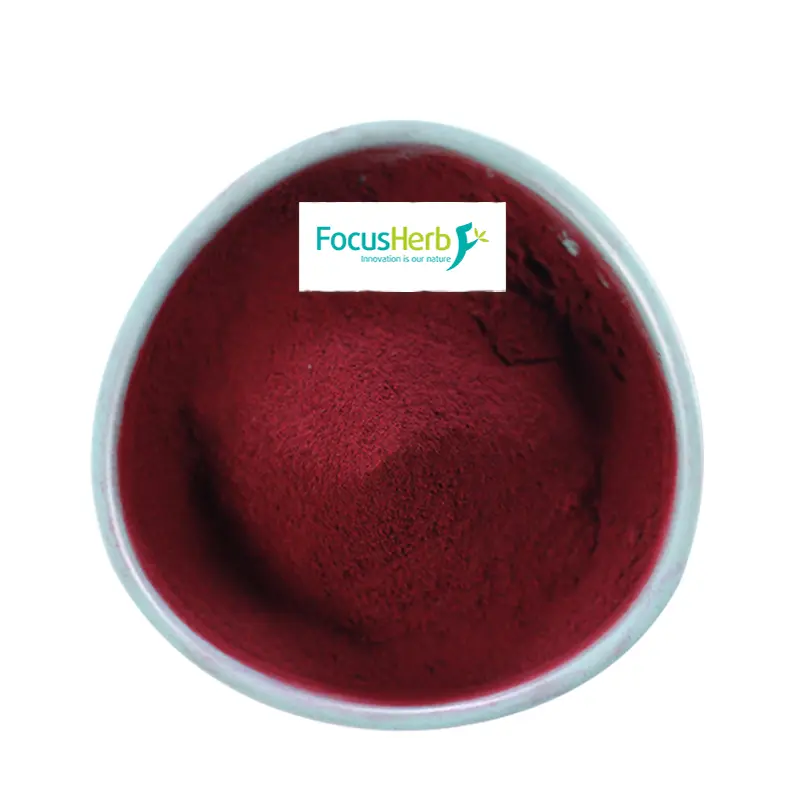
(III) Aquaculture and Agriculture: The Efficiency-Enhancing Code for the Aquaculture Industry
In the aquaculture and agricultural sectors, astaxanthin also plays a crucial role, becoming the “efficiency-enhancing code” for improving the aquaculture industry’s profitability.
In aquaculture, astaxanthin, as a natural colorant and immune enhancer, has irreplaceable advantages. Taking salmon as an example, adding astaxanthin to feed makes the salmon meat more vibrant in color, exhibiting an attractive orange-red hue. This not only improves the appearance quality of salmon, making it more competitive in the market, but also meets consumers’ demand for high-quality aquatic products. Simultaneously, astaxanthin can enhance the immunity of salmon, improve its disease resistance, reduce the occurrence of diseases, and lower the mortality rate during the aquaculture process. Studies have shown that salmon fed with astaxanthin-enriched feed have a 20%-30% higher survival rate, significantly reducing farming costs and improving efficiency.
Astaxanthin also plays a significant role in shrimp and crab farming. It promotes growth and development, increases molting success rates, hardens shells, and makes shrimp and crabs more robust. Simultaneously, astaxanthin improves the body color of shrimp and crabs, making them more vibrant and increasing their market value. Shrimp and crabs fed with astaxanthin-enriched feed are better able to cope with environmental changes and disease attacks, maintaining good growth.
In aquaculture, astaxanthin is also widely used in poultry and livestock farming. In poultry farming, adding astaxanthin to feed can improve the color of egg yolks, making them more golden and appealing, while also enhancing the nutritional value of eggs. For poultry themselves, astaxanthin can strengthen their immunity, reduce stress responses, and increase egg production and quality. During the breeding process, poultry inevitably suffers from stress reactions due to environmental changes and transportation. Astaxanthin can effectively alleviate these reactions, allowing poultry to maintain healthy growth. In animal husbandry, astaxanthin can improve animal coat color and meat quality, enhance animal growth performance, and bring more economic benefits to farmers.
(IV) Future Trends: Technological Innovation Drives Market Expansion
1. Extended Application Scenarios: As people’s pursuit of health and quality of life continues to increase, the application scenarios of astaxanthin will continue to expand. In the medical aesthetics field, astaxanthin is expected to be used in conjunction with beauty devices such as radiofrequency devices to develop complementary serums or masks. Astaxanthin’s powerful antioxidant capacity can help repair free radical damage to the skin after radiofrequency treatment, promote skin cell repair and regeneration, enhance the effects of medical aesthetics, and provide consumers with a safer and more effective beauty experience. In the field of sports nutrition, astaxanthin will be more widely used in energy drinks, functional foods, and other products. For athletes and fitness enthusiasts, a large number of free radicals are generated during exercise, leading to muscle fatigue and damage. Astaxanthin can quickly eliminate free radicals, reduce muscle soreness, improve exercise endurance, and accelerate physical recovery, becoming a powerful aid for athletes. In the pet health sector, the development of antioxidant cat and dog food will also become a trend. Pets’ health is also threatened by free radicals; astaxanthin can help pets enhance immunity, improve skin and coat quality, prevent diseases, and meet pet owners’ concerns and needs regarding pet health.
2. Industry Restructuring: In recent years, Chinese companies have made significant breakthroughs in the astaxanthin industry, especially in the large-scale cultivation technology of Haematococcus pluvialis. Through independent research and development and technological innovation, Chinese companies have successfully broken the international monopoly, achieving large-scale, low-cost cultivation of Haematococcus pluvialis. This gives China a cost and production capacity advantage in astaxanthin production, and it is expected to occupy a larger share of the global astaxanthin market. With continuous technological advancements and market maturation, the global astaxanthin market size is projected to exceed US$3 billion by 2025, with a compound annual growth rate of 15%. Chinese companies will leverage their strengths to actively participate in international competition, promote the restructuring of the astaxanthin industry, and provide global consumers with more high-quality and affordable astaxanthin products.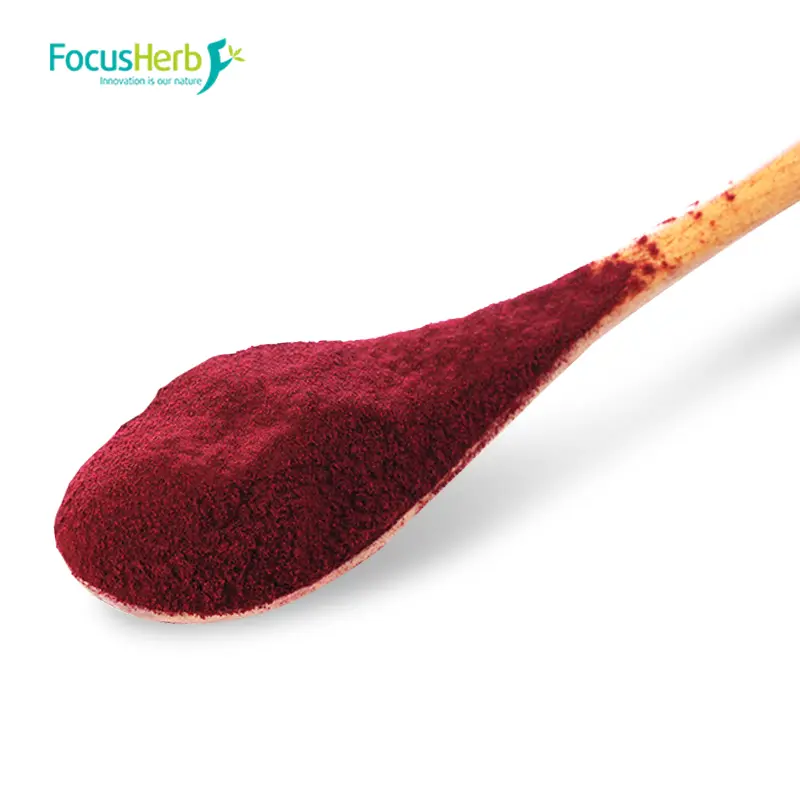
The Infinite Possibilities of Red Gold
Astaxanthin, hailed as “red gold,” is profoundly reshaping the value chain of health, beauty, and aquaculture industries with its exceptional antioxidant properties and cross-disciplinary applicability. Extracted from deep-sea microalgae, astaxanthin not only brings benefits to human health, playing a vital role in anti-oxidation, cardiovascular protection, and immune system enhancement, but also injects new vitality into the beauty and personal care industry, becoming a key ingredient in anti-aging skincare. In aquaculture and agricultural farming, astaxanthin is a crucial contributor to improving farming efficiency and ensuring food safety.
With the continuous maturation of natural extraction technologies and the gradual improvement of consumer awareness, this “red treasure” from nature will unleash even greater potential for benefiting humanity and the environment, driven by both science and commerce. It will continue to write a green technology legend from laboratory to everyday life, creating a better life for us. Let us look forward to astaxanthin shining even brighter in the future.
