


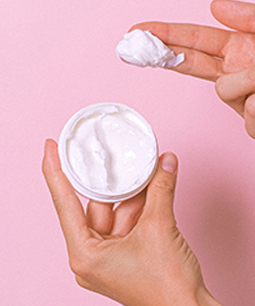








Collagen, the most abundant protein in the human body, is like a silent “unsung hero,” widely distributed throughout our bodies. In the skin, it acts like a tight elastic net, giving the skin elasticity and radiance, making our faces glow with youthful vitality; in bones, it works with minerals to build a strong skeletal structure, supporting our bodies and allowing for free movement; in tendons and ligaments, it provides strong tensile strength and flexibility, ensuring smooth joint movement; and in blood vessel walls, it maintains the elasticity and stability of blood vessels, ensuring smooth blood flow and delivering nutrients to all organs. It is no exaggeration to say that collagen is key to maintaining the normal structure and function of the human body. Bovine collagen is carefully extracted from bovine hide, bones, and other parts of the cow. It contains abundant type I and type III collagen, both of which play a crucial role in maintaining healthy skin and bones. Let’s explore the amazing effects of bovine collagen together.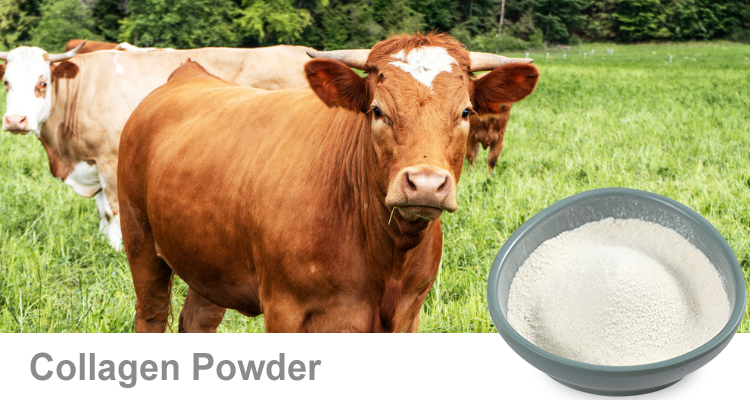
Sources and Extraction of Bovine Collagen
Bovine collagen primarily originates from the hide, bones, and fascia of cattle. During the slaughtering and processing of beef cattle, hides and bones are typically collected as byproducts, providing abundant raw materials for collagen extraction. These parts are rich in collagen; hides, with their dense fibrous structure, have a considerable collagen content; bones, with their hard texture, contain a large amount of collagen, making them an important source for extraction; and fascia, due to its unique biological characteristics, is an ideal raw material for obtaining high-quality collagen.
There are various methods for extracting bovine collagen, each with its own characteristics and applicable scenarios. Common extraction methods include acid extraction, alkaline extraction, enzymatic extraction, and hot water extraction. Acid extraction utilizes acidic solutions to dissolve collagen in bovine tissues. By adjusting the pH of the solution, the collagen is separated from the tissue. For example, some studies use organic acids such as acetic acid to soak raw materials like hides in a specific concentration of acidic solution, hydrolyzing them under specific temperature and time conditions to extract collagen. This method offers a relatively high extraction rate, but it may damage the structure of collagen to some extent, affecting its bioactivity.
Alkaline extraction uses an alkaline solution, similar to the acid method, to dissolve and separate collagen in an alkaline environment. However, the alkaline method also has drawbacks. A strongly alkaline environment may alter the molecular structure of collagen, reducing its quality. Furthermore, subsequent processing requires neutralization steps, increasing the complexity and cost of the process.
Enzymatic extraction is a relatively mild extraction method that has gained significant attention in recent years. It utilizes specific proteases to hydrolyze bovine tissue, effectively maintaining the bioactivity and structural integrity of collagen under relatively mild conditions. For example, papain and trypsin can be used. By controlling the enzyme dosage, reaction temperature, and time according to different raw materials and extraction requirements, efficient collagen extraction can be achieved. This method not only improves the extraction rate and purity of collagen but also maximizes the preservation of its biological characteristics, making it promising for applications in medical, cosmetic, and other fields with high collagen quality requirements. Hot water extraction is relatively simple, using heating to dissolve collagen from tissues. However, this method has a low yield, and high temperatures may denature collagen, affecting its properties. Therefore, in practical applications, it is usually combined with other methods to improve extraction efficiency.
Rejuvenating Skin’s Youthful Appearance
As we age, collagen in our skin gradually diminishes, much like a dilapidated house whose supporting structure weakens, leading to sagging, wrinkles, and other signs of aging. Bovine collagen acts like a breath of fresh air, revitalizing this “house” and providing a strong guarantee for youthful skin.
(I) Enhancing Skin Firmness
Bovine collagen possesses a unique triple helix structure, which provides strong support, much like the steel reinforcement in a building, offering solid support for the skin. When we supplement with bovine collagen, it can penetrate into the dermis, intertwining with the skin’s existing collagen to form a tight fibrous network, thereby enhancing skin firmness. Studies have shown that long-term consumption of products containing bovine collagen can significantly improve skin firmness, effectively reducing sagging and restoring a radiant, firm complexion—like performing an “invisible facelift,” helping us easily say goodbye to a sagging, droopy face.
(II) Increasing Skin Elasticity
When we are young, our skin is rich in collagen, making it elastic and able to quickly return to its original state. However, as we age, collagen loss causes skin elasticity to gradually decline, like a rubber band that has lost its elasticity, difficult to return to its original state. Supplementing with bovine collagen can promptly fill the gaps left by lost collagen, repairing and strengthening the skin’s elastic fibers. It can stimulate skin cell activity, promote the synthesis of elastic fibers, and restore skin elasticity. When the skin is subjected to external pressure, it can quickly rebound, reducing the formation of wrinkles. It’s like injecting “elasticity factors” into the skin, keeping it firm and elastic at all times. Whether laughing or making various expressions, you don’t have to worry about wrinkles, allowing you to fully display youthful vitality.
(III) Improving Skin Radiance
Healthy skin should be hydrated and radiant, and bovine collagen plays an important role in this. It can promote skin cell metabolism, accelerate the shedding of aging cells, and allow new cells to quickly occupy the skin surface. Meanwhile, bovine collagen can increase skin’s moisture content and maintain its hydrated state. Because it contains abundant hydrophilic groups, it can absorb and lock in moisture like a sponge, keeping the skin constantly moisturized. Well-hydrated skin allows light to be better reflected and scattered on its surface, giving it a natural glow. Furthermore, bovine collagen can improve skin microcirculation, promote the transport of nutrients and the removal of waste products, providing a favorable environment for skin cells and further enhancing skin radiance. This allows the skin to glow with a healthy radiance from within, like a freshly peeled egg—smooth, delicate, and radiantly beautiful.
Nourishing Hair and Nails
Hair and nails, as “external signals” of human health, often reflect our physical condition. Bovine collagen acts like a caring “hair and nail steward,” safeguarding their health and giving us smooth, shiny hair and strong, beautiful nails.
(I) The Secret to Smooth, Shiny Hair
Hair is an important part of our personal charm; smooth, shiny hair always catches the eye. Bovine collagen is key to achieving this beautiful dream. The main component of hair is keratin, and collagen has a similar structure and composition to keratin, providing rich nutrition to hair. When we supplement with bovine collagen, it can penetrate deeply into the hair cortex, interacting with the keratin inside the hair to enhance its strength and resilience, making it stronger and less prone to breakage and split ends.
Bovine collagen can also promote blood circulation in the scalp, providing sufficient nutrients and oxygen to the hair follicles, like bringing spring water to parched land, filling the hair follicles with vitality. This helps maintain the health of hair follicles, promotes hair growth, and reduces hair loss. Simultaneously, it repairs damaged hair cuticles, making the hair surface smoother and reducing friction between hairs, resulting in softer, easier-to-manage hair. It’s like giving your hair a smooth “protective film,” allowing it to maintain its good condition regardless of daily combing or exposure to wind and sun, easily showcasing a natural shine and making you the “king of hair volume” and “smoothest hair” in the crowd.
(II) The Guardian of Strong Nails
Nail nails, though small, play an important role in our daily lives. However, many people face problems such as brittle, easily broken, and split nails, causing considerable inconvenience. The emergence of bovine collagen provides an effective way to solve these nail problems. Nail growth relies on the support of nutrients such as protein, and bovine collagen, as a high-quality protein source, can provide the raw materials needed for nail building and repair. It can increase the thickness of the nail cuticle, making nails stronger and less prone to breakage and splitting.
Bovine collagen can also improve the moisture content of nails, maintaining their flexibility. When nails lack moisture, they easily become dry and brittle. The hydrophilic groups in bovine collagen help nails retain moisture, acting like a “moisturizing factor” to keep them hydrated and enhance their elasticity. This results in stronger, more durable nails with a healthy shine, eliminating the anxieties caused by nail problems. Whether you’re getting a sophisticated manicure or going about your daily work and life, you can confidently showcase the perfect charm of your fingertips.
Strengthen Bones and Joints
Bones and joints are the foundation of our physical movement, supporting our bodies and allowing us to walk, run, and jump freely. However, with age, daily wear and tear, and lifestyle factors, bone and joint problems gradually arise, causing many inconveniences in our lives. Bovine collagen acts as a “guardian angel” for bones and joints, providing comprehensive care for their health and keeping our bodies flexible and strong.
(I) Enhancing Bone Strength
Bones, as the framework of the human body, are directly related to our health in terms of strength and density. Bovine collagen plays an indispensable role in enhancing bone strength. Bones are mainly composed of inorganic minerals (such as calcium and phosphorus) and organic collagen, with collagen accounting for more than 90% of the organic components of bones and being key to maintaining bone structure and strength.
The amino acid composition of bovine collagen is highly similar to that of collagen in human bones, providing high-quality raw materials for bone growth and repair. When we ingest bovine collagen, it can be absorbed by the body and transported to bone tissue, participating in the synthesis of bone matrix, increasing bone density, and thus effectively preventing osteoporosis. Studies have shown that long-term supplementation with bovine collagen can significantly increase calcium deposition in bones, enhancing their resistance to pressure and resilience. It’s like injecting “steel bars” into bones, making them stronger and more durable, reducing the risk of fractures and other accidents, providing solid support for our bodies, and allowing us to be more confident and safer in daily activities and various sports.
(II) Maintaining Joint Health
Joints are the hub of human movement, and their health directly affects our mobility. However, with age, articular cartilage gradually wears down, and synovitis is prone to occur, leading to problems such as joint pain, stiffness, and limited mobility. Bovine collagen offers hope for maintaining joint health. Bovine collagen, rich in amino acids and peptides, can stimulate the activity of articular chondrocytes, promoting the synthesis and secretion of more collagen and proteoglycans. These substances are essential components of articular cartilage, repairing damaged cartilage, increasing its thickness and elasticity, thereby slowing down its degeneration and protecting joints from further damage. Simultaneously, bovine collagen can increase the secretion of synovial fluid, which acts like lubricant in a machine, reducing friction between joints, making joint movement smoother and more free, and alleviating joint pain and stiffness. Studies have found that for patients with osteoarthritis, supplementing with bovine collagen significantly relieves joint pain symptoms and significantly improves joint mobility, allowing patients to regain the joy of free movement and improving their quality of life.
Other Potential Benefits
(I) Promoting Wound Healing
In our daily lives, we inevitably encounter various accidents that lead to skin injuries. The wound healing process requires not only time but also the coordinated efforts of various bodily systems. Bovine collagen plays a crucial role in this process, acting like a highly efficient “wound repair master,” helping us accelerate wound healing and reduce scar formation.
When the skin is injured, bovine collagen can quickly form a natural scaffold at the wound site, providing a favorable environment for cell proliferation and migration. It acts like a “cellular highway,” allowing fibroblasts, epithelial cells, and other cells to quickly migrate to the wound site, promoting the formation of new tissue. Studies have shown that in the early stages of wound healing, supplementing with bovine collagen can significantly increase the number and activity of cells at the wound site, accelerating the formation of granulation tissue and thus shortening the wound healing time. Simultaneously, bovine collagen can also promote angiogenesis, providing the wound with an adequate blood supply, bringing abundant nutrients and oxygen, further accelerating the wound healing process. It’s like injecting “life and vitality” into a wound, allowing it to heal faster, reducing the risk of infection, minimizing the possibility of scarring, and restoring the skin to its original state.
(II) Enhancing Immunity
Immunity is a crucial defense against disease, like a well-trained army constantly protecting our health. Bovine collagen, as a high-quality protein source, provides strong support for the normal functioning of the immune system, helping us enhance immunity and better resist disease.
Bovine collagen is rich in amino acids, which are the basic building blocks of immune cells and immune-active substances (such as immunoglobulins and cytokines). When we ingest bovine collagen, the body can use its amino acids to synthesize more immune cells and immune-active substances, thereby enhancing the function of the immune system. For example, amino acids such as glycine and proline play an important role in the proliferation and differentiation of immune cells; they can promote the production and activity of lymphocytes and enhance the body’s immune response. Studies have found that appropriate supplementation with bovine collagen can increase the level of immunoglobulins in the blood, enhance the phagocytic ability of macrophages, and enable our bodies to more effectively identify and eliminate pathogens, reducing the risk of infectious diseases. It’s like “recharging” the immune system, keeping it powerfully equipped to safeguard our health.
 Properly Supplementing Bovine Collagen
 Properly Supplementing Bovine Collagen
Having learned about the many amazing benefits of bovine collagen, how to properly supplement it becomes a key focus. There are various ways to supplement bovine collagen, primarily including dietary intake and the use of nutritional supplements.
In terms of diet, we can supplement it by consuming foods rich in bovine collagen. For example, beef tendon is a high-quality ingredient rich in bovine collagen, with a chewy texture that is widely loved. Every 100 grams of raw beef tendon contains as much as 34.1 grams of protein, most of which is collagen. When cooking beef tendon, it is recommended to stew it, as this allows the collagen to dissolve better in the broth, making it easier for the body to absorb. A common dish is clear broth beef tendon stew with radish, where beef tendon and white radish are stewed together, not only for its delicious flavor but also to fully utilize the nourishing effects of bovine collagen. Beef bone broth is also a good choice for supplementing bovine collagen, as it is rich in collagen and minerals such as calcium and phosphorus, which are essential for maintaining healthy bones and joints. When making beef bone soup, beef bones can be stewed with other ingredients such as red dates and goji berries to enhance the soup’s nutritional value and flavor.
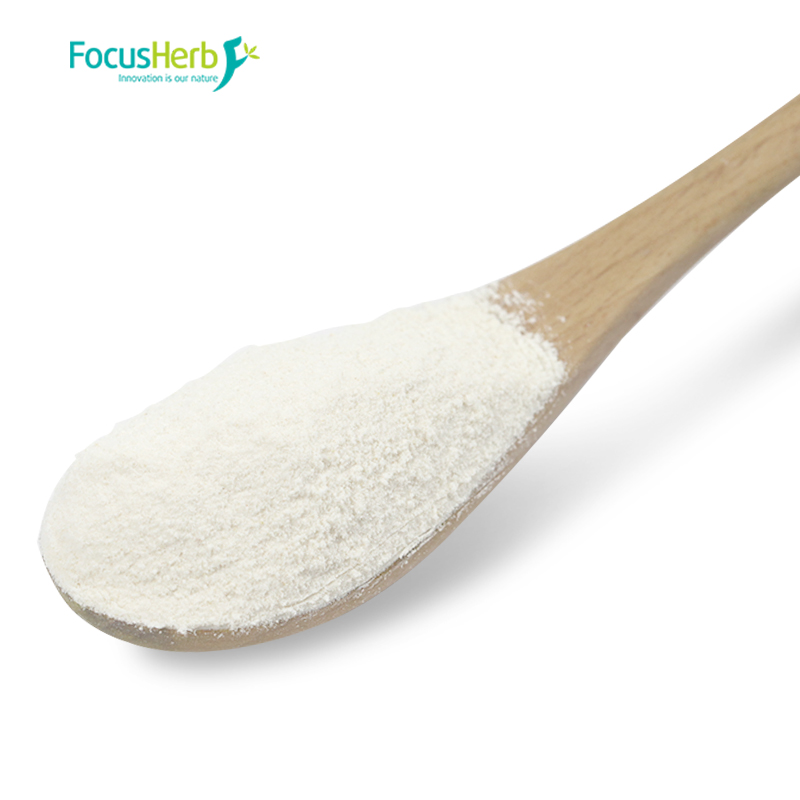
Besides dietary intake, nutritional supplements are also a convenient way to supplement bovine collagen. There are many types of bovine collagen supplements on the market, such as bovine collagen peptide powder and bovine collagen oral liquid. When choosing a supplement, we need to pay attention to the product’s purity, source, and absorption rate. For example, some bovine collagen peptide powders undergo a special hydrolysis process to break down collagen into smaller peptide molecules, making them easier for the body to absorb. At the same time, it’s essential to purchase products from reputable channels to ensure product quality and safety. Generally, the daily intake of bovine collagen should be adjusted according to individual circumstances and product instructions, with 5-10 grams typically recommended. When supplementing with bovine collagen, the following points should be noted: First, supplement with vitamin C. Vitamin C is an essential cofactor for collagen synthesis, promoting the hydroxylation of proline and lysine, thereby promoting collagen synthesis and protecting existing collagen from breakdown. We can eat more fruits rich in vitamin C, such as oranges, lemons, and kiwis, or choose vitamin C tablets or effervescent tablets under the guidance of a doctor. Second, avoid excessive intake. Although bovine collagen is beneficial to the body, excessive intake may increase the burden on the body and even lead to some adverse reactions. Third, combine with a healthy lifestyle, such as getting enough sleep, moderate exercise, and reducing stress. These all help promote collagen synthesis and absorption. Sufficient sleep allows the body to rest and repair fully, which is conducive to collagen synthesis; moderate exercise, especially strength training, can increase the muscle’s demand for collagen and stimulate collagen production; reducing stress can avoid endocrine disorders caused by stress, thereby reducing collagen loss.
Embrace the Health Gift of Bovine Collagen

Bovine collagen, like a precious gift from nature, provides comprehensive care for our bodies with its remarkable effects. From firm and supple skin to healthy shine in hair and nails, from strong and flexible bones and joints to accelerated wound healing and enhanced immunity, bovine collagen plays an indispensable role in our life journey.
On the path to health and beauty, we might as well incorporate bovine collagen into our daily wellness plan. Through a balanced diet and scientifically administered nutritional supplements, bovine collagen can infuse our bodies with a continuous stream of vitality. At the same time, combining this with a healthy lifestyle—ensuring sufficient sleep, moderate exercise, and a positive mindset—allows our bodies to better absorb and utilize the nutrients of bovine collagen, reaping health and beauty from the inside out. Let us cherish this health gift from nature and use bovine collagen to begin a vibrant and radiant life.
