








Phosphatidylserine (PS) is a naturally occurring acidic phospholipid, acting as a quiet yet crucial unsung hero, silently contributing to the normal functioning of cells. Among numerous cellular structures, it particularly favors the brain’s nerve cell membrane, its main stage for performance. It is abundant in the brain’s nerve cell membrane, accounting for approximately 2%-10% of the total phospholipids. From a molecular structure perspective, phosphatidylserine forms a unique and ingenious structure—serine and phosphatidyl groups are tightly bound, transforming it into an amphiphilic molecule. This special molecular structure acts like a universal key, enabling it to precisely participate in the construction and functional regulation of neuronal membranes, laying a solid foundation for the stable operation of the brain’s nervous system.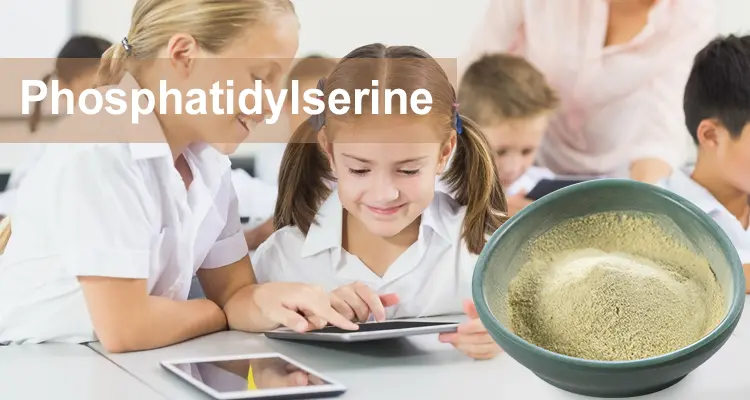
Core Physiological Roles
In the mysterious and complex “universe” of the brain, phosphatidylserine plays multiple key roles. It can be considered the “flexible skeleton” of the nerve cell membrane, shouldering the important responsibility of maintaining membrane structural stability. This stability is no small matter; it directly relates to the normal conformation of neurotransmitter receptors. Imagine neurotransmitter receptors as sophisticated signal receivers, and phosphatidylserine is responsible for ensuring these receivers maintain the correct shape and position. Only in this way can they efficiently receive and transmit nerve signals, thereby optimizing nerve signal transmission efficiency and allowing the brain’s instructions to be accurately conveyed to all parts of the body.
Meanwhile, phosphatidylserine, as an endogenous substance, plays a crucial role in glucose metabolism in brain cells. Glucose is the primary energy source for brain cells, as essential as gasoline is to a car. Phosphatidylserine acts like an excellent “energy coordinator,” directly participating in and influencing the energy supply and functional activity of neurons. It assists glucose in smoothly entering brain cells and efficiently converting it into energy within the cells, providing sufficient power for various neuronal activities. This ensures the brain remains alert and active at all times; whether it’s thinking, learning, or memory, it all relies on its silent support.
Source Exploration: From Natural Extraction to Industrial Synthesis
(I) Natural Sources and Enrichment Pathways
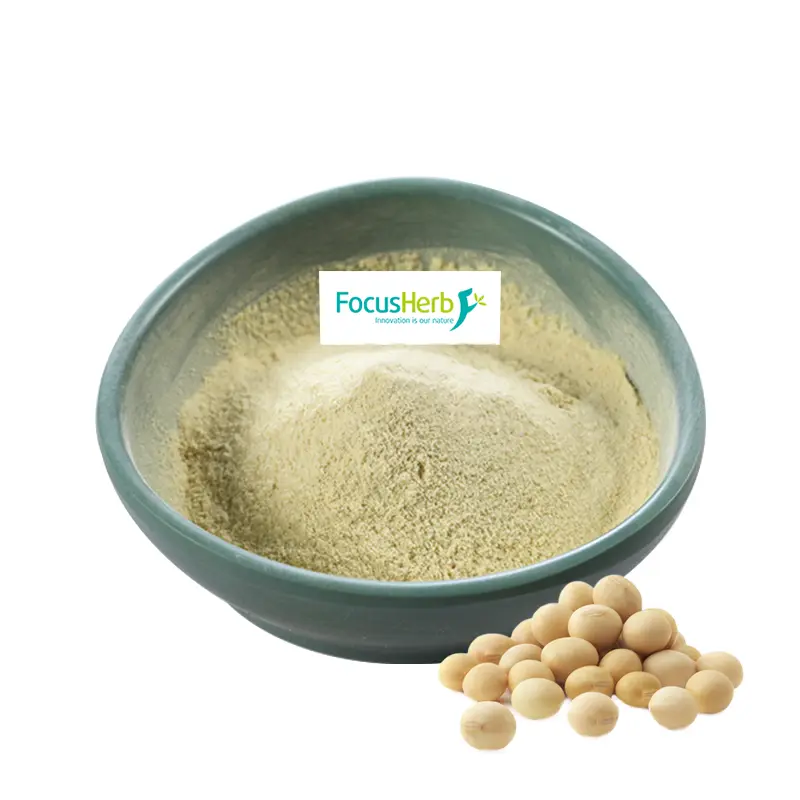
While phosphatidylserine is widely present in nature, it is like a hidden treasure, its distribution extremely scattered. In soybean oil extraction residues, it works quietly behind the scenes; it is also found in peanut seeds, but in negligible amounts; salmon and other marine organisms also contain phosphatidylserine, but still in trace amounts, typically less than 1%.
The human body possesses a certain synthetic capacity, indirectly synthesizing phosphatidylserine through dietary phospholipids. However, this synthesis process is like a difficult marathon, with very limited efficiency, making it difficult to meet the urgent needs of the body, especially the brain, during high-intensity activities. Therefore, supplementing phosphatidylserine from external sources has become an important “supply line.” In the industrial sector, soybean phospholipids are currently the primary raw material, given the abundance and ease of access to soybean resources. The separation and purification of soybean lecithin using enzymatic or solvent extraction techniques is like a meticulous “treasure hunt.” Researchers, with their wisdom and technology, have precisely extracted the precious phosphatidylserine from soybean lecithin, enabling it to contribute to human health.
(II) Physicochemical Properties and Stability Characteristics
Pure phosphatidylserine appears as a white, waxy solid, like a work of art meticulously sculpted by nature. However, it has a peculiar “quirk”—strong hygroscopicity. Like a dry sponge, it eagerly absorbs moisture upon contact. It is insoluble in water, making it like a solitary traveler in water, unable to intimately blend with water molecules. But surprisingly, it can form emulsions, as if building a unique microscopic world in the water. In organic solvents such as ether, however, it thrives, dissolving freely.
The chemical properties of phosphatidylserine are like a lively child, full of energy yet also highly sensitive. When exposed to strong acids, strong alkalis, or oxidizing agents, it reacts rapidly, like encountering a natural enemy, instantly destroying its previously stable structure. Even more problematic is its oxidizability when exposed to air; like a metal easily oxidized, it gradually changes color, from its initial pure white to yellow, and eventually even black – a process akin to the “aging marks” it leaves in the air. Therefore, the storage and processing of phosphatidylserine require strict control of environmental conditions, much like protecting a precious artifact. It needs a dry, cool, and airtight “comfortable haven” to ensure its quality and activity remain unaffected.
Core Functions of Brain Health: From Cognitive Enhancement to Neuroprotection
(I) Brain Efficiency Enhancement Mechanisms
Phosphatidylserine plays an irreplaceable and crucial role in enhancing brain efficiency, acting like a magical “brain vitality stimulator,” providing a solid guarantee for the brain’s efficient operation from multiple dimensions.
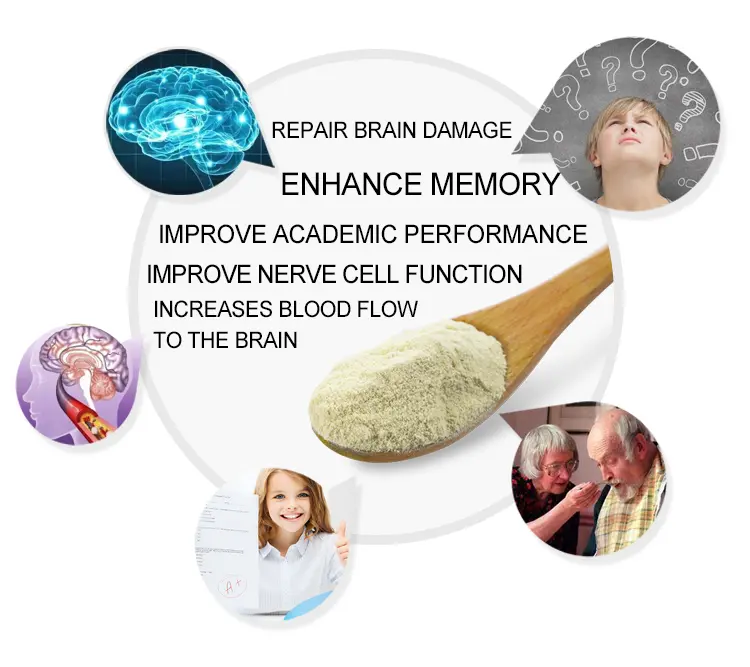
In the key links of neural signal transmission, phosphatidylserine can be described as an excellent “signal accelerator.” The flexibility of the neuronal membrane is crucial for the smooth transmission of neural signals, and phosphatidylserine, like a highly skilled craftsman, meticulously maintains the flexibility of the neuronal membrane. When the neuronal membrane is in a state of good flexibility, the transmission efficiency of neurotransmitters such as acetylcholine is greatly improved. Acetylcholine, as an important neurotransmitter, plays a key role in cognitive processes such as learning and memory. By enhancing the transmission of acetylcholine, phosphatidylserine is like widening the lanes of the brain’s information highway, enabling the brain to process information more quickly and accurately. Multiple clinical studies have provided strong evidence for this remarkable effect. Studies targeting students have found that phosphatidylserine supplementation significantly improves short-term memory, making it easier to remember new knowledge from class; attention span is also significantly enhanced, allowing students to focus better and be less easily distracted.
Phosphatidylserine is also a “super engineer” for brain cell metabolism and repair. In the energy metabolism of brain cells, glucose acts as “fuel,” and phosphatidylserine is a key regulator ensuring the efficient conversion and utilization of this “fuel.” It actively participates in glucose metabolism, helping glucose enter brain cells smoothly and efficiently convert it into ATP, providing ample power for various neuronal activities. When the brain is under high-intensity work for extended periods, symptoms of brain fatigue easily appear, much like a machine that overheats and degrades after running for a long time. At this time, phosphatidylserine can act promptly, accelerating the structural repair of damaged neurons, relieving brain fatigue, and allowing the brain to quickly regain its vitality. Studies on the elderly have found that cognitive function gradually declines with age, and phosphatidylserine supplementation can effectively improve this condition and slow down the progression of cognitive decline. Even more encouragingly, related research has turned its attention to early intervention in high-risk groups for Alzheimer’s disease. By supplementing these high-risk individuals with phosphatidylserine, it is hoped that the brain can be effectively protected and repaired before the disease fully develops, reducing the risk of onset and bringing new hope for overcoming this challenging neurodegenerative disease.
(II) Mood and Stress Regulation
In today’s fast-paced life, people often face various pressures, and their emotions tend to fluctuate wildly. Phosphatidylserine acts like a caring “emotional steward,” silently protecting our mental health and helping us regulate emotions and relieve stress.
The secret to phosphatidylserine’s regulation of mood and stress lies primarily in its precise regulation of the hypothalamic-pituitary-adrenal (HPA) axis. The HPA axis is a crucial endocrine system for coping with stress. When we experience stress, the HPA axis is activated, prompting the adrenal glands to secrete stress hormones such as cortisol. Adequate levels of cortisol can help us cope with emergencies, but prolonged high stress leads to excessive cortisol secretion, causing numerous adverse effects on both physical and mental health, such as anxiety, depression, and insomnia. Phosphatidylserine acts like an experienced commander, precisely regulating the activity of the HPA axis to maintain cortisol secretion at a reasonable level. When cortisol levels decrease, our physical and psychological stress is reduced, and negative emotions such as anxiety and depression are effectively alleviated.
In addition to its regulatory role in the HPA axis, phosphatidylserine also plays a vital role in maintaining the balance of neurotransmitters such as serotonin. Serotonin, known as the “happy neurotransmitter,” is closely related to our mood, sleep, and appetite. When serotonin levels are normal, we feel happy and emotionally stable; however, when serotonin levels are imbalanced, symptoms such as low mood and anxiety are more likely to occur. Phosphatidylserine regulates the synthesis, release, and metabolism of neurotransmitters, ensuring that neurotransmitters such as serotonin remain balanced in the brain, thus providing solid support for our emotional homeostasis. Imagine phosphatidylserine as a precise balance scale, constantly adjusting the balance of neurotransmitters to keep our emotions in a stable and healthy state.
Multidimensional Application Scenarios: From Pharmaceuticals to Functional Foods
(I) Pharmaceutical Field: Targeted Nerve Repair and Disease Prevention
In the pharmaceutical field, phosphatidylserine shines like a bright star, demonstrating enormous application potential in several key areas thanks to its unique physiological functions. It can precisely target the brain’s nervous system, playing a crucial role in nerve repair and disease prevention.
Clinically, phosphatidylserine is often used to prepare compound preparations that improve cognitive function, bringing hope to many patients suffering from cognitive problems. Among them, PS Ginkgo Leaf Soft Capsules are a highly regarded product, cleverly combining phosphatidylserine with ginkgo leaf extract. Ginkgo leaf extract is rich in various bioactive components, such as flavonoids and terpene lactones, possessing antioxidant and blood circulation-improving effects. When combined with phosphatidylserine, it can improve cognitive function from multiple perspectives. Phosphatidylserine optimizes nerve signal transmission and enhances brain activity; Ginkgo biloba extract provides the brain with ample blood supply, ensuring sufficient oxygen and nutrients. The synergistic effect of both significantly improves the effects on memory decline, mild cognitive impairment, and neurasthenia in middle-aged and elderly individuals.
PS Taurine preparations are also a highly distinctive compound formulation. Taurine is an amino acid widely present in the human body, playing a vital role in brain development and neuroprotection. When combined with phosphatidylserine, taurine promotes the better function of phosphatidylserine, further enhancing the metabolic function of brain cells, increasing the synthesis and release of neurotransmitters, thereby more effectively relieving brain fatigue, improving memory and attention, and providing strong support for those who engage in long-term high-intensity mental work or suffer from cognitive problems.
Phosphatidylserine also demonstrates unique potential in the field of transdermal drug absorption and targeted delivery. As a liposome carrier material, it acts like a precise “courier,” efficiently delivering drugs to specific tissues and cells. Liposomes are tiny vesicles formed from phospholipids and other substances, exhibiting excellent biocompatibility and targeting properties. Phosphatidylserine, as a crucial component of liposomes, can optimize their structure and performance, making them more easily able to penetrate the skin barrier and achieve transdermal drug absorption. In targeted delivery, by modifying the surface of liposomes, they can specifically recognize and bind to receptors on the surface of diseased cells, thereby precisely delivering drugs to the lesion site, improving drug efficacy, reducing damage to normal tissues, and providing new strategies and methods for disease treatment.
(II) Functional Foods and Nutritional Fortification
Since the US FDA recognized phosphatidylserine as a GRAS (Generally Recognized As Safe) substance in 2006, it has embarked on a brilliant journey in the field of functional foods, rapidly integrating into various foods like a popular “health star,” safeguarding people’s health.
Globally, phosphatidylserine has been widely used in foods such as yogurt, milk powder, and sports drinks, serving as a brain health functional factor and endowing these foods with unique health value. Adding phosphatidylserine to yogurt not only preserves its original sweet and sour taste and smooth texture, but also allows consumers to enjoy its delicious flavor while simultaneously nourishing the brain, enhancing memory, and relieving mental fatigue. For health-conscious consumers, this delicious and beneficial yogurt is undoubtedly extremely attractive.
Infant formula, as an important source of nutrition for infants, children, and the elderly, benefits even more from the addition of phosphatidylserine. For infants, whose brains are in a critical period of rapid development, phosphatidylserine provides essential nutritional support, promotes neuronal growth and connections, and helps improve intelligence and cognitive abilities. For the elderly, whose brain function gradually declines with age, leading to memory loss and cognitive impairment, phosphatidylserine in infant formula can help slow brain aging, improve cognitive function, and maintain brain vitality.
Adding phosphatidylserine to sports drinks is to meet the specific needs of athletes. During exercise, the body consumes a large amount of energy and nutrients, and brain fatigue can affect athletic performance. Phosphatidylserine can accelerate brain energy metabolism, relieve mental fatigue, improve attention and reaction speed, allowing athletes to maintain a good state during exercise and enhance athletic performance.
In China, phosphatidylserine was listed as a new resource food in 2010, opening up broader applications for it domestically. It is permitted to be added to dairy products, baked goods, and dietary supplements. In dairy products, besides common yogurt and milk powder, some dairy beverages have also begun to add phosphatidylserine, providing consumers with more diverse choices. In baked goods, the addition of phosphatidylserine not only enhances the nutritional value of the product but also improves its texture and taste, making it softer and more palatable. Dietary supplements provide a convenient way for those with higher phosphatidylserine requirements or those who have difficulty obtaining sufficient amounts through their diet, such as phosphatidylserine soft capsules and hard capsules, allowing consumers to supplement their brain’s nutritional needs anytime, anywhere.
To ensure consumer safety, China recommends a daily intake of no more than 600mg of phosphatidylserine. This recommended intake is based on extensive scientific research and experimental data, ensuring that the body fully absorbs the health benefits of phosphatidylserine while avoiding potential risks from excessive intake. Consumers should carefully read product labels and consume phosphatidylserine according to the recommended intake to fully utilize its effects and protect brain health.
(III) Industrial and Daily Chemical Applications
Thanks to its excellent emulsifying and biocompatibility, phosphatidylserine has found a broad stage in the industrial and daily chemical fields, playing a unique role in various areas like a versatile agent.
In the cosmetics field, phosphatidylserine is a true “beauty expert.” It is often used as a transdermal absorption enhancer, acting like a magic key to open the skin’s absorption channels, helping other active ingredients better penetrate deeper into the skin, thereby improving the efficacy of cosmetics. The addition of phosphatidylserine to some cosmetics containing whitening and anti-wrinkle ingredients such as Vitamin C and collagen allows these ingredients to be absorbed more effectively by the skin, resulting in better whitening and anti-wrinkle effects, leaving the skin whiter, firmer, and smoother.
Phosphatidylserine is also an excellent moisturizing ingredient. It forms a natural moisturizing barrier on the skin’s surface, like an invisible “moisturizing coat,” preventing moisture loss and keeping the skin hydrated. In dry seasons or environments, skincare products containing phosphatidylserine can provide long-lasting hydration, alleviating dryness and roughness, keeping the skin moisturized and radiant.
In the industrial field, phosphatidylserine also demonstrates significant value. As a high-end lubricant, it provides excellent lubrication for the operation of precision instruments, reducing friction and wear between components and extending the instrument’s lifespan. In some electronic and optical instruments with extremely high precision requirements, the lubricating effect of phosphatidylserine ensures stable operation and guarantees the accuracy of measurements and operations.
Phosphatidylserine can also be used as a surfactant in the preparation of biomaterials. During the synthesis and processing of biomaterials, it helps to uniformly disperse various components, promotes chemical reactions, and improves the quality and performance of biomaterials. In the preparation of biomaterials such as artificial blood vessels and tissue engineering scaffolds, the surfactant effect of phosphatidylserine can give the materials better biocompatibility and cell adhesion, which is beneficial to cell growth and tissue repair, providing strong support for the development of biomedical engineering.
Safe Use and Scientific Recommendations

(I) Applicable Population and Dosage Guidelines
Phosphatidylserine acts like a precise “health key,” unlocking the door to improved brain function for specific groups. The suitable population for phosphatidylserine supplementation is quite broad, including those experiencing memory decline. With age or increased life stress, many people face memory loss; phosphatidylserine can help them enhance memory, making those fading memories clear again. Those who use their brains intensively are also its “key target group,” such as students and professionals. They need to use their brains for long periods and under high load every day; phosphatidylserine can relieve brain fatigue, improve brain efficiency, and allow them to maintain sharp thinking and high concentration in learning and work. Middle-aged and elderly people who need to maintain brain health also rely on phosphatidylserine. It can delay brain aging, prevent cognitive impairment and other problems, allowing middle-aged and elderly people to maintain a clear mind and enjoy a fulfilling later life.
The recommended daily intake of phosphatidylserine is generally 100-300 mg. This dosage range has been validated through extensive scientific research and clinical practice, ensuring that it provides sufficient nutritional support to the body safely and effectively improves brain function. However, for special populations, such as pregnant women, breastfeeding women, minors, those with severe liver or kidney dysfunction, and those taking antidepressants, their physical conditions are more unique and require greater caution. Pregnant and breastfeeding women are in a special physiological stage, and any nutritional supplement may have potential effects on the fetus or infant. Therefore, before using phosphatidylserine, it is essential to consult a doctor and weigh the risks and benefits. The nervous system of minors is not yet fully developed, and phosphatidylserine supplementation may interfere with their normal development; therefore, it is not recommended to supplement arbitrarily. Individuals with severe liver or kidney dysfunction may experience impaired metabolism and excretion of phosphatidylserine, leading to its accumulation in the body and potentially increasing the burden on organs; therefore, it is not advisable to supplement arbitrarily. For those taking antidepressants, phosphatidylserine may interact with the medication, affecting its efficacy or increasing the risk of side effects; therefore, it should also be used cautiously under the guidance of a doctor.
(II) Precautions and Contraindications
Due to the fat-soluble nature of phosphatidylserine, its absorption requires some special “tricks.” To improve its absorption efficiency, it is recommended to take it with meals. When we eat, the fat in food provides a good dissolving environment for phosphatidylserine, acting like an “absorption bridge” to help it be better absorbed by the body. When taking phosphatidylserine, it is also necessary to avoid taking it with strongly acidic or alkaline medications. Strongly acidic or alkaline medications are chemically reactive and may react with phosphatidylserine, damaging its structure and thus affecting its absorption and efficacy. They are like two mutually exclusive “enemies” that cannot coexist in the body.
There are also some details to pay attention to when storing phosphatidylserine. It needs to be stored away from light, sealed, and in a cool, dry place. Light, air, and a humid environment are like three “invisible killers,” accelerating the oxidation and deterioration of phosphatidylserine. When exposed to light, the energy in the light stimulates molecular activity, making it more susceptible to oxidation. Contact with air causes oxygen to react chemically with phosphatidylserine, leading to its deterioration. A humid environment causes it to absorb moisture, affecting its stability. Therefore, only by creating a light-proof, sealed, cool, and dry “comfortable haven” for phosphatidylserine can its oxidation and degradation be prevented, ensuring optimal efficacy during use.
Through a systematic analysis of the molecular mechanisms, physiological functions, and application scenarios of phosphatidylserine, this article aims to provide researchers, industry professionals, and ordinary consumers with a comprehensive cognitive framework, promoting the scientific application and rational development of this “golden ingredient for brain health,” so that phosphatidylserine can better contribute to human health.
