










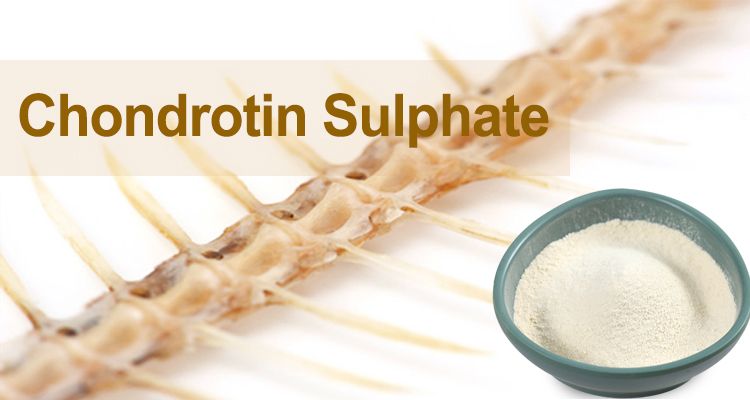
Chondroitin sulfate sodium is a natural polysaccharide compound extracted from animal cartilage, playing a crucial role in biological systems, particularly in maintaining the structure and function of articular cartilage. Its chemical structure is primarily composed of glucosamine and glucuronic acid, and it contains sulfate groups. This unique structure gives it various biological activities. It is highly soluble in water and easily disperses in aqueous solutions, forming a homogeneous system, a property that makes its application in the pharmaceutical, food, and cosmetics industries more convenient.
However, chondroitin sulfate sodium is relatively sensitive to heat and acidic/alkaline environments. Under acidic conditions, it is prone to degradation; the glycosidic bonds in its molecular structure may be broken, leading to the fragmentation of the polysaccharide chain and consequently affecting its biological activity and function. In high-temperature environments, its structure may also change, causing it to lose its original properties. Therefore, during storage and use, careful control of environmental conditions is necessary. It should typically be stored in a cool, dry place, away from acidic substances, to ensure its stability and effectiveness.
 Wide Range of Applications
 Wide Range of Applications
Sodium chondroitin sulfate, thanks to its unique biological activity and physicochemical properties, has a wide range of applications in multiple fields, demonstrating significant value.
Pharmaceutical Industry
In the pharmaceutical field, sodium chondroitin sulfate is commonly used to treat arthritis, joint pain, and to promote cartilage repair. It can inhibit the activity of proteases in articular cartilage, reduce the degradation of the cartilage matrix, and promote the synthesis of proteoglycans and hyaluronic acid, enhancing cartilage elasticity. Clinical studies have shown that sodium chondroitin sulfate can effectively reduce pain and inflammation in osteoarthritis patients, improve joint function, and slow down the process of joint degeneration. For example, common sodium chondroitin sulfate tablets and capsules use sodium chondroitin sulfate as the main ingredient for the auxiliary treatment of osteoarthritis and other joint diseases. It also has anti-inflammatory and analgesic effects, reducing inflammatory responses in the synovial membrane and relieving swelling and pain by inhibiting the release of inflammatory mediators such as prostaglandin E2 and matrix metalloproteinases. For patients with mild knee osteoarthritis, combining it with non-steroidal anti-inflammatory drugs can reduce the dosage of the latter.
Health Products Field
As a raw material for dietary supplements, sodium chondroitin sulfate is attracting considerable attention in the health products field. With the increasing awareness of health among people, the importance of joint and bone health is constantly growing, and the health benefits of sodium chondroitin sulfate are increasingly recognized. It can help protect joints, reduce joint friction, increase the viscosity of synovial fluid, and provide better lubrication and cushioning for the joints. For middle-aged and elderly people, athletes, and other groups whose joints are prone to damage, appropriate supplementation of sodium chondroitin sulfate helps maintain joint flexibility and comfort. Sodium chondroitin sulfate can also regulate bone metabolism balance, promote osteoblast differentiation, increase bone density, and is helpful in improving osteoporosis. For postmenopausal osteoporosis patients, combined use with calcium and vitamin D can reduce the risk of fractures. Some studies show that the sulfate group in the molecular structure of sodium chondroitin sulfate can bind to low-density lipoprotein, accelerating cholesterol metabolism, assisting in improving hyperlipidemia, and having the function of regulating blood lipid metabolism.
Other Fields
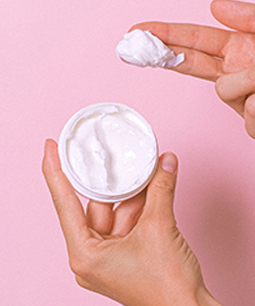
In cosmetics, sodium chondroitin sulfate is often used as a moisturizer and skin conditioning agent. It helps the skin retain moisture, reduce dryness, and improve hydration. It also promotes collagen synthesis, enhances skin elasticity, making the skin firmer and more radiant. It helps repair the damaged skin barrier and reduces damage to the skin from external irritants. It is commonly added to creams, masks, and other products. In the food industry, sodium chondroitin sulfate can be used as a food additive to improve the texture and structure of food, and is commonly found in foods such as jellies and gummies. It can increase the viscosity and elasticity of food, improving its quality and taste.
 Advantages as a Dietary Supplement Ingredient
 Advantages as a Dietary Supplement Ingredient
Joint Health Protection
Sodium chondroitin sulfate demonstrates significant protective effects on joint health. It is a crucial component of articular cartilage and plays a key role in maintaining normal joint function. When joint inflammation occurs, sodium chondroitin sulfate can inhibit the production of inflammatory cytokines such as TNF-α and IL-1β, while reducing the release of inflammatory mediators such as prostaglandin E2, effectively reducing inflammation in the synovial membrane and thus alleviating joint pain and swelling. For patients with osteoarthritis, it can reduce joint stiffness and friction, improve joint mobility, and enhance quality of life.
From the perspective of promoting cartilage repair, sodium chondroitin sulfate stimulates chondrocyte proliferation and accelerates the production of type II collagen fibers and proteoglycans, helping damaged articular cartilage to self-repair. Although this process is relatively slow, usually requiring continuous use for 3-6 months, long-term supplementation can significantly enhance the elasticity and toughness of the cartilage and delay the process of joint degeneration. For example, for athletes whose articular cartilage is worn down due to long-term high-intensity training, sodium chondroitin sulfate can, to some extent, promote cartilage repair and reduce the risk of further deterioration of joint damage. It can also increase the viscosity of synovial fluid, providing better lubrication and cushioning for the joints, reducing friction between the articular cartilages, just like adding lubricant to the moving parts of a machine, making joint movement smoother and protecting the articular cartilage from further damage, maintaining the integrity of the joint structure.
Regulation of Body Functions
Sodium chondroitin sulfate has a positive regulatory effect on overall body functions. In terms of lipid metabolism, the sulfate groups in its molecular structure can bind to low-density lipoproteins, accelerating cholesterol metabolism and assisting in improving hyperlipidemia. Some clinical studies show that when combined with lipid-lowering drugs such as atorvastatin calcium tablets, sodium chondroitin sulfate can enhance the lipid-lowering effect. Although this use has not yet been explicitly stated in the drug instructions, it shows its potential in regulating blood lipids and helps reduce the risk of cardiovascular disease.
In improving osteoporosis, sodium chondroitin sulfate can regulate bone metabolism balance, promote osteoblast differentiation, and increase bone density. For postmenopausal women with osteoporosis, the combined use of calcium and vitamin D can reduce the risk of fractures to some extent. It acts as a guardian of bone health, helping to maintain the normal structure and strength of bones and reducing the occurrence of adverse events such as fractures caused by osteoporosis. Sodium chondroitin sulfate also has certain anti-inflammatory effects, which can reduce chronic inflammatory responses in the body. Chronic inflammation is closely related to the development of many chronic diseases, and by reducing inflammation, it indirectly contributes to overall health, helping to improve the body’s immunity and resistance, and keeping the body in a healthier state.
Production and Quality Control
Extraction Methods
Sodium chondroitin sulfate is mainly extracted using three methods: extraction from animal tissues, chemical synthesis, and microbial fermentation. Each method has its unique advantages and disadvantages.
Animal tissue extraction is currently the most widely used method, typically using cartilage tissues from animals such as pigs and cattle, including laryngeal cartilage, nasal septum cartilage, and trachea. Through a series of complex processes, such as alkaline extraction and enzymatic extraction, sodium chondroitin sulfate is separated from the cartilage tissue. The advantages of this method are the abundant raw material sources, relatively mature extraction process, and high similarity of the obtained sodium chondroitin sulfate to the natural structure, resulting in good biological activity. However, the disadvantages are also quite obvious. On the one hand, animal tissues may carry viruses, bacteria, and other pathogens, posing certain safety risks, requiring strict testing and processing procedures to ensure product safety; on the other hand, the acquisition of animal tissues is subject to resource limitations, and the extraction process is relatively complicated and costly, and large-scale production may face problems of insufficient raw material supply.
Chemical synthesis is a method of preparing sodium chondroitin sulfate through artificial synthesis using chemical reagents and reaction conditions. The advantage of this method is that it can precisely control the structure and purity of the product, enabling large-scale production without being limited by raw material supply. However, the chemical synthesis process is complex, requiring the use of a large number of chemical reagents, which may cause certain environmental pollution. Moreover, impurities may be introduced during the synthesis process, affecting product quality, and the production cost is also high. Currently, its application in actual production is relatively limited.
Microbial fermentation is a new method developed in recent years, utilizing microorganisms such as Escherichia coli and Bacillus subtilis to produce sodium chondroitin sulfate through fermentation culture. This method has the advantages of a short fermentation cycle, high production efficiency, and easy industrial large-scale production, and can also avoid the potential pathogen contamination problems in the animal tissue extraction method. However, microbial fermentation also faces some challenges, such as the need for strict control of the microbial growth environment during the fermentation process to ensure the stability of fermentation and the consistency of the product; in addition, the separation and purification process of the fermentation product is relatively complex, requiring a lot of time and cost.
Quality Standards
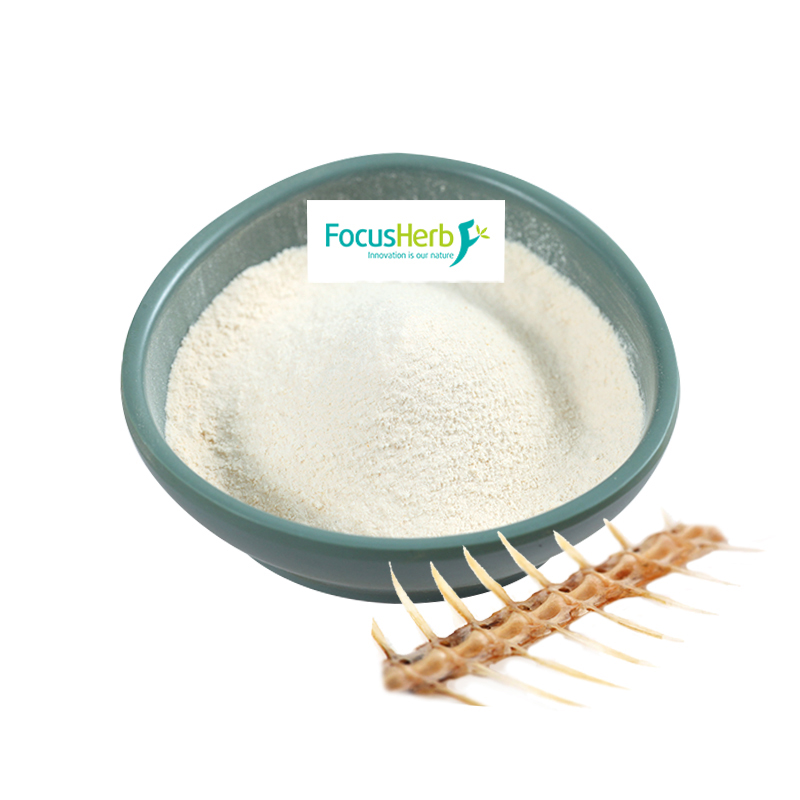
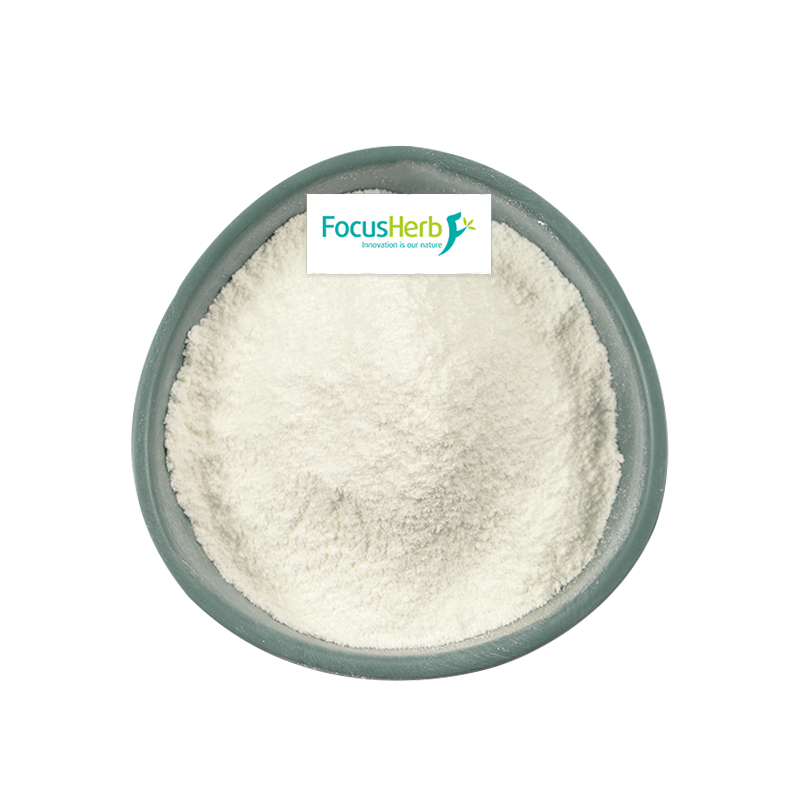
The quality standards for sodium chondroitin sulfate are strictly regulated to ensure its safety and effectiveness. In the Chinese Pharmacopoeia, the quality standards for sodium chondroitin sulfate cover multiple aspects. In terms of characteristics, sodium chondroitin sulfate is specified to be a white or off-white powder, odorless, hygroscopic, and its aqueous solution is viscous, does not coagulate upon heating, is easily soluble in water, and insoluble in ethanol, acetone, or glacial acetic acid. These descriptions of physical characteristics help in the preliminary assessment of the product’s authenticity and quality.
Identification is primarily performed through high-performance liquid chromatography (HPLC), infrared absorption spectroscopy, and sodium salt identification reactions. In the chromatogram recorded under the content determination section, the retention times of the three main peaks in the test solution should be consistent with the retention times of chondroitin disaccharide, 6-sulfated chondroitin disaccharide, and 4-sulfated chondroitin disaccharide in the reference solution; its infrared absorption spectrum should be consistent with the spectrum of the sodium chondroitin sulfate reference standard; and the aqueous solution should also show a positive reaction for sodium salt identification (1). These identification methods confirm the product from the perspective of chemical structure and elemental composition, ensuring the accuracy of its components.
The inspection items include nitrogen content, acidity, chlorides, sulfates, residual solvents, loss on drying, residue on ignition, and heavy metals. The nitrogen content, calculated on a dry basis, should be 2.5% – 3.5%; the acidity pH value should be 6.0 – 7.0; the content of chlorides and sulfates have corresponding limits to control impurity levels; residual solvents must meet the requirements to avoid harmful solvent residues; loss on drying should not exceed 10.0%, residue on ignition should be 20.0% – 30.0%, and heavy metal content should not exceed 20 ppm. These inspection items are comprehensive and detailed, strictly controlling the purity, impurity content, and stability of the product, ensuring that the product quality meets the requirements and guaranteeing consumer safety.
Content determination is performed using high-performance liquid chromatography, through specific chromatographic conditions and system suitability tests, using the external standard method to calculate the content based on the sum of the peak areas of chondroitin disaccharide, 6-sulfated chondroitin disaccharide, and 4-sulfated chondroitin disaccharide. Based on the dry weight, the sodium chondroitin sulfate content [H(C14H19NNa2O14S)xOH] should be 90.0% – 105.0%. Accurate content determination is crucial for ensuring product efficacy; only when the content is within the specified range can the product perform its intended function in applications.
Market Status and Prospects
Market Size
Sodium chondroitin sulfate demonstrates significant scale and influence in the global market. From a production perspective, China, India, and Brazil are the main global producers of sodium chondroitin sulfate, accounting for the majority of the global market share. China’s production is particularly prominent, accounting for approximately 80% to 90% of the global share, making it the world’s largest producer and exporter. In the first half of 2022, China exported approximately 1,819 tons of sodium chondroitin sulfate, worth approximately US$103.33 million, representing a year-on-year increase of 6.23% in export volume and a 22.41% increase in export value. This data clearly reflects China’s important position in the production and export of sodium chondroitin sulfate.
In the consumer market, North America and Europe are the main consumption regions for sodium chondroitin sulfate, with particularly high demand in the pharmaceutical and health supplement sectors. This is mainly due to the high prevalence of osteoarthritis in these regions, strong consumer awareness of osteoarthritis diagnosis, favorable government regulations regarding treatment, and developed medical infrastructure. According to relevant data, the global sodium chondroitin sulfate market size reached 1.291 billion RMB in 2024, and the Chinese sodium chondroitin sulfate market size reached 289 million RMB. It is expected that by 2030, the global sodium chondroitin sulfate market size will grow to 16.177 billion RMB, with a projected CAGR of 52.4% during the forecast period, showing a strong growth trend.
Development Trends
With the continuous improvement of people’s health awareness, the attention to joint and bone health is increasing, and the demand for sodium chondroitin sulfate in the dietary supplement field shows a significant growth trend. Especially against the backdrop of an accelerating aging society, the incidence of joint diseases such as osteoarthritis is rising, leading to a continuous increase in market demand for sodium chondroitin sulfate as an important component of joint health. For middle-aged and elderly people, joint problems are gradually becoming an important factor affecting their quality of life. Sodium chondroitin sulfate can help them relieve joint pain and improve joint function, so more and more middle-aged and elderly people are choosing dietary supplements containing sodium chondroitin sulfate. The increased awareness of exercise and health has driven the expansion of the sports nutrition supplement market, further boosting the demand for chondroitin sulfate sodium. Athletes and sports enthusiasts are prone to joint injuries during high-intensity training and exercise. Chondroitin sulfate sodium can help protect their joints, promote cartilage repair, and reduce the risk of sports injuries. This has made sports nutrition supplements containing chondroitin sulfate sodium widely popular in the market. With the continuous increase in the number of people participating in sports, the market potential in this area will be further unleashed in the future.
In terms of application expansion, chondroitin sulfate sodium also shows broad possibilities. With continuous technological advancements, its application in new health products and functional foods will continue to innovate. For example, more complex dietary supplements scientifically formulated with chondroitin sulfate sodium and other nutrients may emerge in the future to meet consumers’ diverse health needs. Its application in the cosmetics field may also further expand. In addition to existing functions such as moisturizing and enhancing skin elasticity, more applications targeting specific skin problems, such as anti-wrinkle and repairing sensitive skin, may be developed, opening up new growth points for the market development of chondroitin sulfate sodium.
