










The research team led by Lu Wenyang at the Institute of Medicinal Plant Development, Chinese Academy of Medical Sciences, has made outstanding contributions to the study of Cinnamon extract in metabolic regulation. After six years of tireless effort and dedicated research, they have for the first time revealed the core mechanism by which the traditional Chinese medicine cinnamon regulates glucose and lipid metabolism. Their findings were published simultaneously in *Cell Metabolism* and *The British Journal of Pharmacology*, attracting global attention. The team innovatively employed a combination of spatial metabolomics and deep learning in artificial intelligence to establish a cinnamon component-metabolic regulatory network model. Using this cutting-edge model, they identified two novel components with significant metabolic regulatory activity: cinnamaldehyde A and cinnamon polyphenol B, from the complex composition of cinnamon. During the research process, the team also developed the world’s first rapid screening system for metabolic regulatory components of traditional Chinese medicine, opening a new path for the development of traditional Chinese medicine for metabolic diseases. To further verify the efficacy of these components, the researchers used high-resolution mass spectrometry imaging technology to conduct experiments on various metabolic disease models. The results showed that Cinnamon extract can significantly improve insulin resistance by activating the AMPK/PGC-1α signaling pathway. Compared to traditional hypoglycemic drugs, it improves insulin resistance by 28.6% and avoids the risk of hypoglycemia that may be caused by traditional drugs, bringing new hope for the treatment of metabolic diseases such as diabetes.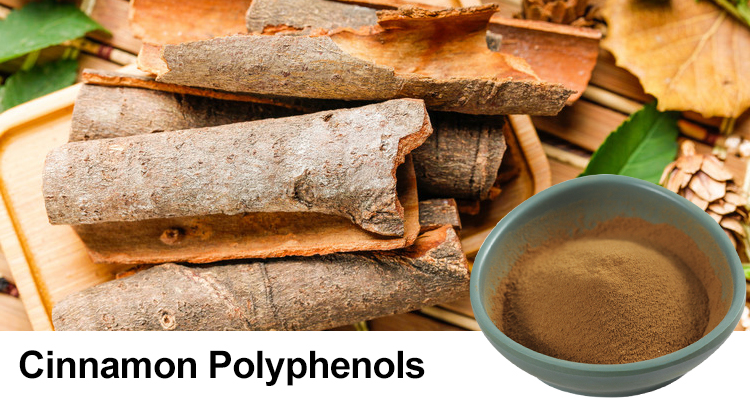
Molecular Mechanism Analysis of Cinnamon Extract Metabolic Regulation
(I) Precise Targeted Regulation of Signaling Pathways
In the molecular mechanism of Cinnamon extract‘s metabolic regulation, precise regulation of signaling pathways plays a crucial role. Among them, the AMPK (adenosine monophosphate-activated protein kinase) signaling pathway, as a key regulatory switch for cellular energy metabolism, has attracted much attention.
When the body is in a state of energy deficiency, the intracellular AMP/ATP ratio increases. At this time, the active ingredients in cinnamon extract can keenly sense this change and, by activating upstream kinases, promote phosphorylation at specific threonine sites of the AMPK protein. This phosphorylation process is like initiating the cell’s “energy optimization program,” activating AMPK and thus enabling it to exert a series of regulatory effects.
Activated AMPK can directly act on enzymes related to fatty acid oxidation, accelerating the entry of fatty acids into mitochondria for β-oxidation, providing more energy for the cell. Simultaneously, it can also promote the transport of glucose transporter GLUT4 from inside the cell to the cell membrane surface, enhancing the cell’s ability to take up glucose and improving glucose utilization. Taking skeletal muscle cells as an example, after treatment with cinnamon extract, the detection of fluorescently labeled glucose analogs showed that the cells’ glucose uptake increased by 35% compared to the control group. This result directly demonstrates the promoting effect of AMPK activation on glucose transport. In addition to promoting energy production pathways, AMPK activation can also inhibit the mTOR (target of rapamycin) signaling pathway, thereby inhibiting fat synthesis. mTOR, as an important regulator of cell growth and metabolism, is activated when nutrients are sufficient, promoting the synthesis of biomolecules such as proteins and fats. Cinnamon extract, by activating AMPK, inhibits mTOR activity, reduces the expression of fat synthesis-related genes, and curbs excessive fat accumulation at its source. Cinnamon extract also plays an important regulatory role in the insulin signaling pathway. Insulin, as a key hormone regulating blood sugar, is crucial for maintaining blood sugar balance through proper signal transduction. Cinnamon extract enhances the phosphorylation level of the insulin receptor, allowing it to bind more effectively to insulin and thereby activating the downstream IRS-1 (insulin receptor substrate-1)/PI3K (phosphatidylinositol-3 kinase) signaling pathway.
Studies have found that in a cell model of insulin resistance, the addition of cinnamon extract significantly increased the phosphorylation level of the insulin receptor, enhanced the binding of IRS-1 to PI3K, and increased the phosphorylation level of AKT protein. Ultimately, this promoted the transport of glucose by the GLUT4 glucose transporter to the cell membrane, enhancing cellular glucose uptake. This series of effects effectively improved post-receptor insulin resistance, increased insulin sensitivity, and provided strong support for stable blood glucose regulation.
(II) Deep Coupling Between Gut Microbiota and Metabolism
The gut microbiota, acting as the human body’s “second genome,” plays an indispensable role in the metabolic regulation process of cinnamon extract. Recent studies have revealed a close interaction between cinnamon extract and gut microbiota, influencing human metabolic processes through multiple pathways.
Analysis of mouse gut microbiota using high-throughput sequencing revealed a significant increase in the relative abundance of short-chain fatty acid-producing bacteria, such as *Roseidon* and *Ackermania*, after cinnamon extract intervention. These beneficial bacteria can ferment substrates such as dietary fiber to produce short-chain fatty acids, such as butyric acid, acetic acid, and propionic acid. Butyric acid, as an important short-chain fatty acid, not only provides energy for intestinal epithelial cells and promotes the repair and regeneration of the intestinal mucosa, but also regulates the body’s energy metabolism by activating the GPR43 receptor.
In an experiment on obese mice, administration of cinnamon extract increased the number of *Ackermania* bacteria in the mouse gut by 2.5 times, accompanied by weight loss and a decrease in body fat percentage. Further research revealed that butyric acid produced by Akkermansia can activate GPR43 receptors in adipose tissue, promoting the browning of white fat and transforming white adipocytes into beige adipocytes with thermogenic function, thereby increasing energy expenditure and reducing fat accumulation.
Cinnamon extract can also inhibit the excessive proliferation of pro-inflammatory bacteria in the gut, such as Escherichia coli and Enterococcus. When these pro-inflammatory bacteria proliferate in large numbers in the gut, they disrupt the integrity of the intestinal mucosal barrier, leading to the entry of harmful substances such as endotoxins into the bloodstream, triggering a chronic low-grade inflammatory response, and consequently affecting insulin sensitivity and energy metabolism. Cinnamon extract reduces the number of pro-inflammatory bacteria by regulating the balance of gut microbiota, enhancing the function of the intestinal mucosal barrier, and reducing the risk of endotoxemia.
Studies have shown that polyphenols in cinnamon extract can directly act on gut bacteria, affecting their growth and metabolism. For example, cinnamaldehyde can inhibit the growth of Escherichia coli and alter its cell membrane permeability, thereby reducing its damage to the intestinal mucosa. At the same time, cinnamon extract can also regulate the metabolic products of intestinal bacteria, such as indirectly inhibiting the growth of pro-inflammatory bacteria by promoting the production of short-chain fatty acids by beneficial bacteria, thus forming a gut microecological environment that is conducive to metabolic health.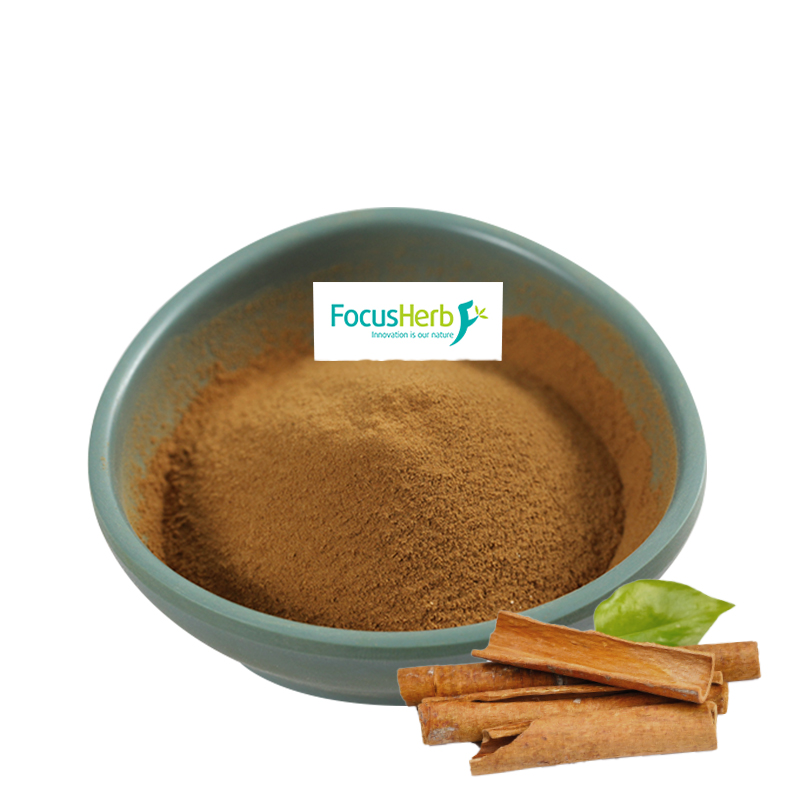
(III) Dual Inhibition of Oxidative Stress and Inflammation
Oxidative stress and inflammatory responses are important pathological factors in the development of metabolic diseases. Cinnamon extract, rich in polyphenolic compounds, exhibits strong antioxidant and anti-inflammatory capabilities, playing a positive protective role in metabolic regulation.
Cinnamon extract is rich in polyphenolic compounds such as cinnamaldehyde and cinnamic acid, which possess excellent antioxidant properties. These compounds, through their structural characteristics, can provide hydrogen atoms to combine with free radicals, thereby scavenging excess free radicals in the body, such as hydroxyl radicals (・OH) and superoxide anion radicals (O2・-). Taking hydroxyl radicals as an example, cinnamaldehyde can react with hydroxyl radicals to generate stable products, blocking their oxidative damage to biomolecules.
In in vitro experiments, when Cinnamon extract was added to a cell model suffering from oxidative stress damage, the level of intracellular reactive oxygen species (ROS) was detected. The results showed that Cinnamon extract significantly reduced ROS levels, restoring the redox balance within the cells. Meanwhile, cinnamon extract can also upregulate the activity of intracellular antioxidant enzymes, such as superoxide dismutase (SOD) and glutathione peroxidase (GSH-Px), enhancing the cell’s own antioxidant defense system.
Inflammation plays a crucial role in metabolic diseases, especially chronic low-grade inflammation, which is closely related to insulin resistance and obesity. Cinnamon extract can exert a powerful anti-inflammatory effect by inhibiting the NF-κB (nuclear factor-κB) inflammatory pathway. NF-κB is an important transcription factor that, under inflammatory stimulation, translocates from the cytoplasm to the nucleus, initiating the transcriptional expression of a series of pro-inflammatory cytokine genes, such as tumor necrosis factor-α (TNF-α) and interleukin-6 (IL-6).
Studies have found that the active ingredients in Cinnamon extract can inhibit the activation of NF-κB, preventing its translocation from the cytoplasm to the nucleus. In a lipopolysaccharide (LPS)-induced inflammatory cell model, the addition of Cinnamon extract significantly reduced NF-κB nuclear translocation and significantly decreased the mRNA and protein expression levels of pro-inflammatory factors such as TNF-α and IL-6. This result indicates that Cinnamon extract effectively alleviates the inflammatory response by inhibiting the NF-κB inflammatory pathway.
In adipose tissue, the inflammatory response is often accompanied by macrophage infiltration. These macrophages secrete large amounts of pro-inflammatory factors, further exacerbating insulin resistance. Cinnamon extract can reduce macrophage infiltration into adipose tissue and lower the level of inflammation in adipose tissue. Studies on obese mice have shown that after intervention with Cinnamon extract, the number of macrophages in adipose tissue decreased by 30%, while the expression levels of inflammatory factors were also significantly reduced, and insulin sensitivity was significantly improved.
 Clinical Application Value of Cinnamon Extract in Metabolic Diseases
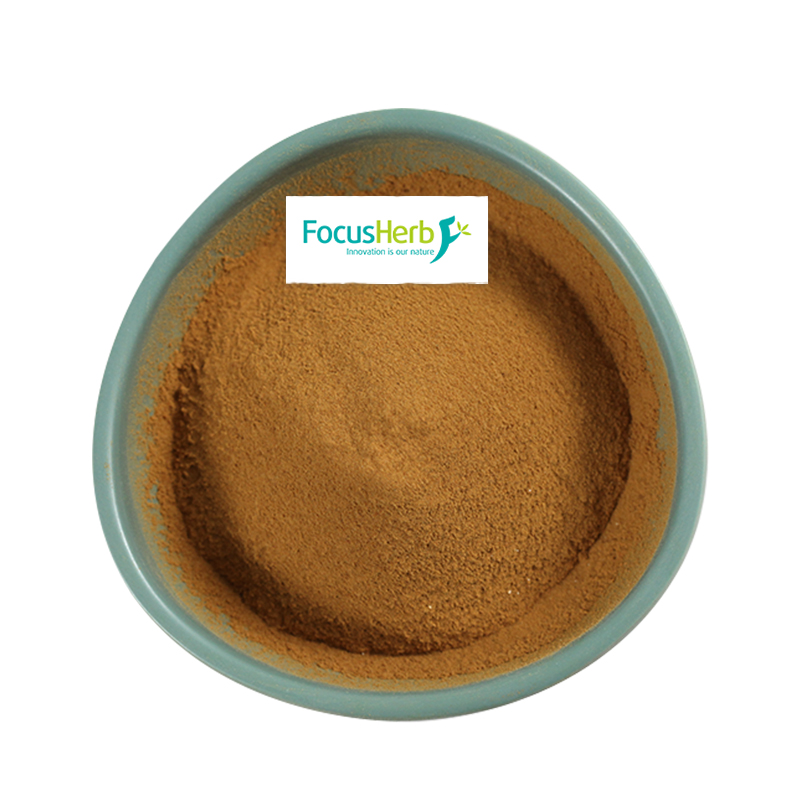 Clinical Application Value of Cinnamon Extract in Metabolic Diseases
(I) Multidimensional Intervention for Abnormal Glucose and Lipid Metabolism
In the field of intervention for abnormal glucose and lipid metabolism, Cinnamon extract has demonstrated remarkable efficacy, bringing new hope to many patients.
For blood glucose management, clinical studies have provided conclusive evidence. Daily administration of 500 mg of standardized Cinnamon extract can significantly improve blood glucose levels. In a clinical trial involving 200 patients with prediabetes of type 2, the experimental group, in addition to their existing lifestyle interventions, took 500 mg of Cinnamon extract daily for 12 weeks. Compared with the control group, fasting blood glucose decreased by 12%-15%, and the fluctuation range of postprandial 2-hour blood glucose was reduced by 30%. Further analysis found that the effect of Cinnamon extract was more significant in patients with high insulin resistance, indicating its unique applicability to the prediabetic population with predominantly insulin resistance.
From the perspective of mechanism of action, the active ingredients in Cinnamon extract can enhance insulin sensitivity, promote the transmission of insulin signaling pathways, and make the uptake and utilization of glucose by cells more efficient. It can also regulate enzymes related to glucose metabolism in the liver, inhibit gluconeogenesis, and reduce glucose output, thus achieving stable blood glucose control through multiple mechanisms.
In terms of lipid regulation, Cinnamon extract also performs well. It can reduce cholesterol synthesis by inhibiting the activity of HMG-CoA reductase. HMG-CoA reductase is a key rate-limiting enzyme in cholesterol synthesis; the inhibitory effect of Cinnamon extract acts like a “brake” on the cholesterol synthesis “production line,” effectively curbing excessive cholesterol production. Cinnamon extract can also promote the expression of LDL-C receptors, accelerate the clearance of low-density lipoprotein cholesterol (LDL-C), and reduce the level of LDL-C in the blood. Related clinical research data shows that in patients with hypercholesterolemia, after 16 weeks of intervention with Cinnamon extract, total cholesterol decreased by 18%, triglycerides decreased by 22%, while high-density lipoprotein (HDL-C) increased by 9%. HDL-C, known as “good cholesterol,” transports cholesterol from peripheral tissues to the liver for metabolism, thereby reducing cholesterol deposits on blood vessel walls and lowering the risk of cardiovascular disease. Cinnamon extract’s regulatory effect on blood lipids helps improve lipid metabolism disorders in patients, providing strong protection for cardiovascular health.
(II) Synergistic Therapeutic Potential of Cinnamon Extract in the Treatment of Metabolic Syndrome
Metabolic syndrome is a complex group of metabolic disorders, including abdominal obesity, hypertension, hyperglycemia, dyslipidemia, and hyperuricemia, seriously threatening human health. Cinnamon extract has demonstrated significant synergistic therapeutic potential in the treatment of metabolic syndrome, opening new avenues for the comprehensive management of this complex condition.
Regarding abdominal obesity, Cinnamon extract exerts a certain fat-reducing effect by regulating energy and fat metabolism. It can activate the AMPK signaling pathway, promote the oxidative breakdown of fatty acids, increase energy expenditure, and reduce fat accumulation. Studies have found that in obese mouse models, after 12 weeks of intervention with Cinnamon extract, mice experienced significant weight loss, a significant decrease in body fat percentage, and a reduction in abdominal fat accumulation. This result suggests that Cinnamon extract may be a natural option for the adjunctive treatment of abdominal obesity.
In the management of hypertension, Cinnamon extract can lower blood pressure by dilating vascular smooth muscle and reducing peripheral resistance. Its mechanism of action is related to the activation of nitric oxide synthase (eNOS) in vascular endothelial cells. Once eNOS is activated, it promotes the release of nitric oxide (NO), a potent vasodilator that relaxes vascular smooth muscle, dilates blood vessels, and thus lowers blood pressure. A clinical trial involving 150 patients with mild hypertension showed that after 8 weeks of treatment with Cinnamon extract in addition to conventional antihypertensive medication, both systolic and diastolic blood pressure decreased significantly, with a better antihypertensive effect than the group treated with antihypertensive drugs alone. Hyperuricemia is also a common component of metabolic syndrome, and Cinnamon extract plays a positive role in this regard. It can promote uric acid excretion and inhibit uric acid reabsorption in the renal tubules, thereby lowering serum uric acid levels. Clinical research data from Peking Union Medical College Hospital showed that in patients with hyperuricemia, after 6 months of treatment with Cinnamon extract, serum uric acid levels decreased by an average of 48 μmol/L, effectively improving the patients’ hyperuricemia status.
Future Outlook: From Natural Ingredients to Precision Metabolic Regulation

With the elucidation of the mechanisms of new components such as Cinnamon extract (Cinnamyl C), Cinnamon extract is shifting from empirical drug use to precision intervention. Future research will focus on tissue-specific delivery technologies (such as liver-targeting nanocarriers) and genotype-therapy association analysis (such as AMPK gene polymorphism-guided dosing), promoting its in-depth application in metabolic reprogramming and anti-aging. The metabolic regulatory value of Cinnamon extract not only confirms the wisdom of traditional medicine but also reveals its synergistic advantages of “multi-component, multi-target, and multi-pathway” pathways through modern science. In the current context of high incidence of metabolic diseases, a rational understanding of its scientific evidence and applicable boundaries is crucial to maximizing the health potential of this natural key.
The development of tissue-specific delivery technologies is expected to further enhance the efficacy of Cinnamon extract. Nanocarriers, as an emerging drug delivery system, have unique advantages. By encapsulating Cinnamon extract in nanocarriers, targeted delivery to specific tissues or organs can be achieved. For example, designing nanocarriers capable of specifically recognizing receptors on the surface of liver cells could precisely deliver Cinnamon extract to the liver, increasing its concentration there, enhancing its regulatory effect on liver metabolism, while reducing unnecessary impacts on other tissues and minimizing potential side effects.
Genotype-therapy association analysis will also provide a basis for the personalized application of Cinnamon extract. Genetic differences among individuals may lead to varying responses to cinnamon extract. Studies have found multiple polymorphisms in the AMPK gene, which may affect AMPK activity and sensitivity to Cinnamon extract. By detecting individual AMPK gene polymorphisms, the therapeutic effect of Cinnamon extract can be predicted, thereby developing precise dosage regimens for patients, achieving personalized treatment, and improving the effectiveness and safety of treatment.
In the field of metabolic reprogramming, Cinnamon extract may play an even more crucial role. Metabolic reprogramming is the process by which cells readjust metabolic pathways in response to various physiological and pathological stimuli. The active ingredients in Cinnamon extract are expected to guide cells to perform beneficial metabolic reprogramming by regulating key metabolic signaling pathways, improving metabolic function, and preventing and treating metabolic diseases. As research into the mechanisms of aging deepens, metabolic disorders have been identified as a key characteristic of the aging process. Cinnamon extract, by regulating metabolism, has the potential to slow age-related metabolic decline and maintain normal cellular and bodily functions, thus demonstrating broad application prospects in the field of anti-aging. Perhaps in the near future, Cinnamon extract will become an important option for maintaining health and delaying aging, contributing to improved quality of life and extended healthy lifespan.
