











In the intricate “machine” of the human body, the heart is undoubtedly the most crucial “power engine.” It beats tirelessly day and night, delivering oxygen- and nutrient-rich blood to all tissues and organs, maintaining the normal functioning of life. Once the heart malfunctions, from minor symptoms like palpitations and chest tightness to serious illnesses like myocardial infarction and heart failure, it can pose a significant threat to life and health. According to the World Health Organization (WHO), cardiovascular disease has been the leading cause of death worldwide for many consecutive years, claiming tens of millions of lives annually. This stark reality has made heart health an increasingly important topic of concern.
In the long journey towards heart health, researchers have never ceased their exploration. In recent years, a remarkable research finding has gradually come into the public eye—hawthorn acid in olive extract. This naturally occurring bioactive substance in olives is bringing new hope and a glimmer of light to the field of heart health with its unique effects, attracting increasing attention and igniting a strong desire to understand it more deeply.
 Understanding Hawthorn Acid: The Mysterious Spirit in Olives
 Understanding Hawthorn Acid: The Mysterious Spirit in Olives
(Part 1) The Journey of Discovery
The discovery of hawthorn acid is like a scientific legend full of exploration and surprises. In the early days, researchers, while conducting routine component analysis on olives, keenly noticed clues to this special substance, opening the door to in-depth research. With continuous advancements in technology and increasingly precise analytical techniques, from initial simple separation attempts to the later application of advanced technologies such as high-performance liquid chromatography (HPLC), scientists were able to gain a clearer understanding of the existence of hawthorn acid. Through countless experiments, key breakthroughs gradually emerged. The successful and precise extraction of high-purity hawthorn acid from the complex component system of olives marked a new stage in the research, laying a solid foundation for further exploration of its unique effects.
(II) Unique Structure
Hawthorn acid, chemically known as 2α-hydroxyoleanolic acid, is a natural pentacyclic triterpenoid compound with the molecular formula C₃₀H₄₈O₄ and a molecular weight of 472.71. It typically appears as a white to pale yellow powder. Structurally, it resembles a meticulously constructed “chemical castle,” with a core framework composed of five tightly linked carbon rings. Hydroxyl and carboxyl groups are arranged in an orderly fashion at specific positions. These groups are not merely decorative; they are the key “code” for hawthorn acid’s remarkable effects. The presence of the hydroxyl group endows hawthorn acid with hydrophilicity, enabling it to better interact with water molecules in organisms, smoothly traverse various biological membranes, and reach its target sites. The carboxyl group, on the other hand, is extremely active in chemical reactions, participating in the binding and reaction processes with other biomolecules, thereby positively impacting physiological processes such as metabolism and signal transduction in heart cells. For example, cell experiments have shown that the carboxyl group of sorbic acid can bind to specific receptors on the cell surface, activating a series of signaling pathways beneficial to heart health.
(III) Source Exploration
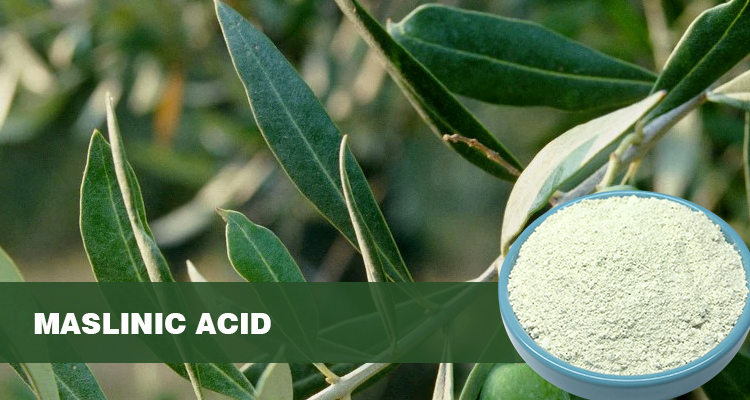
Olives, as an important source of sorbic acid, are like a low-key “treasure guardian.” They thrive in the warm, humid, and sunny Mediterranean climate and are widely cultivated in Mediterranean countries such as Spain, Italy, and Greece. The unique natural conditions of these regions provide an ideal environment for olive growth, resulting in plump, high-quality olives with relatively high sorbic acid content. Olive trees grow slowly but have extremely long lifespans, some even living for hundreds of years, accumulating rich nutrients and active ingredients over time. The sorbic acid content varies significantly among different olive varieties and different parts of the olive tree. Studies have shown that olive leaves have a higher sorbic acid content, reaching about 0.73%, while the pulp contains approximately 0.17%. The ripeness of the fruit also affects the content of hawthorn acid. The higher the ripeness, the more fully hawthorn acid accumulates. When extracting hawthorn acid from olives, accurately controlling factors such as the variety, part of the olive, and ripeness is the key to obtaining high-quality hawthorn acid.
The Secret of Hawthorn Acid for Heart Health
(I) The Magic of Blood Lipid Regulation
In the world of blood lipids, hawthorn acid acts like a powerful “regulatory master.” From its mechanism of action, it precisely targets and inhibits the activity of cholesterol synthesis enzymes. For example, hawthorn acid binds tightly to 3-hydroxy-3-methylglutaryl-CoA (HMG-CoA) reductase, effectively pausing the enzyme’s “working machine” and preventing it from properly catalyzing cholesterol synthesis, thus reducing the production of endogenous cholesterol at its source. Simultaneously, hawthorn acid actively promotes the conversion of cholesterol into bile acids. These bile acids are excreted with bile, further lowering the cholesterol content in the blood, especially low-density lipoprotein cholesterol (LDL-C), commonly known as “bad cholesterol,” with a significant lowering effect. Relevant research data strongly confirms this. A clinical trial on patients with hyperlipidemia showed that after three months of continuous use of extracts containing hawthorn acid, the subjects’ total cholesterol levels decreased by an average of 12.6%, and low-density lipoprotein cholesterol decreased by an even greater 15.8%, significantly reducing the risk of atherosclerosis. Furthermore, hawthorn acid can also increase high-density lipoprotein cholesterol (HDL-C) levels. This “good cholesterol” acts like a “cleaner” in the blood vessels, transporting cholesterol in the blood to the liver for metabolism, further strengthening the defense line for cardiovascular health.
(II) Blood Rheology Optimization
Smooth blood flow is crucial for the normal functioning of the cardiovascular system, and hawthorn acid plays a vital role in this regard. It can reduce blood viscosity, making blood flow more smoothly, like a clear stream. This is because hawthorn acid can reduce the content of fibrinogen in the blood. Fibrinogen acts like “viscous glue” in the blood; when its content is reduced, the blood viscosity naturally decreases. Meanwhile, ursolic acid can significantly enhance the deformability of erythrocytes, allowing them to move freely and easily through narrow blood vessels, much like agile fish. It also excels in inhibiting platelet aggregation, acting like a “traffic policeman” to prevent platelets from adhering and accumulating to form thrombi, thus reducing the incidence of cardiovascular events. For example, in animal experiments, administration of ursolic acid to experimental animals significantly reduced blood viscosity, increased the erythrocyte deformability index by about 25%, and reduced platelet aggregation rate by 30%. This fully demonstrates the optimizing effect of ursolic acid on blood rheology, providing strong protection against serious cardiovascular events such as myocardial infarction and stroke.
(III) Antioxidant Shield
Oxidative stress is a “hidden killer” of the cardiovascular system, while ursolic acid is a robust “shield” against this killer. It is rich in various antioxidants, such as vitamin C, vitamin E, and polyphenols. These antioxidants act like brave “guardians,” actively fighting and eliminating free radicals in the body. Free radicals are highly reactive substances; excessive accumulation in the body can severely damage the cardiovascular system, attacking vascular endothelial cells, leading to endothelial dysfunction, and promoting the development of atherosclerosis. Hawthorn acid not only directly eliminates free radicals but also enhances the activity of antioxidant enzymes in the body. Superoxide dismutase (SOD) and glutathione peroxidase (GSH-Px) show significantly increased activity under the action of hawthorn acid, working synergistically to resist oxidative stress. Studies have shown that supplementing with hawthorn acid can increase the activity of superoxide dismutase by more than 30% and glutathione peroxidase by about 25%, effectively reducing the damage of oxidative stress to the cardiovascular system and maintaining the health and elasticity of blood vessels.
(IV) Anti-inflammatory Action
Inflammation is a crucial pathological link in the development of cardiovascular diseases, and hawthorn acid exhibits excellent anti-inflammatory properties. It can inhibit the production and release of inflammatory factors. When the body is subjected to various adverse stimuli, and inflammatory factors such as tumor necrosis factor-α (TNF-α) and interleukin-6 (IL-6) are produced in large quantities, hawthorn acid acts like a “firefighter,” quickly intervening to block inflammatory signaling pathways and reduce the production of these inflammatory factors. For example, cell experiments have shown that hawthorn acid can reduce the release of tumor necrosis factor-α by about 40% and the release of interleukin-6 by 35%. Simultaneously, hawthorn acid actively promotes the repair and regeneration of vascular endothelial cells. Vascular endothelial cells are the “guardians” of the vascular wall; once damaged, they lead to decreased vascular wall stability and trigger a series of cardiovascular problems. Hawthorn acid activates relevant signaling pathways, providing “repair materials” to damaged vascular endothelial cells, promoting their proliferation and differentiation, restoring vascular endothelial cells to a healthy state, maintaining the integrity and stability of the blood vessel wall, and further reducing the risk of cardiovascular disease.
 Application of Hawthorn Acid in Heart Health Supplements
 Application of Hawthorn Acid in Heart Health Supplements
(I) Market Product Analysis
In the highly competitive heart health supplement market, products containing hawthorn acid are gradually emerging. For example, a heart health softgel capsule from the American brand “Nature’s Bounty” contains 50mg of hawthorn acid per capsule, along with coenzyme Q10, fish oil, and other ingredients. The softgel form is easy to swallow, and a bottle of 60 capsules costs approximately $25, making it suitable for those with daily health needs. The price is relatively affordable, but its hawthorn acid content is not particularly high compared to similar products. Meanwhile, hawthorn extract tablets from the German brand “Dr. Willmar Schwabe” contain 80mg of hawthorn acid per tablet, taken three times daily, one tablet each time. A 100-tablet pack costs approximately €40. This product has high purity and is well-trusted in the European market, but the price is relatively high, and the tablets are not ideal for some people with swallowing difficulties. In comparison, these products each have their advantages and disadvantages. When choosing, consumers need to comprehensively consider factors such as their own health condition, economic strength, and ease of use.
(II) Manufacturing Process Unveiled
The process of extracting hawthorn acid from olives is constantly being innovated and optimized. Currently, the most advanced technology is supercritical fluid extraction. This technology uses carbon dioxide as the extractant. In a supercritical state, carbon dioxide possesses the dual characteristics of both gas and liquid, exhibiting high diffusivity and strong solubility. During the extraction process, the olive raw material is placed in a supercritical carbon dioxide environment, where the target components, such as hawthorn acid, dissolve rapidly. Subsequently, by adjusting the temperature and pressure, the carbon dioxide and hawthorn acid are separated, thus obtaining high-purity hawthorn acid. This process not only ensures high purity of hawthorn acid, reaching over 95%, but also maximizes the preservation of its biological activity because the entire process is carried out at low temperatures, avoiding the damage to the structure and activity of hawthorn acid caused by traditional thermal extraction methods. High-purity, high-activity hawthorn acid provides a solid guarantee for the quality of heart health supplements, making the products more advantageous in terms of efficacy.
(III) Exploring Synergistic Formulas
In heart health supplements, hawthorn acid often works synergistically with other beneficial ingredients, achieving a synergistic effect greater than the sum of its parts (1 + 1 > 2). Coenzyme Q10, a natural antioxidant found in human cells, combines with hawthorn acid to enhance their antioxidant effects, more effectively scavenging free radicals and reducing oxidative stress damage to the heart. Simultaneously, coenzyme Q10 provides energy to myocardial cells, strengthening myocardial contractility. Combined with hawthorn acid’s effects in regulating blood lipids and improving blood rheology, it comprehensively protects heart health. Vitamins C and E are also common synergistic ingredients. They enhance the antioxidant capacity of hawthorn acid, and vitamin C also participates in collagen synthesis, helping to maintain the elasticity of blood vessel walls. In actual products, a compound supplement containing hawthorn acid, coenzyme Q10, and vitamin E, after clinical trials, has shown significantly better results in lowering blood lipids and improving heart function than single-ingredient supplements, fully demonstrating the enormous potential of synergistic formulas in enhancing heart health maintenance.
Scientific Intake Guidelines for Hawthorn Acid
(I) Target Population Definition
Hawthorn acid supplements are not suitable for everyone. Accurately defining the target population is crucial for scientific intake. For high-risk groups of cardiovascular disease, such as long-term smokers, heavy drinkers, those with chronic diseases like hypertension, hyperlipidemia, and hyperglycemia, or those with a family history of cardiovascular disease, their cardiovascular systems face higher risks. Hawthorn acid’s effects on regulating blood lipids, improving blood rheology, and its antioxidant and anti-inflammatory properties can provide strong support for their cardiovascular health. For middle-aged and elderly individuals, as their physical functions gradually decline, their cardiovascular systems become more vulnerable over time. Appropriate supplementation with hawthorn acid can help maintain normal heart function and slow down the aging process of the cardiovascular system. Furthermore, for office workers with fast-paced lifestyles, long-term high-pressure conditions, and lack of exercise, their unhealthy lifestyles increasingly burden their cardiovascular system. Hawthorn acid supplements can also be a good option for daily health maintenance. However, pregnant women, breastfeeding women, and individuals allergic to hawthorn acid should avoid taking hawthorn acid supplements to prevent potential risks to themselves, their fetus, or infants.
(II) Recommended Intake
The recommended intake of hawthorn acid varies among different population groups. Generally, for daily health maintenance, the daily intake of hawthorn acid for ordinary adults can be controlled at 50-100mg. This dosage range effectively leverages the heart-healthy benefits of hawthorn acid while keeping potential risks at a low level. For high-risk groups of cardiovascular disease or middle-aged and elderly people with more pronounced symptoms, the intake can be appropriately increased to 100-200mg under the guidance of a doctor, but it is essential to strictly follow the doctor’s advice and not arbitrarily increase or decrease the dosage. Excessive intake of hawthorn acid may bring potential risks, such as irritating the gastrointestinal tract, leading to excessive gastric acid secretion, and causing discomfort such as stomach pain, bloating, and acid reflux. Studies have shown that when the daily intake of hawthorn acid exceeds 300mg, the incidence of gastrointestinal discomfort increases significantly. Furthermore, higher intake does not necessarily mean better results; excessive intake not only fails to bring more significant health benefits but may also increase the metabolic burden on the body and disrupt the body’s physiological balance.
(III) Precautions for Intake
When taking hawthorn acid supplements, extra caution should be taken regarding interactions with medications. For individuals taking cardiovascular medications such as antihypertensive drugs, lipid-lowering drugs, and anticoagulants, hawthorn acid may enhance or weaken the efficacy of these drugs. Taking it concurrently with antihypertensive drugs may lead to an excessive drop in blood pressure, causing dizziness, fatigue, and other discomfort. Therefore, before taking hawthorn acid supplements, be sure to inform your doctor about any medications you are currently taking and follow their advice regarding the timing of medication administration, generally recommending an interval of 2-4 hours. Special populations such as pregnant women, breastfeeding women, children, and those with impaired liver or kidney function should strictly avoid using hawthorn acid supplements. For pregnant women, hawthorn acid may stimulate uterine contractions and adversely affect the fetus. Regarding the timing and method of intake, it is recommended to take hawthorn acid supplements with or after meals to reduce gastrointestinal irritation and improve absorption. For example, consuming it with fatty foods can promote the dissolution and absorption of hawthorn acid. At the same time, it is important to purchase hawthorn acid supplements through legitimate channels and carefully check the product’s ingredient list, production date, shelf life, and other information to ensure product quality and safety.
Future Prospects: The Limitless Potential of Hawthorn Acid
 Future Prospects: The Limitless Potential of Hawthorn Acid
(I) New Research Directions
In the field of heart health, research on hawthorn acid is advancing in several cutting-edge directions. On the one hand, its integration with emerging treatments has become a hot research topic. For example, gene therapy technology has developed rapidly in recent years, and combining hawthorn acid with gene therapy may open up entirely new treatment pathways. Scientists envision introducing specific genes into heart cells through gene vectors, while utilizing the properties of hawthorn acid to enhance the cell’s response to gene therapy, promote the expression of beneficial genes, and inhibit the effects of harmful genes, thereby treating heart diseases more precisely and effectively. On the other hand, there is still enormous room for further exploration of the mechanism of action of hawthorn acid. Although its effects on lipid regulation, antioxidation, and anti-inflammation have been clarified, many details regarding its molecular targets and signaling pathways still need further exploration. For example, how exactly does hawthorn acid precisely regulate the complex metabolic network within cells to achieve comprehensive maintenance of heart health? In-depth research into this question will provide a more solid theoretical foundation for its clinical application. Furthermore, with the widespread application of artificial intelligence (AI) technology in the medical field, analyzing large amounts of experimental data and clinical cases related to hawthorn acid using AI algorithms is expected to quickly identify the best treatment plans and combination therapies, accelerating the translation of hawthorn acid from the laboratory to the clinic.
(II) Application Expansion
Looking to the future, hawthorn acid shows extremely broad application prospects in the prevention, treatment, and rehabilitation of heart diseases. In terms of prevention, with the continuous improvement of people’s health awareness, the demand for cardiovascular disease prevention is increasing. Hawthorn acid, with its safe and effective characteristics, is expected to become one of the preferred ingredients for daily heart health maintenance. In addition to traditional supplement forms, it may also be added to various functional foods, such as olive oil and nut bars rich in hawthorn acid, allowing people to easily protect their heart health while enjoying delicious food. In the treatment field, as an adjunct therapy, hawthorn acid, when used in combination with existing mainstream drugs, will significantly improve treatment effects. For example, when used in combination with statins for patients with hyperlipidemia, it can not only enhance the lipid-lowering effect but also reduce the potential side effects of statins by utilizing the antioxidant and anti-inflammatory effects of hawthorn acid. During the rehabilitation phase, hawthorn acid helps promote the repair and regeneration of cardiomyocytes, improves cardiac function, shortens the rehabilitation period, and improves patients’ quality of life. However, the widespread application of hawthorn acid also faces some challenges, such as high extraction costs, which limit its large-scale production and application; current clinical research sample sizes are relatively small, requiring more large-scale, multi-center clinical trials to further verify its safety and efficacy. But opportunities also exist. With the rapid development of technology, continuous optimization of extraction processes will reduce costs, and more high-quality research results will provide strong support for its application. It is believed that in the near future, hawthorn acid will shine brightly in the field of heart health and make a greater contribution to human health.
Conclusion: Embrace Hawthorn Acid, Protect Heart Health
Hawthorn acid, this “health messenger” from olives, with its unique structure and remarkable efficacy, weaves a solid protective net for heart health. From regulating blood lipids and eliminating “bad cholesterol” in the blood, to optimizing blood rheology and ensuring smooth blood flow; from anti-oxidation to combat free radical damage, to anti-inflammation and contributing to the repair of vascular endothelial cells, every step of hawthorn acid’s exploration in the field of heart health is full of hope and surprises.
In the heart health supplement market, hawthorn acid has already emerged, and its synergistic formulation with other ingredients provides consumers with more options for maintaining heart health. Scientific intake of hawthorn acid allows us to better reap its benefits. However, while enjoying this gift of health, we must always keep in mind the suitable population, intake dosage, and precautions to ensure safe and effective use of hawthorn acid.
Looking to the future, the new research directions and broad application prospects of hawthorn acid are promising. With the advancement of science and technology and the deepening of research, we have reason to believe that hawthorn acid will play a greater role in the prevention, treatment, and rehabilitation of heart disease, bringing the benefits of heart health to more people. Let us closely follow the development of hawthorn acid, make rational use of this natural treasure, carefully protect our hearts, and embrace a healthy and beautiful life.
