











Cardiovascular health maintenance population
(I) Individuals with Decreased Vascular Elasticity and Cardiovascular Disease Risk
As people age, vascular elasticity gradually declines, becoming a health problem for many. Decreased vascular elasticity not only affects blood circulation but also increases the risk of cardiovascular disease. Spermidine, a naturally occurring polyamine compound in the human body, has shown great potential in the field of cardiovascular health in recent years.
Spermidine improves vascular function through multiple mechanisms, providing comprehensive protection for cardiovascular health. It can promote the proliferation and repair of vascular endothelial cells, maintaining endothelial integrity. When vascular endothelial cells are damaged, spermidine acts like a diligent “repairman,” rapidly stimulating the proliferation and migration of endothelial cells, allowing damaged endothelial cells to be repaired in a timely manner, thereby ensuring the normal function of the vascular endothelium and maintaining the elasticity and stability of blood vessels.
Spermidine can also inhibit the abnormal proliferation and migration of vascular smooth muscle cells, delaying the thickening of the blood vessel wall. Abnormal proliferation and migration of vascular smooth muscle cells are one of the important causes of blood vessel wall thickening and decreased vascular elasticity. Spermidine acts like a “brake,” effectively inhibiting these abnormal behaviors, slowing down the thickening process of the blood vessel wall, and allowing blood vessels to maintain normal structure and elasticity. Spermidine also excels in dilating blood vessels and lowering blood pressure. It enhances the synthesis and release of nitric oxide, an important vasodilator that relaxes vascular smooth muscle, thereby dilating blood vessels and lowering blood pressure. Spermidine acts like a “dilating force” in the blood vessels, allowing them to maintain good elasticity and reducing the risk of cardiovascular disease.
Spermidine can also inhibit angiotensin-converting enzyme (ACE) activity, reducing vasoconstriction pressure. ACE promotes the conversion of angiotensin I to angiotensin II, which has a strong vasoconstrictive effect. By inhibiting the activity of this enzyme, spermidine reduces the production of angiotensin II, thereby reducing vasoconstriction pressure and protecting vascular health.
Based on these positive effects on vascular function, spermidine is highly suitable for individuals with early signs of arteriosclerosis, prehypertension, a family history of coronary heart disease, or those who are sedentary or consume a high-salt diet. For office workers who sit for long periods, the lack of exercise can easily affect the elasticity and function of blood vessels; appropriate spermidine supplementation can help maintain vascular elasticity and reduce the risk of cardiovascular disease. For individuals with a high-salt diet, excessive salt intake can lead to elevated blood pressure and increased vascular burden. Spermidine intake can alleviate this pressure to some extent and protect vascular health.
(II) Metabolic Syndrome and Hypertension/Hypertension/High Blood Pressure
In today’s fast-paced life, metabolic syndrome and hypertension/hypertension/high blood pressure are increasingly common, seriously threatening people’s health. Spermidine, with its unique anti-inflammatory and antioxidant properties, offers new hope for these individuals.
Preclinical studies show that spermidine can improve energy metabolism efficiency by regulating mitochondrial function. Mitochondria are the cell’s “energy factories,” responsible for producing the energy needed by the cell. When mitochondrial function is impaired, energy metabolism is affected, leading to a series of metabolic disorders. Spermidine acts like an “energy regulator,” regulating mitochondrial function, improving energy metabolism efficiency, allowing cells to utilize energy more effectively, thereby improving metabolic disorders.
Spermidine has a significant effect on blood sugar regulation. It can promote the synthesis and secretion of insulin, an important hormone that promotes glucose absorption and utilization, thereby lowering blood sugar levels. Spermidine increases the ATP/ADP ratio in pancreatic β-cells by activating relevant signaling pathways, promoting insulin synthesis and release and helping the body better control blood sugar. Simultaneously, spermidine inhibits glucagon secretion, a hormone that raises blood sugar levels, acting in the opposite direction to insulin. This dual regulatory mechanism of spermidine helps maintain stable blood sugar levels.
Spermidine also plays a positive role in lipid regulation. It helps lower blood cholesterol and triglyceride levels, reduces the oxidation of low-density lipoprotein cholesterol (LDL-C), and increases high-density lipoprotein cholesterol (HDL-C). HDL-C has a reverse cholesterol transport function, promoting cholesterol clearance, while LDL-C oxidation is a significant risk factor for atherosclerosis. Spermidine acts like a “lipid cleaner,” reducing lipid deposition on blood vessel walls and protecting cardiovascular health by regulating lipid metabolism.
In blood pressure regulation, spermidine works through multiple pathways. It can promote the release of nitric oxide from vascular endothelial cells, causing vasodilation and lowering blood pressure; it also inhibits platelet aggregation and adhesion, preventing thrombosis and reducing the incidence of cardiovascular occlusive diseases such as myocardial infarction and stroke.
Therefore, spermidine is suitable as a supplementary lifestyle intervention for overweight, insulin-resistant, and hypertriglyceridemia patients. However, it is important to note that these patients should carefully consider its synergistic effects with conventional medications when using spermidine. Some medications may interact with spermidine, affecting its efficacy or causing adverse reactions. Therefore, it is recommended to use spermidine under the guidance of a doctor. The doctor can develop a personalized usage plan based on the patient’s specific condition, physical status, and existing medications to ensure the safe and effective use of spermidine and safeguard the patient’s health.
Target Groups Needing Immune Regulation

(I) High-Risk Groups with Immune Homeostasis Imbalance
Immune homeostasis imbalance is the root cause of many health problems, and spermidine plays a crucial role in maintaining immune balance.
Spermidine maintains immune balance by regulating immune cell differentiation. In T cell regulation, it acts like a precise “commander,” promoting the generation of regulatory T cells (Tregs). Tregs are the “brakes” of the immune system, inhibiting excessive immune responses and preventing the immune system from attacking its own tissues. Spermidine can also inhibit the overactivation of effector T cells and reduce the release of pro-inflammatory factors such as IL-6 and TNF-α. Excessive secretion of these pro-inflammatory factors can trigger inflammatory responses and disrupt the body’s normal physiological environment.
Macrophage polarization is also regulated by spermidine. Spermidine induces macrophage polarization towards the anti-inflammatory M2 type. M2 macrophages act as “repairers” in the body, promoting tissue repair and inflammation resolution. Simultaneously, it inhibits the activation of the pro-inflammatory M1 type. Over-activation of M1 macrophages releases large amounts of inflammatory factors, exacerbating the inflammatory response.
For individuals at high risk of autoimmune diseases, such as those with a family history of rheumatoid arthritis, their immune systems are at potential risk of imbalance. Spermidine can help regulate immune cell function and reduce the risk of disease. For patients with chronic inflammation, such as those with chronic bronchitis, long-term inflammation can lead to immune dysfunction. Spermidine can improve immune homeostasis and alleviate inflammatory symptoms by inhibiting the release of inflammatory factors. For individuals with allergies, whose immune systems are oversensitive to allergens, spermidine can regulate the immune response and reduce the occurrence of allergic symptoms.
(II) Individuals with Immune Aging and Decreased Anti-Infection Capacity
As people age, their immune system gradually weakens, and their ability to fight infection declines—an inevitable physiological process. However, the emergence of spermidine offers hope for improving this situation. Aging leads to thymic atrophy. The thymus is a crucial site for T cell maturation. Thymic atrophy affects T cell production and maturation, and immune cell function gradually declines. This makes older adults more susceptible to infections and increases the risk of tumors.
Spermidine can slow down the atrophy of the thymus and spleen, essentially injecting “youthful vitality” into immune organs, maintaining T/B cell production, and ensuring the immune system has sufficient “force” to fight off pathogens. By activating autophagy, spermidine clears senescent immune cells and reduces the secretion of pro-inflammatory cytokines (SASPs). Senescent immune cells continuously release pro-inflammatory cytokines, disrupting immune balance, while spermidine can promptly clear these “disruptive molecules,” maintaining immune system stability.
For middle-aged and elderly individuals over 60, due to age-related decline in immune system function, they are more susceptible to various infections. Spermidine supplementation can help enhance their body’s disease resistance and reduce the risk of infection. For patients with immunosuppression after radiotherapy and chemotherapy, while these treatments kill cancer cells, they also severely damage the immune system, leading to weakened immunity. Spermidine can help them restore immune function and enhance the body’s resistance to infection. Frequent infections indicate a defect or inadequacy in the immune system. Spermidine can regulate immune function, improve the body’s ability to fight infection, and reduce the frequency of infections.
 Target Groups Needing Immune Regulation
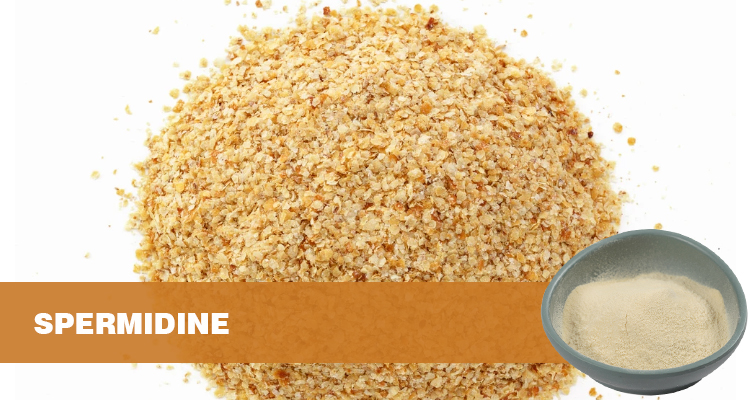 Target Groups Needing Immune Regulation
(I) High-Risk Groups with Immune Homeostasis Imbalance
Immune homeostasis imbalance is the root cause of many health problems, and spermidine plays a crucial role in maintaining immune balance.
Spermidine maintains immune balance by regulating immune cell differentiation. In T cell regulation, it acts like a precise “commander,” promoting the generation of regulatory T cells (Tregs). Tregs are the “brakes” of the immune system, inhibiting excessive immune responses and preventing the immune system from attacking its own tissues. Spermidine can also inhibit the overactivation of effector T cells and reduce the release of pro-inflammatory factors such as IL-6 and TNF-α. Excessive secretion of these pro-inflammatory factors can trigger inflammatory responses and disrupt the body’s normal physiological environment.
Macrophage polarization is also regulated by spermidine. Spermidine induces macrophage polarization towards the anti-inflammatory M2 type. M2 macrophages act as “repairers” in the body, promoting tissue repair and inflammation resolution. Simultaneously, it inhibits the activation of the pro-inflammatory M1 type. Over-activation of M1 macrophages releases large amounts of inflammatory factors, exacerbating the inflammatory response.
For individuals at high risk of autoimmune diseases, such as those with a family history of rheumatoid arthritis, their immune systems are at potential risk of imbalance. Spermidine can help regulate immune cell function and reduce the risk of disease. For patients with chronic inflammation, such as those with chronic bronchitis, long-term inflammation can lead to immune dysfunction. Spermidine can improve immune homeostasis and alleviate inflammatory symptoms by inhibiting the release of inflammatory factors. For individuals with allergies, whose immune systems are oversensitive to allergens, spermidine can regulate the immune response and reduce the occurrence of allergic symptoms.
(II) Individuals with Immune Aging and Decreased Anti-Infection Capacity
As people age, their immune system gradually weakens, and their ability to fight infection declines—an inevitable physiological process. However, the emergence of spermidine offers hope for improving this situation. Aging leads to thymic atrophy. The thymus is a crucial site for T cell maturation. Thymic atrophy affects T cell production and maturation, and immune cell function gradually declines. This makes older adults more susceptible to infections and increases the risk of tumors.
Spermidine can slow down the atrophy of the thymus and spleen, essentially injecting “youthful vitality” into immune organs, maintaining T/B cell production, and ensuring the immune system has sufficient “force” to fight off pathogens. By activating autophagy, spermidine clears senescent immune cells and reduces the secretion of pro-inflammatory cytokines (SASPs). Senescent immune cells continuously release pro-inflammatory cytokines, disrupting immune balance, while spermidine can promptly clear these “disruptive molecules,” maintaining immune system stability.
For middle-aged and elderly individuals over 60, due to age-related decline in immune system function, they are more susceptible to various infections. Spermidine supplementation can help enhance their body’s disease resistance and reduce the risk of infection. For patients with immunosuppression after radiotherapy and chemotherapy, while these treatments kill cancer cells, they also severely damage the immune system, leading to weakened immunity. Spermidine can help them restore immune function and enhance the body’s resistance to infection. Frequent infections indicate a defect or inadequacy in the immune system. Spermidine can regulate immune function, improve the body’s ability to fight infection, and reduce the frequency of infections.
 Special Considerations for Certain Populations
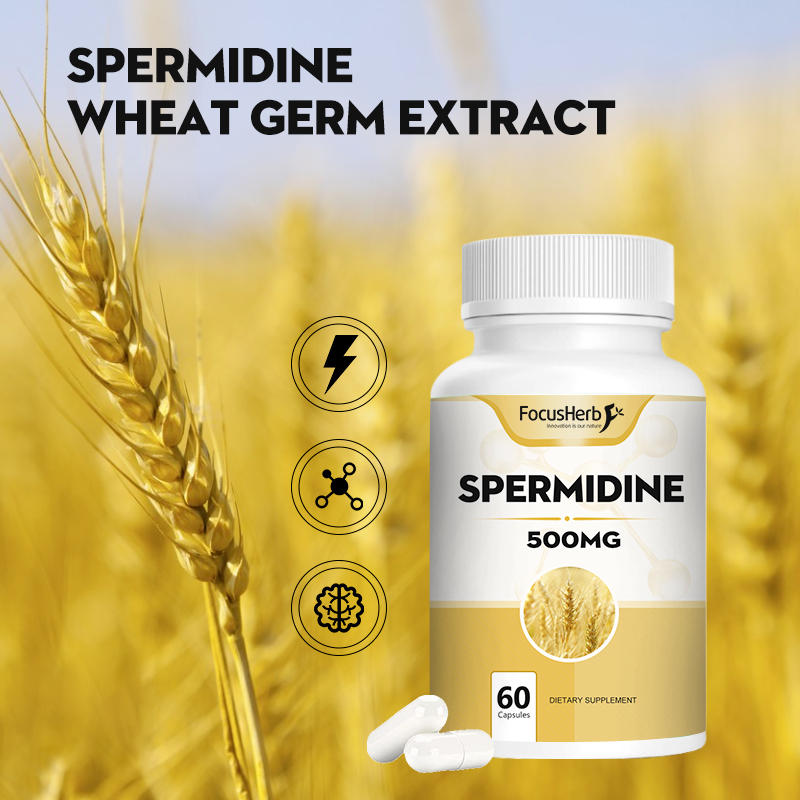 Special Considerations for Certain Populations
(I) Groups Requiring Caution
While spermidine offers potential benefits to many, it is not suitable for everyone. Certain populations must exercise extreme caution when using it.
Pregnant and lactating women are in a critical physiological stage with complex internal changes. The potential effects of spermidine on the fetus or infant are not yet fully understood. Because the organs and systems of the fetus and infant are rapidly developing, any external interference can lead to unpredictable consequences. Therefore, to ensure maternal and infant health, these two groups should carefully consider whether to supplement with spermidine under the strict guidance of a doctor.
Children and adolescents are also in a critical period of growth and development. Their spermidine metabolism mechanisms differ from those of adults and are not yet fully understood. Excessive spermidine intake may interfere with normal cell proliferation regulation and affect normal physical development. Therefore, if this group needs to supplement with spermidine, they must strictly follow the professional advice of a doctor and strictly control the dosage.
Patients with liver and kidney disease have impaired liver and kidney function, resulting in decreased metabolic and excretory abilities. Spermidine’s metabolism and clearance in the body primarily depend on the liver and kidneys. If liver or kidney function is impaired, spermidine may not be properly metabolized and excreted, leading to its accumulation in the body, increasing the burden on the liver and kidneys, and even causing adverse reactions. Therefore, such patients must undergo a comprehensive evaluation before supplementing with spermidine, and a doctor will determine the appropriate dosage and usage plan based on their specific condition and liver and kidney function.
For individuals taking immunosuppressants or anticoagulants, spermidine may interact with these medications, affecting their efficacy and increasing the risk of adverse reactions. For example, spermidine may enhance or weaken the immunosuppressive effect of immunosuppressants and affect the anticoagulant effect of anticoagulants, leading to adverse events such as bleeding or thrombosis. Therefore, such individuals should inform their doctor of any medications they are currently taking before supplementing with spermidine so that the doctor can assess the risks and develop a reasonable medication plan.
(II) The Necessity of Professional Consultation
Due to individual differences in health status, lifestyle habits, and genetic factors, seeking professional consultation before supplementing with spermidine is crucial. Before supplementing with spermidine, it is recommended to undergo relevant examinations such as a complete blood count and liver and kidney function tests to comprehensively assess the body’s baseline condition and understand one’s spermidine levels and whether liver and kidney function are normal. These examinations allow doctors or nutritionists to more accurately determine whether spermidine supplementation is suitable and to determine the appropriate dosage.
Nutritionists or doctors possess professional knowledge and extensive experience, enabling them to develop personalized spermidine supplementation plans based on individual circumstances such as age, gender, health status, and dietary habits. For the elderly, due to declining bodily functions and the potential for multiple chronic diseases, doctors will comprehensively consider these factors and carefully determine the dosage and method of spermidine supplementation. For patients with diabetes, doctors will consider the interaction between spermidine and hypoglycemic drugs, as well as its impact on blood sugar control, to develop a safe and effective supplementation plan.
Currently, research on spermidine is still ongoing. While it is generally believed that the appropriate daily intake range for adults is within a certain range, precise judgment requires combining research data and product instructions for each individual. Different brands and formulations of spermidine products may have varying content and absorption rates. When selecting and using spermidine, it is crucial to strictly follow the advice of professionals and avoid self-supplementation. Blindly supplementing with spermidine may cause gastrointestinal discomfort, such as nausea, vomiting, and diarrhea. Furthermore, improper dosage may prevent the achievement of the expected health benefits or even harm one’s health. Therefore, only by supplementing spermidine rationally under professional guidance can its potential benefits be fully realized and health protected.
