




Spermidine, with the chemical formula C7H19N3 and a relative molecular mass of 145.25, is a naturally occurring polyamine. At room temperature, it is a colorless liquid, hygroscopic, and soluble in water, diethyl ether, and ethanol. It is widely distributed in living organisms. In the plant kingdom, spermidine is found in various crops such as oats and tobacco, as well as common fruits and vegetables like tomatoes and soybeans. It can exist in free form or as conjugates with fatty acids, cinnamic acid, etc. In animals, spermidine is abundant in the heart, sperm, and eggs. Mushrooms, cheese, nuts, and some fermented foods are also important sources of spermidine.
After understanding the basic properties and distribution of spermidine, we naturally wonder what impact this widely distributed substance has on life activities. Does it truly possess the miraculous effects of prolonging life and maintaining cellular health, as some claim? Next, let’s delve deeper into the crucial role spermidine plays in the life process.
 Spermidine and the Secrets of Cellular Health
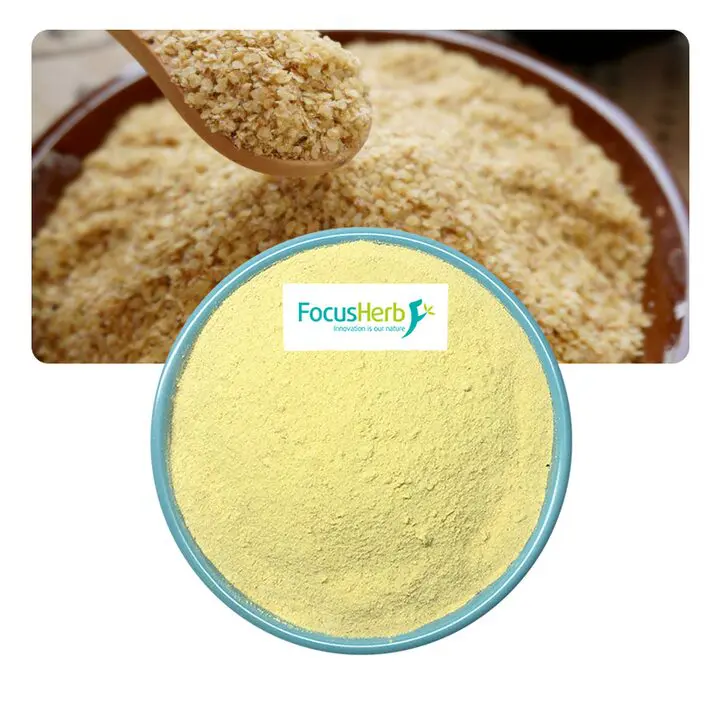 Spermidine and the Secrets of Cellular Health
(I) An Activator of Autophagy
Autophagy is an important self-degradation and recycling mechanism within cells, acting like the cell’s “cleaner,” removing damaged organelles, misfolded proteins, and pathogens, thus maintaining the stability of the intracellular environment. With age, the ability of autophagy gradually declines, leading to the accumulation of cellular waste and accelerating cellular aging. Spermidine is a potent activator of autophagy.
Spermidine promotes the formation of autophagosomes by upregulating the expression of autophagy-related genes (such as LC3 and ATG5). These autophagosomes act like “garbage bags,” encapsulating damaged proteins, mitochondria, and other “waste” within the cell. They then fuse with lysosomes, where they are degraded by various enzymes, thus maintaining the stability of the intracellular environment. Related studies have shown that in experiments with yeast, fruit flies, and mice, spermidine supplementation significantly increased the expression of autophagy-related genes, effectively clearing cellular “waste,” and correspondingly extending the lifespan of the organisms. The research that won the 2016 Nobel Prize in Physiology further confirmed the importance of autophagy and the key role of spermidine in activating it, and that inhibiting autophagy significantly weakens the anti-aging effects of spermidine.
(II) Guardian of the Genome
DNA, as the carrier of genetic information, is crucial for the normal function of cells and the continuation of life. However, during cellular metabolism, DNA is constantly threatened by various damaging factors, such as ultraviolet radiation, oxidative stress, and chemical substances. Spermidine can bind tightly to DNA, neutralizing the negative charges on the DNA molecule, making the DNA structure more compact and stable.
This stabilizing effect is like adding a strong “protective shield” to the DNA, helping to protect it from various damaging factors, thereby reducing the occurrence of gene mutations and chromosomal abnormalities, and maintaining the integrity of the genome. Once the genome is damaged, cells may experience functional abnormalities, even leading to aging and various diseases. Spermidine’s protective effect on the genome is crucial for delaying cellular aging and preventing age-related diseases, fundamentally maintaining cellular health.
(III) A Pioneer in Antioxidant Defense
During normal cellular metabolism, free radicals such as superoxide anions and hydroxyl radicals are constantly produced. These free radicals have strong oxidative activity, acting like “small bombs” that attack biomolecules within cells, such as lipids, proteins, and DNA, leading to oxidative stress damage. This, in turn, affects the normal structure and function of cells and accelerates cellular aging.
Spermidine has a direct antioxidant effect; it acts as a free radical scavenger, reacting with these free radicals and converting them into harmless substances, thereby reducing oxidative damage to biomolecules within cells. At the same time, spermidine can also regulate the activity of intracellular antioxidant enzymes, such as inducing the expression of superoxide dismutase and glutathione peroxidase, strengthening the cell’s antioxidant defense system. This is like equipping the cell with a powerful “antioxidant army,” enabling it to better cope with oxidative stress, maintain normal cellular function and structure, and slow down the aging process.
 The Life-Extending Effects of Spermidine
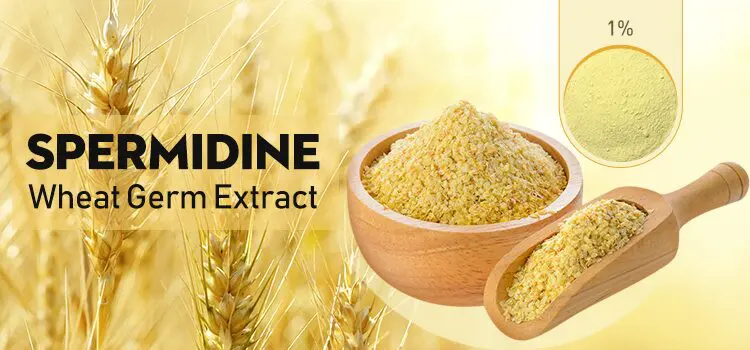 The Life-Extending Effects of Spermidine
(I) Strong Evidence from Model Organism Experiments
The life-extending effects of spermidine have been thoroughly validated in numerous model organism experiments. In yeast experiments, adding 4 millimoles of spermidine miraculously extended the lifespan of yeast by 400%, a significant finding that revealed spermidine’s powerful anti-aging potential.
Nematode experiments also yielded remarkable results. When 0.2 millimoles of spermidine were added to the nematodes’ diet, their lifespan increased by 15% compared to the control group. From a molecular mechanism perspective, spermidine upregulated the expression of autophagy-related genes in nematodes, enhancing cellular autophagy and effectively clearing cellular “waste,” thus slowing down the aging process in nematodes.
Fruit fly experiments were no exception; spermidine extended the lifespan of fruit flies by 30%. Studies found that spermidine activates the antioxidant defense system in fruit flies, reducing free radical damage to cells, and also regulates aging-related signaling pathways, such as the insulin/IGF-1 signaling pathway, significantly slowing down the aging rate of fruit flies.
In experiments with mammalian mice, lifelong administration of spermidine extended the average lifespan of mice by 25%. Even when administration began at 20 months of age (equivalent to 65 years old in humans), it still extended their lifespan. Mice supplemented with spermidine showed significantly reduced aging in various organs, lower inflammation levels, and significantly improved metabolic function. These consistent results from model organism experiments demonstrate that spermidine has a significant effect on extending lifespan, providing a solid theoretical basis for further research into its application in humans.
(II) Potential Impact on Human Health
Although spermidine has shown powerful life-extending effects in model organism experiments, research on its effects in humans is still in its early stages. However, some current studies have revealed potential links between spermidine and human health.
Scientists have found that in healthy 90-year-olds and centenarians, spermidine levels in tissues remain at levels similar to those of middle-aged individuals. In Asian countries, higher spermidine intake is often associated with higher life expectancy. This suggests that spermidine may play an important role in human longevity.
In terms of cardiovascular health, spermidine can lower blood lipid and cholesterol levels, preventing cardiovascular diseases. It promotes the release of nitric oxide by vascular endothelial cells, causing vasodilation and lowering blood pressure; it inhibits platelet aggregation and adhesion, preventing thrombosis; and it reduces the formation of oxidized low-density lipoprotein, mitigating the formation and development of atherosclerotic plaques. Studies have shown that increasing spermidine levels in the human gut through the combined use of arginine and *Bifidobacterium animalis* subsp. *lactis* yogurt can significantly improve endothelial function and blood lipid profiles in subjects. This provides new insights into the prevention and treatment of cardiovascular diseases.
In terms of neuroprotection, spermidine has a protective effect against neuronal damage, reducing β-amyloid deposition, slowing the progression of Alzheimer’s disease, improving learning and memory, protecting nerve cells, and preventing senile dementia. In elderly individuals with an average age of over 70, continuous intake of wheat germ extract with high spermidine content for 3 or 12 months improved age-related cognitive impairment without any adverse effects. This offers hope for improving cognitive function and quality of life in the elderly.
Sources and Supplementation Methods of Spermidine
 Sources and Supplementation Methods of Spermidine
(I) Natural Food Sources
Many foods in our daily diet are rich in spermidine, serving as natural sources of this remarkable substance. Mushrooms are a “rich mine” of spermidine; 100 grams of shiitake mushrooms can contain approximately 1.5 milligrams of spermidine. Whether stir-fried shiitake mushrooms or chicken stewed with shiitake mushrooms, both are delicious and healthy choices.
Cheese is also a good source, especially some cheeses with longer fermentation times, which have even higher spermidine content. The nut family should not be overlooked either; a handful of about 30 grams of almonds or walnuts can provide about 0.5 milligrams of spermidine, serving as both a daily snack and a source of nutrients.
During the fermentation process of fermented foods, the metabolic activity of microorganisms promotes the production of spermidine. For example, a 200 ml cup of yogurt may contain 0.2-0.3 milligrams of spermidine, which not only contributes to gut health but also supplements spermidine.
In addition, oats, soybeans, and other grains and legumes are also important sources of spermidine. A bowl of oatmeal paired with a serving of tofu can easily provide a certain amount of spermidine. To ensure sufficient daily intake of spermidine, we should maintain a diverse diet, rationally combining these spermidine-rich foods into our three meals a day.
(II) Choosing Dietary Supplements
With the increasing attention to the health benefits of spermidine, various spermidine dietary supplements have appeared on the market. When choosing such products, several key factors need to be considered. First, pay attention to the product’s ingredients and purity, choosing products with clearly defined ingredients and high spermidine purity, avoiding products containing excessive additives or impurities. Check whether the product has relevant quality certifications, such as GMP (Good Manufacturing Practice) certification, third-party testing reports, etc., to ensure product quality and safety.
When using spermidine dietary supplements, be sure to follow the recommended dosage on the product instructions and do not increase or decrease the dosage on your own. The recommended dosage may vary for different products; generally, the daily supplement amount is around 0.3-0.5 milligrams. Excessive intake of spermidine may cause adverse reactions such as gastrointestinal discomfort, nausea, and vomiting. Spermidine supplements are not suitable for everyone. Pregnant women, breastfeeding women, children, and individuals with certain medical conditions (such as liver or kidney disease) should consult a doctor before use to avoid potential risks and drug interactions.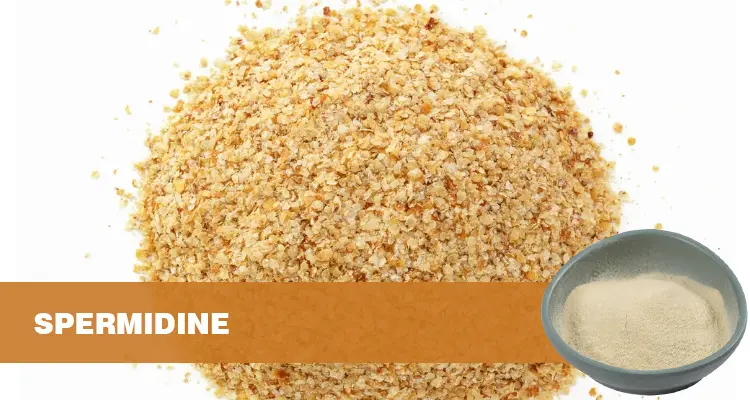
Outlook and Conclusion
Spermidine, a substance showing immense potential in the field of cellular health and longevity, is undeniably important, from activating cellular autophagy and protecting the genome to combating oxidative stress, significantly extending lifespan in model organism experiments, and offering potential benefits for human cardiovascular health and neuroprotection. Through a balanced diet rich in spermidine-containing foods, or by carefully using dietary supplements when necessary, we can potentially provide our bodies with sufficient spermidine to maintain cellular health and slow down the aging process.
However, research on spermidine is still in its developmental stages, especially regarding its application in humans. More large-scale, long-term clinical trials are needed to further verify its safety and efficacy. In the future, with further research, spermidine may become a powerful weapon in our fight against aging and disease prevention. Let us remain attentive to scientific research and look forward to the further surprises and benefits that spermidine may bring to human health.
