




Since ancient times, humanity’s pursuit of longevity has never ceased. From Emperor Qin Shi Huang sending Xu Fu on an expedition to the east in search of an elixir of immortality, to modern science’s in-depth exploration of the mechanisms of aging, the mystery of longevity has always captivated countless people. With the continuous advancement of life sciences, people have gradually discovered that in the microscopic world, some key components are quietly influencing the course of life, among which spermidine and NAD⁺ are two “stars” that have attracted much attention in recent years. They are like key players hidden within the genetic code of life, each playing a unique role and closely related to our health and aging. What are the miraculous effects of these two components? What are the differences and connections between them? Let’s unveil their mysteries together.
 Spermidine: The “Scavenger” of Cellular Autophagy
 Spermidine: The “Scavenger” of Cellular Autophagy
(I) Basic Characteristics of Spermidine
Spermidine, a naturally occurring polyamine, has a unique chemical structure with the chemical formula C7H19N3 and a relative molecular mass of 145.25. At room temperature, it is a colorless, hygroscopic liquid with a boiling point of approximately 129°C. It is soluble in common solvents such as water, diethyl ether, and ethanol, exhibiting excellent solubility. This characteristic allows it to freely move through various environments within the organism and participate in various biochemical reactions.
In living organisms, the synthesis of spermidine is a precise and orderly process. It is mainly formed from putrescine (1,4-diaminobutane) and S-adenosylmethionine under the catalysis of a series of enzymes. This synthesis pathway involves several key enzymes, such as ornithine decarboxylase and S-adenosylmethionine decarboxylase, which, like gears in a precision instrument, work together to ensure the smooth synthesis of spermidine. Spermidine is widely distributed. In the plant kingdom, it exists in many plants in free form or as conjugates with fatty acids and cinnamic acid, such as oats, tobacco, tomatoes, and soybeans. In these plants, spermidine plays an indispensable role in growth and development, affecting physiological processes such as flowering, fruiting, and senescence; in animals, spermidine is mainly concentrated in key areas such as the heart, sperm, and eggs, playing a crucial role in maintaining normal heart function and the development and vitality of reproductive cells. It is an indispensable substance in animal life activities.
(II) Spermidine Activates the Longevity Pathway
Spermidine can activate the cellular autophagy mechanism, like pressing the start button for the cell’s “cleaning system.” Under normal physiological conditions, various metabolic wastes and damaged organelles, such as oxidized proteins and senescent mitochondria, are constantly produced within cells. If these “cellular wastes” are not removed in time, they will accumulate in the cells, interfering with normal cellular function and accelerating cellular aging. Spermidine activates the autophagy pathway by inhibiting the activity of acetyltransferases (such as EP300), thereby releasing the inhibition of autophagy-related genes (such as ATG5 and ATG7). Once the autophagy pathway is activated, a special double-membrane structure—the autophagosome—forms within the cell. This acts as an efficient “phagocytic vesicle,” recognizing and engulfing damaged cellular components. It then fuses with lysosomes, where various hydrolytic enzymes break down these substances into smaller molecules, enabling the recycling of cellular components.
This process of cellular autophagy is crucial for maintaining cell health. Taking mitochondria as an example, mitochondria are the cell’s “energy factories,” responsible for producing the energy needed for cellular activity. However, with cellular metabolic activity, mitochondria gradually become damaged, and their function is affected. Spermidine induces mitochondrial autophagy, promptly clearing damaged mitochondria and promoting the generation of new mitochondria, thus maintaining normal mitochondrial function and ensuring that cells receive sufficient energy supply. During cellular aging, autophagy function typically declines, leading to the accumulation of cellular waste. The presence of spermidine effectively slows down this decline, maintaining cellular cleanliness and vitality, thereby delaying the aging process of the entire organism and laying a solid cellular foundation for longevity.
(III) Obtaining and Applying Spermidine
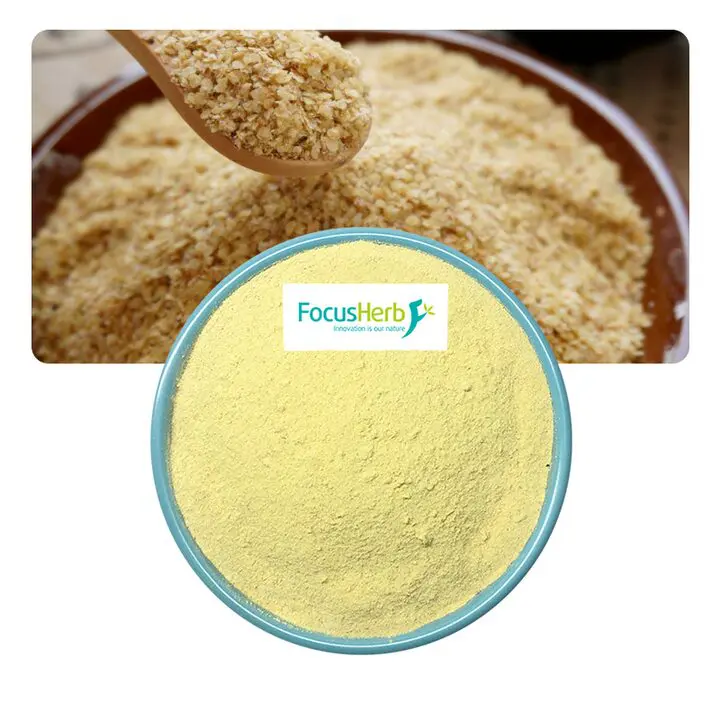
We can obtain spermidine through various foods in our daily diet. Whole-grain products are one of the best sources of spermidine, such as whole-wheat bread and whole-wheat noodles. They are not only rich in dietary fiber, promoting gut health, but also contain several milligrams of spermidine per 100 grams, making them an excellent choice for supplementing spermidine at breakfast. Legumes are also not to be overlooked; soybeans, mung beans, and red beans contain abundant high-quality plant protein, and the spermidine content in 100 grams of soybeans is considerable. A pot of fragrant mung bean soup can both quench thirst in the hot summer and provide a good source of spermidine. Mushrooms are also an important source of spermidine; common mushrooms like shiitake, oyster mushrooms, and king oyster mushrooms are not only delicious but also rich in various vitamins and minerals, and their spermidine content is excellent. A stir-fry of mushrooms and vegetables offers both deliciousness and health benefits. Nuts are not only rich in unsaturated fatty acids but also have a high spermidine content. Eating a small handful of almonds, walnuts, or pistachios every day can satisfy cravings and provide the body with spermidine. Fermented foods produce spermidine during the fermentation process; yogurt and kimchi are examples of fermented foods. A cup of yogurt not only promotes bowel movements but also helps supplement spermidine.
Besides food sources, spermidine supplements are also gradually gaining attention in the health field. Some studies suggest that for people who have difficulty obtaining enough spermidine from their diet, appropriate supplementation may have certain benefits. In animal experiments, supplementing aged mice with spermidine significantly improved their physical condition, including increased physical strength and improved cognitive abilities. However, the application of spermidine supplements in humans is still in the research stage, and its long-term safety and effectiveness require more clinical trials for verification. When using spermidine supplements, it is crucial to carefully follow medical advice and strictly adhere to the recommended dosage to avoid potential side effects and ensure the safe and effective realization of spermidine’s potential health benefits.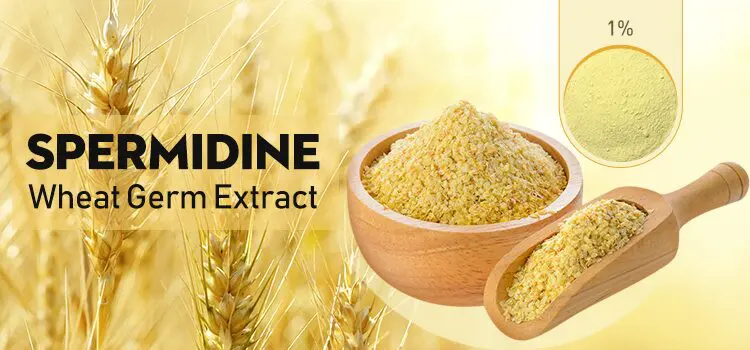
NAD⁺: The “Power Generator” of Cellular Energy
(I) Basic Introduction to NAD⁺
NAD⁺, or nicotinamide adenine dinucleotide, is, from a chemical structure perspective, like a meticulously constructed molecular building block. It is cleverly assembled from nicotinamide, adenine, and two ribose molecules linked by phosphodiester bonds, resembling a tightly woven molecular chain. The nicotinamide portion of its structure is the “active center of chemical reactions,” acting as a flexible “electron carrier” in redox reactions. It can reversibly accept or donate electrons and protons, easily facilitating the interconversion between NAD⁺ and reduced nicotinamide adenine dinucleotide (NADH). This conversion plays a crucial role in the cell’s energy production line.
NAD⁺ is widely distributed in the human body, acting like a diligent “cellular assistant,” present in every cell and participating in thousands of biocatalytic reactions. In the microscopic world of the cell, it actively participates in the metabolism of sugars, fats, and amino acids, acting as an efficient “energy coordinator,” promoting the metabolism of these nutrients and participating in energy synthesis. It is undoubtedly a core coenzyme in cellular metabolism, providing a continuous supply of power for the normal functioning of cells. Whether it’s the brain’s cognitive activity, the heart’s powerful beating, or the contraction and relaxation of muscles, all depend on NAD⁺ silently supporting energy metabolism.
(II) The Connection Between NAD⁺ and Aging
As age relentlessly increases, the human body is like a gradually aging machine, with various functions beginning to decline, and the decrease in NAD⁺ levels is an important indicator of this aging process. Relevant research clearly shows that starting around the age of 20, the NAD⁺ content in the human body begins to decline, decreasing by approximately 50% every 20 years. By the age of 40, the NAD⁺ content is drastically reduced to 25% of that in childhood. This significant decrease is closely linked to many age-related symptoms.
When NAD⁺ levels decrease, the cell’s energy metabolism is like an engine losing power, gradually slowing down. The once efficient energy production process becomes disrupted, and cells are unable to obtain sufficient energy supply, leading to various physical discomforts, such as a significant decrease in physical strength, making previously easy daily activities now difficult; metabolism also slows down, weight gradually increases, and weight loss becomes increasingly difficult. At the same time, DNA repair capabilities are also severely affected. DNA, as the “genetic blueprint” of cells, is constantly threatened by damage from various internal and external factors, such as ultraviolet radiation, chemical erosion, and oxidative stress. NAD⁺ is a key substrate for the DNA repair enzyme PARP. Once its level decreases, PARP is like a machine without “fuel,” unable to function normally, significantly weakening DNA repair capabilities, disrupting genomic stability, and making cells more prone to accumulating gene mutations and damage. This not only accelerates the aging process but also greatly increases the risk of developing cancer and other age-related diseases.
(III) Methods and Applications of Increasing NAD⁺ Levels
To combat the decline in NAD⁺ levels, scientists are actively exploring various effective methods, among which supplementing NAD⁺ precursor substances has become a research hotspot. NMN (nicotinamide mononucleotide) and NR (nicotinamide riboside) are two highly regarded precursor substances, acting as “convenient bridges” to NAD⁺. Taking NMN as an example, it can be rapidly converted into NAD⁺ within cells, replenishing the body’s NAD⁺ reserves. Numerous animal experiments have fully verified the significant effect of NMN in increasing NAD⁺ levels. In these experiments, after supplementing aged mice with NMN, their NAD⁺ levels significantly rebounded, as if they had regained vitality, and various physiological functions were significantly improved, including increased physical strength, restored normal metabolism, and improved cognitive abilities. These encouraging results bring great hope for the application of NMN in the field of anti-aging and health care for humans.
Based on these research findings, a variety of products promoting NAD⁺ supplementation have emerged on the market, covering various fields such as health supplements and skincare products. In the health supplement market, NMN, NR, and other related products have been favored by many consumers, especially those who are concerned about health and seek to slow down aging. They hope to maintain their NAD⁺ levels by taking these products, thereby maintaining a youthful and vibrant state. In the skincare industry, some high-end brands have also keenly recognized the anti-aging potential of NAD⁺ and have begun to incorporate NAD⁺ precursor ingredients into their products. These skincare products claim to promote skin metabolism and enhance the skin’s self-repair capabilities by increasing NAD⁺ levels in skin cells, thereby improving sagging skin, wrinkles, and other signs of aging, and giving the skin a renewed radiance.
 Key Differences Revealed
 Key Differences Revealed
(I) Differences in Mechanisms of Action
NAD⁺ primarily enhances cellular energy metabolism by participating in intracellular redox reactions. In key stages of cellular respiration, such as glycolysis, the tricarboxylic acid cycle, and oxidative phosphorylation, NAD⁺ acts as a coenzyme, accepting electrons and protons to become NADH. The latter then transfers electrons to the mitochondrial respiratory chain, ultimately producing ATP through a series of complex electron transfer and proton pumping processes, providing a direct energy source for the cell. Furthermore, NAD⁺ is a crucial substrate for sirtuins, a class of longevity proteins that play important roles in cellular metabolic regulation, DNA repair, and aging. By maintaining the activity of sirtuins, NAD⁺ indirectly affects various physiological functions of the cell.
Spermidine, on the other hand, primarily exerts its effects by inducing autophagy. Autophagy is an important self-cleaning and repair mechanism within cells. Spermidine activates the autophagy pathway by inhibiting the activity of acetyltransferases, thereby releasing the inhibition of autophagy-related genes. During autophagy, autophagosomes are formed within the cell, engulfing damaged organelles and protein aggregates. These autophagosomes then fuse with lysosomes, degrading these substances and recycling cellular components, maintaining the stability of the intracellular environment. Unlike NAD⁺, which focuses on energy metabolism, spermidine’s action is more focused on the cleaning and repair of intracellular substances, ensuring the normal structure and function of the cell.
(II) Differences in Health Impacts
Due to its central role in energy metabolism, the health effects of NAD⁺ are primarily reflected in functions related to energy and metabolism. Sufficient NAD⁺ levels help maintain a high-energy state in cells, allowing individuals to maintain abundant physical energy and good metabolic function, effectively preventing and improving diseases caused by abnormal energy metabolism, such as obesity and metabolic syndrome. At the same time, NAD⁺ is crucial for maintaining brain function; it supports the normal metabolism and signal transmission of neurons, improves cognitive abilities, and prevents neurodegenerative diseases such as Alzheimer’s disease and Parkinson’s disease.
The health effects of spermidine, however, focus on cellular-level cleaning and repair. By continuously activating autophagy, spermidine can promptly clear intracellular “waste,” maintaining cell health and vitality, which is of great significance in slowing down the aging process. Numerous studies have shown that spermidine is closely related to cardiovascular health. It can reduce inflammatory responses, inhibit the development of atherosclerosis, and reduce the risk of cardiovascular diseases. In the immune system, spermidine can enhance the function of immune cells, improve the body’s immunity, and help the body defend against pathogen invasion. In the nervous system, the protective and reparative effects of spermidine on neurons help improve cognitive function and alleviate the symptoms of neurodegenerative diseases.
(III) Differences in Supplementation Methods and Effects
NAD⁺ cannot be directly absorbed by the human body and usually requires indirect supplementation through its precursor substances, such as NMN and NR, to increase NAD⁺ levels in the body. During absorption, these precursor substances require specific transporter proteins to enter the cells, and then undergo a series of enzymatic reactions to be converted into NAD⁺. Taking NMN as an example, after being absorbed in the small intestine, it enters the bloodstream through specific transporters, and is then taken up by tissue cells and converted into NAD⁺. The effects of supplementing NAD⁺ precursors are relatively rapid; generally, after several weeks of continuous supplementation, NAD⁺ levels in the body will significantly increase, and correspondingly, effects such as enhanced energy metabolism and reduced fatigue will gradually become apparent. These effects can be maintained at a certain level during continuous supplementation.
Spermidine can be supplemented in a variety of ways, either through food or supplements. Spermidine from food sources is absorbed in the gastrointestinal tract, and its absorption process is relatively simple, requiring no complex conversion steps. The effects of spermidine supplementation may be relatively slow, requiring a longer period of continuous intake to gradually take effect. This is because autophagy is a relatively slow process that requires time to accumulate effects. After long-term spermidine supplementation, the level of autophagy gradually increases, and the body will show improvements in multiple aspects, such as enhanced cell vitality and reduced inflammation levels. These improvements usually have good persistence; even after stopping supplementation for a period of time, some effects may still persist.
Synergistic Action, Double the Anti-Aging Benefits?
In recent years, scientists have begun to focus on the potential of combining spermidine and NAD⁺ for anti-aging purposes. Research suggests that they may produce a synergistic effect, leading to new breakthroughs in anti-aging. Theoretically, NAD⁺ enhances cellular energy metabolism, providing sufficient power for cellular activities, while spermidine-induced autophagy cleanses cellular waste and damaged structures, creating a favorable intracellular environment for energy metabolism. The combination of the two is like providing cells with ample energy and a clean “workspace,” thus more comprehensively delaying cellular aging.
In relevant research, an experiment on nematodes showed that when nematodes were simultaneously given spermidine and the NAD⁺ precursor NMN, their lifespan was significantly extended, and their motility and reproductive capacity also improved significantly, far exceeding the effects of using spermidine or NMN alone. In mouse experiments, the combined supplementation of spermidine and NAD⁺ also showed a synergistic protective effect on cardiac function, reducing myocardial ischemia-reperfusion injury, lowering inflammation levels, and improving the heart’s antioxidant capacity. These studies indicate the possibility of a synergistic effect between spermidine and NAD⁺ in anti-aging and maintaining overall health, providing new insights for developing more effective anti-aging strategies.
Future Prospects and Rational Choices
Research on spermidine and NAD⁺ has opened a new door to delaying aging and promoting healthy longevity. In the future, with continued research, we have reason to expect them to demonstrate immense application potential in more areas, providing strong support for addressing the health problems brought about by an aging population.
However, we must also be soberly aware that most of this research is still in the animal experiment and preliminary clinical trial stages. Applying them fully to anti-aging practices in humans still faces many challenges. On the path to health and longevity, we cannot blindly follow trends or easily believe exaggerated claims. When choosing and using spermidine or NAD⁺-related products, we should maintain rationality and caution. Consulting a professional doctor or health expert is crucial. They can provide personalized guidance based on individual health conditions, lifestyle habits, and potential disease risks, ensuring that we utilize these research findings safely and scientifically to benefit our health. At the same time, we cannot ignore the fundamental role of a healthy lifestyle. Maintaining a balanced diet, moderate exercise, sufficient sleep, and a positive mindset will always be the foundation for maintaining good health.
