










Chondroitin sulfate, as its name suggests, is closely related to cartilage. In fact, it is a natural polysaccharide widely found in animal cartilage tissue. Common sources include the cartilage of cattle, pigs, and sharks. In human joint cartilage, chondroitin sulfate plays an indispensable role, being a key component. From a microscopic perspective, joint cartilage acts like a smooth “cushion” covering the joint surface, providing cushioning, reducing friction between bones, and allowing for flexible joint movement. Chondroitin sulfate is one of the core building materials of this “cushion.” It is tightly connected with collagen fibers, forming the matrix structure of cartilage and giving it elasticity and pressure resistance. To illustrate, if joint cartilage is likened to a building, then chondroitin sulfate is the steel reinforcement and cement, supporting the entire framework and ensuring the building’s stability. Once the content of chondroitin sulfate decreases or its structure is damaged, just like the steel bars of a building rusting or the cement loosening, the normal function of cartilage will be affected, leading to various joint problems.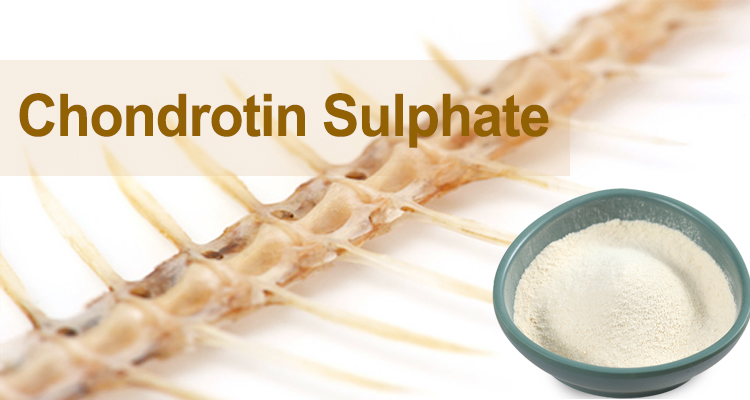
A Multi-pronged Approach: The Joint-Protective Mechanism of Chondroitin Sulfate
(I) Promoting Cartilage Repair and Regeneration
Once articular cartilage is damaged, it is difficult for it to fully repair itself. Chondroitin sulfate plays a crucial “repairer” role in this process. It provides chondrocytes with ample nutrition, like rain nourishing parched land, revitalizing them. Nourished by these nutrients, chondrocyte proliferation accelerates, new cartilage tissue is continuously generated, and damaged areas are gradually repaired. Simultaneously, chondroitin sulfate inhibits the activity of harmful enzymes such as matrix metalloproteinases. These enzymes act as “destructive molecules,” degrading the cartilage matrix. Chondroitin sulfate effectively prevents their destructive behavior, maintaining the stability of the cartilage matrix and creating a favorable internal environment for cartilage repair. Studies have shown that in experimental models of joint injury, the chondroitin sulfate-supplemented group showed significantly better cartilage repair than the control group, with significant improvements in the structure and function of damaged cartilage. This fully demonstrates chondroitin sulfate’s remarkable ability to promote cartilage repair and regeneration.
(II) Powerful Anti-inflammatory Effects
Inflammation is a major factor causing joint pain and damage, and chondroitin sulfate possesses powerful anti-inflammatory capabilities, making it a “sharp weapon” against inflammation. When joint inflammation occurs, the body releases a series of inflammatory factors such as interleukin-1β and tumor necrosis factor-α. These inflammatory factors act like a group of mischievous “monsters,” triggering an inflammatory response in the synovial membrane of the joint, leading to symptoms such as redness, swelling, heat, and pain, severely affecting the normal function of the joint. Chondroitin sulfate can precisely target key aspects of the inflammatory response, reducing the release of inflammatory factors at the source by inhibiting the nuclear factor κB signaling pathway, preventing these “monsters” from causing trouble. Clinical studies have found that for patients with osteoarthritis, after taking chondroitin sulfate for a period of time, inflammatory markers in the joints significantly decreased, symptoms such as redness, swelling, heat, and pain in the joints were effectively relieved, joint mobility was significantly improved, and quality of life was greatly enhanced.
(III) Lubricating Joints and Reducing Friction
Smooth joint movement relies on proper lubrication, and chondroitin sulfate excels in this regard, acting as a true “lubricant” for joints. It works synergistically with hyaluronic acid in synovial fluid to enhance the viscoelasticity of the fluid, making it thicker and smoother, much like applying a high-quality lubricant to the moving parts of a machine. When we move our joints, chondroitin sulfate forms a thin lubricating film between the joint surfaces. This film acts as a protective barrier, effectively reducing the coefficient of friction between the joint surfaces and minimizing direct friction and wear between bones. Imagine, without this lubricating film, joints would be like gears without lubrication; every rotation would generate significant friction and wear, eventually leading to serious damage. For athletes, dancers, and other individuals who frequently use their joints, as well as for the elderly whose joint function is gradually declining, the lubricating effect of chondroitin sulfate is particularly important. It helps maintain joint flexibility, reduces the risk of joint injury, and makes joint movement easier and more natural.
(iv) Delaying the Degenerative Process of Joints
With age and long-term wear and tear, joints gradually degenerate. Chondroitin sulfate acts as a loyal “guardian,” slowing down this inevitable process. It regulates the metabolic balance of chondrocytes, keeping them in optimal working condition and continuously synthesizing sufficient cartilage matrix to maintain the normal structure and function of cartilage. Simultaneously, chondroitin sulfate inhibits the development of subchondral bone sclerosis, reducing the formation of osteophytes (commonly known as “bone spurs”). These osteophytes, like “small thorns” in the joint, irritate surrounding tissues, causing pain and inflammation, while chondroitin sulfate effectively prevents their formation. In imaging examinations, people who take chondroitin sulfate long-term show a significantly slower rate of joint space narrowing and less wear and tear on the articular cartilage. This means their joints maintain a relatively youthful and healthy state, greatly reducing the risk of joint diseases caused by degeneration and extending the lifespan of their joints.
Proper Use of Chondroitin Sulfate
(I) Suitable Population
While chondroitin sulfate offers numerous benefits for joint health, it’s not necessary for everyone. Identifying the appropriate population maximizes its effectiveness. Middle-aged and elderly individuals are at high risk of joint diseases due to age-related decline in bodily functions, gradual wear and tear on joint cartilage, and bone loss. Chondroitin sulfate supplementation helps repair damaged cartilage, relieve joint pain, slow joint degeneration, and maintain joint flexibility. For example, approximately 70% of people over 60 years old experience varying degrees of joint problems, and chondroitin sulfate can safeguard their joint health.
Athletes and sports enthusiasts undergo long-term high-intensity training, placing immense pressure on their joints and accelerating cartilage wear. Chondroitin sulfate supplementation can promote cartilage repair, reduce the risk of sports injuries, help them recover from exercise fatigue more quickly, and maintain optimal athletic performance. For instance, professional runners are prone to knee cartilage damage during long-term training; chondroitin sulfate effectively protects their knee joints, allowing them to perform at their best on the field. People with a history of joint injuries, such as fractures, ligament sprains, or meniscus tears, may still experience impaired joint stability and cartilage integrity even after the injury has healed. Chondroitin sulfate supplementation can help promote secondary repair of damaged joints, enhance joint resilience, and reduce the chance of re-injury. For example, a young person who suffered a meniscus tear while playing basketball consistently took chondroitin sulfate during rehabilitation, resulting in better joint function recovery and allowing them to return to their beloved sport.
People engaged in heavy physical labor, such as construction workers and porters, experience frequent stress and severe wear and tear on their joints during daily work. Chondroitin sulfate supplementation can provide additional protection for their joints, reduce joint pain, and prevent joint diseases. For them, chondroitin sulfate acts like a “protective shield” for their joints, allowing them to cope with heavy workloads more easily.
(II) Supplementation Methods and Precautions
Chondroitin sulfate can be supplemented primarily through three methods: food supplementation, health product supplementation, and medication supplementation. Animal cartilage, such as oxtail, pig ears, and pig trotters, is an important source of chondroitin sulfate in food. Appropriate consumption of these foods can supplement a certain amount of chondroitin sulfate. However, it’s important to note that the amount of chondroitin sulfate obtained through food is relatively limited, and these foods often contain high levels of fat and cholesterol. Excessive consumption may have other adverse health effects. For example, while pig trotters are rich in chondroitin sulfate, they are also high in fat, and excessive consumption may lead to elevated blood lipids.
Chondroitin sulfate in supplement form is widely available on the market, commonly in soft capsules, hard capsules, and tablets. When choosing supplements, it’s important to select reputable brands and channels, and check the product’s ingredients, content, production date, and shelf life to ensure product quality and safety. Furthermore, supplements cannot replace medication. If you already have severe joint disease, you still need to undergo medication under the guidance of a doctor. For example, when purchasing chondroitin sulfate supplements, carefully check the product’s approval number and choose products with quality assurance.
Chondroitin sulfate in pharmaceutical form typically undergoes rigorous clinical trials and approval, possessing clear therapeutic efficacy and indications. It is primarily used to treat joint diseases such as osteoarthritis and rheumatoid arthritis. When using this medication, it is crucial to strictly follow your doctor’s instructions, adhering to the prescribed dosage and course of treatment. Do not increase or decrease the dosage or discontinue use without consulting your doctor. For example, for osteoarthritis patients, doctors may prescribe chondroitin sulfate based on their condition; patients must take it on time and in the prescribed dosage to achieve optimal therapeutic effects.
Regardless of the supplementation method, the following points should be noted when using chondroitin sulfate: First, strictly control the dosage. Excessive intake may increase the burden on the body and cause adverse reactions. Generally, a daily intake of chondroitin sulfate for adults is approximately 800-1200 mg, but the specific dosage should be adjusted based on individual circumstances and doctor’s advice. Second, it is contraindicated for those allergic to chondroitin sulfate, and should be used with caution by those with allergic constitutions. It is best to perform an allergy test before use to observe for any allergic reactions. In addition, chondroitin sulfate may interact with some medications, such as anticoagulants and lipid-lowering drugs. If you are taking other medications, be sure to inform your doctor before using chondroitin sulfate to avoid affecting the efficacy of the medications or causing adverse reactions. For example, patients taking anticoagulants may have an increased risk of bleeding if they take chondroitin sulfate at the same time. While supplementing with chondroitin sulfate, it is also important to maintain a healthy lifestyle, including a balanced diet, moderate exercise, and weight control, to better leverage the protective effects of chondroitin sulfate on joints.
 Joints, as the hub of our bodily activities, bear the weight of every step and every movement in our lives. From waking up to the first rays of sunlight in the morning to falling asleep wearily at night, joints are constantly and silently supporting our lives. However, with age, the erosion of unhealthy lifestyle habits, and the influence of external factors, joint health gradually deteriorates, and joint problems become a problem that plagues many people.
Chondroitin sulfate, as a loyal guardian of joint health, provides powerful support for our joint health with its unique joint-protecting mechanism and significant efficacy. It promotes cartilage repair and regeneration, revitalizing damaged joints; it reduces inflammation and swelling, alleviating joint pain and discomfort; it lubricates joints, making joint movement smoother and more free; it slows down the degenerative process of joints, keeping our joints in a youthful state. Clinical research data and countless real-life cases have witnessed the outstanding performance of chondroitin sulfate in protecting joint health, giving us confidence and hope in overcoming joint problems.
Protecting joint health is a long-term battle. In addition to appropriate supplementation with chondroitin sulfate, we also need to cultivate a healthy lifestyle. Maintaining moderate exercise, such as walking, swimming, and yoga, is a low-intensity aerobic exercise that strengthens the muscles around the joints, improves joint stability, and promotes the circulation of synovial fluid, providing sufficient nutrition to the articular cartilage. A balanced diet rich in calcium, vitamin D, and protein, such as milk, soy products, fish, and nuts, provides a solid material foundation for joint health. Controlling weight avoids excessive weight, which puts extra pressure on the joints, allowing them to function easily. Keeping joints warm, especially in cold seasons, prevents them from getting cold and causing pain and inflammation.
On life’s journey, let’s join hands with chondroitin sulfate, cherish joint health, and build a strong defense for joint health using scientific methods and a positive attitude. May we all have healthy joints, run and jump freely, fully enjoy the beauty of life, and embrace every vibrant tomorrow.
