








Nervonic acid, a substance attracting significant attention in the field of brain health, possesses a unique molecular structure and important biological positioning. At the molecular level, its chemical name is cis-15-tetracosenoic acid, which has a long chain composed of 24 carbon atoms and contains one double bond, belonging to the monounsaturated fatty acid family. This special long-chain structure endows nervonic acid with many key properties, playing an irreplaceable role in maintaining the normal physiological function of nerve cells.
In vivo, nervonic acid is mainly found in nerve tissue, especially in the brain and the myelin sheath of nerve fibers. The myelin sheath acts like an “insulating coat” surrounding nerve fibers, ensuring the rapid and accurate transmission of nerve signals. Nervonic acid, as a key component of the myelin sheath, is a core element in maintaining the integrity and normal function of this “insulating coat.” When nervonic acid levels are sufficient, the myelin sheath structure is stable, allowing for efficient transmission of nerve signals, enabling the brain to receive and process various information promptly, resulting in agile thinking and coordinated actions. A deficiency in nervonic acid can lead to damage or loss of myelin, disrupting nerve signal transmission and causing a range of neurological problems, such as cognitive impairment and memory loss.
More importantly, nervonic acid possesses a unique ability—it can cross the blood-brain barrier. The blood-brain barrier is a crucial defense for the brain, preventing many harmful substances from entering, but also restricting the passage of certain nutrients. Nervonic acid, with its unique molecular properties, successfully crosses this barrier, directly reaching the central nervous system to provide essential nutritional support to brain nerve cells. It participates in neuronal structural construction and signal transduction, fundamentally ensuring healthy brain function, making it a true cornerstone of brain nutrition.
Discovery Process and Scarcity
The discovery of nervonic acid was marked by exploration and breakthroughs. As early as the beginning of the 20th century, scientists successfully isolated nervonic acid from shark brain tissue for the first time, opening the door to human research on nervonic acid. Subsequent research revealed that nervonic acid is not unique to sharks; it is widely present in the nerve tissue of higher mammals and is crucial for the normal development and functional maintenance of the nervous system.
However, the human body’s ability to synthesize nervonic acid is extremely weak, almost negligible, so we must rely on external sources. Early on, shark brains were the primary source of nervonic acid. However, limitations on shark catches and increased awareness of marine ecological protection led to international calls for a ban on shark hunting, making this method of obtaining nervonic acid from sharks unsustainable. Furthermore, the price of nervonic acid from this source once reached as high as $1.2 million per kilogram, severely hindering its market application and widespread use.
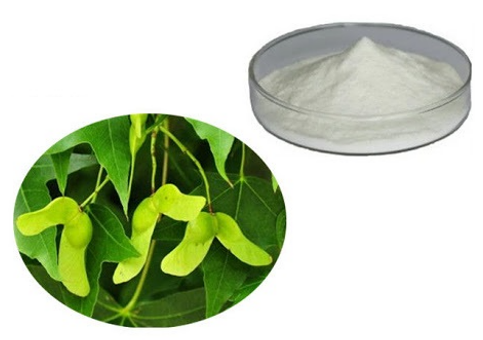
With advancements in science and technology, scientists turned their attention to the plant kingdom. Through tireless efforts, Chinese scientist Wang Xingyan discovered over 200 bioactive components in the seeds of the ancient tree species *Acer truncatum*, including nervonic acid. Subsequently, other plants such as garlic fruit were also found to be good sources of nervonic acid. Through continuous research and optimization of plant-derived extraction technology, we are now able to efficiently extract nervonic acid from plant oils such as Acer truncatum seed oil and garlic fruit oil. This not only solves the problem of scarce nervonic acid resources, but also significantly reduces the cost of nervonic acid, laying the foundation for its widespread application in many fields such as medicine, health products, and food, allowing more people to benefit from the brain health benefits of nervonic acid.
The Bioengine of Cognitive Function: The Core Mechanism of Nervonic Acid
(I) Construction and Repair of Neural Structures
Nervonic acid can be considered a “repair master” of the nervous system. It is currently the only scientifically proven natural component capable of repairing and unblocking damaged nerve fibers, playing an irreplaceable and crucial role in the construction and repair of neural structures.
From a molecular biology perspective, nervonic acid is a key precursor substance for myelin synthesis. When nerve fibers are damaged, and myelin is lost or damaged, nervonic acid provides essential raw materials for myelin regeneration. It can enter oligodendrocytes (cells responsible for myelin formation in the central nervous system) and Schwann cells (cells responsible for myelin formation in the peripheral nervous system), and through a series of complex biochemical reactions, is transformed into core lipid components of myelin such as sphingomyelin and gangliosides, promoting the resynthesis of myelin. Just like re-insulating a damaged wire, it allows nerve fibers to regain their ability to efficiently conduct nerve signals.
Clinical studies have also provided strong evidence for this role of nervonic acid. Studies on patients with traumatic neuropathy have found that nervonic acid supplementation significantly accelerated the regeneration of myelin sheaths in damaged nerve fibers and substantially improved nerve conduction velocity. Some patients who initially experienced limb numbness and sensory abnormalities due to nerve damage showed significant symptom improvement after a period of continuous nervonic acid supplementation. Similarly, nervonic acid has demonstrated a good adjuvant effect in the treatment of peripheral neuropathy, helping patients alleviate muscle weakness and limited motor function caused by nerve conduction disorders, allowing them to gradually regain normal daily living abilities.
Furthermore, nervonic acid can promote the growth of neuronal synapses. Synapses are key structures for information transmission between neurons, and their number and function directly affect the efficiency and accuracy of nerve signal transmission. Nervonic acid, by regulating the expression of related genes, stimulates neurons to grow more synapses, increasing the number of connections between neurons. This allows nerve signals to propagate more widely and rapidly in the brain’s neural network, providing a solid structural foundation for cognitive, learning, and memory functions, helping the brain process various information more efficiently, making our thinking more agile and our reactions faster.
(II) Multidimensional Effects of Cognitive Enhancement
1. Enhanced Synaptic Plasticity: Nervonic acid’s effect on enhancing synaptic plasticity provides crucial support for improving cognitive abilities. The fluidity of brain cell membranes is essential for neurotransmitter transmission and receptor activity, and nervonic acid, with its unique molecular structure, can effectively regulate this fluidity. When nervonic acid enters the brain, it integrates into the lipid bilayer of the cell membrane, making the cell membrane more flexible and elastic, creating a more favorable environment for neurotransmitter release and receptor binding.
For example, acetylcholine is a neurotransmitter that plays a key role in learning and memory. Nervonic acid can optimize the activity of acetylcholine receptors, making them more likely to bind to acetylcholine, thereby enhancing the efficiency of neural signal transmission. During the memory encoding stage, sufficient nervonic acid helps the brain more efficiently convert external information into neural signals and accurately transmit them between neurons, enabling us to better remember new knowledge and experiences. During memory retrieval, nervonic acid helps to quickly activate relevant neural pathways, allowing stored memory information to be retrieved and recalled smoothly, greatly improving the efficiency of memory encoding and retrieval, especially having a significant positive impact on short-term memory and the ability to learn new knowledge and skills. Many students who supplement with nervonic acid-rich nutritional preparations have clearly felt an improvement in their learning efficiency in the classroom, being able to understand and master the content taught by teachers more quickly, and experiencing enhanced memory, with more solid and lasting retention of knowledge.
2. Anti-neurodegenerative Protection: In the prevention and treatment of neurodegenerative diseases, the antioxidant properties and anti-apoptotic effects of nervonic acid make it an important line of defense. β-amyloid protein deposition and free radical damage are important pathological features of neurodegenerative diseases such as Alzheimer’s disease. β-amyloid protein forms plaques in the brain, damaging connections between neurons and interfering with the transmission of nerve signals, while free radicals attack the cell membranes, proteins, and DNA of nerve cells, leading to nerve cell damage and even death.
Nervonic acid possesses powerful antioxidant capabilities, acting like a “scavenger” to capture and neutralize free radicals in the brain, reducing oxidative damage to nerve cells. Simultaneously, nervonic acid can inhibit the deposition of β-amyloid protein, preventing its aggregation and fibrosis by regulating the expression and metabolic pathways of related proteins, thereby mitigating its toxic effects on neurons and delaying the apoptosis process of nerve cells. Clinical studies have shown that in individuals with mild cognitive impairment, nervonic acid supplementation significantly improves their attention and executive functions, leading to clearer thinking and better completion of daily cognitive tasks such as focused reading and complex problem-solving. This offers new hope for preventing and delaying the development of neurodegenerative diseases.
3. Neural Network Remodeling: For patients with impaired neural pathways, such as those suffering from brain atrophy or stroke sequelae, nervonic acid offers a glimmer of hope for rebuilding neural networks and restoring bodily functions. Brain atrophy leads to a reduction in brain tissue volume, a decrease in the number of nerve cells, and damage to neural pathways, resulting in a series of problems such as cognitive impairment and motor dysfunction. Stroke causes localized cerebral ischemia and hypoxia, leading to nerve cell death and disruption of neural pathways, often resulting in severe sequelae such as hemiplegia and speech disorders.
Nervonic acid can induce nerve fibers to repair themselves. It acts like a “navigator,” guiding damaged nerve fibers to regrow and extend, finding and connecting to the correct target points, and rebuilding broken signal transduction chains. During this process, nervonic acid also promotes the proliferation and differentiation of neural stem cells, generating more new neurons to replenish the missing nerve cells in the damaged area, providing the cellular basis for neural network remodeling. With the repair of nerve fibers and the addition of new neurons, the brain’s neural network gradually restores its normal structure and function, and the patient’s language ability and limb coordination gradually recover. For example, some stroke patients, after consistently supplementing with nervonic acid and combining it with rehabilitation training, gradually regained motor function in their previously hemiplegic limbs, were able to perform simple voluntary activities, and their speech became clearer and more fluent, significantly improving their quality of life.
From Diet to Formulations: Scientific Strategies for Nervonic Acid Supplementation

(I) Differences in Natural Food Sources and Efficacy
In the pursuit of brain health and supplementing nervonic acid, natural foods are the fundamental way to obtain nervonic acid. However, different food sources show significant differences in nervonic acid content and actual efficacy.
Regarding animal sources, deep-sea fish such as salmon and tuna, as well as mammalian brain tissue, have been considered potential sources of nervonic acid. Salmon has tender flesh and is rich in various nutrients. Every 100 grams of salmon contains a small amount of nervonic acid, and it is also rich in Omega-3 fatty acids, which are beneficial to cardiovascular health and brain development. Tuna swims rapidly, and its muscle tissue also contains a certain amount of nervonic acid. Although the content is not high per 100 grams, its high protein and low fat content makes it a relatively healthy food choice. However, deep-sea fish face the risk of heavy metal pollution such as mercury. With changes in the marine environment and the emission of industrial wastewater and exhaust gases, heavy metals such as mercury are constantly accumulating in the marine food chain. Deep-sea fish, which are at higher levels of the food chain, often have excessive levels of mercury. Long-term consumption of contaminated deep-sea fish can lead to mercury accumulation in the body, damaging organs such as the nervous system and kidneys, posing a serious threat to health.
Obtaining nervonic acid from mammalian brain tissue faces significant controversy regarding animal welfare and ethics, and its extremely limited availability makes large-scale acquisition difficult. Therefore, the practical application of animal-derived nervonic acid is severely restricted.
Plant-derived nervonic acid offers a glimmer of hope, becoming a superior choice for sustainable supplementation. Acer truncatum seed oil, a prime example of plant-derived nervonic acid, contains approximately 5%-6% nervonic acid. Acer truncatum is a tree species unique to China, and its seeds, extracted using a special pressing process, yield seed oil with a considerable nervonic acid content, as well as being rich in various unsaturated fatty acids and vitamin E, offering multiple benefits including antioxidant and lipid-regulating effects. Garlic fruit oil stands out even more for its exceptionally high nervonic acid content, exceeding 47%, making it one of the highest known plant-derived nervonic acid sources. As a rare plant, the oil extracted from the fruit of the garlic clove is not only high in nervonic acid but also low in erucic acid. This ensures that garlic clove oil effectively replenishes nervonic acid while maintaining high safety, avoiding the potential health risks associated with high erucic acid levels.
In addition, nuts such as walnuts and almonds, as well as seeds like flaxseeds and perilla seeds, also contain a certain amount of nervonic acid. Walnuts have a rich flavor and are rich in protein, unsaturated fatty acids, and other nutrients. Although the nervonic acid content per 100 grams of walnuts is relatively low, regular consumption can provide the body with various nutrients and is beneficial to brain health. Almonds are nutritious and have effects such as moisturizing the lungs, relieving coughs, and promoting bowel movements; they also contain a small amount of nervonic acid. Flaxseeds are rich in Omega-3 fatty acids and dietary fiber. Although their nervonic acid content is low, long-term regular intake can also replenish nervonic acid for the brain to some extent. Perilla seeds have a unique aroma and are rich in various bioactive components. They have been used in traditional medicine to treat various diseases, and the nervonic acid they contain can also contribute to health. However, these foods have relatively low nervonic acid content. To meet the body’s nervonic acid needs solely through these foods, long-term, high-volume, and regular intake is required to achieve good supplementation results.
(II) Applicable Scenarios and Precautions for Prescription Supplementation
In certain health conditions and among certain populations, relying solely on natural foods to supplement nervonic acid may not meet the body’s requirements. In these cases, purified nervonic acid preparations become an effective and precise supplementation solution.
Among middle-aged and elderly individuals, those at high risk of cognitive decline are particularly vulnerable. With age, brain function gradually declines, the metabolic and repair capabilities of nerve cells decrease, and the synthesis and absorption of nervonic acid are also affected. Many middle-aged and elderly people begin to experience symptoms such as memory loss, poor concentration, and slowed thinking—all signs of cognitive decline. For them, nervonic acid preparations can provide more direct and efficient nutritional support to the brain, helping to maintain and improve cognitive function, slowing down the brain aging process, and allowing them to maintain clear thinking and a good quality of life.
Brain injury recovery patients are also an important target group for nervonic acid preparations. Brain injury can be caused by various factors such as trauma, stroke, and hypoxia, leading to damage to nerve cells and breakage of nerve fibers, thus affecting normal brain function. Whether it’s a traumatic brain injury caused by a traffic accident or an ischemic brain injury caused by a sudden stroke, nervonic acid preparations play a crucial role in the rehabilitation process. It can promote the repair and regeneration of damaged nerve fibers, help rebuild neural conduction pathways, and gradually restore the patient’s language, motor, and cognitive functions, improving rehabilitation outcomes and self-care abilities.
Infants and young children in their critical developmental period also require careful nurturing with nervonic acid. During infancy and early childhood, the brain is in a rapid developmental stage, with nerve cell proliferation, differentiation, and myelination proceeding rapidly. Nervonic acid, as a key nutrient for brain development, is essential for promoting neurodevelopment and improving intelligence and vision in infants and young children. Breast milk naturally contains nervonic acid, which can meet the nutritional needs of infants in their early stages. However, for infants who cannot be breastfed or whose breast milk is insufficient, as well as premature infants and children with developmental delays, supplementation with nervonic acid preparations under the guidance of a doctor can fill the nutritional gap, support their normal brain and physical development, and lay a solid foundation for future growth.
In clinical application, it is recommended that the daily intake of nervonic acid preparations be controlled between 200-500mg. This dosage range has been determined through extensive clinical trials and research, ensuring that nervonic acid exerts its effective effect in the body while minimizing the occurrence of adverse reactions. Excessive intake of nervonic acid may cause gastrointestinal discomfort symptoms in some individuals, such as nausea, vomiting, and diarrhea. This is because nervonic acid is a fat-soluble substance, and excessive intake can increase the digestive burden on the gastrointestinal tract, affecting the normal digestion and absorption of fat, leading to gastrointestinal dysfunction.
It is crucial to consult a professional physician before using nervonic acid preparations. This is especially important for individuals taking other medications such as lipid-lowering drugs or anticoagulants, who require drug interaction assessments. Nervonic acid may interact with certain lipid-lowering drugs, affecting drug metabolism and efficacy, and increasing the risk of adverse drug reactions. When used in combination with anticoagulants, it may also interfere with normal platelet function, increasing bleeding tendency. For example, some patients taking nervonic acid preparations and anticoagulants such as warfarin simultaneously may experience prolonged clotting time, increasing the likelihood of bleeding. Therefore, before using nervonic acid preparations, it is essential to inform your doctor in detail about your medication history and follow their advice for appropriate supplementation to ensure the safe and effective use of nervonic acid and safeguard your health.
Controversy and Prospect: Decoding the Scientific Boundaries of Nervonic Acid
(I) Limitations of Existing Research
While nervonic acid has demonstrated significant potential in brain health, and basic experiments and clinical observations have yielded positive results, it is undeniable that current research on nervonic acid still faces numerous limitations.
From a methodological perspective, most existing studies have relatively small sample sizes, which limits the representativeness and generalizability of the results. Small-scale studies cannot cover populations with diverse physical conditions, living environments, and genetic backgrounds, potentially leading to biased results and failing to accurately reflect the true effects of nervonic acid in a broader population. Furthermore, the study periods are generally short. For nervonic acid, which may require long-term sustained action to achieve significant effects, short-term observations are insufficient to comprehensively assess its long-term safety and efficacy. Whether long-term nervonic acid intake will have potential adverse effects on the human body, such as its impact on the function of vital organs like the liver and kidneys, and whether it will trigger other unknown health problems, currently lacks sufficient research data to support these claims.
Regarding research subjects, there is no consensus on the efficacy of nervonic acid in patients with moderate to severe neurodegenerative diseases. The causes of moderate to severe neurodegenerative diseases such as Alzheimer’s and Parkinson’s are complex, involving multiple factors including genetics, environment, neuroinflammation, and oxidative stress, and the progression of these diseases is often irreversible. While some studies have shown that nervonic acid has a certain improving effect on patients with mild cognitive impairment, its effectiveness in slowing disease progression and improving symptoms in more severe moderate to severe patients remains highly controversial. Some studies show insignificant effects, which may be related to the large-scale death of nerve cells and severe damage to neural pathways in the late stages of the disease, making it difficult to completely repair these damages through nervonic acid supplementation.
Individual differences are also a significant issue. Different individuals exhibit significant differences in the absorption efficiency and metabolic pathways of nervonic acid. Factors such as age, sex, gut microbiota, and underlying diseases all affect the body’s absorption and utilization of nervonic acid. Decreased intestinal function in the elderly may lead to poor absorption of nervonic acid; individuals with intestinal diseases have impaired intestinal barrier function, which can also affect the entry of nervonic acid into the bloodstream and its effectiveness. Furthermore, research on the synergistic mechanisms between nervonic acid and other nutrients is still limited. In the maintenance of normal brain physiological function and disease prevention, multiple nutrients work together and influence each other. Nervonic acid, DHA, and phospholipids may have a synergistic effect in promoting brain development and maintaining nerve cell function. However, in-depth and systematic research on the specific synergistic mechanisms and optimal ratios among them is still lacking, which to some extent limits the optimization of nervonic acid’s effectiveness in practical applications.
(II) Future Application Directions
Looking to the future, with the rapid development of science and technology, nervonic acid has extremely broad application prospects in many fields. In terms of extraction technology, plant extraction technology is constantly maturing. The processes for extracting nervonic acid from plants such as Acer truncatum and Cinnamomum camphora are becoming increasingly sophisticated, not only improving the extraction efficiency and purity of nervonic acid and reducing production costs, but also better protecting plant resources and achieving sustainable development. Breakthroughs in synthetic biology have also opened up new pathways for the production of nervonic acid. Through gene editing, microbial fermentation, and other technologies, the synthesis process of nervonic acid can be precisely controlled, achieving large-scale, low-cost production to meet the growing market demand.
In the functional food sector, nervonic acid is expected to become a core nutritional fortifier. With the continuous improvement of people’s health awareness, the demand for functional foods continues to rise. Products rich in nervonic acid, such as milk powder, nutritional supplements, and functional beverages, will continue to emerge, providing personalized nutritional support for people of different ages and with different health needs. For students, learning aids fortified with nervonic acid can help them maintain good cognitive function and improve learning efficiency under high-intensity academic pressure. For middle-aged and elderly people, nervonic acid-fortified foods can help prevent and improve cognitive decline and enhance quality of life.
Nervonic acid will also play an important role in the pharmaceutical intermediate field. It can serve as a key raw material for synthesizing novel neuropharmaceuticals, providing new treatment strategies for neurodegenerative diseases, brain injury, and mental illnesses. Through rational combination with other drug components, nervonic acid holds promise for developing compound drugs with more significant efficacy and fewer side effects, bringing new hope to patients. Combined with the concept of precision medicine, the application of nervonic acid will become more personalized in the future. Doctors can develop precise nervonic acid supplementation plans based on factors such as the patient’s genetic testing results, health status, and disease stage, achieving a “one-size-fits-all” approach to maximize the therapeutic and health-promoting effects of nervonic acid. Nervonic acid can also be combined with lifestyle interventions such as cognitive training, aerobic exercise, and psychological intervention to form a multi-dimensional brain health management system. Cognitive training stimulates the activity of brain nerve cells and strengthens neural connections; aerobic exercise promotes blood circulation, delivering more oxygen and nutrients to the brain; and psychological intervention helps alleviate stress, anxiety, and other negative emotions, improving the brain’s internal environment. These interventions, working synergistically with nervonic acid, comprehensively protect brain health, effectively prevent and treat various brain-related diseases, and help people lead healthier and more intelligent lives.
A Rational Perspective on the “Breakthrough” Value of Nervonic Acid

Nervonic acid, a significant discovery at the intersection of neuroscience and nutrition, provides a new target for maintaining cognitive function. Its value lies not only in the efficacy of a single component but also in promoting the development of an integrated brain health strategy encompassing prevention, repair, and regeneration. From a basic research perspective, the mechanism of action of nervonic acid in the construction and repair of neural structures is clear, demonstrating good effects in cell and animal experiments. Clinical practice has also preliminarily confirmed its positive effects on cognitive improvement in specific populations, such as patients with mild cognitive impairment.
Through a combination of scientific intake and health management, nervonic acid is expected to become a key nutritional support for safeguarding human cognitive function. In daily life, a reasonable combination of natural foods rich in nervonic acid, such as plant-based oils like Acer truncatum seed oil and garlic fruit oil, can provide basic protection for brain health. For specific populations, precise supplementation with nervonic acid preparations under professional guidance can meet their individualized nutritional needs.
However, its application still needs to adhere to the principles of evidence-based medicine, avoiding overestimation or indiscriminate supplementation. Despite the promising prospects of nervonic acid, current research still has limitations, such as small sample sizes and short research periods. In the future, more high-quality, large-sample, and long-term follow-up studies are needed to further clarify the optimal application of nervonic acid in different populations and under different health conditions, so that nervonic acid can better benefit human brain health on a scientific track.
