




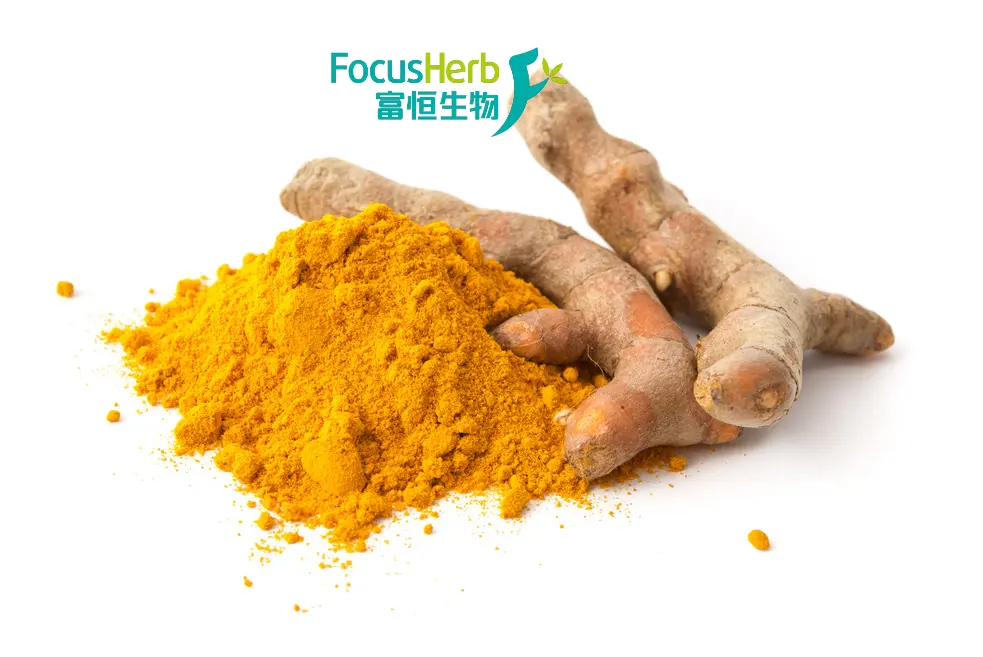
Curcumin is a polyphenolic compound extracted from the rhizomes of plants in the ginger family (such as turmeric and tulip). Its chemical name is bisferoylmethane, and it possesses a unique diketone structure, making it a rare natural component in the plant kingdom that combines pigment and bioactivity. It appears as an orange-yellow crystalline powder, turning reddish-brown under alkaline conditions and yellow under neutral/acidic conditions, establishing its fundamental properties as a natural pigment.
The main source is turmeric rhizome (content 3%-6%). It is insoluble in water and ether, readily soluble in ethanol and alkaline solutions, and has poor resistance to light, heat, and iron ions, but possesses strong and stable coloring power. These characteristics necessitate avoiding strong light and high temperatures when used for food coloring, while its application is expanded through compounding techniques.
 Scientifically Verified Health Benefits: From Basic Mechanisms to Disease Intervention
 Scientifically Verified Health Benefits: From Basic Mechanisms to Disease Intervention
(I) Anti-inflammatory and Antioxidant: A Dual Defense Mechanism
1. Anti-inflammatory Effect: Curcumin inhibits the nuclear factor-κB (NF-κB) pathway, fundamentally suppressing the inflammatory response. NF-κB, a key transcription factor, plays a central role in inflammatory signal transduction. Its activation promotes the production of pro-inflammatory factors such as interleukin-6 (IL-6) and tumor necrosis factor-α (TNF-α), triggering an inflammatory cascade. Curcumin can block NF-κB activation, reducing the release of these pro-inflammatory factors and effectively alleviating inflammation. In rheumatoid arthritis patients, NF-κB is abnormally active in the synovial tissue, and inflammatory factors continuously stimulate the joints, leading to joint swelling, pain, and dysfunction. After curcumin intervention, the degree of joint inflammation can be significantly reduced, alleviating patient suffering. Combined with traditional anti-inflammatory drugs, it can enhance the anti-inflammatory effect while reducing drug dosage and decreasing drug side effects. In an enteritis model, curcumin can improve intestinal mucosal inflammation, repair damaged tissue, and maintain intestinal barrier function.
2. Antioxidant Effects: The phenolic hydroxyl groups in curcumin’s molecular structure are key to its direct scavenging of free radicals, effectively neutralizing hydroxyl radicals and superoxide anions, reducing free radical attacks on cells, and preventing lipid peroxidation, protein oxidation, and DNA damage. Curcumin can also activate the Nrf2 pathway, upregulating the expression of endogenous antioxidant enzymes such as superoxide dismutase (SOD) and glutathione peroxidase (GSH-Px), enhancing the cell’s own antioxidant capacity, and forming a more comprehensive antioxidant defense system. In Alzheimer’s disease research, oxidative stress damage to nerve cells is an important factor in its pathogenesis. Curcumin’s antioxidant properties help reduce oxidative damage caused by β-amyloid protein deposition in the brain, protecting neurons. In cardiovascular diseases, it can reduce the level of oxidative stress in vascular endothelial cells and inhibit the formation of atherosclerotic plaques.
(II) Metabolic Regulation and Organ Protection
1. Blood Lipids and Cardiovascular System: Curcumin has a significant effect on blood lipid regulation, reducing serum total cholesterol and low-density lipoprotein (LDL) levels while increasing high-density lipoprotein (HDL) levels. Its mechanisms involve multiple aspects: reducing cholesterol synthesis by inhibiting the activity of key enzymes in liver cholesterol synthesis; promoting the expression of LDL receptors on the liver surface, accelerating LDL metabolism and clearance; inhibiting inflammatory factors from damaging vascular endothelial cells, maintaining normal vascular endothelial function, and reducing lipid deposition in the vascular wall. Atherosclerosis is closely related to dyslipidemia and vascular inflammation. Curcumin’s lipid-improving and anti-inflammatory effects can effectively slow the progression of atherosclerosis and reduce the risk of cardiovascular disease. In clinical practice, it is often used in combination with statins to treat patients with hyperlipidemia, synergistically lowering blood lipids and reducing the dosage and side effects of statins.
2. Liver Protection: Curcumin shows excellent performance in the prevention and treatment of liver diseases. For liver fibrosis, curcumin can inhibit the activation of hepatic stellate cells and reduce excessive deposition of extracellular matrix, thereby alleviating the degree of liver fibrosis. In the treatment of non-alcoholic fatty liver disease (NAFLD), it can promote lipid metabolism in hepatocytes, enhance autophagy, accelerate the clearance of fat droplets, and inhibit oxidative stress damage to hepatocytes. Studies have shown that after NAFLD patients take curcumin, the liver fat content is significantly reduced, with an improvement rate of up to 78.9%. Liver function indicators such as alanine aminotransferase (ALT) and aspartate aminotransferase (AST) are significantly improved, liver inflammation is reduced, and strong support is provided for liver health.
(III) Anti-tumor and Immunomodulatory Effects
1. Tumor Suppression: Curcumin has shown the potential to inhibit tumor growth through multiple pathways in the field of anti-tumor therapy. Curcumin induces tumor cell apoptosis by activating caspase family proteases, leading to programmed cell death; it inhibits the production of vascular endothelial growth factor (VEGF), blocking tumor angiogenesis and cutting off tumor nutrient supply; and it interferes with tumor cell migration-related signaling pathways, inhibiting cancer cell invasion and metastasis. In various tumor cell experiments and animal models, including breast cancer, prostate cancer, and colorectal cancer, curcumin has shown inhibitory effects on tumor growth. However, due to its low bioavailability, its clinical application is still in the research stage. When exploring appropriate dosage and administration methods, its safety and efficacy need to be fully evaluated.
2. Immunomodulation: Curcumin’s regulatory effect on the immune system is key to maintaining immune homeostasis. It can enhance macrophage phagocytic activity, enabling them to more effectively recognize and clear pathogens and abnormal cells; regulate T cell subset differentiation, promote Th1-type cellular immune responses, and enhance the body’s antiviral and antitumor immune capabilities; and affect B cell antibody secretion, optimizing humoral immune responses. In chronic inflammation-related immune disorders, such as systemic lupus erythematosus and inflammatory bowel disease, curcumin can regulate imbalanced immune responses, reduce inflammatory damage, restore immune homeostasis, and enhance the body’s overall immune function.
 Bioavailability: Bottlenecks, Technological Breakthroughs, and Scientific Controversies
 Bioavailability: Bottlenecks, Technological Breakthroughs, and Scientific Controversies
(I) Natural Defects: Poor Water Solubility and Metabolic Limitations
While curcumin exhibits significant efficacy, its oral bioavailability is only about 1%, becoming a major bottleneck for clinical application. It is poorly soluble in water and difficult to disperse effectively in the intestinal environment, resulting in low intestinal absorption. Once ingested, curcumin is rapidly metabolized in the liver and intestines, primarily through glucuronidation and sulfation reactions, transforming into inactive metabolites. The concentration of free curcumin in the blood is extremely low, approximately 11 ng/mL, far below the effective dose shown in in vitro experiments, greatly limiting its actual efficacy in humans.
(II) Improving Technology and Practical Effects
1. Formulation Optimization: To overcome the bioavailability bottleneck, researchers have developed various technologies. Combining curcumin with piperine, which inhibits enzymes involved in curcumin metabolism in the intestines and liver, reduces its metabolic breakdown and thus increases the total curcumin concentration in the blood. Phospholipid complexes are also created, utilizing the binding of phospholipids with curcumin to improve its water and fat solubility, enhancing intestinal absorption. Nanotechnology, such as nanomicelles and nanoemulsions, significantly improves curcumin’s dispersibility in aqueous solutions and increases absorption rate by encapsulating it in nanoscale carriers.
2. Controversy: While these technologies can increase the total curcumin concentration in the blood, clinical studies show that the concentration of pharmacologically active free curcumin has not yet reached the effective threshold. Some health products claiming “185-fold increased bioavailability” are often based on corporate-sponsored research that only measures the total curcumin concentration in the blood, failing to distinguish between free and bound curcumin, and thus cannot prove actual efficacy improvements. Their authenticity and reliability require further independent clinical research verification.
(III) Usage Recommendations and Safety Considerations
Ingesting curcumin through curry or turmeric powder in daily diet is generally safe and can provide certain health benefits. However, when used as a supplement, the dosage must be strictly controlled. The recommended daily intake is generally 500-2000 mg. Excessive intake may cause gastrointestinal discomfort, such as nausea, vomiting, and diarrhea. Curcumin has a certain anticoagulant effect; people taking anticoagulant medications should avoid taking it concurrently to prevent increasing the risk of bleeding. Pregnant women and those with liver or gallbladder diseases should consult a doctor and follow professional guidance before using curcumin supplements to ensure safe and appropriate use due to their special physiological conditions.
Commercial Uses: From Food Coloring to Diversified Development of a Trillion-Dollar Market
 Commercial Uses: From Food Coloring to Diversified Development of a Trillion-Dollar Market
(I) Food Industry: Natural Pigments and Functional Additives
1. Coloring Applications: Curcumin, with its bright yellow color and stability, occupies an important position as a natural pigment in the food industry. In my country, according to the “Standard for Use of Food Additives (GB2760-2011),” curcumin is approved for use in various foods. In carbonated beverages, the maximum usage is 0.01g/kg, giving the beverage a fresh and bright yellow color; in chocolate products, the maximum usage can reach 0.7g/kg, giving the chocolate shell or filling a unique warm yellow color, adding visual appeal to the product. Curcumin is also widely used in various candies, canned goods, and braised products, meeting the color requirements of different foods, and its natural properties align with consumers’ pursuit of healthy food.
2. Preservatives and Flavor: In addition to coloring, curcumin also has natural preservative properties. In mustard sauce production, curcumin not only replaces synthetic pigments to give the product a golden color, but also extends shelf life and reduces the use of preservatives, meeting consumers’ demand for “clean label” products. In the field of compound seasonings, curcumin also plays a role, adding unique flavors while inhibiting microbial growth, improving product quality and stability, enriching food flavors while ensuring food safety and quality.
(II) Health Supplements and Functional Foods: Targeted Scenarios
1. Core Categories: In the health supplements and functional food sector, curcumin has become a popular ingredient due to its diverse health benefits. Liver health supplements are a key category, often combined with milk thistle. Utilizing curcumin’s antioxidant and anti-inflammatory properties, it works synergistically with milk thistle to protect liver cells and promote liver detoxification, making it popular among long-term drinkers and those who stay up late. The increased focus on liver health among Generation Z (those who stay up late) is driving the continued growth of this market segment. Joint health supplements are also a key category. Curcumin’s anti-inflammatory effects can relieve joint inflammation, reduce pain, and improve joint mobility, helping arthritis patients and sports enthusiasts maintain joint health. Antioxidant capsules, also centered on curcumin, work by scavenging free radicals to slow down cell aging and meet consumers’ anti-aging needs. In the US market, sales of curcumin-based health supplements exceeded $40 million in 2020, demonstrating strong market demand.
2. Dosage Form Innovation: To address the poor absorption of traditional curcumin tablets, the industry is actively pursuing dosage form innovation. Water-soluble powders have been developed, making them easier to dissolve in water and convenient to add to various beverages, improving consumer convenience. Gummy forms have been created, incorporating curcumin into delicious candies, particularly popular with children and young consumers, making health supplementation easy and fun. Ready-to-drink beverages, such as ginger ale and turmeric energy drinks, have been launched, combining curcumin with other nutrients to meet the on-the-go nutritional needs of people with fast-paced lifestyles. The application of nanoemulsion formulations allows for more uniform dispersion of curcumin in beverages, increasing bioavailability by 30% and effectively enhancing product efficacy.
(III) Pharmaceutical and Industrial Fields: Cutting-Edge Exploration
1. Pharmaceutical R&D: In the pharmaceutical field, curcumin has shown enormous potential. Curcumin has entered clinical trials as an adjunctive treatment for drug-resistant tuberculosis. By enhancing the body’s immunity and inhibiting the growth of Mycobacterium tuberculosis, it is expected to improve the treatment of drug-resistant tuberculosis. In cancer chemotherapy, curcumin can act as a synergist, increasing the killing power of chemotherapy drugs against tumor cells while reducing chemotherapy side effects. Its anti-inflammatory properties are also used to develop topical gels for arthritis, which act directly on the inflamed joint site to relieve pain and swelling, providing a new treatment option for arthritis patients.
2. Industrial Applications: Curcumin also has unique applications in the industrial field. Because it changes color at pH 7.8-9.2, it can be used as a natural acid-base indicator for pH determination in chemical production and laboratory testing. As a colorant for biodegradable plastics, it imparts a natural yellow color to plastic products while meeting environmental protection requirements and reducing the environmental harm of traditional synthetic colorants. In the textile industry, curcumin can be used as an antibacterial finishing agent, giving textiles antibacterial properties, inhibiting bacterial growth, keeping fabrics clean and hygienic, and expanding the market for environmentally friendly industrial raw materials.
(IV) Market Trends and Challenges
The global curcumin market is booming, growing at an average annual rate of 8%, and is projected to reach US$1.2 billion by 2025. With increasing consumer health awareness and demand for natural and functional ingredients, curcumin, with its diverse effects and natural properties, is finding wider application in food, health supplements, and pharmaceuticals. However, the market also faces challenges. Some products make excessive claims about efficacy, exaggerating the actual effects of curcumin and causing a crisis of consumer trust. High barriers to entry in curcumin extraction and dosage form development limit capacity expansion and product quality optimization. To address these challenges, the industry needs to strengthen regulation and standardize efficacy claims; increase R&D investment to achieve standardized extraction, ensuring curcumin purity of ≥95%; and obtain more clinical data to support product efficacy, enhance product credibility, and solidify curcumin’s position as a “golden nutrient” in the market.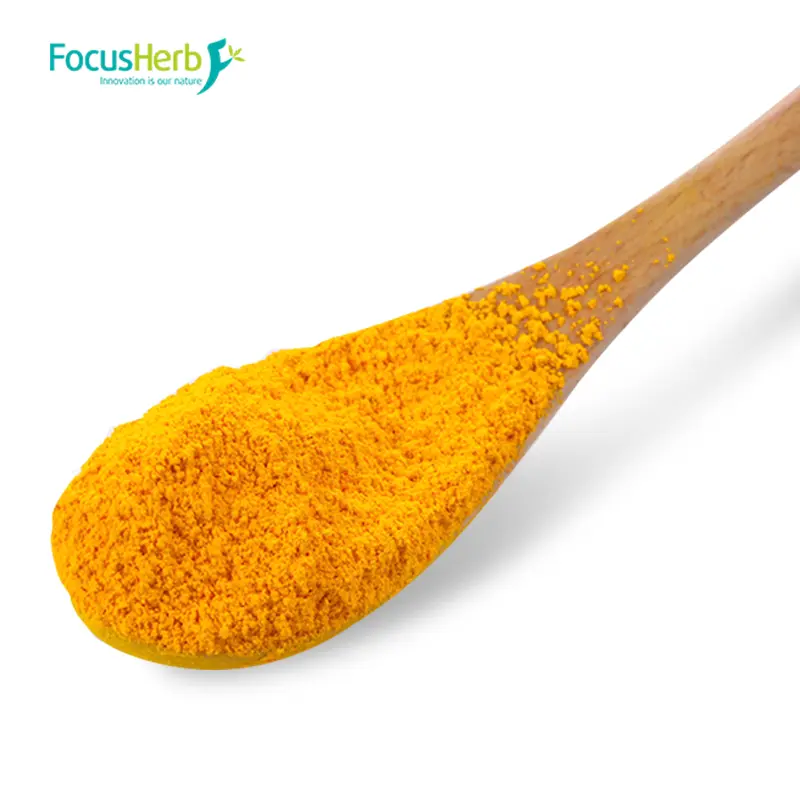
A Rational Perspective on the Scientific Value and Application Prospects of Curcumin
From a traditional flavoring ingredient to a “star molecule” developed in multiple fields, curcumin’s diverse bioactivities and commercial potential stem from its natural properties and technological advancements. Although breakthroughs in bioavailability bottlenecks are still needed, the evidence chain for its anti-inflammatory and metabolic regulation effects is gradually becoming more complete. In the future, a balance needs to be struck between basic research and industrial transformation, promoting the sustainable development of this natural ingredient in the field of health with a rigorous scientific approach.
