











In the brain, the most complex and mysterious organ in the human body, there are countless key substances that maintain its normal functioning, and phosphatidylserine is one of them. Although little known to the general public, it plays a crucial role in brain health, acting as a behind-the-scenes guardian of brain health. From a biological perspective, phosphatidylserine is a natural phospholipid, like tiny building blocks of the brain, silently contributing to its normal operation.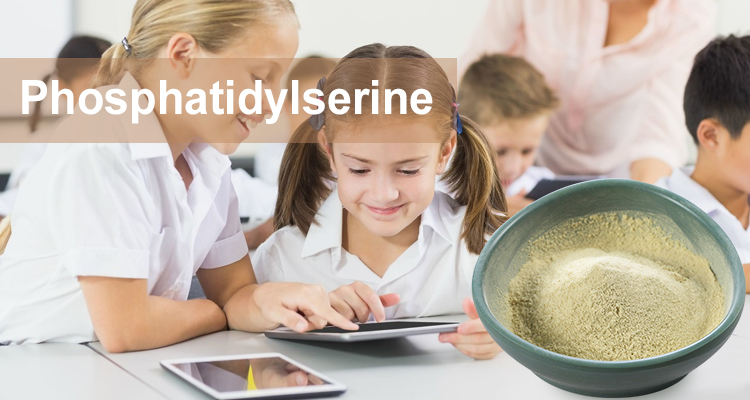
Exploring the True Nature of Phosphatidylserine
(I) Chemical Structure and Properties
Phosphatidylserine (PS), from a chemical structure perspective, is a complex and sophisticated phospholipid. It consists of a hydrophilic glycerol backbone as the head and two longer hydrocarbon chain lipophilic groups as the tail. The glycerol backbone in the head is formed by the combination of a serine residue and a phosphate residue, which is then connected to the hydroxyl group of glycerol at the C-3 position. The other two hydroxyl groups of glycerol are respectively connected to fatty acids to form the tail. The carbon chain of the fatty acid at the C-2 position of glycerol is longer than that of the fatty acid at the C-1 position, and also contains more unsaturated bonds. When phosphatidylserine is in an environment with a pH of 7, it carries one positive charge and two negative charges.
In its pure state, phosphatidylserine usually appears as a white waxy solid, sometimes a light yellow solid, and it is highly hygroscopic. In terms of solubility, it is insoluble in water, methanol, ethanol, glycerol, and propyl acetate, but it can be dispersed in water to form an emulsion. It is easily soluble in diethyl ether and chloroform, and also soluble in most non-polar solvents containing a small amount of water. In terms of chemical stability, phosphatidylserine is not stable; once exposed to air, it is easily oxidized, and its color gradually changes from white to yellow, and finally to black. It also undergoes oxidation and decomposition reactions when exposed to strong acids, strong bases, and oxidizing agents. For example, under alkaline conditions, it hydrolyzes to produce fatty acid salts, while the remaining part is not hydrolyzed; under strongly acidic conditions, it hydrolyzes to produce fatty acids, serine, and glycerol phosphate.
(II) Existence and Sources
Phosphatidylserine is widely distributed in nature, yet relatively “low-profile.” In the human body, it is an active component of cell membranes, especially abundant in the brain, where it is the main acidic phospholipid, accounting for approximately 2% to 10% of the total phospholipid content. It plays an indispensable role in the normal functioning of the brain. However, the content of phosphatidylserine in most common foods is negligible. Nevertheless, it can be found in some specific foods, such as beef, lamb, and pork; deep-sea fish like salmon, tuna, and cod; eggs; nuts and seeds such as walnuts, almonds, peanuts, and sesame seeds; and soybeans and their products like tofu and soy milk. Consuming these foods in moderation can help supplement phosphatidylserine.
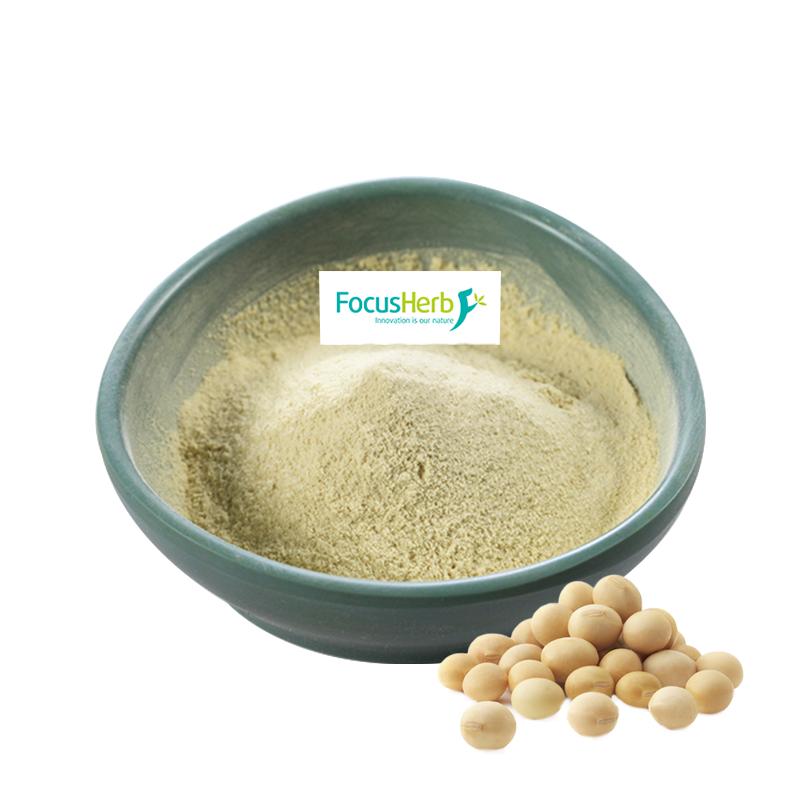
Besides obtaining it from food, most phosphatidylserine on the market is currently produced through extraction and preparation, with soybeans being the main raw material for chemical synthesis. Extracting phosphatidylserine from soybeans involves first extracting soybean phospholipids, usually through solvent extraction or mechanical pressing; then separating phosphatidylserine from the soybean phospholipids using chemical methods or separation techniques; followed by concentrating and refining the extracted phosphatidylserine to remove impurities and solvent residues, ensuring it meets specific quality standards and application requirements; finally, the purified phosphatidylserine is prepared into different forms of supplements, such as oral capsules, softgels, or added to food and beverages. In addition, phosphatidylserine is also extracted from animal brain tissue in laboratory research and drug development. In clinical and nutritional supplementation fields, red blood cells are also a source of phosphatidylserine, while in industrial production and food supplementation, certain microorganisms can also produce phosphatidylserine through cultivation and fermentation.
The Benefits of Phosphatidylserine for Brain Health
(I) Enhancing Memory
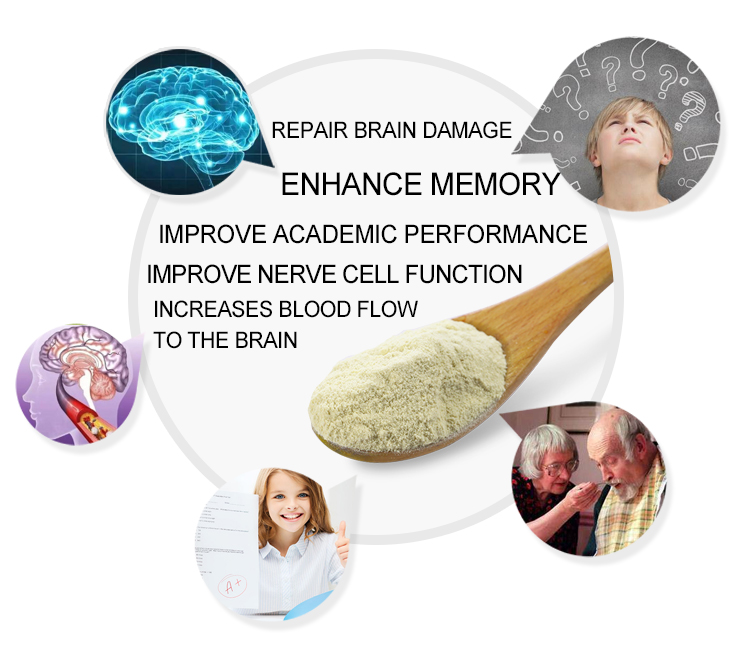
Phosphatidylserine has a unique mechanism of action in enhancing memory. Memory formation in the brain is closely related to signal transmission between nerve cells, and phosphatidylserine, as a key component of cell membranes, maintains the stability of these membranes. Like a strong city wall protecting a city, a stable cell membrane provides a good working environment for nerve cells. It enhances the efficiency of neurotransmitter transmission; neurotransmitters act as “messengers” in the brain, responsible for transmitting information between nerve cells. When there is sufficient phosphatidylserine, these “messengers” can work more efficiently, improving the brain’s ability to receive, process, and store information.
Numerous scientific studies have confirmed the positive effects of phosphatidylserine on memory. In an experiment involving elderly individuals, one group received a certain dose of phosphatidylserine daily, while another group served as a control group without supplementation. After a period of time, memory tests were conducted on both groups. The results showed that the elderly individuals who supplemented with phosphatidylserine performed significantly better than the control group in remembering words and recalling events. They were able to remember new information more accurately and had clearer recollections of past experiences. Studies conducted among students also showed that appropriate supplementation with phosphatidylserine can help students improve learning efficiency, enhance their ability to remember knowledge, and achieve better results in exams.
(II) Relieving Brain Fatigue
Prolonged studying, working, or intense thinking can leave the brain feeling exhausted, just as a continuously running machine needs rest. Phosphatidylserine is a powerful aid in relieving brain fatigue. It promotes glucose metabolism in brain cells; glucose is the main energy source for brain cells, just as gasoline is essential for a car. When phosphatidylserine promotes glucose metabolism, brain cells can utilize glucose more efficiently to produce energy, ensuring sufficient energy supply for the brain during high-intensity work, thus preventing fatigue caused by energy deficiency.
At the same time, phosphatidylserine can also regulate neurotransmitter levels in the brain, reducing the accumulation of fatigue-related neurotransmitters and maintaining brain nerve cells in a good working state. For example, it can reduce excessive levels of glutamate in the brain caused by fatigue. Excessive glutamate accumulation in the brain can lead to overexcitation of nerve cells, subsequently causing fatigue. Phosphatidylserine effectively regulates glutamate levels, alleviating brain fatigue. In a study of office workers who worked long hours, supplementing with phosphatidylserine during work breaks resulted in significantly reduced fatigue, improved concentration, and increased work efficiency after work.
(III) Improving Mood and Combating Depression
Emotional stability and mental health are closely related to the brain’s neurological function, and phosphatidylserine plays an important role in this. It can repair damaged brain cells. When the brain is affected by stress, disease, or aging, brain cells are damaged to some extent, and phosphatidylserine provides the necessary material basis for the repair of damaged brain cells, helping them restore normal function. It can also regulate the neuroendocrine system, which plays a key role in mood regulation, for example, by regulating the function of the hypothalamic-pituitary-adrenal (HPA) axis, reducing excessively high levels of stress hormones in the body, thereby alleviating anxiety and tension.
Phosphatidylserine has also shown positive effects in the adjunctive treatment of depression. Depression is a common mental illness, and its pathogenesis is related to neurotransmitter imbalance and nerve cell damage. Phosphatidylserine can promote the synthesis and release of neurotransmitters such as serotonin and dopamine, regulating the balance of neurotransmitters, allowing “happy signals” in the brain to be transmitted smoothly, thereby improving depressive symptoms. Relevant studies have shown that in some patients with mild to moderate depression, supplementing with phosphatidylserine in addition to conventional treatment resulted in significant improvement in mood, reduced depression scores, and improved quality of life.
(IV) Reducing the Risk of Dementia
As we age, brain function gradually declines, and the risk of developing dementia increases. Phosphatidylserine provides a potential protective mechanism against dementia. The occurrence of dementia is closely related to the functional decline of nerve cells in the brain, abnormal neurotransmitter transmission, and chronic inflammation of the brain. Phosphatidylserine helps the brain maintain optimal function, stimulating brain activity and enhancing connections and communication between nerve cells. It promotes the growth and repair of nerve cells, increasing the number and activity of synapses, allowing for smoother information transmission between nerve cells, thus maintaining normal cognitive function.
At the molecular level, phosphatidylserine also has antioxidant effects, reducing damage to brain cells from free radicals, preventing oxidative stress in brain cells, and protecting nerve cells from damage. At the same time, it regulates inflammatory responses in the brain, reducing the damage caused by chronic inflammation and decreasing the deposition of beta-amyloid protein, the abnormal accumulation of which is a key pathological feature of Alzheimer’s disease and other dementias. Some long-term follow-up studies have found that people who regularly supplement with phosphatidylserine have a significantly lower risk of developing dementia than those who do not, further confirming the important role of phosphatidylserine in preventing dementia.
How to Supplement Phosphatidylserine
There are two main ways to supplement phosphatidylserine: through food intake and dietary supplements. Regarding food intake, the previously mentioned beef, lamb, pork, salmon, tuna, walnuts, almonds, and soybeans are all excellent choices. For example, you can have a glass of soy milk and a boiled egg for breakfast; choose pan-fried salmon with stir-fried vegetables for lunch; and have a plate of stir-fried beef with green peppers and some tofu for dinner. A diversified diet allows the body to obtain phosphatidylserine more comprehensively.
When food intake alone cannot meet the needs, dietary supplements are an effective way to supplement. Phosphatidylserine supplements on the market come in various forms, including soft capsules, hard capsules, tablets, and energy bars and functional drinks containing phosphatidylserine. When choosing supplements, pay attention to the product’s ingredient list to ensure that the phosphatidylserine content meets your needs, and choose products from reputable manufacturers with quality assurance. For example, Childhood Story’s Brain Boost Complex Phosphatidylserine Gummy Candy is specially designed for children, with each candy containing an appropriate amount of phosphatidylserine, and undergoes strict quality control and scientific formulation to ensure effectiveness and safety.
It is important to emphasize that regardless of the method used to supplement phosphatidylserine, it should be done under the guidance of a doctor or professional nutritionist. Because everyone’s physical condition and nutritional needs are different, excessive supplementation of phosphatidylserine may cause adverse reactions such as gastrointestinal discomfort, headaches, or insomnia. Special groups such as pregnant women, breastfeeding women, infants, people with allergies, and those with impaired liver and kidney function need to be even more cautious when supplementing phosphatidylserine. Only through scientific and reasonable supplementation can phosphatidylserine better serve brain health.
Summary and Outlook

Phosphatidylserine, as a key guardian of brain health, has shown significant effects in enhancing memory, relieving brain fatigue, improving mood and combating depression, and reducing the risk of dementia. Whether for students to improve learning efficiency or for the elderly to prevent brain function decline, phosphatidylserine plays an indispensable role. In the future, with the continuous advancement of scientific research, the application prospects of phosphatidylserine in the field of brain health will become even broader. On the one hand, researchers will further explore the mechanisms of action of phosphatidylserine, uncovering more of its potential functions and applications, such as its potential in treating other neurological diseases. On the other hand, with continuous innovation in extraction techniques and production processes, the production cost of phosphatidylserine is expected to decrease, and product quality and bioavailability will further improve, thus benefiting more people. At the same time, personalized phosphatidylserine supplementation programs will become a focus of research, developing the most suitable dosage and method based on factors such as age, health status, and lifestyle of different individuals, providing more precise care for brain health. It is believed that in the near future, phosphatidylserine will play a greater role in the field of brain health, bringing more positive changes to people’s lives.
