











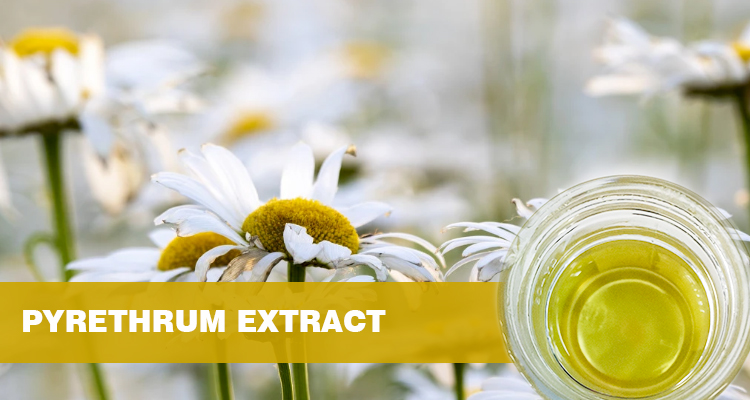
Pyrethrum, scientifically known as *Tanacetum cinerariifolium*, belongs to the genus *Tanacetum* in the family Asteraceae. It is also known by its common name, white-flowered pyrethrum. Visually, pyrethrum is a perennial herbaceous plant, typically 17-60 cm tall. The entire plant is covered in short, silvery-gray, appressed hairs, giving it a delicate, veil-like appearance. Beyond its medicinal value, pyrethrum also possesses ornamental value due to its elegant flowers and pale colors. Whether planted in gardens or as an indoor potted plant, it adds a touch of freshness to any environment.
Pyrethrum has short, thick rhizomes, providing stable support and nutrient absorption in the soil. The stems grow upright, often solitary, but frequently clustered together. These clusters can be upright and unbranched or branch from the base, exhibiting various shapes and forms. The basal leaves remain viable during the flowering period, ovate to elliptical in shape, approximately 1.5-4 cm long and 1-2 cm wide. The leaves undergo bipinnate division; the first division is complete, with 3-5 pairs of lateral lobes, also ovate or elliptical in shape; the second division is deeply lobed or nearly complete, with some lobes having smooth, entire margins and others having small serrations. These subtle morphological differences constitute the unique appearance of pyrethrum. The middle stem leaves gradually enlarge, but still maintain the same shape and division pattern as the basal leaves. The upward-growing leaves gradually become smaller, and the division pattern changes; some are bipinnate, some are pinnate, and some do not divide at all. Furthermore, all leaves have petioles. The petioles of basal leaves are 10-20 cm long, while those of the middle and upper stem leaves are relatively shorter, ranging from 2.5-5 cm in length. The presence of the petioles allows the leaves to extend more effectively for photosynthesis.
The capitula of pyrethrum are quite unique. They are solitary at the stem apex, sometimes producing 3-10 capitula on the stem. These capitula are arranged in loose corymbs, like a group of close companions, clustered together yet independent. The involucre is disc-shaped, 12-15 mm in diameter, with four layers of bracts. The outer bracts are lanceolate, about 4 mm long, with almost no narrow membranous margins; the middle and inner bracts gradually transition from lanceolate to broadly linear, 5-6 mm long, with narrow white membranous margins. These bracts act like loyal guardians, tightly protecting the inflorescence. The flowers are ligulate, pure white like snow, with ligules 12-15 mm long and 4-5 mm wide. The tips are sometimes flat, sometimes slightly concave; these subtle differences give each pyrethrum a unique appearance. The achenes are oval, 2.5-3.5 mm long, with 5-7 longitudinal ribs. The ribs of the ligulate achenes are often concentrated on the ventral side, while the pappus is 0.8-1.5 mm long with shallowly toothed edges. These characteristics are not only key to the propagation of pyrethrum but also its unique identifier in the plant kingdom.
 Growth Code: The Life Journey from Seed to Flower
 Growth Code: The Life Journey from Seed to Flower
(I) Environmental Adaptability Factors
Pyrethrum possesses a unique growth code, exhibiting specific requirements for environmental adaptation. In terms of climate, the optimal growth temperature for pyrethrum is between 6-30℃, providing a comfortable “breeding ground” for its growth. Before flowering, pyrethrum needs to undergo a vernalization period below 10℃, a special baptism that allows it to successfully bloom. Pyrethrum is relatively drought-tolerant but highly susceptible to waterlogging; excessive moisture prevents its roots from breathing properly, hindering growth. Pyrethrum also requires ample sunlight, needing ≥1500 hours of sunshine annually. Under sunlight, it can perform sufficient photosynthesis, accumulating enough nutrients to lay a solid foundation for its growth and flowering.
Pyrethrum is also quite particular about its soil requirements. It prefers loose, fertile sandy loam soil with a pH between 6.0 and 7.5. This type of soil has good aeration and drainage, allowing the pyrethrum’s roots to extend freely and absorb sufficient nutrients and water. Pyrethrum dislikes clay soil and low-lying, waterlogged areas. Clay soil has poor aeration, easily leading to root hypoxia, while low-lying, waterlogged areas make the soil too moist, increasing the risk of root rot. The soil organic matter content should be ≥2.0%. Abundant organic matter acts like a fertile “soil treasure,” providing a continuous supply of nutrients for the pyrethrum, ensuring a high yield of flower heads, and allowing it to exhibit vigorous vitality during its growth.
(II) Propagation and Cultivation Techniques
Pyrethrum is mainly propagated through two methods: seed propagation and division propagation. Each has its unique operating methods and advantages. Seed propagation is a common method, and sowing can be carried out in spring and autumn. If autumn sowing is chosen, it’s best to use newly harvested seeds from the current year, typically in late September, when the climate is most suitable for seed germination. Spring sowing is best done in early April, when temperatures gradually warm and everything comes back to life, providing a favorable environment for seed growth. The optimal temperature for seed germination is between 18-22℃. At this temperature, the seeds are invigorated and will quickly germinate, with seedlings emerging approximately 7-10 days after sowing. When sowing, cover the seeds with a shallow layer of soil, generally less than 0.5 cm thick, and keep the soil moist until emergence, creating favorable conditions for seed germination.
Division propagation is also a common method for pyrethrum propagation, also carried out in spring or autumn. First, select healthy, disease-free mature plants. Before spring budding or after autumn withering, dig them up, remove any remaining leaves and dead roots, and then divide them into several smaller plants, each with 3-5 fibrous roots. These smaller plants are like individual, vibrant “little lives,” capable of independent growth. When planting, maintain a row spacing of 40 cm and a plant spacing of 30 cm. This spacing ensures each pyrethrum plant has sufficient growing space to absorb ample nutrients and sunlight, promoting robust growth.
Field management of pyrethrum is also crucial, directly impacting its growth and yield. After planting, cultivate and weed 3-4 times annually. The cultivation depth should be moderate, generally 3-5 cm, avoiding excessive depth that could damage the roots. Cultivation and weeding loosen the soil, reducing competition for nutrients from weeds and creating a favorable soil environment for pyrethrum growth. After each harvest, all old stems and leaves should be removed. This is like giving pyrethrum a “pruning and beauty treatment,” which promotes the sprouting of new seedlings and keeps it vigorous. For plants older than 5 years, the yield will decrease as nutrients in the soil are gradually depleted. At this time, crop rotation and replanting in new plots are necessary to maintain the yield of pyrethrum and allow it to continue to flourish in a new environment.
Application Value: The Diverse Potential of Natural Insecticides

(I) Core Insecticidal Components and Mechanism of Action
Pyrethrum has extremely high application value. Its flower heads contain abundant pyrethroid compounds, such as pyrethroids I and II, which are key to its powerful insecticidal effect. When these compounds come into contact with insects, it’s like starting a “microscopic war.” They precisely disrupt the insect’s sodium ion channels, which act like “highways” for signal transmission in the insect’s nervous system. Once disrupted, nerve conduction becomes disordered, the insect’s nervous system quickly becomes paralyzed, and ultimately, it dies. Pyrethrum is like a “pest killer” bestowed by nature, showing significant control effects against more than 600 kinds of pests, including mosquitoes, flies, and cockroaches, effectively controlling pest populations and protecting crops and the living environment.
Pyrethrum has very low toxicity to mammals, making it safer and more reliable to use. Pyrethrum also boasts advantages such as rapid degradation and no residue, leaving no harmful substances in the environment and causing no pollution to soil, water, or air. Like a “green guardian,” it protects the balance of the ecological environment. These characteristics make pyrethrum the preferred biological pesticide in organic agriculture, playing an indispensable role in the pursuit of green, environmentally friendly, and sustainable agricultural development, and providing strong support for the production of organic agricultural products.
(II) Multi-field Application Scenarios
1. Agricultural Plant Protection: Pyrethrum has a wide range of applications in agricultural plant protection. A 0.2%-0.4% suspension of dried pyrethrum flower powder can be used to control aphids, spider mites, and other pests. This suspension acts like an “invisible protective suit” for crops, effectively repelling and killing pests and protecting the healthy growth of crops. To delay the development of pesticide resistance, pyrethrum can be used in rotation with other biological pesticides such as azadirachtin. Through the alternating effects of different pesticides, pests find it difficult to adapt, thus maintaining good control effects and ensuring a bumper harvest.
2. Daily Chemicals and Hygiene: Pyrethrum also plays a significant role in the daily chemical and hygiene industry. It is made into various products such as mosquito coils, sprays, and repellent liquids, entering countless households and becoming a powerful assistant in mosquito and insect prevention in daily life. When mosquitoes begin to swarm on summer nights, lighting a pyrethrum mosquito coil will cause mosquitoes to flee, allowing people to enjoy a peaceful night. Using pyrethrum spray or repellent liquid, a light spray can form a “protective barrier” around the body, effectively preventing mosquito bites and allowing people to enjoy outdoor activities without worry. Pyrethrum also plays an important role in public environments. For example, spraying pyrethrum preparations in parks and squares can reduce mosquito breeding, providing people with a comfortable and healthy recreational environment. The European Union has even approved pyrethrum as an insecticide for food contact materials, which fully demonstrates its excellent performance in terms of safety and effectiveness, allowing people to use it with greater confidence to protect the hygiene of their living environment.
3. Medicinal and Horticultural Uses: Pyrethrum also has unique value in the fields of medicine and horticulture. Pyrethrum extract has an inhibitory effect on bacteria such as Staphylococcus aureus, making it suitable for external disinfection and protecting people’s health. When minor skin infections occur, applying medications containing pyrethrum extract can effectively inhibit bacterial growth, promote wound healing, and reduce pain and discomfort. The unique appearance of pyrethrum’s silvery leaves and white flowers makes it a favorite in horticultural landscapes. It is suitable for planting in flower beds and borders, adding a fresh and elegant touch to gardens. Pyrethrum also has a certain insect-repellent effect; planting it in the garden can reduce pest damage to other flowering plants, creating a healthy ecological environment for the entire garden, allowing flowers to grow vigorously and bloom more brilliantly.
(III) Sustainable Development Advantages
Pyrethrum has significant advantages in terms of sustainable development. Compared to chemical pesticides, pyrethrum reduces soil pollution during cultivation, unlike chemical pesticides which can cause soil compaction, decreased fertility, and disruption of the soil’s ecological balance with long-term use. As a nectar-producing plant, pyrethrum attracts pollinating insects such as bees. These insects, busy flitting among the flowers, not only pollinate the pyrethrum but also transfer pollen to surrounding crops and other plants, promoting plant reproduction and growth, enhancing biodiversity in farmland, and making the entire ecosystem more stable and healthy.
With the continuous expansion of the global organic food market, consumer demand for green, environmentally friendly, and pollution-free agricultural products is increasing, further driving the market demand for pyrethrum. In Kenya, Yunnan Province, China, and other regions, large-scale planting-processing industrial chains have been established. Local farmers have gained considerable economic income through pyrethrum cultivation, while also providing the market with a large quantity of high-quality pyrethrum products. The formation of these industrial chains has not only promoted local economic development but also spurred the rise of related industries, such as the processing, sales, and logistics of pyrethrum, creating more job opportunities for the local area, promoting social progress and development, and achieving a win-win situation for the economy, society, and environment.
 Pyrethrum, as a prime example of a natural insecticidal plant, has a value chain that covers fields such as ecological planting, biopharmaceuticals, and green pest control. Through scientific cultivation and rational application, it can not only achieve sustainable management of agricultural pests but also provide safe and environmentally friendly protection solutions for human living environments, demonstrating the diverse potential of plant resources in modern green technology.
