











Nervonic acid, chemically speaking, is a long-chain monounsaturated fatty acid, with the scientific name 24-carbon-cis-15-enoic acid (24:1Δ15c). This name accurately describes its molecular structure: it has 24 carbon atoms and a cis double bond at the 15th carbon atom. Nervonic acid was first discovered in mammalian nerve tissue, hence its name, and this discovery opened the door to further exploration by humans. In the microscopic world of the brain, nervonic acid plays a crucial role; it is a characteristic component of cerebrosides and myelin. Cerebrosides are of great significance to the structural stability and function of nerve cells, while myelin acts like the insulation layer of an electrical wire, wrapping around nerve fibers and ensuring that nerve impulses can be transmitted quickly and accurately. Nervonic acid accounts for a significant proportion of the nerve cell membrane structure and is a core natural substance for maintaining the integrity of the nervous system. However, the human body’s ability to synthesize nervonic acid is extremely limited and cannot meet normal physiological needs, especially during the rapid brain development of infants and young children, or when facing nerve damage or aging. Therefore, it must rely on exogenous intake, obtaining sufficient nervonic acid from food or nutritional supplements.
Importance and Research Value
In the fields of neuroscience and nutrition, nervonic acid is considered a shining star, and its importance is self-evident. It is currently the only substance recognized by the scientific community that can simultaneously repair damaged nerve fibers and promote nerve cell regeneration. When the human body suffers from neurodegenerative diseases such as stroke sequelae, Alzheimer’s disease, and cerebral palsy, nerve fibers are damaged and nerve cells undergo apoptosis, leading to severe symptoms such as limb dysfunction and cognitive decline. Nervonic acid acts like a skilled repairman, penetrating deep into the nervous system to repair damaged nerve fibers and rebuild nerve conduction pathways; at the same time, it acts like a magical catalyst, promoting the regeneration of nerve cells and replenishing damaged or apoptotic nerve cells, helping the nervous system regain vitality. With the accelerating global aging process, the incidence of neurodegenerative diseases is increasing year by year, bringing a heavy burden to society and families. According to the World Health Organization, there are approximately 50 million people worldwide living with Alzheimer’s disease, with nearly 10 million new cases diagnosed each year. In this challenging situation, the protective function of nervonic acid on brain health is receiving increasing attention, becoming a hot topic in neuroscience and nutrition research. Researchers have conducted extensive basic research and clinical trials on nervonic acid, exploring its potential value from molecular mechanisms to clinical applications, bringing new hope for overcoming neurodegenerative diseases.
Molecular Characteristics: The Biological Basis of Structure Determining Function
(I) Chemical Structure and Physical Properties
1. Structural Features: The chemical structure of nervonic acid is the cornerstone of its unique function. It possesses a long chain composed of 24 carbon atoms, a length that makes nervonic acid particularly special among many fatty acids. At the 15th position of this carbon chain, there is a cis double bond, which acts like a unique “bending point,” giving nervonic acid a distinctive spatial conformation. This spatial structure plays a decisive role in the function of nervonic acid in the body, influencing its interaction with other biomolecules. From a microscopic perspective, nervonic acid is a key component of myelin glycolipids and sphingolipids. Its presence in these biomolecules is closely related to the insulation of nerve fibers and the efficiency of nerve signal transmission. Myelin is like a protective membrane wrapped around nerve fibers, and nervonic acid, as an important component, ensures that the myelin sheath adheres tightly to the surface of the nerve fibers through its structural characteristics, effectively increasing the speed of nerve impulse transmission, like laying a smoother track for a high-speed information train.
2. Physical Properties: Nervonic acid has a melting point of 42℃, a physical property that makes it relatively stable at room temperature. At the same time, it has good lipid solubility, meaning it can easily dissolve in fatty environments. This lipid solubility is crucial for the transport and function of nervonic acid in the body, because biological membranes are mainly composed of lipids. Due to its lipid solubility, nervonic acid can have a high affinity for biological membranes and easily penetrate them. In particular, the blood-brain barrier, an important defense line protecting the brain from harmful substances, also restricts many substances from entering the brain. However, nervonic acid, with its unique physical properties, can completely penetrate the blood-brain barrier, directly reaching the central nervous system, providing necessary support for the normal development and function of the brain. It is like a specially designed key that can open the door to the core areas of the brain, precisely exerting its nourishing and repairing effects on nerve tissue.
(II) Biosynthesis and Metabolic Pathways
The human body possesses the ability to synthesize nervonic acid, primarily relying on very long-chain fatty acid elongase (ELOVL) enzymes to accomplish this process. Certain members of the ELOVL family, such as ELOVL1 and ELOVL4, play a crucial role in the synthesis of nervonic acid. Using saturated or monounsaturated fatty acids as substrates, they gradually extend the carbon chain through a series of complex enzymatic reactions, ultimately synthesizing nervonic acid. However, the efficiency of nervonic acid synthesis in the human body is extremely low. This process is not only strictly regulated by the activity of various enzymes but also requires sufficient substrate supply and a suitable intracellular environment. Under actual physiological conditions, due to factors such as substrate competition and feedback regulation of metabolic pathways, the amount of nervonic acid synthesized by the human body is far from sufficient to meet the needs of the brain and nervous system for normal functioning.
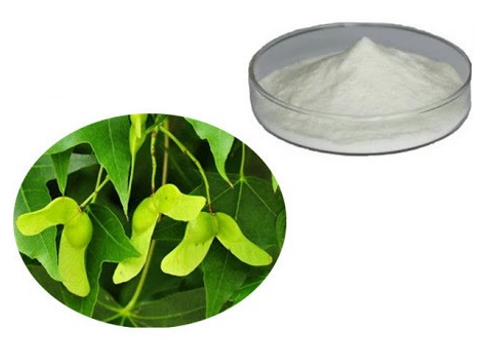
Given the insufficient endogenous synthesis capacity, exogenous intake has become an important way to obtain nervonic acid. In nature, nervonic acid is mainly found in plants and animals. Plant-derived nervonic acid is mainly concentrated in some special plant oils, with *Acer truncatum* seed oil and *Xanthoceras sorbifolia* oil being typical examples. *Acer truncatum* is a tree species unique to China, and its seeds are rich in nervonic acid, with a content of 5%-6%. Through advanced extraction processes, nervonic acid can be efficiently obtained from *Acer truncatum* seed oil. *Xanthoceras sorbifolia* oil is also a high-quality source of nervonic acid, with a considerable nervonic acid content. Plant-derived nervonic acid has significant advantages in terms of sustainability and safety. It does not cause excessive damage to the ecological environment and does not carry the risk of pathogens that may be present in animal sources, thus gradually becoming the mainstream source of nervonic acid products on the market. Animal-derived nervonic acid is mainly found in tissues such as shark brains. In the past, shark brains were one of the important raw materials for extracting nervonic acid, but with the increasing awareness of shark protection in the international community, the method of killing sharks to obtain nervonic acid has been strictly restricted, and this method of acquisition has gradually faded from the historical stage.
Physiological Functions: The “All-Round Guardian” of the Nervous System
(I) The Structural Cornerstone of Nervous Tissue
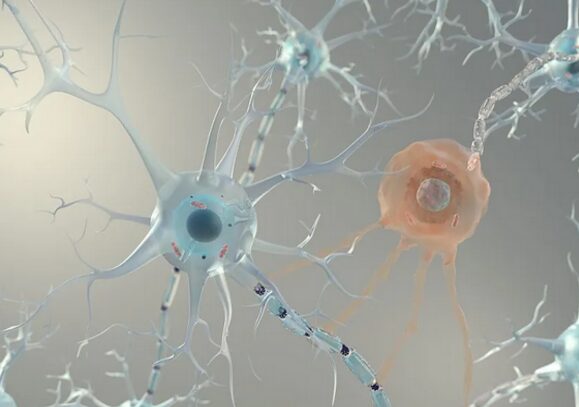
At the microscopic level, nervonic acid is the “steel and cement” of nervous tissue, a key element in building and maintaining nerve structures. It is a core component of biological membranes, playing a decisive role in maintaining the fluidity and stability of nerve cell membranes. Biological membranes are like the “walls” of cells, and nervonic acid is an indispensable and sturdy building block in these walls. In nerve cell membranes, nervonic acid, with its unique chemical structure, is tightly arranged with other lipid molecules, forming a membrane structure that is both fluid and relatively stable. This structural characteristic not only ensures that nerve cells can flexibly exchange substances and transmit signals with the outside world, but also provides a solid foundation for the normal physiological functions of nerve cells.
Nervonic acid also plays a crucial role in the formation of myelin sheaths and the wrapping of axons. The myelin sheath is like a layer of highly efficient insulating material wrapped around nerve fibers, and nervonic acid is the core raw material for making this insulating material. In the composition of myelin sheaths, nervonic acid accounts for a considerable proportion. It works together with other lipids and proteins to tightly wrap around the axon, forming a complete myelin sheath structure. This structure is crucial for ensuring the efficiency and insulation of nerve fiber signal transmission, just like adding a high-quality insulating outer layer to an electrical wire, effectively preventing signal leakage and interference, allowing nerve impulses to be transmitted accurately and at a very high speed along the nerve fibers.
Multiple sclerosis is a typical myelin damage disease. In this disease, the patient’s immune system mistakenly attacks its own myelin sheath, leading to myelin damage and shedding. Once the myelin sheath is damaged, the signal transmission of nerve fibers is severely affected, and patients experience a series of symptoms such as limb weakness, numbness, visual impairment, and balance disorders, seriously affecting their quality of life. As an essential raw material for myelin repair, nervonic acid has great potential in the treatment and rehabilitation of multiple sclerosis. Supplementing nervonic acid can provide the necessary material basis for the repair of damaged myelin, promote myelin regeneration and repair, and restore the insulation and signal transmission function of nerve fibers, thereby improving the patient’s symptoms and quality of life.
(II) Efficiency Optimizer of Nerve Signal Transmission
In the microscopic world of nerve signal transmission, nervonic acid acts as a precise signal regulator. Through the fine-tuning of ion channel protein conformation and neurotransmitter receptor activity, it enhances synaptic transmission efficiency, thereby accelerating the conduction of nerve impulses. Ion channel proteins are like “ion valves” on the cell surface, controlling the entry and exit of various ions (such as sodium ions, potassium ions, calcium ions, etc.) into and out of the cell. Nervonic acid interacts with these ion channel proteins, altering their spatial conformation, allowing them to open and close more efficiently, thus regulating the speed and quantity of ion flow. This regulatory effect directly influences the electrophysiological activity of nerve cells, making the generation and transmission of nerve impulses faster and more accurate.
Neurotransmitter receptors are the “signal receivers” on the surface of nerve cells, responsible for receiving chemical signals transmitted by neurotransmitters and converting them into electrical signals within the cell. Nervonic acid enhances the activity of neurotransmitter receptors, increasing their affinity and sensitivity to neurotransmitters, allowing neurotransmitters to bind more effectively to receptors and initiate intracellular signal transduction pathways. This process is like installing a high-performance amplifier on the signal receiver, greatly enhancing the signal transmission effect, allowing nerve impulses to be transmitted quickly and accurately between neurons, thereby improving the reaction speed and sensitivity of the entire nervous system.
Numerous studies have shown that nervonic acid deficiency has serious negative effects on nerve signal transmission. When the body’s nervonic acid content is insufficient, the function of ion channel proteins is inhibited, and the activity of neurotransmitter receptors is also reduced, leading to delays, weakening, or even interruption of nerve signals during transmission. This signal transmission disorder is closely related to cognitive decline symptoms such as memory loss and slow reaction time. With age, the body’s ability to synthesize nervonic acid gradually declines, and the intake of nervonic acid from the diet is also relatively insufficient, leading to increasingly common nervonic acid deficiency. This is one of the important reasons for the increased incidence of cognitive decline and Alzheimer’s disease in the elderly. Therefore, timely supplementation of nervonic acid is of great significance for maintaining the normal function of nerve signal transmission and preventing and improving cognitive decline symptoms.
(III) The Core Driving Force of Neurodevelopment and Repair
During the critical period of brain development in infants and young children, nervonic acid acts like a diligent architect, working tirelessly to promote neuronal proliferation, synapse formation, and the construction of neural networks, laying a solid foundation for the baby’s learning and memory abilities. Neurons are the basic functional units of the brain; they connect with each other through synapses, forming a complex and vast neural network. This network is the material basis for the brain to perform various advanced functions (such as learning, memory, thinking, and language). During infancy and early childhood, the brain is in a rapid development stage, with the number of neurons constantly increasing and the synaptic connections becoming increasingly complex and refined. As an important nutrient, nervonic acid provides the necessary raw materials and energy support for the growth and development of neurons, promoting neuronal proliferation and differentiation, allowing them to migrate normally to various areas of the brain and form specific neural circuits.
At the same time, nervonic acid also promotes the formation and development of synapses, enhancing the strength and stability of connections between synapses. Synapses are the key sites for information transmission between neurons; the perfection of their structure and function directly affects the efficiency of neural signal transmission and the brain’s learning and memory abilities. Nervonic acid can regulate the expression and activity of synapse-related proteins, promoting the development and maturation of presynaptic and postsynaptic membranes, increasing the number and density of synapses, thereby building a more efficient and stable neural network. Studies have shown that supplementing with sufficient nervonic acid during infancy and early childhood can significantly improve babies’ learning ability, memory, and cognitive level, laying a good foundation for their future development.
In adulthood, when the nervous system is damaged (such as by stroke, traumatic brain injury, neurodegenerative diseases, etc.), nervonic acid transforms into a valiant repair warrior, undertaking the important task of repairing damaged neural networks. It induces the self-growth of nerve fibers, enabling damaged nerve fibers to extend and regenerate along the correct direction, reconnecting interrupted neural pathways; at the same time, nervonic acid can dissolve necrotic tissue and remove obstacles in the path of nerve fiber growth, creating a favorable environment for nerve fiber regeneration. Even more remarkably, nervonic acid can activate dormant neurons, causing those neurons that are in a dormant state after injury to reawaken and participate in the repair and reconstruction of the neural network. Through these mechanisms, nervonic acid can reshape damaged neural networks, restore some or all functions of the nervous system, and improve patients’ abilities in language, movement, and cognition, bringing new hope for their recovery.
The Crucial Role in Brain and Nervous System Health
(I) Promoting Neural Development: The Brain’s Powerhouse from Fetus to Adolescence
1. Pregnancy and Infancy: At the beginning of life, nervonic acid plays a crucial role. From pregnancy onwards, nervonic acid becomes a key nutrient supporting the development of the fetal neural tube. The neural tube is the rudimentary form of the fetal nervous system, rapidly forming in the early stages of embryonic development and gradually differentiating into the brain and spinal cord. Nervonic acid provides the necessary material basis for the development of the neural tube, promoting the proliferation and differentiation of nerve cells, ensuring the normal closure and development of the neural tube, effectively reducing the risk of neural tube defects in the fetus, and laying a solid foundation for the development of the fetal nervous system.
During infancy, the importance of nervonic acid becomes even more prominent. During this period, the infant’s brain is in a stage of rapid development, with nerve cells constantly dividing, migrating, and differentiating, and synaptic connections rapidly increasing. As an important component of the brain’s nerve cell membrane, nervonic acid can enhance synaptic plasticity and promote signal transmission and information exchange between neurons. Studies have shown that adding an appropriate amount of nervonic acid to infant formula can significantly improve infants’ scores in cognitive development tests, enhancing their learning ability and memory. A controlled study of 100 infants found that infants who consumed formula milk supplemented with nervonic acid had an average cognitive score 8 points higher than the control group after 6 months, a result that fully demonstrates the crucial role of nervonic acid in infant neural development.
2. Adolescence: As age increases, the adolescent brain continues to develop, especially the prefrontal cortex, which is responsible for higher cognitive functions such as logical thinking, decision-making, and attention regulation. The main role of nervonic acid in adolescence is to optimize the myelination process of the prefrontal cortex. Myelination is the process by which nerve fibers are covered with myelin, which greatly increases the speed and efficiency of nerve signal transmission. As an important component of myelin, nervonic acid promotes the synthesis and perfection of myelin, allowing the nerve fibers of the prefrontal cortex to transmit signals more efficiently, thereby enhancing adolescents’ logical thinking ability and concentration. Related studies show that appropriate supplementation with nervonic acid during adolescence can significantly improve information processing speed, with improvements of up to 15%-20%. In a double-blind experiment involving 200 adolescents, the experimental group received a nutritional supplement containing nervonic acid daily, while the control group received a placebo. After 3 months of intervention, the experimental group’s information processing speed during cognitive tasks was significantly faster than the control group, with an average reaction time reduction of approximately 150 milliseconds. This result strongly demonstrates the positive impact of nervonic acid on adolescent brain development and cognitive ability improvement.
(II) Repairing Nerve Damage: Functional Reconstruction After Trauma and Disease
1. Traumatic Nerve Injury: When the human body suffers traumatic nerve injury, such as peripheral nerve damage caused by fractures, stab wounds, or car accidents, nerve fibers are damaged to varying degrees, leading to a series of symptoms such as limb numbness, muscle atrophy, and motor dysfunction. Nervonic acid plays a key repair role in this process. It can promote the regeneration of peripheral nerves and accelerate the repair of damaged nerve fibers and myelin sheath regeneration.
Numerous animal experiments and clinical studies have provided strong evidence for the repair efficacy of nervonic acid. In an experiment on sciatic nerve injury in rats, researchers divided the rats into an experimental group and a control group. The experimental group received nervonic acid intervention, while the control group received no treatment. The results showed that the sciatic nerve regeneration speed of the experimental group rats was significantly faster, and the myelin sheath regeneration speed increased by 30% compared to the control group. Symptoms of limb numbness and muscle atrophy were also significantly improved. This experiment fully demonstrates that nervonic acid can effectively promote the repair of traumatic nerve injury, bringing new hope for patients’ recovery.
2. Sequelae of Stroke: Stroke is a serious cerebrovascular disease, and its sequelae, such as hemiplegia, aphasia, and cognitive impairment, greatly affect the quality of life of patients. Nervonic acid has a unique mechanism of action in the rehabilitation treatment of stroke sequelae. It can penetrate into the damaged brain area, clear blockages in nerve fibers, and promote the regeneration and repair of nerve fibers; at the same time, nervonic acid can also regenerate and protect the myelin sheath of nerve fibers, re-establishing the signal pathways in the damaged brain area and restoring the normal transmission of nerve signals. Clinical practice has shown that supplementing with nervonic acid significantly improves hemiplegia symptoms and enhances motor ability and coordination in stroke patients during rehabilitation. For aphasic patients, nervonic acid also helps promote the recovery of language function and strengthens patients’ expressive and comprehension abilities. A clinical study of 50 patients with post-stroke sequelae found that patients receiving nervonic acid supplementation in addition to conventional rehabilitation therapy showed an average improvement of 10 points in limb motor function scores and an average improvement of 8 points in language function scores after 3 months. This result fully demonstrates the significant effect of nervonic acid in improving post-stroke sequelae.
(III) Improving Cognitive Function: Combating Age-Related Brain Decline
1. Memory and Attention: As people age, cognitive function gradually declines, with memory loss and difficulty concentrating being common manifestations. Nervonic acid plays an important role in improving this process. It enhances synaptic connections in the hippocampus and improves hippocampal neuroplasticity, thereby increasing the efficiency of converting short-term memory into long-term memory. The hippocampus is a brain region closely related to memory; it acts like a “storage bank” for memories, responsible for converting short-term memories into long-term memories and storing them. Nervonic acid can regulate neurotransmitter levels in the hippocampus, enhancing signal transmission between neurons, allowing the hippocampus to work more efficiently and helping people better remember and recall information.
Multiple clinical trials have shown that supplementing with nervonic acid can effectively improve memory retrieval ability in individuals with mild cognitive impairment. In a double-blind study of 100 patients with mild cognitive impairment, the experimental group took a nutritional supplement containing nervonic acid daily, while the control group took a placebo. After 6 months of intervention, the experimental group scored an average of 10 points higher on memory tests than the control group, and were able to recall previously learned information more accurately. This result fully demonstrates the significant effect of nervonic acid in improving memory.
2. Executive Function: In addition to memory and attention, nervonic acid also has a significant impact on executive function. Executive function is primarily handled by the prefrontal cortex and includes higher-level cognitive abilities such as multitasking, decision-making, problem-solving, and inhibitory control. Nervonic acid can optimize neurotransmitter transmission in the prefrontal cortex, enhancing the synergistic effect between neurons, thereby improving the brain’s executive function. For middle-aged and elderly individuals, as age increases, the function of the prefrontal cortex gradually declines, affecting executive functions, manifesting as difficulties in processing complex tasks and decreased decision-making abilities. Supplementing with nervonic acid can effectively improve this condition, helping middle-aged and elderly individuals maintain good cognitive function. In a study involving 200 middle-aged and elderly individuals, the experimental group received daily nervonic acid supplementation, while the control group received no treatment. After one year of intervention, the experimental group performed significantly better than the control group in executive function tests, completing multi-task processing and decision-making tasks more quickly and accurately. This result fully demonstrates the important role of nervonic acid in improving executive function.
(IV) Delaying Neurodegenerative Diseases: A Key Link in Blocking the Pathological Process
1. Alzheimer’s Disease: Alzheimer’s disease is a common neurodegenerative disease, primarily characterized by the abnormal deposition of β-amyloid protein in the brain and neuronal apoptosis, leading to progressive cognitive decline and behavioral disorders in patients. Nervonic acid plays an important role in the prevention and treatment of Alzheimer’s disease. It can inhibit the toxicity of β-amyloid protein, reducing its damage to neurons; at the same time, nervonic acid can also regulate intracellular signaling pathways, inhibit neuronal apoptosis, and protect the survival of nerve cells.
Numerous studies have shown that long-term supplementation with nervonic acid can significantly reduce the risk of developing Alzheimer’s disease. In a long-term follow-up study of 1000 elderly individuals, it was found that those who supplemented with nervonic acid daily had a 22% lower risk of developing Alzheimer’s disease after 5 years compared to those who did not supplement. This result fully demonstrates the significant effect of nervonic acid in preventing Alzheimer’s disease. For patients already suffering from Alzheimer’s disease, supplementing with nervonic acid can also slow the progression of the disease and improve patients’ cognitive function and quality of life.
2. Parkinson’s Disease: Parkinson’s disease is another common neurodegenerative disease, mainly due to the degeneration and death of dopaminergic neurons in the substantia nigra, leading to reduced dopamine secretion, thus causing symptoms such as tremor, rigidity, and bradykinesia in patients. Nervonic acid has a unique mechanism of action in the treatment of Parkinson’s disease. It protects dopaminergic neurons in the substantia nigra through antioxidant and anti-inflammatory effects, reducing oxidative stress and inflammatory damage.
Clinical studies have shown that supplementing with nervonic acid can effectively improve motor coordination and reduce rigidity symptoms in Parkinson’s disease patients. In a clinical trial involving 50 Parkinson’s disease patients, the experimental group received nervonic acid supplementation in addition to conventional medication, while the control group received only conventional medication. After 3 months of intervention, the experimental group showed an average improvement of 8 points in motor function scores, significant relief of rigidity symptoms, and a significant improvement in quality of life. This result fully demonstrates the positive role of nervonic acid in improving symptoms in Parkinson’s disease patients.
Sources and Supplementation: The Optimal Path to Scientific Intake

(I) Natural Sources: “Brain Gold” from Plants and Animals
1. Animal Sources: In early research and applications, shark brains and fish oil were important animal sources for obtaining nervonic acid, especially shark brains, which have a relatively high nervonic acid content and were once considered a high-quality raw material for extracting nervonic acid. However, with the increasing awareness of marine ecological protection, the international community’s attention to shark conservation has grown, and the large-scale killing of sharks to obtain nervonic acid has been severely condemned and strictly restricted. As top predators in the marine ecosystem, sharks play a crucial role in maintaining the balance of the marine ecosystem, and overfishing of sharks seriously disrupts the stability of the marine ecosystem. Currently, the method of extracting nervonic acid from shark brains and fish oil not only faces significant ethical controversies but is also subject to strict legal restrictions and has gradually been phased out.
Mammalian nerve tissue, such as bovine brain, was also considered as a source of nervonic acid. Bovine brain theoretically contains a certain amount of nervonic acid; however, this method of acquisition carries significant risks. Prions, highly infectious protein particles, can cause serious neurodegenerative diseases, such as mad cow disease. Consuming or coming into contact with bovine brain tissue infected with prions may lead to fatal diseases in humans, such as Creutzfeldt-Jakob disease. Once these diseases develop, there are currently no effective treatments, posing a serious threat to human health. Therefore, for public health and safety reasons, the method of extracting nervonic acid from mammalian nerve tissue has also been abandoned.
2. Plant Sources: In the search for sustainable and safe sources of nervonic acid, plant sources have emerged as a research hotspot and the main source. Maple seed oil is a standout among plant sources, with a nervonic acid content as high as 5%-6%, the highest known nervonic acid content in plants. Maple is a tree species unique to China, possessing extremely high economic and ecological value. The technology for extracting nervonic acid from maple seeds is becoming increasingly mature, and through advanced pressing and refining processes, high-purity nervonic acid can be efficiently obtained. Maple seed oil is not only rich in nervonic acid but also contains a variety of unsaturated fatty acids, vitamins, and minerals, possessing good antioxidant properties and stability, offering multiple benefits to human health. Xanthoceras sorbifolia oil is also an important plant source of nervonic acid, with a nervonic acid content of 3% to 5%, and also possesses high nutritional value. Xanthoceras sorbifolia is a cold-resistant and drought-tolerant woody oil plant with strong adaptability, and is widely cultivated in northern my country. Xanthoceras sorbifolia oil not only contains nervonic acid but is also rich in various unsaturated fatty acids such as oleic acid and linoleic acid, possessing various physiological functions such as regulating blood lipids, antioxidation, and anti-inflammation, and has a positive impact on cardiovascular and nervous system health.
Although rapeseed oil has a relatively low nervonic acid content, its widespread consumption in daily life also provides the human body with a certain amount of nervonic acid. Rapeseed is a widely cultivated oil crop in the world, and rapeseed oil is one of the commonly used edible oils in people’s daily diet. Although the nervonic acid content in rapeseed oil is not high, due to its large consumption, long-term intake can supplement the human body with a certain amount of nervonic acid, which plays a certain role in maintaining the normal function of the nervous system.
Plant-derived nervonic acid has high safety, does not have the risk of pathogens that may be carried by animal sources, and is easy to extract industrially, meeting the needs of large-scale production. With the continuous progress and innovation of plant extraction technology, the production cost of plant-derived nervonic acid has gradually decreased, and the quality has continuously improved, becoming the mainstream source of nervonic acid products on the market.
(II) Supplements and Application Scenarios
1. Dietary Supplements: On the market, nervonic acid dietary supplements made from Xanthoceras sorbifolia seed oil are attracting much attention and have become the choice of many consumers for maintaining brain health. These supplements are usually presented in the form of soft capsules, hard capsules, or oral liquids, making them convenient for consumers to take. They are commonly found in brain health products for middle-aged and elderly people. For middle-aged and elderly people who experience memory loss and cognitive decline with age, nervonic acid supplements can provide effective nutritional support, helping them maintain normal brain function and slow down the aging process of the brain. In the field of children’s intellectual development and health products, nervonic acid supplements also occupy an important position. For children in the critical period of brain development, supplementing with nervonic acid helps promote the growth and development of brain nerve cells, improve learning ability and memory, and lay a solid foundation for the child’s future development. Regarding the daily intake of nervonic acid, although there is currently no unified international standard, numerous studies and practical experiences indicate that 200-500mg is a relatively suitable range. Within this dosage range, nervonic acid can effectively exert its nourishing and protective effects on the brain and nervous system without causing significant side effects. However, individual needs for nervonic acid may vary depending on factors such as age, health status, and lifestyle. Therefore, before taking nervonic acid supplements, it is recommended that consumers consult a professional nutritionist or doctor to develop a personalized supplementation plan based on their individual circumstances to ensure safe and effective supplementation.
2. Functional Foods: To meet the needs of different groups of people for nervonic acid, a wide variety of functional foods fortified with nervonic acid have appeared on the market. Adding nervonic acid to infant formula can provide sufficient nutritional support for the baby’s brain development. Infancy is the golden period for brain development, and nervonic acid, as an important component of brain nerve cell membranes, plays a crucial role in the growth, differentiation, and synapse formation of neurons. Infant formula fortified with nervonic acid can better mimic the nutrients in breast milk, helping to improve the baby’s intellectual development and cognitive abilities, giving babies a head start in life.
For students, nut products are an ideal source of nervonic acid. Nuts themselves are rich in protein, unsaturated fatty acids, vitamins, and minerals, and have brain-boosting and intelligence-enhancing effects. Adding nervonic acid to nut products further enhances their nourishing effect on the brain. Students need to consume a lot of brainpower during their studies, and consuming nut products fortified with nervonic acid can supplement the nutrients needed by the brain, improve attention and memory, relieve learning fatigue, and improve learning efficiency.
Edible oil, as an indispensable food ingredient in daily life, has also become a functional food after being fortified with nervonic acid. Families using edible oil fortified with nervonic acid in cooking can not only add deliciousness to their dishes but also easily supplement nervonic acid in their daily diet. This method is suitable for the whole family; whether infants, teenagers, adults, or the elderly, everyone can consume nervonic acid through their daily diet to maintain the health of their brain and nervous system.
For working professionals, they often face high-intensity work pressure and a fast-paced lifestyle, which can easily lead to brain fatigue and memory decline. Functional foods fortified with nervonic acid can help them alleviate mental fatigue, improve work efficiency, and maintain a good mental state. For individuals at high risk of neurodegenerative diseases, such as those with a family history of such diseases or the elderly, daily consumption of functional foods containing nervonic acid can provide a certain preventive effect and reduce the risk of developing these diseases.
Safety and Rational Use: Scientifically Avoiding Potential Risks
(I) Side Effects and Contraindications
1. Short-term Risks: Although nervonic acid offers numerous benefits to the brain and nervous system, excessive intake can also lead to negative effects. When the daily intake exceeds 1000mg, the gastrointestinal tract is the first to be affected. This is because nervonic acid is a fat-soluble substance, and excessive intake makes it difficult for the gastrointestinal tract to fully digest and absorb it in a short period, thus stimulating the gastrointestinal mucosa and causing a series of uncomfortable symptoms, with diarrhea and nausea being the most common. To reduce this irritation, it is recommended to take nervonic acid with meals. The digestive process of food in the gastrointestinal tract can buffer the direct irritation of nervonic acid on the gastrointestinal mucosa, and the fats and other components in the food also help the dissolution and absorption of nervonic acid, improving its bioavailability and reducing the probability of adverse reactions.
2. Long-term Effects: Based on current research, there is no conclusive evidence showing significant long-term toxicity of nervonic acid. However, due to the lack of safety data for pregnant and breastfeeding women, we still need to maintain a cautious attitude. Pregnant and breastfeeding women have special physiological states; their bodies not only need to maintain their own physiological needs but also provide nutritional support for the fetus or infant. In this process, any nutritional supplement needs to be handled with extra caution, as it may be transmitted to the fetus or infant through the placenta or breast milk, potentially affecting their development. For pregnant and breastfeeding women, it is essential to consult a professional doctor before considering supplementing with nervonic acid. The doctor will comprehensively assess the necessity and safety of nervonic acid supplementation based on their specific physical condition, dietary habits, and the stage of pregnancy or lactation, and develop a personalized nutritional plan to ensure the health of both mother and child.
(II) Purchasing and Usage Recommendations
1. Product Selection: In a market with a wide variety of products, choosing high-quality nervonic acid products is crucial. Plant-extracted nervonic acid products are gradually becoming the mainstream choice in the market due to their natural origin and sustainability. These products usually employ advanced extraction technologies to extract nervonic acid from plant raw materials such as Acer truncatum seeds and Xanthoceras sorbifolia seeds, which can maximize the retention of the natural activity of nervonic acid and do not contain harmful chemical synthetic byproducts and impurities. In contrast, some chemically synthesized nervonic acid products, while theoretically providing nervonic acid, may introduce byproducts and impurities during the synthesis process. These substances may pose potential health risks and should be avoided when purchasing.
When choosing nervonic acid products, pay attention to the brand reputation and ingredient labeling. Choose products from reputable brands, which usually have strict quality control systems to ensure product quality and safety. At the same time, carefully check the product’s ingredient list to ensure that the nervonic acid content is clearly labeled and that it does not contain other unknown ingredients or additives. In addition, you can refer to third-party testing reports to understand the product’s purity, safety, and other indicators, thus making a more informed choice.
2. Personalized Solutions: Different people have different needs and tolerances for nervonic acid, so developing personalized supplementation plans is crucial. Children are in a critical period of growth and development, with rapid development of the brain and nervous system, and therefore have a higher demand for nervonic acid. However, children’s bodily functions are not yet fully mature, and the dosage of nervonic acid supplementation needs to be strictly controlled to avoid adverse effects from excessive intake. Elderly people experience gradual decline in bodily functions and reduced digestive and absorption capabilities, and may also suffer from chronic diseases. Therefore, they need to be cautious when supplementing with nervonic acid and should follow the advice of a doctor or nutritionist.
For people with nervous system diseases or other chronic diseases, such as Alzheimer’s disease, Parkinson’s disease, and diabetes, their health conditions are complex, and nervonic acid supplementation may interact with medications they are currently taking. Therefore, before supplementing with nervonic acid, it is essential to consult a doctor or nutritionist for a comprehensive physical assessment and drug interaction assessment to develop a safe and effective supplementation plan.
To further enhance the efficacy of nervonic acid, consider using it in combination with other brain-beneficial ingredients, such as DHA and phosphatidylserine. DHA is an important unsaturated fatty acid that plays a key role in the development and maintenance of brain and retinal function; phosphatidylserine can enhance the fluidity of nerve cell membranes, improve the efficiency of neurotransmitter transmission, and improve cognitive function. Combining nervonic acid with these ingredients in a reasonable way can create a synergistic effect, providing more comprehensive nutritional support for the brain and nervous system.
Reshaping the Future of Brain Health: The Key Role of Nervonic Acid
Nervonic acid, as a core molecule connecting structural repair and functional activation, has been scientifically proven for its value in brain development, neuroprotection, and disease intervention. With advancements in extraction technology and increased public awareness, the rational supplementation of nervonic acid is becoming an important strategy for proactively managing brain health. From neural development in early life to functional maintenance during aging, this “neuroregenerative factor” is opening up new possibilities for humanity in the fight against brain diseases.
