








Bakuchiol, an active ingredient extracted from natural plants, has become a highly favored natural retinol alternative in the cosmetics industry due to its anti-aging effects similar to retinol and its lower irritancy. This article will comprehensively analyze the core value and industrial application logic of this star ingredient from three dimensions: core benefits, natural sources, and market applications.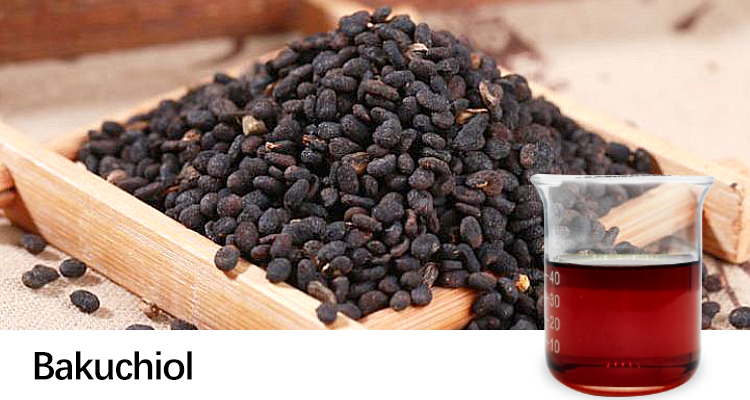
Core Benefits: Natural Advantages for Multi-Dimensional Skin Care
The skincare value of bakuchiol is concentrated in its dual characteristics of “high-efficiency anti-aging + gentle suitability,” while also possessing multi-dimensional effects such as antioxidant and anti-inflammatory properties, adapting to the skincare needs of different skin types.
(I) Powerful Anti-Aging, Reshaping Skin Elasticity
Bakuchiol precisely promotes the synthesis of type I and type III collagen by activating the TGF-β signaling pathway in fibroblasts, while inhibiting the degradation of collagen by matrix metalloproteinase (MMP-1), fundamentally improving skin sagging, fine lines, and other aging problems. Clinical data shows that continuous use of skincare products containing 0.5% bakuchiol for 12 weeks can increase skin elasticity by 23% and reduce wrinkle depth by 19%. Its anti-aging mechanism is highly similar to retinol, but it can take effect directly without complex conversion, resulting in more direct efficacy.
(II) Gentle and Low-Irritation, Suitable for All Skin Types
Compared to retinol, which easily causes redness, stinging, and peeling, bakuchiol’s irritation to the skin barrier is only 1/3 of that of retinol. It does not require UV activation and is not photosensitive, making it safe for daytime use, breaking the limitation of traditional anti-aging ingredients being “for nighttime use only.” This characteristic makes it suitable not only for healthy skin but also for sensitive skin, acne-prone skin, and even pregnant women and other people with high requirements for ingredient safety, truly achieving “gentle anti-aging.”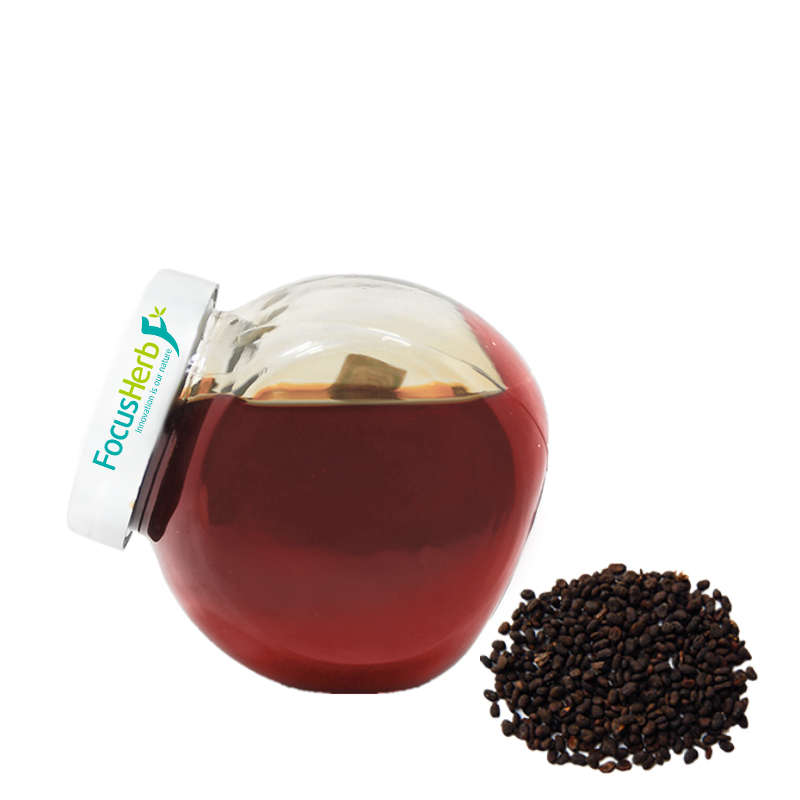
(III) Antioxidant and Anti-inflammatory, Strengthening the Skin’s Protective Barrier
As a powerful antioxidant, bakuchiol can effectively scavenge harmful free radicals such as DPPH free radicals and hydroxyl free radicals, inhibit lipid peroxidation, and reduce oxidative damage caused by ultraviolet rays and environmental pollution. At the same time, by downregulating the NF-κB inflammatory pathway and inhibiting the release of inflammatory factors such as IL-6 and TNF-α, it can alleviate inflammation-related skin problems such as acne and contact dermatitis, blocking inflammatory aging at its source and providing the skin with dual “antioxidant + anti-inflammatory” protection.
(IV) Multi-dimensional skin renewal, optimizing skin texture and tone
Bakuchiol can regulate the normal differentiation of keratinocytes, promote the metabolism of old keratinocytes, effectively refine pores and improve skin smoothness; at the same time, by inhibiting tyrosinase activity and melanosome transport, it reduces melanin deposition and improves uneven skin tone and age spots caused by photoaging, achieving a triple effect of “anti-wrinkle + brightening + oil control,” comprehensively improving skin condition.
Source Analysis: Natural Plant Extraction and Mature Production System
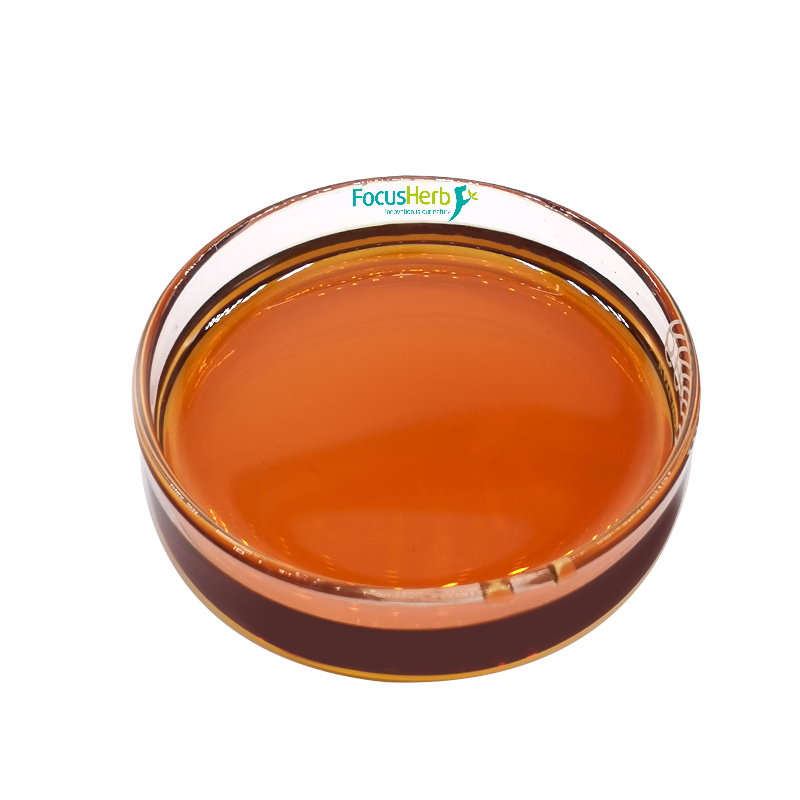
The natural properties of bakuchiol are one of its core competitive advantages. Its source is concentrated in specific plants, and a mature extraction and supply system has been established, ensuring the stability and safety of the ingredient.
(I) Core Plant Source
Bakuchiol is primarily extracted from the mature fruits of the leguminous plant Psoralea corylifolia L. Psoralea corylifolia thrives in warm, humid environments with ample sunlight and is widely cultivated in southern my country (such as Yunnan, Sichuan, and Guangdong), as well as in Southeast Asian countries such as India and Myanmar. These regions’ favorable climate conditions ensure the fullness of the Psoralea corylifolia fruits and the high content of bakuchiol, providing a high-quality foundation for raw material supply.
(II) Mature Extraction and Purification Process
Currently, the extraction process of bakuchiol has achieved mature industrial application, mainly using a combination of “solvent extraction + HPLC purification” technology. First, environmentally friendly organic solvents such as ethanol and petroleum ether are used to fully extract the Psoralea corylifolia fruits, obtaining a crude extract containing bakuchiol; then, high-performance liquid chromatography (HPLC) is used for fine separation and purification to remove impurities, ultimately obtaining bakuchiol monomer with a purity of ≥98%. This process not only ensures the high purity and efficacy stability of the ingredient but also meets the modern cosmetics industry’s demand for “green extraction” of natural ingredients.
(III) Raw Material Supply Advantages
The widespread cultivation of Psoralea corylifolia and the mature extraction process ensure the stability of bakuchiol raw material supply, meeting the needs of large-scale production in the cosmetics industry. At the same time, its natural plant source aligns with current consumer demand for “natural, sustainable, and additive-free” cosmetics. Compared to chemically synthesized retinol, bakuchiol produces less chemical waste during production, which is more in line with environmental protection concepts, further enhancing its market acceptance.
Market Applications: From Formula Innovation to Precise Product Positioning
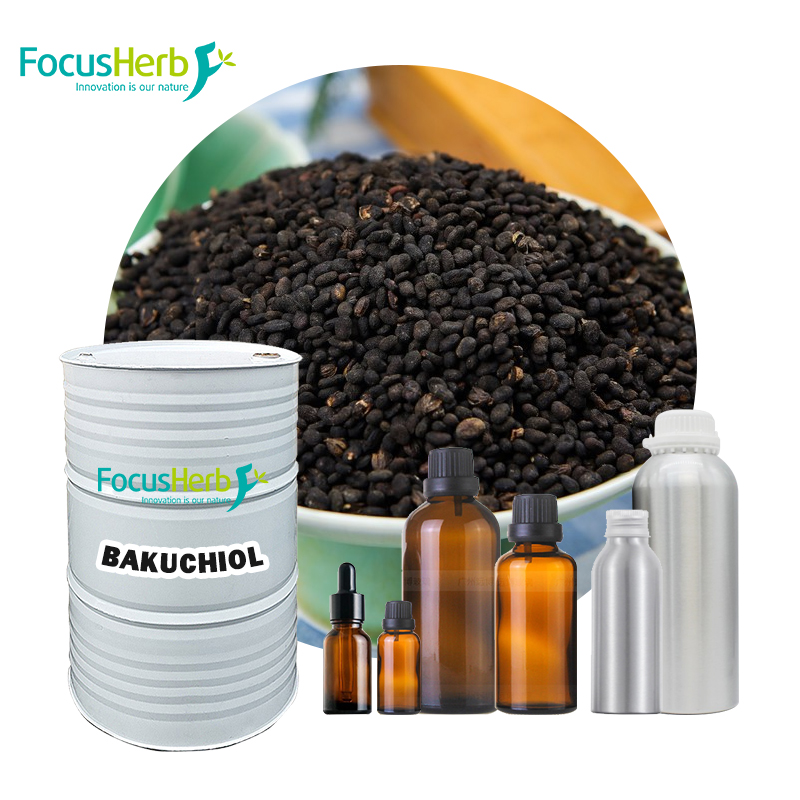
Leveraging its core advantages, bakuchiol’s application in the cosmetics field has achieved diversified formulations and targeted consumer groups, becoming one of the core ingredients in the anti-aging market with broad market prospects.
(I) Diversified Formulation Forms and Technological Empowerment
Based on its lipophilic properties, bakuchiol presents diverse formulation forms in cosmetics, with common dosage forms including essence oils, creams, and liposomal essences. To further enhance efficacy and stability, the industry widely employs technological innovations: on the one hand, by compounding with moisturizing and repairing ingredients such as hyaluronic acid and ceramides to enhance skin tolerance and moisturizing ability; on the other hand, using micro- and nano-encapsulation technology to build a “protective shell” for bakuchiol, improving its transdermal absorption rate while reducing the risk of oxidative inactivation. Currently, the bakuchiol concentration in mainstream products on the market is 0.2%-1%, which can be used alone or compounded with ingredients such as vitamin C and proxylane to synergistically enhance anti-aging effects.
(II) Targeted Consumer Groups and Product Positioning
Brands precisely position three categories of targeted products around bakuchiol’s core advantages: firstly, a “gentle anti-aging” series for sensitive skin, emphasizing the concept of “natural retinol alternative,” highlighting low irritation and high safety to address the anti-aging challenges of sensitive skin; secondly, a two-in-one “oil control, anti-acne + anti-aging” product for acne-prone skin, relying on its antibacterial and anti-inflammatory effects to inhibit acne growth while alleviating post-inflammatory hyperpigmentation, achieving simultaneous “acne treatment + anti-aging”; thirdly, a daytime protective face cream, filling the gap in daytime retinol use, combined with sunscreen ingredients to achieve simultaneous daytime photodamage prevention and anti-aging, meeting consumers’ demand for “all-day anti-aging.”
(III) Market Trends and Development Prospects
With the continuous popularization of the concepts of “natural anti-aging” and “gentle skincare,” the bakuchiol market is showing rapid growth, with an expected compound annual growth rate of 25%. The future of the industry will focus on two major development directions: firstly, the upgrading of sustained-release technology, achieving the slow release of bakuchiol in the skin through innovative formulations to enhance long-lasting anti-aging effects; secondly, the compounding of plant-derived ingredients, combining bakuchiol with natural ingredients such as asiaticoside and ferulic acid to further strengthen repair and antioxidant effects. With its dual advantages of “natural efficacy + gentle and low irritation,” bakuchiol is expected to grow from a “niche star ingredient” into a mainstream ingredient in the anti-aging field, providing safer and more sustainable anti-aging solutions for people with different skin types.
In summary, bakuchiol, with its significant skincare benefits, stable natural source, and diverse market applications, has become a core competitive ingredient in the cosmetics anti-aging market. With continuous technological advancements and increased market awareness, its application scenarios in the cosmetics field will further expand, injecting new vitality into the natural skincare industry.
