








Astaxanthin is a ketocarotenoid, chemically named 3,3′-dihydroxy-4,4′-diketo-β,β′-carotene. It is a bright red, fat-soluble pigment, insoluble in water but soluble in organic solvents. Astaxanthin is widely found in the biological world, especially in aquatic animals. For example, the color of the shells of crustaceans such as shrimp and crabs is related to the astaxanthin in their bodies; the color of the flesh of fish such as salmon and trout is also closely related to astaxanthin; and the color of bird feathers also owes some credit to astaxanthin. Among the many sources, Haematococcus pluvialis is currently the organism with the highest known astaxanthin content, making it an excellent source for extracting natural astaxanthin. In addition, some algae, fungi, and phytoplankton can also produce astaxanthin. After crustaceans such as shrimp and crabs consume these astaxanthin-containing organisms, they store the astaxanthin in their shells. Other aquatic animals then feed on these crustaceans, resulting in most marine organisms containing astaxanthin.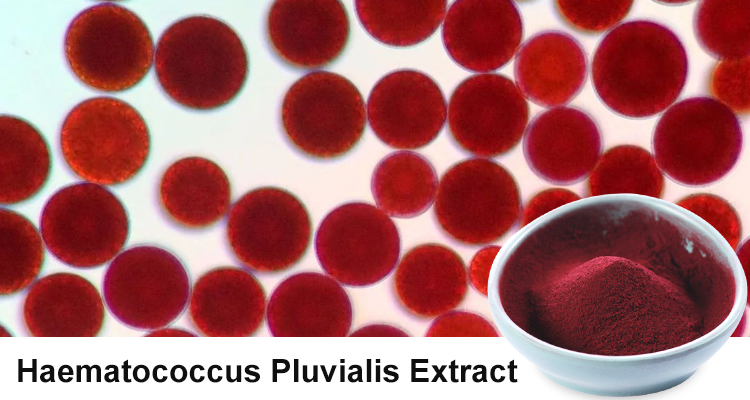
Powerful Antioxidant Capacity
Astaxanthin is considered a “super antioxidant,” boasting exceptional antioxidant capabilities among numerous antioxidants. Free radicals are unstable molecules produced during human metabolism. Highly reactive, they indiscriminately steal electrons from other molecules, damaging cell structure and biomolecules such as DNA, proteins, and lipids. This leads to a range of health problems, including accelerated aging, causing wrinkles, sagging, and dullness; and potentially inducing various chronic diseases such as cardiovascular disease, cancer, and diabetes. Antioxidants combat free radicals by providing electrons to stabilize them and prevent cell damage.
Astaxanthin’s unique molecular structure endows it with powerful antioxidant activity. Its molecule has a hydroxyl group and a ketone group at each end, with a conjugated double bond in the middle. This structure allows it to efficiently capture free radicals, neutralize their activity, and thus protect cells from oxidative damage. Research data shows that astaxanthin’s ability to scavenge singlet oxygen is 550 times that of vitamin E and 10 times that of β-carotene. In an experiment targeting lipid peroxidation, astaxanthin, vitamin E, and β-carotene were added to a system containing easily oxidized lipids, respectively. After treatment for the same period, the degree of lipid peroxidation was measured. The results showed that the lipid peroxidation level in the system with added astaxanthin was significantly lower than that in the systems with added vitamin E and β-carotene, fully demonstrating astaxanthin’s outstanding antioxidant performance. In real life, we can observe some phenomena to understand the antioxidant capacity of astaxanthin. For example, salmon is rich in astaxanthin; during storage, compared to other fish that do not contain astaxanthin or have low astaxanthin content, salmon is less prone to spoilage due to oxidation, and its texture and color are preserved for longer.
Health Benefits Overview
(I) Guardian of Cardiovascular and Cerebrovascular Health
Cardiovascular and cerebrovascular diseases are among the major threats to human health worldwide, and their onset is closely related to factors such as dyslipidemia and arteriosclerosis. Astaxanthin performs exceptionally well in maintaining cardiovascular and cerebrovascular health, playing a role in regulating blood lipids, reducing the risk of arteriosclerosis, and preventing cardiovascular diseases.
Regarding blood lipid regulation, astaxanthin reduces the oxidative modification of low-density lipoprotein (LDL) by inhibiting lipid peroxidation. Oxidized LDL is easily phagocytosed by macrophages, forming foam cells, which in turn leads to the formation of atherosclerotic plaques. Astaxanthin acts like a “protective suit” for LDL, making it less susceptible to oxidation, thereby reducing the level of “bad cholesterol” in the blood. Clinical studies have shown that daily supplementation with a certain dose of astaxanthin for several weeks significantly reduces the levels of total cholesterol, triglycerides, and LDL cholesterol in the blood, while increasing the level of high-density lipoprotein cholesterol (HDL, “good cholesterol”). This benign regulation of blood lipids helps maintain vascular patency. In the process of arteriosclerosis, vascular endothelial cells are damaged by free radicals, leading to inflammatory responses, thickening and hardening of the blood vessel walls, and decreased elasticity. Astaxanthin, with its powerful antioxidant capacity, scavenge free radicals, reducing oxidative stress damage to vascular endothelial cells, while inhibiting the production of inflammatory factors, such as inhibiting the activation of the nuclear factor-κB (NF-κB) signaling pathway and reducing the release of inflammatory factors like tumor necrosis factor-α (TNF-α) and interleukin-6 (IL-6), thereby reducing the damage of inflammatory responses to the blood vessel walls and effectively preventing the occurrence and development of arteriosclerosis. In an animal experiment, supplementing mice with atherosclerosis with astaxanthin significantly reduced inflammatory cell infiltration in the blood vessel walls and shrunk plaque areas, directly demonstrating the ameliorative effect of astaxanthin on arteriosclerosis.
(II) Significantly Boosts Immunity
The immune system is an important line of defense against pathogen invasion. Astaxanthin’s effects on immune function are multifaceted, strengthening aerobic metabolism and enhancing the body’s immunity. At the level of immune cells, astaxanthin can promote the proliferation and differentiation of lymphocytes. T lymphocytes are key cells in cell-mediated immunity; astaxanthin can upregulate the expression of activation markers on the surface of T lymphocytes, promote Th1/Th2 cell balance, enhance the secretion of Th1 cytokines such as interferon-γ (IFN-γ), and improve the body’s ability to clear intracellular pathogens. Simultaneously, it enhances the killing activity of cytotoxic T cells (Tc) against target cells. B lymphocytes are responsible for antibody production; astaxanthin can stimulate B lymphocytes to produce more immunoglobulins, increasing antibody production levels. As macrophages, as the “scavengers” of the immune system, can benefit from astaxanthin by promoting their phagocytic capacity, increasing the phagocytic index and phagocytic rate, regulating macrophage cytokine secretion, reducing the excessive release of pro-inflammatory factors, increasing the production of anti-inflammatory factors, and preventing tissue damage caused by excessive immune activation. For example, in some animal experiments, supplementing mice with astaxanthin increased the number of T and B lymphocytes in the spleen, significantly enhanced the phagocytic activity of macrophages, and markedly improved their resistance to pathogens.
From the perspective of overall immune regulation, astaxanthin can regulate the balance of cytokines. When the body is stimulated by pathogens, immune cells release a large number of cytokines. Pro-inflammatory factors such as IL-1β and TNF-α and anti-inflammatory factors such as IL-10 and TGF-β need to be kept in balance to maintain a normal immune response. Astaxanthin reduces the transcription and secretion of pro-inflammatory factors by inhibiting inflammatory signaling pathways such as NF-κB and MAPK, while promoting the secretion of immunomodulatory factors such as IL-2 and IFN-γ, thus enhancing the adaptive immune response. During flu season, some people who take astaxanthin supplements experience a reduced chance of contracting the flu virus. Even if they do get infected, the symptoms are relatively mild and the recovery time is shorter. This demonstrates the positive effect of astaxanthin in boosting immunity and resisting pathogen infection.
(III) A Powerful Relief for Fatigue
In modern life, people often face various pressures and are prone to fatigue, especially sports enthusiasts who frequently experience muscle fatigue and soreness after high-intensity exercise. Astaxanthin has a unique mechanism for relieving fatigue; it can inhibit free radical damage, enhance aerobic metabolism, and alleviate exercise fatigue.
During exercise, the body’s metabolism accelerates, producing a large number of free radicals. These free radicals attack cell membranes, proteins, DNA, and other biological macromolecules, leading to cell damage and causing muscle fatigue and soreness. As a powerful antioxidant, astaxanthin can quickly capture free radicals generated during exercise, reducing their oxidative damage to cells. Experiments have shown that supplementing with astaxanthin before and after exercise significantly reduces the level of malondialdehyde (MDA, a lipid peroxidation product whose content reflects the degree of free radical damage to cells) in muscle tissue, indicating that astaxanthin effectively reduces free radical damage to muscle cells.
Astaxanthin also enhances aerobic metabolism. It binds to fats in the blood, providing the body with extra energy during aerobic metabolism, reducing the consumption of blood sugar and glycogen, thereby increasing muscle endurance and prolonging exercise time. When engaging in prolonged aerobic exercise, astaxanthin supplementation can make us feel more relaxed and delay the onset of fatigue. Studies testing professional athletes have found that astaxanthin supplementation significantly improves athletes’ performance in endurance training and shortens post-exercise fatigue recovery time. Simultaneously, astaxanthin can inhibit inflammatory responses. Post-exercise muscle inflammation is one of the causes of fatigue and pain. Astaxanthin reduces the release of inflammatory factors by regulating inflammatory signaling pathways, alleviating muscle inflammation, thereby rapidly relieving exercise fatigue and reducing delayed onset muscle soreness (DOMS) after strenuous exercise.
(IV) The Secret Weapon Against Inflammation
Inflammation is the body’s defensive response to various stimuli, but chronic inflammation can damage the body and trigger various diseases, such as arthritis and inflammatory bowel disease. Astaxanthin has significant anti-inflammatory effects, reducing joint pain, inhibiting inflammatory responses, and preventing inflammatory diseases.
In arthritis, joint pain and inflammation are usually caused by oxidative damage from free radicals. Astaxanthin, with its powerful antioxidant capacity, inhibits the production of free radicals, reducing their oxidative damage to joint tissues. Studies have shown that astaxanthin can regulate the NF-κB signaling pathway, a key signaling pathway in the inflammatory response. Astaxanthin inhibits the activation of this pathway, thereby reducing the production of pro-inflammatory factors such as TNF-α and IL-1β, and alleviating joint inflammation. For patients with rheumatoid arthritis, astaxanthin supplementation significantly improves symptoms such as joint pain, swelling, and stiffness, and joint function also recovers.
Astaxanthin also plays an important role in other inflammatory diseases. For example, in intestinal inflammation, astaxanthin can reduce the inflammatory response of the intestinal mucosa and protect the intestinal barrier function. The intestinal mucosa is an important immune defense line of the human body. When the intestines are inflamed, the intestinal barrier is damaged, and harmful substances can easily enter the bloodstream. Astaxanthin reduces the damage to tight junction proteins caused by intestinal inflammation through its antioxidant and anti-inflammatory effects, maintains the integrity of the intestinal mucosa, reduces intestinal permeability, and prevents the invasion of pathogens and harmful substances. In animal experiments, supplementing mice with colitis with astaxanthin significantly reduced the degree of intestinal inflammation and improved the pathological damage to intestinal tissues.
(V) Loyal Guardian of Vision
The eyes are a very important organ of the human body. With the widespread use of electronic devices in modern life, people’s eyes face more challenges, such as damage from ultraviolet rays and blue light, which can easily lead to various eye diseases. Astaxanthin plays an important role in protecting vision; it can cross the blood-brain barrier, protect the retina, and prevent eye diseases. The retina is rich in unsaturated fatty acids, which are easily oxidized, leading to oxidative damage to the retina and dysfunction of photoreceptor cells. Astaxanthin has a unique molecular structure that allows it to easily cross the blood-brain barrier and cell membranes to enter retinal tissue. Once in the retina, astaxanthin, through its powerful antioxidant capacity, scavenge free radicals and reduce oxidative stress damage to the retina. It also inhibits lipid peroxidation, protects the integrity of retinal cell membranes, and maintains the normal function of photoreceptor cells. Clinical studies have found that long-term astaxanthin supplementation can effectively improve symptoms of eye fatigue, such as dry eyes, soreness, and blurred vision. For patients with macular degeneration, astaxanthin can also play a positive therapeutic role, preventing further lesions in the macula and slowing down vision decline. Some patients have experienced some improvement in vision after astaxanthin supplementation. In addition, astaxanthin can help protect the eyes from damage caused by ultraviolet rays and high-energy blue light. Supplementing with astaxanthin before outdoor activities can reduce the damage of ultraviolet rays to the eyes; when using electronic devices for extended periods, astaxanthin can reduce the stimulation of the retina by blue light, lowering the risk of eye diseases.
(VI) The Secret to Youthful Skin
The skin is the largest organ of the human body and is also the most important aspect of people’s appearance. Astaxanthin is highly favored in the beauty and skincare field, possessing antioxidant, anti-photoaging, moisturizing, and skin elasticity-improving effects.
Antioxidant properties are one of the important functions of astaxanthin in skincare. In daily life, the skin is attacked by various free radicals, such as ultraviolet radiation and environmental pollution, which lead to the production of free radicals. These free radicals damage collagen and elastin fibers in skin cells, causing wrinkles, sagging, dullness, and other signs of aging. Astaxanthin can effectively eliminate free radicals, neutralize their activity, reduce oxidative stress damage to skin cells, and delay the skin aging process. Long-term use of skincare products containing astaxanthin reduces MDA levels in the skin and increases the activity of superoxide dismutase (SOD, an endogenous antioxidant enzyme), enhancing the skin’s antioxidant capacity and resulting in a brighter, more radiant complexion.
Regarding anti-photoaging, ultraviolet (UV) radiation is the main cause of photoaging. UV exposure triggers the production of numerous free radicals in the skin, activating matrix metalloproteinases (MMPs). MMPs degrade collagen and elastin fibers in the skin, leading to wrinkles, sagging, and pigmentation. Astaxanthin protects the skin from photoaging by inhibiting MMP activity and reducing collagen degradation. Clinical studies have shown that continuous use of astaxanthin-containing products for a period of time reduces the skin’s UV erythema index, decreases the depth and number of wrinkles, and effectively prevents the appearance of photoaging symptoms.
In terms of moisturizing and hydration, astaxanthin enhances the skin barrier function. It promotes the synthesis of lipids in the stratum corneum, maintaining the skin’s water-oil balance, reducing moisture loss, and enhancing the skin’s moisturizing ability. For dry or dehydrated skin, using skincare products containing astaxanthin significantly increases skin moisture content, making it softer and more moisturized, providing long-lasting hydration. In improving skin elasticity, astaxanthin stimulates the synthesis of collagen and elastin, enhancing skin firmness and elasticity. By inhibiting free radical damage to collagen, it slows down skin sagging and wrinkle formation, making the skin look younger and more vibrant. Long-term use of astaxanthin skincare products significantly improves skin elasticity, restores skin plumpness, and rejuvenates the skin’s youthful radiance.
Precautions for Consumption
While astaxanthin has benefits, there are some precautions to keep in mind when consuming it. First, people allergic to shellfish such as shrimp and crab should be especially cautious. Since astaxanthin is often extracted from these aquatic organisms, consumption by those with allergies may cause an overreaction of the immune system, triggering allergic symptoms such as itchy skin, rashes, and swelling. In severe cases, it may even lead to difficulty breathing. These individuals should avoid consuming astaxanthin supplements.
Second, patients with hypertension who are taking antihypertensive medication should be cautious. Astaxanthin may enhance the effect of antihypertensive drugs. If taken concurrently, there is a risk of blood pressure dropping too low, causing dizziness, fatigue, and other discomfort. Therefore, hypertensive patients who wish to supplement with astaxanthin must do so under the guidance of a doctor. The doctor will adjust the medication regimen and astaxanthin intake based on the patient’s specific blood pressure and physical condition to ensure safety. Furthermore, astaxanthin contains a certain amount of purines. Although the content is not particularly high, long-term consumption in large quantities can lead to the formation of uric acid after purine metabolism, resulting in elevated uric acid levels in the body. For individuals with pre-existing gout or abnormal uric acid metabolism, this may trigger or worsen gout symptoms, such as redness, swelling, heat, and pain in the joints. Therefore, these individuals should strictly control their astaxanthin intake and regularly monitor their uric acid levels.
Additionally, astaxanthin is primarily metabolized by the liver and kidneys. Long-term excessive supplementation can increase the metabolic burden on the liver and kidneys. This is especially true for individuals taking antihistamines, asthma medications, or other medications, as drug interactions may occur, further increasing the risk of liver and kidney damage. Therefore, before supplementing with astaxanthin, it is essential to inform your doctor about any other medications you are taking so that they can assess whether supplementation is suitable and the appropriate dosage. Generally, it is recommended to limit the daily intake of astaxanthin to 4-8mg to avoid blindly taking large amounts. If any discomfort occurs after consuming astaxanthin, you should stop consuming it immediately and go to the hospital for examination and treatment.
 Astaxanthin, a powerful natural antioxidant, boasts remarkable efficacy in multiple areas, including anti-oxidation, anti-inflammation, cardiovascular protection, immune system enhancement, fatigue relief, vision protection, and skincare, thanks to its unique molecular structure. It provides comprehensive care for human health. With increasing health awareness and a growing demand for natural and highly effective health products, astaxanthin’s application prospects in the health field are extremely broad.
In the food sector, astaxanthin is expected to be increasingly added to various functional foods and beverages, providing consumers with daily health support. For example, energy drinks containing astaxanthin can help athletes replenish fluids, relieve exercise fatigue, and enhance endurance. In the health supplement market, astaxanthin will become increasingly important, becoming a popular choice for preventing chronic diseases and delaying aging. In the cosmetics industry, skincare products containing astaxanthin will continue to be popular, meeting consumers’ diverse skin needs such as combating photoaging, moisturizing, and whitening, further expanding its market share in the beauty and skincare field.
From a scientific research perspective, future research on astaxanthin will continue to deepen, exploring its potential health benefits and mechanisms of action, as well as methods to optimize extraction processes and improve bioavailability. It is believed that in the near future, astaxanthin will find innovative applications in more fields, making a greater contribution to human health and improving quality of life, bringing more surprises to our healthy lives.
