










The fleshy fruiting body of the maitake mushroom is a unique sight, resembling a work of art meticulously crafted by nature. It has a short stalk and branches in a charming, lotus-shaped, cascading pattern. It measures 9-18 cm tall and 2-11 cm wide, with an average weight of 300-1400 grams per flower, resembling a giant blossom. When young, it resembles a pure fairy, appearing milky white to off-white. As it matures, it takes on a mysterious veil, turning off-white or gray-brown. Its cap is fan-shaped, initially covered in fine, hardened hairs that dry. Over time, it becomes smooth and adorned with distinctive radial striations, with thin, slightly inward-curling edges, resembling a delicate lacework crafted by nature. Its hyphae are forked, with branch-like septa, while its spores are smooth, oval, and colorless, resembling sparkling gemstones under a microscope. This remarkable fungus prefers to inhabit the moist, humus-rich sandy loam of broadleaf forests, resembling a refined hermit recluse. Summer and autumn are the peak seasons for the maitake mushroom, where it often grows wild on the roots or stumps of Fagaceae trees and broadleaf trees, including chestnut, oak, castanopsis, and cycad. It coexists harmoniously with these trees, creating a harmonious natural landscape. In my country, it inhabits Guizhou, Hebei, Yunnan, Sichuan, Fujian, and Jilin. Globally, it can also be found in Japan, Singapore, and Europe.
Maitake mushroom holds a unique place in Japanese culture, like a shining pearl. Since ancient times, it has been a tribute to the Japanese imperial family, highly revered and considered a precious symbol. Many fascinating legends surround the origin of its name. The Japanese book “Konjaku Monogatarishu” records that wild maitake mushrooms are mildly poisonous, and that when consumed, they cause people to dance. Hence the name “maitake” (maitake mushroom) in Japanese, adding a touch of mystery to the plant. Another romantic theory is that the shape of the mushroom cap, or fruiting body, resembles petals dancing in the wind, or the skirts of a fairy, giving it the name of lightness and beauty. Others say that maitake mushrooms are rich in nutrients and very rare in the wild, and that those who harvest them will be so excited that they dance to express their joy and excitement.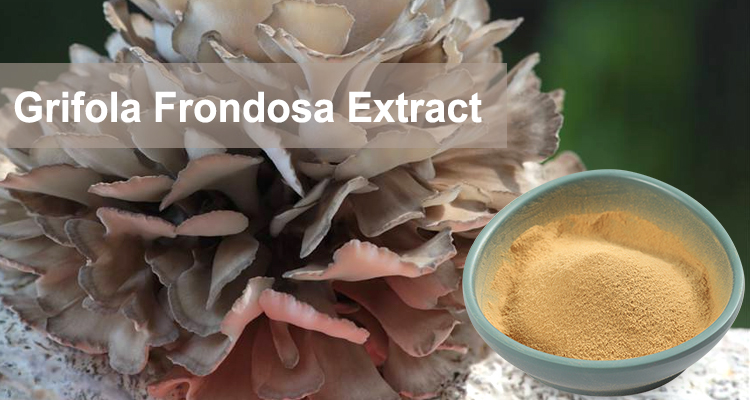
Exploring the Extraction Process
(I) Analysis of Traditional Processes
Maitake Mushroom Extact processes have been the cornerstone of the preparation of maitake mushroom extracts, laying the foundation for research and application. Water extraction and alcohol precipitation and alkaline extraction are typical examples.
Water extraction and alcohol precipitation are commonly used in traditional Chinese medicine extraction, and are also common in extracting maitake mushroom polysaccharides. The process is relatively straightforward: First, the maitake mushroom material is pretreated, such as by washing, drying, and pulverizing, to allow for adequate water contact. Subsequently, an appropriate amount of water is added, and extraction is carried out under heating and stirring, typically at a temperature of 60-100°C for 1-4 hours, allowing the polysaccharides and other components in the maitake mushroom to fully dissolve in the water, forming an aqueous extract. The aqueous extract is then filtered to remove insoluble impurities. Afterward, ethanol is added to the filtered aqueous extract to achieve a certain alcohol content (typically 50% to 90%). Since the solubility of active ingredients such as polysaccharides decreases in high-concentration ethanol, and impurities such as proteins and starch are even less soluble in alcoholic solutions, they precipitate first. These impurities can then be removed through solid-liquid separation methods such as centrifugation or filtration, resulting in a refined polysaccharide extract. This method, based on the solubility differences between different substances in water and ethanol, cleverly separates active ingredients from impurities. Its advantages are significant. Water and ethanol are commonly used and inexpensive extraction agents, resulting in relatively low costs. The process is also simple and easy to master, requiring minimal operator skill. Furthermore, it effectively extracts multiple active ingredients from maitake mushrooms, achieving relatively high extraction efficiency. However, as no one is perfect, the alcohol precipitation process requires a large amount of alcohol, which poses safety risks. Some active ingredients may be precipitated and removed, resulting in loss of active ingredients. The alcohol precipitation process also generates a large amount of waste, which has a certain impact on the environment. Furthermore, the purity of the extract is still low, requiring further purification.
Alkali extraction uses an alkaline solution to extract the components of Grifola frondosa. The Grifola frondosa is first pulverized, then an appropriate amount of alkaline solution, such as sodium hydroxide or potassium hydroxide, is added. Extraction is performed under a certain temperature and stirring conditions, generally between 30 and 70°C, for approximately 1 to 3 hours. The alkaline environment disrupts the Grifola frondosa cell structure, releasing components such as polysaccharides. After extraction, filtration is also performed to remove residue. The extract must then be neutralized and the pH adjusted to neutral to prevent the alkalinity from affecting subsequent experiments or applications. The principle of alkaline extraction is based on the ability of alkaline substances to disrupt cell walls and solubilize certain components. This method can extract components that are difficult to extract using water extraction and alcohol precipitation, broadening the range of extracts. However, alkaline conditions may damage the structure of components such as polysaccharides, affecting their biological activity. Alkaline reagents used during the extraction process may remain, requiring rigorous impurity removal, increasing the complexity of the process.
(II) Highlights of Innovative Processes
With the rapid advancement of technology, innovative processes such as enzymatic hydrolysis and ultrasound-assisted extraction have emerged as bright new stars in the field of maitake mushroom extraction.
Enzymatic hydrolysis, a unique “biological scissors,” utilizes enzymes to promote the breaking of molecular bonds (i.e., hydrolysis) by adding water, thereby obtaining specific products. Commonly used enzymes in maitake mushroom polysaccharide extraction include cellulase, papain, and pectinase. Cellulase, for example, acts on the cellulose component of the maitake mushroom cell wall, breaking it down and facilitating the release of polysaccharides. In practical applications, the type and dosage of enzyme must be determined, as different enzymes have different cleavage sites and reaction conditions. Through single-factor experiments and multi-enzyme orthogonal experiments, the optimal enzymatic conditions for cellulase were found to be: enzyme concentration 0.5%, enzymatic hydrolysis time 80 minutes, enzymatic hydrolysis temperature 60°C, and pH 5.5. The optimal enzymatic hydrolysis conditions for papain were: enzyme concentration 1%, enzymatic hydrolysis time 80 minutes, enzymatic hydrolysis temperature 50°C, and pH 6.5. The optimal enzymatic hydrolysis conditions for pectinase were: enzyme concentration 0.5%, enzymatic hydrolysis time 80 minutes, enzymatic hydrolysis temperature 40°C, and pH 4.5. Based on these results, multi-enzyme orthogonal experiments were conducted to determine the optimal conditions for the enzymatic extraction of Grifola frondosa polysaccharides: enzymatic hydrolysis temperature 50°C, enzymatic hydrolysis time 80 minutes, cellulase concentration 0.75%, papain concentration 1.25%, pectinase concentration 0.25%, and pH 5.5. Under these optimal extraction conditions, the yield of Grifola frondosa polysaccharides reached 10.96%. Enzymatic hydrolysis offers the advantages of high polysaccharide extraction rates, mild reaction conditions, and minimal damage to the polysaccharide structure. It can efficiently extract polysaccharides under mild conditions, preserving their biological activity to the greatest extent possible. However, the high cost of enzymes and their relatively high production costs have limited their application in large-scale industrial production.
Ultrasound-assisted extraction is also a novel extraction technique. When ultrasound propagates through a liquid, it continuously compresses and stretches the medium, causing the resulting cavities to collapse, resulting in localized high temperatures and electrical discharges, and generating cavitation. The shock waves and jets generated by cavitation can disrupt the structure of cells and cell membranes, thereby increasing the ability of cellular contents to penetrate the cell membrane and significantly improving extraction efficiency. To extract maitake mushroom polysaccharides, the maitake mushroom raw material is mixed with water and placed in an ultrasonic device, where parameters such as ultrasonic power, extraction time, and temperature are controlled. Research has shown that the optimal conditions for ultrasonic-assisted extraction of Grifola frondosa polysaccharides using a uniform design method are an ultrasonic power of 500 W, an extraction time of 64 minutes, an extraction temperature of 43°C, a water-to-solid ratio of 31:1 (mL/g), and two extractions. Under these conditions, the extraction yield of Grifola frondosa polysaccharides reached 23.055%. This method not only improves the polysaccharide extraction yield but also shortens the extraction time without affecting the biological properties of the water-soluble polysaccharide. However, excessively strong or prolonged ultrasonic treatment may cause structural changes in the polysaccharide, so appropriate ultrasonic power and treatment time should be selected, which also complicates the operation.
Comparing the innovative process with traditional methods, the innovative process demonstrates significant advantages in extraction efficiency and component retention. Enzymatic hydrolysis and ultrasonic-assisted extraction methods achieve higher extraction yields in a shorter time, with less structural damage to polysaccharides and other components, thereby better preserving their biological activity. However, each method has limitations, such as the high cost of enzymatic hydrolysis and the complex operation of ultrasonic-assisted extraction. In practical applications, it is necessary to comprehensively consider and select the appropriate extraction process based on specific needs and conditions to achieve efficient and high-quality production of maitake mushroom extract.
A Rich Treasury of Ingredients
(I) Polysaccharides: Core Active Agents
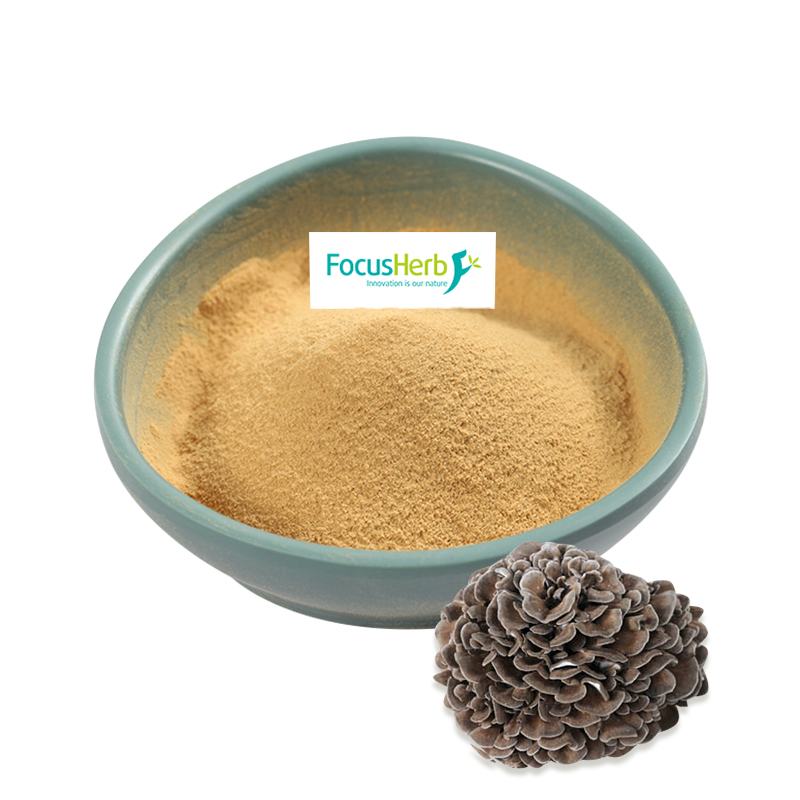
Polysaccharides are undoubtedly the most prominent ingredients in Maitake Mushroom Extacts, representing the core active agent. Researchers have successfully extracted dozens of active polysaccharides from Grifola frondosa fruiting bodies and mycelium. These polysaccharides, like mysterious codes, possess potent biological activity. Among them, the D-fraction, MD-fraction, grifolan, X-fraction, MT-2, and LELFD all possess significant physiological activity.
Grifola frondosa polysaccharides primarily consist of α-D-glucan and β-D-glucan, with β-D-glucan being the predominant component. For example, MT-2 has a β-(1→6) side chain and a β-(1→3) main chain; MT-1 has a β-(1→3) side chain and a β-(1→6) main chain. The polysaccharide distribution in the cell walls of the fruiting bodies of the maitake mushroom is quite regular: the exterior is dominated by β-(1→3)- and β-(1→6)-glucans, the middle is dominated by β-(1→6)-glucans, and the interior is composed of β-(1→6)- and β-(1→3)-glucans with side chains. These polysaccharide structures are complex and intricate, resembling nature’s meticulously woven code of life.
β-D-glucan plays a crucial role in immune regulation and anti-tumor activities. In this regard, it acts like a powerful commander, significantly activating cellular immunity. Immune cells such as macrophages and T lymphocytes are like soldiers on the battlefield. β-D-glucan activates them, multiplying their fighting power, thereby strengthening the body’s immunity and improving resistance, helping the body defend against various diseases. At the molecular level, β-D-glucan binds to specific receptors on the surface of immune cells, initiating a series of signaling pathways and promoting the secretion of cytokines, such as interleukins and interferon-γ. These cytokines act like battlefield clarion calls, rallying more immune cells to join the fight and collectively safeguarding the body’s health. In its anti-tumor role, β-D-glucan does not directly attack tumor cells, but instead leverages the body’s own immune system. It can inhibit tumor cell growth, prevent metastasis, and protect normal cells from becoming cancerous. When tumor cells appear in the body, β-D-glucan activates immune cells such as natural killer cells. These immune cells act as the body’s guardians, identifying and destroying tumor cells, thereby achieving an anti-tumor effect. β-D-glucan also works synergistically with chemotherapy and radiotherapy, enhancing the effectiveness of cancer treatment while reducing the side effects of both radiotherapy and chemotherapy, offering new hope for cancer patients.
(II) Other Nutrients
In addition to its core component, polysaccharides, maitake mushroom extract is rich in a variety of other nutrients, representing a treasure trove of nutrients.
Protein and amino acids are fundamental building blocks of life. Maitake mushrooms contain high concentrations of these substances, a comprehensive range of ingredients, and are easily absorbed by the human body. Every 100 grams of dried maitake mushrooms contains 25.2 grams of protein, including 18 essential amino acids, totaling 18.68 grams. Essential amino acids account for 45.5%, double the content of shiitake mushrooms. These amino acids are essential building blocks for the body’s tissue construction and repair, and for the production of enzymes and hormones. They are crucial for promoting healthy growth and intellectual development in children. Amino acids such as arginine and lysine, which are beneficial to children’s intellectual development, are also found in significant concentrations in maitake mushrooms, exceeding the lysine (1.024%) and arginine (1.231%) levels found in enoki mushrooms.
Maitake mushrooms also contain a vast array of vitamins. B vitamins are involved in the body’s metabolism, helping convert food into energy. Vitamin C has antioxidant properties, boosting immunity and preventing scurvy. Vitamin D aids calcium absorption and is crucial for bone health. Vitamin E is a powerful antioxidant that protects cells from free radical damage, slowing aging. When combined with selenium, it can also enhance memory and acuity. Every 100 grams of dried maitake mushroom contains 109.7 mg of vitamin E, 1.47 mg of vitamin B1, 0.72 mg of vitamin B2, 17.0 mg of vitamin C, and 4.5 mg of carotene. This makes it the highest nutrient source among edible fungi. Its vitamin B1 and vitamin E content is approximately 10-20 times higher than other edible fungi, while its vitamin C content is 3-5 times higher than its counterparts.
Maitake mushrooms are also rich in a variety of minerals, including potassium, phosphorus, iron, zinc, calcium, copper, selenium, and chromium. Iron is a key component of hemoglobin production and helps prevent anemia. Zinc plays an important role in brain development, maintaining visual acuity, and promoting wound healing. High levels of selenium and chromium protect the liver and pancreas, preventing cirrhosis and diabetes. Selenium also helps prevent Keshan disease, Kashin-Beck disease, and certain heart diseases. Calcium and vitamin D work synergistically to effectively prevent and treat rickets. Rich in iron, copper, and vitamin C, maitake mushrooms can also prevent vitiligo, arteriosclerosis, and cerebral thrombosis.
These rich nutrients work together to safeguard human health, fully demonstrating the exceptional value of maitake mushroom extract and establishing it as a key player in the nutritional and health field.
Diverse Application Areas
(I) A New Favorite in Medicine and Healthcare
Maitake Mushroom Extact, with its remarkable biological activity, has become a highly sought-after new product in the medical and healthcare field.
In the fight against tumors, Maitake Mushroom Extact is like a valiant warrior, demonstrating powerful combat effectiveness. Research has shown that it exerts its anti-tumor effects through multiple pathways. Firstly, its rich polysaccharide content, such as β-D-glucan, can activate immune cells such as macrophages, T lymphocytes, and natural killer cells, enhancing the body’s immune surveillance function and enabling these immune cells to more effectively identify and eliminate tumor cells. Once activated, macrophages release cytokines, such as tumor necrosis factor-α, to attack tumor cells. T lymphocytes can directly kill tumor cells or inhibit tumor growth by modulating the immune response. Furthermore, certain components in Maitake Mushroom Extact can induce apoptosis in tumor cells, blocking tumor cell proliferation signaling pathways and thereby inhibiting tumor cell growth and spread. Multiple clinical trials have confirmed the anti-tumor effects of Maitake Mushroom Extact. In a study of breast cancer patients, some patients took a maitake mushroom extract supplement alongside conventional treatment. Results showed that these patients experienced significantly slower tumor growth and improved quality of life. Other studies have found that when combined with chemotherapy drugs, maitake mushroom extract can enhance the efficacy of chemotherapy drugs, reduce tumor cell resistance to them, and alleviate chemotherapy side effects such as nausea, vomiting, and hair loss, offering new hope for cancer patients.
In terms of immune regulation, maitake mushroom extract acts as a precise regulator, maintaining the balance of the body’s immune system. When the body’s immune system is low, it can promote the proliferation and differentiation of immune cells, enhancing their activity and thereby boosting immunity, helping the body defend against pathogens such as viruses and bacteria. During flu season, taking supplements containing maitake mushroom extract can enhance the body’s immune system and reduce the risk of influenza infection. Furthermore, when the immune system is overactive, triggering allergic reactions or autoimmune diseases, maitake mushroom extract can suppress the excessive immune response and reduce inflammatory symptoms. For patients with allergic rhinitis, taking maitake mushroom extract can alleviate allergic symptoms such as sneezing, runny nose, and nasal congestion.
Maitake mushroom extract also demonstrates excellent results in lowering blood sugar and blood pressure. It regulates insulin secretion and action, increasing insulin sensitivity and thereby lowering blood sugar levels. Furthermore, maitake mushroom extract inhibits intestinal absorption of sugars, reducing the source of blood sugar. For diabetics, long-term use of health supplements containing maitake mushroom extract can help control blood sugar and reduce the occurrence of diabetic complications. Regarding blood pressure, maitake mushroom extract dilates blood vessels, reducing peripheral vascular resistance and thus lowering blood pressure. It also regulates the renin-angiotensin system in the body, inhibiting the production of angiotensin, further exerting its antihypertensive effects. Clinical studies have shown that maitake mushroom extract effectively controls blood pressure in hypertensive patients without significant adverse reactions.
Based on these remarkable medicinal benefits, numerous health supplements and pharmaceuticals containing maitake mushroom extract have emerged on the market. American Mushroom Maitake Maitake Essence Capsules, each rich in a high concentration of maitake extract, are highly sought after for their immune-boosting and anti-tumor properties. Tiandi Guiyuan brand maitake and shiitake mushroom tablets, made from ingredients including irradiated maitake extract, shiitake extract, irradiated tremella extract, and irradiated enoki mushroom extract, have been shown in animal studies to enhance immunity and are suitable for individuals with compromised immune systems. Other capsules, including maitake extract, are primarily used to treat respiratory conditions such as chronic bronchitis and chronic obstructive pulmonary disease. The maitake extract in these capsules has anti-inflammatory, antitussive, and expectorant properties. Clinical studies have shown significant improvement in the clinical symptoms of chronic bronchitis patients, with an overall efficacy rate exceeding 85%. The emergence of these products fully demonstrates the importance of maitake extract in the medical and healthcare field, providing strong support for public health.
(II) New Elements in the Food Industry
Maitake Mushroom Extact, a rising star in the food industry, is demonstrating tremendous application potential and bringing new vitality and opportunities to the food industry.
In the field of food additives, Maitake Mushroom Extact is like a magical magician, adding unique flavor and rich nutrition to food. It can be used as a natural seasoning, imparting a distinct umami flavor to food, similar to the rich aroma of shiitake mushrooms, yet with its own distinct character. This unique flavor enhances the taste of food and provides consumers with a more enjoyable dining experience. Adding an appropriate amount of Maitake Mushroom Extact to soups can enhance the flavor and richness, leaving a lasting aftertaste. Furthermore, Maitake Mushroom Extact has a thickening effect and can be used as a natural thickener in foods. It increases the viscosity of foods, improving their texture and mouthfeel, making them thicker and smoother. Adding Maitake Mushroom Extact to foods like yogurt and jam can make them more delicate and uniform, extending their shelf life. Furthermore, Maitake Mushroom Extact is rich in various nutrients, such as polysaccharides, proteins, vitamins, and minerals. It can be used as a nutritional supplement to supplement foods and enhance their nutritional value. Adding Maitake Mushroom Extact to baked goods like bread and biscuits can boost their nutritional content, satisfying consumers’ demand for healthier foods.
Maitake Mushroom Extact has been particularly effective in the development of functional foods, becoming a key element in R&D and innovation for many food companies. Functional beverages developed with Maitake Mushroom Extact as a primary ingredient combine the health benefits of Grifola frondosa with the convenience of a beverage and are highly popular with consumers. These beverages not only have a refreshing taste but also boast immune-boosting and anti-fatigue properties. They are ideal for post-workout or work-related fatigue, quickly replenishing the body with needed energy and nutrients for recovery. Snacks such as nuts and preserved fruits can also be infused with Maitake Mushroom Extact, enhancing their health benefits while retaining their original flavor. Consumers can enjoy delicious snacks while also reaping the health benefits of Maitake Mushroom Extact, such as boosting immunity and improving intestinal function. Some companies have also cleverly combined maitake mushroom extract with other ingredients to develop functional foods with special benefits. Combining maitake mushroom extract with fiber-rich ingredients like oats and beans creates meal replacements. These foods are not only rich in fiber, helping to promote intestinal motility and prevent constipation, but also help regulate blood sugar and lipids, making them suitable for those pursuing a healthy lifestyle and managing their weight.
Many foods containing maitake mushroom extract have appeared on the market, attracting consumers with their unique flavor and excellent health benefits. Maitake mushroom biscuits, a traditional biscuit with maitake mushroom extract, offer a crispy texture and fragrant aroma. They also boost immunity and provide nutritional benefits, making them a healthy choice for leisure time. Maitake mushroom bars, rich in protein, dietary fiber, and maitake mushroom extract, are convenient and portable energy foods perfect for outdoor activities and travel, providing a quick boost of energy and maintaining stamina. There are also Maitake mushroom drinks, made from fresh Maitake mushrooms through extraction and blending processes. They offer a refreshing taste and boast antioxidant and lipid-lowering benefits, making them a popular choice in the health drink market. These foods containing Maitake mushroom extract not only enrich the food market but also satisfy consumers’ pursuit of healthy and delicious food, demonstrating the broad application prospects of Maitake mushroom extract in the food industry.
(III) Exploration in Other Fields
Beyond its success in the healthcare and food industries, Maitake mushroom extract has also demonstrated potential application value in cosmetics and agriculture, bringing new insights and possibilities to these fields.
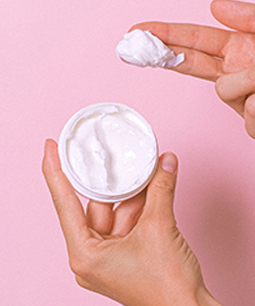
In the cosmetics field, Maitake mushroom extract acts as a gentle guardian, becoming a star ingredient in numerous skincare products thanks to its outstanding antioxidant properties. With increasing interest in skin health and anti-aging, the use of antioxidant ingredients in cosmetics is becoming increasingly widespread. Maitake Mushroom Extact, rich in polysaccharides, flavonoids, vitamins C, and E, possesses powerful antioxidant properties. It effectively scavenges free radicals in the skin, reduces free radical damage to skin cells, and slows the aging process. Free radicals are one of the main causes of skin aging. They damage collagen and elastin fibers in the skin, causing a loss of elasticity and resulting in wrinkles and sagging. The antioxidants in Maitake Mushroom Extact bind to free radicals, inactivating them and thus protecting the health of skin cells. Adding Maitake Mushroom Extact to skincare products, such as creams, lotions, and serums, can enhance the antioxidant benefits of these products, helping to protect the skin from harmful external factors like UV rays and environmental pollution, while maintaining its radiance and elasticity. An eye cream containing Grifola frondosa fruiting bodies and green tea extract has been clinically proven to improve skin elasticity, brighten, and even out skin tone around the eyes after six weeks of use, particularly for dark circles. It also reduces the appearance of fine lines around the eyes. Throughout the study, no adverse reactions related to the tested eye cream were reported, fully demonstrating the safety and effectiveness of maitake mushroom extract in cosmetics.
In agriculture, maitake mushroom extract acts as a wise guide, providing new solutions for plant growth and protection. Research has found that maitake mushroom extract has plant growth regulating properties, promoting plant growth and development and enhancing plant resistance. It stimulates root growth, increases root absorption area, and enables plants to better absorb nutrients and water from the soil, thereby promoting the growth of above-ground parts. In tomato cultivation, using foliar fertilizer containing maitake mushroom extract can significantly increase tomato yield and quality, resulting in fuller, more flavorful fruits. Maitake mushroom extract can also enhance plant resistance to pests and diseases, induce defensive responses, and strengthen the plant’s immunity. When attacked by pests and diseases, maitake mushroom extract can activate defense genes in the plant, prompting the production of antimicrobial substances such as phytoalexins, thereby combating the damage. In rice cultivation, spraying Maitake Mushroom Extact significantly enhances rice resistance to rice blast, reducing pesticide use, lowering agricultural production costs, and reducing environmental pollution.
Although these potential applications in fields such as cosmetics and agriculture are still in the research and exploration stages, they already hold promising promise. With continued advancements in scientific research and technological advancements, we believe Maitake Mushroom Extact will find wider application in these fields, bringing even more surprises and changes to people’s lives.
Market and Outlook
In recent years, the market for maitake mushroom extract has flourished, with its market size continuously expanding and its application areas continuously broadening, attracting increasing attention.
In terms of market size, relevant research reports indicate that the maitake mushroom industry in my country is growing steadily, reaching 1.215 billion yuan in 2023, a year-on-year increase of 12.19%. As people increasingly prioritize health, demand for natural and functional foods and health supplements continues to rise. As a natural substance with diverse health benefits, maitake mushroom extract is experiencing a surge in market demand. In the healthcare sector, demand for health supplements and pharmaceuticals containing maitake mushroom extract continues to grow. Its anti-tumor, immunomodulatory, blood sugar-lowering, and blood pressure-lowering properties have gained widespread recognition, attracting numerous consumers. In the food industry, maitake mushroom extract is also finding increasing application as a food additive and ingredient in functional foods, driving further market expansion.
In terms of major manufacturers and products, a number of specialized maitake mushroom extract companies have emerged in the market. Fufeng Snot Biotechnology Co., Ltd. is a high-tech enterprise specializing in the research, development, and production of plant extracts. Its Grifola frondosa polysaccharide extract is available in a variety of strengths, such as a 30% Grifola frondosa polysaccharide. The product boasts a loose, lumpy, and impurity-free powder, and is highly recognized in the market. Shaanxi New Horizon Biotechnology Co., Ltd. also offers Maitake Mushroom Extact products in strengths such as 10:1. Contact 17749282610, providing convenient consultation and purchasing channels. These companies offer Maitake Mushroom Extacts of varying purity and dosage forms to meet diverse customer needs.
Looking ahead, the Maitake Mushroom Extact market holds promising prospects. With the continuous advancement of technology, research on Maitake Mushroom Extact will intensify, and new biological activities and applications are expected to be further explored. In the pharmaceutical field, more innovative drugs based on Maitake Mushroom Extact are expected to be developed to treat a wider range of diseases. For example, in cancer treatment, more effective combination therapies may be developed to improve the treatment outcomes and quality of life for cancer patients. In the food industry, a wider variety of functional foods containing maitake mushroom extract will be introduced to meet consumers’ diverse needs for healthy and delicious foods. This includes developing nutritional supplements tailored to specific demographics, providing consumers with more personalized health solutions. With increasing awareness of health and environmental protection, natural, green maitake mushroom extracts are more in line with market trends, and market demand is expected to continue to grow.
However, the maitake mushroom extract market faces challenges in its development. While maitake mushroom cultivation technology is continuously improving, issues such as unstable yields and varying quality remain, potentially impacting the raw material supply and product quality. The active ingredient content of maitake mushrooms grown in different regions and under different cultivation conditions can vary, leading to inconsistent extract quality. Furthermore, the quality standards and regulatory systems for maitake mushroom extract products on the market are still underdeveloped, leading to issues such as substandard quality and false advertising. This not only harms consumers but also impacts the healthy development of the entire industry. In pursuit of profit, some unscrupulous vendors may add other ingredients to their products or exaggerate their efficacy, misleading consumers. In the face of these challenges, relevant companies and research institutions need to strengthen cooperation and increase investment in R&D for maitake mushroom cultivation and extraction techniques. This will improve maitake mushroom production and quality, optimize extraction processes, reduce production costs, and enhance product competitiveness. Government agencies should also strengthen oversight of the maitake mushroom extract market, improve quality standards and regulatory systems, regulate market order, crack down on counterfeit and substandard products, and create a favorable environment for the healthy development of the maitake mushroom extract market. Only in this way can the market potential of maitake mushroom extract be fully tapped, its sustainable development be achieved, and its potential for greater benefits to people’s health and well-being be realized.
