











Nattokinase is essentially a serine protease with a unique dual mechanism of targeted thrombolysis in improving blood circulation. From a direct dissolution perspective, it acts like a precise “molecular scissors,” specifically recognizing the core component of thrombi—fibrin. Thrombi are a key factor leading to circulatory disorders, and fibrin acts as the main “bricks” building this “fortress.” Nattokinase hydrolyzes specific lysine-arginine bonds in fibrin, directly breaking down these “bricks,” gradually disintegrating the thrombus structure from the inside, allowing it to dissolve, restoring patency to blocked blood vessels, and ensuring smooth blood flow. In the indirect activation pathway, nattokinase stimulates vascular endothelial cells to release tissue-type plasminogen activator (t-PA), a process akin to sounding the charge for the body’s own fibrinolytic system. Plasminogen is originally in a “standby” inactive state, while t-PA acts as the “key” to activate it. Once released, t-PA rapidly converts plasminogen into active plasmin. Fibrinolytic enzymes can be considered the body’s own “thrombolytic guardians.” They can further break down fibrinogen, converting it into soluble small molecules, thereby promoting the dissolution of blood clots and creating an endogenous thrombolytic effect. This “synergistic” mechanism of action significantly enhances the thrombolytic efficiency of nattokinase. Studies have shown that its thrombolytic efficiency is more than four times that of traditional urokinase, and its effect lasts for 8-12 hours. This makes nattokinase stand out in continuously clearing blood vessels and improving blood circulation, providing a more lasting guarantee for smooth blood circulation.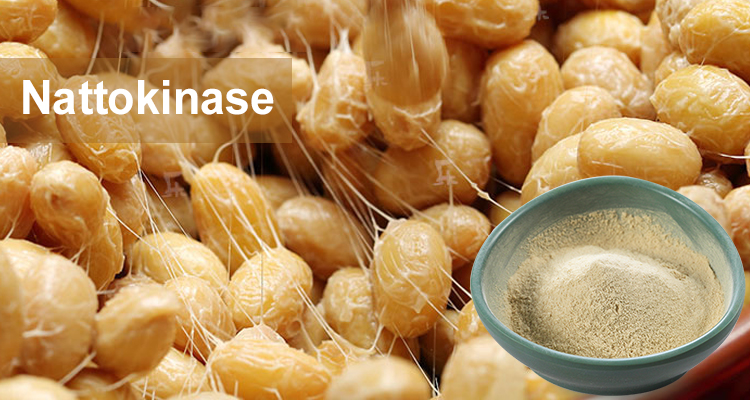
Optimization of Blood Rheology
Nattokinase plays a crucial role in improving blood circulation by optimizing blood rheology. Blood viscosity is a significant factor affecting blood circulation. When blood becomes too viscous, it’s like water in a river carrying too much sediment, significantly slowing its flow and potentially causing stagnation. Nattokinase effectively reduces blood viscosity, a fact supported by strong evidence from clinical studies. In experiments on individuals with microcirculatory disorders or rats with atherosclerosis, nattokinase reduced erythrocyte aggregation. Erythrocytes naturally clump together, like clustered balls, hindering blood flow. Nattokinase reduces this aggregation, allowing erythrocytes to move more smoothly through the blood vessels. Simultaneously, it reduces plasma fibrinogen concentration. Plasma fibrinogen is a protein closely related to blood clotting; lowering its concentration helps reduce the blood’s clotting tendency, enhancing blood flow. Vascular elasticity and endothelial function are equally vital for blood circulation. Nattokinase acts on vascular smooth muscle cells, enhancing the synthesis of elastin, essentially injecting “elastic vitality” into blood vessels, making them more resilient and better able to adapt to changes in blood flow pressure. It also improves vascular endothelial function. The vascular endothelium acts as a “protective membrane” for the inner walls of blood vessels. Healthy endothelium normally secretes substances to regulate vasoconstriction and vasodilation; nattokinase helps maintain the normal function of vascular endothelial cells and reduces peripheral resistance. With reduced peripheral resistance, blood encounters less resistance as it flows through the vessels, allowing it to more easily reach all tissues and organs, helping to maintain normal hemodynamics. This bidirectional regulation of blood “fluidity” and vascular “compliance” brings new hope to people with microcirculatory disorders and provides a potentially effective solution for improving blood circulation.
Evidence-Based Support for Nattokinase in Cardiovascular Health
(I) Primary Prevention of Thrombotic Diseases
In modern life, cardiovascular disease has become a major threat to human health, and thrombotic diseases are a crucial category within cardiovascular diseases. For high-risk cardiovascular individuals, such as sedentary white-collar workers, the nature of their work often leads to prolonged periods in the same posture, resulting in slowed blood circulation and increased blood pooling in blood vessels, raising the risk of thrombosis. Patients with metabolic syndrome often have multiple metabolic disorders, such as abnormal blood sugar, abnormal blood lipids, and hypertension. These factors further damage the vascular endothelium, promoting platelet activation and aggregation, creating conditions conducive to thrombus formation.
Nattokinase plays a vital role in the primary prevention of thrombotic diseases. It can inhibit excessive platelet activation. Platelets act like “little guardians” in the blood; normally, they aggregate to help stop bleeding when blood vessels are damaged. However, when overactivated, they can abnormally aggregate even without obvious vascular damage, becoming a “trigger” for thrombosis. Nattokinase can interfere with some receptors and signaling pathways on the platelet surface, keeping platelets “calm” and preventing excessive aggregation. Simultaneously, nattokinase can delay fibrin cross-linking. Fibrin is an important “building material” in the thrombosis process; it forms a network structure through cross-linking, aggregating platelets and blood cells to form a thrombus. Nattokinase can inhibit this cross-linking process, acting like a “brake” on thrombus formation, thereby reducing the risk of thrombotic diseases such as deep vein thrombosis and cerebral thrombosis.
A two-year cohort study in Japan provided strong evidence for the role of nattokinase in this regard. In this study, researchers divided participants into two groups: one group ingested 2000 FU of nattokinase daily, while the other group served as a control group without nattokinase intake. After two years of observation, it was found that the incidence of thrombosis-related events was 37% lower in the group that ingested nattokinase daily compared to the control group. This data directly demonstrates the significant effect of nattokinase in preventing thrombosis. Furthermore, researchers paid special attention to the morning period, as the body’s physiological state changes upon waking, such as relatively higher blood viscosity and greater blood pressure fluctuations. These factors make the morning a high-risk period for thrombosis. The group that ingested nattokinase showed significantly improved blood flow velocity in the morning, indicating that nattokinase can effectively address the changes in blood state upon waking, ensuring smooth blood flow during this critical period and further reducing the risk of thrombosis. This provides new hope for preventing thrombotic diseases in high-risk cardiovascular individuals in their daily lives.
(II) Auxiliary Management of Arterial Plaques
Carotid artery plaques are one of the important manifestations of atherosclerosis. Their appearance is like planting a “time bomb” in the inner wall of the blood vessel, constantly threatening people’s health. When plaques form in the carotid arteries, the blood vessels gradually narrow, affecting normal blood flow. Unstable plaques are also prone to rupture, leading to acute thrombosis and serious cardiovascular events such as cerebral infarction and stroke.
In clinical interventions for carotid artery plaques, nattokinase exhibits a unique adjunctive management role. It can dissolve microthrombi within the plaque, which act as “unstable factors” within the plaque, increasing its instability and making it more prone to rupture. Nattokinase, with its thrombolytic properties, can gradually break down these microthrombi, reducing the “hidden dangers” within the plaque. Simultaneously, nattokinase can inhibit vascular inflammation. Vascular inflammation plays a crucial role in the formation and development of arterial plaques. Inflammation damages vascular endothelial cells, attracting more lipids and inflammatory cells to accumulate on the vessel wall, further promoting plaque growth and instability. Nattokinase can regulate the levels of certain inflammatory factors in the body, reducing inflammation, much like “anti-inflammatory” treatment for blood vessels, thereby slowing plaque progression.
Clinical data from Hangzhou First People’s Hospital provides strong support for this effect of nattokinase. In a related study at this hospital, patients treated with a combination of nattokinase (3000 FU/day) and statins were observed. After 6 months, the thickness of the fibrous cap within the plaque increased by 12%. The fibrous cap acts as a “protective shield” for the plaque, and increased thickness indicates greater plaque stability. Simultaneously, the lipid core area decreased by 9%. The lipid core is a major component of the plaque, and a smaller lipid core area indicates a reduction in plaque “volume,” both suggesting improved plaque stability. However, it’s important to note that while nattokinase plays a positive role in the auxiliary management of arterial plaques, it cannot eliminate existing plaques. Therefore, patients need to actively engage in lifestyle interventions while using nattokinase, such as maintaining a healthy diet, reducing the intake of high-fat and high-cholesterol foods; engaging in moderate exercise to promote blood circulation and enhance metabolic function; and quitting smoking and limiting alcohol consumption to avoid further damage to blood vessels. Through the synergistic effect of these multiple aspects, arterial plaques can be better managed, reducing the risk of cardiovascular and cerebrovascular diseases.
(III) Mild Regulation of Blood Pressure and Blood Lipids
Abnormal blood pressure and blood lipids are significant risk factors for cardiovascular disease, and nattokinase plays a unique role in regulating these two conditions. Nattokinase contains small-molecule polypeptides, which act as “mini-regulators” within the body, inhibiting angiotensin-converting enzyme (ACE) activity. ACE plays a crucial role in blood pressure regulation, converting angiotensin I to angiotensin II. Angiotensin II has a strong vasoconstrictive effect, leading to elevated blood pressure. By inhibiting ACE activity, the small-molecule polypeptides in nattokinase reduce the production of angiotensin II, allowing blood vessels to remain relatively dilated, thus mildly lowering systolic and diastolic blood pressure. Research data shows an average reduction of approximately 5-8 mmHg.
Nattokinase also demonstrates excellent performance in regulating blood lipids. It works by promoting the metabolism of low-density lipoprotein (LDL), commonly known as “bad cholesterol.” Excessive LDL in the blood can deposit on blood vessel walls, forming atherosclerotic plaques. Nattokinase accelerates the breakdown and metabolism of LDL, reducing its levels in the blood. Simultaneously, it increases high-density lipoprotein (HDL) levels. HDL, known as “good cholesterol,” transports cholesterol from blood vessel walls to the liver for metabolism, thus protecting blood vessels. Nattokinase’s increased HDL levels act like adding more “cleaners” to the blood vessels. Clinical data from patients with high cholesterol who took it continuously for three months showed an average decrease of 22% in triglycerides and 15% in LDL-C, demonstrating the positive effects of nattokinase in regulating blood lipids.
However, it must be emphasized that while nattokinase has a certain regulatory effect on blood pressure and blood lipids, its effects are relatively mild and it cannot replace standard treatment with antihypertensive and lipid-lowering drugs. For patients diagnosed with hypertension and hyperlipidemia, taking regular medications on time and in the prescribed dosage under the guidance of a doctor is key to controlling the condition. Nattokinase can be used as an adjunct to help maintain relatively stable blood pressure and blood lipids in daily life. At the same time, patients also need to combine this with a healthy lifestyle, such as a reasonable diet and appropriate exercise, to comprehensively manage their blood pressure and blood lipid levels and jointly maintain cardiovascular health.
Precise Application: Applicable Population and Risk Warnings
(I) Suitable Population for Auxiliary Intervention
Sub-health Protectors: In today’s fast-paced life, many people, such as office workers, need to sit for long periods due to the nature of their work, potentially sitting at their desks for several hours a day without sufficient physical activity. This sedentary lifestyle leads to poor blood circulation in the limbs, resulting in symptoms like numbness, fatigue, and difficulty concentrating. For this group, nattokinase can improve physical condition by enhancing microcirculation. It promotes blood flow in small blood vessels, providing more oxygen and nutrients to limb tissues and alleviating numbness. Simultaneously, good blood circulation helps eliminate metabolic waste, reducing fatigue and making people feel more energetic.
Metabolic Abnormalities: High blood sugar and high blood lipids are common metabolic abnormalities, often accompanied by symptoms of thickened blood. Thickened blood increases resistance to blood flow, affecting blood circulation efficiency and increasing the risk of cardiovascular and cerebrovascular diseases. Nattokinase can be used as a supplement to lifestyle adjustments to help improve blood condition. It can reduce blood viscosity, making blood flow smoother and reducing the possibility of thrombosis. Simultaneously, it can help regulate blood lipids, promote lipid metabolism, and help control hyperlipidemia symptoms, providing some support for health management in people with metabolic abnormalities.
Early Stages of Vascular Aging: As we age, our blood vessels gradually show signs of aging, especially in middle-aged and elderly people over 45 years old, where vascular elasticity begins to decline and the process of arteriosclerosis gradually accelerates. In the early stages of vascular aging, preventative vascular maintenance through the intake of nattokinase is an effective method. Nattokinase can enhance vascular elasticity, promote the health of vascular endothelial cells, and slow down the process of arteriosclerosis. It’s like injecting “youthful vitality” into blood vessels, keeping them in a relatively good state, reducing the risk of cardiovascular and cerebrovascular diseases, and safeguarding the health of middle-aged and elderly people.
Post-operative Recovery: For some patients who have undergone surgery, thrombosis prevention is an important part of the recovery process during the non-anticoagulation treatment period. For example, orthopedic surgery patients often experience prolonged bed rest after surgery, which slows blood circulation and easily leads to thrombosis. Nattokinase can be used as an adjunct preventative measure after a doctor assesses the bleeding risk. It can inhibit platelet aggregation, reduce the chance of thrombus formation, help postoperative patients recover better, and reduce the risk of complications caused by thrombosis. However, it is important to emphasize that it must be used under the strict evaluation and guidance of a doctor to ensure safety.
(II) Clear Contraindications and Scenarios for Caution
Absolute Contraindications: Patients with bleeding disorders such as hemophilia already have impaired blood clotting function, making it difficult for their blood to clot normally. Nattokinase has an anticoagulant effect, which will further aggravate the bleeding tendency. Therefore, nattokinase is strictly prohibited for these patients. People taking anticoagulants such as warfarin and aspirin should also not use nattokinase, as these anticoagulants already have an anticoagulant effect. Adding nattokinase will significantly increase the risk of bleeding, potentially leading to serious consequences such as nosebleeds, gum bleeding, gastrointestinal bleeding, or even intracranial hemorrhage. Perioperative patients, especially those who have discontinued nattokinase two weeks before surgery, should also avoid it. During surgery, strict control of bleeding is necessary, as the anticoagulant properties of nattokinase will increase the risk of bleeding during surgery, obscure the surgical field, and increase the difficulty and risk of the surgery. Relative Contraindications: Patients in the active phase of peptic ulcers should use nattokinase with caution. During this phase, the gastric or duodenal mucosa is damaged and prone to bleeding, and nattokinase may increase the risk of gastric mucosal bleeding, worsening the ulcer condition. Patients with severe hepatic or renal insufficiency should also use nattokinase. Nattokinase is primarily metabolized in the liver and kidneys. In patients with severely impaired liver and kidney function, the body’s ability to metabolize and excrete nattokinase is reduced, potentially leading to excessively high concentrations and prolonged retention of nattokinase in the body, further increasing the risk of bleeding. It may also increase the burden on the liver and kidneys, affecting the stability and recovery of the condition. Therefore, if these patients need to use nattokinase, the dosage should be adjusted under the guidance of a doctor.
Special Populations: There is currently insufficient safety data to indicate whether nattokinase is safe for pregnant and breastfeeding women and their fetuses or infants. To avoid potential risks, it is recommended that these two groups avoid using nattokinase.
(III) Drug-Nutrient Interactions
Extra caution is required when nattokinase is used in combination with antiplatelet drugs (such as clopidogrel) or thrombolytic drugs (such as urokinase). Antiplatelet drugs and thrombolytic drugs themselves have anticoagulant or thrombolytic effects; their combined use with nattokinase may increase bleeding tendency. To ensure safety, coagulation parameters need close monitoring during use. The International Normalized Ratio (INR) is recommended to be controlled between 2.0 and 2.5. By regularly monitoring INR values, doctors can promptly understand the patient’s coagulation status, adjust the medication regimen, and avoid adverse consequences due to increased bleeding tendency.
For patients taking ACE inhibitors (such as enalapril), attention should be paid to blood pressure fluctuations when using nattokinase concurrently. Although nattokinase and ACE inhibitors have different mechanisms of action—ACE inhibitors primarily work by inhibiting angiotensin-converting enzyme, reducing the production of angiotensin II, thereby dilating blood vessels and lowering blood pressure; while nattokinase mainly works by improving blood circulation—using them together may have an additive effect on blood pressure, leading to excessively low blood pressure. Therefore, it is recommended to take them at least 2 hours apart and closely monitor blood pressure during treatment. If any abnormal fluctuations in blood pressure are detected, seek medical attention promptly and adjust the medication regimen.
 Building a Comprehensive Management System for Vascular Health
 Building a Comprehensive Management System for Vascular Health
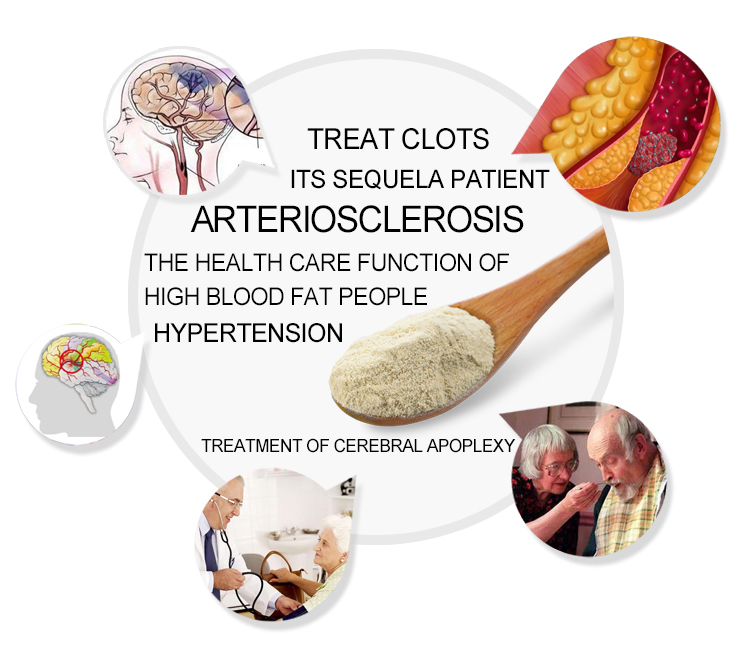
Nattokinase, as a natural thrombolytic factor, offers a new dimension for improving blood circulation, but its application must be rational within a scientific framework. For those concerned about cardiovascular health, we recommend: 1. Prioritizing a solid foundation through diet (deep-sea fish, nuts, dietary fiber) and exercise (150 minutes of moderate-intensity exercise per week); 2. If nattokinase supplementation is necessary, choose compliant products and strictly adhere to the “dosage-cycle-monitoring” regimen; 3. Always use clinical indicators (such as blood lipids, blood pressure, and coagulation function) as the core basis, and regularly communicate with your doctor to adjust the treatment plan. Vascular health is a long-term project. The value of nattokinase lies in becoming a “precise aid” in your health management system, rather than relying on it alone. Rational understanding and scientific use are essential to enabling technology to empower health and safeguard the “flowing miracle” of life.
