










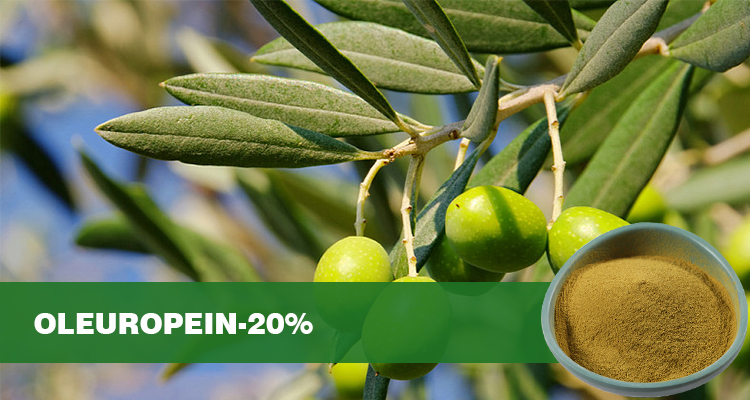
Oleuropein, this mysterious compound, was first discovered by Bourquelot and Vintilesco in 1908. It is mainly found in the leaves and fruits of the olive tree, especially in immature olives and leaves, where the dry matter concentration can reach as high as 140 mg/g in young olives and 60-90 mg/g in leaves. It is precisely this compound that gives immature and unprocessed olives their characteristic bitterness. Chemically, oleuropein is a phenolic schizocyclic ether glycoside composed of hydroxytyrosol, glucose molecules, and oleuropein. This seemingly simple molecular structure contains powerful biological activities, demonstrating remarkable potential in antioxidation, anti-inflammation, neuroprotection, and anti-aging, attracting numerous researchers to continue its in-depth exploration.
 Antioxidants: The Natural Nemesis of Free Radicals
 Antioxidants: The Natural Nemesis of Free Radicals
The Dangers of Free Radicals
Our bodies are constantly undergoing complex physiological activities, and free radicals, like a group of restless “monsters,” are quietly generated. Under normal circumstances, the body’s metabolism produces free radicals, which are atoms, molecules, or ions containing unpaired electrons and possess extremely strong oxidizing activity. Like a mischievous child, they constantly try to steal electrons from surrounding molecules to achieve their own stable state. When we are exposed to factors such as ultraviolet radiation, environmental pollution, stress, and poor dietary habits, the production of free radicals increases significantly, like opening Pandora’s box, causing a series of damages to our bodies.
Free radicals attack cells in all directions. They relentlessly damage cell membranes, impairing their structure and function, preventing cells from carrying out normal material exchange and signal transmission. Imagine a cell as a house; the cell membrane is the wall and windows. The attack of free radicals leaves the walls riddled with holes, and the doors and windows unable to open and close properly, naturally disrupting all activities within the house. Free radicals also attack proteins and DNA within cells, altering protein structure and causing them to lose their original function. DNA damage can lead to gene mutations, increasing the risk of cancer. This is akin to tampering with the cell’s “blueprint,” disrupting cell growth and division.
Numerous scientific studies have shown that free radicals play a crucial role in the development of many chronic diseases. In cardiovascular disease, free radicals oxidize low-density lipoprotein (LDL), turning it into oxidized LDL. This substance is easily engulfed by macrophages, forming foam cells that gradually accumulate on the blood vessel walls, leading to atherosclerosis. This causes blood vessels to narrow and become blocked, affecting blood supply to the heart and brain—like scale buildup in a pipe reducing water flow or even causing complete blockage. In diabetes, free radicals damage pancreatic islet cells, affecting insulin secretion and action, leading to elevated blood sugar. The body cannot properly utilize sugar, much like a malfunctioning machine in a factory. Free radicals are also closely related to neurological disorders, cancer, inflammation, and many other diseases, becoming a “silent killer” threatening human health.
The Antioxidant Mechanism of Oleuropein
Faced with the onslaught of free radicals, our bodies are not without defenses. Oleuropein is a powerful antioxidant weapon. Its antioxidant capacity stems from its unique molecular structure, especially the ortho-bisphenol group in the molecule. This group acts like a magical “electron scavenger,” acting as a hydrogen donor to react with free radicals, donating its own electrons to stabilize the free radicals and effectively scavenging reactive oxygen species (ROS). Oleuropein can also stabilize oxygen free radicals through intramolecular hydrogen bonding, further enhancing its antioxidant effect, like putting a “restraint” on free radicals, preventing them from causing further damage.
Compared to common antioxidants such as vitamins C and E, oleuropein exhibits unique advantages. Vitamin C is a water-soluble antioxidant that mainly functions in the extracellular fluid, effectively scavenging water-soluble free radicals. Vitamin E, on the other hand, is a fat-soluble antioxidant, mainly found in lipid environments such as cell membranes, protecting cell membranes from free radical attacks. Oleuropein not only possesses strong antioxidant activity, with an antioxidant capacity 5-10 times that of vitamin C, but it also functions effectively in various environments, whether water-soluble or fat-soluble. Like an “all-around warrior,” it combats free radical damage comprehensively. It’s like a superhero with multiple skills, capable of fighting both in water and on land, providing more comprehensive protection for cells.
Scientifically Verified Antioxidant Efficacy
Numerous scientific studies and experimental data strongly support the antioxidant efficacy of oleuropein. In a study of a D-galactose-induced aging mouse model, researchers supplemented aging mice with oleuropein and found a significant reduction in malondialdehyde (MDA), a lipid peroxidation product, in the heart, liver, and brain tissues of the mice. MDA is a product of lipid peroxidation; elevated MDA levels indicate that cells have been attacked by free radicals, resulting in lipid oxidative damage. The effect of oleuropein in reducing MDA levels demonstrates its ability to effectively inhibit lipid peroxidation and reduce free radical damage to cells. Simultaneously, the activities of superoxide dismutase (SOD) and glutathione peroxidase in mice were significantly enhanced. SOD and glutathione peroxidase are important antioxidant enzymes in the human body, catalyzing the decomposition of free radicals and converting them into harmless substances, acting like “cleaners” in the body, specifically cleaning up this “waste” of free radicals. The fact that oleuropein can enhance the activity of these antioxidant enzymes indicates that it can not only directly scavenge free radicals but also activate the body’s own antioxidant defense system, forming a dual protective network to jointly combat free radical damage.
Furthermore, in vitro experiments have shown that oleuropein can effectively scavenge free radicals such as nitric oxide and hypochlorous acid, exhibiting strong antioxidant capabilities. Nitric oxide is a biologically active free radical that participates in various physiological and pathological processes in the body; excessive nitric oxide can lead to oxidative stress and inflammatory responses. Hypochlorous acid is a strong oxidant produced by neutrophil myeloperoxidase at sites of inflammation; it can damage biological macromolecules such as proteins. Oleuropein can scavenge these free radicals, indicating its great potential in preventing and treating diseases related to oxidative stress, thus safeguarding our health.
 Anti-aging: The Potential Key to Reversing Time
 Anti-aging: The Potential Key to Reversing Time
The Biological Mechanisms of Aging
Aging is a complex and natural physiological process, a slow but inevitable “journey of decline” involving changes at every level of the body. At the cellular level, mitochondria, the organelles hailed as the cell’s “energy factory,” gradually decline in function with age. Increased mitochondrial DNA mutation rates hinder energy production, leading to the accumulation of reactive oxygen species (ROS). Like aging machinery in a factory, this not only reduces efficiency but also generates a large amount of “waste.” These ROS further damage cell structure and function, triggering oxidative stress, destroying important biomolecules such as cell membranes, proteins, and DNA, and accelerating cellular aging.
Inflammation is also a significant characteristic of the aging process, with a chronic, low-grade inflammatory state quietly spreading throughout the body. As we age, the immune system gradually declines, leading to an increase in the secretion of inflammatory cytokines such as interleukin-6 (IL-6) and tumor necrosis factor-α (TNF-α). These cytokines act like a group of uncontrolled “little devils,” triggering inflammatory responses in the body, damaging tissues and organs, and are closely related to the development of many chronic diseases such as cardiovascular disease and neurodegenerative diseases. In tissues such as the skin, collagen loss is also a clear sign of aging. Collagen is an important substance for maintaining skin elasticity and firmness; it acts like the skin’s “support framework.” With age, collagen synthesis decreases, while the activity of enzymes such as matrix metalloproteinases (MMPs) increases. These enzymes act like “scissors,” relentlessly degrading collagen, leading to loose skin, increased wrinkles, and a loss of youthful radiance. Aging is also accompanied by various biological changes, such as abnormal cell cycle regulation, telomere shortening, and altered gene expression. These changes intertwine and jointly drive the aging process, posing various challenges to our bodies.
Multidimensional Anti-aging Effects of Oleuropein
Mitochondrial Activation
Mitochondria play a central role in cellular energy metabolism and aging, and oleuropein acts like a magic key, unlocking the door to mitochondrial vitality. In late 2024, a groundbreaking study published in the top international journal *Cell Metabolism* revealed that scientists from the University of Padua and Nestlé Research Institute in Italy discovered that oleuropein can directly activate the mitochondrial calcium single-channel transporter (MCU). With age, the expression of the regulator MCUR1 declines, leading to a decline in mitochondrial calcium uptake and hindered energy production. The deglycosylated metabolite of oleuropein specifically binds to the MICU1 subunit of MCU, overcoming age-related calcium uptake barriers. In aged animal models, treatment with oleuropein restored mitochondrial calcium uptake to youthful levels, significantly increased ATP production, and substantially improved muscle performance. This discovery makes oleuropein the first natural molecule proven to directly activate mitochondrial calcium channels, opening a new direction in the field of anti-aging. It’s like injecting new vitality into the “energy factory” of aging cells, making it operate efficiently again.
Inflammation Regulation
Chronic low-grade inflammation is one of the important characteristics of aging, and oleuropein acts like an “inflammation brake,” effectively inhibiting inflammatory responses. It has anti-inflammatory properties, working by inhibiting the function of inflammatory cells and reducing oxidative stress caused by various factors. Research results show that oleuropein can reduce the production of nitrite (NO) in cells stimulated by lipopolysaccharide (LPS) by downregulating the expression of inducible nitric oxide synthase gene. NO is an inflammatory mediator; excessive NO can trigger inflammatory responses and damage cells. Oleuropein can also reduce the expression of M1-related pro-inflammatory cytokines and their genes, while increasing the expression of M2-related anti-inflammatory genes and cytokine production, regulating the inflammatory balance. It’s like setting up an “anti-inflammatory defense line” in the body, reducing the damage of inflammation to the body and slowing down the aging process. Collagen Protection
As we age, collagen in our skin is continuously lost, much like the “supporting beams” of a house gradually decaying, leading to sagging skin and wrinkles. Olive bitter glycosides act as a loyal “collagen guardian,” inhibiting the activity of matrix metalloproteinase 1 (MMP-1) by up to 35%. MMP-1 acts like a “destructive sword,” specifically degrading type I collagen. Olive bitter glycosides significantly weaken this “sword,” reducing type I collagen degradation and maintaining skin elasticity and firmness. Simultaneously, excessive accumulation of collagen fibers is a hallmark of many localized fibrotic diseases, such as cardiac fibrosis and keloids. Experiments have shown that olive bitter glycosides inhibit collagen fiber formation. Like a “construction worker,” it maintains existing “building materials” (collagen) while preventing excessive accumulation, maintaining the normal structure and function of body tissues and keeping skin and body tissues youthful.
Regulation of Cellular Longevity
Oleuropein can also activate SIRT1, known as the “longevity protein,” which acts like a “cellular longevity switch,” regulating aging-related proteins such as p53 and FOXO through deacetylation. In cell experiments, oleuropein increased proteasome activity, reduced the accumulation of oxidized proteins, and extended the replication lifespan of human fibroblasts by approximately 15%. Proteins such as p53 and FOXO play crucial roles in cellular senescence, acting like “senescence commanders” within the cell. By regulating these proteins, oleuropein alters the cellular aging process, essentially slowing down the cell’s “aging clock,” allowing cells to maintain vitality and proliferative capacity for a longer period, thus delaying the aging process at the cellular level.
Current Research Status and Challenges
 Current Research Status and Challenges
Although oleuropein has shown great potential in the fields of anti-oxidation and anti-aging, current research still faces many challenges. From a bioavailability perspective, the oral absorption rate of natural oleuropein is low, which acts as an obstacle to its efficacy. After oral administration, it may be affected by various factors in the gastrointestinal tract, such as destruction by gastric acid, degradation by intestinal enzymes, and the absorption barrier of the intestinal mucosa, resulting in a significant reduction in the effective dose entering the bloodstream and exerting its effects, making it difficult for it to fully exert its antioxidant and anti-aging capabilities. To overcome this bottleneck, researchers are actively exploring various solutions and developing nanocarrier technology to encapsulate oleuropein in nanoscale carriers such as liposomes and nanoparticles. This improves its stability, reduces degradation in the gastrointestinal tract, and promotes intestinal absorption, essentially giving oleuropein an “invisible protective suit” to help it reach various parts of the body and exert its effects. Modifying the structure of oleuropein through chemical methods alters its molecular structure, enhancing its lipid or water solubility and increasing its affinity for intestinal absorption sites, thereby improving bioavailability. This is like an “upgrade,” allowing it to be better absorbed and utilized by the body.
Regarding dosage optimization, the optimal anti-aging dose of oleuropein in humans has not yet been established. Existing research mostly focuses on cell and animal experiments. Different experimental models, administration methods, and observation indicators lead to variations in research results, making it difficult to directly deduce the effective dose suitable for humans. This is similar to knowing that a drug has a therapeutic effect but not knowing the optimal dosage; too little may not achieve the desired effect, while too much may cause adverse reactions. To solve this problem, extensive clinical trials are needed, recruiting volunteers of different ages, genders, and health conditions, setting up different dosage groups, and conducting long-term follow-up observations. By monitoring the concentration of oleuropein in blood and tissues, oxidative stress indicators, inflammatory factor levels, and aging-related biomarkers, the safety and efficacy of oleuropein at different dosages can be comprehensively evaluated to determine the most suitable anti-aging dose for the human body.
Global olive processing generates over 1 million tons of waste leaves annually, which are rich in oleuropein. However, current extraction processes are not standardized enough, leading to significant resource waste. Different extraction methods and process conditions affect the extraction rate and purity of oleuropein. Some traditional extraction methods may suffer from low extraction efficiency, high energy consumption, and unstable product quality. Establishing standardized extraction processes is urgently needed. Researchers need to conduct in-depth research and optimization of extraction methods, screen suitable solvents, optimize parameters such as extraction temperature, time, and solid-liquid ratio, and develop efficient, environmentally friendly, and low-cost extraction technologies. At the same time, by combining advanced separation and purification technologies, the purity and quality of oleuropein can be improved, enabling the resource utilization of waste leaves and turning these once discarded leaves into valuable resources, thus providing a sufficient source of raw materials for the research and application of oleuropein.
Application Prospects and Future Outlook

With increasing public awareness of health and anti-aging, oleuropein, with its excellent antioxidant and anti-aging properties, has shown broad application prospects in multiple fields.
In the food industry, oleuropein is expected to become a novel natural food additive. It can be added to various beverages, dairy products, and baked goods, not only adding unique flavor but also extending shelf life and preventing spoilage due to oxidation, essentially giving food an “antioxidant armor.” For consumers pursuing a healthy diet, foods containing oleuropein are undoubtedly a superior choice, offering both delicious taste and antioxidant and anti-aging health benefits, meeting people’s dual needs for functional and nutritional food.
In the health supplement industry, oleuropein has enormous development potential. Nutritional supplements with oleuropein as the main ingredient, such as capsules, tablets, and oral liquids, can be developed to provide effective health support for middle-aged and elderly people, those under chronic stress, and consumers focused on anti-aging. These health supplements can help people enhance their body’s antioxidant capacity, reduce free radical damage, slow down the aging process, and improve immunity and resistance, allowing people to maintain a healthier and more energetic state.
In the pharmaceutical field, oleuropein may become a new hope for treating diseases related to oxidative stress and aging. Researchers are conducting in-depth studies on its potential applications in the treatment of cardiovascular diseases, neurodegenerative diseases, diabetes, and other diseases. Perhaps in the near future, new drugs based on oleuropein will emerge, providing more effective solutions for the treatment of these diseases and bringing new vitality and hope to patients.
In the future, research directions for oleuropein will become more diversified. Regarding its mechanism of action, further in-depth exploration of its interactions with various intracellular signaling pathways is needed to fully reveal its antioxidant and anti-aging molecular mechanisms. Like solving a complex puzzle, understanding how it precisely functions in the body will provide a more solid theoretical foundation for its application. In dosage form development, efforts will be focused on researching more efficient and stable formulations to improve bioavailability. For example, nanotechnology will be used to develop nano-level oleuropein preparations, enabling better absorption and utilization by the body to maximize their efficacy. More large-scale, long-term clinical trials are also needed to verify their safety and efficacy in humans, determine the optimal dosage and administration method, and provide reliable data support for their commercial application. With ongoing research and technological advancements, oleuropein is expected to find applications in more fields, making a greater contribution to human health and beauty, and becoming a shining star in safeguarding life and well-being.
Oleuropein, a natural treasure derived from the olive tree, brings new hope to our health with its remarkable antioxidant and anti-aging capabilities. Like a loyal guardian of health, it fiercely battles free radicals in the microscopic world, protecting every corner of the cell. From mitochondrial activation and inflammation regulation to collagen protection and cellular longevity regulation, it slows down the aging process in multiple dimensions, injecting our bodies with a continuous stream of vitality. Although challenges remain in bioavailability, dosage optimization, and extraction processes, researchers are actively exploring solutions and continuously breaking through technological bottlenecks. In the future, with in-depth research and technological advancements, oleuropein is expected to shine brightly in multiple fields such as food, health products, and pharmaceuticals, becoming a powerful assistant in people’s pursuit of health and beauty. Let us look forward to this natural health ingredient shining even brighter in the future, writing a new chapter in human health.
