










Nervonic acid, scientifically known as 24-carbon-cis-15-enoic acid, is a long-chain monounsaturated fatty acid. Despite its unfamiliar name, it plays a crucial role in nerve repair. In the intricate and complex “kingdom” of the nervous system, nerve damage is like a disruption of communication lines, hindering information transmission and disrupting various bodily functions. Nervonic acid acts like a remarkable “repairman,” possessing unique abilities to repair these damaged “circuits,” helping the nervous system restore normal function. Its importance in nerve repair is self-evident, attracting numerous researchers to dedicate themselves to its study, striving to uncover more of its mysteries and bring new hope to patients suffering from nerve damage.
What is Nervonic Acid?
Nervonic acid, a substance playing a crucial role in the nervous system, is chemically known as cis-15-tetracosenoic acid. Its chemical structure features a long chain of 24 carbon atoms, with a cis double bond between carbon 15 and carbon 16. This unique structure endows nervonic acid with special chemical and physical properties, making it stand out among many fatty acids as a long-chain monounsaturated fatty acid. It was first discovered by scientists in the brains of sharks, and subsequent research confirmed its widespread presence in the brains and nerve tissues of mammals.
In the complex human body, nervonic acid is mainly distributed in the central nervous system, with relatively high concentrations in the brain and retinal nerve tissue. Taking the brain as an example, as the body’s “command center,” nervonic acid acts as the “core building material” of brain nerve cells and nerve fibers, participating in the formation of nerve cell membranes and playing an indispensable role in maintaining the normal physiological functions of the nervous system. To put it more vividly, if we compare the nervous system to a city’s transportation network, then nervonic acid is like the high-quality road materials, supporting the stable and efficient operation of the entire network. A deficiency in nervonic acid is like a broken road, preventing the smooth flow of information and leading to a series of nervous system problems.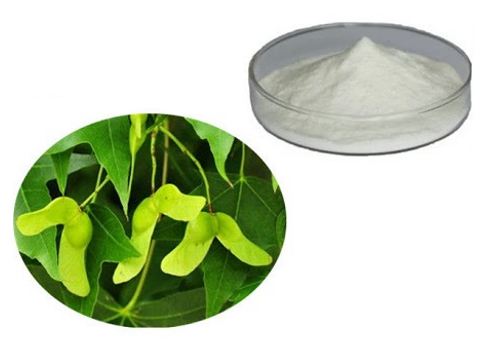
The Grim Reality of Nerve Injury
Nerve injury is not uncommon in life; it’s like a hidden “health killer,” capable of causing immense suffering at any time. Its types are diverse, encompassing damage to both the central and peripheral nervous systems. Common examples include brain injuries and spinal cord injuries, both falling under the category of central nervous system injuries. Among brain injuries, concussions and lacerations are relatively common, often caused by accidents such as traffic accidents and falls from heights. Spinal cord injuries, such as spinal concussions and spinal shock, can be caused by both external trauma and certain spinal lesions. Peripheral nerve injuries are equally prevalent, including mechanical injuries such as cuts from knives or glass lacerations leading to direct rupture of nerve fibers; ischemic injuries, such as prolonged use of tourniquets to block blood supply to nerves; and chemical injuries caused by exposure to toxic chemicals such as heavy metals and organic solvents that interfere with nerve cell metabolism.
Taking stroke, a common type of nerve injury, as an example, it is characterized by high morbidity, high disability rate, and high mortality rate. Data shows that approximately 2 million new stroke patients are diagnosed in my country each year, and the incidence rate is increasing annually. Once a stroke occurs, a patient may instantly fall from a healthy state into hemiplegia, aphasia, and become unable to care for themselves, completely disrupting their normal life rhythm. They need long-term bed rest, and require assistance with eating, drinking, and toileting. Even simple daily activities like dressing and washing become extremely difficult for them.
Cauda equina syndrome is also a serious concern, occurring more frequently in young adults, with a relatively higher proportion of male patients. In today’s social structure, many families rely primarily on the male for economic support. When the family’s “pillar” suffers cauda equina syndrome, the economic pressure becomes immense. Treatment costs are high, and patients lose their source of income during treatment, placing not only a financial burden on the family but also significant pressure on their livelihood, mental well-being, and psychological well-being. Patients with severe conditions, in addition to long-term high treatment costs, require specialized care, making it difficult to live a normal life, undoubtedly a heavy blow to the family. Brachial plexus injury is not uncommon in children, mostly caused by birth trauma, such as malposition of the fetus, incorrect delivery techniques, or forceful traction on the fetal neck and shoulders. This not only affects the child’s normal development but also causes great anxiety for parents, who worry about their child’s future life and growth.
Nerve injury not only brings physical and psychological torment to the individual patient but also places an unbearable burden on the family due to the long-term care and treatment costs, potentially leading to financial collapse. Family relationships can also become tense and strained due to the patient’s condition. From a societal perspective, the large number of patients with nerve injury increases the burden on medical resources and leads to the loss of some labor force, affecting the normal functioning of society and economic development. Therefore, finding effective nerve repair methods is urgent, whether for the sake of the individual patient’s quality of life, family harmony and stability, or the healthy development of society. This is a key reason why nervonic acid is highly anticipated.
Unveiling the Mechanism of Nervonic Acid in Repairing Nerve Damage
 Nervonic acid’s ability to repair nerve damage is underpinned by a complex and sophisticated mechanism, much like a precision instrument where each component works collaboratively to achieve the goal of repairing nerve damage. Let’s delve into the specific mechanisms by which nervonic acid repairs nerve damage.
(I) Guardian of the Cell Membrane
In the structure of nerve cells, the cell membrane is a crucial component, acting like the walls of a castle, protecting the cell’s internal “residents”—various organelles and substances necessary for life activities. When nerves are damaged, whether by physical impact, chemical poisoning, ischemia, or hypoxia, the cell membrane is the first to be affected. Once the cell membrane is damaged, it’s like a breach in the wall; intracellular substances leak out, and harmful extracellular substances can easily enter, ultimately leading to the nerve cell’s inability to function properly and even death.
Nervonic acid is precisely the key to solving this problem. It is a key precursor to sphingomyelin, a core component of the nerve cell membrane, much like a high-quality brick in building a castle. When nerve cell membranes are damaged, supplementing with nervonic acid allows for rapid absorption and utilization by nerve cells, accelerating the “lipid remodeling” of the damaged cell membrane. This is analogous to quickly repairing a breach in a city wall with high-quality bricks, restoring the cell membrane’s fluidity and barrier function. Simultaneously, an intact cell membrane maintains the balance of ions inside and outside the cell, such as the sodium-potassium ion (Na⁺/K⁺) balance. Once this ion balance is disrupted, neurons die due to ion disorder. By maintaining ion balance, nervonic acid buys valuable time for nerve cell self-repair, laying a solid foundation for subsequent repair work.
In related animal experiments, researchers constructed an animal model of cerebral ischemia. Supplementing the experimental animals with nervonic acid yielded surprising results. Compared to the control group without nervonic acid supplementation, the neuronal mortality rate in the ischemic area of the animals supplemented with nervonic acid was significantly reduced, and the number of surviving neurons was significantly increased. This directly demonstrates that nervonic acid has outstanding performance in repairing damaged nerve cell membranes and maintaining neuronal survival.
(II) The Engine of Myelin Regeneration
Myelin, the lipid structure surrounding nerve fibers, plays a crucial role in the transmission of nerve signals. It can be imagined as the insulation layer on an electrical wire; if the insulation layer is damaged, the wire is prone to leakage, and signal transmission will be interfered with. In diseases such as multiple sclerosis, diabetic neuropathy, and spinal cord injury, myelin damage, also known as demyelination, often occurs. Once demyelination occurs, nerve signal transmission slows down or even stops, and patients experience a series of symptoms such as numbness in the hands and feet, motor disorders, and cognitive decline.
Nervonic acid plays the role of the “engine” in the process of myelin regeneration. It accounts for more than 20% of the total lipids in myelin and is an “essential raw material” for myelin synthesis. Specifically, nervonic acid can activate the proliferation and differentiation of myelin-forming cells, namely oligodendrocytes in the central nervous system and Schwann cells in the peripheral nervous system. This is like adding more workers to a factory, greatly accelerating the production of myelin. Simultaneously, nervonic acid can directly participate in myelin lipid synthesis, filling structural gaps in demyelinated areas and reconstructing complete “signal transduction pathways.”
Researchers conducted in-depth studies in an experimental autoimmune encephalomyelitis mouse model. This mouse model simulates human multiple sclerosis, and the experimental results after nervonic acid supplementation were encouraging. The demyelinated area of the mice was significantly reduced, the signal transduction velocity of nerve fibers was significantly improved, and motor function was also significantly improved, such as enhanced walking coordination. These experimental data fully demonstrate the powerful role of nervonic acid in promoting nerve myelin regeneration and restoring signal transduction efficiency.
(III) A Facilitator of Synaptic Remodeling
Synapses, as “bridges” for transmitting signals between neurons, play an indispensable role in the realization of neural function. When nerves are damaged, such as in traumatic brain injury or stroke, a large number of synapses are lost or their function weakens. This is like a broken or unstable bridge, naturally leading to impaired neural function. Patients may experience problems in memory, language, motor function, and other areas.
Nervonic acid plays a crucial supporting role in synaptic remodeling. It supports synaptic repair and remodeling by regulating cell membrane properties. Specifically, nervonic acid enhances the release efficiency of neurotransmitters such as acetylcholine and glutamate from the presynaptic membrane. This is analogous to adding more transport vehicles to one end of a bridge, allowing signals to be “sent” out more quickly. Simultaneously, nervonic acid increases the sensitivity of postsynaptic membrane receptors, such as NMDA receptors, optimizing signal “reception,” much like installing a more efficient receiving device at the other end of the bridge. Furthermore, nervonic acid promotes the formation of new synapses, helping damaged neural networks reconnect.
Some observational studies on stroke patients in the recovery phase have shown that patients supplemented with nervonic acid exhibited improved cognitive scores, such as the MMSE scale, and faster recovery of limb motor function. This clearly demonstrates the positive significance of nervonic acid in assisting synaptic remodeling and rebuilding neural functional connections, bringing hope for patient recovery.
(IV) A Purifier of the Microenvironment
Following nerve injury, persistent inflammation and oxidative stress occur locally, creating a post-disaster environment filled with dangers and obstacles. Inflammation leads to excessive activation of microglia, releasing large amounts of inflammatory factors such as TNF-α and IL-1β. These inflammatory factors act like destructive molecules, further damaging nerve cells. Simultaneously, oxidative stress generates excessive free radicals, such as ROS. Free radicals are highly oxidizing, attacking various structures of nerve cells and causing cell damage. These two reactions interact, forming a vicious cycle of “damage-inflammation-re-damage,” severely hindering the nerve repair process.
Nervonic acid acts as a purifier, breaking this vicious cycle. In terms of anti-inflammation, nervonic acid inhibits the release of inflammatory factors and reduces excessive activation of microglia, thereby alleviating inflammatory infiltration in the damaged area. In terms of antioxidation, nervonic acid can scavenge excess free radicals and enhance the activity of intracellular antioxidant enzymes, such as SOD. Through these two methods, nervonic acid creates a friendly microenvironment of “low inflammation and low oxidation” for nerve repair. In such an environment, processes such as cell membrane repair and myelin regeneration can proceed more efficiently, much like rebuilding a home on cleaned-up ruins is much smoother.
How to Obtain Nervonic Acid
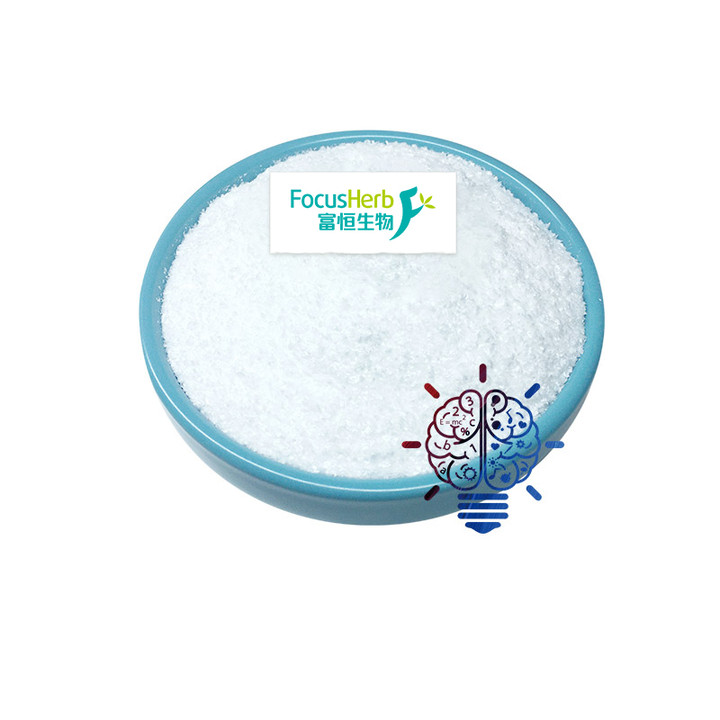
After understanding the repairing effect of nervonic acid on nerve damage, people are probably more concerned about how to obtain it. There are two main ways to obtain nervonic acid: through dietary intake and through nutritional supplements.
Regarding food, there are relatively few foods in nature that contain nervonic acid, but there are still some foods that are excellent sources of it. One such source is Acer truncatum seed oil, which is extracted from the seeds of the Acer truncatum tree. Acer truncatum is a tree species unique to China, and its seed oil has a relatively high nervonic acid content, approximately 5%-7%. Besides Acer truncatum seed oil, some deep-sea fish, such as salmon and tuna, also contain a certain amount of nervonic acid. This is because they live in deep-sea environments, and their food sources may be rich in nervonic acid-related precursors, which are then metabolized and accumulated in their bodies. In addition, some nuts and seeds, such as walnuts, almonds, and sesame seeds, also contain nervonic acid. These foods not only replenish nervonic acid but are also rich in protein, unsaturated fatty acids, and other nutrients, which are very beneficial to health. However, obtaining nervonic acid through daily diet often has limitations. On one hand, the nervonic acid content in food is relatively low. For example, even consuming large amounts of nuts containing nervonic acid would not provide enough to meet the high doses required for nerve damage repair. On the other hand, some food sources are not readily available; for instance, Acer truncatum seed oil is not as widely available as common cooking oils. Therefore, in many cases, nutritional supplements become an important way to obtain nervonic acid.
There are many types of nervonic acid supplements on the market, and extra caution is needed when choosing one. First, pay attention to the product’s ingredients and purity. High-quality nervonic acid supplements should have high purity nervonic acid with few impurities. Some products using advanced extraction technologies can effectively improve the purity of nervonic acid. For example, supercritical carbon dioxide extraction technology can extract nervonic acid under relatively mild conditions, reducing damage to its structure and activity, thus obtaining high-purity nervonic acid products. Second, check the product’s certifications and production standards. Legitimate nervonic acid supplements should have passed relevant quality certifications, such as GMP (Good Manufacturing Practice) certification and ISO (International Organization for Standardization) certifications. These certifications indicate that the product strictly adheres to certain quality control standards during the production process, ensuring higher product quality and safety. In addition, you can refer to reviews from other consumers and evaluations from professional organizations. Real-world consumer feedback allows us to understand the actual effects and potential problems of the product more intuitively. Evaluations from professional organizations, based on scientific experiments and analysis, provide us with more objective and accurate product information.
There are also some precautions to take when using nervonic acid supplements. It is essential to strictly follow the product instructions or your doctor’s advice. Different age groups and health conditions have different requirements and tolerance levels for nervonic acid. Arbitrarily increasing or decreasing the dosage may affect the supplementation effect and even cause adverse effects on the body. For example, excessive use of nervonic acid supplements may cause gastrointestinal discomfort, such as nausea, vomiting, and diarrhea; long-term high-dose use may also increase the metabolic burden on the liver and kidneys. Meanwhile, nervonic acid supplements cannot replace normal medical treatment. If you already have a serious neurological injury, such as stroke or spinal cord injury, you should use nervonic acid supplements as an adjunct therapy under the guidance of a doctor, combining them with conventional treatments such as medication and rehabilitation training to promote the recovery of neurological function.
Future Blueprint for Nervonic Acid Research

Nervonic acid has demonstrated enormous potential in the field of nerve repair; however, current research represents only the tip of the iceberg, leaving vast room for future exploration.
In basic research, scientists will further delve into the molecular mechanisms of nervonic acid in nerve repair. While we already know that nervonic acid plays a crucial role in cell membrane repair and myelin regeneration, some specific signaling pathways and molecular targets remain unclear. For example, how does nervonic acid precisely regulate the proliferation and differentiation of oligodendrocytes and Schwann cells? This may involve a series of complex gene expression and protein modification processes. Further research is expected to reveal these molecular mysteries, providing a solid theoretical foundation for developing more efficient nervonic acid treatment strategies.
With the rapid development of gene technology, using gene editing technologies, such as the CRISPR-Cas9 system, to study the effects of nervonic acid on nerve cell gene expression will also become an important research direction. This can help us better understand the interaction between nervonic acid and the nerve cell genome, and may even enhance the efficiency of nerve cell uptake and utilization of nervonic acid through gene editing technology, thereby improving the effectiveness of nerve repair. In applied research, the combined application of nervonic acid with other therapeutic approaches will be a significant future trend. For example, when combined with stem cell therapy, nervonic acid can provide a favorable microenvironment for stem cell survival, differentiation, and function, promoting stem cell differentiation into neural cells and further enhancing nerve repair capabilities. Animal studies have already demonstrated the application of nervonic acid in combination with mesenchymal stem cells for the treatment of spinal cord injury, showing that the combined treatment group exhibited significantly better neurological function recovery compared to using stem cells or nervonic acid alone.
Furthermore, the application of nervonic acid in the treatment of more neurological diseases is promising. Besides the currently well-studied diseases such as stroke and spinal cord injury, nervonic acid may also play an important role in the treatment of neurodegenerative diseases such as Alzheimer’s disease and Parkinson’s disease. These diseases have complex pathogenesis and currently lack effective cures. Through its nerve damage repair, anti-inflammatory, and antioxidant effects, nervonic acid may slow disease progression and improve patients’ quality of life. Some preliminary studies have shown positive effects of nervonic acid in improving cognitive function in Alzheimer’s disease mice, but more large-scale, multi-center clinical trials are needed to validate these findings. From a product development perspective, future efforts will focus on developing more diverse and higher-quality nervonic acid products. In terms of extraction technology, existing extraction processes will be continuously optimized to improve the extraction efficiency and purity of nervonic acid, reduce production costs, and enable nervonic acid products to be more widely used in clinical practice and daily life. Simultaneously, novel nervonic acid dosage forms, such as nano-formulations and targeted formulations, will be developed to improve the bioavailability and targeting of nervonic acid, allowing it to act more precisely on damaged nerve tissue and reduce side effects on other tissues.
The research prospects for nervonic acid in the field of nerve repair are very broad. With the continuous deepening of research and technological advancements, it is believed that in the near future, nervonic acid will bring good news to more patients with nerve damage and make significant contributions to overcoming the challenges of nervous system diseases. Let us look forward to nervonic acid shining even brighter on the future medical stage.
