











Phosphocholine, appearing as a white crystalline powder, is readily soluble in water and remains stable in sunlight and acidic/alkaline environments. Chemically, it is a compound composed of choline and phosphate groups, also known as phosphocholine or N,N,N-trimethyl-2-(phosphooxy)ethylammonium chloride, with the molecular formula C5H15ClNO4P. This unique molecular structure endows it with a variety of important physiological functions in living organisms. Phosphocholine plays an indispensable role in human physiological activities. It is a key raw material for the synthesis of cell membrane phospholipids. The cell membrane acts like the “wall” of the cell, protecting its internal structures and substances, and phospholipids are essential components of this “wall.” Phospholipids synthesized with the participation of phosphocholine play a crucial role in maintaining the integrity, fluidity, and stability of the cell membrane, ensuring that cells can normally carry out physiological processes such as substance exchange and signal transduction. For example, the cell membrane of red blood cells needs to maintain good fluidity to smoothly transport oxygen in blood vessels, and phospholipids synthesized with the participation of phosphocholine are essential for maintaining the fluidity of the red blood cell membrane.
Phosphocholine is also closely related to the synthesis of acetylcholine. Acetylcholine, as an important neurotransmitter, plays a crucial role in transmitting nerve signals in the nervous system. When our brain commands muscles to move, nerve cells release acetylcholine, which binds to receptors on the surface of muscle cells, triggering muscle contraction. Phosphocholine provides the necessary raw materials for the synthesis of acetylcholine. Sufficient phosphocholine helps ensure the normal synthesis and release of acetylcholine, maintaining the normal function of the nervous system. A deficiency in phosphocholine can lead to insufficient acetylcholine synthesis, resulting in symptoms such as memory loss, poor concentration, and muscle weakness.
Phosphocholine also plays a positive role in liver metabolism. Clinical studies have shown that it has hepatoprotective and liver-strengthening effects, promotes lipid metabolism, and combats fatty liver. The liver is a vital metabolic organ, undertaking important tasks such as fat metabolism and detoxification. Phosphocholine can accelerate methyl transfer, supply active methyl groups, promote hepatocyte regeneration, and enhance the liver’s metabolic and detoxification capabilities. For patients with liver diseases such as hepatitis and cirrhosis, phosphocholine supplementation helps improve liver function and promote recovery. Animal experiments have also demonstrated that phosphocholine has a significant regenerative effect on the phospholipid and protein structure of rat hepatocyte microsomes damaged by carbon tetrachloride poisoning, with better results than protoporphyrin.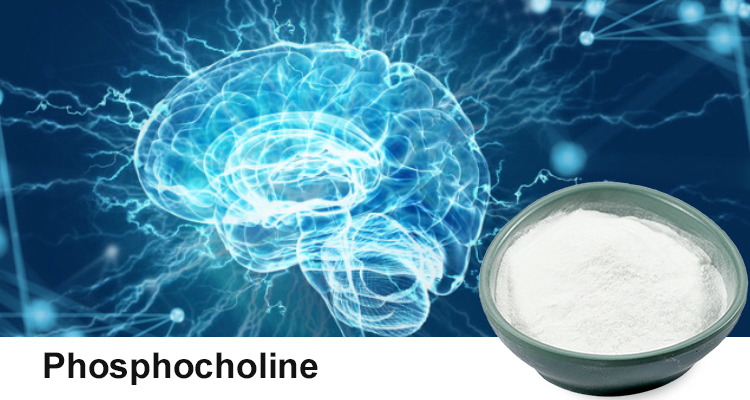
Furthermore, phosphocholine also has the effect of breaking down histamine, enhancing the activity of renal histamine enzymes, thereby exerting a detoxification effect and helping the body cope with the invasion of various harmful substances. Having learned about these important roles of phosphocholine in the human body, we can’t help but wonder about its intricate connections with basal metabolism.
The Link Between Phosphocholine and Basal Metabolism
Involvement in Lipid Metabolism
Phosphocholine plays an indispensable role in the complex network of lipid metabolism, closely linked to basal metabolism. In principle, phosphocholine is a key raw material for the synthesis of phosphatidylcholine, which is an important component of the cell membrane and plays a central role in lipid transport and metabolism. In the liver, phosphatidylcholine participates in the assembly of very low-density lipoprotein (VLDL). VLDL acts like “boats,” transporting lipids such as triglycerides from the liver to various tissues in the body for utilization or storage. When phosphocholine is sufficient, phosphatidylcholine synthesis proceeds smoothly, and VLDL assembly and secretion are normal, helping to maintain lipid metabolic balance and keeping blood lipid levels within a normal range.
This process has a profound impact on basal metabolism. Disorders of lipid metabolism, leading to excessive accumulation of fat in tissues such as the liver, can cause diseases such as non-alcoholic fatty liver disease, affecting normal liver function and thus reducing the basal metabolic rate. The liver is the central organ of human metabolism; impaired liver function leads to a decrease in the body’s overall energy metabolism efficiency. Clinical studies have found that in patients with non-alcoholic fatty liver disease, phosphocholine supplementation significantly reduced liver fat content, improved liver function, and increased basal metabolic rate. This is because phosphocholine supplementation promotes the synthesis of phosphatidylcholine, enhances the liver’s ability to transport and metabolize lipids, reduces fat accumulation in the liver, and allows the liver to participate more efficiently in basal metabolic activities.
Energy Conversion Assistance
Phosphocholine plays a crucial role in energy conversion, providing a continuous energy source for basal metabolism. In cellular energy metabolism, ATP (adenosine triphosphate) is the direct energy donor, and phosphocholine participates in ATP regeneration. When cells consume ATP to produce ADP (adenosine diphosphate), creatine phosphate transfers its high-energy phosphate bond to ADP, generating ATP. Phosphocholine is an important raw material for creatine phosphate synthesis. This conversion process is particularly important in tissues such as muscles. When muscles contract, they require a large amount of energy, and the energy conversion mechanism involving phosphocholine can quickly provide ATP to the muscles, maintaining normal muscle function.
For basal metabolism, a stable energy supply is fundamental to maintaining various physiological activities. Take athletes as an example: during high-intensity training or competition, their energy expenditure is enormous, and their basal metabolic rate increases significantly. Studies have shown that phosphocholine supplementation can increase athletes’ phosphocreatine reserves, enhance energy metabolism, enable them to produce ATP more efficiently during exercise, delay fatigue, and improve athletic performance. This indirectly demonstrates the importance of phosphocholine in basal metabolic energy supply; sufficient phosphocholine ensures stable basal metabolism under high energy demands. In daily life, manual laborers also experience similar situations; phosphocholine supplementation helps them maintain a good energy metabolism state and a high basal metabolic rate during high-intensity physical labor to meet the body’s energy needs.
Neural Regulation Synergy
The nervous system plays a leading role in the regulation of basal metabolism, and there is a close synergistic relationship between phosphocholine and the nervous system, jointly maintaining the stability of basal metabolism. Phosphocholine is an important precursor for the synthesis of acetylcholine, an important neurotransmitter widely distributed in the nervous system and involved in the transmission of nerve signals. When a nerve impulse reaches a nerve ending, acetylcholine is released into the synaptic cleft and binds to receptors on the postsynaptic membrane, thereby transmitting nerve signals and regulating various physiological functions, including basal metabolism.
In the neural regulation of basal metabolism, the sympathetic and parasympathetic nervous systems play a crucial role, regulating the metabolic activities of various organs by releasing neurotransmitters. Acetylcholine, as the main neurotransmitter of the parasympathetic nervous system, regulates gastrointestinal motility and digestive juice secretion, affecting the digestion and absorption of nutrients, and thus influencing basal metabolism. When the body lacks phosphocholine, the synthesis of acetylcholine decreases, which may lead to abnormal nervous system function and an imbalance in the neural regulation of basal metabolism. Patients with some neurological diseases, such as Alzheimer’s disease, often have metabolic abnormalities. Studies have found that phosphocholine supplementation can improve their nervous system function and regulate metabolic abnormalities to some extent. This indicates that phosphocholine, by affecting the function of the nervous system, plays a synergistic role in the neural regulation of basal metabolism, maintaining the normal rhythm of bodily metabolism.
Presentation of Data and Research
A large body of scientific research has provided strong evidence for the link between phosphocholine and basal metabolism. In a clinical study of patients with non-alcoholic fatty liver disease (NAFLD), researchers randomly assigned patients to an experimental group and a control group. Patients in the experimental group received daily supplementation with a specific dose of phosphocholine, while the control group received a placebo. After a 12-week intervention, the results showed that the average triglyceride content in the liver of patients in the experimental group decreased by 25.6%, while that in the control group decreased by only 5.3%. Simultaneously, liver function indicators such as alanine aminotransferase (ALT) and aspartate aminotransferase (AST) significantly improved in the experimental group, and the basal metabolic rate increased by an average of 8.2%. This indicates that phosphocholine supplementation can effectively improve lipid metabolism in patients with NAFLD, reduce liver fat accumulation, and thus increase the basal metabolic rate.
In animal experiments, researchers constructed a high-fat diet-induced obesity mouse model using mice as the research subject. Mice were divided into a normal diet group, a high-fat diet group, and a high-fat diet + phosphocholine supplementation group. During the 16-week experimental period, mice in the high-fat diet + phosphocholine supplementation group showed a significantly lower rate of weight gain compared to the high-fat diet group, with a 18.5% reduction in body fat percentage. Further analysis revealed a significant increase in the activity of fatty acid oxidation-related enzymes in the livers of mice supplemented with phosphocholine, such as carnitine palmitoyltransferase-1 (CPT-1), whose activity increased by 32.7%. This indicates that phosphocholine promotes fatty acid oxidation metabolism, reduces fat accumulation in the body, and helps maintain normal basal metabolic levels.
In energy conversion-related studies, experiments conducted on athletes also have important reference value. This study selected 30 endurance athletes and randomly divided them into two groups: one group received phosphocholine supplementation before and during exercise, while the other group received a placebo. In simulated long-distance running, the athletes in the phosphocholine supplementation group showed significantly improved exercise endurance, with an average time to fatigue extended by 15.4%, and muscle ATP levels were 23.1% higher than the placebo group after exercise. This fully demonstrates that phosphocholine can enhance athletes’ energy metabolism, providing more energy for muscle activity and ensuring the normal functioning of basal metabolism under high-intensity exercise.
Regarding the effects of phosphocholine on the nervous system’s regulation of basal metabolism, relevant studies have also explored this topic in depth. A study on elderly individuals with mild cognitive impairment involved one group taking phosphocholine supplements daily, while the other group received a placebo. After a 6-month intervention, the subjects taking phosphocholine showed improved scores on cognitive function tests. Simultaneously, metabolic monitoring revealed that their basal metabolic rate was relatively stable, and the function of the autonomic nervous system was improved to some extent, such as increased heart rate variability, indicating that the balance between the sympathetic and parasympathetic nervous systems was regulated. This demonstrates that phosphocholine plays a positive synergistic role in the neural regulation of basal metabolism by improving nervous system function.
These studies, from different perspectives and levels, have verified the important impact of phosphocholine on basal metabolism, providing a solid scientific basis for our in-depth understanding of the relationship between the two. Clinical studies, animal experiments, and experiments on specific populations have consistently demonstrated that phosphocholine plays a crucial role in stabilizing and enhancing basal metabolism by regulating lipid metabolism, promoting energy conversion, and coordinating with neural regulation.
Exploring the Frontiers and Prospects

With the rapid development of life sciences and biotechnology, research on the relationship between phosphocholine and basal metabolism is advancing into deeper and broader areas. In the future, scientists will focus on revealing the detailed regulatory mechanisms of phosphocholine in cellular metabolic signaling pathways. For example, they will delve into how phosphocholine precisely regulates lipid metabolism, energy conversion, and cellular uptake and utilization of nutrients by influencing specific metabolic enzymes or signaling molecules, thus laying the theoretical foundation for developing more precise metabolic regulatory interventions.
Breakthroughs are also expected at the gene level. Researchers may explore the interactions between genes and phosphocholine metabolism, analyzing how gene polymorphisms affect an individual’s absorption, utilization, and metabolism of phosphocholine, and how this influence further relates to individual differences in basal metabolism. This may provide a genetic basis for personalized nutritional interventions and disease prevention, allowing for more targeted phosphocholine supplementation strategies based on individual genetic characteristics to optimize basal metabolism and prevent metabolic-related diseases.
In application areas, phosphocholine has a very broad prospect in the pharmaceutical and health product industries. Based on a deeper understanding of the relationship between phosphocholine and basal metabolism, more effective drugs targeting metabolic disorders may be developed in the future. For example, drugs specifically designed to treat non-alcoholic fatty liver disease, obesity, and metabolic syndrome can effectively alleviate symptoms by precisely regulating phosphocholine metabolism, improving lipid metabolism abnormalities, and increasing energy metabolism efficiency. In the health supplement market, phosphocholine-related products will continue to innovate. In addition to existing supplement forms, more functional foods may emerge, such as fortified foods and beverages containing phosphocholine, to meet the needs of different groups for maintaining and enhancing basal metabolism.
Furthermore, with the increasing emphasis on healthy lifestyles, the application of phosphocholine in sports nutrition will be further expanded. The demand from athletes and fitness enthusiasts for improving athletic performance, promoting physical recovery, and maintaining a good metabolic state continues to grow. As a nutrient that can enhance energy metabolism and delay fatigue, phosphocholine will play a more important role in sports nutrition products.
In the future, more sports drinks and energy bars containing phosphocholine may be developed specifically for athletes and fitness enthusiasts, helping them to better perform in training and competition and accelerate physical recovery. The study of the relationship between phosphocholine and basal metabolism is full of endless possibilities. It will not only provide more clues for our deeper understanding of the mysteries of metabolism, but also bring new hope and opportunities for improving human health and preventing and treating metabolic-related diseases.
