








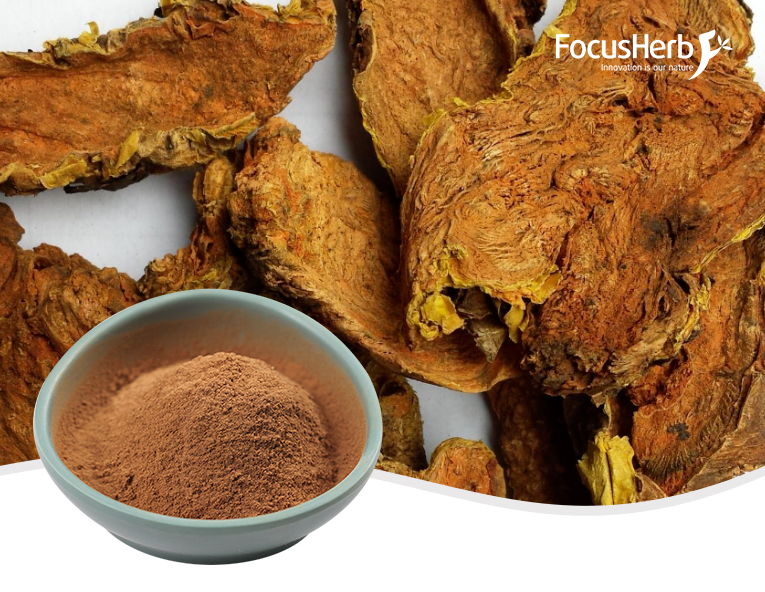
Rhodiola rosea extract is a natural raw material derived from rhodiola rosea roots. It is highly popular across functional food, health and cosmetic industries. Rich in natural active ingredients, this extract has seen growing application thanks to its beneficial properties for human health. This article elaborates on its production workflow, in-process quality control, functional component characteristics, nutritional value and diverse application fields.
Extraction Methods of Rhodiola Rosea Extract
1. Pre-production Quality Control
Raw Material Inspection
All rhodiola rosea roots used as raw materials undergo thorough inspection. Deteriorated materials, impurities and unqualified parts are removed to ensure the raw materials meet basic quality standards.
Quality Control Standards
Unified criteria are applied to assess the appearance, aroma and texture of raw materials. Only materials that pass all requirements are allowed to enter the production line, laying a solid foundation for finished product quality.
Compliance Testing
All raw materials must comply with relevant safety regulations and pass tests conducted by authorized institutions to meet standardized production requirements.
2. Main Extraction Process
Cleaning and Crushing
Rhodiola rosea roots are fully washed to remove dust and surface residues. They are then crushed into uniform particles to facilitate the release of active ingredients in the subsequent steps.
Soaking and Leaching
Appropriate solvent is added to the crushed particles for a set soaking period. Leaching is carried out under controlled temperature, enabling functional ingredients to dissolve into the extraction liquid.
Filtration and Concentration
he liquid obtained from leaching goes through multi-stage filtration to separate solid residues. Afterwards, it is concentrated at a moderate temperature to reduce volume and increase the content of active substances.
3. Drying Technologies
Spray Drying
This technology rapidly turns concentrated liquid into powder. Featuring high production efficiency, it is ideal for large-scale manufacturing. Its optimized heat exchange system also helps control energy consumption of the production line.
Hot Air Drying
It is a widely adopted conventional technique. No extra substances are added during processing, so product purity is well maintained. However, the relatively long processing cycle leads to higher energy consumption, and prolonged heat exposure may slightly affect certain heat-sensitive components.
Low-temperature Vacuum Drying
Operating under low temperature and vacuum conditions, this method effectively protects heat-labile active ingredients. It prevents ingredient oxidation during production and retains the original structure of functional substances. The final powder boasts excellent stability for long-term storage.
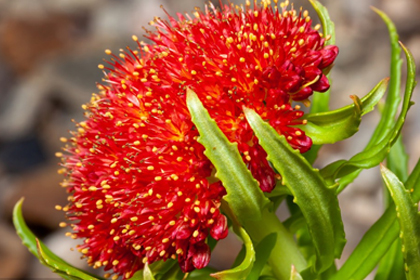
Functional and Nutritional Value Analysis of Rhodiola Rosea Extract
1. Rich in Characteristic Active Ingredients
rhodiola rosea herbal extract mainly featured with rosavins and salidroside. These natural compounds help sustain normal bodily functions and keep the body in good condition when facing physical and mental fatigue.
2. Diverse Trace Elements and Nutrients
It contains a variety of trace elements including iron, zinc and magnesium, as well as multiple amino acids. These nutrients participate in daily human metabolism and supplement essential substances the body needs.
3. Benefits for Physical and Mental Wellbeing
Natural ingredients in the extract help regulate emotional and mental state, supporting mental clarity during heavy workloads. It also aids physical recovery after prolonged physical activities and promotes overall wellness.
4. Natural Antioxidant Properties
It contains natural antioxidant substances that act on free radicals in the human body. They mitigate the impact of oxidative stress and help maintain normal cell conditions.
Versatile Applications of Rhodiola Rosea Extract
1. Raw Material for Functional Foods
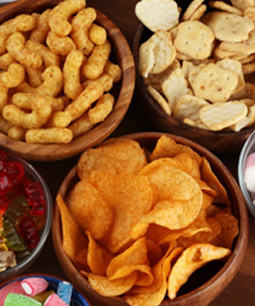
It is widely used in dietary supplements, functional beverages and healthy bakery products. The extract can be easily incorporated into food formulas to deliver natural active components. Moderate consumption is recommended as part of a balanced diet, following the usage guidelines of specific products.
2. Raw Material for Cosmetics
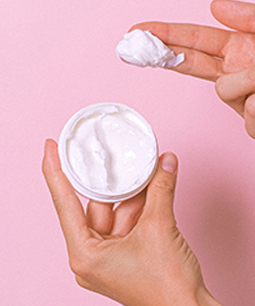
Leveraging its antioxidant properties, rhodiola rosea extract is added to creams, lotions and serums. It helps care for skin, reduces adverse impacts from external factors and maintains healthy skin condition. It also features good compatibility with most common cosmetic ingredients.
3. Ingredient for Daily Adult Care Products
As a natural raw material, it is used in a wide range of daily care goods. It suits people with busy work schedules and active lifestyles. Always follow the recommended dosage. Those with special health conditions are advised to consult a professional before use.
Target Users of Rhodiola Rosea Extract
1. People with Heavy Work and Mental Load
Those who work long hours or face intense mental demands often suffer from persistent fatigue. The active ingredients help regulate physical and mental state, and maintain stable performance in daily activities.
2. Regular Physical Activity Enthusiasts
For athletes and people who exercise frequently, the extract assists post-workout recovery and relieves fatigue caused by physical exercise.
3. People Seeking Natural Nutrient Supplements
Individuals who wish to supplement natural trace elements and amino acids can choose products formulated with this extract as part of a balanced diet.
4. Skincare Enthusiasts
People who focus on skin care may opt for cosmetics containing rhodiola rosea extract, to protect skin from external irritants and keep it healthy.
5. General Adult Population
With moderate intake, the extract is suitable for daily use by most adults, serving as a great choice for an all-round wellness lifestyle.
